

Dogs are deeply connected to humans so much that we sometimes forget they are not ordinary animals in a scientific sense. Although zoology studies species across the planet from insects to large mammals, dogs are almost never a central topic of zoological research. The reason is not simple, but it reveals much about how dogs came to be, how they function, and why their world cannot be understood without the concept of the human.
Why Dogs Are Not a Subject of Zoology
Zoology deals with animals in their natural form as they would exist without human influence. That is exactly where the issue with dogs begins. A dog is not a species shaped by nature but a species shaped by humans. Through thousands of years of selection, people created hundreds of breeds with characteristics that would never be sustainable in nature: short muzzles, extremely short legs, very large bodies, unusual proportions, and physiology that depends on constant human care.
Because of this, many biologists and zoologists view dogs and zoology as two separate worlds. Many scientists describe dogs as degenerated forms of a species, not in an emotional sense but in a biological one. They are shaped in a way that would not allow them to survive without humans.
How Selection Changes the View of Zoology
Selection turned the wolf into an animal that now has more than four hundred varieties, from the Chihuahua to the shepherd. Zoology cannot study dogs as one animal, because there is no single dog. There is a whole spectrum of shapes and behaviors created by human desires, needs, and aesthetics.
Many breeds have physical traits that would never be possible or sustainable in nature:
-
Dogs with short leg syndromes would struggle to survive even a few days in the wild.
-
Brachycephalic breeds have breathing difficulties that would be fatal in nature.
-
Extremely small dogs would become prey for the first larger predator.
-
Very large dogs require too much energy for an ecosystem without constant food availability.
All of this makes dogs and zoology an unnatural pairing for classical science. That is why they are more often studied through ethology, genetics, veterinary science, behavioral psychology, or anthropology.
Iron Hand of Discipline: Do Electric Collars Actually Break Dogs
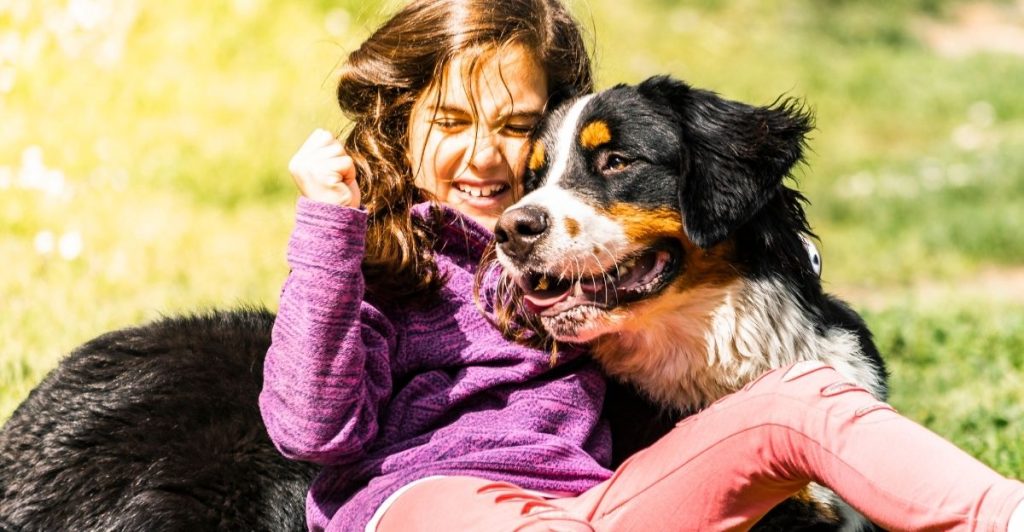
A dog is not a natural animal, but a being shaped alongside humans.
What This Means for Dog Owners
For owners this insight carries an important message. A dog does not function as a natural animal, but as a being that relies on humans for stability, structure, and guidance. Its physiology, development, and need for safety cannot be interpreted through the lens of wilderness.
A dog does not seek a natural environment but a stable human. It does not develop through packs but through affective bonding with its owner. It does not choose its path alone but learns it by watching our behavior.
Understanding that dogs are not a subject of zoology only confirms what every owner feels. A dog is a being that was not created in nature but in relationship with humans. And that is why its world is understood through humans, not through science alone.