
When someone mentions a dog with loose teeth, it almost always turns out the problem isn’t just dental. The question asked on the show “1000 Whys and 4 Hows” — why dogs’ teeth become loose — actually leads much deeper, to the mineral balance within the body.
I’ve spoken about this many times, and I keep returning to it, because understanding this connection is where true canine health begins.
Calcium–Phosphorus Imbalance
When excess copper depletes magnesium, the delicate balance between calcium and phosphorus becomes disturbed. Consequently, when those minerals fall out of alignment, the body begins drawing calcium from the bones.

This creates a paradox — the body has too much calcium in circulation, yet the bones and teeth become fragile. Therefore, the supporting bone tissue in the gums weakens and becomes porous, which is why many owners notice a tooth that’s suddenly loose for no apparent reason.
Copper Toxicity and Magnesium Deficiency
An overload of copper almost always indicates a magnesium deficiency, which affects how calcium binds in tissues. Simultaneously, the body stores calcium where it doesn’t belong — in soft tissues instead of bones.
This imbalance also leads to plaque buildup. When the body excretes calcium in higher amounts, it hardens the plaque into tartar. Dental tartar isn’t just cosmetic — it signals magnesium deficiency and often copper toxicity.
The Oral Microbiome and Gum Health
A dog’s mouth has its own microbiome, just like the gut. When the biodiversity of that microbiome loses its balance, previously harmless bacteria become opportunistic. Consequently, they start causing gum inflammation and the breakdown of tissue that holds the teeth in place.
The copper–zinc ratio plays a key role in immune function. When copper dominates, immunity weakens, gums become sensitive, and the oral microbiome loses its natural stability.
Stress, Hormones, and the Adrenal Glands
An imbalance between sodium and potassium indicates overactive adrenal glands — a sign of chronic stress. Dogs living under stress often show weakened immunity, which worsens dental and gum conditions.
When all four of these relationships — calcium and phosphorus, magnesium and copper, zinc and copper, sodium and potassium — suffer disturbance, the result creates a cascade of problems: loose teeth, bleeding gums, and systemic imbalance.
Why Can’t a Dog Relax?
From the Illusion of Perfection to the Truth: Why a Dog Is Not a Trophy
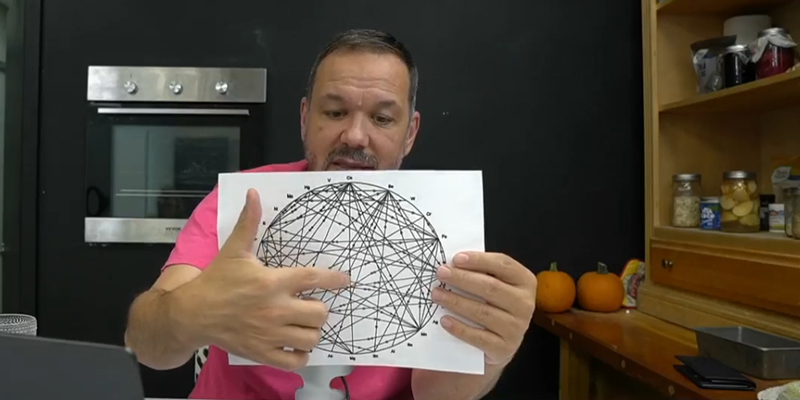
UNDERSTANDING MINERAL RELATIONSHIPS LIKE COPPER, MAGNESIUM, AND CALCIUM IS ESSENTIAL FOR CANINE HEALTH.
The First Step Toward Healing
Healing, as always, begins with understanding.
A dog’s body reflects its internal chemistry. When we see behavioral issues — pulling on the leash, barking, fear, or aggression — they often mirror physiological imbalances that have already taken root.
Ultimately, loose teeth, elevated urea, or skin problems are all different expressions of the same inner disbalance. Once we address the mineral harmony — especially copper, magnesium, and zinc — the entire organism can begin to restore itself naturally.
Thank you for reading.
To discover more about how emotional alignment, balanced lifestyle, and authentic energy restore internal balance, read our canine wellbeing guidelines.
See you next time.
At Sasha Riess, we look past commercial labels to honor the unique biological blueprint of your companion. True health requires addressing the subtle internal patterns that create lasting vitality and pureloveandharmony. Discover the customized path to your dog’s longevity: Linktree Sasha Riess
👉 Follow our Facebook page and never miss our latest articles, news, and updates.
What If The Dog Was Never The Problem?
View this post on Instagram