
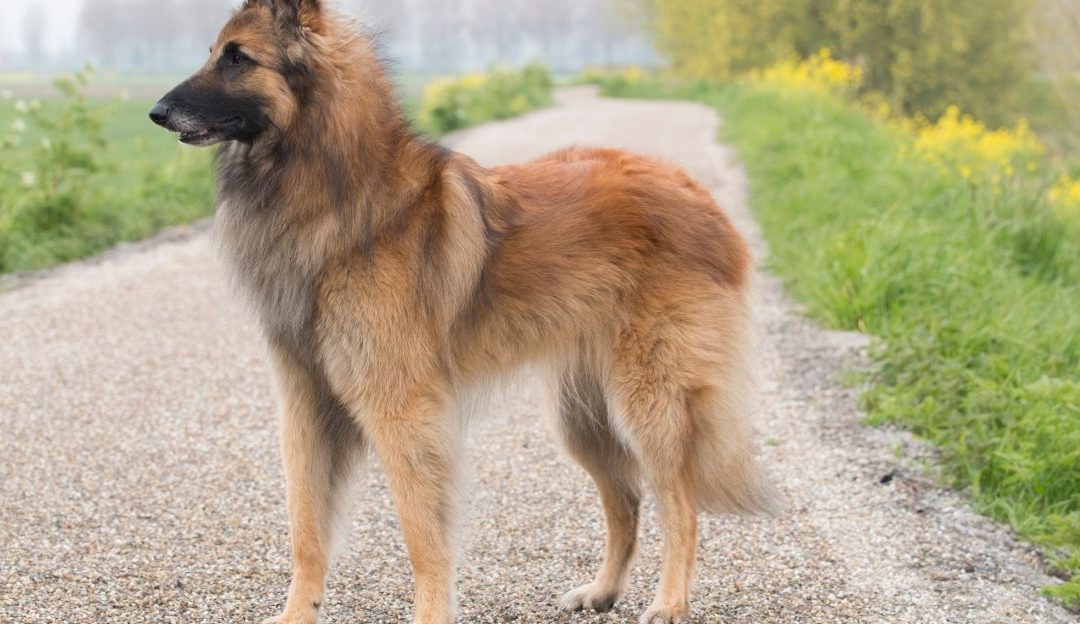
Determining a dog’s ideal weight is essential for health and longevity. A dog’s ideal weight does not depend only on breed, but on body proportions and the amount of body fat. Too much or too little fat can lead to serious health problems, which is why it is important for owners to know how to assess their dog’s condition.
How to Check Body Fat in a Dog
The most reliable way to assess your dog is through touch and observation.
-
Overweight: Observe the area around the ribs. If the fat layer is so thick that the ribs cannot be felt at all, the dog is overweight. Note that fat tissue does not always feel soft; it can also feel quite firm.
-
Underweight: If the skin between the ribs is very loose and the ribs are clearly visible or strongly felt with no padding, the dog is underweight.
-
Ideal Weight: The ideal weight is reached when the ribs can be gently felt or slightly seen, with a thin, healthy layer of fat between the skin and the ribs.

What Does Not Determine a Dog’s Ideal Weight
It is important to note that a dog’s height or breed alone does not define ideal weight. The key factor is muscle mass, especially in the rib area, because muscle makes up most of the dog’s body mass. A muscular dog may weigh more on the scale but still be at an ideal body condition.
Black Dog White Mirror of Society Why They Are the Easiest to Abandon
A Dog Is Not Your Savior and Is Not Here to Solve Your Emotional Problems
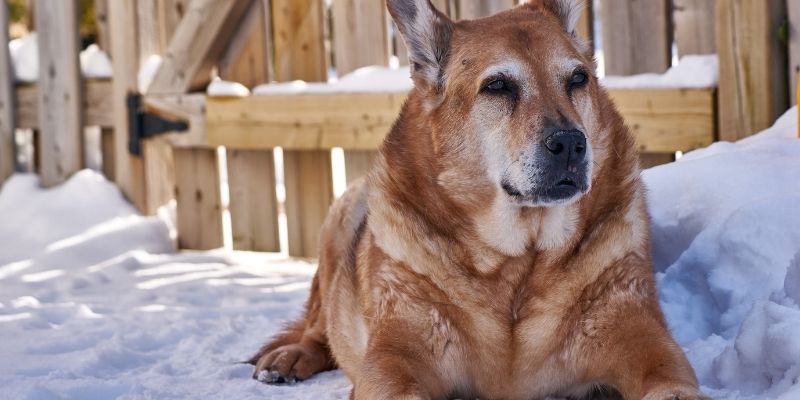
The ideal weight is when the ribs can be gently felt under a thin layer of fat.
How to Assess Your Dog at Home (Step-by-Step)
You can perform this simple check-up regularly to monitor your dog’s health:
-
The Rib Test: Gently feel the ribs with light pressure of your hand. You should feel them like the back of your hand—not prominent like knuckles, but not hidden like the palm.
-
The Profile View: Observe the dog’s waistline from the side. There should be a slight „tuck“ behind the ribs.
-
The Overhead View: Look at your dog from above. You should see a clear waistline behind the ribs, creating an hourglass figure.
-
Estimate Fat Thickness: Assess the thickness of fat specifically between the skin and ribs.
This simple check can help you determine whether your dog is underweight, at an ideal weight, or overweight.
This understanding of a dog’s emotional and physical state is at the heart of everything we do. At Integrative and Holistic Grooming Education, we teach people how to apply these principles of stability and care in their everyday lives with their dogs, helping create calm, healthy, and happy results.