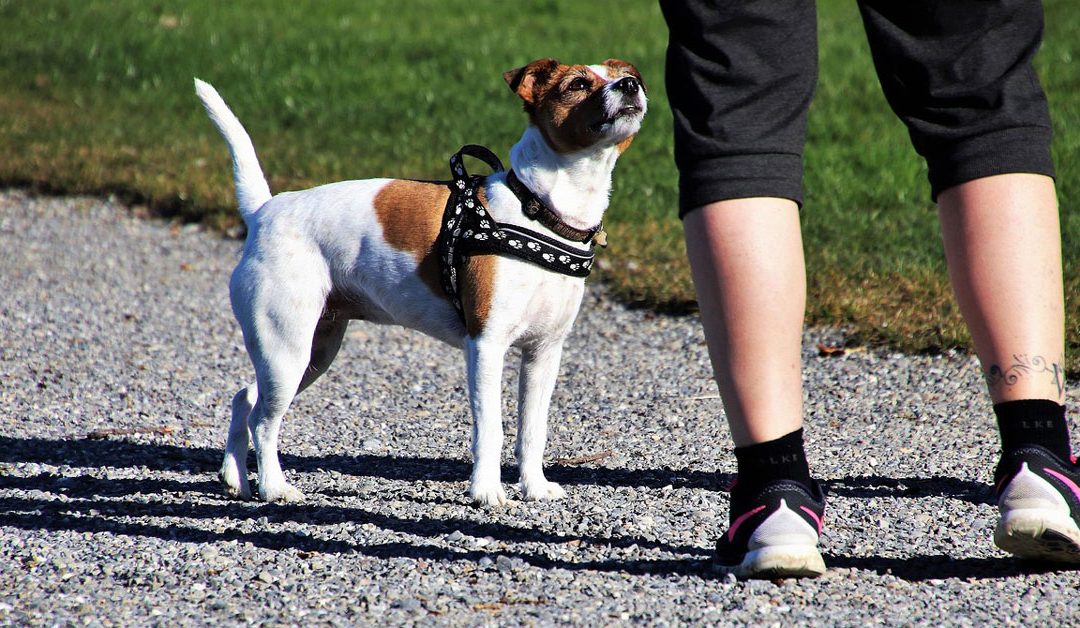
A dog and a human are neither a pack nor a family; they create a unique bond built on trust, love, and mutual growth.
The Dog and the Human Are Not a Pack
When we speak of a pack, we think of a family with clear biological connections: mother, father, offspring. In that sense, a dog and a human can never form a pack. What arises between them is something different, unique, and difficult to explain through natural laws.
A Bond That Transcends Hierarchy
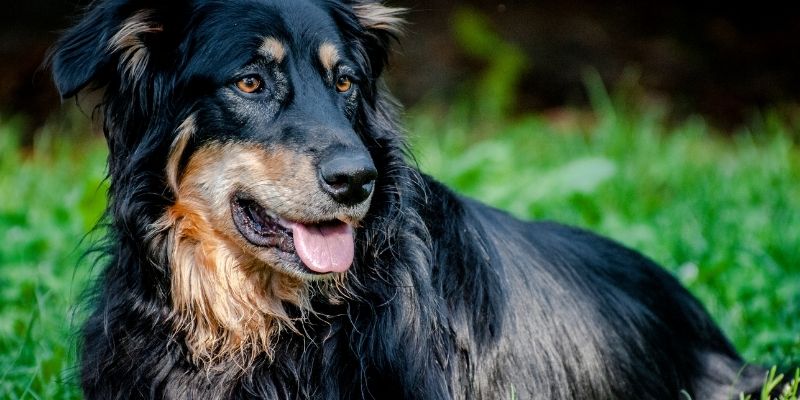
What exists between a dog and a human goes beyond the rules of hierarchy and survival. It is not a relationship of dominance but a space where trust, love, and belonging create community. The dog sees safety and support in the human, while the human sees in the dog the reflection of his own soul.
A New Community: Beyond Boundaries
A dog and a human together do not form a pack. They create a new, unique community where boundaries disappear. It is a space in which both are shaped, grow, and learn through each other. Every interaction with a dog reminds us of the importance of honesty, patience, and love that has no form, no rules, and no end. This is the essence of the human dog relationship in its purest form.
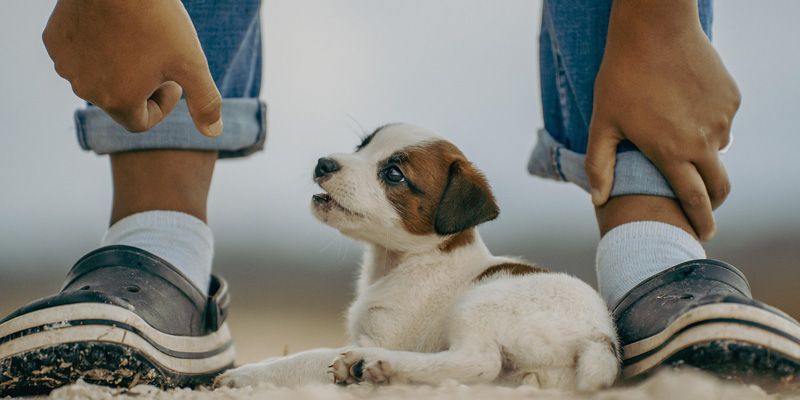
Trust is the foundation of the human dog relationship.
The Lesson a Dog Brings
This bond teaches us that love is not limited by natural laws. A dog and a human build a relationship that is unbreakable and unique. There is no hierarchy, no structure, only trust and shared growth. Through this connection, we learn that true love is free and infinite. This understanding is what defines pureloveandharmony.
At Integrative and Holistic Grooming Education, we believe that when we stop trying to „lead“ and start trying to „connect,“ we finally find the harmony we’ve been seeking. Discover the Third Wave: Linktree Sasha Riess
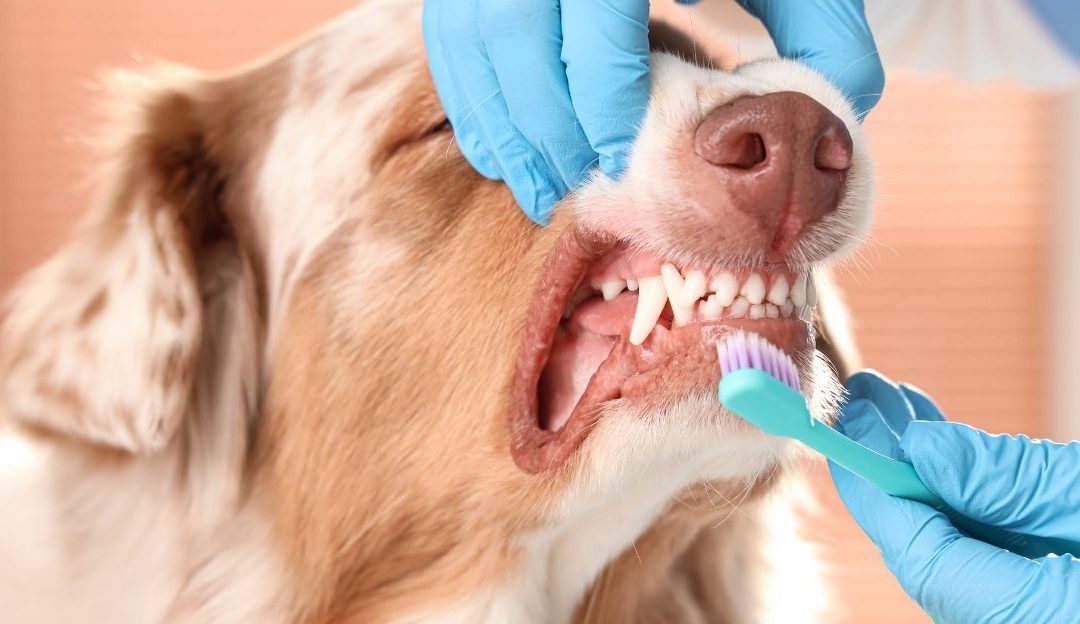
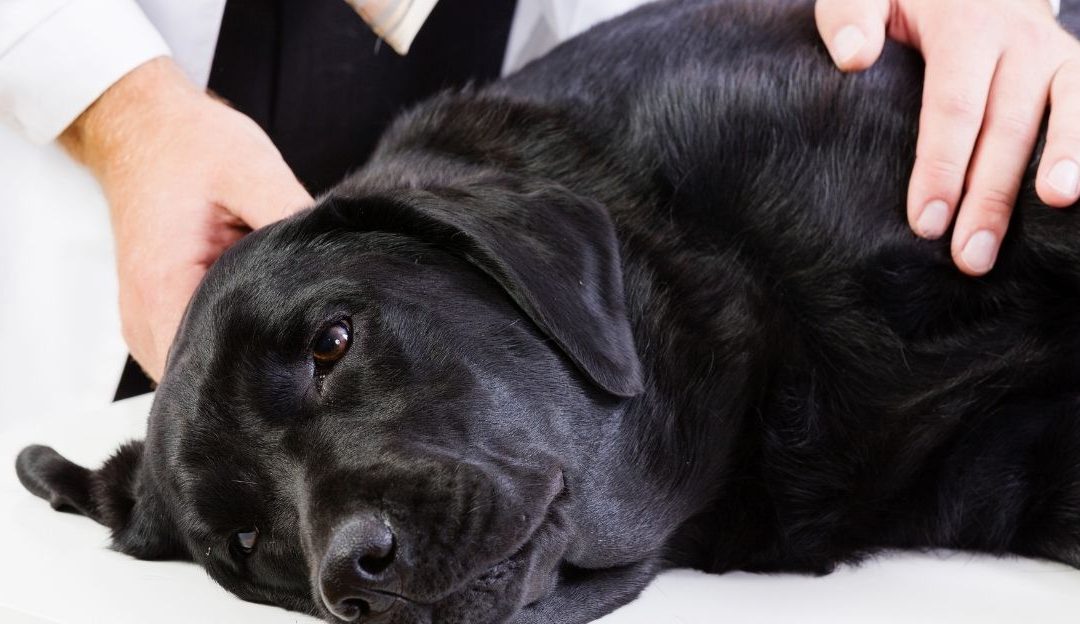
Teeth cleaning in dogs is a far more complex issue than it seems at first glance. Everything depends on why the dog has dental problems. In most cases, the issue is dental plaque, but it’s important to understand that bacteria in this process are a secondary occurrence.
Understanding the Cause, Not Just the Symptom
Dental plaque itself is a normal phenomenon. The problem begins when calcification and mineralization of the plaque occur, a process that would not happen if the thyroid gland were functioning properly.
When that function weakens, minerals begin to “wander” through the system, depositing themselves and creating the foundation for tartar buildup. That’s why teeth cleaning in dogs is often only a symptomatic solution. Ultrasound treatments and toothpastes can help temporarily, but the problem returns quickly because the underlying cause remains unresolved.
How Tartar Forms: The Mineral Process
The process begins with calcification and mineralization of plaque. The first colony of bacteria adheres to these minerals, followed by an entire microbiological community attaching itself to the surface. The result is:
Unpleasant odor
Tissue decay
Formation of a solid tartar layer
The only real solution is to prevent excess mineral accumulation, which depends on maintaining healthy thyroid function within the human dog relationship.
The Connection Between Stress and Tartar
The thyroid gland is directly connected to the adrenal glands and to the levels of adrenaline and cortisol in the blood. When a dog is anxious and lives under constant stress, adrenal activity increases while the thyroid weakens. This leads to an overall imbalance, including dental problems.
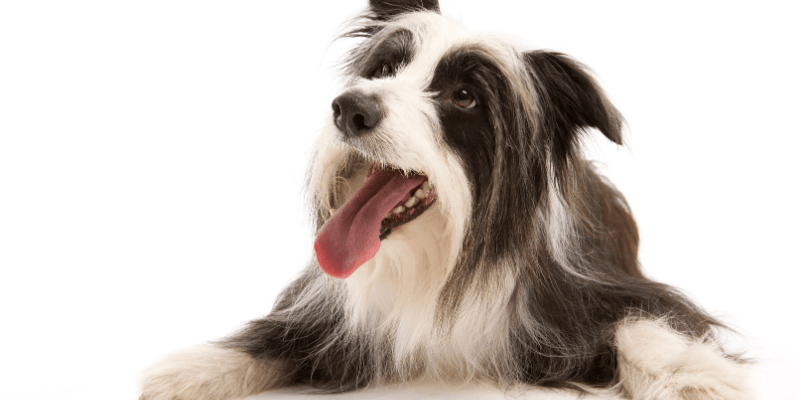
Peace and a stable relationship reduce the risk of dental problems
Chronic stress can even cause the formation of small nodules on the parathyroid glands. That’s why resolving teeth cleaning in dogs is directly related to communication and a sense of safety within the home.
The Real Solution: Peace and Balance
A dog that lives in peace, with a stable relationship and clear boundaries, has a much lower chance of developing chronic dental issues. The true answer doesn’t lie in ultrasonic cleaning but in understanding the cause—from hormones to the dog’s emotional state.
The teeth are a mirror of a dog’s inner balance, just as our smile reflects our own health and peace.
At Integrative and Holistic Grooming Education, we look beyond the surface. A healthy smile starts with a balanced soul and a stable thyroid. Explore our philosophy of harmony: Linktree Sasha Riess
Spaying and neutering dogs were considered for decades a routine and almost mandatory practice of responsible ownership. However, modern veterinary science and new research are now questioning this approach, pointing to serious long-term health consequences for dogs and cats.
How the Professional View on Spaying and Neutering Has Changed
For many years, it was believed that the ideal time to neuter a dog was around the second year of life, after growth and development were completed. Yet, long-term experience in working with dogs, monitoring behavior and health issues, and reviewing scientific studies have shown that routine spaying and neutering dogs is not a universal solution.
Today, there is a growing emphasis that these procedures should be viewed exclusively as a therapeutic model, not as a preventive measure applied without individual assessment.
WSAVA Changes Recommendations: Spaying Only When There Is a Medical Reason
The World Small Animal Veterinary Association (WSAVA) has officially changed its recommendations regarding spaying and neutering dogs. In an executive summary published in 2024, it states that due to increasing evidence of harmful health effects of traditional gonadectomy, responsible owners are encouraged to leave dogs and cats intact unless there is a clear medical reason.
Special attention is drawn to the increased risk of:
Malignant diseases
Joint and skeletal disorders
Hormonal imbalance
Metabolic problems
WSAVA emphasizes that spaying and neutering dogs younger than six months is not recommended, as it significantly increases the risk of long-term health consequences within the human dog relationship.
When Spaying and Neutering Dogs Is Justified
According to modern guidelines, these procedures have justification:
In cases of malignant diseases of the reproductive system.
When there is a clear therapeutic reason.
In special circumstances such as shelters, with the use of alternative methods that carry lower health risks.
WSAVA changes its position on routine gonadectomy.
WSAVA also points out that although population control is important, it is not clear whether mass low-cost sterilization programs have truly reduced the number of abandoned animals, nor whether TNR programs bring long-term results.
Responsible Ownership Means an Individual Decision
Spaying and neutering dogs are not a question of morality but of medicine. A modern approach requires individual assessment of each dog, its health, environment, and real risks. Routine decisions without analysis are no longer in line with current science.
At Integrative and Holistic Grooming Education, we advocate for decisions based on biology and individual needs. Respecting the dog’s hormonal integrity is a key part of the Order of Harmony. Explore our philosophy: Linktree Sasha Riess
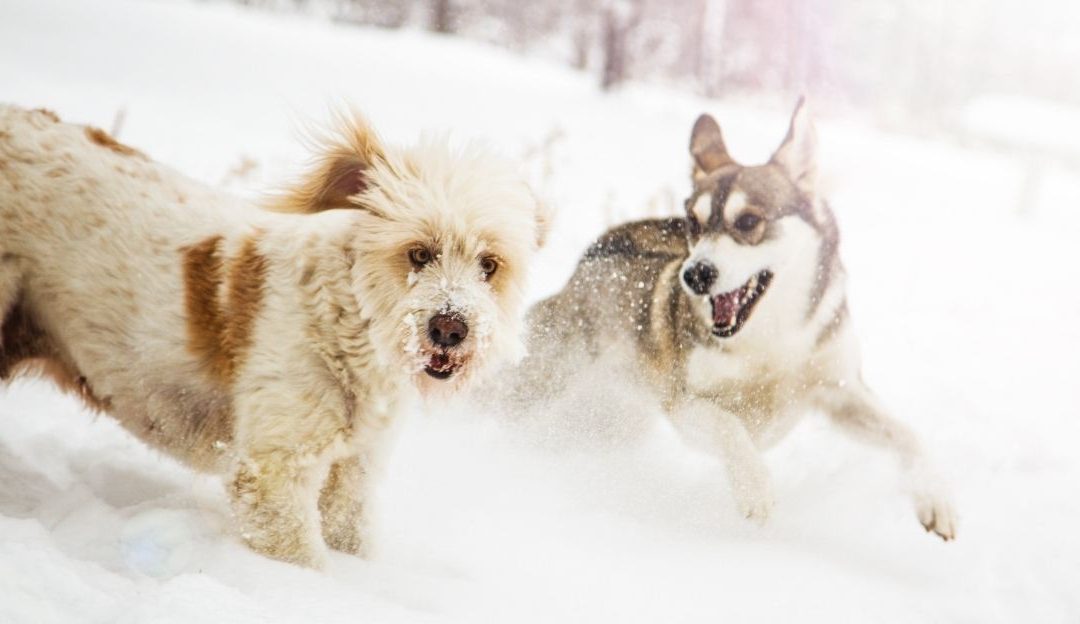
In the modern world of dog care, we increasingly see how good intentions can easily slide in the wrong direction. We have more information and products than ever, yet we are exposed to a greater risk of viewing dogs through a human lens. One question that appears every winter is whether dressing dogs in jackets or boots is a necessity or another example of anthropomorphism.
Thermoregulation: How Dogs Actually Experience Cold
To speak about this responsibly, we must distinguish between appropriate support and human projection. Dogs have a fundamentally different thermoregulation system. While humans rely on sweat glands, dogs regulate temperature primarily through breathing, panting, and the complex interaction of skin and coat.
All dogs have an undercoat, a natural thermal insulation system. Fur is not a passive “coat”; it creates an air layer that protects the dog from both cold and overheating. When dressing dogs without understanding this, we risk disrupting the very system that naturally protects them.
Adaptability: The Dog as a Being of Inner Resources
The dog is one of the most adaptable animals. Its strength lies in using its own inner resources to adjust to the present moment. A dog uses neuroplasticity to optimize functioning in a specific environment. A human often says, “I am cold, so my dog must be cold,” but the dog does not interpret clothing as love. It experiences it through restricted movement, trapped moisture, or overheating.
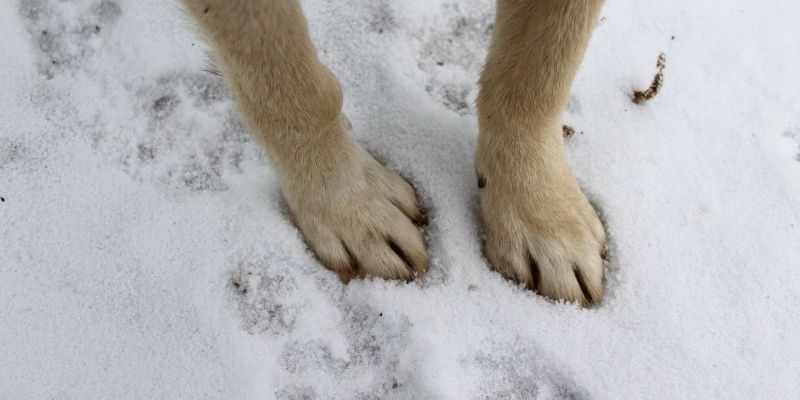
Paws are a highly specialized structure, not bare feet.
Why Paws and Boots Are a Special Challenge
A particularly important aspect of the human dog relationship involves the paw pads. They are not “bare feet” but highly specialized anatomical structures that participate in thermoregulation, stability, and body awareness.
Pads are programmed to adapt to terrain. When we interrupt this process with boots or excessive creams, we change the biomechanical model of movement. This can influence joint alignment and weight distribution, creating patterns that resemble hip dysplasia or heel-related problems.
When Is Support for Dogs Justified?
This does not mean that dressing dogs is never justified. There are specific situations where protection is a choice based on knowledge, not subjective feeling:
Older dogs with reduced mobility.
Dogs with chronic illness.
Dogs with compromised or diseased coats.
Life with a Dog Is a Relationship, Not Fashion
Before deciding on clothing, it is essential to understand canine physiology and the nervous system. Many products exist because they are commercially profitable, not because they are necessary.
Life with a dog is not a matter of fashion, but of relationship and respect for natural adaptability. When we step away from anthropomorphism, we open space for genuine care and harmonious living within the human dog relationship.
At Integrative and Holistic Grooming Education, we prioritize the dog’s natural biological functions over human trends. Respecting the coat and the paws is the first step toward true harmony. Explore our approach: Linktree Sasha Riess
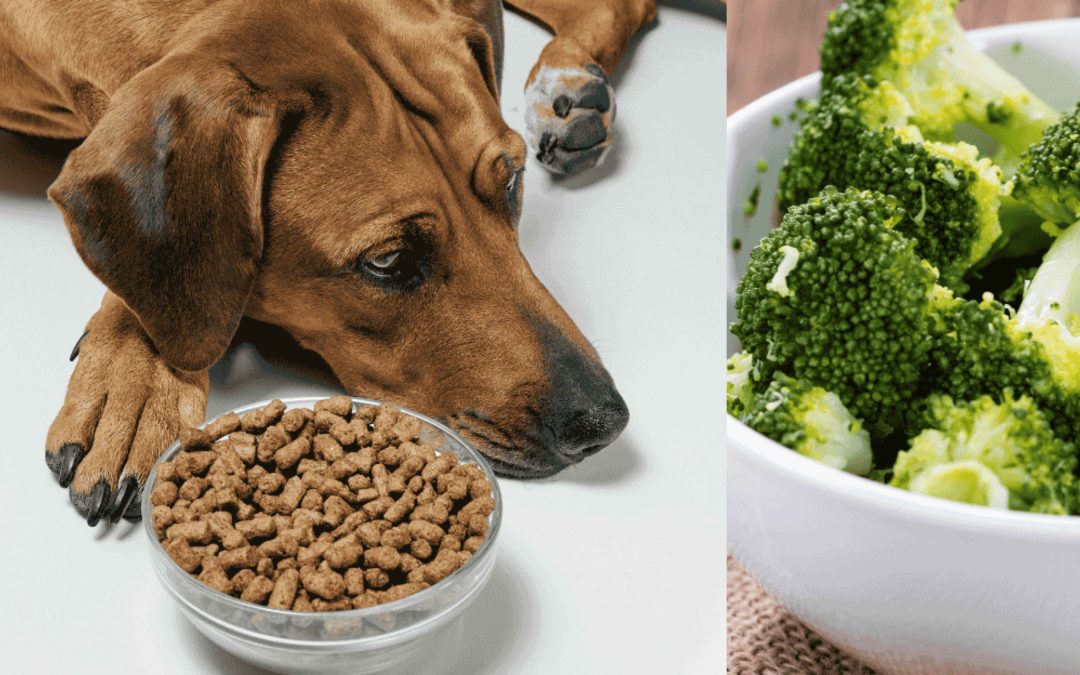
You can safely introduce broccoli to dogs who already eat cooked food. Adding vegetables such as broccoli supports dogs nutritionally by promoting the development of natural probiotics in the gut, strengthening the immune system, and helping maintain emotional balance.
Broccoli as a Healthy, Natural Addition to Cooked Meals for Dogs
Broccoli contains sulforaphane, a powerful antioxidant known for its protective effects, including potential prevention of certain types of cancer. When adding broccoli to the human dog relationship and their daily nutrition, it is important to chop it into very small pieces, around two millimeters, so dogs can digest it easily and fully absorb its benefits.
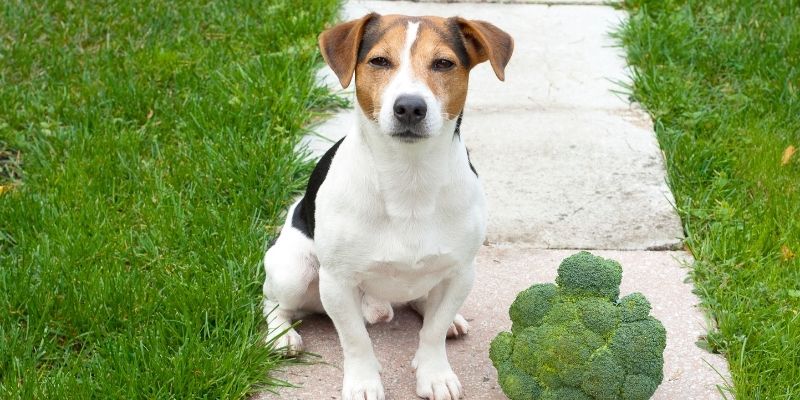
Dogs can enjoy broccoli when it is properly prepared and finely chopped.
Broccoli as a Nutritious and Safe Snack for Dogs
Dogs can enjoy broccoli when it is properly prepared and finely chopped. This simple addition to their bowl is more than just food; it is a way to support their biological rhythm and long-term health.
Preparation and Resting Time for Optimal Nutrition
To maximize the amount of beneficial sulforaphane, finely chopped broccoli should be left to rest for about ninety minutes before being added to the meal. This ensures your dog receives an optimal nutritional boost, whether they eat kibble or cooked food. By respecting these small details in preparation, we respect the dog’s physiology and their right to a vibrant life.
At Integrative and Holistic Grooming Education, we believe that true care starts with the smallest ingredients. When we nourish the body correctly, we create space for harmony. Explore more: Linktree Sasha Riess