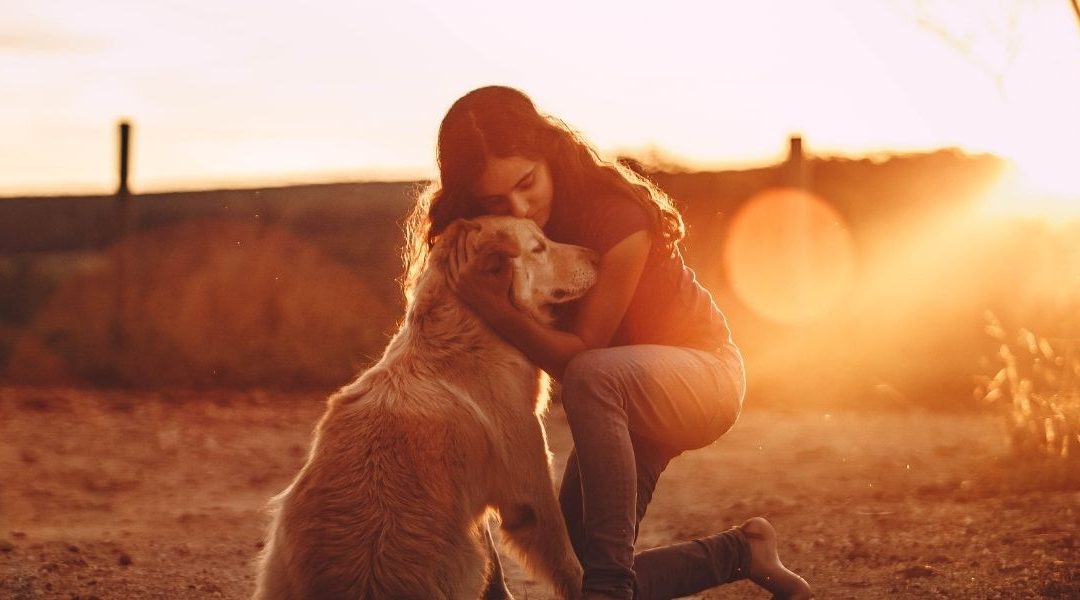
Dogs are more than loyal companions — they are bridges between the world of the living and those who have passed. Through them, we often feel the presence of those we’ve lost, because the love we carry inside doesn’t end with a physical goodbye. It simply takes a new form — a warm gaze, a gentle wag of the tail, a closeness that can’t be explained by reason.
Dogs Reflect Our Souls
There is a special connection between a person and a dog — one that goes beyond feeding, walking, and play. A dog recognizes in us what we often forget we have — quiet sorrow, tenderness, and a longing for peace. When we lose someone dear, a dog often becomes a channel through which we learn to love again, to embrace, and to believe that nothing in the universe truly disappears — it only changes form.
Love Beyond Presence
I can love you even without you. Love isn’t about possession — it is a state of being. When a dog enters our life, it doesn’t seek to replace what’s lost; it reminds us that love is always there, within us, needing no physical presence to exist. Through our dogs, we often embrace our memories— a parent, a child, a friend — and for a brief moment, all pain fades away.
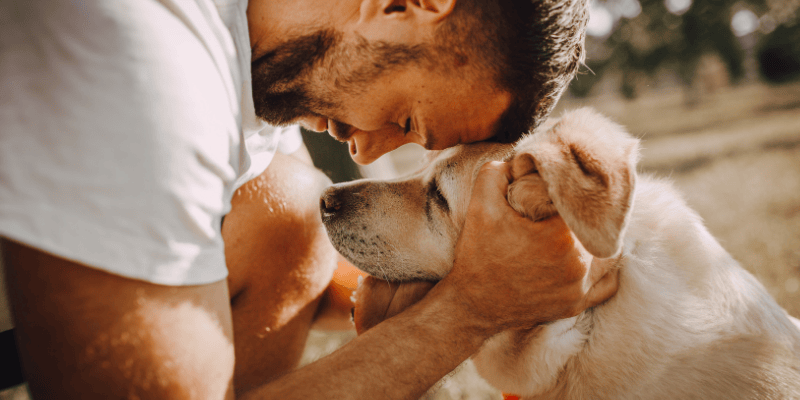
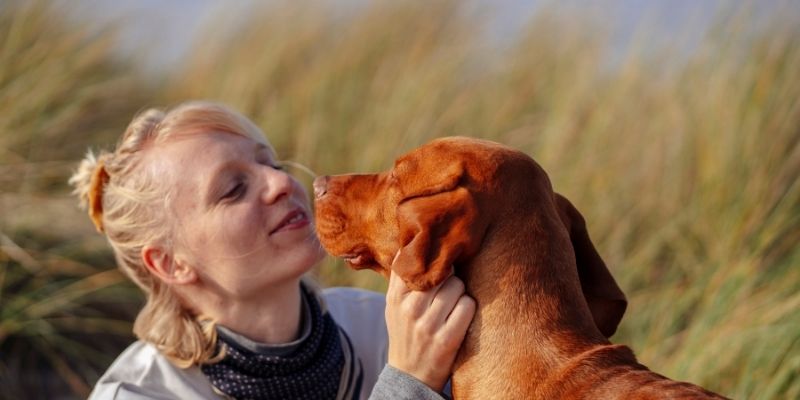
A man and a dog share a moment of silence and understanding – a bond that knows no words.
Dogs Connect Us with the Souls We Love
It’s not uncommon that through our bond with a dog, emotions we’ve buried rise to the surface. Dogs sense grief, loss, and unspoken pain. When we lean into their warmth, it’s as if we are holding those who are no longer here. They become bridges between worlds — and that’s why their presence carries such healing power.
The Dog as a Spiritual Guide
When we open our hearts to a dog, we are actually opening the door to our own soul. A dog does not judge, ask, or demand — it simply loves. And within that simplicity lies the deepest spiritual truth: love is eternal. Dogs teach us to love without condition, without fear, and without end.
At Integrative and Holistic Grooming Education, we believe that communication is felt, not forced. We teach you how to listen to your dog’s soul instead of just commanding their body. Explore our philosophy: Linktree Sasha Riess
Dogs Bring Happiness and Peace When the Relationship Becomes a Daily Practice
Dogs bring happiness and a sense of peace when the relationship with them does not remain only a possibility, but becomes a daily practice. A dog does not come into our life to solve problems instead of us, but to lead us toward facing them. That is why people often find peace with dogs that they are unable to find anywhere else.
How Dogs Bring Happiness and Peace into Everyday Life
Many people say that dogs bring happiness and a sense of peace because, with them, they stop running away from themselves. With people, we are constantly negotiating. With children, parents, partners, colleagues, and authorities. In those relationships there is history, expectations, power, and disappointment. A dog does not carry any of that. A dog reacts to what is, not to what we wish we were. That is why meeting ourselves through a dog is often more honest and less painful than through relationships with people. A dog does not pretend. A dog does not manipulate. A dog does not rationalize. A dog shows the consequence of our inner state.
Why Happiness with Dogs Comes Through Presence and Responsibility
People often believe they would feel calmer if only a certain problem disappeared. If only this situation, this person, this job, or this responsibility were gone. In that belief, happiness is projected into something in the future. A new object, a journey, a relationship, an experience.
Disappointment usually happens twice. The first time when it is not there. The second time when it arrives, and we realize it did not bring what we expected. Neither a new relationship, nor travel, nor possessions bring lasting peace. They only briefly shift attention.
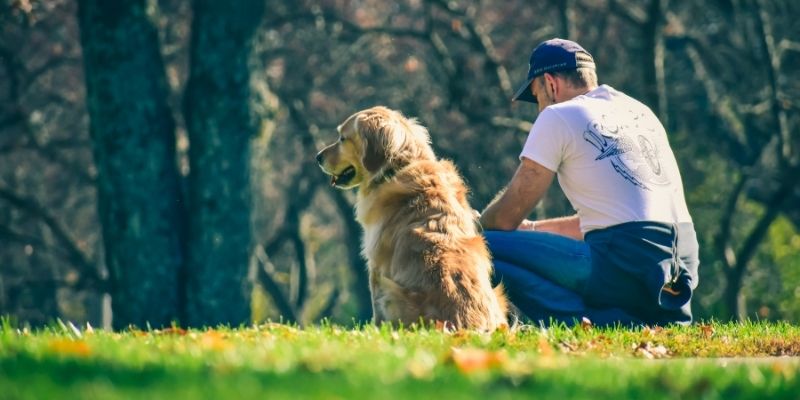
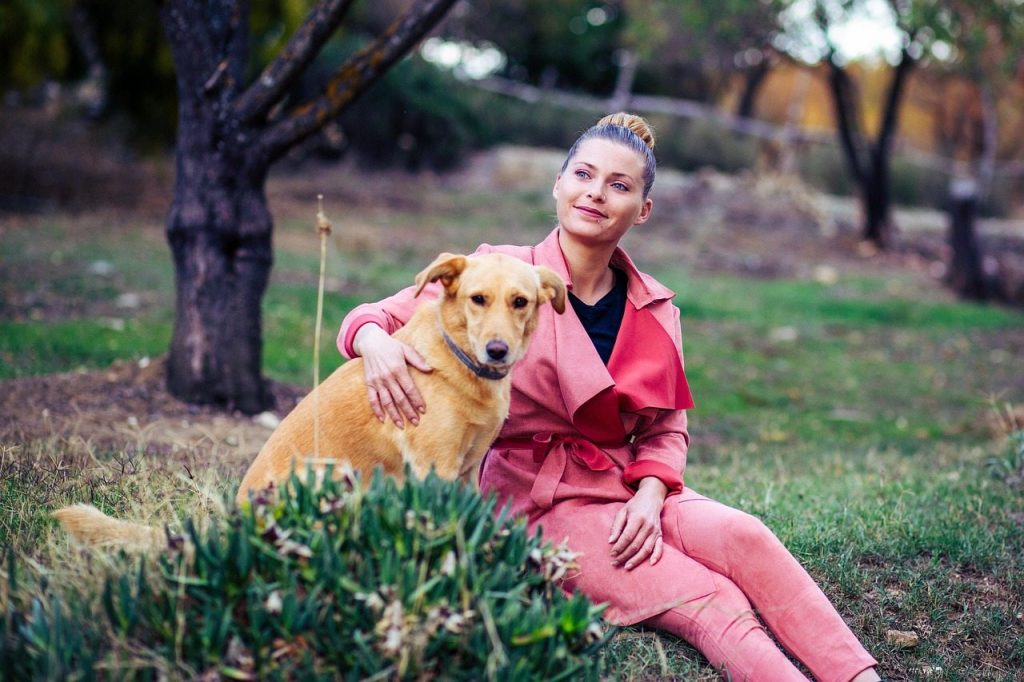
A dog brings us back to ourselves, without judgment or demands.
Emotional Stability and Dogs: How a Sense of Peace Is Created
A dog does not come as a distraction. A dog comes as a mirror. Through a dog, we cannot escape ourselves, but we can calm down in the presence of a being that does not ask for explanations, but for consistency. The peace people feel with a dog does not come because the dog is positive or therapeutic. It comes because the dog brings us back into the present moment. Into routine. Into responsibility. Into the simplicity of relationship. That peace people feel with dogs is not accidental. Dogs bring happiness and a sense of peace through relational stability, not through excitement. This is not an escape from problems. It is a meeting with them, without drama.
Dogs Bring Happiness: Why External Things Are Not Enough
True peace does not arrive when the external world changes, but when we stop believing that external things will save us from inner restlessness. A dog helps in this process because it constantly brings us back to the essentials. Care. Presence. Responsibility. Dogs do not give happiness. They create the space in which happiness can appear.
At Integrative and Holistic Grooming Education, we believe that communication is felt, not forced. We teach you how to listen to your dog’s soul instead of just commanding their body. Explore our philosophy:Linktree Sasha Riess
Shelters are meant to be places of hope, but for many, they are places of silent suffering. While we often talk about cold kennels and the lack of human contact, there is a quieter, more dangerous problem: the poor quality of dogs in shelters nutrition.
Very often, shelter food consists of expired kibble—stale, spoiled, and filled with chemicals. What the label calls “food” is often just industrial waste that the industry cannot sell to humans.
Poor Nutrition: The Invisible Source of Suffering
A shelter dog is already at the edge of its strength, battling anxiety and a weakened immune system. When we add low-quality food, the consequences are devastating:
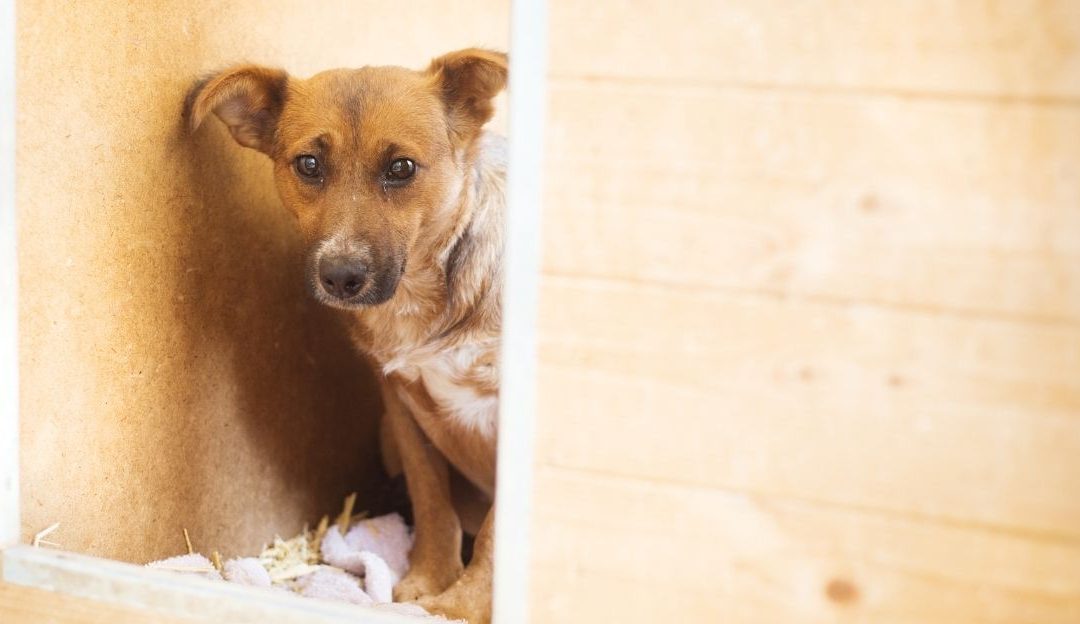
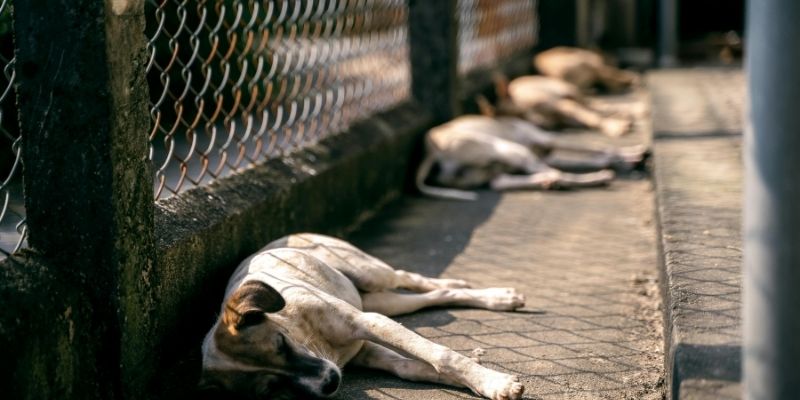
Poor conditions and low-quality food further endanger dogs in shelters.
The System, Not the People
This is not an accusation against shelter workers. Shelters are overwhelmed and underfunded. When a truck of expired food arrives, it looks like salvation. But in reality, this food often contains mold and toxins that directly poison an already exhausted system.
What Can Be Changed?
Food is the foundation of survival. When a dog receives clean, nutritious food, it gains a chance to heal. While shelter problems cannot be fixed overnight, the conversation about the quality of what they eat must begin today.
At Integrative and Holistic Grooming Education, we believe that health starts from within. A dog’s coat and spirit are reflections of their nutrition. Learn more: Linktree Sasha Riess
When it comes to our lives with animals, we must ask ourselves: is it dog training or a relationship of love? Training often reduces dogs to mere points in a program, but a real connection begins only when we stop training and start feeling.
Training as a Continuation of the Circus
The way dog training is understood today has never represented a relationship to me — it’s merely a modern form of the circus. Once, people used elephants, tigers, or lions to demonstrate power and entertain crowds. Today, the stage is smaller, the method refined — but the essence remains the same.
Trust is not commanded; it is built through presence, understanding, and love.
When I see dogs performing “tricks,” I don’t see freedom; I see limitation. The dog becomes a number in a show — a tool for our amusement, not a being that feels and breathes.
Zoos and “Positive Therapy”
In zoos, the same principle continues. Animals are taught to accept examinations, open their mouths, and take medication. While it’s called “positive therapy,” the essence hasn’t changed — it’s still about the human adapting the animal to themselves.
The True Essence of Relationship
No one in this process enters the animal’s soul or inner world. The focus remains on shaping behavior for human convenience, while the animal’s need is forgotten. A dog didn’t come into our lives to perform, to entertain, or to validate us. Its presence carries something much deeper — a call to relationship.
True trust doesn’t need a command; it only needs your presence.
Relationship, Not Domination
A true relationship isn’t built on dominance, but on trust, belonging, and sincere love. When we choose a relationship of love over dog training, we stop taking away who they truly are.
True Companionship, Not a Circus
When I understood that, I discovered something else — that only then does the bond with a dog stop resembling a circus and start resembling a real community. That’s the moment when both human and dog become what they were always meant to be — partners in life.
At Integrative and Holistic Grooming Education, we believe that communication is felt, not forced. We teach you how to listen to your dog’s soul instead of just commanding their body. Explore our philosophy: Linktree Sasha Riess
Dogs don’t suffer because something is missing — they suffer because they’ve lost their essential connection with humans. In a world where we have everything, the dog is left without the one thing it truly needs — a stable, present, calm human.
I don’t mean physical presence, but energetic and emotional presence. Everything else — food, accessories, cosmetics — becomes meaningless when connection is gone.
How Caring for Dogs Became a Consumer Identity
The modern dog owner lives under the pressure of an industry that convinces us we can’t be responsible owners unless we constantly buy things. Dogs and consumerism have become so intertwined that caring for a dog has turned into a matter of image, not relationship. Shopping is no longer functional — it’s become a moral duty. We feel inadequate if we don’t buy regularly, and when we can’t afford it anymore, we start believing we no longer deserve our dog.
When Money Disappears — the Illusion of Love Crumbles
When the illusion of consumption collapses due to job loss or personal crisis, people often decide to give their dog away. They think they can no longer care for it, not because they can’t feed it, but because they can’t participate in the expensive „system of care.“ This is the result of a distorted message: that love for a dog depends on money.
What a Dog Truly Needs — Simplicity and Presence
A dog doesn’t need a lavender pillow or a spirulina supplement. It needs stability, clarity, and contact. It needs to know who leads and who stays, even when everything changes. No purchase can replace that.
A Personal Story — Betti and the Illusion of Perfection
I was once part of that system. Betti was a Bichon whose owners followed every „professional standard“—weekly grooming, perfect white coat, show results. But they eventually gave her away, believing they weren’t „good enough“ for her anymore.
Betti ended up with their cook—a woman with no money but a priceless advantage: she had no need to prove anything. She trimmed Betti’s hair with kitchen scissors and never tried to turn her into a trophy. For the first time, Betti could simply be a dog.
A dog doesn’t ask for luxury; it asks for the presence of a human who understands.
The Responsibility of Professionals
Experts, trainers, and groomers shape the idea of a “good owner.” When we raise that bar so high that it depends on money and perfection, we share responsibility for every abandonment caused by guilt.
Returning to Simplicity — Returning to True Love
If we pause, we’ll see how simple it is to give a dog what it truly needs: a human who understands it. Someone who knows that silence sometimes matters more than another toy.
The Pure Love and Harmony approach teaches that a relationship with a dog isn’t a luxury. You don’t need special equipment or a perfect home. You just need yourself—not as a buyer, but as a human who stays when everything else fades.
At Integrative and Holistic Grooming Education, we prioritize the bond over the brush. True care is about being present, not just providing products. Explore our philosophy: Linktree Sasha Riess