
by Sasha Riess | 03.03.26. | Wellbeing
Spaying and neutering are topics that often spark controversy among dog owners and veterinarians. The question of do dogs develop tumors if not spayed or neutered comes up frequently, but the answer is not simple. It is essential to understand not only the medical aspects but also the hormonal, ecological, and biological factors that shape a dog’s life.
When to Spay or Neuter and Why This Question Exists
Sterilization is often viewed as a preventive measure against unwanted litters and certain diseases, such as tumors of the reproductive organs. However, the decision on when to spay or neuter depends on the physiological and mental maturity of the dog. Premature sterilization can disrupt normal hormonal and physical development.
Veterinary experts generally recommend spaying or neutering only after the dog has reached sexual maturity, usually between 18 and 24 months. Before this period, sex hormones such as estrogen and testosterone are not yet fully developed and cannot properly support other bodily and mental functions.
The Risk of Tumors in Intact Dogs
Many dogs who are not spayed or neutered and have never had offspring can develop certain types of tumors. The most common are mammary tumors in females and testicular and prostate tumors in males, as well as uterine infections such as pyometra.
The cause is not only genetic. The deeper issue is that the reproductive organs lose their natural function when the reproductive drive is present but never expressed. This can lead to systemic imbalance and increase the risk of cancer.
How Hormones Influence Tumor Risk
Hormones play a crucial role in maintaining balance within the body. In dogs that are sterilized too early or never have the opportunity to express their reproductive function, hormonal imbalance may occur.
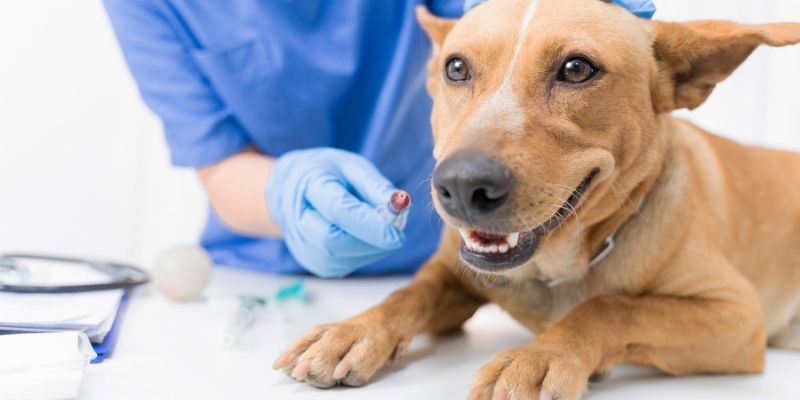
Properly timed sterilization reduces the risk of tumors and supports hormonal health.
Why Dogs Without Offspring May Face More Problems
Dogs who never use their reproductive organs may develop what can be described as an “energetic blockage.” When the body cannot properly utilize the natural function of these organs, it can increase the likelihood of tumors, especially in middle-aged and older dogs. Therefore, while sterilization reduces certain risks, its timing must be based on individual development.
The Mistake of Early Sterilization Policies
In the nineties, policies used for feral cats (Trap-Neuter-Return) were applied to dogs in the US to reduce stray populations. However, studies show that sterilization alone does not resolve overpopulation unless the population is first reduced to an ecological minimum. Nature does not tolerate a vacuum; removing dogs often just creates space for new animals from surrounding areas.
The Energetic Mechanism and Proper Timing
When a dog feels the need to reproduce but never has the opportunity, stress and hormonal imbalance can appear. Unexpressed reproductive energy can contribute to the development of cancer. This is why properly timed sterilization—after 18 to 24 months—is so critical. Sterilizing before full maturity can disrupt the development of bones, muscles, and hormonal balance.
Is It Better for a Female to Have a Litter?
Naturally, reproduction can reduce the risk of certain tumors in females as the organs fulfill their biological purpose. However, the decision to have offspring must be responsible. Every litter creates new lives that require care, time, and space.
The right decision about sterilization should be calm, thoughtful, and based on the dog’s physiological development, not merely on social or political pressure.
At Integrative and Holistic Grooming Education, we believe that every physical symptom is a message. Understanding these signals and addressing them through a holistic lens is at the heart of everything we teach to ensure the well-being of every dog in our care. Learn more and join our community: Linktree Sasha Riess

by Sasha Riess | 03.03.26. | Nutrition
At first glance, commercial dog food seems like a perfect solution. It is easy to buy, practical, and described as professionally formulated. But the core of the problem is not practicality. It is responsibility and the role of the owner.
Why It Is Essential That You Personally Prepare Food for Your Dog
If you prepared food yourself, you would need to choose ingredients, think about the balance of proteins, fats, and carbohydrates, observe your dog’s reactions, and adjust the diet according to your dog’s condition. By buying ready-made commercial dog food, you transfer that responsibility to someone else.
Why Commercial Food Is Often Offered as an Easier Solution
If profit were the only goal, the market would already be overflowing with supplements, special formulas, and industrial products promising health. The problem is that commercial dog food is not designed in service of the dog, but in service of the system.
When someone sells you a ready solution, they are actually taking away your opportunity to understand, removing responsibility from your hands, and limiting your ability to learn and adapt on your own. A dog does not respond through packaging; a dog responds through relationship.
Why It Matters That You Remain in Service of Your Dog
When you prepare food yourself, you observe your dog, notice changes in behavior, and respond earlier than any industry ever could. This is not always easy. It is not fast. It is not clean or perfectly measured. But it is honest.
That is why many people do not remain in this process for long. Not because they do not want better, but because they cannot carry the responsibility.
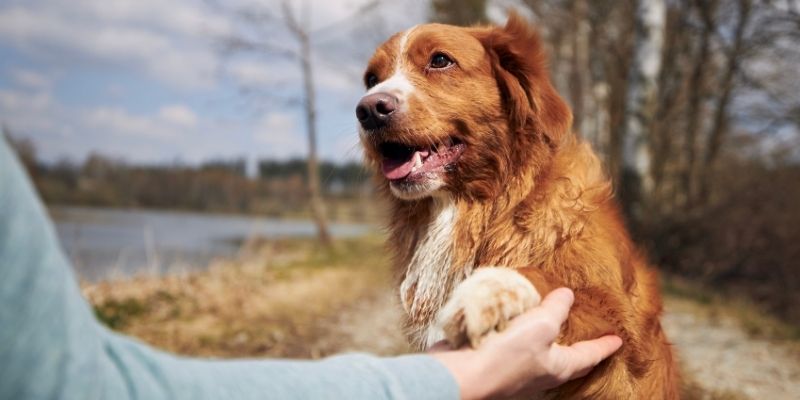
Nutrition is part of the relationship, not just a meal.
Perfection Is Not the Goal. Presence Is.
There is no perfect diet. There is no perfect owner. There is only effort, learning, mistakes, and correction. Perfectionism has long been abandoned; presence has not. Every message, comment, question, or doubt shows that people want to understand, not just buy a solution.
Why Personal Food Preparation Matters More Than Any Recipe
Anyone can copy a recipe, but a relationship cannot be copied. When you prepare food for your dog, you are not feeding only the body. You are participating in your dog’s life. And that is the one place where the commercial dog food industry can never replace you.
At Integrative and Holistic Grooming Education, we believe that every physical symptom is a message. Understanding these signals and addressing them through a holistic lens is at the heart of everything we teach to ensure the well-being of every dog in our care. Learn more and join our community: Linktree Sasha Riess

by Sasha Riess | 02.03.26. | Coat Care
Cleaning a Dog’s Ears: Why It Is Not as Simple as It Looks
One of the most common questions owners ask is: “How should I clean my dog’s ears. Can I put shampoo in them and rinse with water?”
At first glance, it sounds logical. You apply shampoo, rinse with water, the dog shakes his head, and it is done. However, the problem occurs much deeper inside the ear canal, exactly where water should never end up. Cleaning a dog’s ears requires a more careful approach than just basic washing.
Why Water in the Ears Can Cause Problems
Dogs have a natural mechanism for cleaning their ears. Anything that stays in the shallow part of the ear canal can usually be expelled by shaking the head.
The problem arises when:
-
water penetrates below the cerumen layer (ear wax),
-
dirt softens and becomes trapped,
-
moisture remains locked inside the ear.
Under these conditions, the ear becomes an ideal environment for inflammation, fungal infections, bacterial growth, and unpleasant odor from the ears.
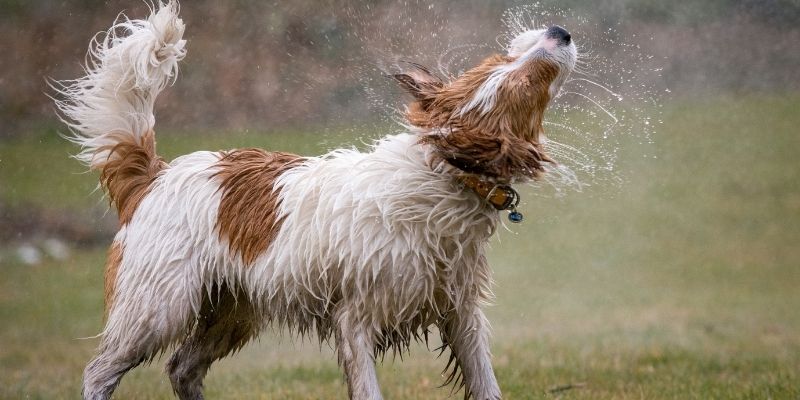
Shaking the head helps a dog expel excess fluid and keep ears dry.
Is Shampoo Safe for Dog Ears?
Shampoo itself is not the problem. The problem is how it is used. When shampoo comes into contact with dirt, it no longer behaves as shampoo but as foam. Foam has an excellent ability to break down grease, remove impurities, and clean surfaces.
This is why foam can be useful, but only if:
How to Properly Clean a Dog’s Ears
A safe approach to cleaning a dog’s ears includes the following steps:
-
Use products specifically designed for cleaning dog ears.
-
Do not pour water directly deep into the ear.
-
Clean only the outer ear and the visible part of the canal.
-
Rinse gently, without pressure.
-
Allow the dog to shake thoroughly.
Dogs are naturally capable of expelling excess fluid from their ears, but only if the water has not become trapped beneath layers of ear wax.
The Most Common Owner Mistake
The biggest mistake is not cleaning itself, but overcleaning. Ears are not meant to be washed frequently, nor should they be cleaned “thoroughly” like skin.
Too much intervention:
-
disrupts the ear’s natural protective barrier,
-
increases the risk of infections,
-
creates chronic ear problems.
For a healthy dog, minimal and proper hygiene is the best hygiene.
Sasha Riess Pure Love & Harmony 100% natural active ingredients: nourishing aloe, generous jojoba, luxurious lavender, premium spring water rich in minerals from an ancient hidden European sea. Learn more about our Holistic Care.
by Sasha Riess | 02.03.26. | Wellbeing
More and more often, I hear from owners who describe their dogs as anxious, reactive, fearful, or overly sensitive — and no one seems to know why. Behind these behaviors often lies a hidden mineral imbalance: too much copper and not enough magnesium. This delicate relationship profoundly affects both the health and behavior of dogs, yet it’s rarely discussed.
The Link Between Copper Toxicity and Magnesium Deficiency
Over the years, I’ve seen how excess copper can deplete magnesium — in both humans and dogs. You can give your dog the best supplements, but if the body is overloaded with copper, magnesium simply won’t stay. That’s why copper detoxification is the first step — but it must be done slowly and safely, never abruptly. Copper toxicity in dogs acts as a silent saboteur of mineral balance.
Estrogen Imbalance and the Role of the Adrenal Glands
In spayed female dogs, the adrenal glands take over a small part of hormone production — estrogen in females, testosterone in males. However, when the body is burdened with copper, hormones can’t function properly. The result is a dog that appears nervous, fearful, or reactive — and owners often misinterpret this as a behavior issue, when in fact it’s biochemical.
Behavioral Changes Caused by Excess Copper
Hair Tissue Mineral Analysis (HTMA) shows that hyper-reactive dogs often have elevated copper and low levels of magnesium and zinc. These dogs are not simply ‘difficult’ — they are struggling with a physiological imbalance that affects their nervous system, heart, and energy levels.
There’s no magic pill that fixes this overnight. What we can do is gradually help the dog eliminate excess copper through lifestyle changes and natural nutrition. Only when that balance is restored can the body retain minerals where they’re needed.
The Hidden Epidemic of Copper Overload
Scientists now speak of a silent epidemic — copper toxicity in dogs and magnesium deficiency. Copper is everywhere: in water, food, and even supplements. Deficiency is almost impossible today, but overload is very real and dangerous.
Excess copper pushes magnesium out of the body, directly affecting heart function, the nervous system, and energy. This imbalance is linked to increased cardiovascular problems, fatigue, and hyperreactivity.
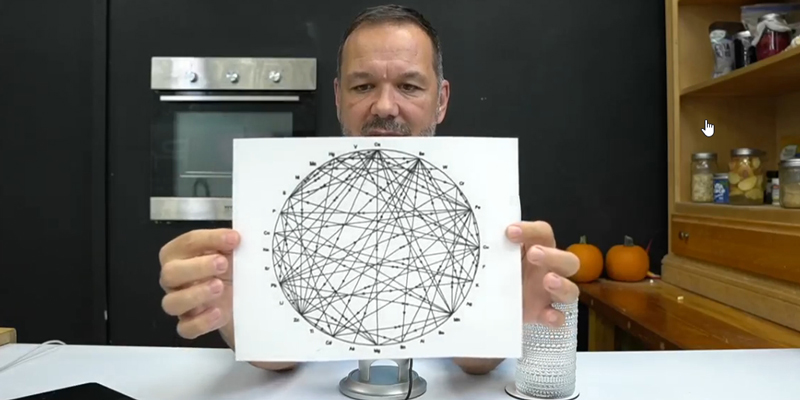
The diagram shows how minerals interconnect and impact a dog’s health and behavior.
How to Help Your Dog — A Step-by-Step Approach
-
Never remove copper abruptly: Copper is essential, but too much creates imbalance. It works in partnership with zinc to regulate brain function. The goal is balance, not elimination.
-
Avoid food enriched with copper: Most dry kibble contains added copper, increasing the toxic load.
-
Include natural mineral sources: To neutralize copper toxicity in dogs, use zinc, magnesium, manganese, and vitamin A. These are best from whole foods: red meat, egg yolks, pumpkin seeds, and leafy greens. Note: Avoid liver for reactive dogs as it is very high in copper.
-
Support the liver: Herbs like milk thistle (silymarin), dandelion root, and artichoke root support the liver’s detox process.
Balance Is the Key to Health
Copper isn’t the enemy — it’s vital for life. But when it builds up, it becomes a silent saboteur. Balance between copper, zinc, and magnesium is essential. If your dog seems reactive, anxious, or restless, the issue may not be behavioral — it may be biochemical. With proper nutrition, a calm environment, and patience, the body can restore its natural balance.
At Integrative and Holistic Grooming Education, we believe that every physical symptom is a message. Understanding these signals and addressing them through a holistic lens is at the heart of everything we teach to ensure the well-being of every dog in our care. Learn more about our Holistic Approach.

by Sasha Riess | 13.02.26. | Emotions
Dogs may live in the present moment, but their reactions often reveal something much deeper: our anxiety, our fears, and the tension we suppress. When a dog looks worried, unsettled, or reacts without an obvious reason, it is often a reflection of negative projections coming from us, not from the dog.
Can Dogs Project Negative Outcomes?
Anxiety in dogs functions like the projection of a negative scenario into the future, even though a dog is not naturally a being that thinks ahead the way humans do. This leads to an essential question: How can a dog have a “negative future” in its mind if it does not think the way we do?
The answer is simple: A dog does not project its own future; a dog projects ours.
Dogs absorb our emotional tone, our tension, our unspoken fear, and every subtle shift in our energy. If the owner is worried, under pressure, internally chaotic, or carrying repressed anxiety, the dog feels it as if its own future is threatened. This is a primary driver of anxiety in dogs.
Why a Dog Carries the Emotion We Suppress
What is especially interesting is this: the more we believe we are calm while actually suppressing anxiety, the more the dog becomes tense.
Why? Because a dog has no filter. What is repressed in a human is active in a dog.
A dog reacts to what we try to hide:
While we rationalize, the dog feels. This is why it can seem as if a dog “thinks negatively,” when in reality, it is simply manifesting our inner world.

Dogs feel every unspoken emotion and tension within the family.
How to Recognize When a Dog Is Carrying Your Anxiety
The most common signs of anxiety in dogs that mirror human stress are:
-
Restlessness without reason
-
Stress twitches, sighing, trembling
-
Avoiding contact or becoming overly attached
-
Aggression that appears “out of nowhere”
-
Hypervigilance, constantly scanning the environment
-
Behaviors that resemble “fear of the future”
This is not the dog’s burden. It is the burden the dog has taken from us.
How to Help the Dog and Yourself
For a dog to be truly stable and free from anxiety in dogs, the owner must:
-
Slow down their pace.
-
Allow themselves to feel instead of suppressing.
-
Lower expectations of the dog.
-
Recognize their own stress.
-
Restore emotional presence.
A dog does not need a perfect owner, only a present one. When a person returns to their authentic emotional state, the dog responds with immediate relief.
At Integrative and Holistic Grooming Education, we believe that every physical symptom is a message. Understanding these signals and addressing them through a holistic lens is at the heart of everything we teach to ensure the well-being of every dog in our care. Learn more about our Holistic Approach.