
by Sasha Riess | 03.02.26. | Coat Care
Problems with dog cosmetics rarely come from bad intentions on the part of owners. Much more often, they come from a lack of knowledge and from the need to care for dogs in a way that suits humans more than dogs themselves. The industry understands this very well and profits from it.
The Myth of 2-in-1 Dog Cosmetics
If you are holding a dog shampoo that claims to be both shampoo and conditioner in one product, it is important to understand this: That product is not made for the dog’s needs, but for the owner’s convenience.
The idea of “everything done in one wash” does not exist in chemistry. Shampoo and conditioner cannot function properly within the same formula because they have different chemical roles.
Why do products claiming to be 2-in-1, 3-in-1, or even 10-in-1 exist?
The reason is simple. If people do not want to use shampoo and conditioner separately, the market will provide an „all-in-one“ solution. These products are not developed to improve the dog’s health, but to sell more easily. In other words, this is not dog cosmetics for dogs—it is cosmetics designed for people.
How to Recognize When Someone Is Simply Taking Your Money
If you come across a cosmetic line for dogs that includes nose balm, paw balm, and special creams for every possible body part, this is a clear sign that the focus is on your wallet.
A dog does not need a softer nose or silky paws. These are not canine needs; they are human projections. A dog is not a baby and not an aesthetic object.
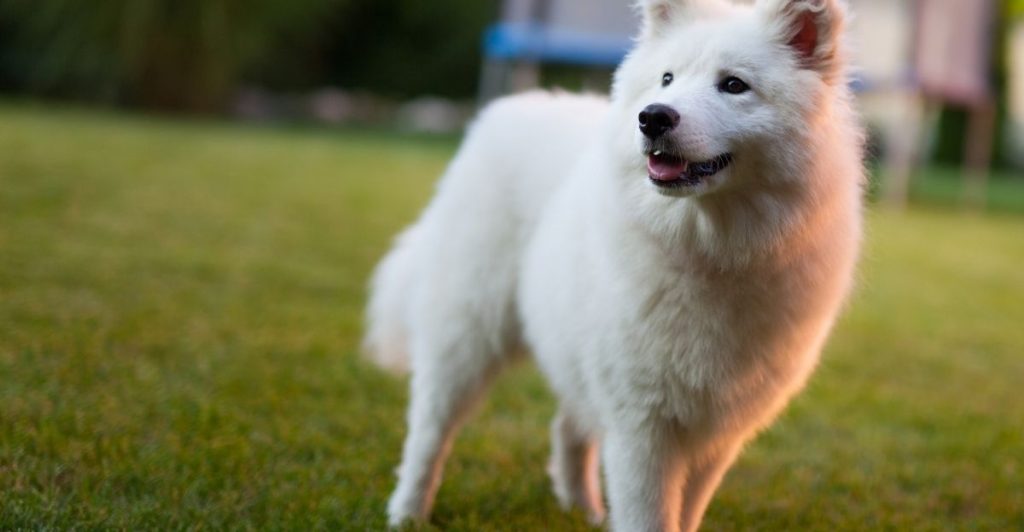
Shampoo and conditioner have different roles – that is why they are not used together.
What Does a Dog Truly Need?
A dog does need a hydrated nose, but that hydration comes from within, not from external products. It comes from:
-
High-quality and properly balanced nutrition.
-
Adequate water intake.
-
A healthy mineral balance, especially sodium and potassium.
When these basic conditions are met, the dog’s body regulates the condition of the skin, nose, and paws on its own.
The Importance of Separate Shampoo and Conditioner
Shampoo and conditioner have different purposes. That is why they should never be used as one product. Less dog cosmetics, less chemistry, and more understanding of canine biology lead to a healthier and more stable dog.
A dog does not ask for luxury. A dog asks for a solid foundation.
This understanding of a dog’s emotional and physical state is at the heart of everything we do. At Holistic Grooming Education, we teach people how to apply these principles of stability and care in their everyday lives with their dogs, helping create calm, healthy, and happy results.
by Sasha Riess | 03.02.26. | Behaviour
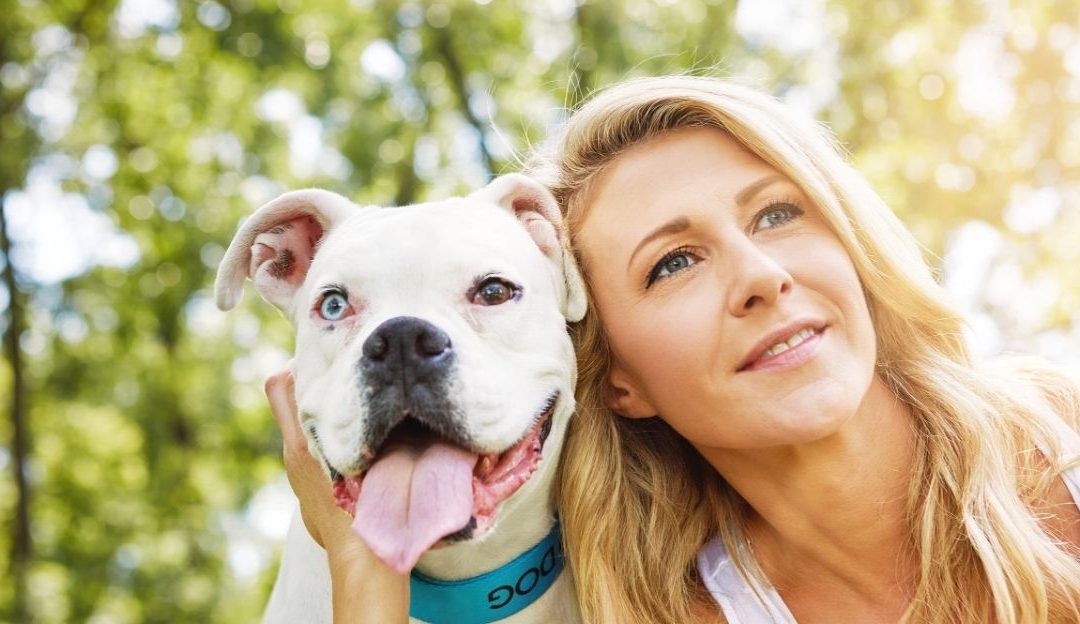
Dogs love us as we are. Precisely because of this, the relationship with a dog is one of the deepest relationships a human can develop. This is not coincidence nor romanticization. It is pure dynamics of survival and belonging.
For a dog to survive alongside humans, it had to learn to accept humans as they are. And humans come into the world imperfect with anger, fears, frustrations, and patterns passed through generations. Dogs do not try to change this. They recognize it and they stay.
Unconditional Acceptance As The Foundation Of The Relationship With A Dog
Dogs do not love us for who we could be. They love us for who we are now.
This „I love you as you are“ is not a romantic idea. It is a mechanism of survival. A dog must accept our emotional matrix because otherwise it cannot survive in the world we shape. In this dynamic we often get stuck. Instead of changing patterns, we repeat them. In the same way our parents spoke to us, we now speak to others, and even to dogs. Social networks show this clearly. The same tone. The same aggression. The same patterns.
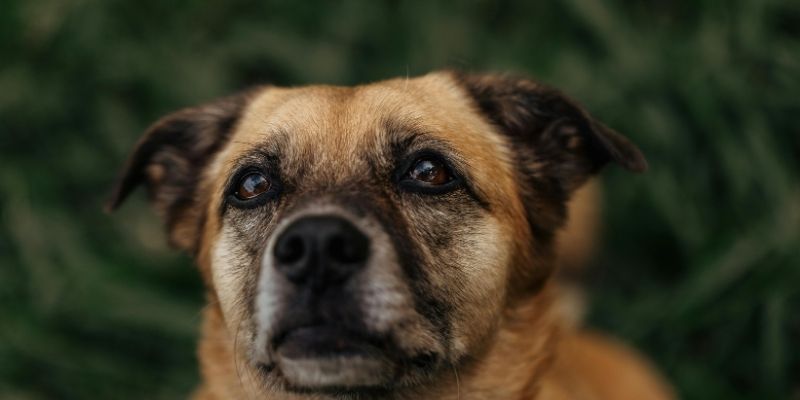
Safety precedes change. A dog accepts us as we are so that we can grow.
Dogs As A Safe Base: A View Through Affective Attachment Theory
Attachment theory clearly shows one important truth: People change only when they feel loved and accepted. Not under pressure. Not from fear. Not from guilt.
Change requires a safe base. Someone who accepts us even if we never change. Dogs intuitively know this. They become that safe harbor from which we can grow. Our dogs understand what we often fail to see—that change means leaving old patterns. And that is extremely difficult. Sometimes almost impossible. That is why they surrender to the idea that happiness can exist here and now. With us as we are.
When Unconditional Love Becomes A Trap
Still, this relationship with a dog also carries a risk. Dogs cannot carry the role of our safe base forever. They cannot be the only support. Their role is not to save us, but to show us what safety feels like.
A dog can be a bridge, but not the final destination. A bridge until we anchor into our own inner security. There lies the true value of the relationship with a dog. Not in idealization, but in understanding limits.

by Sasha Riess | 03.02.26. | Wellbeing
Fifth Toe in Dogs: What It Is For and When It Should Be Removed
The fifth toe in dogs is often a topic of debate. Misleading advice. Routine procedures done without real understanding. Many owners are unsure what it is for. Whether it is an extra part. And whether it should be removed.
The truth is simple. It has a function. But only in certain cases can it become a problem.
What the fifth toe in dogs is?
It is most commonly found on the front legs. It is anatomically connected to bones and tendons. Unlike the hind legs where it appears less often and is usually weakly attached, the fifth toe on the front legs has a clear role in movement and stability.
What the fifth toe in dogs is used for?
On the front legs it:
-
Helps with balance.
-
Participates in stabilizing the joint.
-
Is used when holding and gripping objects such as bones.
-
Contributes to more precise support during movement.
If you have ever seen a dog holding a bone or a toy, you can notice that the fifth toe in dogs actively participates in that movement.
When it can become a problem?
The problem does not come from the toe itself. It comes from poor anatomical attachment, excessive mobility, or incorrect position. In some dogs, especially on the hind legs, the fifth toe can:
In these situations removal of the toe can be justified.
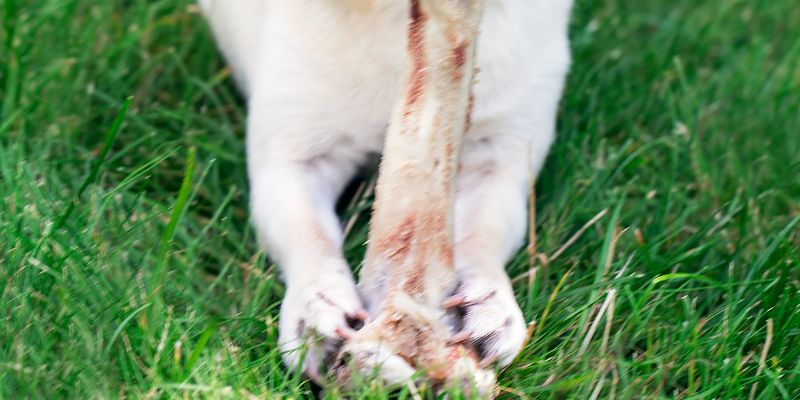
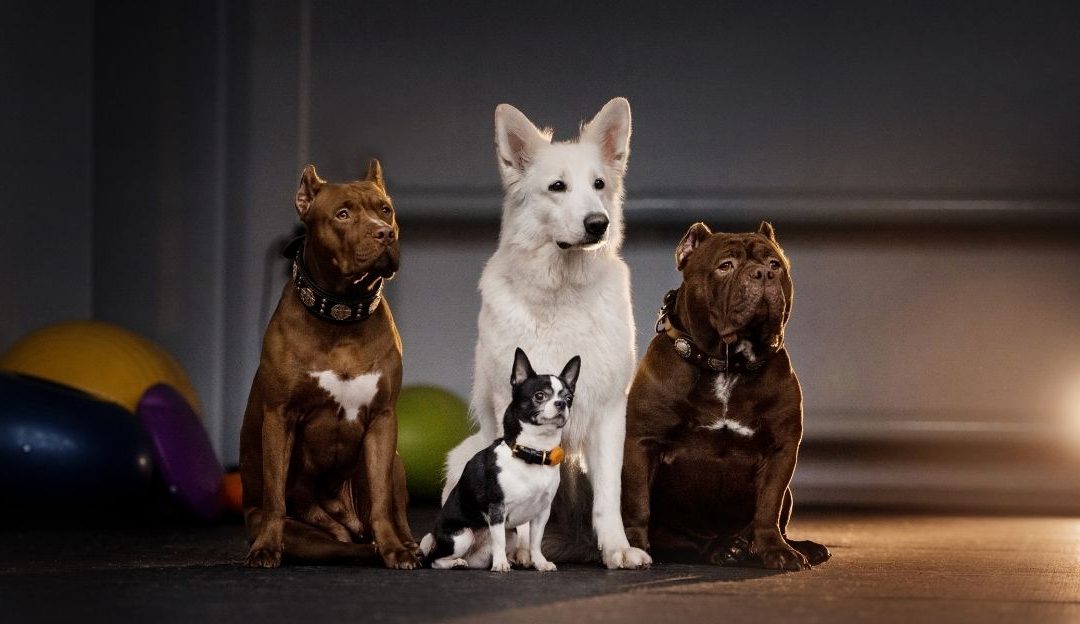
Functional role of the fifth toe in dogs: grip, balance, and stability.
Is the fifth toe a genetic flaw?
In most breeds the presence of an extra or incorrectly positioned toe is considered a genetic fault. Especially in the context of dog shows. Such dogs often cannot pass judging. Except in breeds where the toe is allowed or required by the standard.
It is important to distinguish between a functional fifth toe which should not be touched and a problematic fifth toe in dogs where removal can be considered.
When the fifth toe should not be removed?
If the toe does not interfere with movement, does not get injured, is stably attached, and has a clear function—it should not be removed. Routine removal without a real problem is not justified. It can disturb the natural biomechanics of the dog.
Function before appearance
The fifth toe in dogs is not an extra part that should be automatically removed. It exists for a reason. Removal makes sense only when there is a real functional problem. Not for aesthetic or routine reasons.
As in many other aspects of our relationship with dogs: We should not fix what already works.
by Sasha Riess | 03.02.26. | Behaviour
Dogs are deeply connected to humans so much that we sometimes forget they are not ordinary animals in a scientific sense. Although zoology studies species across the planet from insects to large mammals, dogs are almost never a central topic of zoological research. The reason is not simple, but it reveals much about how dogs came to be, how they function, and why their world cannot be understood without the concept of the human.
Why Dogs Are Not a Subject of Zoology
Zoology deals with animals in their natural form as they would exist without human influence. That is exactly where the issue with dogs begins. A dog is not a species shaped by nature but a species shaped by humans. Through thousands of years of selection, people created hundreds of breeds with characteristics that would never be sustainable in nature: short muzzles, extremely short legs, very large bodies, unusual proportions, and physiology that depends on constant human care.
Because of this, many biologists and zoologists view dogs and zoology as two separate worlds. Many scientists describe dogs as degenerated forms of a species, not in an emotional sense but in a biological one. They are shaped in a way that would not allow them to survive without humans.
How Selection Changes the View of Zoology
Selection turned the wolf into an animal that now has more than four hundred varieties, from the Chihuahua to the shepherd. Zoology cannot study dogs as one animal, because there is no single dog. There is a whole spectrum of shapes and behaviors created by human desires, needs, and aesthetics.
Many breeds have physical traits that would never be possible or sustainable in nature:
-
Dogs with short leg syndromes would struggle to survive even a few days in the wild.
-
Brachycephalic breeds have breathing difficulties that would be fatal in nature.
-
Extremely small dogs would become prey for the first larger predator.
-
Very large dogs require too much energy for an ecosystem without constant food availability.
All of this makes dogs and zoology an unnatural pairing for classical science. That is why they are more often studied through ethology, genetics, veterinary science, behavioral psychology, or anthropology.
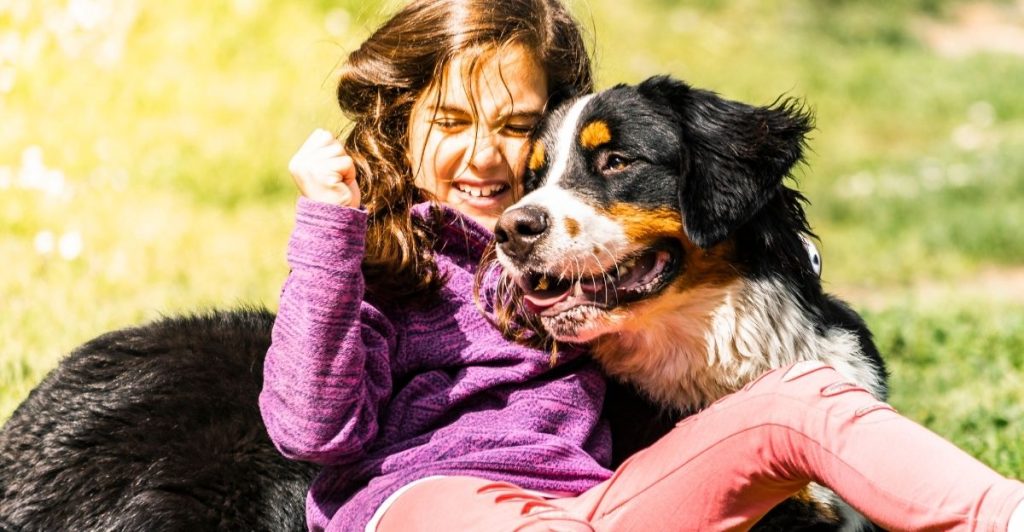
A dog is not a natural animal, but a being shaped alongside humans.
What This Means for Dog Owners
For owners this insight carries an important message. A dog does not function as a natural animal, but as a being that relies on humans for stability, structure, and guidance. Its physiology, development, and need for safety cannot be interpreted through the lens of wilderness.
A dog does not seek a natural environment but a stable human. It does not develop through packs but through affective bonding with its owner. It does not choose its path alone but learns it by watching our behavior.
Understanding that dogs are not a subject of zoology only confirms what every owner feels. A dog is a being that was not created in nature but in relationship with humans. And that is why its world is understood through humans, not through science alone.
by Sasha Riess | 02.02.26. | Emotions
Many believe that electric collars for dogs are just a harmless reminder, but violence that is not recognized as violence becomes invisible, and what is invisible enters the body the deepest.
Put that collar on him. Just to remind him where his place is. It does not hurt. Well maybe a little but nothing serious. They hit me too and I turned out normal.
These sentences are spoken calmly today. Almost gently. Without raised voices. Without drama. Often with a smile and the belief that this is responsibility, discipline, and care. They are spoken by parents, trainers, and dog owners who believe that pain is small, controlled, and justified, and that the result is order, obedience, and stability. That is precisely why they are dangerous.
Small Pain and Electric Collars: Deep Consequences for the Nervous System
When we talk about an electric collar, about a little sting, we are not talking about technology. We are talking about a very old pattern of human behavior. We are talking about the iron hand. The idea that pain is a legitimate tool of upbringing. That fear is a shorter path to order. That suppressing emotions is a sign of strength. This pattern did not start with dogs. Dogs are only the latest to carry it.
Pain, regardless of intensity, does not operate on the level of reason. The nervous system does not measure millivolts, does not make moral judgments, and does not understand good intention. It reacts in a binary way. Safe or unsafe. When an electric impulse passes through a dog’s body, the brain does not register a message like „this behavior is not desirable.“ It registers a break in safety. In that moment the amygdala, the survival center, is activated, and the entire organism enters an alarm state.
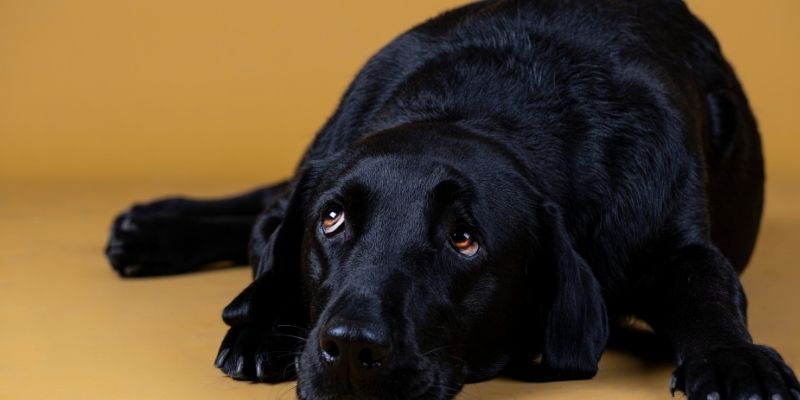
Outwardly calm, inwardly an alarm. The body always remembers what the mind tries to justify.
When Discipline Hurts: The Parallel Between Children and Dogs
The same happens with children raised with an iron hand. A child who is hit, shamed, or silenced does not become disciplined. It becomes cautious. It learns to hide impulses, suppress emotions, and not show what might trigger punishment. On the outside it looks well behaved. On the inside the nervous system remains in a state of chronic alert.
Violence does not stop when behavior stops. It only relocates. If it cannot express through behavior, it expresses through the body. The phrase „they hit me and nothing is wrong with me“ is often said as proof of resilience. But neurobiology tells a different story. A child who was not allowed to defend, scream, or escape remains with trapped energy stored in the nervous system.
Cushing Disease and Chronic Stress in Dogs
In dogs today we see the same pattern. Never before have there been so many trained and calm dogs who at the same time suffer from chronic diseases. Cushing disease, adrenal gland disorders, and immune problems are increasingly common in dogs living in seemingly safe environments.
The stress hormone cortisol is not an isolated problem. It is a response to a long term state of inner tension. A dog that is not allowed to react lives in constant adaptation. Its body does not receive the signal that danger has passed. The adrenal glands work without pause. Electric collars become a symbol of that process. The problem is not one impulse, but the message. Safety is conditional on obedience.
Dogs as a Mirror of Our Suppressed Emotions
That is why this topic creates so much resistance. If we admit that a little sting has consequences, we must face our own experiences and the price we paid to be good. Dogs today are a mirror of that process. Their bodies speak instead of them.
The real question is not whether an electric collar hurts. The real question is what we teach a being that loves us when we show that pain is used as a reminder of place. Perhaps dogs today are not calling us to be softer, but to be more conscious. Because the body, whether canine or human, always remembers what the mind tries to justify.