by Sasha Riess | 11.05.26. | Behaviour, Nutrition
Many dog owners get confused when their dog suddenly refuses to eat from the bowl. They often assume their dog isn’t hungry or that something’s wrong, but in my experience, the reason is usually much simpler. To understand why your dog won’t eat from their bowl, we must look at both the physical environment and the emotional ritual.
Fear of Sound and Material
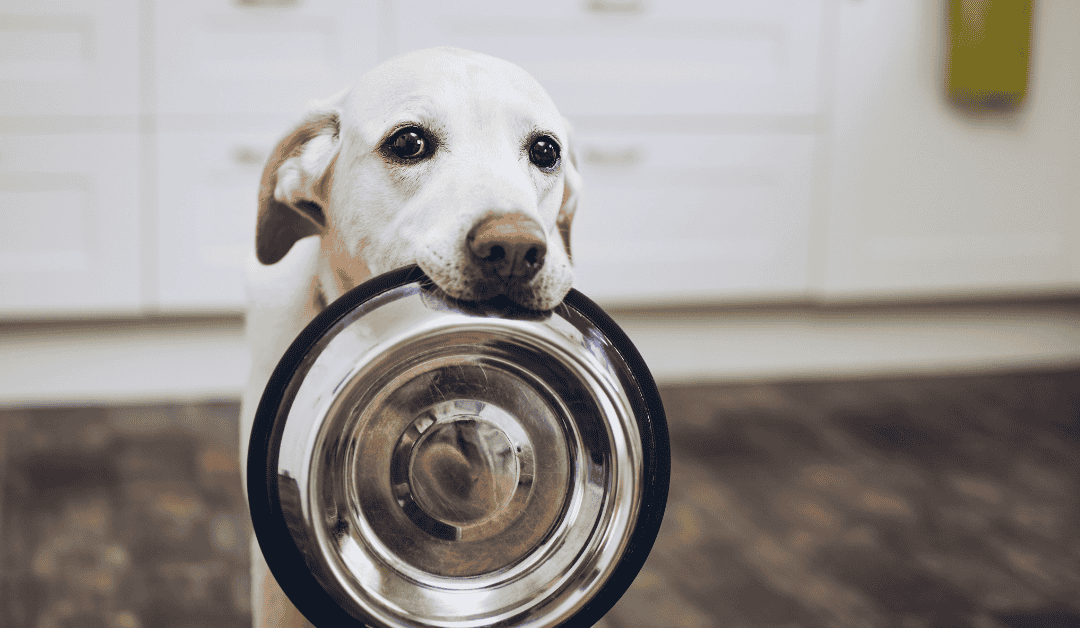
I’ve seen dogs refuse to even approach their bowl. The most common reason is fear of sound—especially if the bowl is metal and rattles when moved. The first thing to try is switching to a different type of bowl. Plastic or ceramic ones are quieter and feel safer to most dogs.
Note: Always use plain white ceramic bowls without colors or patterns.
The Feeding Ritual Is Key
What completely changed my approach to feeding was the ritual itself. A dog must understand that food comes from you—the natural leader of the pack.
I would prepare something simple for myself: a slice of apple, a piece of bread, or a small bite of chocolate (for me, of course—never for the dog). When I take the first bite, the dog senses the smell, sees the start of the meal, and instinctively understands that it’s feeding time. After that, I place the dog’s food down. The dog perceives it as me offering what’s left of my own meal—a natural process in the canine world.
Consistency Builds Confidence
If a dog refuses food, I remove the bowl immediately. There’s no pleading, no “just one more bite,” and no offering something else instead. I decide when, what, and how much my dog eats. Dogs learn this quickly because they recognize feeding rhythm as part of the pack hierarchy. Patience before feeding is part of the ritual through which the dog accepts the owner’s authority.
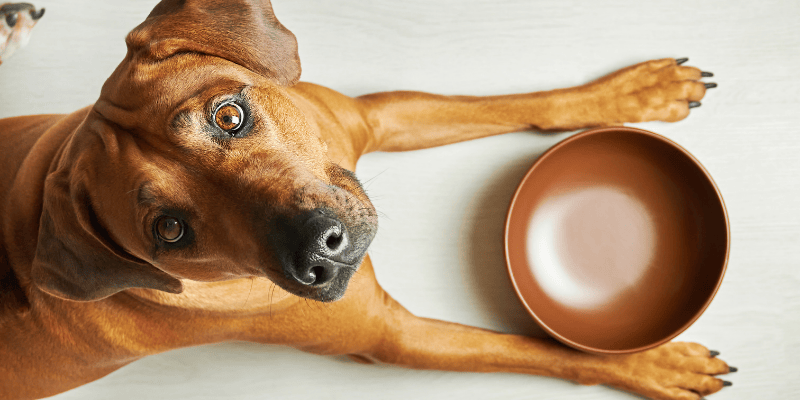
Patience before feeding is part of the ritual through which the dog accepts the owner’s authority.
My Message to Dog Owners
If you are wondering why your dog won’t eat from their bowl, don’t worry right away—the reason is often simple and easy to fix.
-
Change the bowl to plain white ceramic.
-
Create a calm feeding ritual where you eat first.
-
Stay consistent with the timing and removal of food.
Dogs love structure and routine. When they feel that you’re the one leading the process, they’ll soon eat confidently and peacefully from their bowl.
At Sasha Riess, we believe that every detail, from the color of the bowl to the ritual of the first bite, communicates safety and leadership. Understanding why your dog won’t eat from their bowl allows you to restore order and trust, bringing your relationship into a state of pureloveandharmony. Discover more: Linktree Sasha Riess
by Sasha Riess | 11.05.26. | Behaviour
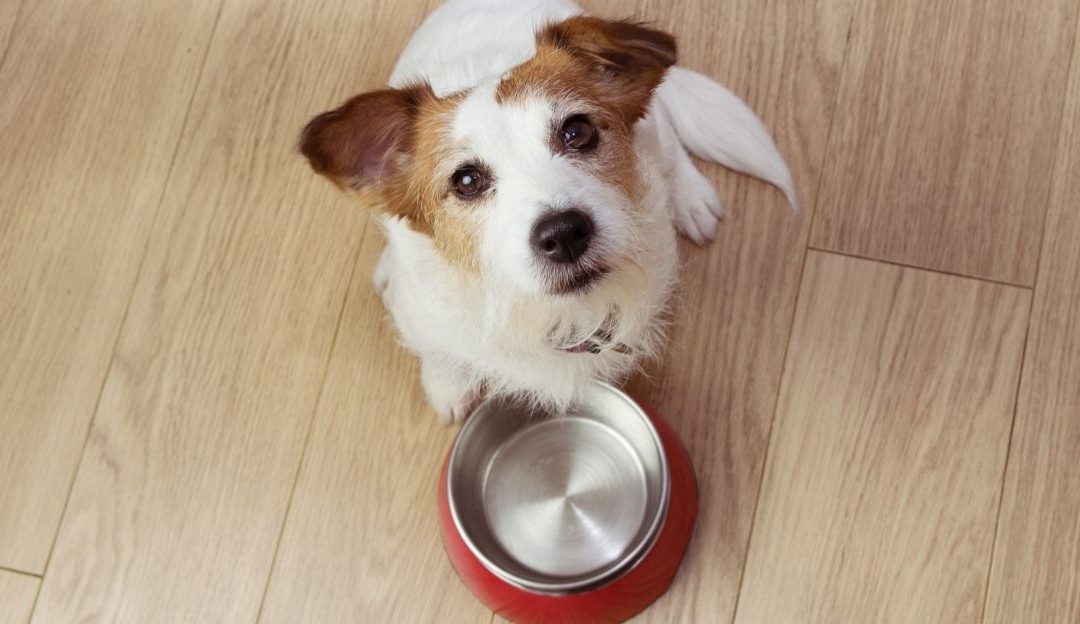
A dog sitting beside an empty bowl after a meal represents peace and routine in daily feeding. Dogs love routine, but they do not need constant access to food. If your dog finishes eating and the bowl stays on the floor, you may think it means nothing. However, that empty bowl can actually create stress and a sense of responsibility in the dog.
Through working with many dogs and owners, it has been shown that a bowl left on the floor after a meal creates subtle tension. To understand why you should not leave the dog bowl out, we must look at the dog’s instincts.
The Burden of an Empty Bowl
The dog instinctively feels that it is his duty to refill the bowl, as if he is responsible for the next meal. This is not a rational thought, but an emotional reflex, especially in sensitive dogs or those with a heightened sense of responsibility toward their owner.
Control of Resources and Leadership
When food remains in the bowl, the dog can decide when and how much to eat. In the canine world, the one who controls resources such as food also holds the role of the leader. If the dog always has access to food, we are unconsciously sending the message that he is the one making the decisions. For some dogs, this can create pressure, insecurity, and even behavioral problems.
Why It Is Important to Remove the Bowl After Eating
By picking up the bowl after eating, you show the dog he is safe because you are the one responsible for the rhythm of meals. When the dog finishes his meal, the bowl should be removed calmly and consistently. That simple act clearly says: “I take care of the resources and you are safe.”
This provides the dog with:
-
A sense of order and security.
-
Predictability in their daily life.
-
The knowledge that the next meal comes from you, not by chance.
Owners who establish this routine often notice that their dogs become calmer, more focused, and more relaxed.
A Small Step, a Big Change
If you want to see positive changes in your dog’s behavior, start right here. After the meal, wait for the dog to finish, praise him, and simply remove the bowl. This strengthens the bond of trust between you and your dog. Knowing why you should not leave the dog bowl out helps you create a safe and reliable rhythm for your pet.
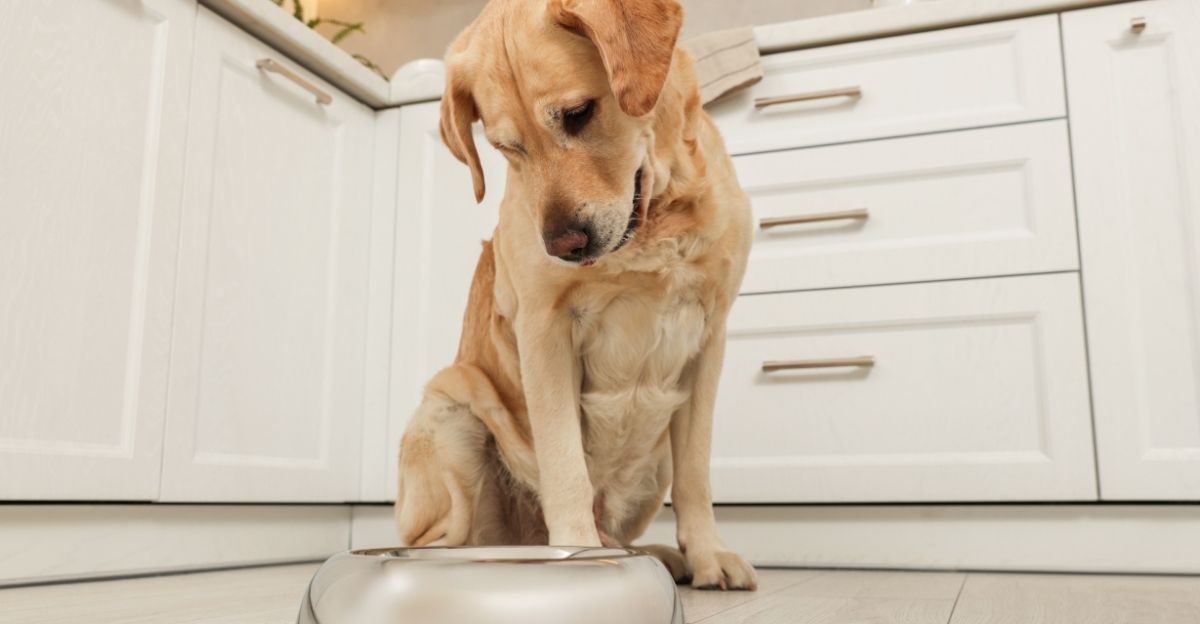
By picking up the bowl after eating, you show the dog he is safe – you take care of the order and the food.
Conclusion: Love, Order, and Trust
Removing the bowl after a meal is not about control; it is an expression of respect and care. Dogs relax when they feel someone else is responsible for order, food, and safety. Next time your dog finishes his meal, simply thank him, give him a gentle touch, and remove the bowl. In that small gesture lies a powerful message of love and leadership.
At Sasha Riess, we understand that leadership is a form of protection. Understanding why you should not leave the dog bowl out is a simple but profound way to relieve your dog of unnecessary stress, bringing your home into a state of pureloveandharmony. Discover more: Linktree Sasha Riess
by Sasha Riess | 10.05.26. | Wellbeing
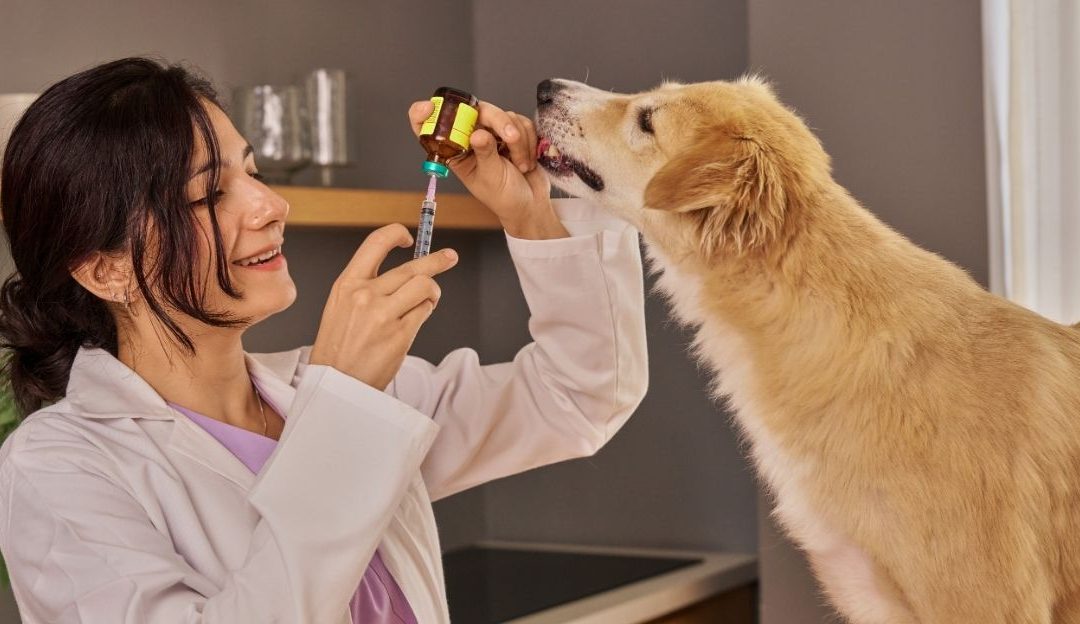
Many owners wonder why the rabies vaccine is still mandatory, especially when it seems that rabies “no longer exists.” However, rabies is still present today. It remains one of the most dangerous zoonotic diseases and can be fatal for both humans and animals. For this reason, the entire system of public health is based on prevention rather than consequences.
Even when the risk appears small, laws and veterinary protocols strictly regulate protection. That is why understanding why you must vaccinate your dog against rabies is not just about a recommendation, but a legal obligation that protects both you and your dog.
Why Vaccination Is Required Even When No Cases Are Visible
Rabies still appears in wild animals, and they can transmit the virus to domestic animals. Transmission is rare, but it is not impossible. Because of this, every country relies on prevention, since once rabies occurs, there is no cure.
Due to the severity of this danger, the world follows a simple principle: even minimal risk is enough reason not to skip vaccination. And the story does not end there.
Legal Consequences: What Happens If a Dog Is Not Vaccinated
If a dog is not vaccinated, the owner takes on a significant risk. In many countries, including Serbia and EU member states, there can be serious consequences in cases such as:
-
If the dog scratches or bites someone.
-
If someone files a complaint against you.
-
If a veterinary inspector stops you.
-
If you are crossing a border.
In these situations, the inspector may request proof of vaccination or a valid antibody titer test. If neither exists, the decision can be extremely strict. In the worst cases, the dog may be placed in quarantine or even euthanized if a risk of rabies is suspected. Public health laws do not operate on emotion; they follow protocol.
Traveling with Your Dog: No Rabies Vaccine, No Border Crossing
If you plan to travel with your dog, the rabies vaccine is mandatory. Without it, you cannot cross a border. At airports and checkpoints, officials check:
-
The passport and the date of vaccination.
-
The veterinarian’s valid signature.
-
The laboratory proof of antibody titer.
If any of these are missing, the dog may be placed in quarantine. If the titer result is too low, the dog may be permanently withheld.

Without proof of vaccination, a dog cannot cross the border.
Why Staying Up to Date Is Essential
The system is built so that the owner must follow the rule, not because of punishment, but because of protection. Rabies is a disease with no cure. Prevention through vaccination is the only possible defense. To understand why you must vaccinate your dog against rabies is to realize that you are protecting the animal, yourself, your family, and your community.
At Sasha Riess, we believe that responsibility is the highest form of love. Knowing why you must vaccinate your dog against rabies ensures that your journey together remains safe and uninterrupted. By following these essential protocols, we maintain the safety of the pack and live in a state of pureloveandharmony. Discover more: Linktree Sasha Riess
by Sasha Riess | 10.05.26. | Nutrition
Sometimes we think we are losing the battle with food, weight or diets, but in reality we are losing the battle with ourselves. The fight for the “ideal body” often begins much earlier than we notice: at home, at the table, when we reject a bite prepared with love, believing we are choosing health. Yet what we are actually rejecting is something entirely different.
This text is not about food. It is a story about emotional hunger, the kind we do not see until it becomes too big.
When You Realize What You Were Truly Rejecting
How many times have we refused cake, pastry or a warm homemade meal “so we do not gain weight”? How many times did our mother’s hands offer us not only food, but warmth, tenderness and care, while we believed we were protecting ourselves by saying no?
Only when that love disappears, only when the person who fed us is gone, do we realize how many messages were hidden in every bite we rejected.
The Mindset that Destroys Both Body and Soul
Many of us live in extremes: we are either on a diet, or overeating, or punishing ourselves, or rewarding ourselves with food. As if no middle ground exists. As if the only choices are to die full or die hungry.
That is not a choice. That is a wound—a wound that opens every time we treat food as an enemy instead of a bridge between people. To understand why we struggle with food, we must look at how it touches memory, longing, and a sense of belonging.
Why Our Emotional Relationship With Food Makes Life Harder
Deep inside us, there is a place that food touches far more than our stomach. It is not about calories; it is about emotion. People eat when they are sad, stop when they are hurt, or refuse food out of guilt. Food is never just food.
When We Stop Fighting
When we stop labeling food as “good” or “bad,” we begin to listen to the body instead of fear. When we stop rejecting the love woven into the habits we brought from home, our vision becomes clearer. The body relaxes, and for the first time, we begin to resemble ourselves instead of the ideal we worshiped for years.

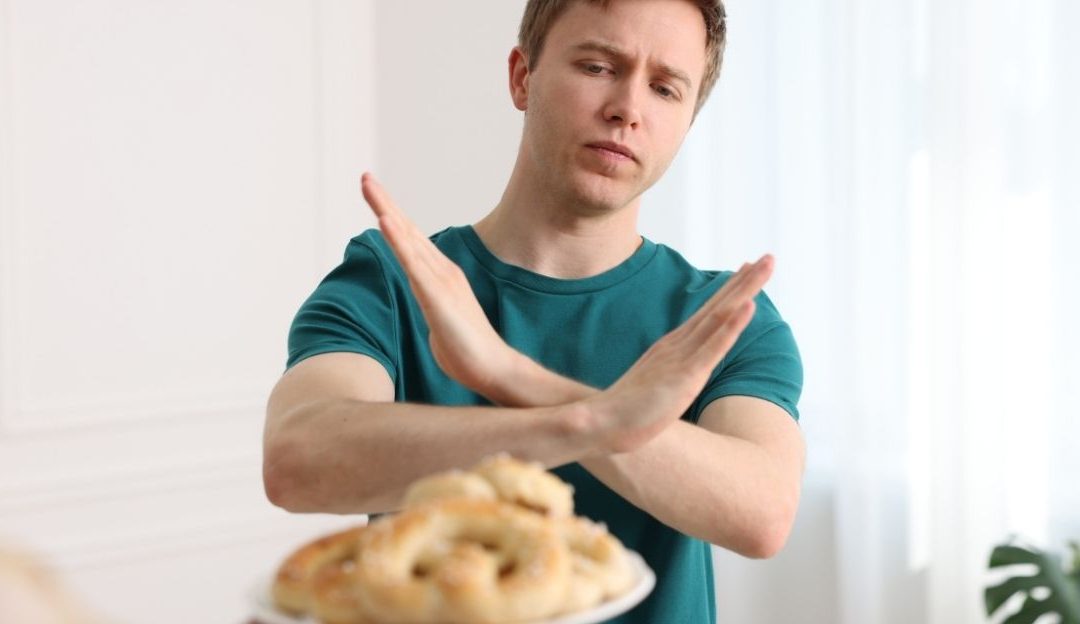
Refusing food: a young man in a moment of food control and emotional introspection.
How to Heal Your Relationship With Food
-
Recognize the emotion before you eat: Ask yourself: “Am I hungry, or is something hurting?”
-
Introduce gentleness toward yourself: Replace punishment with curiosity.
-
Do not refuse food out of fear: Food is care, energy, memory.
-
Accept that the middle is allowed: There is a peaceful middle path; we were simply never taught to find it.
Love Is What Nourishes, Not Calories
This text is not about obesity, diets, or numbers on a scale. This is a story about how we spent years believing we were choosing “health,” while we were actually rejecting the gentlest form of love we ever had. Maybe it is time to stop waging war against food and start living at peace with ourselves.
At Sasha Riess, we believe that true health is found in the balance between the body and the soul. Understanding why we struggle with food is the key to stopping the internal war and returning to a state of pureloveandharmony, where nourishment comes from a place of love, not fear. Discover more: Linktree Sasha Riess
by Sasha Riess | 08.05.26. | Emotions
People are often confused by the same phenomenon. Why do relationships that end in violence almost always begin as perfect, intense, passionate, and filled with extreme love? The answer lies deep in our psychology, in the wounds we carry and the patterns we learned in childhood, often unconsciously.
Rose-Colored Glasses as a Reaction to Pain
Many people enter a new relationship not from inner peace, but from escape. They are running from previous pain and moving toward something that looks better. However, when the lesson from the previous relationship has not been integrated, the new relationship often becomes even more difficult.
This is not visible at first. In the early days or months, everything feels like rescue. This honeymoon phase of extreme love is actually an emotional lure that hides future patterns of violence. To understand why relationships that end in violence begin with extreme love, we must look at how we interpret intensity as intimacy.
Why Violence Is Experienced as Love
If a person grew up in an environment where violence—physical, emotional, psychological, or sexual—was normalized, the nervous system learns to connect excitement, fear, and unpredictability with love.
In other words: What feels familiar feels close. And what feels close is interpreted as love. That is why a person may repeatedly choose destructive partners, even though they consciously do not want to.
[Image depicting the contrast between extreme idealization and the reality of control]
How Extreme Love Is Created at the Beginning
A partner who later becomes violent often shows the following at the beginning:
-
Excessive attention
-
Very rapid emotional bonding
-
A strong need for control presented as care
-
Euphoria and idealization
This ideal partner later becomes someone who humiliates, manipulates, controls, or directly causes physical harm. The victim often remains trapped because of one thought: “But he or she used to be so good.” This is the most dangerous part of the cycle.

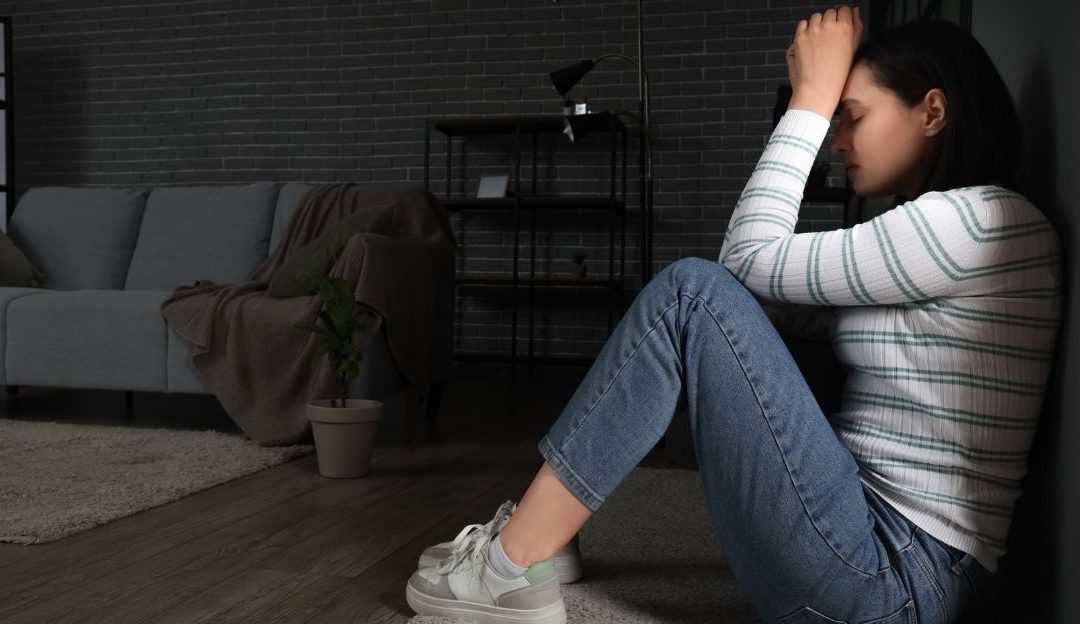
A silhouette of a couple showing the contrast between initial idealization and later violence.
The Role of Old Wounds
When we carry a learned belief from childhood that love is connected to fear, tension, or threat, we unconsciously choose relationships that repeat this pattern. The nervous system searches for what is familiar, even when it is harmful.
That is why why relationships that end in violence begin with extreme love is a cycle rooted in the search for the familiar. The intensity at the start is often the mirror image of the destruction at the end.
At Sasha Riess, we believe that true connection starts with healing the self. Recognizing why relationships that end in violence begin with extreme love is the first step toward breaking ancestral patterns and finding a path to pureloveandharmony, where love is synonymous with peace, not intensity and fear. Discover more: Linktree Sasha Riess