by Sasha Riess | 07.05.26. | Wellbeing
There is a sentence that is spoken more and more often today, almost without reflection: “It’s easier for me to have a dog than a child.” It is usually said as a rational decision, as a sign of maturity, planning, and responsibility. Yet behind it, there is often a much deeper fear—not of a child, but of a life that requires sacrifice. This is the hidden truth behind why we choose a dog and postpone having a child.
Sacrifice Today for an Uncertain Tomorrow
Modern humans have learned to measure every decision in advance: the cost, the duration, the gain, and the loss. This logic justifies everything from dog sterilization to the „easier solutions“ offered by the pet industry. We accept sacrifice today only if it promises comfort tomorrow.
The same logic applies to parenthood. The only difference is that a dog is perceived as a controlled responsibility, while a child is unpredictable.
The Dog as the “Safer” Choice
People rarely calculate the cost of a child when they truly want one. However, those who build tables, plans, and projections often find themselves giving up. They wait for the apartment, the car, or the „secure“ moment. Meanwhile, time passes.
A dog arrives with the illusion of simplicity. It seems to demand less and disrupt life less—at least at first. But when the dog enters a world where everything has a price—food, veterinarians, training—it can also become a financial burden instead of a being we committed ourselves to.
An Industry That Lives on Fear
An entire industry has been built around dogs, using human fear of mistakes and guilt. Every fear has a paid solution. While an owner believes they are doing their best, they are often running away from the essence: personal responsibility. To understand why we choose a dog and postpone having a child, we must realize that a dog did not come into our life to be an easier version of a child. It came to confront us with our limits and our ability to care without calculation.

Calculating costs often becomes an excuse for postponing life.
When Postponement Becomes a Way of Life
The problem is not choosing a dog; the problem is when the dog becomes an excuse to postpone life. Neither a dog nor a child comes as a project to be perfectly planned—they are responsibilities to be lived.
The sentence “It’s easier for me to have a dog than a child” says nothing about dogs. It speaks about our relationship with risk, sacrifice, and uncertainty. We wait for „right conditions“ while life simply passes by.
At Sasha Riess, we believe that life is not a project to be managed, but a journey of growth. Understanding why we choose a dog and postpone having a child allows us to face our fears and embrace responsibility with an open heart. This path leads to a life of authenticity and pureloveandharmony. Discover more: Linktree Sasha Riess
by Sasha Riess | 05.05.26. | Nutrition
The pet industry today convinces owners that they must buy special meals, expensive treats, and supplements for their dogs. The truth is much simpler: dogs can and should eat home-prepared food, and owners have far more power than they realize. Here is why I do not produce dog food and why I believe you should cook for your dog yourself.
Many dog owners feel pressure from a market that constantly pushes new products at them: expensive kibble, dozens of shampoos, “essential” supplements, and treats whose monthly cost often resembles the expenses of an additional household member. In reality, it does not need to be that way.
Insecurity as a Sales Tool
The pet products industry relies on one thing: our insecurity. When an owner feels lost and afraid of making a mistake, it becomes much easier to sell them the “best” kibble, the “special” wet food, or yet another dietary supplement.
That is why I often hear the question: “Why do you not release your own food? Why do you not produce treats based on your recipes?”
The answer is simple: I want to teach owners to cook for their dogs themselves.
Moving Away from the Industry of Pressure
I do not want to become part of an industry that takes the last bit of money from people. If I released a branded dog food, everything would come down to one more product owners feel obliged to buy. But my philosophy is the opposite.
To understand why I do not produce dog food, you must understand that dog nutrition should be:
-
Simple and accessible.
-
Close to what you already prepare at home.
-
Affordable, without creating pressure to buy something “special.”
Most of the things owners want to purchase are simply unnecessary. Half of what you find on store shelves is not needed by you or your dog.
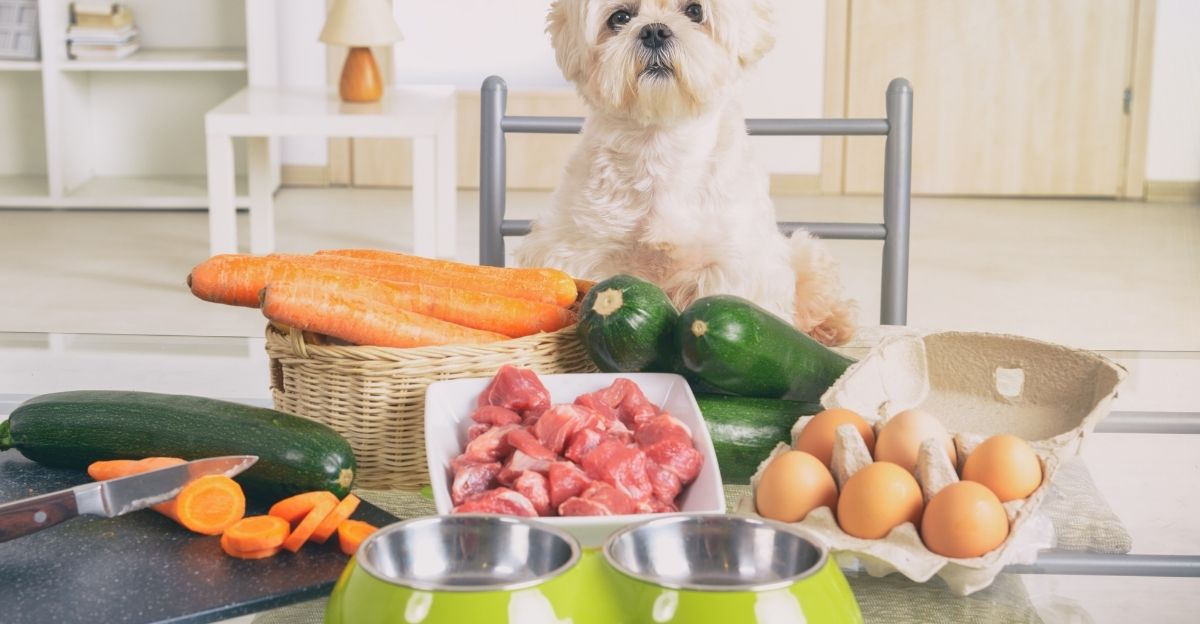
The best food for a dog is the one you prepare at home.
The Power of Homemade Meals
A dog can eat homemade food—a combination of ingredients you already have, the same things you use for your own meals. Not only is this enough, it is healthier, emotionally connected, and energetically aligned with you.
That is why my answer is always the same. I do not produce ready-made food because I believe the best food for your dog is the one you prepare yourself at home. It is responsible, sustainable, and in the long run, better for both you and your dog.
At Sasha Riess, we value your freedom and your dog’s health above all else. Knowing why I do not produce dog food helps you realize that the most important ingredient in your dog’s bowl is your own care. This return to simplicity brings both you and your pet into a state of pureloveandharmony. Discover more: Linktree Sasha Riess
by Sasha Riess | 04.05.26. | Behaviour
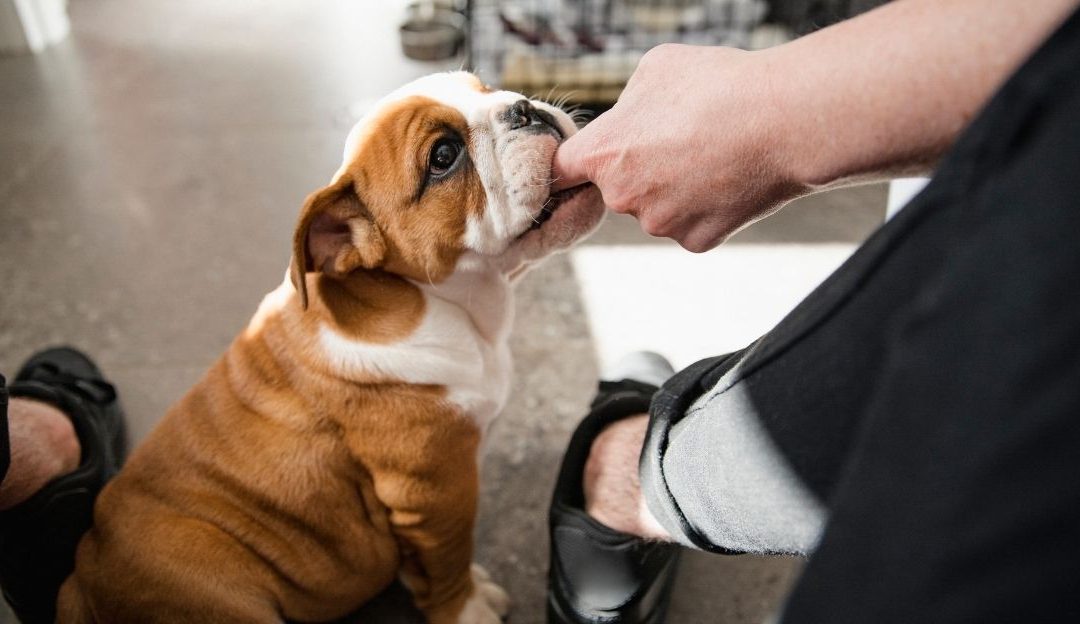
Nibbling hands, clothes, or skin often confuses dog owners, but it is important to understand that a dog who nibbles is not showing aggression. The dog is trying to communicate. The real question is not whether the dog nibbles, but how and in what context it happens.
Is Nibbling Play or a Problem?
In dogs, especially young ones, nibbling is a natural part of play and stress regulation. The problem begins when a human unknowingly participates in that play and reinforces it. Behaviors such as pushing the dog away, laughing, pulling the hand back suddenly, or shouting phrases like “hey, stop” actually do the following:
-
Increase excitement
-
Raise stress levels
-
Prolong the behavior
In these moments, the dog does not receive the message “no.” Instead, the dog receives confirmation that play is still ongoing.
[Image showing a dog nibbling and the correct human response]
How to Respond Properly When a Dog Nibbles
When a dog starts nibbling, the response must be calm, clear, and consistent.
The First Step: Stop the Interaction Gently move your hand away and clearly say: “Ay” or “No.” There should be no shouting, no additional words, and no explanations. This gives the dog a clear signal that a boundary has been crossed.
The Five-Minute Rule If the dog continues despite the warning, the rule of separation applies:
-
Calmly lead the dog into another room.
-
No talking, no anger, no physical contact.
-
The dog stays alone for approximately five minutes.
For a dog, separation from the group is the strongest message possible. This is not punishment in the human sense, but clear information: “With this behavior, you do not belong in the group.”
Why Separation Works
Dogs are social beings. Belonging to the group is more important to them than any physical correction. When separation is done calmly and without drama:
-
The dog connects behavior with consequence.
-
Understanding comes quickly.
-
Boundaries are learned without fear.
A dog does not think like a human, but instinctively understands exclusion from the group. Separation is communication, not punishment.
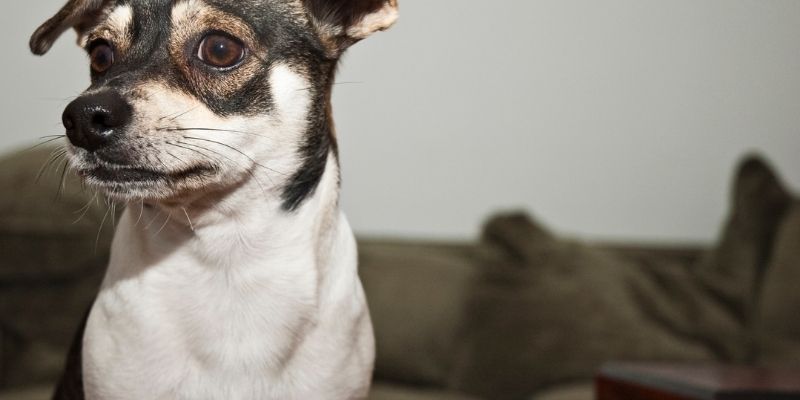
Isolation is a message, not a punishment.
What Should Never Be Done
To successfully address why dogs nibble, avoid these common mistakes:
-
Do not hit the dog.
-
Do not shout.
-
Do not explain.
-
Do not push your hand into the dog’s mouth.
-
Do not turn everything into play.
Dogs do not learn rules through noise and chaos, but through clear, consistent rituals.
Nibbling Is a Message, Not Disobedience
It is essential to understand this: a dog is not raised through punishment, but through rules of belonging. A dog that knows where it belongs has no need to test boundaries with its teeth.
At Sasha Riess, we believe that every interaction is an opportunity for clarity. Understanding why dogs nibble allows you to set boundaries that build trust rather than fear, leading to a state of pureloveandharmony. Discover more: Linktree Sasha Riess
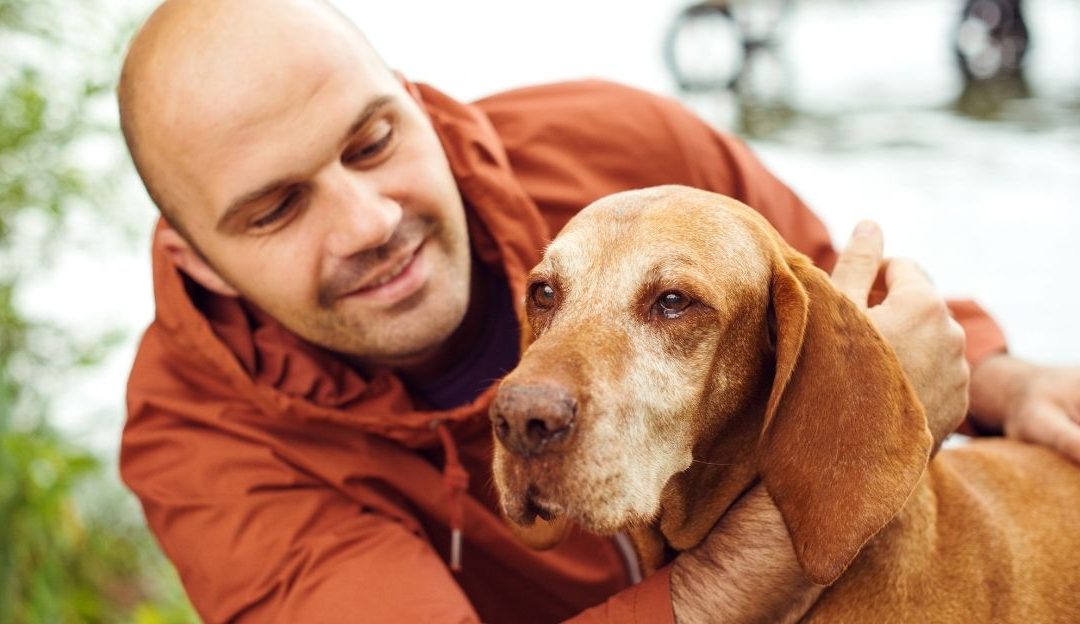
by Sasha Riess | 03.05.26. | Emotions
Affective connection with a dog in a quiet and gentle moment
Today I want to look beneath the surface and explore how our deepest emotional bonds, especially those with our mothers, shape the way we connect with our dogs. These loyal companions often become mirrors of our inner struggles, touching the places we try the hardest to hide.
I know that discussing family relationships and emotional wounds can be difficult, so take your time with this reading. If you feel the need to pause, please do. I wrote this text with understanding for everyone who carries their own silent burdens. Let us gently explore how our early emotional environment, especially the relationship with our mother, shapes how we love and care for our dogs.
The Affective Bond with a Dog: What They Touch in Us Without Words
Dogs are often the first witnesses to our quietest moments. They are there when we laugh, when we cry, and when we struggle with silence inside ourselves. Their gaze, a warm wag of the tail, or quiet presence beside us can bring comfort we cannot find anywhere else.
This bond is not accidental. It is deeply rooted in our human need for connection. If you have ever felt that your dog understands you without a single word, you know exactly what I mean. They become part of our family, part of our emotional life, and through that connection we do not only give, we also receive something precious, the feeling of belonging.
In earlier writings we explored how our approach to dogs, whether through punishment or harmony, shapes their behavior and inner state. Today I want us to go one step further, gently and honestly, and explore how these relationships reflect our own emotional patterns. How the world shaped us, and how that shaping flows into our relationship with our dogs. This is not a story about guilt or blame, but about understanding, toward ourselves and toward those who share life with us.
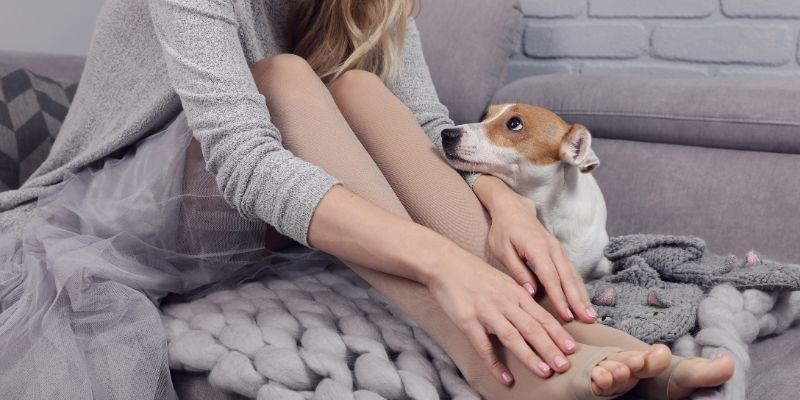
Dogs often recognize our silent emotions better than people do.
A dog sensing the emotion of its owner and reacting to the affective bond
Dogs often recognize our silent emotions better than people do. Affective bonds are emotional attachments that give us security, comfort and the sense that we are not alone. They begin in early childhood, through relationships with parents or caregivers, and shape how we later love, trust and seek closeness. If it has ever been hard for you to open up to others or if you worry excessively about those you love, this may be a reflection of those early attachments. And that is alright. We all carry our stories, and every one of them matters.
How Early Maternal Fields Shape Our Relationship with Dogs
When it comes to dogs, they often become our safe base. Their unconditional love, the way they greet us without judgment and without expectations, can feel like healing for wounds we carry. They do not demand explanations and do not ask questions. They simply stay. But we also project onto them our needs, our fears and the way we learned to love.
If we grew up in an environment where love was conditional, we may expect perfect obedience from our dog. If we learned to fear loss, we might overprotect our dog even when it is unnecessary. This is not something to feel guilty about. It is the echo of what lives inside us.
The relationship with our mother, the first and most intimate bond, is not always ideal even though society insists it should be. The concept I call the Broken Mother Field refers to the emotional wounds many of us carry from this relationship, whether due to absence, overcontrol, emotional distance or trauma. This is not an accusation toward mothers. They too are often victims of their own circumstances and histories. But this bond shapes us in ways we cannot ignore, and it inevitably spills into all our relationships, including the one with our dog.
Broken Mother Field: When the Mother’s Shadow Influences the Bond with the Dog
If the maternal relationship was colored by fear of abandonment, we may cling too tightly to our dog, using control instead of trust. If maternal love was conditional, we may expect our dog to earn affection through perfect behavior, creating a dynamic of punishment rather than understanding. This is difficult to acknowledge and may be painful for some, but facing these wounds, even privately, can be the first step toward liberation, not only for us but also for our dogs, who often carry the weight of our unspoken emotions.
How Culture Shapes Our Bond with Dogs
The way we bond with dogs is not only personal. It is shaped by the society around us. In some cultures, dogs are viewed as tools, guardians or workers, beings that must be controlled. In such environments punishment becomes a common method of shaping the dog, reflecting a broader cultural attitude based on control rather than understanding. In other cultures, dogs are seen as equal members of the family and the relationship is built on empathy and companionship. This is not a matter of right or wrong. It is a matter of what we learned and what shaped us.
Science also shows how these bonds influence us biologically. When we pet or play with a dog, both our bodies and theirs release oxytocin, the hormone of bonding and reduced stress. This is not just emotion, this is physiology. Our relationship with dogs can heal us in ways we do not immediately notice. But if we bring fear or control into the relationship, we can create the opposite effect, stress and tension for both.
Dogs as Mirrors of Our Unspoken Feelings
Let me share a story that shows how the affective bond with a dog can be both healing and challenging. I will call her Ana, though that is not her real name. Ana grew up in a family where discipline was strict and emotions were suppressed. When she adopted a small mixed breed dog named Max, she unknowingly repeated the same pattern. Whenever Max barked or chewed on something, Ana reacted sharply by yelling or isolating him. She was not cruel. She simply repeated what she had learned in childhood.
But Max began to change. He became withdrawn, stopped wagging his tail, and hid under tables. Ana felt guilty but did not know what to do. Through conversations and inner work she realized Max was not a dog who refused to listen, he was a mirror of her inner world. Her fear of losing control, learned in childhood, had become his fear of existing freely.
When she changed her approach, using patience, rewards and gentle communication, Max slowly returned. He played, he ran to her, he showed joy. And Ana felt lighter, as if she let go of a burden she had carried for years.
This story is not unique. Many of us live out old patterns in our relationships with dogs. If you ever felt your dog was not listening or that you cannot create a bond, it may be worth asking what inside you is being reflected.
Control, Fear and Projection: How a Dog Feels What We Suppress
This is not a question of placing blame. It is about understanding. We all learn, grow and make mistakes on the way to finding a better path. Affective connection with dogs is a two way street. Dogs feel our emotions. When we are under stress, they sense it and often become anxious. When we are calm, they become our companions in peace.
When a Dog Actually Heals Us: The Biological and Emotional Truth
Dogs also teach us. Their unconditional love reminds us what it means to love without expectation, to exist in the present moment. If you have ever felt that your dog understands you better than people, perhaps it is because dogs do not judge or analyze. They simply are.
Do we shape their world through our behavior, or do they shape us by teaching empathy and unconditional love? I believe the answer is both. We bring our stories, fears and hopes into the relationship, and the dog reflects them back. But dogs also offer us the chance to change, to learn a new way of connecting, to free ourselves from old patterns. This is not easy, and for some it may be painful to face this inner mirror. Yet step by step, with gentleness toward ourselves, we can find the path to a deeper bond with our dogs and with ourselves.
Small Steps Toward a Healthier Affective Bond with Your Dog
If you want to nurture a healthy emotional bond with your dog, here are a few gentle suggestions:
-
Be patient with your dog and with yourself. If you feel frustration when your dog does not listen, take a breath and ask what is truly upsetting you. It may not be the dog, but something deeper within.
-
Use rewards and praise instead of punishment. Let your dog know it is loved even when it makes mistakes.
-
Spend quality time together through walks, play or quiet moments. These experiences build trust that heals both of you.
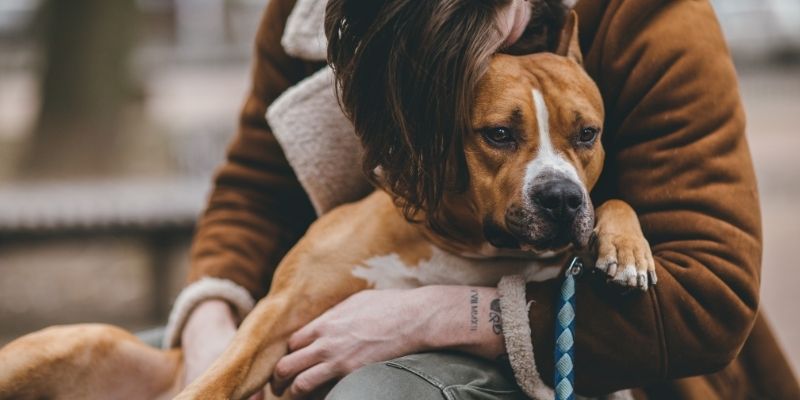
A hug that heals—the dog as a gentle witness to our deepest feelings.
If you struggle to connect with your dog or to face the emotions that the relationship awakens, know you are not alone. Seeking support through conversation, reflection or education can be a step toward peace. By nurturing harmony with our dogs, we nurture ourselves. We learn to love, to face our past and to be present.
As I write these final lines, I want to remind you that every relationship, including the one with your dog, is an opportunity for growth. If you ever felt guilt or confusion about how you relate to your dog, know that it is alright. We all carry our stories, and every one of them deserves understanding.
Dogs remind us of the strength of unconditional love, but they also teach us to offer that love to ourselves first. Let your next moment with your dog be a moment of presence. Look into your dog’s eyes, feel its warmth, and allow yourself to be vulnerable. You might discover that your dog is not only your companion but your mirror, showing not only your fears but your capacity to love, to change and to grow.
The world shapes us in many ways, and the relationship with the mother often leaves the deepest imprint. Yet through these gentle bonds with our dogs, we have the opportunity to reshape ourselves for the better, to heal the broken fields within and to find the peace we deserve.
Thank you for being here until the end of this text. May your path with your dog be filled with harmony, understanding and true love.
At Sasha Riess, we understand that our pets are the custodians of our unspoken truths. Exploring why dogs touch the places where it hurts is an act of courage that leads us to a state of pureloveandharmony. Discover more:Linktree Sasha Riess
by Sasha Riess | 03.05.26. | Nutrition
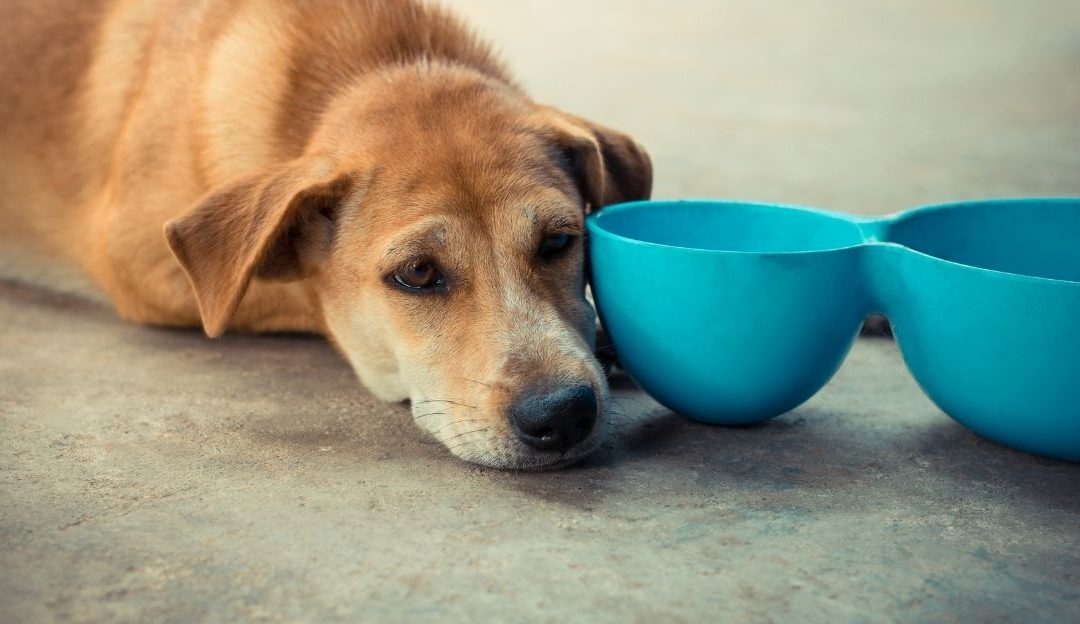
Many owners, with the best intentions, feed their dog at the same time every day. What looks like routine, however, can create a strong conditioned reflex that turns into a physical problem. To understand why dogs should not eat at the same time, we must look at how their digestive system reacts to the clock.
How Digestive Problems Are Created
If you feed your dog every day at 5 p.m., their body starts preparing at 4:30 p.m. Stomach acid begins to secrete, and the digestive system switches on. If the food doesn’t arrive because you are delayed, that acid remains without anything to digest. This often leads to:
At that point, a habit becomes a stressful physical reaction.
The Goal: A Dog That Doesn’t Live by the Clock
The goal is for the dog to know food will come, but not exactly when. In nature, dogs do not eat by the clock. A dog that is not tied to a fixed schedule:
-
Does not experience stress while waiting
-
Does not produce excessive stomach acid
-
Adapts easily to changes in your daily life
This is the primary reason why dogs should not eat at the same time—it builds resilience instead of dependency.
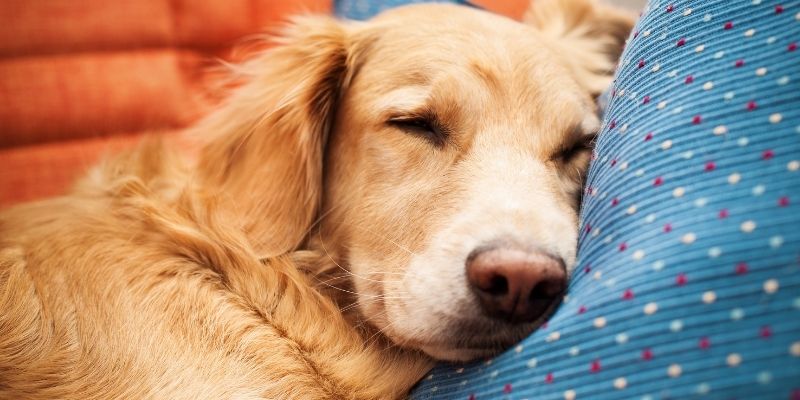
A dog that does not know the exact feeding time is more stable.
How to Change the Habit
The solution requires consistency. Vary the feeding times so the dog can’t predict them:
-
Feed before work one day, and after returning the next.
-
Change the person who feeds the dog.
-
Skip a meal occasionally or feed much later than usual.
Organize Life, Not the Clock
A dog should adapt to family life, not the other way around. When this balance is achieved, the dog is calmer and the digestive system is more stable. Routine is good, but fixed feeding times are not.
At Sasha Riess, we believe in harmony with nature, not the clock. Understanding why dogs should not eat at the same time allows your pet to live without the stress of expectation, leading them to a more grounded and peaceful state of pureloveandharmony. Discover more: Linktree Sasha Riess