by Sasha Riess | 02.02.26. | Behaviour
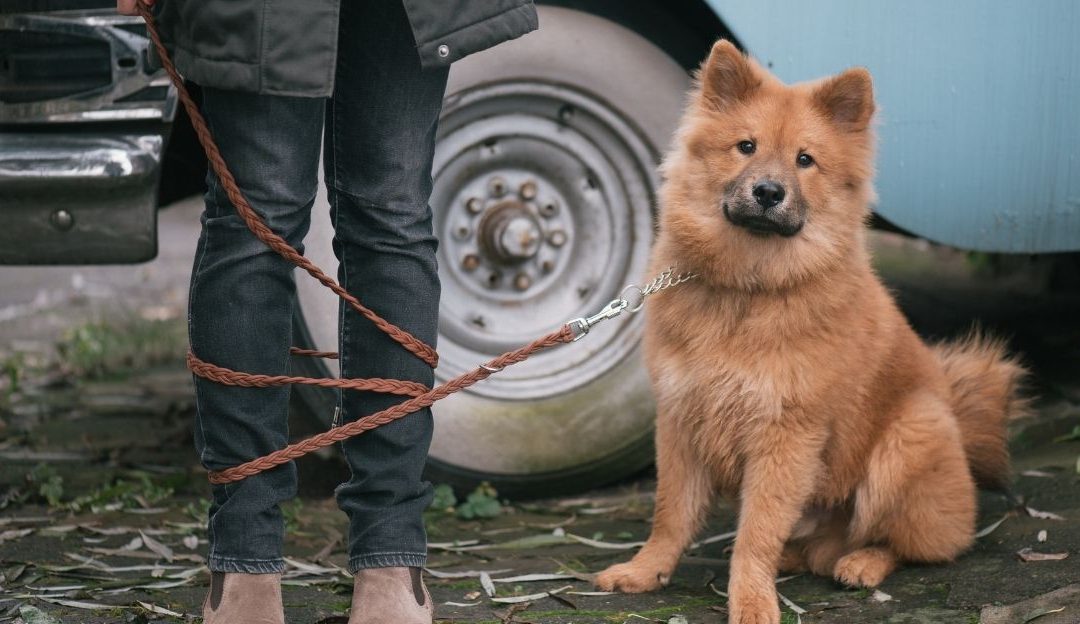
Boundaries are not for dogs. They are for us.
When we talk about boundaries with dogs, most people immediately think of prohibitions, commands, and rules that must be imposed on the dog. But the truth is quite the opposite. A dog does not suffer because of boundaries. A dog suffers because of the absence of boundaries. And the absence of boundaries does not come from the dog, but from the human who does not know how to set them.
A dog does not think in categories of “allowed” and “forbidden” like humans do. A dog functions through structure, consistency, and clear behavioral patterns. When that structure is missing, the dog is left without support. Then problems appear that people mistakenly call disobedience, stubbornness, or a “difficult character.”
Why Is It Hard for Us to Say No to a Dog
The problem with boundaries with dogs is often the same problem we have in relationships with people. We do not know how to say no because we fear conflict, rejection, or guilt. We say yes to everything. To compromises that drain us. To relationships that suffocate us. To habits that harm us.
The dog simply exposes that pattern.
Just as a parent who cannot say no to a child asking for sweets later pays the price through health issues, a dog owner gives in “out of love” and later faces anxiety, aggression, or loss of control in the dog.
Boundaries Are Not Punishment
Setting boundaries does not mean harshness, force, or domination. On the contrary. Boundaries are safety. They tell the dog, “I know what I am doing. You can rely on me.”
A dog with clear boundaries with dogs does not need to constantly test limits. He does not need to take responsibility that is not his. He does not need to make decisions instead of the human. That is where the dog’s inner peace begins.
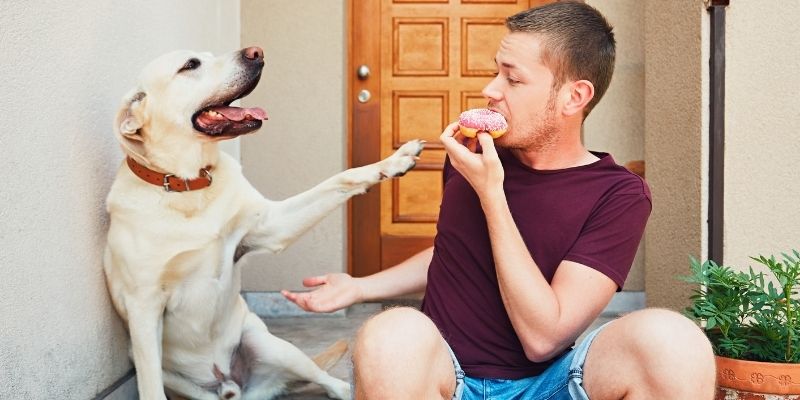
A dog does not seek boundaries — the human avoids them.
When Boundaries Are Missing, the Dog Pays the Price
Without boundaries, the dog steps into roles that do not belong to him. He becomes overprotective, insecure, anxious, or reactive. People then say the dog is “problematic,” when in reality he has been left without structure.
That is why boundaries are not a tool to control the dog. They are a mirror of our relationship with our own life. The dog does not seek perfection. He seeks consistency.
The Dog Is Not the Problem. The Problem Appears Before the Dog.
The dog does not need to learn where boundaries are. The human needs to learn how to set them. When we know where we stand, the dog no longer needs to test, push, or take control. Then the relationship becomes stable, calm, and healthy for both sides.

by Sasha Riess | 02.02.26. | Wellbeing
Poverty as a survival strategy is not only an economic issue. It is a deeply rooted inner pattern. It does not arise by accident, nor is it maintained only by external circumstances. In many cases, poverty represents the way the body and nervous system try to remain in a familiar and “safe” survival zone.
Poverty as a Survival Strategy, Not a Coincidence
Poverty is often not the result of current circumstances, but a long term adaptive mechanism. Homeostasis, the natural tendency of the organism to maintain balance, does not change suddenly or radically.
When physiology has developed in scarcity, abundance is not experienced as safety, but as a threat. The body remembers what once meant survival and tries to return to that state, even when external conditions no longer require it. That is why sudden changes, such as unexpected wealth or rapid success, often lead to psychological collapse, loss of balance, or self sabotage.
Why External Changes Do Not Bring Lasting Security
There are solutions that sound like escape routes: money, a new beginning, a sudden gain. However, external circumstances do not change internal patterns. The inner structure travels with us wherever we go.
If a person does not know how to receive, nothing external will stay for long. If a person does not know how to live in stability, abundance becomes a burden rather than relief.

Poverty is often not a coincidence, but a deeply rooted survival mechanism.
Inner Homeostasis and Resistance to Change
Homeostasis does not recognize what is “good” or “bad.” It only recognizes what is familiar. When poverty has become a survival strategy in family or collective history, every step out of that pattern is experienced as a risk. That is why the body often pulls a person back into scarcity, even when the mind wants something different.
Peace Does Not Come from the Outside
Peace cannot be bought. Maturity does not arrive with financial gain. It appears in the moment we stop searching for rescue outside and begin to understand where we truly stand within. Only then can change become lasting, because it no longer threatens the inner sense of safety.

by Sasha Riess | 02.02.26. | Wellbeing
Chronic gastritis in dogs is not only a digestive tract issue. It is often a signal that the dog is under stress or carrying an emotional burden that does not belong to him. When a dog enters a new environment or experiences a change in routine, the digestive system is usually the first to react. Stress and anxiety can significantly worsen gastritis.
Dogs with long term stomach problems often show additional signs such as pulling on the leash, excessive barking, jumping on people, or behaviors linked to anxiety. Chronic gastritis in dogs can weaken the immune system, leading the body to create inflammatory processes, bacterial and viral reactions, and increased histamine release.
How Chronic Gastritis in Dogs Reflects Stress and Anxiety
Stress does not affect only the stomach. In dogs with chronic gastritis, prolonged anxiety weakens immunity and triggers reactions the body would not normally produce. Observing behavior carefully and reducing stress are key steps in improving digestive health.

Proper routine and calm feeding help manage gastritis.
Support for a Dog With Chronic Gastritis
To improve the condition of a dog with gastritis:
-
Reduce stress by providing a stable routine, calm environment, and clear boundaries.
-
Observe behavior closely and recognize signs of anxiety or nervousness.
-
Support the immune system through walks, play, and mental stimulation.
-
Use veterinary guidance when needed. Supplements and therapy can help, but the first step is always reducing stress.
Why a Stable Environment Is Essential
Chronic gastritis in dogs shows how deeply a dog depends on a sense of safety. When we provide calmness, routine, and consistent guidance, the digestive system begins to settle, immunity strengthens, and anxiety responses decrease. Proper guidance does not only improve gastritis. It gives the dog a healthier and more balanced life.
by Sasha Riess | 01.02.26. | Behaviour
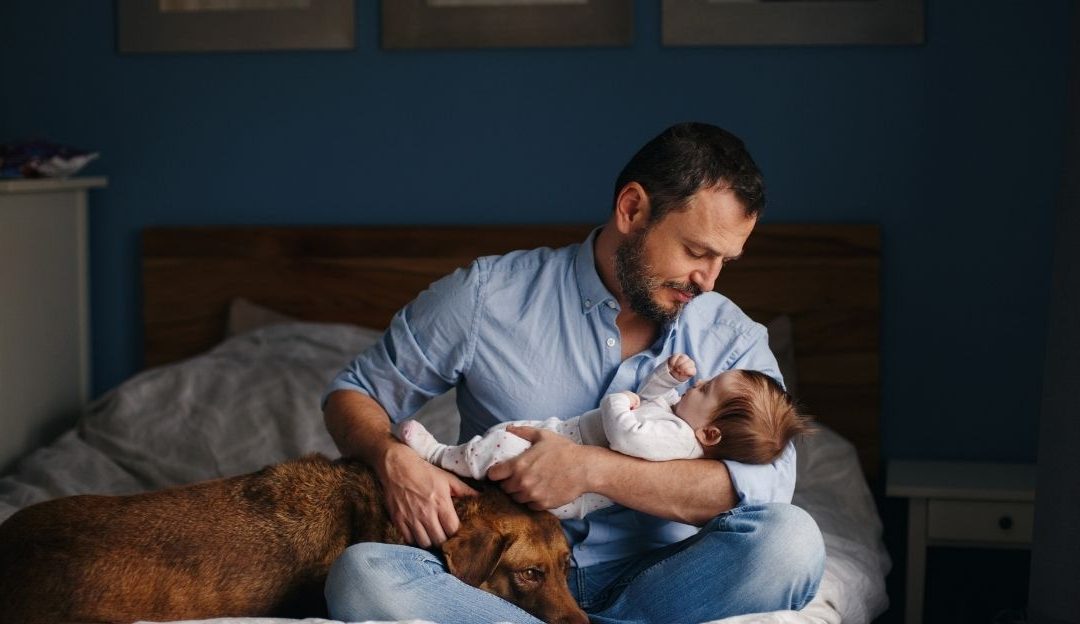
The relationship between a dog and a baby is one of the purest and most innocent relationships that exist. A dog does not intend to harm a child, and a baby has no awareness of causing harm. Problems arise only when adults fail to take responsibility and set clear boundaries.
A Relationship Disturbed Only by Humans
Small children, babies, and dogs share one important trait: complete innocence. Their relationship cannot be “wrong” by itself. A dog never plans to hurt a child. Difficulties appear when a parent or caretaker does not react, does not set boundaries, and does not recognize their own emotional state.
Parenthood, especially in the first months, carries enormous emotional and physical pressure. Lack of sleep, hormonal changes, stress, and inner tension become part of daily life. The dog and baby dynamic is affected by this because the dog senses everything. He does not understand words, but he understands energy.
How a Dog Experiences the Arrival of a Baby
In the dog’s perception, the baby is not “a child” but a change that has created instability in his human. The dog may then try to “protect” the parent because instinctively he feels that something has shifted. This is not aggression; it is an attempt to control a situation he does not understand.
That is why it is essential that adults:
-
Do not project their own stress onto the dog.
-
Do not leave the dog and baby unsupervised.
-
Do not expect the dog to “understand” human life phases.

Clear boundaries create a safe and peaceful environment for both the dog and the baby.
Boundaries Are Protection for Both Baby and Dog
A dog and a baby must have clear boundaries. How close the dog may come, when he must withdraw, and where his own space is. The same applies to the child. A dog is not a toy, a pillow, or a tool to calm a baby.
Boundaries are not punishment. They are safety.
Why Responsibility Always Remains with Adults
A dog cannot be emotionally mature. A baby cannot know boundaries. Adults must. When a parent takes responsibility, the relationship between dog and baby becomes stable, calm, and safe. Not because the dog is “good,” but because he is guided.
by Sasha Riess | 01.02.26. | Behaviour
It is not crucial whether you adopted your dog or bought him, how old he is, or which breed he belongs to. When we ask why dogs bite, the problem is almost never in the dog, but in the fact that the human does not understand the language the dog speaks.
A dog does not speak Serbian, English, or any human language. His communication is entirely behavioral. If we do not understand that behavior, we easily enter a relationship filled with misunderstandings, fear, and loss of trust.
A Dog Bites Because He Is Speaking and We Are Not Listening
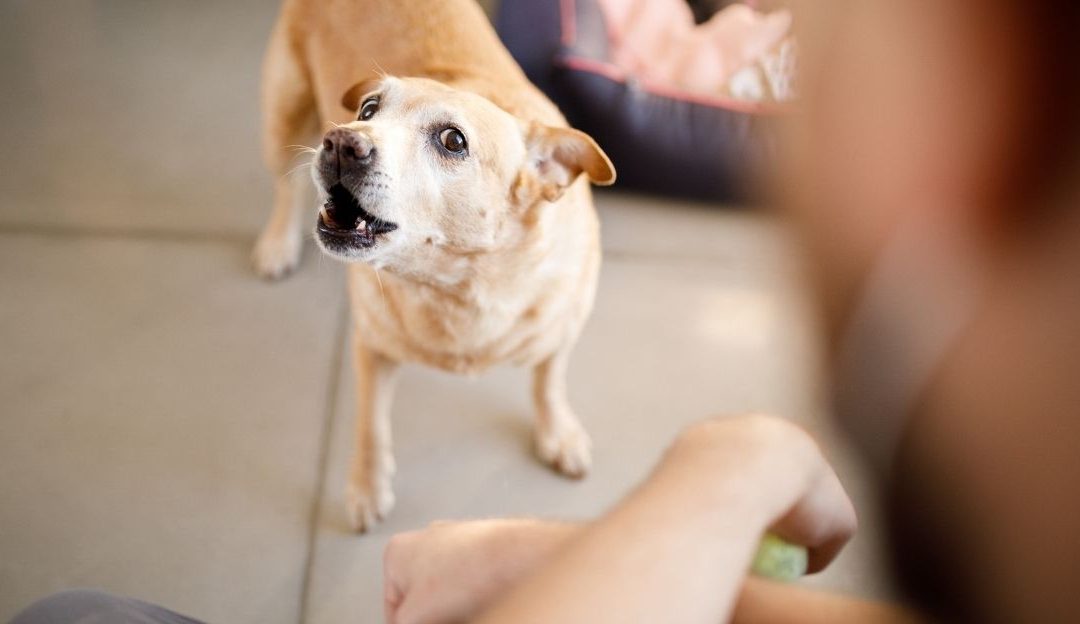
A dog’s behavior is his only way to communicate with us. A bite is not an “attack without reason,” but a message that appears after all milder signals have been ignored. Understanding why dogs bite starts with recognizing these signals:
When these signals go unnoticed, the dog intensifies the message. The bite then becomes the last level of communication, not the first.
The Problem Is Not Aggression, but Misguided Closeness
One of the most common mistakes is developing a sentimental emotional bond between human and dog. Out of a desire to “give everything to the dog,” a person:
The dog does not receive security from this, but confusion. This confusion is often the root cause of why dogs bite, because a dog that does not feel structure does not feel trust.

Without structure, a dog cannot develop trust.
Why a Dog Bites Even When We Are ‘Good’ to Him
Paradoxically, a dog may bite the very person who rescued, fed, and loved him. Not because he is ungrateful, but because he does not see the human as a stable figure and feels he must control things himself. In that moment, the dog does not bite out of hatred, but out of insecurity.
A Dog Does Not Seek Emotion, He Seeks Structure
Dogs do not ask for excessive empathy or emotional fusion. They seek:
-
Clear rules
-
Consistency
-
Predictability
-
Calm leadership
When these are missing, the dog tries to establish order on his own. The bite then becomes an attempt at control, not an attack.
How to Prevent a Dog from Biting
The solution is not punishment, but changing the relationship. To address why dogs bite, we must:
-
Learn the dog’s language instead of imposing yours
-
Set clear boundaries
-
Take responsibility for leadership
-
Reduce emotional confusion
A dog who trusts his human has no need to bite.