by Sasha Riess | 23.09.26. | Behaviour
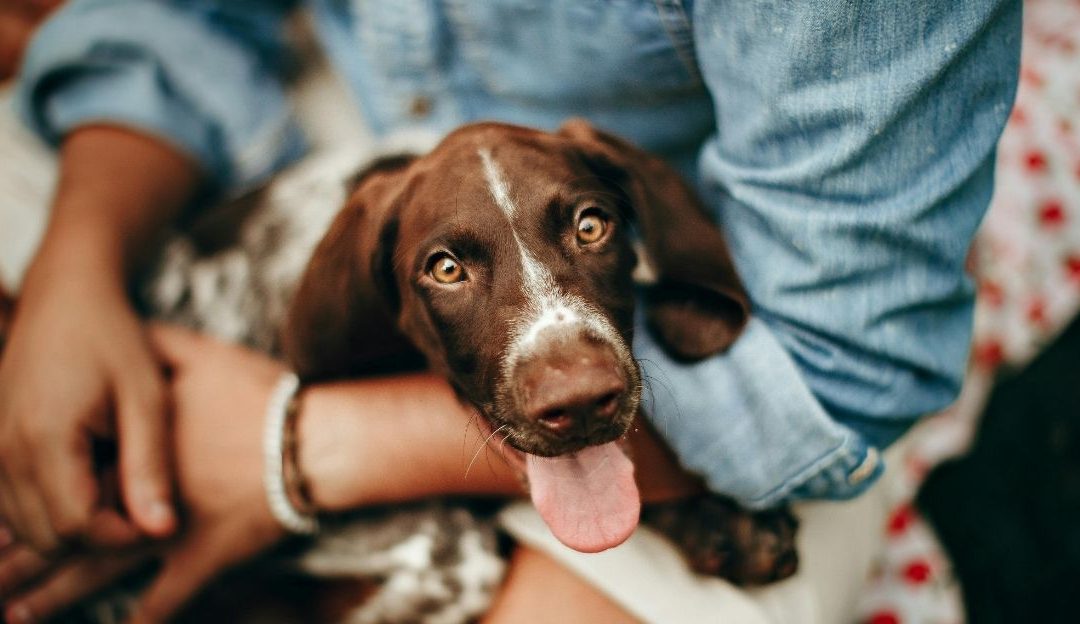
A dog leaning against its owner represents a need for closeness and safety. If your dog constantly sticks to you, asks for cuddles, climbs into your lap, and never leaves your side, the reason is not only love. There is a deeper emotional mechanism that many owners do not see.
It may seem sweet when a dog refuses to separate from you, climbs into your lap, lies on you, and repeatedly asks to be petted. And it is sweet, but only as long as you are the one deciding when the cuddling happens.
The moment the dog begins to set the pace, it is no longer just affection. Consequently, it becomes a small game of power in which humans almost always lose, because dogs are masters at gently pulling us into their rituals.
What Is the Real Issue?
The problem is not that your dog wants to be close to you. The problem is not that he seeks affection.
The problem begins when this need appears only when he wants it, and we respond every single time. In that way, the dog unconsciously learns to control our behavior. Therefore, understanding why does my dog stick to me requires looking at who initiates interaction.
How to Restore Balance
The next time your dog comes for cuddles, ignore him briefly. Not harshly, not coldly — simply remain calm and do not respond.
Invite him to the same cuddling that would have happened if he had asked for it, except now it happens on your initiative.
And here comes the interesting part: When you call him, sometimes the dog will not come. Most people give in at this moment. They say, “Well, fine, let him come now… better now than never.”
But that is the trap. This is the moment when we unintentionally hand over authority to the dog. Petting is important, but it should happen when you initiate it.
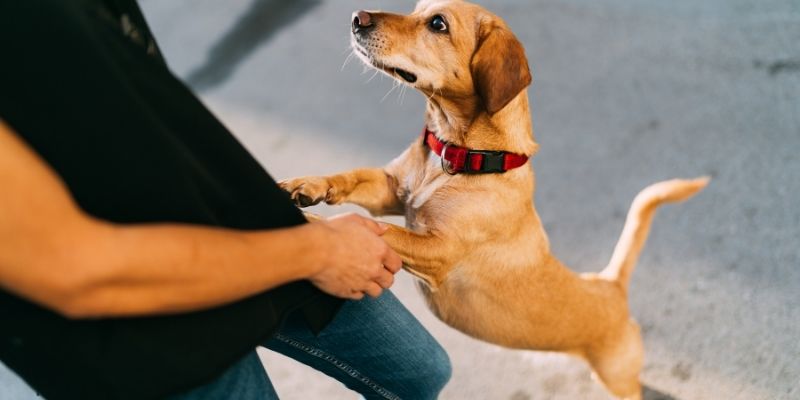
WHEN A DOG INITIATES CONTACT, WAITING AND CALLING THEM ON YOUR TERMS RESTORES CALM AUTHORITY.
Who Leads the Interaction and Who Provides Safety
A dog does not need a boss in the classical sense. He needs a guide, a figure who provides safety, structure, and calmness.
Just as a wolf pup experiences the wolf mother: She protects him, gives him boundaries, gives him love, but also clearly shows what is allowed and what is not. Imagine how a wolf pup would feel if his mother had no authority, if she were confused, if she offered no sense of safety. He would be lost, insecure, and constantly tense. Simultaneously, it is the same with dogs.
An Important Truth
Our task is not only to love the dog. Our task is to give him a framework, a sense of safety, and the feeling that someone is steering the ship.
That is what brings dogs peace. Ultimately, that is the kind of love that calms both humans and dogs.
Thank you for reading.
To discover more about how emotional alignment, balanced lifestyle, and authentic energy restore internal balance, read our canine communication & behavior guidelines.
See you next time.
At Sasha Riess, we look past commercial labels to honor the unique biological blueprint of your companion. True health requires addressing the subtle internal patterns that create lasting vitality and pureloveandharmony. Discover the customized path to your dog’s longevity: Linktree Sasha Riess
by Sasha Riess | 21.09.26. | Behaviour
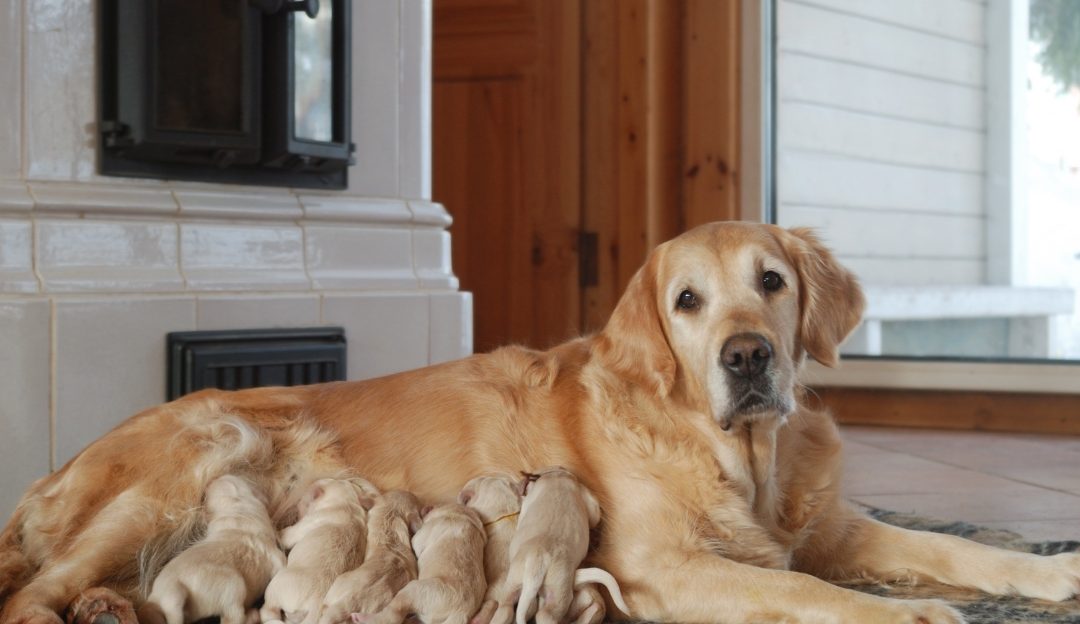
In nature and among free-roaming dogs, a precise biological clock governs the process of giving birth. When a female begins giving birth outdoors, in an open space such as a field or meadow, a series of instinctive reactions triggers immediately. The female will often leave the first puppy where the birth began and then move to a secluded place or shelter to complete the delivery. Consequently, a tragic outcome often occurs for the first puppy, directly resulting from the mother’s specific biological mechanism.
The Cry of the Young and the Biological Block in the Mother
The fearful cry of a newborn represents a universal signal in the animal world. Sheep, cows, and dogs all share a specific sound through which a newborn calls its mother to find and protect it. However, under natural conditions, the mother does not possess the biological “tool” to hear that cry until she completes the entire birth process.
As long as she has not delivered the final pup, that sound receptor in her brain simply remains inactive. Because of this temporary block, the mother stays completely focused on the primary act of bringing new life into the world.
Activation of the Maternal Instinct Only After Birth
Only after she gives birth to the last puppy does this specific mechanism for recognizing sound activate in the mother. She then begins to clearly hear the cries of her young and starts gathering them together in one safe place.
Unfortunately, if she left the first puppy in an open space, help often arrives too late. As considerable time passes after its birth, the first puppy usually succumbs to the cold, hypothermia, or external dangers before the mother returns. Newborn puppies remain extremely sensitive to low temperatures and require a rapid response during their very first minutes of life.
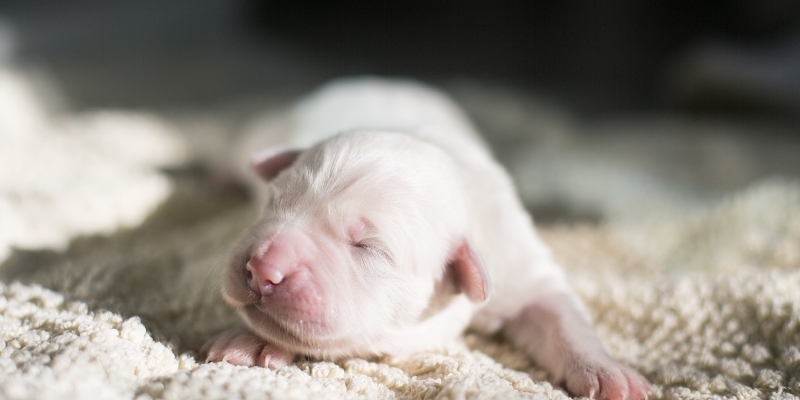
NEWBORN PUPPIES ARE EXTREMELY SENSITIVE TO COLD AND REQUIRE IMMEDIATE WARMTH AND ATTENTION.
Understanding Natural Processes and the Role of Humans
This harsh scenario shows us how the original laws of nature function when humans are not present to assist. Nature arranges for the mother to complete the labor process to preserve the entire litter.
Simultaneously, with domestic dogs, humans hold the responsibility to provide a safe environment and prevent such tragic losses. Therefore, when we understand these deep-seated instincts, we can respond in time and protect every first puppy while the mother safely brings the rest of the litter into the world.
Thank you for reading.
To discover more about how emotional alignment, balanced lifestyle, and authentic energy restore internal balance, read our canine communication & behavior guidelines.
See you next time.
At Sasha Riess, we look past commercial labels to honor the unique biological blueprint of your companion. True health requires addressing the subtle internal patterns that create lasting vitality and pureloveandharmony. Discover the customized path to your dog’s longevity:Linktree Sasha Riess
👉 Follow our Facebook page and never miss our latest articles, news, and updates.
by Sasha Riess | 21.09.26. | Nutrition
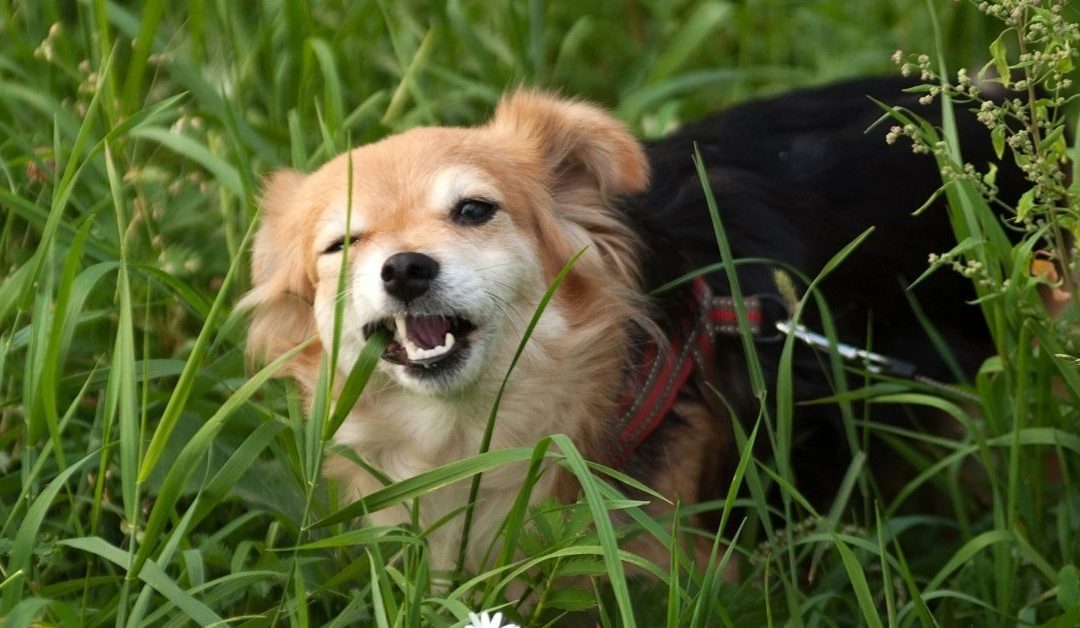
Many dog owners often wonder why dogs eat grass. While it might seem harmless or even odd, this behavior often hides subtle signals your dog is sending about digestion or overall health. Understanding those signals provides the first step in offering true support and relief.
Is It Normal for Dogs to Eat Grass?
Occasional grass-eating occurs commonly among dogs and usually causes no concern. Most often, the reason lies in the digestive system, as dogs instinctively eat grass to soothe stomach discomfort or speed up digestion. Consequently, it sometimes triggers vomiting, a natural detox process that helps the stomach release excess acid or undigested food.
A dog’s stomach produces incredibly strong acid, powerful enough to digest even raw bones. However, this applies only to fresh bones, as cooked ones remain unsafe and cause serious injuries to the digestive tract.
Warning Signs
Frequent grass-eating, vomiting, acid reflux, lip-smacking, or excessive drooling all reveal that the stomach and intestines lack balance. In such cases, owners must respond quickly to help their dogs naturally.
Zeolite as Natural Support
Zeolite serves as a natural mineral that helps detoxify the body and restore intestinal balance. For dogs, it significantly reduces issues such as acid reflux, vomiting, and poor digestion.
How to Prepare Zeolite
Prepare zeolite safely by following these steps:
-
Add one tablespoon of zeolite powder to a glass of water and let it sit overnight.
-
In the morning, collect only the clear water and discard the heavy sediment.
-
Add one tablespoon of this mineral water daily to your dog’s food or drinking water.
Owners can use this method daily for about a month, especially during natural detox periods. Although some manufacturers recommend giving the powder directly, this gentle water preparation offers a simpler, easier option that dogs tolerate much better.

NATURAL DETOX SUPPLEMENTS HELP RESTORE DIGESTIVE BALANCE AND REDUCE ACID REFLUX IN DOGS.
Conclusion – What Does It Mean When a Dog Eats Grass?
A dog that occasionally eats grass doesn’t necessarily suffer from a serious health problem. However, frequent repetition or additional symptoms clearly show that the digestive system needs balance.
Ultimately, natural support like zeolite cleanses the body and strengthens stomach function. Observe your dog carefully and act early to maintain lasting health and vitality.
Thank you for reading.
To discover more about how emotional alignment, balanced lifestyle, and authentic energy restore internal balance, read our canine nutrition guidelines.
See you next time.
At Sasha Riess, we look past commercial labels to honor the unique biological blueprint of your companion. True health requires addressing the subtle internal patterns that create lasting vitality and pureloveandharmony. Discover the customized path to your dog’s longevity: Linktree Sasha Riess
by Sasha Riess | 20.09.26. | Behaviour
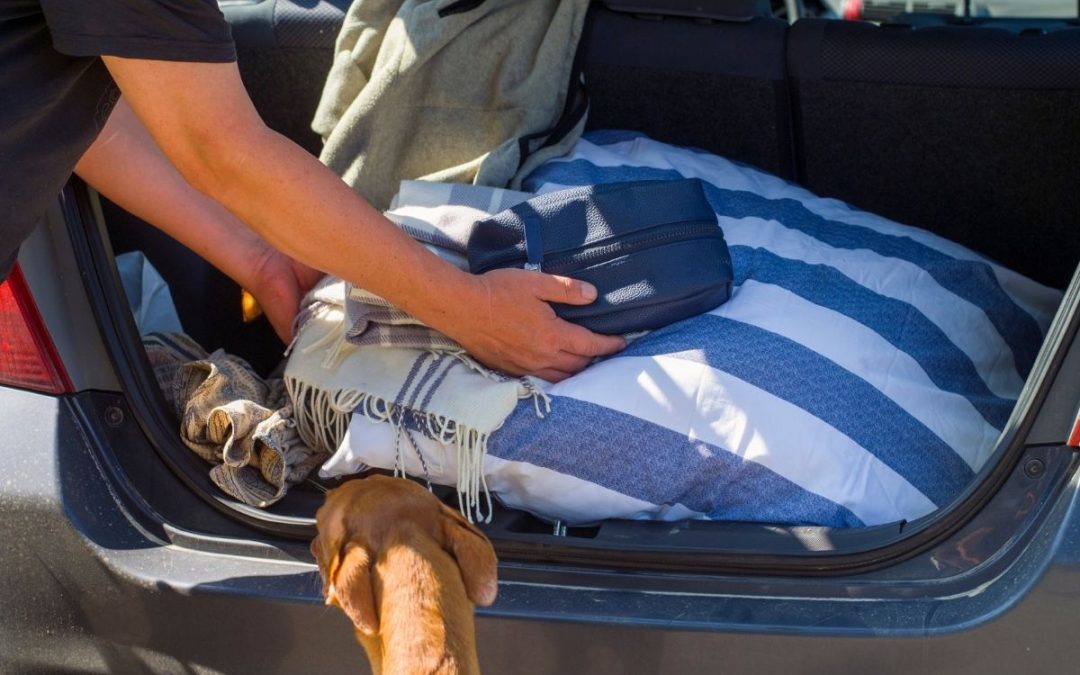
In the show “1000 Whys and 4 Hows,” a viewer asked about dogs that fear car rides. One owner shared that she tried everything — holding her dog in her lap, securing him with a seatbelt, placing him in a carrier — but nothing worked.
This type of fear is not unusual. In fact, many dogs fear car rides because they lack trust that their owner can protect them. They don’t see you as the “pack leader” in control of the situation, so the car becomes a place of uncertainty and danger.
The Ride Begins at Home — Not in the Car
When dogs fear car rides, the solution isn’t in carriers, harnesses, or petting during the trip. The solution lies in the relationship — and that relationship starts at home, not in the car.
From a technical point of view, when driving with your dog, you shouldn’t talk too much, pet him, or hold him. These actions only confirm that there’s a reason to be afraid. Consequently, what you intend as comfort actually reinforces his anxiety.
Instead, use your own calm and stability to communicate safety. Dogs respond to your energy — not your words.
Step One: Start with Yourself
The first step I always recommend to every owner is self-awareness.
Dogs don’t understand punishment or explanations — but they fully understand energy, tone, and intention. Therefore, your inner state sets the emotional tone of the environment.
Step Two: Practice Calm in the Car — Without Words or Music
When you start getting your dog used to the car, follow these steps:
-
Dress him in something slightly snug — if he usually wears a size 3, choose a size 2. Gentle pressure around the chest stimulates the vagus nerve, which has a calming effect.
-
Place him on the back seat and avoid eye contact or verbal interaction.
If he tries to come closer, calmly guide him back with your hand — no words, no emotion. Simultaneously, keep the car silent — no music, no talking — offering only silence and your grounded presence. This teaches your dog that the car is a neutral space, not a source of stress or tension.

PRACTICING CALM IN THE CAR WITHOUT WORDS OR DISTRACTIONS TEACHES YOUR DOG THAT THE RIDE IS SAFE.
Step Three: Repetition and Trust
Repeat this exercise several times a week without driving. Once your dog appears calm and comfortable, begin taking very short rides — just a few minutes at first, gradually increasing the duration.
Your dog must feel that the ride is safe and that you are centered and in control.
Calm Owner – Calm Dog
A dog that faces fear car rides doesn’t need luxury — he needs security. When you show him that you’re stable, calm, and not overreacting, he begins to trust.
Ultimately, fear isn’t healed through words or force — but through energetic stability and consistency. When we learn to be calm, our dogs recognize it instantly and follow our lead.
Thank you for reading.
To discover more about how emotional alignment, balanced lifestyle, and authentic energy restore internal balance, read our canine communication & behavior guidelines.
See you next time.
At Sasha Riess, we look past commercial labels to honor the unique biological blueprint of your companion. True health requires addressing the subtle internal patterns that create lasting vitality and pureloveandharmony. Discover the customized path to your dog’s longevity:Linktree Sasha Riess
👉 Follow our Facebook page and never miss our latest articles, news, and updates.
by Sasha Riess | 18.09.26. | Behaviour
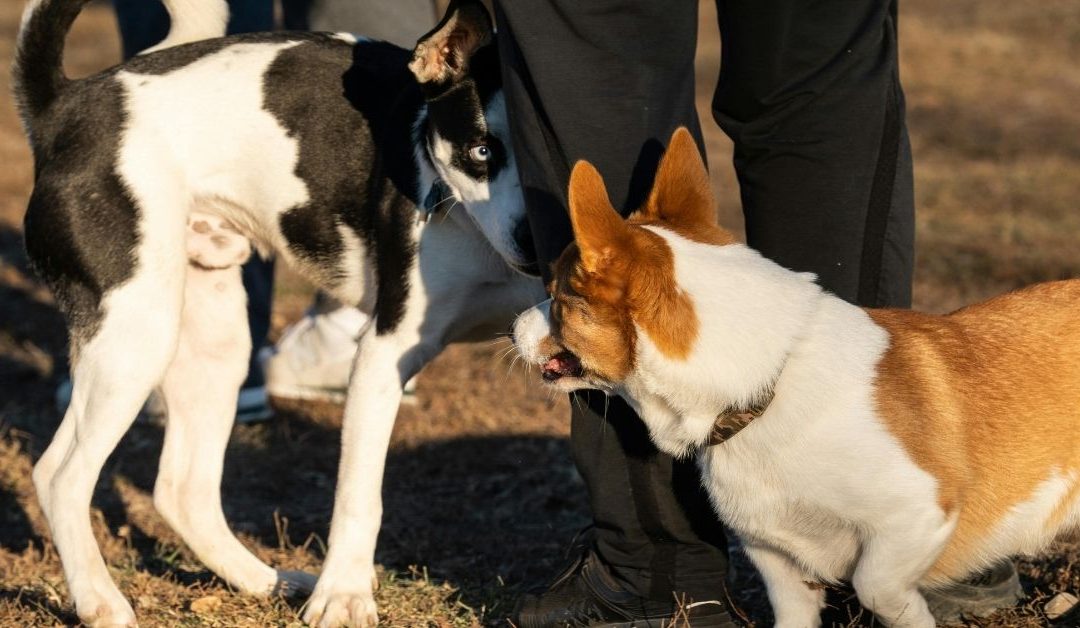
Many owners wonder why a dog licks everything, jumps on people, or shows aggression toward other dogs. The answer often lies in one primary cause — the absence of a stable, trusting bond between the dog and the owner.
When a dog lacks emotional security, it feels responsible for defending both itself and its human. Consequently, that heavy burden — born out of love, not malice — leads to overreactions, stress, and behavioral issues. A calm, confident relationship built on trust and guidance creates the foundation of balance.
Therefore, a dog that feels safe and trusts its person to lead will no longer feel the need to react to every noise, movement, or dog in the distance.
Why Does a Dog Lick or Attack?
When a dog constantly licks, jumps, or clings, it’s not just a habit — it’s active communication. It serves as a way of seeking reassurance, attention, or relief from anxiety. If this behavior occurs alongside aggression toward other dogs or people, insecurity forms the core issue.
The dog believes it must take control and protect its owner because it doesn’t trust that the human remains calm and in charge.
The Three Fear Responses in Dogs
Just like humans, dogs respond to fear in three main ways:
-
Flight — the dog tries to escape the situation but often can’t.
-
Freeze — it becomes stiff and motionless, hoping the discomfort will pass.
-
Fight — when escape or stillness no longer work, aggression becomes the last resort.
Growling, barking, or attacking do not reflect evil intent or dominance — they represent expressions of fear and confusion.
The Owner-Dog Relationship as the Key
A dog’s reactions depend entirely on the quality of the bond it shares with its human. If the dog feels alone while facing the world, it develops defensive patterns: barking at everything, lunging at other dogs, or fixating on sounds and movements.
Simultaneously, when the dog builds a secure emotional attachment with its owner — one based on trust, clarity, and calm leadership — it naturally relaxes. Consequently, it no longer needs aggression to feel safe.
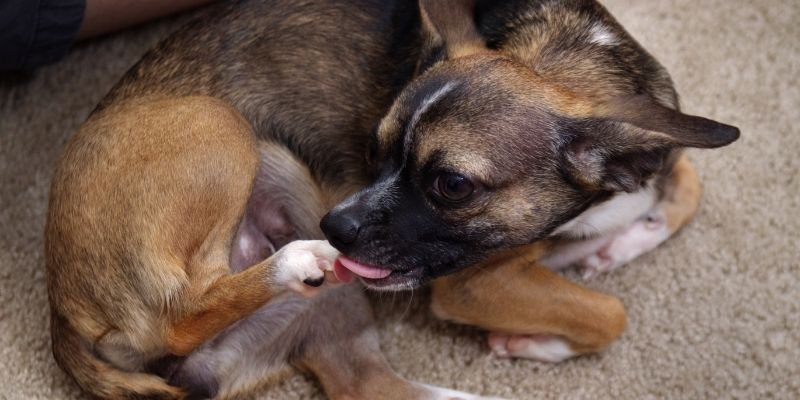
EXCESSIVE LICKING IS OFTEN A SIGNAL OF ANXIETY, REASSURANCE-SEEKING, OR EMOTIONAL UNREST.
How to Correct Behavioral Problems
Correcting these patterns requires a thoughtful approach:
-
Consistency and patience — the dog must feel that its owner maintains control, calmly and predictably.
-
Rituals and routine — feeding, walking, and playtime at regular hours create true security.
-
Positive reinforcement — reward calm and appropriate behavior; repetition builds new habits.
-
Gradual socialization — introduce new dogs and people in controlled, low-stress environments.
Trust: The Foundation of a Happy Dog
Behaviors such as excessive licking, attacking, or constant barking aren’t signs of a “bad dog.” They serve as clear signals — the dog is seeking safety and understanding.
Ultimately, when you build trust, provide structure, and become the calm center your dog can rely on, everything changes. Your dog becomes peaceful, confident, and deeply connected — not because it’s been trained to obey, but because it finally feels safe to simply be.
Thank you for reading.
To discover more about how emotional alignment, balanced lifestyle, and authentic energy restore internal balance, read our canine communication & behavior guidelines.
See you next time.
At Sasha Riess, we look past commercial labels to honor the unique biological blueprint of your companion. True health requires addressing the subtle internal patterns that create lasting vitality and pureloveandharmony. Discover the customized path to your dog’s longevity: Linktree Sasha Riess
👉 Follow our Facebook page and never miss our latest articles, news, and updates.