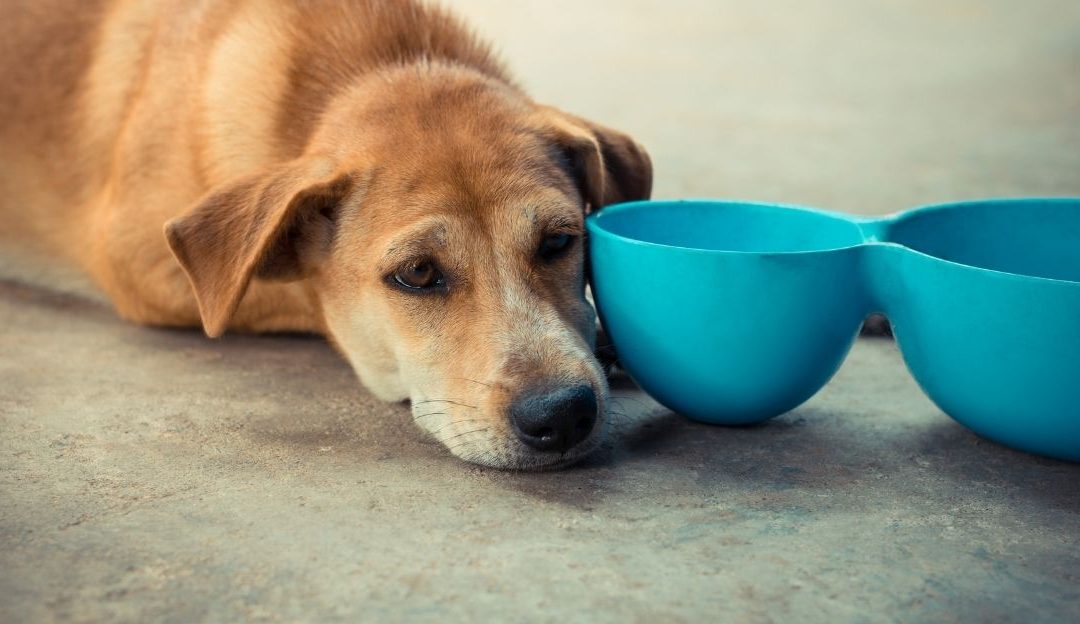
The Price of Perfection: How Grooming Contributed to the Fall of the Purebred Dog World—and What We Can Do About It

The Price of Perfection: How Grooming Contributed to the Fall of the Purebred Dog World—and What We Can Do About It

This isn’t just an article. It’s a confession. When analyzing how show grooming affects purebred dog health, a deep look beneath the surface reveals a shocking shift from traditional care to mechanical illusion. What began as a functional practice to enhance a working dog’s performance—trimming the coat to keep it out of the eyes, cleaning up the feet to avoid matting in the field—has, over the decades, transformed into something else entirely. Grooming became performance. Performance became prestige. And prestige? It began to cost us something far greater than ribbons. It began to cost us the dogs.

The Fall Hidden in the Flourish

As the show ring glittered with meticulously groomed specimens, a darker reality was quietly taking root beneath the fluff. Breeds once defined by function became defined by silhouette. The Poodle, once a water retriever with a practical cut, now parades in stylized clips so rigid they disqualify dogs who deviate from the rulebook. The Shih Tzu, once a hardy temple guardian, must now drag a floor-length coat simply to be eligible for the podium.

We, the groomers, became both artists and enablers. We raised the bar so high that only a select few could clear it—dogs who could tolerate hours of pre-ring preparation, and handlers who could sculpt perfection. And as these winners became the breeding stock for the next generation, we didn’t just influence fashion—we influenced genetics. This directly illustrates how show grooming affects purebred dog health, as we helped normalize styles that made coats harder for dogs to live with, rewarded exaggerated outlines that didn’t reflect comfort or function, and turned presentation into a goal in itself—sometimes at the expense of the dog’s well-being.

Beauty Over Biology

In celebrating grooming excellence, we unintentionally helped promote exaggerated features. While breeders shape genetics, groomers have shaped perception. Our combs and shears haven’t just sculpted coats—they’ve influenced public desire. We turned grooming from preparation into presentation, and the show ring rewarded it.

The Shift in Visual Standards

We mastered the art of camouflage: hiding faults, enhancing silhouettes, balancing proportions to suggest perfection. In doing so, we contributed to a standard of appearance that often overlooked function, comfort, and long-term well-being. What was once a finishing touch became a defining factor—one that quietly redirected the course of expectations, not only in the ring but in everyday dogs.

When Did Function Stop Mattering?

Let’s remember: function creates form. The retriever had a waterproof coat for a reason. The terrier’s wiry texture helped him navigate through brush. These weren’t aesthetic choices—they were evolutionary ones. But in the pursuit of aesthetic “perfection,” we’ve reversed the equation, breeding form without a job. Dogs were never meant to be static statues; they were meant to live, breathe, run, think, and feel. So here’s the hard truth: grooming helped glamorize a version of the purebred dog that no longer serves the dog. And it’s time we own it.

Sasha Riess positioning a black standard poodle in a sculpted show clip on a grooming table

The illusion of perfection: Sculpting the traditional show clip to meet visual standards.

My Part in this Fall

I’ve stood in the world’s most prestigious rings. I’ve groomed legends. I’ve sculpted silhouettes that earned gasps from the crowd and bows from judges. I’ve handled dogs with million-dollar careers—icons of their breed. And yes—I finished over 800 champions across 33 breeds. But here’s the truth only time, regret, and self-reflection can reveal: I helped create the illusion that led to the decline of the very dogs I swore I loved. And worse—I was paid well to do it.

Working with the most demanding clients in the world meant I couldn’t just be a great groomer—I had to be a strategist, a fixer, a magician. They expected results, and I delivered them. I didn’t just groom dogs—I went the extra mile. I studied harder, looked deeper, traveled further. I handpicked my mentors and surrendered to their teachings and discipline. I merged their knowledge with my own instincts; I found ways to stay one thoughtful step ahead in the highly competitive environment of the show world.

Unlearning Old Habits

And in time, I realized something dangerous: it was even more exciting to win with a dog that wasn’t meant to win. The adrenaline rush was stronger. The applause meant more. It became a personal challenge to out-style, out-think, and outmaneuver everyone. While my original commitment was to groom and present great dogs, I found myself building winners out of charisma and flaws. I knew how to hide what shouldn’t be seen and highlight what couldn’t be ignored. I became a master of illusion.

Of the 800+ champions I helped craft, fewer than 20% were born for greatness—structurally sound, anatomically correct, truly brilliant. The rest? They had charm. Maybe a spark. But mostly… they had me. My hands. My eye. My talent for storytelling through scissors. And owners who were willing to pay for that. And I know I’m not alone. Every colleague I’ve ever spoken to agrees—we all had a few top dogs. But the reality is: every client wants a championship. And our job—unspoken but understood—is to deliver it, no matter what. If you don’t do it, someone else will. And that’s how it begins.


View this post on Instagram


A post shared by Pure Love & Harmony (@plhschool)

A Story I Never Told so Loud

Let me share something I’ve never spoken about publicly—at least not in writing, and never in the detail I’m about to offer in the context of this article. It was 1999, during the war in Serbia. My daughter Sara had just been born, and my wife was pregnant with our son Luka. The economy had collapsed, and clients were scarce. It was a slow, uncertain time.

Then one day, a woman walked into my salon with a Black Toy Poodle. She said he was her pride and joy, and she wanted to travel the world with him. “He deserves it,” she said. “And I want you to handle him—because I heard you’re the best.” He was charismatic. Showy. Full of spirit. He wasn’t structurally perfect, but he had that undeniable something. Then I looked in his mouth. He had only five incisors in the upper jaw. One was missing. A disqualifying fault. She told me she had already tried an implant. The body rejected it. Then she looked me in the eye and said, “Name your price.”

I knew the rules. I knew what this meant. But I also knew the war had wiped out every opportunity to earn. My family needed support; I needed a future. Here was a way out—if I was willing to look away from my values. And I did.

We began touring the world—from Japan to North and South America, from Finland to Israel. The dog became a sensation. When one judge whispered, “I’ve heard your dog has five teeth,” I smiled and said, “Let’s count together.” I lifted the lip. I touched one tooth twice, pretending to count six. The judge looked at me and nodded. “Just a rumor,” he said.

We won again. A legend was born—built on charm, charisma… and my silence. I did the job I was paid to do, and for a long time, that was enough for me to keep lying to myself—that what I was doing had a purpose. The dog’s career skyrocketed. He became an extremely popular breeding stud. That dog took my career even further into the spotlight, and the higher it went, the harder it became to step down. I remember sitting in the prep ring before Best in Shows, silently crying and telling myself, “This is the last one.” That thought lasted—until I wasn’t placed, and the client had already laid out the next full agenda of shows. If I hadn’t betrayed my principles, none of those puppies would have been born. But I did it—for survival. For my family. For myself.

Do I regret it? To be completely honest, I’m not sure what I would have done differently in that situation. But I do know that I have to tell the truth now. Because that story wasn’t just about one dog—it was a mirror of what our industry became: a world of glamour and pressure, performance and illusion, built on our silence. And to be even more honest, that wasn’t the only time. I did it again—many times—with other dogs as well. But that was the first time I truly broke my own moral code. Maybe I lost it for good that day, and from then on, it didn’t even matter. I don’t know. But maybe this is the cross I’m willing to carry for the rest of my life. And the only excuse I had was this: it was my job to do.

The Groomer’s Role in the Fall: The Real Impact of Show Grooming on Dog Health

Grooming used to be about preparation—revealing the best of a dog’s true nature. But over time, it became something else: performance. Pageantry. Perfection. We groomers didn’t just style coats—we shaped perception. We became the final line before the ring, the last chance to make a flawed dog look like a champion. When we succeeded, that dog got bred. That illusion got passed on. And no one ever asked how it happened. Because no one knew what we were capable of. Because we never told them. We were the silent killers of the dog.

Poodle: A Hunter in the Grooming Salon and the Great Myth About “Hairstyles”
The Mineral of Silence and Pain: What Is the Calcium Shell?
A professional master groomer gently examining a dog to support pureloveandharmony and structural health

By understanding natural canine anatomy, modern groomers can move away from camouflage and become trusted guardians of health.

A New Way Forward

It’s time for groomers to rise. Whether you groom show dogs or beloved pets, every groomer should have a solid foundation in understanding a dog’s structure, physiology, and overall well-being. This knowledge should be at the core of our practice, enabling us to identify and address issues that go beyond mere appearance.

By embracing this educational approach, we position ourselves as trusted partners in the professional dog world. Breeders, owners, and the industry as a whole will look to us for our expertise and insights. We must move beyond being a conduit for companies to sell products or a means to achieve a flawless look. Instead, we should stand as guardians of the dog’s health and well-being.

Embracing Anatomy Over Artifice

Grooming is more than just aesthetics; it’s a crucial part of a dog’s holistic care. As groomers, we see dogs more frequently than many other professionals, giving us a unique perspective and the ability to notice subtle changes that others might miss. This puts us in a powerful position to educate owners, advise breeders, and advocate for healthier practices. We need to shift the industry’s focus toward the holistic well-being of the dog. Our role isn’t just about making dogs look beautiful—it’s about ensuring they lead healthier, happier lives. By doing so, we elevate our profession and make a lasting impact on the industry. Let’s use our skills and knowledge to champion the well-being of the dogs we care for. Let’s become the trusted advisors that the dog world relies on. The future of grooming should be built on integrity, compassion, and a commitment to the true welfare of the dog.

Beyond the Ribbon, Back to the Dog

This article isn’t just my confession—it’s my offering. We built an industry that revolved around the dog. But somewhere along the way, in the pursuit of perfection, we lost the dog at the center of it all. The entire system grew around helping us mask the faults of the dog—offering colors, coat texturizers, and every imaginable product to conceal imperfections and enhance presentation. Clients were willing to pay for results, and the industry simply took their money. But what was the cost of that richness? In the show world, we became masters of illusion, perfecting the art of hiding flaws. Grooming competitions rewarded the skill of masking, and over time, craft turned into contest.

Yet, here’s the reality: only about 1.5% of groomers are involved in showing dogs. The vast majority of us serve pet owners who simply want their dogs to be healthy, happy, and beautiful. These pet groomers are the backbone of our industry. They may admire the show world for its elegance and artistry, but that world is changing—crumbling under the weight of its own illusions.

We need to ask ourselves: where do we draw the line between skill and deception? When does the craft we pride ourselves on become a disservice to the dog? If we claim to love dogs and dedicate our careers to their well-being, then we must prioritize truth over the ability to conceal faults.

There’s nothing wrong with helping a beloved pet look its best for its owner. That’s an act of kindness. But hiding faults in the show ring to create a false image of perfection—this should give us pause. We must turn our educational focus toward exposing the consequences of poor breeding practices and advocating for the health and integrity of the dog.

If we want to be trusted professionals, if we want to build a future where the dog truly comes first, we need to shift our perspective. Let’s use our skills to elevate the well-being of every dog we touch. Let’s bring the heart of grooming back to its roots: enhancing the dog’s quality of life, not just its appearance. This isn’t about abandoning the show world. It’s about transforming it, and transforming ourselves in the process. It’s about recognizing that the world we might have once idolized is in need of change—and that change starts with us. Let’s be the generation that speaks the truth, that values the dog over the ribbon, and that leads our industry with integrity and compassion. Right here. Right now.

With the courage to tell the truth—

And the love to do better.

Black Toy poodle in show stance on winner's podium with rosette and handler

The price of perfection: Celebrating a sculpted exterior on the winner’s podium, while internal anatomy is often left unconsidered.

From Illusion to Influence: The Groomer’s Role in Reform

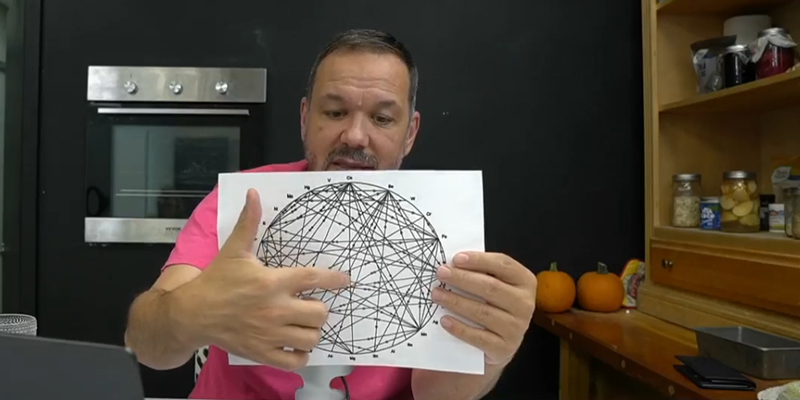
As I proposed in my White Paper: “Embracing Dog Show Evolution: A Proposal for Reform in Purebred Dog Judging Culture,” if we, as groomers, master the Biomechanical Model, Harmony in Dog Structure, and the General Harmonic Net—not only can we understand the „why“ and „how“ behind what we’ve been trained to hide, but we can also use that knowledge to lead a fundamental shift. Rather than perpetuating illusions, we can become the trusted interpreters of structure and health.

Groomers stand in a unique position of influence. We know how faults are masked. We know how perception is shaped. And if we choose to shift our tools—from concealing flaws to revealing truth—we can guide the industry toward a more ethical, transparent, and welfare-centered standard.

This isn’t just a moral pivot—it’s a strategic one. When we become known as the professionals who can see through the illusion and explain what lies beneath, our value skyrockets. We are no longer just stylists—we become structural analysts, educators, and guardians of integrity.

This is our moment. Not to reject our craft, but to elevate it. Not to abandon the ring, but to purify it. Not to hide flaws—but to heal the system that created them. And through that, we will redefine not just how the world sees the dog—but how the dog is allowed to live.

To discover more about how healthy grooming practices, natural skin protection, and anatomical integrity support your companion’s well-being, read our holistic coat care guidelines.

At Sasha Riess, we look past commercial labels to honor the unique biological blueprint of your companion. True health requires addressing the subtle internal patterns that create lasting vitality and pureloveandharmony. Discover the customized path to your dog’s longevity: Linktree Sasha Riess

What If The Dog Was Never The Problem?

👉 Follow our Facebook page and never miss our latest articles, news, and updates.
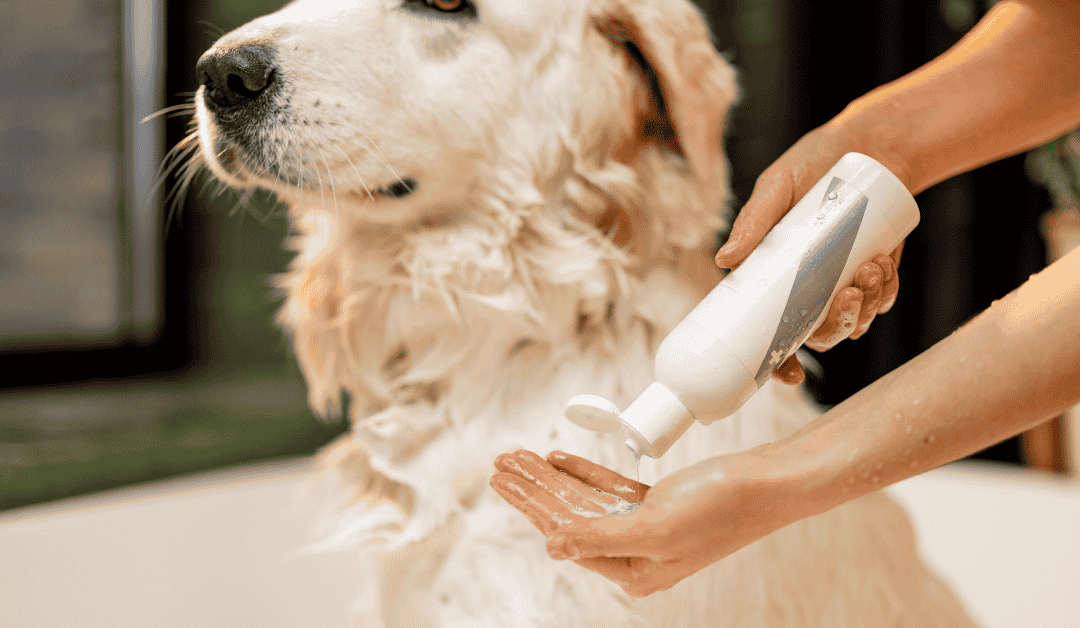


Dog and Baby: Has Your Love Taken Away the Dog’s Place in the Family?

Dog and Baby: Has Your Love Taken Away the Dog’s Place in the Family?

On the Law of Order in the Family and the Price We Pay When We Ignore It

There are topics that are rarely spoken about openly, not because they are not important, but because they are painful. One of those topics is what happens to dogs when a child enters the family.

On the surface, everything seems simple. The family expands, a new life arrives, joy grows, and the dog remains part of that picture. However, beneath the surface, processes often unfold that carry much deeper consequences. The relationship between a dog and a baby then stops being just physical coexistence and becomes a question of survival within the system.

In practice, patterns are increasingly visible. A dog that was at the center of attention for years, that held a special place in the emotional life of the family, suddenly loses that position. This does not happen only through changes in routine or the amount of time spent with the dog. Its role within the family system changes.

When a family cannot have a child for a long time, the dog often unconsciously takes on a place that, in the natural order, belongs to a child. It becomes an emotional anchor, the focus of attention, someone who receives care, tenderness, and meaning that go beyond its natural role as a dog. In such a relationship, the dog is no longer just a dog. It becomes a substitute for something that is missing.

Dog and Baby in Conflict for the Same Place in the System

The moment a child arrives, the order changes. The child takes the place that naturally belongs to it. That place is central, because the child comes after the parents and carries the continuation of life. In this order, there is no space for overlapping roles. Two cannot stand in the same place. When this happens, conflict appears in the system.

For a long time, this phenomenon could be seen as a hypothesis. However, events that occurred in my close environment confirmed it in a way that is difficult to ignore.

A family close to me lived with two small dogs. For years, they tried to have a child, and during that time, they built a deeply emotional relationship with their dogs. Those dogs became more than pets. They took on a significant place in their lives.

When the woman finally became pregnant, one of the dogs died shortly before the birth. Some time later, she became pregnant again. And once again, shortly before the birth, the second dog left the family. This time not through death, but because they gave it away.

Such events are often explained as coincidence or circumstance. But when the same pattern repeats, it becomes clear that this is not just a series of isolated events. It is a matter of order.

How Do the Dog and the Baby Respond to a Disturbed System?

The law of order in the family is not visible like a physical law, but it manifests through relationships. It determines who belongs where, who holds which position, and how energy flows within the system.

When the order is clear, the system functions with stability. When the order is disturbed, the system seeks a way to return to balance.

In such situations, the dog often becomes the one that carries the consequences. If the dog remains in a place that no longer belongs to it, the system will try to move it. This can happen in different ways: through illness, through behavioral changes, through distancing, or through the owner’s decision to remove the dog from the home. The form may vary, but the pattern remains the same.

That is why it is important to understand that the problem is not the dog. The problem is the role the dog has taken on.

When a dog takes the place that belongs to a child, it enters a position that is not natural for its species. It carries a responsibility that its organism cannot sustain in the long term. At first, this may appear as closeness and love, but over time, such a role becomes a burden.

With the arrival of a child, the natural order demands a change. The dog must return to its place as a dog. This does not mean losing value or love within the family. On the contrary, it means gaining a position that is sustainable. A place where the dog can be stable, support the system, and live in accordance with its nature.

Watery Eyes in Dogs: When the Cause Is Not an Infection
A Dog Is Not a Toy: How to Properly Care for a Dog
The right role of dog and baby for a stable family home.

The dog gains strength only when we return it to its rightful place.

When this shift does not happen consciously, it often occurs through crisis. The dog may become anxious, jealous, withdrawn, or aggressive. It may display behaviors that owners perceive as problems, but which are actually attempts to find its place in the new order. In some cases, the system goes further, and the dog no longer remains in the family.

These are painful moments.

That is why the key question is: can this process unfold differently? The answer is yes. But only if the shift in roles happens consciously and in time.

The dog must be given a new meaning within the family. It stops being a substitute for a child and becomes a dog again. Its role is redefined through clear boundaries, structure, and activities aligned with its nature. The dog does not lose its place, it gains stability.

In such an order, the dog can become a powerful support in a child’s development. Not as competition, but as an ally. A dog with a clear place in the family can help a child develop a sense of security, empathy, and connection to the world. It can become a stable presence, one that teaches rhythm, boundaries, and responsibility. But this is possible only when the order is clear.

In my work with families, I use principles that help make this transition in a healthy way. Through practical steps, changes in daily habits, and a deeper understanding of relationships, it is possible to prepare both the dog and the family for the arrival of a child.

This is not a process that happens on its own. It is a process that requires awareness. Because if we leave it to chance, the system will find its own solution. And those solutions are not always the ones we would choose.

That is why it is important not to ignore this topic. Not to create fear, but to understand what is happening. When we understand order, we can support it. When we support it, the system functions with less conflict and fewer losses.

The dog does not have to leave. It can remain part of the family.

But as a dog. In its place. Within an order that supports life.

At Sasha Riess, we respect the invisible laws that govern a household. Aligning the relationship between a dog and a baby with the natural order of life protects both the newborn and your pet, fostering a home of true pureloveandharmony. Restore your family’s order: Linktree Sasha Riess

Sasha Riess Pure Love & Harmony Duo Pack The Complete Dog Coat Care System

👉 Follow our Facebook page and never miss our latest articles, news, and updates.
 

View this post on Instagram


A post shared by Pure Love & Harmony (@plhschool)

Natural Protection Against Fleas and Ticks in Dogs – A Homemade Spray

Natural Protection Against Fleas and Ticks in Dogs – A Homemade Spray

Natural protection against fleas and ticks in dogs is a topic of growing interest among owners who want gentler and safer alternatives to chemical treatments. Fleas and ticks pose a serious risk to a dog’s health, especially during warmer months.

Therefore, it is important to understand what natural products can and cannot provide. Learning how to properly prepare natural dog tick defense solutions can help you safeguard your pet’s well-being without relying solely on synthetic chemicals.

Homemade Spray for Natural Dog Tick Defense

This homemade spray can be used as supportive protection, especially before walks and time spent outdoors.

Ingredients for the natural spray:

  • 500 ml of water

  • 2 tablespoons of apple cider vinegar

  • 1 drop of peppermint essential oil

  • 1 drop of lavender essential oil

  • 1 drop of grapefruit essential oil

  • 1 drop of citronella essential oil

  • 150 g of pure aloe vera gel

Combine all ingredients, mix thoroughly, and pour into a spray bottle.

How to Use Natural Protection Against Fleas and Ticks

Use the spray immediately before a walk. You can apply it safely in the following ways:

  • To the collar

  • To the leash

  • Lightly along the coat on the back and neck

Do not apply the mixture to the muzzle, eyes, ears, open wounds, or irritated skin. This type of repellent formula is intended to make insects less attracted to the dog rather than to eliminate them completely. This preventative method is a core principle of natural dog tick defense routines.

Important Warning – Realistic Expectations Regarding Ticks

There is no natural product that can fully protect a dog from ticks. Natural alternatives do not replace veterinary protection, nor do they guarantee complete safety. Consequently, they require a regular inspection of the dog after every walk. Ticks can still attach despite all precautions, which is why checking the coat and skin remains an essential part of responsible care.

How to Get a Dog Used to a Cat: The Secret Is Not Training, but Your Authority

Grooming as a Space of Healing: How to Reclaim Inner Peace

A glass bowl of aloe vera gel alongside small amber bottles of essential oils showing the ingredients for natural dog tick defense and pureloveandharmony

Pure aloe vera gel and specific essential oils form the powerful natural base for your dog’s preventative defense.

When Natural Protection Makes Sense

Natural protection against fleas and ticks can be useful under specific conditions:

  • As an additional measure alongside existing veterinary care

  • For dogs that show extreme sensitivity to chemical treatments

  • In urban environments with lower parasite risk

  • For shorter walks and time spent in familiar surroundings

This type of protection serves as helpful support but not as your only line of defense. Understanding its biological limitations and regularly checking your dog are key to preserving health and safety. To explore more about how general preventive care, alternative treatments, and positive daily routines support your companion’s long-term vitality, read our holistic wellbeing guidelines.

At Sasha Riess, we combine natural wisdom with conscious hygiene to shield your companion’s vitality. True health requires protecting the skin and coat from external threats while maintaining absolute pureloveandharmony. Discover our natural care principles today: Linktree Sasha Riess

What If The Dog Was Never The Problem?

👉 Follow our Facebook page and never miss our latest articles, news, and updates.
 

View this post on Instagram


A post shared by Sasha Riess (@sashariess)

Sensory Intelligence in Dogs: Invisible Walls That Suffocate Your Companions

Sensory Intelligence in Dogs: Invisible Walls That Suffocate Your Companions

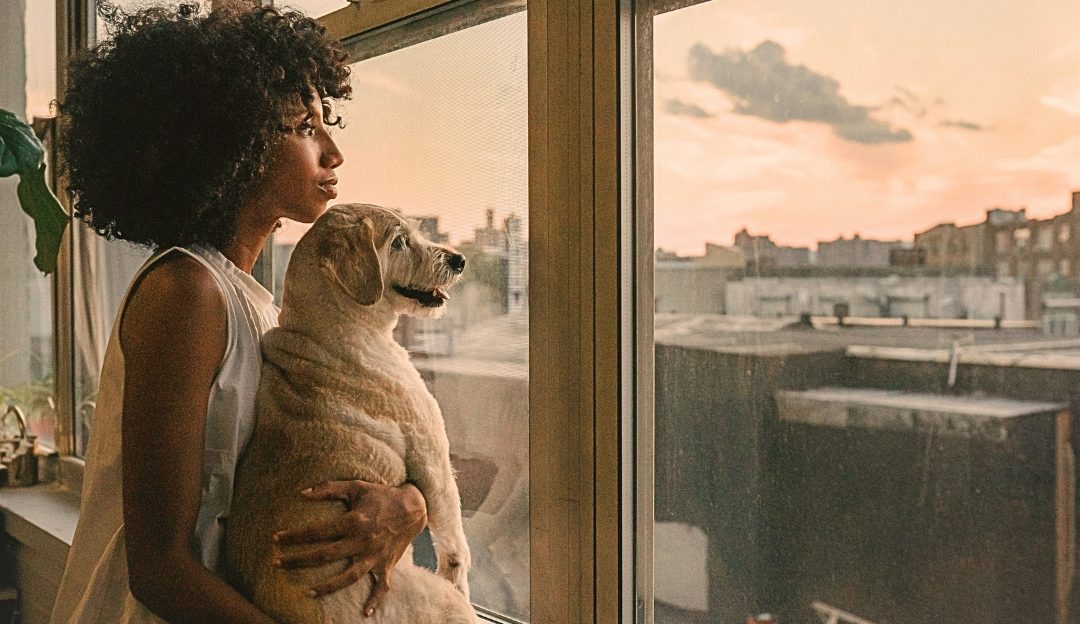
Dogs today are confined. Walls surround them on all four sides. These walls are five meters high instead of a horizon without limits. There is no longer open space, no breadth. There is only a tree by the fence. We clean that area and we leave them there. But that space is actually a wall.

The sensory intelligence of dogs once served to navigate through endless nature. Today, the box of modern life traps this brilliant system.

Hearing and Vision: Noise We Do Not Hear

A dog’s eyes once perceived the world far more sharply than human eyes. Almost nothing escaped their awareness. Today, modern life overloads these sensory systems. The sounds dogs hear are the same background noises that you notice only when you replay a recording. You did not perceive the subtle hum while recording, but it remained captured on the track. That hum constantly strikes your dog’s ears.

Their hearing is far more sophisticated than ours. What is silence to us is continuous noise to them. This constant stimulation heavily burdens their sensory intelligence.

Scented Candles: A Smell That Destroys the Microbiome

When you light a scented candle or use artificial air fresheners to make your home smell pleasant, you are actually doing something harmful. For a dog, the sense of smell forms the foundation of its being. Therefore, these artificial scents are toxic to them. With these smells, you are in effect placing the house into a state of decay. These scents actually destroy the dog’s microbiome.

Chow Chow: The Myth of the “Cat-Like” Dog That Does Not Need Bathing
Dog Nutrition and Metabolism: Why a Universal Formula Does Not Exist
A dog sitting dejectedly in the corner of a room, surrounded by walls, illustrating the loss of horizons.

The walls of the modern home are often a cage for the dog’s sensory intelligence.

Chemical perfumes and constant electronic noise run completely counter to the natural sensory intelligence of dogs. Every time you artificially modify the smell of your home, you directly affect your dog’s internal ecosystem. Understanding these invisible factors is essential for preserving the health and longevity of our four legged companions.

At Sasha Riess, we look beyond the visible symptoms to protect the delicate, natural filters of our animals. Shielding your home from chemical overload and acoustic stress allows their true nature to rest in pureloveandharmony. Create a true sensory sanctuary for your pack: Linktree Sasha Riess

What If The Dog Was Never The Problem?
👉 Follow our Facebook page and never miss our latest articles, news, and updates.


View this post on Instagram


A post shared by Sasha Riess (@sashariess)

The Mineral of Silence and Pain: What Is the Calcium Shell?

The Mineral of Silence and Pain: What Is the Calcium Shell?

Calcium is probably the most misunderstood mineral in dog nutrition. We have learned to associate it with physical strength, bone density, and structural stability. When a dog is growing, we add calcium. When a dog weakens, we add calcium. Furthermore, when a problem with teeth or bones appears, our first impulse is almost always the same—the dog needs more minerals.

However, the body does not function according to the principle of quantity. Instead, it functions according to the principle of biological availability. There is a significant difference between calcium that exists statically in tissue and calcium that is alive, mobile, and active. An organism can easily have an excess of calcium and at the same time suffer from its functional deficiency. This exact imbalance triggers a defense mechanism that we call a calcium shell. Therefore, you must understand how a calcium shell affects dog behavior and health before blindly adding supplements.

A Defense Mechanism and an Inner Armor

The calcium shell is not an illness. Rather, it is a defensive survival mechanism of the organism. When a dog faces long-term physical, emotional, or metabolic stress, the body attempts to protect itself from an overload of the nervous system. One way it achieves this is by depositing calcium directly into tissues.

Consequently, calcium stops circulating freely and begins to accumulate. Tissues become more rigid, behavioral reactions slower, and the perception of the world more muted. The dog may not appear calmer. On the contrary, it may become extremely anxious, tense, or hypersensitive because the organism no longer functions in a flowing balance.

This protective mode manifests in two distinct behavioral directions. The dog may become withdrawn and energetically closed, but just as often it may suddenly become irritable, anxious, or even aggressive. The nervous system then no longer reacts proportionally to reality. Instead, it reacts through an internal sense of threat that arises when the body loses its ability for fine regulation. It is as if the body builds a rigid emotional armor.

Tartar Deposits and the Hidden Calcium Shell

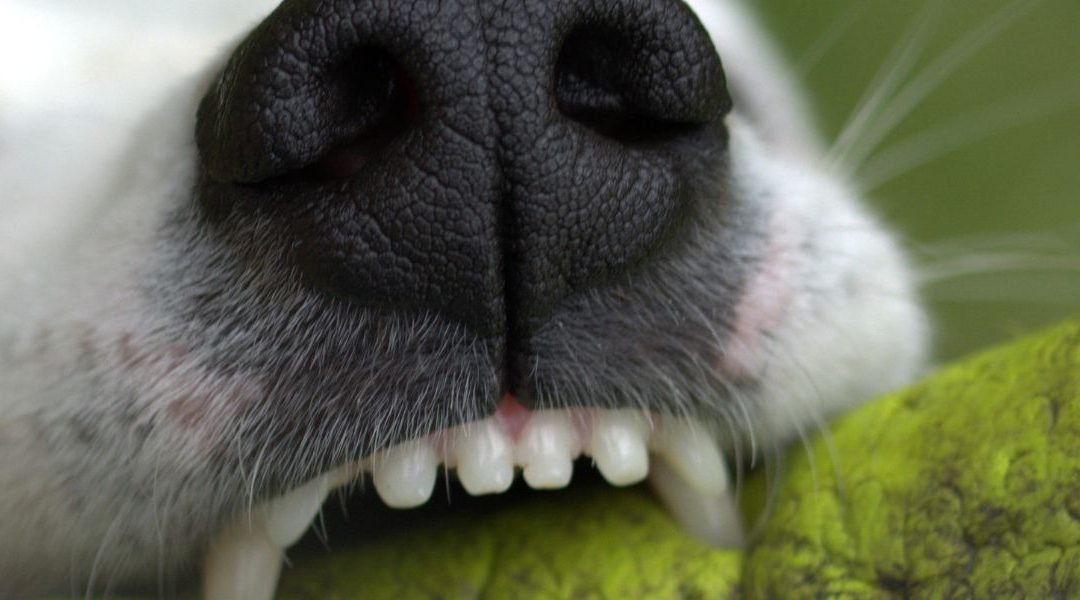
One of the first visible signs of this process often appears on the teeth. Tartar deposits are not only a matter of daily hygiene or genetics. Instead, they can be an external trace of internal mineral accumulation. The organism releases excess unused calcium wherever it can because it no longer knows where to distribute it.

The paradox becomes obvious. The dog has visible deposits of calcium, while at the same time the cells cannot use calcium where it is actually needed. At that moment another often forgotten mineral enters the story: magnesium.

Calcium and magnesium never function separately. They are partners of opposites. Calcium tightens, while magnesium relaxes. Calcium activates contraction, whereas magnesium enables relaxation. Calcium stabilizes structure, but magnesium allows the flowing of energy. When their relationship breaks, the body loses its natural rhythm between tension and relaxation.

How Nutritional Imbalance Changes a Dog’s Behavior

In dogs exposed to chronic stress, magnesium is often lost rapidly. The nervous system consumes it faster than the body can replace it. As magnesium drops, calcium is left completely without its natural regulator. It begins to accumulate, fall out of balance, and create systemic rigidity instead of healthy stability.

Dog Nutrition: Allowed Fruits, Vegetables, and Mushrooms – A Complete Guide

Bathing Dogs: Hygiene That Protects Internal Organs

When a Dog Refuses Obedience, Our Real Conflict Begins

A relaxed and happy dog stretching easily alongside its owner showing pureloveandharmony and balanced minerals

When mineral balance is present, the dog experiences true stability without physical rigidity.

The dog may then show seemingly contradictory symptoms. Its reactions become highly unpredictable, sometimes slow and withdrawn, sometimes sudden and excessive. Muscles remain in chronic tension while the organism’s real energy remains very low. The dog may flare up quickly or withdraw just as quickly because tolerance to stress becomes very small. The organism no longer manages energy through balance, but through protection. It tries to survive by limiting flow and adapting to internal pressure instead of regulating it.

In such a state, the biggest mistake we can make is adding more calcium. To explore more about how internal biochemical states impact canine conduct, read our holistic behavior guidelines.

Why Nutritional Behaviorism and the Calcium Shell Require Understanding

Sometimes an owner sees deterioration they cannot explain. The dog becomes more rigid, slower, digestion changes, or hidden inflammation appears. The food seems high quality and the supplements carefully chosen, yet the body reacts opposite to expectations. The reason is not bad intention. The reason is simply the wrong moment.

An organism under stress first seeks energetic balance and only then building material. When we skip that order, even the best intention becomes a heavy burden. In extreme cases, long-term disturbance of mineral balance can lead to serious metabolic disorders that become life-threatening for the dog.

That is why the relationship between calcium and magnesium is not a matter of quantity but of communication within the body. It is the relationship between protection and flexibility, between armor and life. When balance is present, the dog has stability without rigidity. Your task is not to break that shell by force with supplements, but to understand why it formed. The organism of a dog never makes mistakes. It always adapts to what it receives. True nutrition begins only when we learn to listen to that adaptation instead of drowning it out with another supplement.

See you next time.

At Sasha Riess, we look past commercial labels to honor the unique biological blueprint of your companion. True health requires addressing the subtle internal patterns that create lasting vitality and pureloveandharmony. Discover the customized path to your dog’s longevity:Linktree Sasha Riess

What If The Dog Was Never The Problem?

👉 Follow our Facebook page and never miss our latest articles, news, and updates.


View this post on Instagram


A post shared by Sasha Riess (@sashariess)