by Sasha Riess | 12.06.26. | Coat Care
Many owners still receive advice that a dog should be bathed only three times a year. While that may have been relevant in the past, life in urban environments today requires a completely different approach. Regular bathing dogs is no longer a matter of aesthetics, but of preventing the intake of heavy metals into your dog’s body.
The Hidden Danger From Asphalt and Air
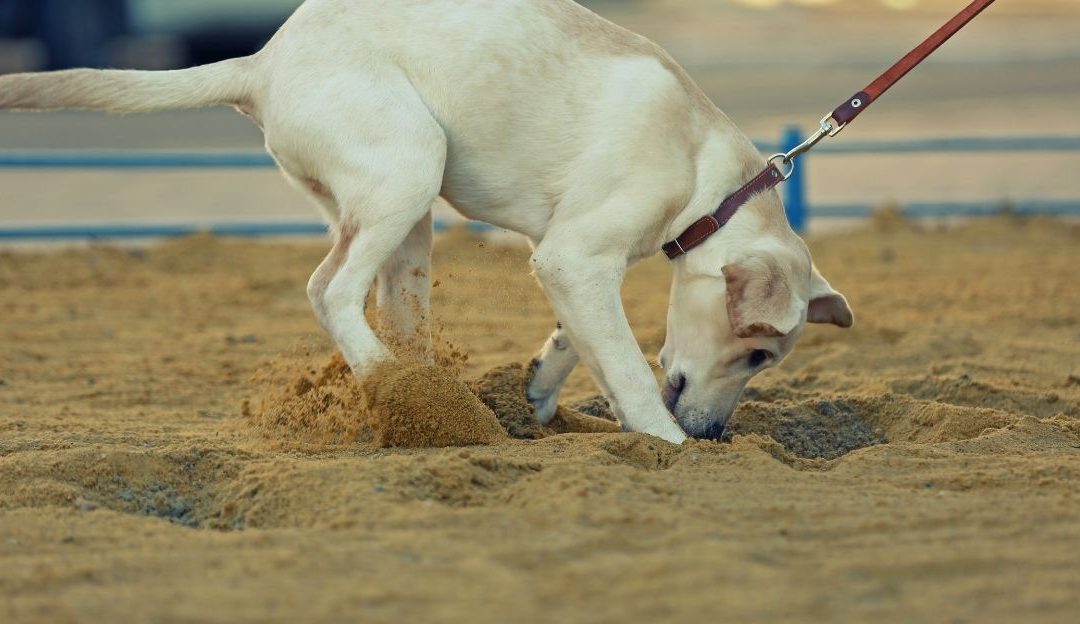
Urban dogs walk on asphalt daily and inhale polluted air saturated with heavy metals. These toxins are large molecules that cannot pass through the skin on their own, but they bind to lanolin, the natural fat on the coat.
The problem occurs when the dog:
In this way, heavy metals from the street end up directly inside the dog’s body. Apple cider vinegar and a cloth are not enough to break down the fat to which these toxins are attached. Always use conditioner after shampoo to seal the coat and prevent flaking.
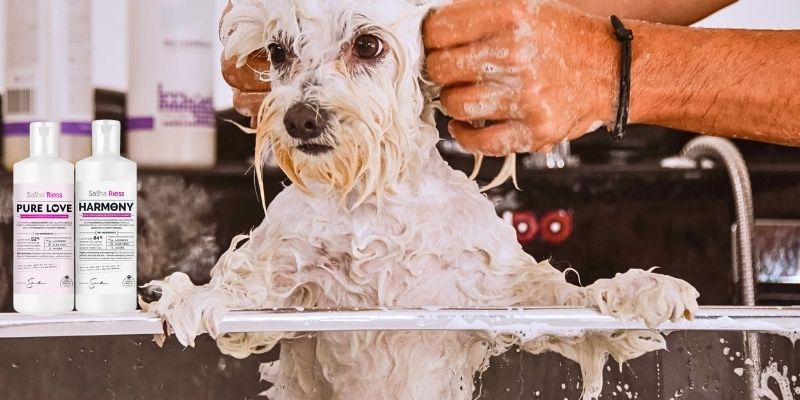
Shampoo cleans, but conditioner seals and protects.
Proper Care: Shampoo Is Not Enough
If a dog lives indoors and moves through the city, bathing dogs every 7 to 15 days is ideal. However, the key lies in the correct process:
-
Shampoo and conditioner: Never use shampoo alone, as it dries out both the skin and the coat. Conditioner is essential to seal the coat and maintain its elasticity.
-
Nutrition against dandruff: If you notice dandruff, a useful trick is adding a quarter teaspoon of butter to the dog’s food. These healthy fats nourish the skin from within.
Forget advice from the past; a clean dog in an urban environment is a healthy dog.
At Sasha Riess, we understand that bathing dogs is a shield against the modern world. Protecting their internal organs starts with external care and pureloveandharmony. Maintain their defense: Linktree Sasha Riess
The Dog Groomer’s Letter of the Month Club with Sasha Riess
by Sasha Riess | 11.06.26. | Coat Care
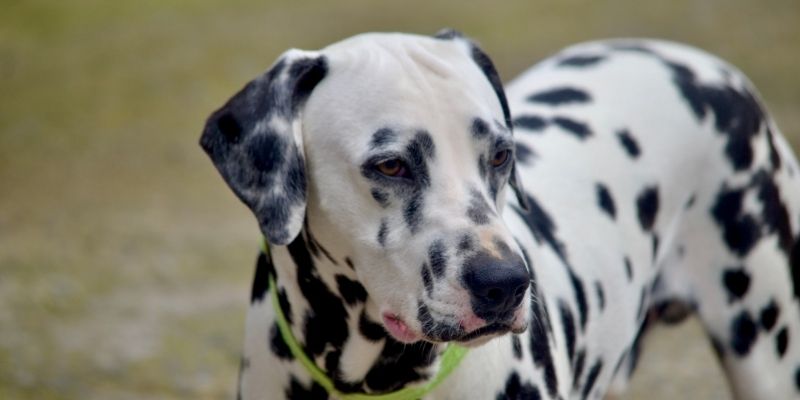
The Dalmatian is a dog Novak wants to get, but he is not sure whether to choose a short-haired or a long-haired one. He has heard from friends that long-haired Dalmatians shed less, but also that they are not “true” Dalmatians. So the question arises which one to choose.
Biological Difference: Why Do Long-Haired Dogs “Shed Less”?
Dalmatians are not unique in this. Similar variations exist in Vizslas, Collies, and pointers.
The question is only whether selective breeding will preserve or eliminate that trait. The more interesting question is why dogs with longer coats appear to shed less.
The answer lies in the hair growth cycle. If short hair needs around twenty-one days to grow and fall out, long hair has a significantly longer cycle, for example around forty-five days. In addition, long-haired dogs often have a wool-like undercoat that holds dead hair “attached,” so it does not fall off as visibly around the home. In simple terms, the cycle is longer, so shedding appears less frequent.
Coat as a Symptom of Deeper Changes
In the context of Dalmatian breed development, the appearance of a long-haired variety can be sporadic. It is important to understand that the activation of genes responsible for coat length may also signal the presence of other active or inactive genes that influence the development of certain conditions. Sometimes a physical trait is only a surface expression of deeper biological changes that affect the dog’s life.
If the breed standard disqualifies long-haired Dalmatians, it is often not only about aesthetics, but about underlying imbalances that may not be visible to the eye.
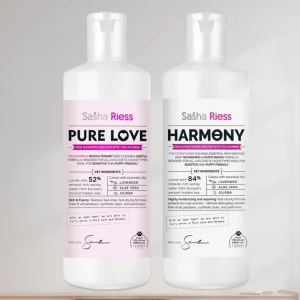
Sasha Riess Pure Love & Harmony Duo Pack The Complete Dog Coat Care System
The Real Solution to Shedding Regardless of Coat Type
Regardless of coat variation, the Dalmatian is a being that goes beyond spots and hair length. It is a being of connection that teaches us lessons far greater than appearance.
The only real solution to shedding, whether you choose a short-haired or long-haired dog, is regular bathing, especially during spring and autumn. With proper bathing every seven to ten days, using both shampoo and conditioner, dead hair is removed in the bath instead of ending up around your home. At the same time, the skin renews, and both you and your dog benefit from a cleaner, healthier environment.
At Sasha Riess, we look beyond surface aesthetics like spots or coat length to understand a dog’s underlying blueprint. Honoring the genetic and biological reality of your Dalmatian is the first step toward lifelong pureloveandharmony. Protect their health: Linktree Sasha Riess
Awakening With Dogs : Exploring the Profound Connection Between Dogs and Humans: Love, Resonance, and Healing Kindle Edition
by Sasha Riess | 09.06.26. | Coat Care
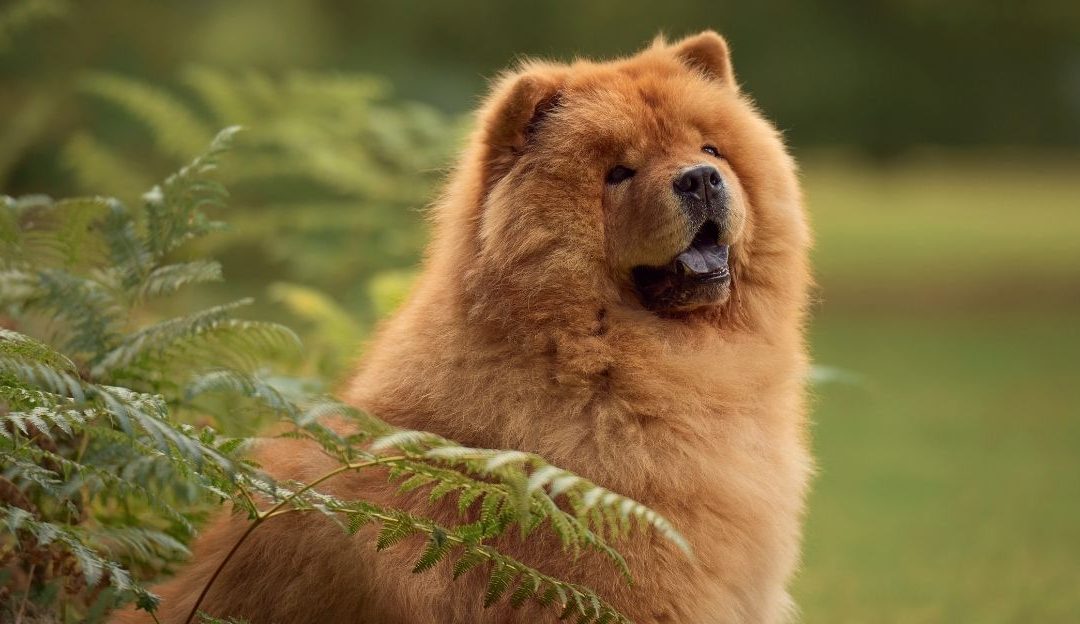
There is never enough discussion about hygiene. It is interesting how often happy owners tell me that the Chow Chow was their choice because it is “as clean as a cat.” They believe the claim that bathing this dog two or three times a year is sufficient, since it licks and cleans itself. Through conversations with people, I have gained the impression that the Chow Chow is perceived as one of the cleanest breeds, but this is a dangerous misconception.
Factors That Influence the Chow Chow’s Coat
What matters most is where and under what conditions the dog lives. Coat quality and the amount of lanolin are the result of multiple factors. External factors, what the dog eats, whether it sleeps in a bed or on a terrace, whether it lives in the city center or on the outskirts, directly affect hygiene. Internal factors such as genetics, hormones, age, and sex also determine the condition of a Chow Chow’s coat.
As a brand, we move away from the belief that a dog should be groomed solely according to coat type. A dog is groomed in relation to its proximity to humans. If your dog sleeps in your kitchen or your bed, it must adapt to your lifestyle, not the other way around.
Hygiene as the Foundation of the Human-Dog Relationship
People and dogs often separate because a person cannot tolerate a “smelly house.” And the house smells because the owner does not bathe the dog, trusting advice that one bath per year is enough. If you take your dog into the city three times a day, infrequent bathing is unrealistic. Lanolin is a sticky fat that attracts urban dirt. When the odor becomes unbearable, the dog often ends up on the street.
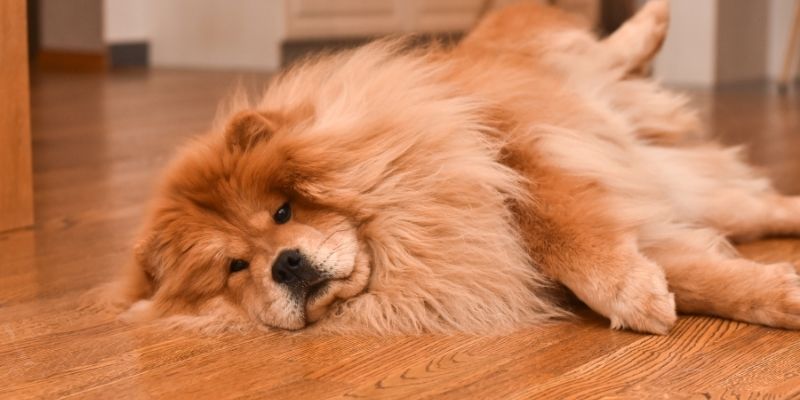
A dog living in the house must be adapted to the hygiene standards of the owner.
A person should not become a servant to the Chow Chow breed and its coat. In selective breeding, coat was always a secondary outcome, while character and working ability were the priorities. Today, when dogs are no longer needed for work, the focus has shifted to appearance, yet the relationship between humans and dogs is far deeper than that. A dog that lives in the home must be aligned with the owner’s hygiene standards.
Specific Challenges: The Chow Chow and Wrinkle Hygiene
The Chow Chow is an exceptionally sensitive breed. It has a long coat, abundant skin, and numerous wrinkles where hair grows in different directions. This creates an ideal environment for bacteria and fungi. Hygiene is essential here not because of “naturalness,” but because of health and coexistence with humans.
The myth that the Chow Chow cleans itself like a cat is actually a misinterpretation. What often appears as self-cleaning is the dog attempting to scratch because the wrinkles itch. Care for your dog in accordance with the standard of your own life. The breed is not what matters; what matters is the dog that sleeps beside your children. Everything else is the result of eugenics, similar to the idea once imposed on humans, a concept that places the breed above the living being.
At Sasha Riess, we break the myths that separate families. Grooming your Chow Chow according to human standards ensures a clean home and true pureloveandharmony. Align your hygiene: Linktree Sasha Riess
by Sasha Riess | 06.06.26. | Coat Care
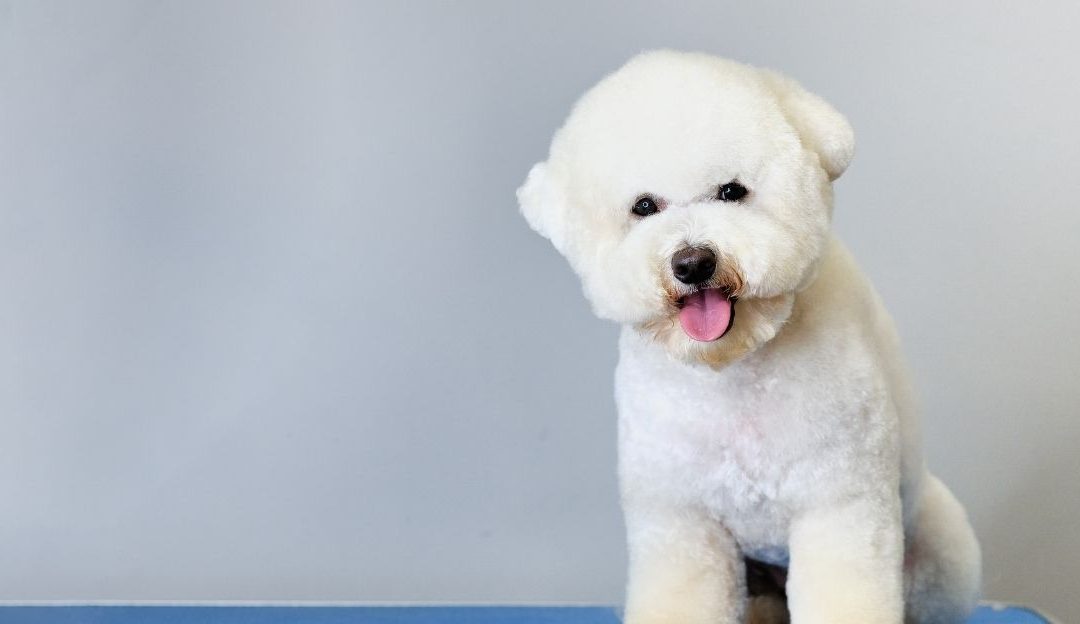
Dragana has a Bichon and wants to know what she should do to prevent matting. She has been warned that a Bichon must be brushed regularly or the coat will tangle, and she was even frightened with claims that wounds can develop beneath mats. These are common concerns among owners of this breed.
Proper Routine and the Bichon
A proper routine includes regular bathing and brushing exclusively during the drying and blow-drying process. Brushing is not dismissed as an idea, it is simply moved to another phase of the dog’s care. In this phase, you achieve a healthier, well-maintained coat, and your relationship with the dog improves significantly. What is the value of an unmatted coat if the dog is unhappy?
With an unhappy dog, it is impossible to build a good relationship if the dog approaches you out of fear or because it is being bribed with food. Only professional groomers can develop a comfortable dry-brushing technique in which both the person and the Bichon feel at ease. When the coat is dry and brushed incorrectly, the process is painful, and the hair tangles more than it is actually brushed out. Because the Bichon’s coat is very dense, with a thick undercoat and curls, maintaining it with dry brushing is extremely difficult.
The Importance of Blow-Drying and Equipment
Brushes used during blow-drying must be of precise quality, firmness, and pin shape so they can penetrate the coat correctly. That is why I repeatedly emphasize how important it is to bathe a Bichon regularly and, as part of that routine, brush only during blow-drying.
How often this should be done depends on age, nutrition, and lifestyle, but it can generally be carried out every 5, 7, or 10 days. An adult dog that is maintained regularly can be bathed every 10 to 15 days, with mandatory use of both shampoo and conditioner. Conditioner further supports proper coat growth and helps keep it clean. Remember, brushing only during blow-drying. This eliminates the fear of matting and provides the dog with a higher quality of life.
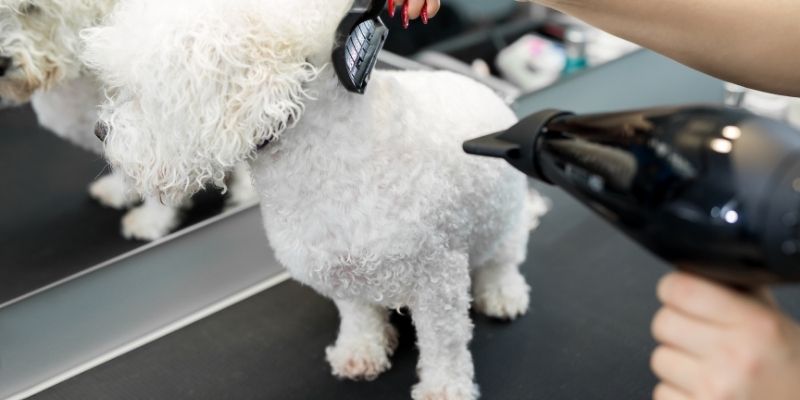
The key to success: Bichon brushing brings results only during the blow-drying process.
Why Do Wounds Develop in Bichons?
It is true that when the coat becomes matted, wounds can form beneath the mats. Because the Bichon has a dense undercoat, oxygen cannot reach the skin. Lack of oxygen, combined with moisture and a body temperature of about 38°C, creates ideal conditions for bacteria to develop, infect the skin, and cause painful sores. Proper hydration and correct drying technique are the best forms of prevention.
At Sasha Riess, we advocate for grooming methods that respect both canine anatomy and psychology. Shifting care to wet-brushing ensures your Bichon lives a life of comfort and pureloveandharmony. Protect their skin: Linktree Sasha Riess
by Sasha Riess | 05.06.26. | Coat Care
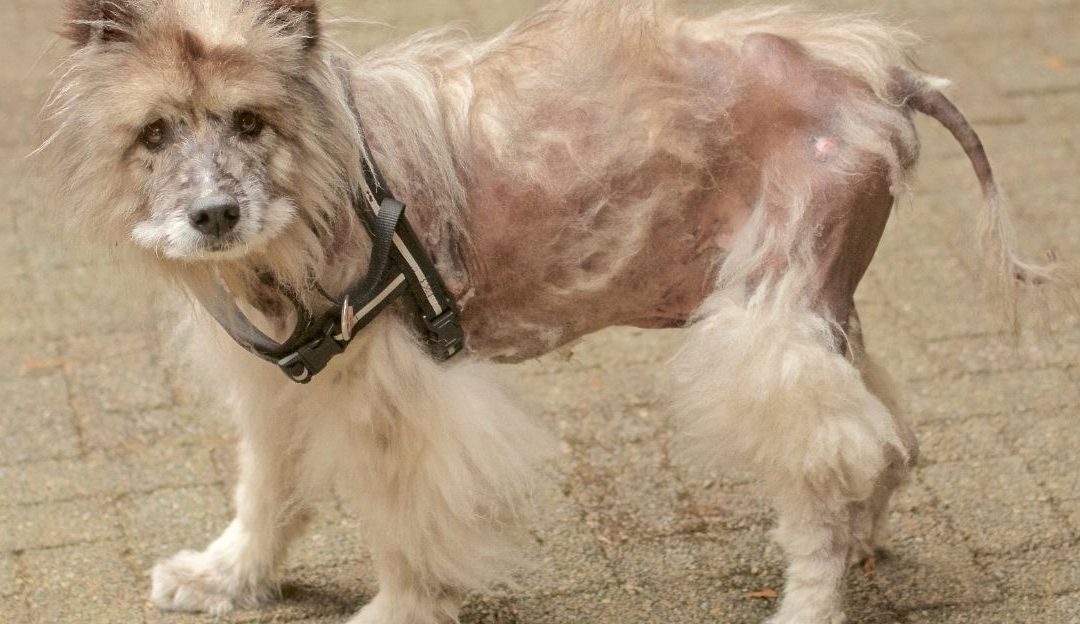
When we speak about alopecia in dogs, we usually think of hair loss. However, what we are discussing today is a systemic problem of the immune system, a conceptual disorder in which the skin becomes thickened and oily. This is not simply a matter of hair falling out. The real problem is that new hair cannot grow because it cannot break through the barrier of thickened skin.
A Systemic Problem, Not Just an Aesthetic One
Hair follicles stop functioning not because they are destroyed, but because they are waiting for the right conditions, for the skin to become soft and permeable again.
This is an immune response of the body that requires a deeper approach than ordinary anti-hair loss shampoos. Understanding this shift is essential for any dog owner dealing with chronic skin issues.
A Holistic Protocol: The Path to Recovery
For conditions like alopecia in dogs, there is a holistic protocol that addresses the cause, not only the symptom. Statistics show that 80 percent of people who consistently follow holistic protocols manage to restore the health of their pet’s skin. The remaining 20 percent often do not succeed because the process requires time, discipline, and an understanding of the systemic nature of the condition.
My protocol includes several key pillars:
-
Bathing protocol: Specific care that softens the skin.
-
Nutrition and probiotics: Strengthening the microbiome and immune system from within.
-
Homeopathy: Natural support that helps the body return to balance.
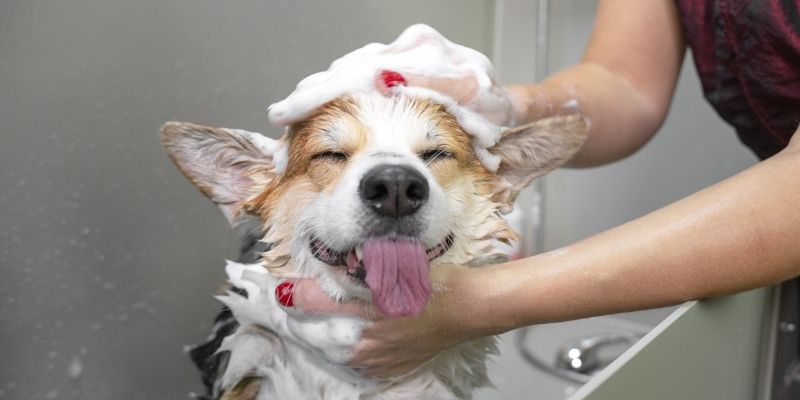
A specific bathing protocol is essential to soften the skin and allow growth.
Where to Find a Solution
If your dog is struggling with this problem, do not lose hope. On the website in the profile description you will find the PLH portal. There you can ask questions, and my team will send you a detailed protocol that includes care, nutrition, and natural therapy. It is time to restore softness to your dog’s skin so that the hair can grow again.
At Sasha Riess, we treat alopecia in dogs by restoring the skin’s natural permeability. When the barrier is softened, health returns through pureloveandharmony. Start the healing process: Linktree Sasha Riess
by Sasha Riess | 15.05.26. | Coat Care
Wiping a dog with wet wipes is not forbidden, but only under certain conditions. The key question is not just can I wipe my dog with wet wipes, but what products are being used and how frequently the skin is being treated.
Which Wet Wipes Are Allowed for Dogs?
The most important thing is to check the ingredients. Wet wipes must never contain alcohol. Alcohol strongly dries out the skin and damages the natural protective barrier. This stimulates the skin to produce even more oil as a reaction, which can result in:
-
A greasier coat
-
Irritation and itching
-
An unpleasant odor
Better Alternatives for Daily Hygiene
In most cases, a simple damp cloth is completely sufficient. If you are wondering can I wipe my dog with wet wipes every day, consider these safer options:
If a dog gets dirty often, the solution is not constant wiping, but a properly adjusted hygiene routine.
The Role of High-Quality Conditioner
Using a premium dog conditioner helps the coat retain less grease and attract less dirt from the environment. When the coat is healthy, it is often enough to gently wipe the dog with a damp cloth without aggressive cleaning agents.
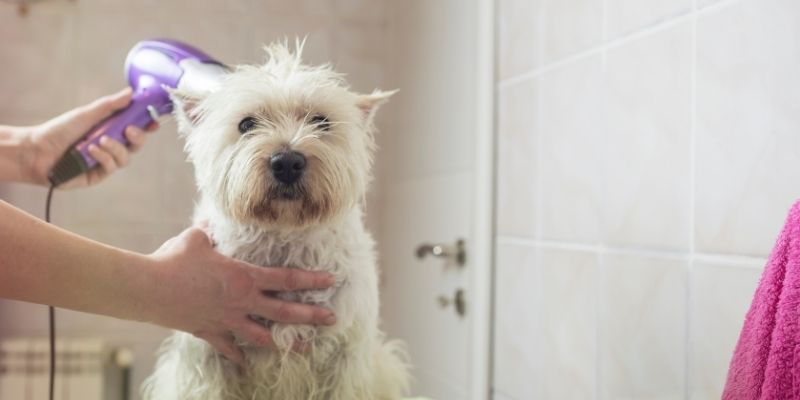
Alcohol in wipes can cause dry skin.
Why Constant Wiping Can Become a Problem
Wet wipes, even those without alcohol, should not be used constantly. Over-reliance on them can remove natural oils and disrupt the skin’s microbalance. When asking can I wipe my dog with wet wipes, remember that less is more. Over-drying the skin leads to faster soiling, creating a vicious circle.
The Essence: Preserving Natural Balance
The goal is to preserve natural balance, not sterile cleanliness. For those seeking the best for their dog’s skin, Sasha Riess Pure Love & Harmony uses 100% natural active ingredients like aloe, jojoba, lavender, and mineral-rich spring water to nourish without stripping away protection.
At Sasha Riess, we believe that true beauty comes from health. Understanding can I wipe my dog with wet wipes responsibly is part of maintaining the pureloveandharmony of your dog’s skin and coat. Discover our natural solutions: Linktree Sasha Riess