by Sasha Riess | 09.02.26. | Wellbeing
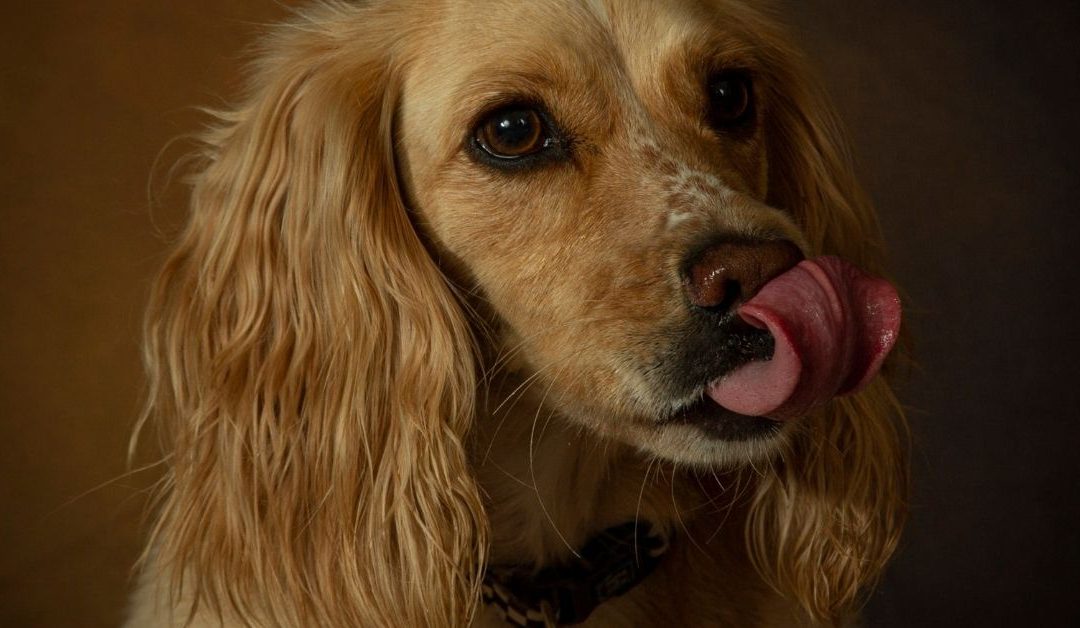
A stuffy nose in dogs often worries owners, but it is important to understand that this symptom can actually be the body’s way of trying to correct an internal imbalance. When a dog breathes heavily or seems congested, the most common cause is allergies. These can be triggered by dust, pollen, detergents, or inappropriate food.
Everything a dog inhales, eats, or absorbs through the skin must be processed into energy. When the body fails to recognize certain substances, it reacts, and that reaction appears as an allergy.
Allergies in Dogs – How to Recognize Them
In some dogs, allergic reactions appear externally through the skin, with itching, redness, or rashes. This is actually a positive sign because it shows the body is able to expel what is bothering it.
However, when the reaction is not visible externally, the problem may appear in the respiratory system. The dog may breathe with difficulty or have a constantly stuffy nose in dogs. These are called internal allergies and can be triggered by food, parasites, or stress.
Allergies and the Respiratory Tract
When allergies affect the respiratory organs, the dog may snort, breathe heavily, or have nasal discharge. It is important not to ignore this symptom because it may indicate that the body is unable to fight off toxins on its own.
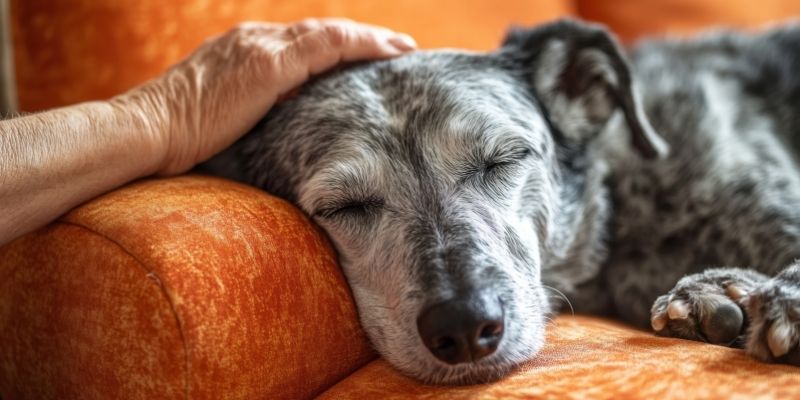
Careful care and a natural approach help a dog breathe easier.
Parasites – The Hidden Cause of a Stuffy Nose
Parasite larvae sometimes travel through the bloodstream to the sinuses, as nasal passages provide a favorable environment for them to settle. For this reason, it is helpful to occasionally carry out a natural parasite cleanse.
A combination of green black walnut, wormwood, parsley, and clove works effectively against adult parasites and their larvae. This approach not only helps breathing but also strengthens the dog’s immune system and supports overall detoxification.
When the Problem Persists
In rare cases, a stuffy nose in dogs may indicate the presence of growths in the sinuses, which can be benign or malignant. If the problem persists for a longer period, a veterinary examination is necessary to check the condition of the respiratory tract.
A Holistic Approach to a Dog’s Health and Breathing
It is also important to pay attention to everyday habits, such as what you use to wash your dog’s bed, which detergents you apply, and what kinds of treats you offer. Often, it is these small details that trigger allergic reactions.
A holistic approach means looking at the bigger picture, including what the dog breathes in, what it eats, and what kind of energy it feels at home. Only then can a dog truly breathe freely and feel calm, both physically and emotionally.
At Integrative and Holistic Grooming Education, we believe that every physical symptom is a message. Understanding these signals and addressing them through a holistic lens is at the heart of everything we teach to ensure the well-being of every dog in our care.
by Sasha Riess | 05.02.26. | Wellbeing
A dog’s first heat cycle often causes concern among owners, especially for those experiencing it for the first time. One of the most common questions is whether a dog feels pain during heat and whether pain medication is needed.
The answer is simple: No.
Is a Dog’s Heat the Same as Menstruation in Women?
Although both processes involve the release of unfertilized eggs prepared in the uterus, a dog’s heat cycle is not the same as human menstruation.
In dogs, this process is entirely instinctive and biologically guided. The dog’s body knows exactly what to do and moves through hormonal changes without inner resistance.
Why Dogs Do Not Experience Pain the Same Way Humans Do
In women, menstrual pain is often influenced not only by physiology but also by psychosomatic factors such as the relationship with femininity, emotions, life experiences, and the bond with the mother.
A dog does not carry such inner conflicts. A dog does not analyze, suppress emotions, or create mental stress around bodily processes. Because of this, a dog’s first heat is not a painful experience.
Behavioral Changes Are Normal
During heat, a dog may:
These changes are caused by hormonal fluctuations, not by pain or suffering.

Peace and routine are the best support for a dog
Are Pain Medications Necessary?
In most cases, no. Medication is not given preventively or “just in case.” If a dog shows strong pain, apathy, fever, or unusual symptoms, a veterinarian should be consulted, as this may indicate a health issue unrelated to the heat cycle itself.
What Owners Need to Understand Most
Heat is not an illness. It is a natural biological cycle that a dog experiences without emotional burden. The best thing an owner can do is provide calmness, routine, and a sense of safety, without unnecessary interventions.
This understanding of a dog’s emotional and physical state is at the heart of everything we do. At Integrative and Holistic Grooming Education, we teach people how to apply these principles of stability and care in their everyday lives with their dogs, helping create calm, healthy, and happy results.
by Sasha Riess | 04.02.26. | Wellbeing
Preparing a dog for vaccination does not start on the day the dog receives the vaccine. It starts much earlier. The condition of the body, stress level, and nutrition directly influence how the body reacts.
The vaccine itself is not the problem. The problem arises when the body is not ready to process it. As long as you have questions or discomfort, it is a sign to pause, learn, and understand what you are doing.
Preparing a Dog for Vaccination Starts Before the Injection
In my experience, dog vaccination does not begin in the clinic but days earlier through preparation of the body. When the body is stable, nourished, and relieved of excess stress, reactions are minimal or absent.
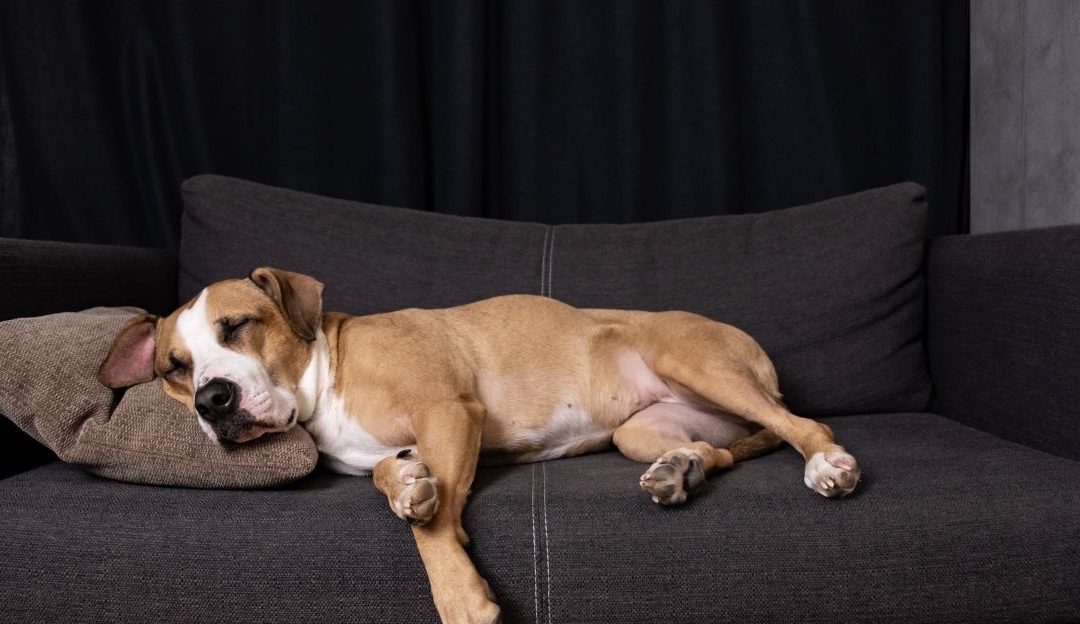
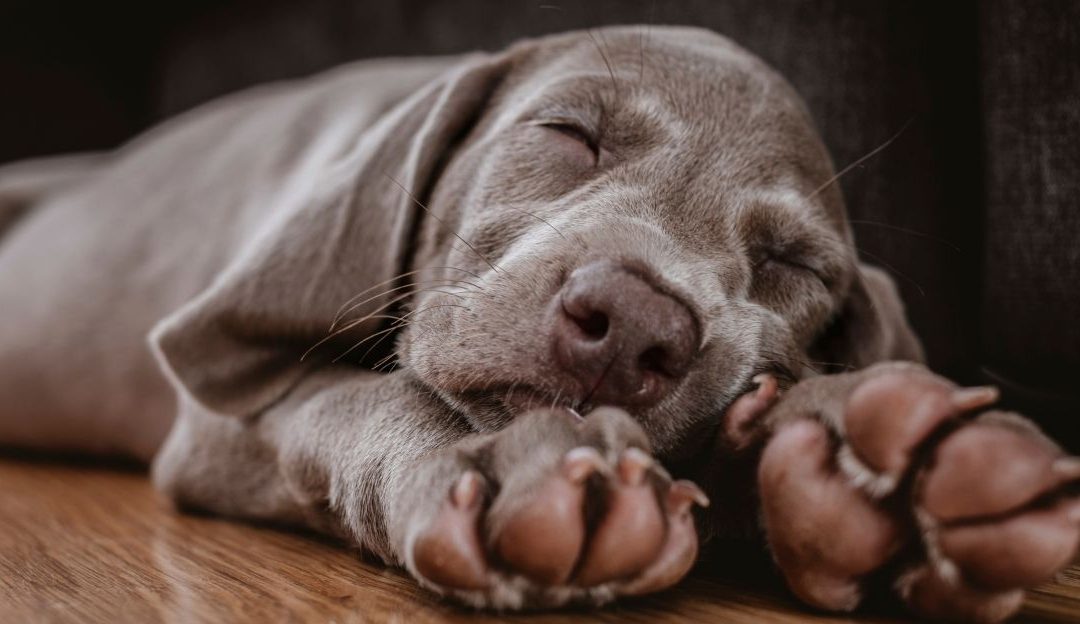
Preparing a dog for vaccination starts with a stable body and low stress.
What Preparation Looks Like in Practice
A few days before vaccination, the focus is on the digestive system and the liver.
-
Maintain Routine: The dog should not be under additional stress or change its diet.
-
Simple Nutrition: Keep meals clean and easy to digest.
-
Probiotics: Start giving a probiotic to support the gut.
On the Day of Vaccination: Supporting the Stimulus
On the day of vaccination, I use the homeopathic remedy Lysin 30C (one to three pellets or drops in food or water). Experience has shown me that it helps the body adapt more easily to an external stimulus. I do not complicate things; I simply observe the dog’s reactions.
The Post-Vaccination Period: Clearing the System
What you give a dog in the two weeks after vaccination matters. This is the period when the body unloads and clears what it does not need.
Two weeks after vaccination, I follow this protocol:
-
Silicea 30C and Thuja 30C: Given on the same day in the same doses.
-
Liver Support: I use milk thistle tea to support the liver during this demanding role.
-
Detox Bathing: I wash the dog with a mild shampoo and rinse with a solution of water and apple cider vinegar (without additional rinsing). Since the skin is the largest elimination organ, this support is vital.
Vaccination and Stress in Dogs
None of this makes sense if a dog lives in chaos. If a dog is under constant stress, poor nutrition, or an insecure relationship with the human, then no vaccine is a small thing.
When a dog lives in a stable system with proper nutrition and a clear relationship with the human, the body has the capacity to handle far more than we think.
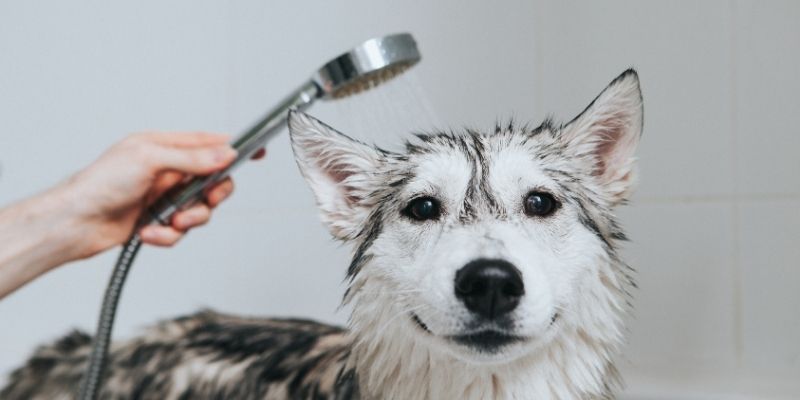
The skin is an important organ in the process of clearing the body after vaccination.
Conclusion: Do Not Act Out of Panic
If you have doubt, learn. If you are not at peace, stop. The worst decisions are made when we try to escape our own inner feeling. This is my way—not for you to follow blindly, but to understand the „why“ behind it.
This deep understanding of a dog’s emotional and physical state is at the heart of everything we do. At Integrative and Holistic Grooming Education, we teach people how to apply these principles of stability and care in their everyday lives with their dogs, helping create calm, healthy, and happy results.
by Sasha Riess | 03.02.26. | Wellbeing
Fifth Toe in Dogs: What It Is For and When It Should Be Removed
The fifth toe in dogs is often a topic of debate. Misleading advice. Routine procedures done without real understanding. Many owners are unsure what it is for. Whether it is an extra part. And whether it should be removed.
The truth is simple. It has a function. But only in certain cases can it become a problem.
What the fifth toe in dogs is?
It is most commonly found on the front legs. It is anatomically connected to bones and tendons. Unlike the hind legs where it appears less often and is usually weakly attached, the fifth toe on the front legs has a clear role in movement and stability.
What the fifth toe in dogs is used for?
On the front legs it:
-
Helps with balance.
-
Participates in stabilizing the joint.
-
Is used when holding and gripping objects such as bones.
-
Contributes to more precise support during movement.
If you have ever seen a dog holding a bone or a toy, you can notice that the fifth toe in dogs actively participates in that movement.
When it can become a problem?
The problem does not come from the toe itself. It comes from poor anatomical attachment, excessive mobility, or incorrect position. In some dogs, especially on the hind legs, the fifth toe can:
In these situations removal of the toe can be justified.
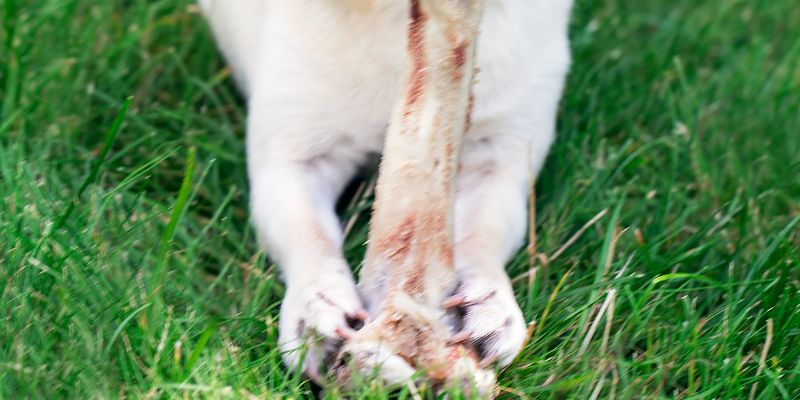
Functional role of the fifth toe in dogs: grip, balance, and stability.
Is the fifth toe a genetic flaw?
In most breeds the presence of an extra or incorrectly positioned toe is considered a genetic fault. Especially in the context of dog shows. Such dogs often cannot pass judging. Except in breeds where the toe is allowed or required by the standard.
It is important to distinguish between a functional fifth toe which should not be touched and a problematic fifth toe in dogs where removal can be considered.
When the fifth toe should not be removed?
If the toe does not interfere with movement, does not get injured, is stably attached, and has a clear function—it should not be removed. Routine removal without a real problem is not justified. It can disturb the natural biomechanics of the dog.
Function before appearance
The fifth toe in dogs is not an extra part that should be automatically removed. It exists for a reason. Removal makes sense only when there is a real functional problem. Not for aesthetic or routine reasons.
As in many other aspects of our relationship with dogs: We should not fix what already works.

by Sasha Riess | 02.02.26. | Wellbeing
Poverty as a survival strategy is not only an economic issue. It is a deeply rooted inner pattern. It does not arise by accident, nor is it maintained only by external circumstances. In many cases, poverty represents the way the body and nervous system try to remain in a familiar and “safe” survival zone.
Poverty as a Survival Strategy, Not a Coincidence
Poverty is often not the result of current circumstances, but a long term adaptive mechanism. Homeostasis, the natural tendency of the organism to maintain balance, does not change suddenly or radically.
When physiology has developed in scarcity, abundance is not experienced as safety, but as a threat. The body remembers what once meant survival and tries to return to that state, even when external conditions no longer require it. That is why sudden changes, such as unexpected wealth or rapid success, often lead to psychological collapse, loss of balance, or self sabotage.
Why External Changes Do Not Bring Lasting Security
There are solutions that sound like escape routes: money, a new beginning, a sudden gain. However, external circumstances do not change internal patterns. The inner structure travels with us wherever we go.
If a person does not know how to receive, nothing external will stay for long. If a person does not know how to live in stability, abundance becomes a burden rather than relief.

Poverty is often not a coincidence, but a deeply rooted survival mechanism.
Inner Homeostasis and Resistance to Change
Homeostasis does not recognize what is “good” or “bad.” It only recognizes what is familiar. When poverty has become a survival strategy in family or collective history, every step out of that pattern is experienced as a risk. That is why the body often pulls a person back into scarcity, even when the mind wants something different.
Peace Does Not Come from the Outside
Peace cannot be bought. Maturity does not arrive with financial gain. It appears in the moment we stop searching for rescue outside and begin to understand where we truly stand within. Only then can change become lasting, because it no longer threatens the inner sense of safety.

by Sasha Riess | 02.02.26. | Wellbeing
Chronic gastritis in dogs is not only a digestive tract issue. It is often a signal that the dog is under stress or carrying an emotional burden that does not belong to him. When a dog enters a new environment or experiences a change in routine, the digestive system is usually the first to react. Stress and anxiety can significantly worsen gastritis.
Dogs with long term stomach problems often show additional signs such as pulling on the leash, excessive barking, jumping on people, or behaviors linked to anxiety. Chronic gastritis in dogs can weaken the immune system, leading the body to create inflammatory processes, bacterial and viral reactions, and increased histamine release.
How Chronic Gastritis in Dogs Reflects Stress and Anxiety
Stress does not affect only the stomach. In dogs with chronic gastritis, prolonged anxiety weakens immunity and triggers reactions the body would not normally produce. Observing behavior carefully and reducing stress are key steps in improving digestive health.
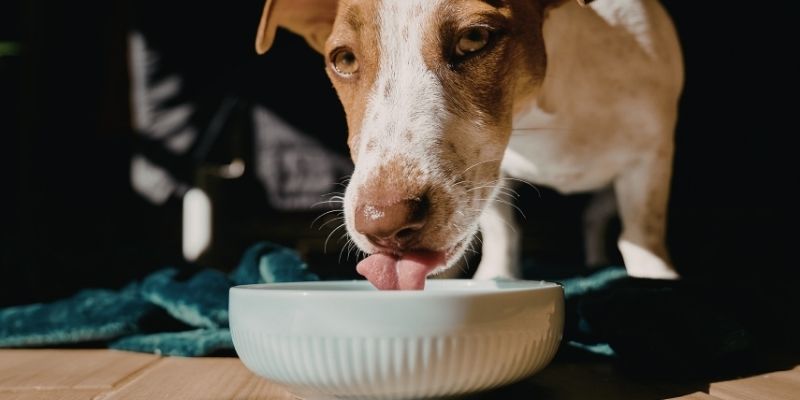
Proper routine and calm feeding help manage gastritis.
Support for a Dog With Chronic Gastritis
To improve the condition of a dog with gastritis:
-
Reduce stress by providing a stable routine, calm environment, and clear boundaries.
-
Observe behavior closely and recognize signs of anxiety or nervousness.
-
Support the immune system through walks, play, and mental stimulation.
-
Use veterinary guidance when needed. Supplements and therapy can help, but the first step is always reducing stress.
Why a Stable Environment Is Essential
Chronic gastritis in dogs shows how deeply a dog depends on a sense of safety. When we provide calmness, routine, and consistent guidance, the digestive system begins to settle, immunity strengthens, and anxiety responses decrease. Proper guidance does not only improve gastritis. It gives the dog a healthier and more balanced life.