
by Sasha Riess | 27.07.26. | Behaviour
We often hear owners say: “As soon as I feed my dog, it gets sick,” or “My dog constantly has some kind of issue.” While we search for causes in food or external factors, physiological outcomes often reveal how sensitive and receptive a dog truly is, absorbing the stress it is exposed to. Consequently, a dog’s psychology is inseparably connected to the subconscious state of its owner.
Rigidity and the Victim Role
In fact, two completely identical worlds exist parallelly. In the first world, the owner successfully takes full responsibility for their own state. Therefore, they clearly understand that they must work on themselves for the dog to get better.
In the second world, however, a “poor me” mentality heavily prevails, where life seems unfair and everyone stands against us.
Besides, this inner rigidity and strong resistance to change place the dog under immense pressure. This emotional burden quickly becomes highly visible in its clinical condition.
The Dog as a Priority Above the Ego
When we say that an owner “must” work on themselves, we do not express criticism. Instead, we use this as a direct way of placing the dog’s wellbeing completely above one’s own ego.
Naturally, a dog can develop illnesses that may be life-threatening. Simultaneously, it can experience conditions that it can easily live with. Everything strictly depends on whether the owner truly shows willingness to change their behavior.

As soon as the owner’s inner pressure disappears, the dog’s body is given a chance to heal.
The exact moment owners become actively involved, begin to understand, and start applying deep changes in their own lives, everything shifts completely. Furthermore, a dog’s psychology responds immediately to this relief. As soon as the heavy pressure of the owner’s subconscious disappears, the dog’s body finally receives a real chance to heal.
Do not forget, your dog does not suffer only from its own conditions. It often suffers directly from your unresolved way of living.
To discover more about how emotional alignment, balanced lifestyle, and authentic energy restore internal balance, read our canine communication and behavior guidelines.
At Sasha Riess, we look past commercial labels to honor the unique biological blueprint of your companion. True health requires addressing the subtle internal patterns that create lasting vitality and pureloveandharmony. Discover the customized path to your dog’s longevity:Linktree Sasha Riess
👉 Follow our Facebook page and never miss our latest articles, news, and updates.

by Sasha Riess | 26.07.26. | Emotions
We often hear the sentence: “I am free to do what I want.” We believe that freedom lies in doing what we want and in listening to that specific voice within us as a path to fulfillment. But let us pause for a moment and ask ourselves: whose voice is it?
The Voice of the Self or the Echo of What Was Learned?
When we say that we are “listening to ourselves,” are we truly hearing our authentic frequency, or are we listening to the residue of everything we have learned, endured, and carried with us through life?
Very often, what we call “our will” is actually a set of programmed reactions shaped by trauma, upbringing, social norms, and fears that were instilled in us from early childhood.
When two people act based on that inner voice, we often describe it as complete freedom, a space where we can express our thoughts and emotions. But a person must be very careful when presenting that “truth” and those “opinions” as absolute values to others.
The Trap of “My Truth”
The problem arises when we build our entire life on doing what we think we should do, without first questioning where those thoughts come from.
If your thoughts are a product of your fears or imposed patterns, then you are not free. You are simply a reflection of your past.
True freedom begins when we stop blindly following learned thoughts and start questioning their origin.
The real challenge and the beginning of true freedom do not come when we act on what we think, but when we pause and begin to question the source of those thoughts.
Do I want this, or do I want it because I am afraid?
Is this my voice, or the voice of my parents, society, or fear?

Finding true freedom by quieting the echo of what was learned.
Only when we quiet the echo of what was learned can we hear that thin, subtle line of truth that is truly our own. That process is difficult, but it is the only path toward becoming a person who truly governs themselves.
To discover more about how emotional alignment, balanced lifestyle, and authentic energy restore internal balance, read our canine emotions guidelines.
At Sasha Riess, we look past commercial labels to honor the unique biological blueprint of your companion. True health requires addressing the subtle internal patterns that create lasting vitality and pureloveandharmony. Discover the customized path to your dog’s longevity: Linktree Sasha Riess
👉 Follow our Facebook page and never miss our latest articles, news, and updates.
by Sasha Riess | 24.07.26. | Nutrition
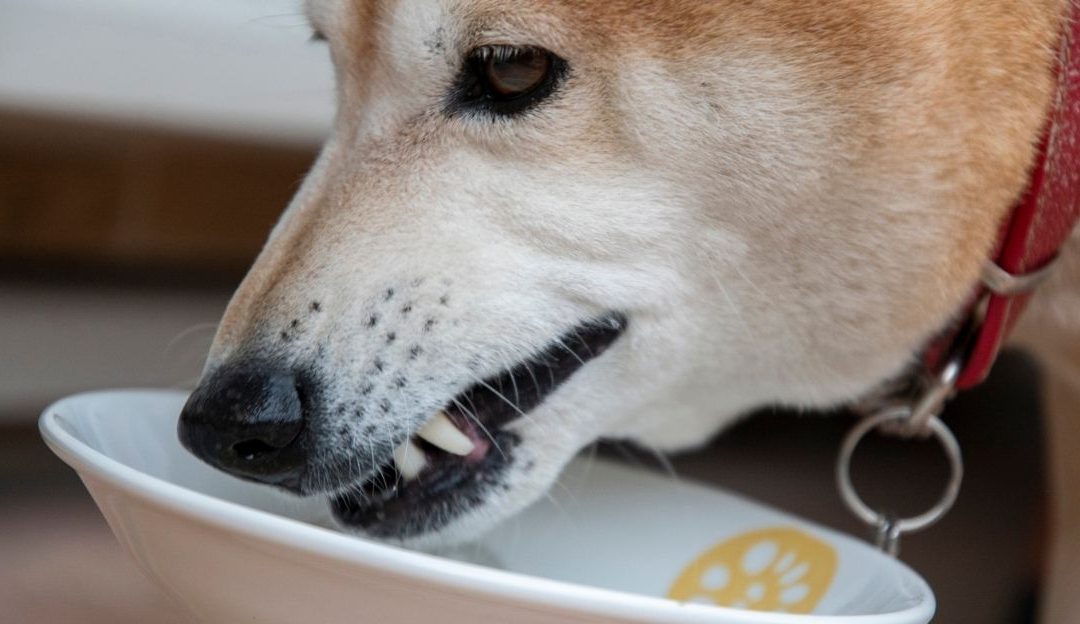
Healthy food in the bowl often serves merely as a symbol of material care without an energetic foundation. Many owners spend a fortune believing that healthy dog food represents the only true solution to their pet’s health problems. But the truth is much deeper.
In fact, what you feed your dog becomes almost irrelevant if your inner world remains in complete chaos. Your dog does not crave expensive proteins; instead, it deeply craves your inner stability.
The Surface of the Problem: Kibble Is Not the Cure
When searching for the best healthy dog food, owners often overlook the crucial energetic foundation. Consequently, a dog can maintain great vitality even on a simpler diet if it lives alongside a stable owner. Food represents only the surface of the situation.
Therefore, if you believe the solution lies strictly in changing the diet, you may actively avoid the core issue. Ultimately, the dog acts as a bridge that clearly shows you where you have lost your personal peace.
Peace With Your Roots as the Basis of Healing
A person experiences true peace only when they remain fully present in the moment and completely aligned with their roots. Regardless of what healthy dog food you put in the bowl, the dog immediately responds to your inner stillness.
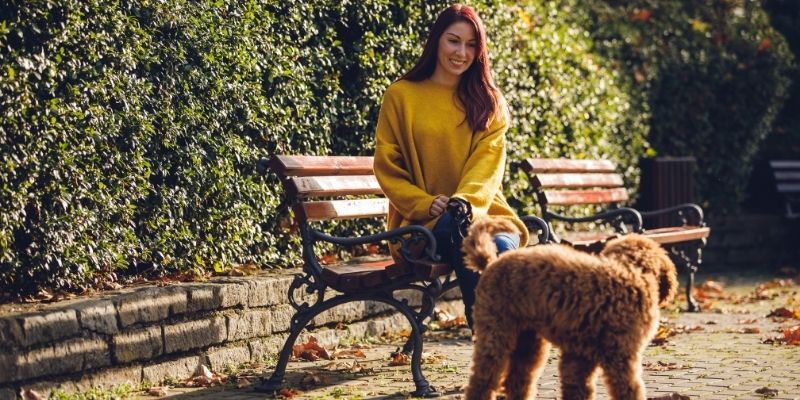
The dog always responds to your inner stillness, regardless of what is in the bowl.
Specifically, peace with your parents establishes the very first point of your stability. Only when you successfully heal those primary relationships does nutrition finally gain its full biological meaning.
To discover more about how emotional alignment, balanced lifestyle, and authentic energy restore internal balance, read our canine nutrition guidelines.
At Sasha Riess, we look past commercial labels to honor the unique biological blueprint of your companion. True health requires addressing the subtle internal patterns that create lasting vitality and pureloveandharmony. Discover the customized path to your dog’s longevity: Linktree Sasha Riess
👉 Follow our Facebook page and never miss our latest articles, news, and updates.
by Sasha Riess | 24.07.26. | Wellbeing
When we face a diagnosis of heart disease in a pet, nutrition immediately becomes the most important part of the therapy. Therefore, we carefully balanced this recipe to support the cardiovascular system through natural sources of taurine and omega-3 fatty acids.
Ingredients for Slow Cooking (Base)
First, combine these ingredients in a pot and cook them slowly. The main goal is to bring the mixture to a boil. After that, reduce the heat to a minimum and let it simmer for about 6 hours so that all nutrients can release completely.
-
500 g ground beef (90% meat, 10% fat)
-
500 g beef heart (a natural source of taurine)
-
4 whole eggs
-
150 g beef liver
-
150 g cooked salmon (omega-3 fatty acids)
-
Vegetables and fruits: 150 g pumpkin, 150 g asparagus, 150 g kale, 150 g cranberries
-
Additions: 70 g oysters, 150 g shiitake mushrooms
-
1 tablespoon apple cider vinegar (helps mineral breakdown)
Consequently, the 6-hour slow cooking process supports your dog’s health and efficiently releases essential minerals. Ultimately, patience in the kitchen brings vitality to your pet.
Additions After Cooling (Vitality)
Once the cooked mixture cools down completely, you can add the following ingredients. However, remember that these elements preserve their potency only in their raw form:
-
25 g sunflower seeds (shelled) and 18.75 g ground eggshells (calcium)
-
3 tablespoons wheat germ oil (vitamin E)
-
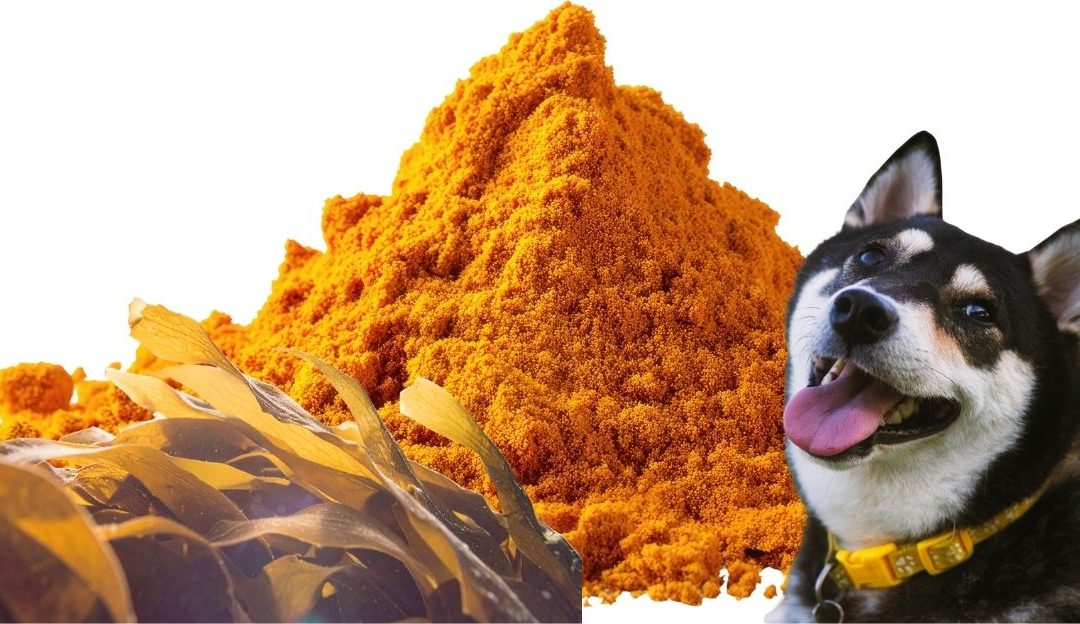
Spices: 3 teaspoons turmeric, 1 teaspoon black pepper (for absorption), 1 teaspoon sea salt
-
2 teaspoons kelp powder: If you cannot find it in powder form, buy dried seaweed and grind it yourself in a coffee grinder. Additionally, you can do the same with the seeds.

Ingredients ready for the essential 6-hour slow cooking process.
Dosage
Proper nutrition for dogs with heart disease strictly requires precise dosing. Specifically, the dog should receive 3% of its body weight daily. For example, a 10 kg dog must receive exactly 300 g of this food per day.
To discover more about how emotional alignment, balanced lifestyle, and authentic energy restore internal balance, read our canine wellbeing guidelines.
At Sasha Riess, we look past commercial labels to honor the unique biological blueprint of your companion. True health requires addressing the subtle internal patterns that create lasting vitality and pureloveandharmony. Discover the customized path to your dog’s longevity: Linktree Sasha Riess
👉 Follow our Facebook page and never miss our latest articles, news, and updates.

by Sasha Riess | 23.07.26. | Behaviour
I often hear the same sentence: “As soon as I feed my dog, it feels unwell.” Owners move from one specialist to another, while physiological results repeatedly show how sensitive and receptive the dog truly is. It absorbs everything. The level of stress such a dog is exposed to is enormous, yet the owner still does not see the cause in their own behavior.
The truth is clear: a dog’s health is often a direct reflection of the owner’s inner state.
Owner Rigidity and the Dog’s Best Interest
When I tell an owner that they must change, resistance appears. That is the moment where real work begins. My role is to remain firm in placing the dog’s interest above the owner’s comfort.
I must say this directly: your behavior affects your dog to the extent that it becomes visible in its clinical condition.
A dog does not become ill only because of bacteria or viruses. It develops conditions as a response to the world it lives in. Some dogs develop chronic states that can be life threatening, yet with a change in environment, they can also be managed and stabilized.
Two Worlds: Responsibility Versus Victimhood
In my work, I encounter two identical health conditions in dogs, but two completely different worlds in their owners.
The first world consists of people who come, actively participate, understand, and ask: “How do we apply this?” They take responsibility, and everything begins to change. In that world, a dog’s health has a real chance of recovery.
The second world is the world of the victim. “Poor me, life is unfair, everyone is against me.” In that world, the owner is focused on their own discomfort, while the dog quietly deteriorates under the weight of emotions that are not its own.
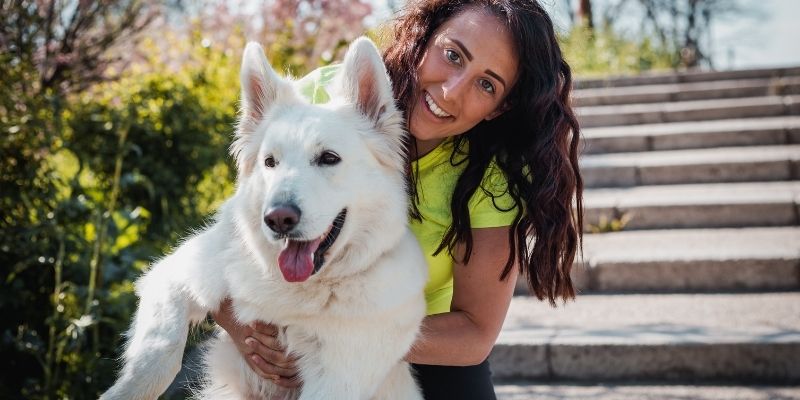
The powerful emotional connection and communication between an owner and her dog.
Living with a dog is not only about feeding and walking. It is a constant awareness of what we project into the shared space.
If you want a healthy dog, the first step is not changing the food, but changing yourself.
To discover more about how emotional alignment, conscious leadership, and deep understanding restore internal balance, read our canine communication and behavior guidelines.
At Sasha Riess, we look past commercial labels to honor the unique biological blueprint of your companion. True health requires addressing the subtle internal patterns that create lasting vitality and pureloveandharmony. Discover the customized path to your dog’s longevity: Linktree Sasha Riess
👉 Follow our Facebook page and never miss our latest articles, news, and updates.
by Sasha Riess | 23.07.26. | Nutrition
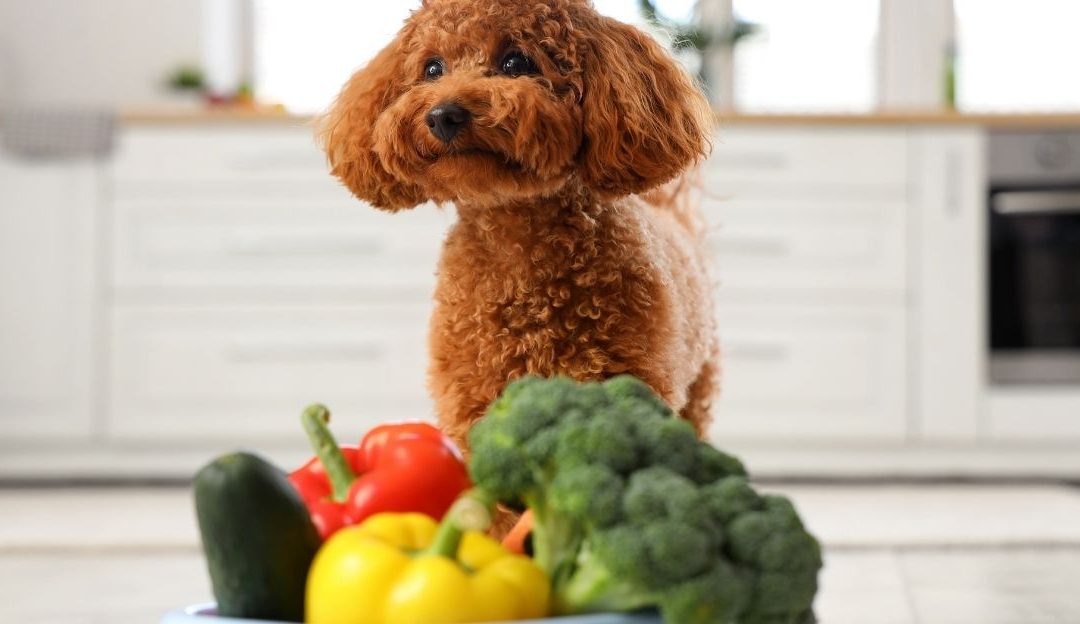
Before we change a dog’s diet, we must first prepare its digestive system. This is not simply about changing what goes into the bowl. Instead, it is a strategic process in which prebiotics play a key role.
Bone broth, broccoli, and specially prepared “cookies” serve to prepare the dog’s digestive microbiome for the “cooking” of either raw or thermally processed food. Therefore, learning how to restore a dog’s gut microbiome is the essential first step before introducing any species-appropriate, biologically active food.
The Awakening Process Is Not Inflammation
Many owners give up at the very beginning because they become frightened by the reactions they see. Diarrhea, a sensitive stomach, and gas that may appear are often not signs that something is wrong. On the contrary, they are clear signs that the organism is waking up and adapting to new food. These processes, which may resemble inflammation, are actually symptoms of a body awakening after being fed artificial nutrition for too long.
This is where the main problem appears. Owners withdraw from the process prematurely because they believe the food does not suit the dog, when in fact the process of deep change has just begun. Fear of these initial digestive reactions remains the most common reason why people step back instead of continuing toward health. Understanding how to restore a dog’s gut microbiome allows you to navigate these temporary cellular shifts with confidence and patience.
A Protocol for a Safe Transition
That is why a gradual approach and structural support throughout the entire process are absolutely essential. I have created a special program and protocol that I will share with you on a daily basis. As we prepare our natural “bread” and daily appetizers, follow the steps that allow a dog to safely transition to a more natural diet.

Initial digestive shifts are not signs of illness, but symptoms of a toxic cellular system waking up to real nutrition.
The goal is for your dog to go through this process without unnecessary stress on the body. All details of the protocol can be followed through our live sessions, which remain saved, and can also be read in detail on the Formula portal in the category Nutrition. This structured guidance shows you exactly how to restore a dog’s gut microbiome safely and professionally. Your readiness for this awakening is the first step toward your dog’s longevity. To explore more about how freshly prepared, raw meals and natural enzymes restore internal balance, read our holistic nutrition guidelines.
At Sasha Riess, we look past commercial labels to honor the unique biological blueprint of your companion. True health requires addressing the subtle internal patterns that create lasting vitality and pureloveandharmony. Discover the customized path to your dog’s longevity: Linktree Sasha Riess
👉 Follow our Facebook page and never miss our latest articles, news, and updates.
by Sasha Riess | 22.07.26. | Coat Care
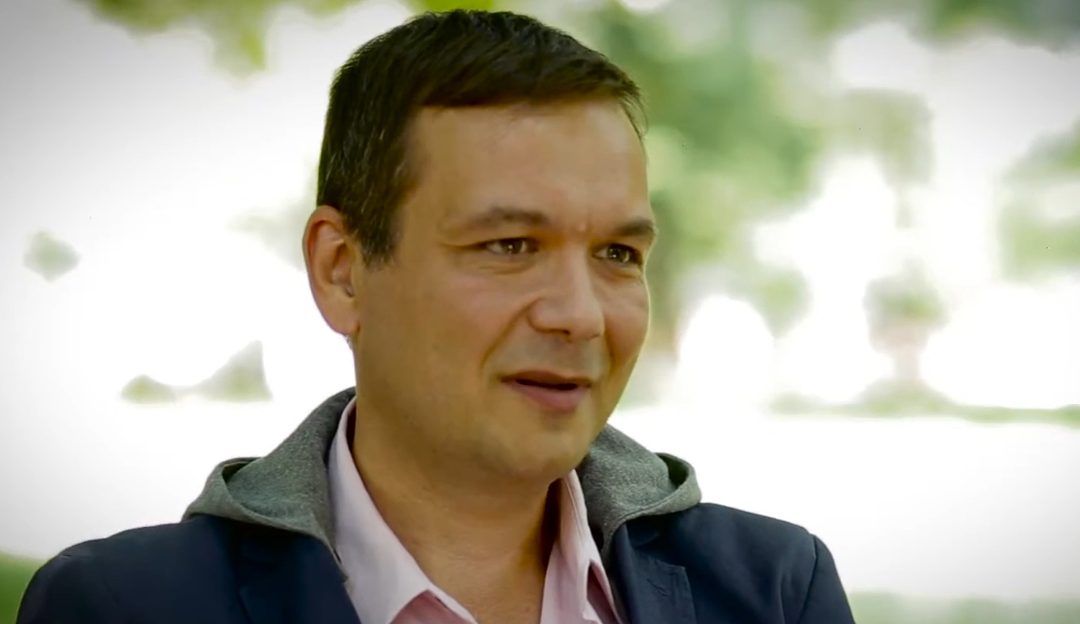
This text represents a transcript of Sasha’s interview recorded seven years ago. What was then a turning point after a quarter century of work has today become a testimony to consistency, endurance, and a journey that has lasted for more than three decades.
Consequently, spiritual freedom in work and the true meaning of our profession are rarely discovered at the very beginning. Instead, they arrive as the ultimate crown of a career.
When I look back on 25 years in this profession, I realize that the definition of success and happiness changed on every level—professional, emotional, and spiritual. There was a time when it truly mattered to me that success received confirmation from others.
Today, however, when the inner being feels completely fulfilled, awareness of my own path brings a deep peace that no external recognition could ever replace.
From Paper Scissors to Mastery
Everything began in the 1990s. I vividly remember returning from the academy in Budapest in 1991. I arrived home on Sunday, and by Monday I already groomed my first dog, a Kerry Blue Terrier, using my mother’s paper scissors. Behind that first step stood years of learning, effort, and discipline under the strict guidance of my teacher. Therefore, what once felt like harshness, I now recognize as a gift and a strength that shaped me completely. That education gave me a level of quality others immediately recognized, leaving an unforgettable mark on a grooming scene that only began to emerge in Serbia simultaneously.
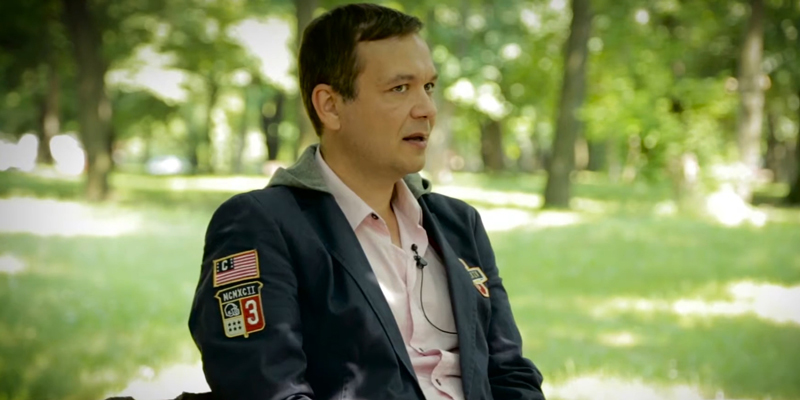
Spiritual freedom in work begins the moment we accept the whole picture of our life, with all of its shadows and light.
The Path of Doubt and Spiritual Freedom in Work
To walk this path meant making a firm decision: to remain ready for risk and constant learning. For a full twenty-five years, I carried a hidden doubt within me: is this truly my path? While animals attracted me with their nobility and unconditional companionship, inside me there also existed a deep love for opera music.
As long as a person doubts, they never remain one hundred percent present in the place life brought them. That is precisely why spiritual freedom in work remains completely unreachable. There were great professional falls, including moments when I literally covered my face with my hands for two entire days.
Yet the turning point and inner peace arrived the moment I managed to reconcile my past with my current results. The moment I transformed guilt and grief over unrealized dreams into pure gratitude for what I have and live today. I realized that all those failures and doubts did not constitute sacrifices, but rather necessary pieces of the puzzle. Sometimes in life we try to force the final puzzle piece into a place where it does not belong, without understanding that the picture we build has its own perfect flow. Ultimately, spiritual freedom in work begins the moment we accept the whole picture of our life, with all of its shadows and all of its light.
To discover more about how emotional alignment, balanced lifestyle, and authentic energy restore internal balance, read our canine coat care guidelines.
At Sasha Riess, we look past commercial labels to honor the unique biological blueprint of your companion. True health requires addressing the subtle internal patterns that create lasting vitality and pureloveandharmony. Discover the customized path to your dog’s longevity: Linktree Sasha Riess
👉 Follow our Facebook page and never miss our latest articles, news, and updates.
by Sasha Riess | 22.07.26. | Behaviour
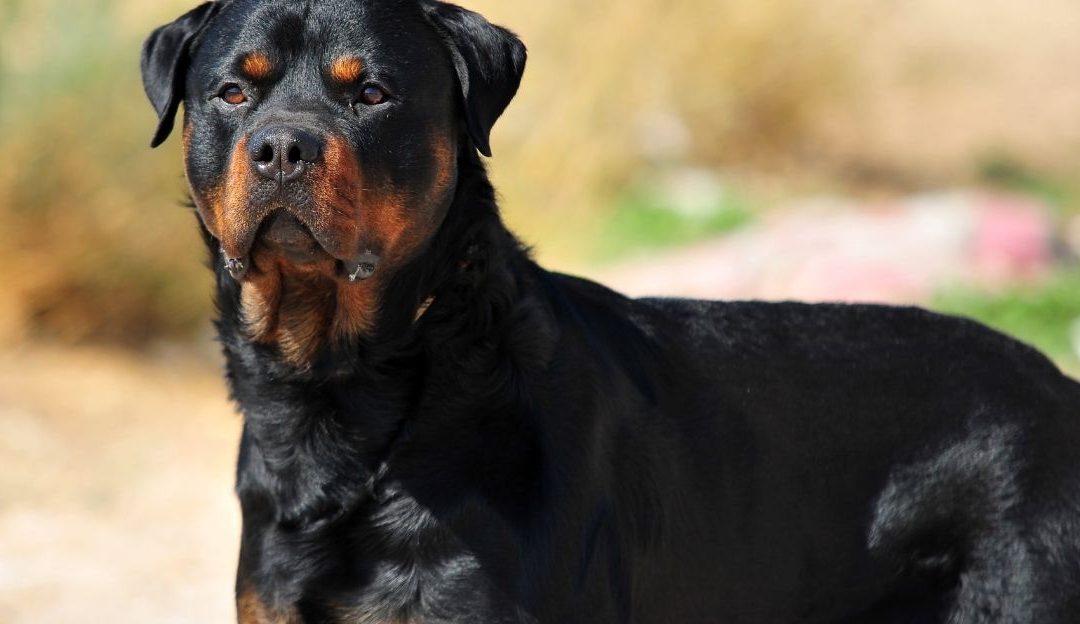
When dealing with public fear regarding dog bites, understanding why there are no dangerous dog breeds helps owners create truly safe environments. Every time a story about a dog attack appears in public, the same sentence is repeated: dangerous breed. That sentence sounds simple, clear, and easy to understand. It provides a quick answer and satisfies the need to find someone to blame. However, behind that simple sentence, something far more complex exists. You cannot reduce this reality to a breed name.
A dog does not become aggressive because it belongs to a certain breed. A dog becomes aggressive because it lives in certain conditions. Aggression is not a dog’s identity. It is a response of the organism. When we observe dogs that society labels as dangerous, we often see strong, physically capable animals. They carry a high potential for intense reactions. But potential is not the same as behavior. Potential is possibility. Behavior is the final result, and that result is always created within a relationship.
A dog lives within a system. That system consists of the environment it inhabits and the people it lives with. It includes the rhythm of daily life, the level of stress it experiences, and the way it processes that tension. When the system is stable, the dog develops predictable, regulated behavior. When the system becomes unstable, the dog begins to search for ways to adapt.
Understanding Aggression: Why There Are No Dangerous Dog Breeds in Nature
In many cases that we label as aggression, we actually observe the consequence of long-term overload of the nervous system. This physiological reality explains why there are no dangerous dog breeds, as any canine brain under chronic pressure will eventually misinterpret external stimuli. A dog that lives in constant tension has no ability to return to a relaxed state. Its organism remains in a permanent state of readiness. In that state, the body is prepared to react, but it is not capable of fine regulation.
Tolerance to external stimuli decreases, and reactions become more intense. In such a condition, the dog does not react to the world as it is. It reacts to the world as its organism experiences it. If the internal experience of the world contains constant tension, the reaction will be proportional to that tension, not to the real situation.
That is why aggression often appears sudden. However, it rarely comes without prior signals. These signals can be subtle: changes in behavior, increased irritability, withdrawal, or hypersensitivity to sounds or touch. If these signals go unrecognized, the system continues to accumulate pressure. At one point, release occurs. That release is what we call aggression.
When such behavior is linked to a specific breed, you miss the key element of understanding. The same breed, in a different system, displays completely different behavior. Strong, powerful dogs living in stable conditions never show aggression. Conversely, dogs that appear harmless at first glance can develop intense reactions in poor environments. The difference is not in the breed. The difference lies entirely in the conditions.
The Vital Impact of Chronic Stress and Environment
One of the most important factors in the development of a dog’s behavior is stress. Stress is not only an external event. It is the way the organism responds to what it experiences. When stress lasts for a long time, it changes the way the nervous system functions. At that point, the dog no longer chooses how it will react. It reacts the only way it can.
In such a state, training often does not produce the expected results. This failure occurs not because the method is wrong, but because the dog’s body lacks the capacity to adopt a new response. A nervous system under overload does not learn. It simply survives.

Subtle signals like exhaustion, hypersensitivity, or emotional withdrawal indicate an overloaded nervous system trying to survive its environment.
Changing the System to Balance Behavior
That is why, when working with dogs that show aggression, we cannot begin with behavior as an isolated problem. We must observe the entire system in which the dog lives. We must examine the environment, the daily rhythm, and the relationship with the owner. We must evaluate the level of tension in that relationship, the diet, and how the organism processes energy. All of this together shapes how the dog reacts.
In practice, a dog labeled as aggressive changes its behavior when its living conditions change. When the level of stress decreases, when structure is introduced, and when the organism exits a constant state of alertness, reactions begin to change. This does not mean that aggression disappears overnight. But it means that the dog gains the possibility to react differently.
If we want to understand aggression, we must stop looking for the cause in the breed. We must begin observing the system. A dog does not live in isolation; it is part of a relationship. Every relationship carries a certain quality. When that quality includes stability, clarity, and reduced stress, the dog develops predictable, balanced behavior. When it includes tension, unclear boundaries, and chronic stress, the dog develops behavior that reflects that environment. Aggression is not an exception. It is a direct consequence.
Therefore, the question we should ask is not which breed is dangerous. The question is what kind of system the dog lives in. Every behavior is created within that system, and within that system, it can be changed.
To explore more about how managing social dynamics, reading subtle communication signals, and establishing clear biological boundaries supports your companion’s development, read our holistic communication and behavior guidelines.
At Sasha Riess, we look past modern force to protect the authentic biological blueprint of your companion. True vitality requires shielding their sensitive systems from chaotic emotion to achieve pureloveandharmony. Discover how to balance your dog’s psychological environment: Linktree Sasha Riess
👉 Follow our Facebook page and never miss our latest articles, news, and updates.

by Sasha Riess | 21.07.26. | Emotions
Trauma in dogs often has its roots in moments when we, as owners, go through the most difficult periods of our lives. The loss of a loved one leaves a deep mark on our soul, but if we suppress that grief and do not process it properly, it becomes compressed.
That compressed emotion turns into unconscious anger or tension that the dog inevitably feels.
Frozen in Grief: How Trauma in Dogs Develops
When we experience traumatic events without adequate support, we remain “frozen” in that moment. Our physiology stays trapped in the past, and the dog, living within our emotional field, takes on that burden. This trauma in dogs is not a result of their loss, but of their response to your emotional blockage and inability to release the pain.
From Pain to Inspiration: The Path to Healing
The stress we carry does not have to be a wall that limits us. It can become inspiration for a new step, but only if we allow it to flow.
To avoid long-term trauma in dogs, we must allow ourselves to experience loss in a safe environment. Only when we understand that pain is an experience of the past do we free both ourselves and our dog.
Your peace and emotional freedom are the only path for transforming trauma in dogs within your home into harmony once again.
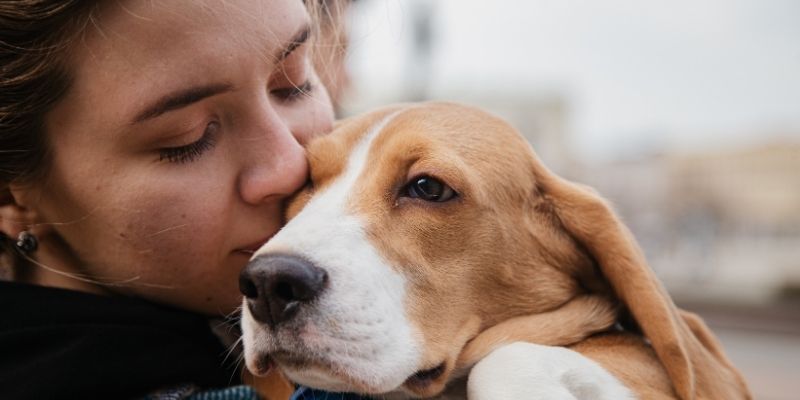
Transforming pain into harmony through unconditional love and safe expression.
To discover more about how emotional alignment, balanced lifestyle, and authentic energy restore internal balance, read our canine emotions guidelines.
At Sasha Riess, we look past commercial labels to honor the unique biological blueprint of your companion. True health requires addressing the subtle internal patterns that create lasting vitality and pureloveandharmony. Discover the customized path to your dog’s longevity: Linktree Sasha Riess.
👉 Follow our Facebook page and never miss our latest articles, news, and updates.

by Sasha Riess | 21.07.26. | Behaviour
In my work, there are no concepts of reward or punishment. There is no classic “good job” for what is done correctly, nor is there a “correction” for what is not. Many people wonder how this is possible, but the answer is actually very simple: because the relationship between owner and dog is not a training ground, but a space for deep reflection.
Understanding how your energy affects your dog’s behavior is the cornerstone of this philosophy, moving away from mechanical control and into genuine communication.
The Dog as Inspiration, Not an Object
My role is not to “fix” the dog as if it were a broken object. My task is to behave in a way that inspires the dog to respond to my presence and energy. The dog has never been the problem; it is only a reaction. It does not respond to what we do to it, but to what we truly are.
Thousands of clients who have succeeded in this confirm a simple truth: everything is free and available to everyone, because real change does not require money, but awareness. For a profound shift in a dog’s behavior, no external technique is required. This mirrors exactly how your energy affects your dog’s behavior, demanding nothing less than honest work on oneself.
The Essence Lies in the Owner, Not in the Dog
When I say that everything is simple, I do not mean that it is easy, but that it is essential. This approach does not require any special tools, techniques, or systems of bribing with food or punishing through fear. All that is needed is a change within ourselves.
I work with the relationship, with the owner, and with the energy we bring into the shared space. Years of experience working with dogs have taught me that success does not depend on the dog. The dog is always there, ready to follow. Everything depends on the owner and their willingness to stop searching for solutions “outside” and begin working on themselves “within.”
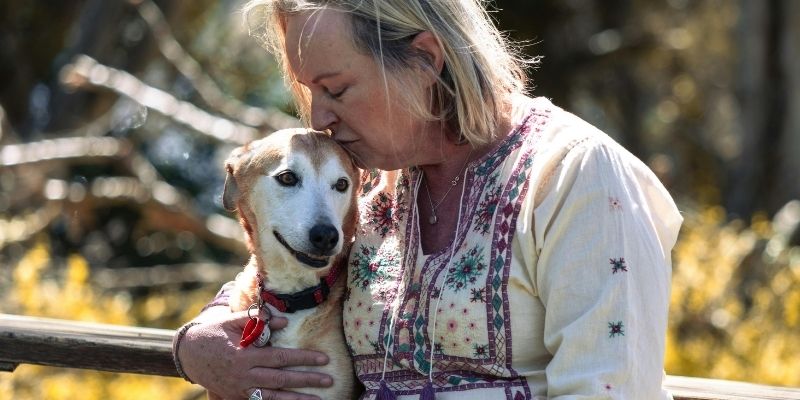
True leadership is not achieved through artificial tools or bribes, but through absolute internal authenticity.
Leading Through Internal Authenticity
The true relationship between owner and dog begins when you realize that you are the one leading through your authenticity. When you change your internal state, your dog’s outward reactions shift naturally in response.
To explore more about how managing social dynamics, deep communication signals, and natural behavioral boundaries supports your companion’s development, read our holistic communication and behavior guidelines.
At Sasha Riess, we look past modern force to protect the authentic biological blueprint of your companion. True vitality requires shielding their sensitive systems from chaotic emotion to achieve pureloveandharmony. Discover how to balance your dog’s psychological environment:Linktree Sasha Riess
👉 Follow our Facebook page and never miss our latest articles, news, and updates.