
by Sasha Riess | 27.04.26. | Behaviour
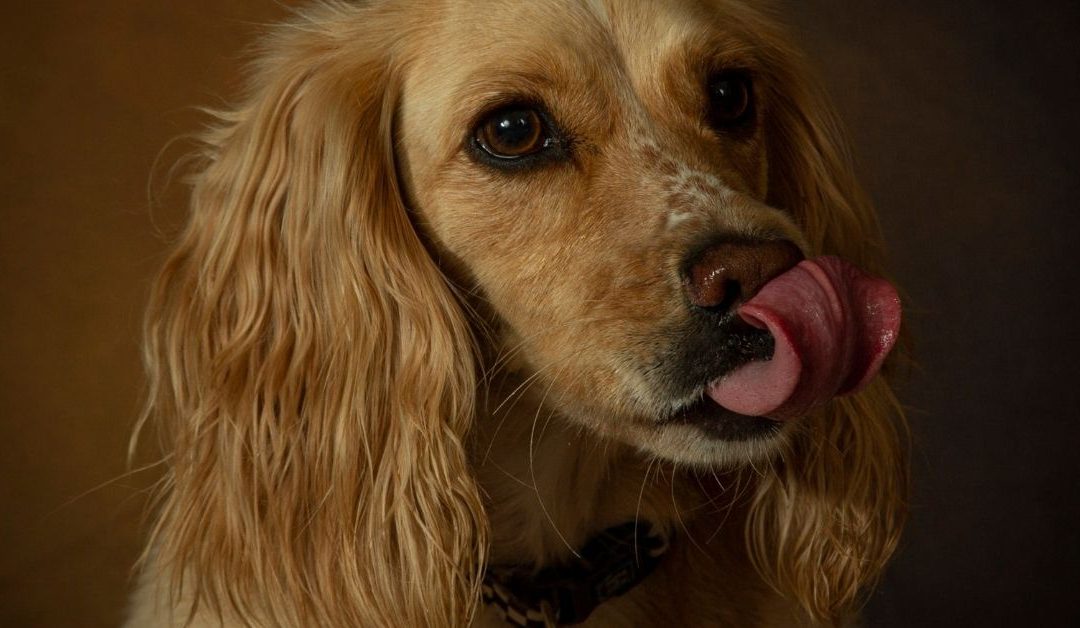
When dog owners notice their pet constantly licking its nose, they often ask me whether it’s normal behavior or a sign that something is wrong. My answer is—it depends on the bigger picture. Understanding why does a dog lick its nose so often is key, as it can be harmless, but it can also signal allergies, irritation, or even more serious health issues.
The Sensitivity of a Dog’s Nose
Dogs have an incredibly developed sense of smell—up to 200 times stronger than ours. That means everything we can barely detect, they experience much more intensely.
Scents at Home as a Possible Cause
If you use scented candles, air fresheners, or cleaning products with strong fragrances, it’s possible that these smells are bothering your dog. I’ve personally noticed that many dogs start licking their noses when exposed to such scents. That’s why I always advise owners to use mild, unscented products whenever possible.
Allergies in Dogs: A Common Trigger
Allergies are a common reason why does a dog lick its nose so often. If your dog also sneezes, scratches, chews its paws, or appears restless, it’s very likely an allergic reaction to:
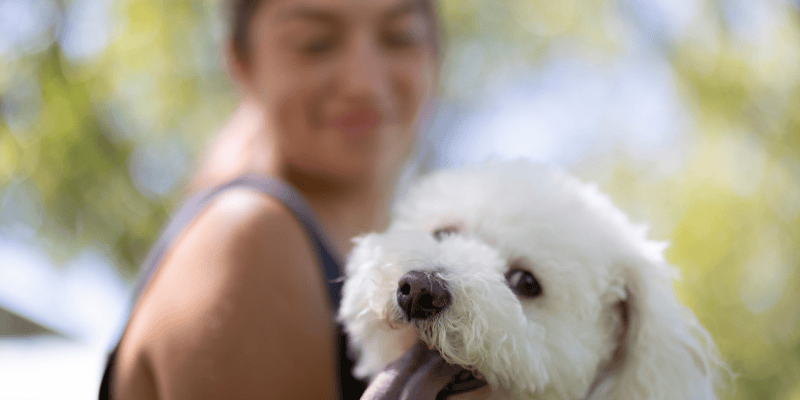
Observing your dog reveals important signals about their overall health and comfort.
Parasites and Internal Growths
In addition to allergies, parasites can cause excessive licking. In some cases, larvae can settle in the nasal cavity. Growths or polyps can also irritate the area, leading the dog to lick or rub its nose frequently.
When to Visit the Veterinarian
If you notice your dog doing this daily, especially alongside other symptoms such as loss of appetite or sneezing, it’s best to visit your veterinarian. Only a proper examination can rule out underlying issues and identify the exact cause of why does a dog lick its nose so often.
Observe the Bigger Picture
If it happens constantly, it’s a signal that something needs attention. Dogs clearly show us that they’re feeling something. It’s up to us to understand them and respond in time.
At Sasha Riess, we believe that a healthy nose is a window to a healthy spirit. When you discover why does a dog lick its nose so often, you can restore their comfort and pureloveandharmony. Get your free guide to strengthen your bond here: Linktree Sasha Riess
Sasha Riess Pure Love & Harmony Duo Pack The Complete Dog Coat Care System
by Sasha Riess | 09.02.26. | Wellbeing
A stuffy nose in dogs often worries owners, but it is important to understand that this symptom can actually be the body’s way of trying to correct an internal imbalance. When a dog breathes heavily or seems congested, the most common cause is allergies. These can be triggered by dust, pollen, detergents, or inappropriate food.
Everything a dog inhales, eats, or absorbs through the skin must be processed into energy. When the body fails to recognize certain substances, it reacts, and that reaction appears as an allergy.
Allergies in Dogs – How to Recognize Them
In some dogs, allergic reactions appear externally through the skin, with itching, redness, or rashes. This is actually a positive sign because it shows the body is able to expel what is bothering it.
However, when the reaction is not visible externally, the problem may appear in the respiratory system. The dog may breathe with difficulty or have a constantly stuffy nose in dogs. These are called internal allergies and can be triggered by food, parasites, or stress.
Allergies and the Respiratory Tract
When allergies affect the respiratory organs, the dog may snort, breathe heavily, or have nasal discharge. It is important not to ignore this symptom because it may indicate that the body is unable to fight off toxins on its own.
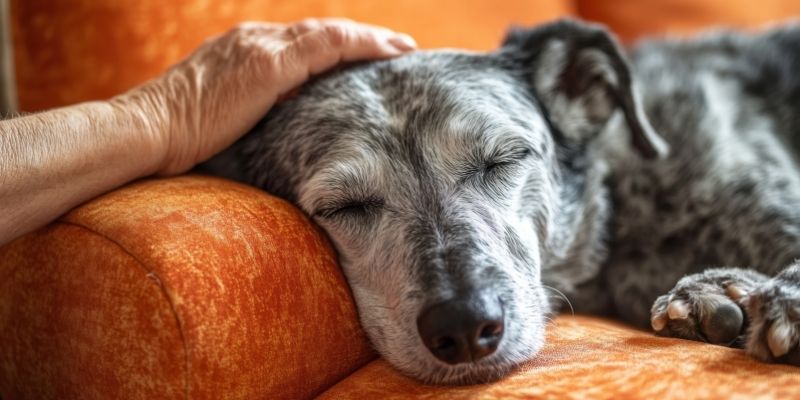
Careful care and a natural approach help a dog breathe easier.
Parasites – The Hidden Cause of a Stuffy Nose
Parasite larvae sometimes travel through the bloodstream to the sinuses, as nasal passages provide a favorable environment for them to settle. For this reason, it is helpful to occasionally carry out a natural parasite cleanse.
A combination of green black walnut, wormwood, parsley, and clove works effectively against adult parasites and their larvae. This approach not only helps breathing but also strengthens the dog’s immune system and supports overall detoxification.
When the Problem Persists
In rare cases, a stuffy nose in dogs may indicate the presence of growths in the sinuses, which can be benign or malignant. If the problem persists for a longer period, a veterinary examination is necessary to check the condition of the respiratory tract.
A Holistic Approach to a Dog’s Health and Breathing
It is also important to pay attention to everyday habits, such as what you use to wash your dog’s bed, which detergents you apply, and what kinds of treats you offer. Often, it is these small details that trigger allergic reactions.
A holistic approach means looking at the bigger picture, including what the dog breathes in, what it eats, and what kind of energy it feels at home. Only then can a dog truly breathe freely and feel calm, both physically and emotionally.
At Integrative and Holistic Grooming Education, we believe that every physical symptom is a message. Understanding these signals and addressing them through a holistic lens is at the heart of everything we teach to ensure the well-being of every dog in our care.