by Sasha Riess | 02.02.26. | Behaviour
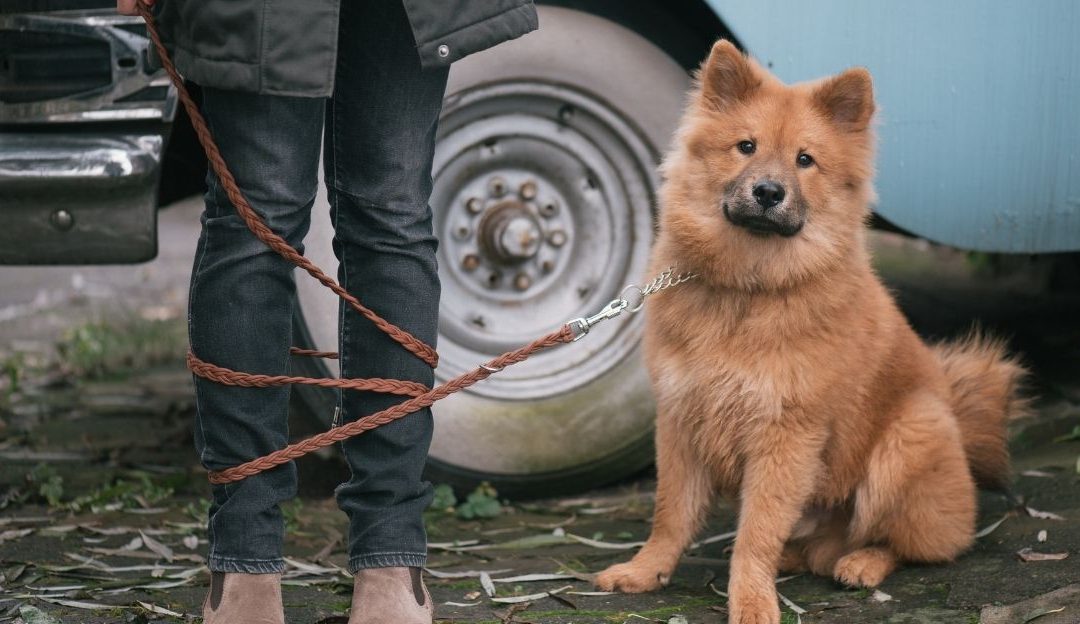
Boundaries are not for dogs. They are for us.
When we talk about boundaries with dogs, most people immediately think of prohibitions, commands, and rules that must be imposed on the dog. But the truth is quite the opposite. A dog does not suffer because of boundaries. A dog suffers because of the absence of boundaries. And the absence of boundaries does not come from the dog, but from the human who does not know how to set them.
A dog does not think in categories of “allowed” and “forbidden” like humans do. A dog functions through structure, consistency, and clear behavioral patterns. When that structure is missing, the dog is left without support. Then problems appear that people mistakenly call disobedience, stubbornness, or a “difficult character.”
Why Is It Hard for Us to Say No to a Dog
The problem with boundaries with dogs is often the same problem we have in relationships with people. We do not know how to say no because we fear conflict, rejection, or guilt. We say yes to everything. To compromises that drain us. To relationships that suffocate us. To habits that harm us.
The dog simply exposes that pattern.
Just as a parent who cannot say no to a child asking for sweets later pays the price through health issues, a dog owner gives in “out of love” and later faces anxiety, aggression, or loss of control in the dog.
Boundaries Are Not Punishment
Setting boundaries does not mean harshness, force, or domination. On the contrary. Boundaries are safety. They tell the dog, “I know what I am doing. You can rely on me.”
A dog with clear boundaries with dogs does not need to constantly test limits. He does not need to take responsibility that is not his. He does not need to make decisions instead of the human. That is where the dog’s inner peace begins.
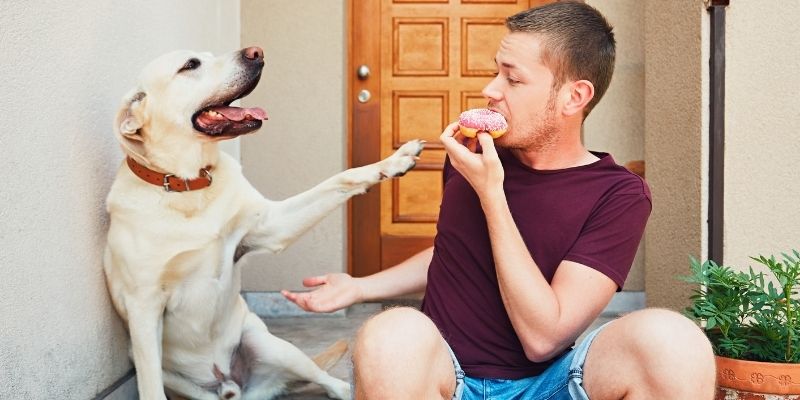
A dog does not seek boundaries — the human avoids them.
When Boundaries Are Missing, the Dog Pays the Price
Without boundaries, the dog steps into roles that do not belong to him. He becomes overprotective, insecure, anxious, or reactive. People then say the dog is “problematic,” when in reality he has been left without structure.
That is why boundaries are not a tool to control the dog. They are a mirror of our relationship with our own life. The dog does not seek perfection. He seeks consistency.
The Dog Is Not the Problem. The Problem Appears Before the Dog.
The dog does not need to learn where boundaries are. The human needs to learn how to set them. When we know where we stand, the dog no longer needs to test, push, or take control. Then the relationship becomes stable, calm, and healthy for both sides.
by Sasha Riess | 01.02.26. | Behaviour
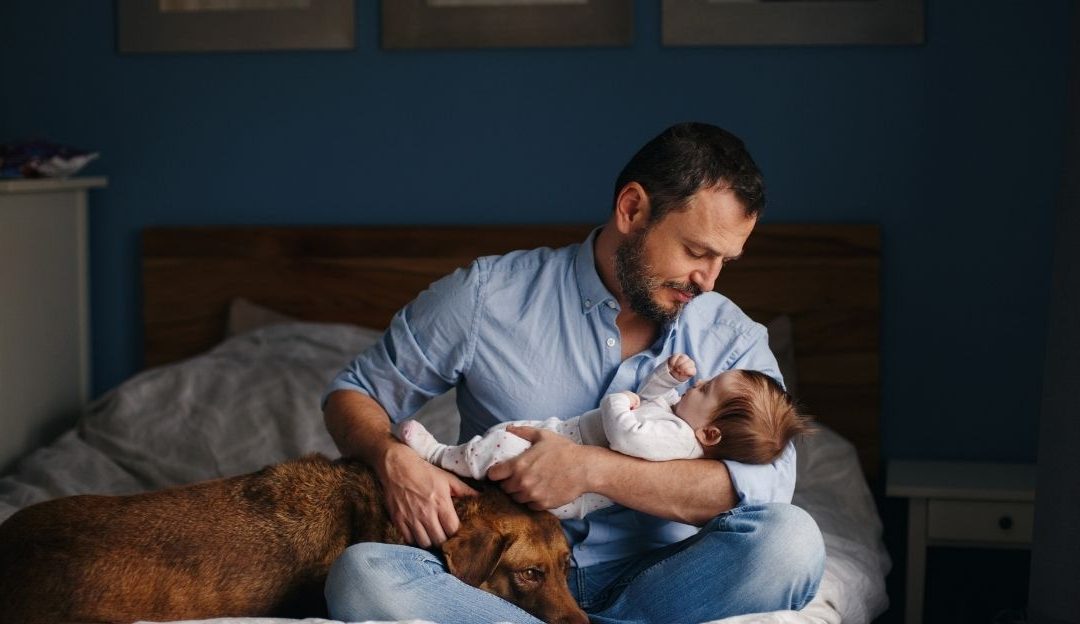
The relationship between a dog and a baby is one of the purest and most innocent relationships that exist. A dog does not intend to harm a child, and a baby has no awareness of causing harm. Problems arise only when adults fail to take responsibility and set clear boundaries.
A Relationship Disturbed Only by Humans
Small children, babies, and dogs share one important trait: complete innocence. Their relationship cannot be “wrong” by itself. A dog never plans to hurt a child. Difficulties appear when a parent or caretaker does not react, does not set boundaries, and does not recognize their own emotional state.
Parenthood, especially in the first months, carries enormous emotional and physical pressure. Lack of sleep, hormonal changes, stress, and inner tension become part of daily life. The dog and baby dynamic is affected by this because the dog senses everything. He does not understand words, but he understands energy.
How a Dog Experiences the Arrival of a Baby
In the dog’s perception, the baby is not “a child” but a change that has created instability in his human. The dog may then try to “protect” the parent because instinctively he feels that something has shifted. This is not aggression; it is an attempt to control a situation he does not understand.
That is why it is essential that adults:
-
Do not project their own stress onto the dog.
-
Do not leave the dog and baby unsupervised.
-
Do not expect the dog to “understand” human life phases.

Clear boundaries create a safe and peaceful environment for both the dog and the baby.
Boundaries Are Protection for Both Baby and Dog
A dog and a baby must have clear boundaries. How close the dog may come, when he must withdraw, and where his own space is. The same applies to the child. A dog is not a toy, a pillow, or a tool to calm a baby.
Boundaries are not punishment. They are safety.
Why Responsibility Always Remains with Adults
A dog cannot be emotionally mature. A baby cannot know boundaries. Adults must. When a parent takes responsibility, the relationship between dog and baby becomes stable, calm, and safe. Not because the dog is “good,” but because he is guided.
by Sasha Riess | 01.02.26. | Behaviour
It is not crucial whether you adopted your dog or bought him, how old he is, or which breed he belongs to. When we ask why dogs bite, the problem is almost never in the dog, but in the fact that the human does not understand the language the dog speaks.
A dog does not speak Serbian, English, or any human language. His communication is entirely behavioral. If we do not understand that behavior, we easily enter a relationship filled with misunderstandings, fear, and loss of trust.
A Dog Bites Because He Is Speaking and We Are Not Listening
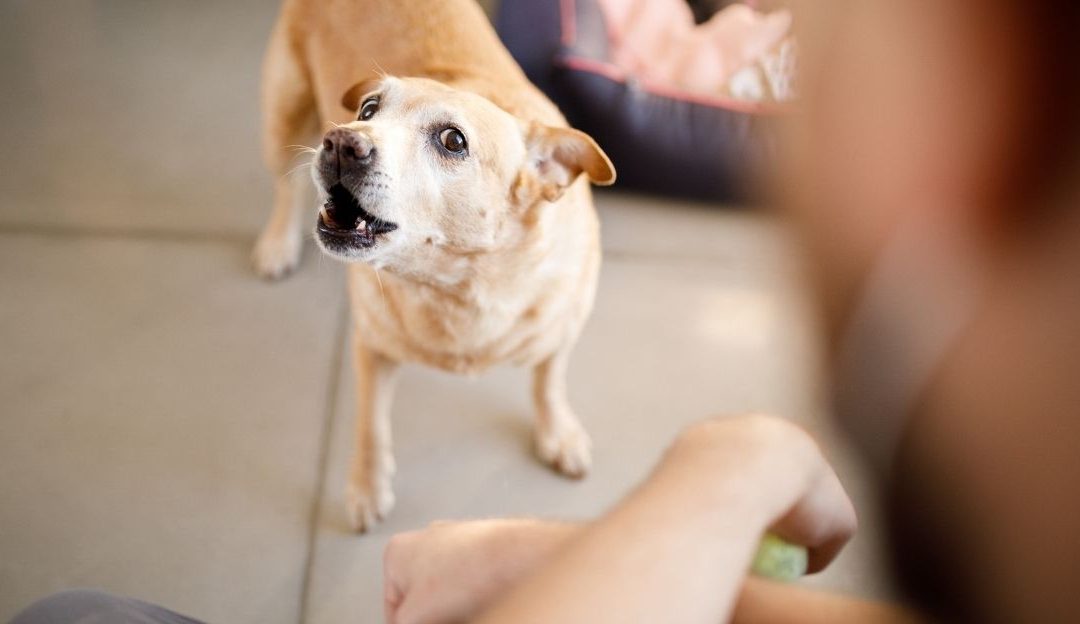
A dog’s behavior is his only way to communicate with us. A bite is not an “attack without reason,” but a message that appears after all milder signals have been ignored. Understanding why dogs bite starts with recognizing these signals:
When these signals go unnoticed, the dog intensifies the message. The bite then becomes the last level of communication, not the first.
The Problem Is Not Aggression, but Misguided Closeness
One of the most common mistakes is developing a sentimental emotional bond between human and dog. Out of a desire to “give everything to the dog,” a person:
The dog does not receive security from this, but confusion. This confusion is often the root cause of why dogs bite, because a dog that does not feel structure does not feel trust.
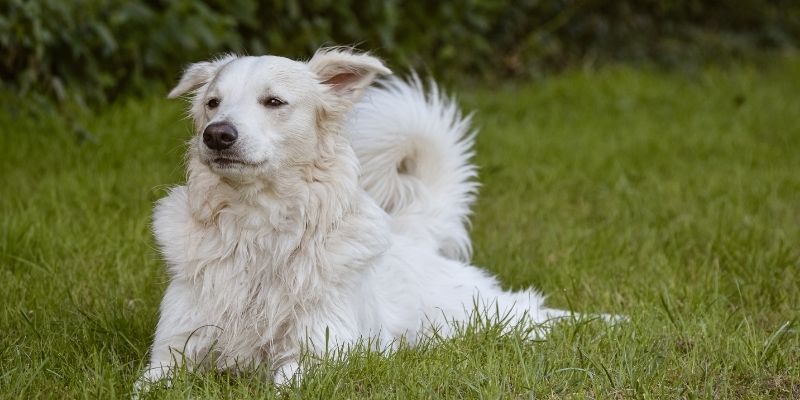
Without structure, a dog cannot develop trust.
Why a Dog Bites Even When We Are ‘Good’ to Him
Paradoxically, a dog may bite the very person who rescued, fed, and loved him. Not because he is ungrateful, but because he does not see the human as a stable figure and feels he must control things himself. In that moment, the dog does not bite out of hatred, but out of insecurity.
A Dog Does Not Seek Emotion, He Seeks Structure
Dogs do not ask for excessive empathy or emotional fusion. They seek:
-
Clear rules
-
Consistency
-
Predictability
-
Calm leadership
When these are missing, the dog tries to establish order on his own. The bite then becomes an attempt at control, not an attack.
How to Prevent a Dog from Biting
The solution is not punishment, but changing the relationship. To address why dogs bite, we must:
-
Learn the dog’s language instead of imposing yours
-
Set clear boundaries
-
Take responsibility for leadership
-
Reduce emotional confusion
A dog who trusts his human has no need to bite.
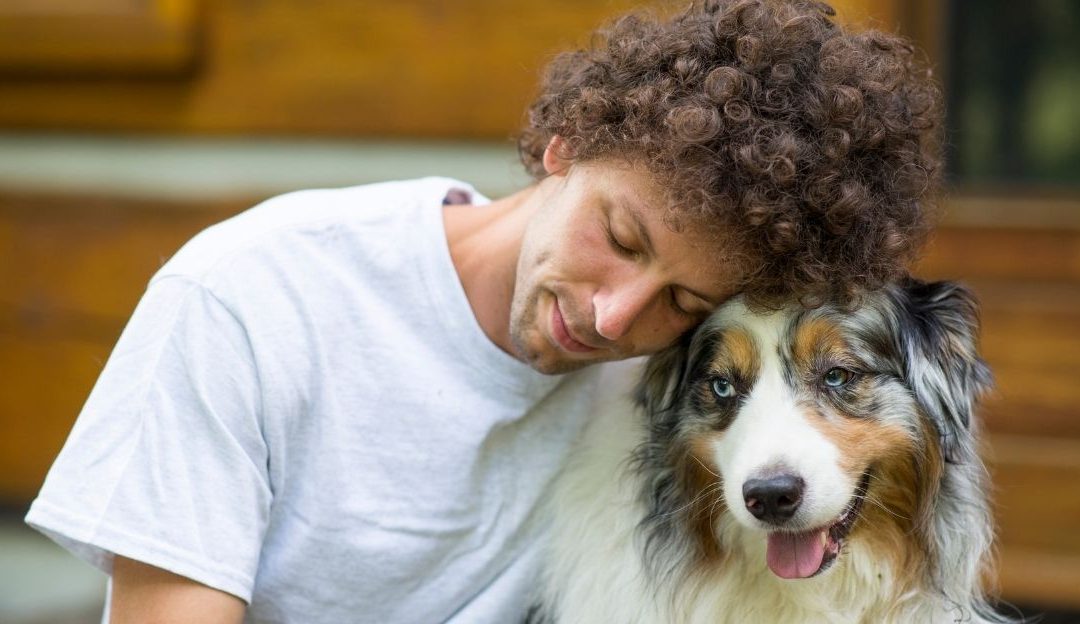
by Sasha Riess | 01.02.26. | Wellbeing
When we talk about decisions that affect a dog’s life, most people expect a simple answer such as “Do this” or “Never do that.” But the world of dogs and their behavior is far more complex than a single sentence. That is why the answer sometimes feels broader, slower, or requires more explanation. Not because there is no clear standpoint, but because responsibility always remains with you.
You know best the environment in which your dog lives. Only you know your conditions, your routines, your energy, and your boundaries. A dog feels safest and most balanced when you are stable, calm, and content, because your dog builds its entire world around you.
Why There Is No Single “Correct” Solution
This space, like all education you follow, exists to expand your understanding of topics that truly matter:
-
Homeostasis
-
Sterilization
-
Hormones
-
Behavior
-
Nutrition
-
Health
But the final decision is never a “blessing” or a “prohibition.” The goal is not to have an authority telling you what you must do, but to help you understand consequences so you can make decisions that fit your life and your dog.
That is why the answers are never short. Because life is not simple, and a dog is not a machine with a button.

A dog is stable only when the owner is stable.
Your Beliefs Shape Your Dog
You will feel fulfilled only when you live in alignment with what you truly believe. Your dog will be stable only when you are stable.
The decisions you make must match your values, your possibilities, and your way of life. For years I have worked not to be an authority that commands, but a source of trust. To offer a starting point, a framework, a reference. To give you enough information to decide for yourself what feels right and what does not.
And this is where your greatest power as a dog owner lies. To be responsible, informed, and consistent.
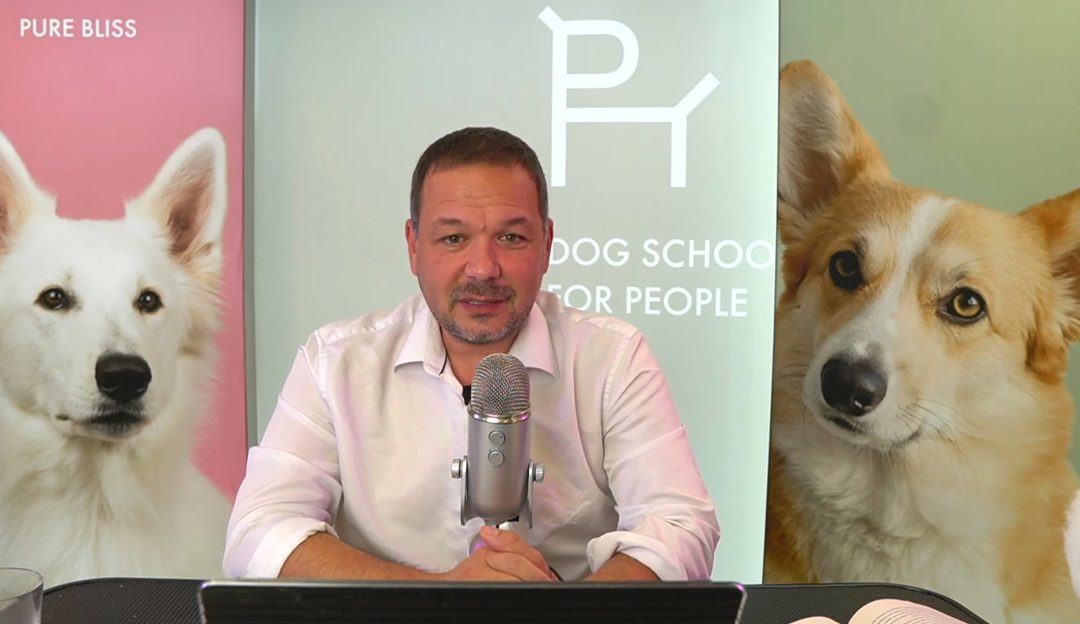
by Sasha Riess | 30.01.26. | Behaviour
There is one thing I often have to repeat: I never said that dogs have no soul.
The problem appears when long reflections, conversations, and explanations are reduced to a few seconds of video. In that process, the message is easily pulled out of context and receives a completely different meaning from what was actually said.
How Short Video Formats Change the Meaning of What Is Said
Reels and short formats follow the rules of attention, not the rules of understanding. People who edit content often try to preserve the essence, but the message can become:
Honestly, with some clips, even I do not recognize how they ended up in the final version.
Algorithms Choose Provocation, Not Explanation
Social media rewards what provokes a reaction. That is why the part mentioning a dog’s soul is what gets highlighted—it triggers strong and divided opinions.
An algorithm creates a false conclusion, making it seem like a provocative statement rather than an in-depth explanation. It makes it sound as if I said something I never actually said.
The Dog as a Conscious Being, Not an Object of a Method
My entire work, my life, and my relationship with dogs rest on one fundamental principle: the dog is a conscious being.
From this consciousness comes the dog’s ability to:
-
Understand the world it lives in
-
Find its place within it
-
Experience fear and insecurity
-
Experience joy, calm, and contentment
When I speak about this, I am not entering philosophical debates to provoke. I am explaining why working with a dog can never be mechanical.
When a message is pulled out of context, its meaning changes.
What Changes When We Stop Seeing the Dog as a “Problem”
When we see a dog as a being, not a „malfunction“ to be fixed, all key questions change: how we feed them, how we guide them, and how we react when something “does not work.”
The dog stops being a symptom treated by a method. The dog becomes a relationship built through understanding.
What Was Actually Said
A sentence pulled out of context does not represent a standpoint. If we speak about dogs, their behavior, emotions, and needs, then we must speak holistically.
Understanding a dog does not begin with technique. It begins with listening to the whole, not just a fragment.