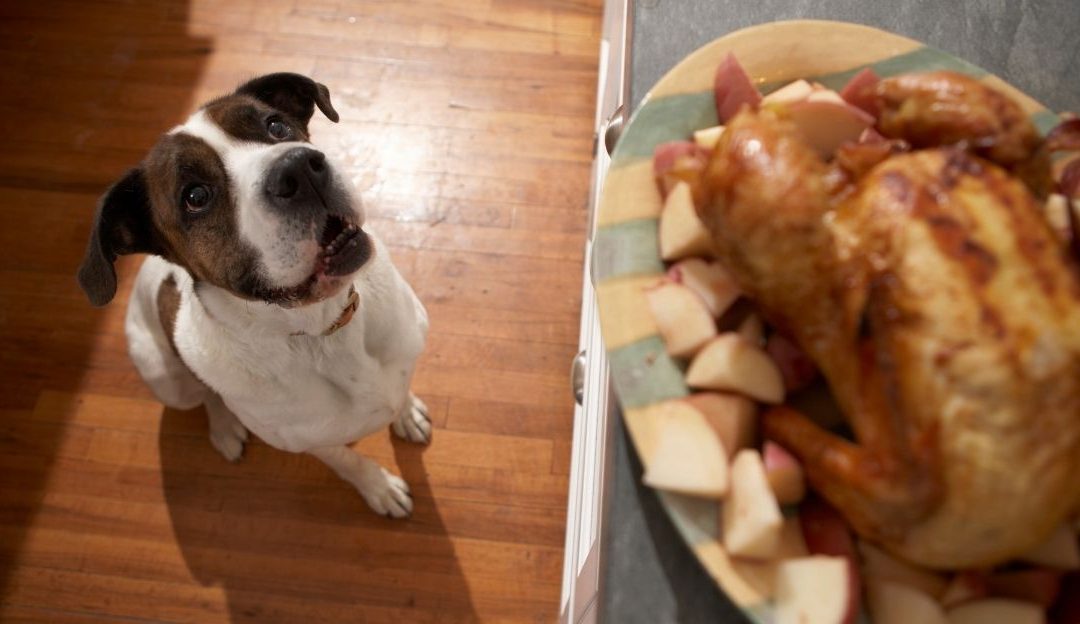
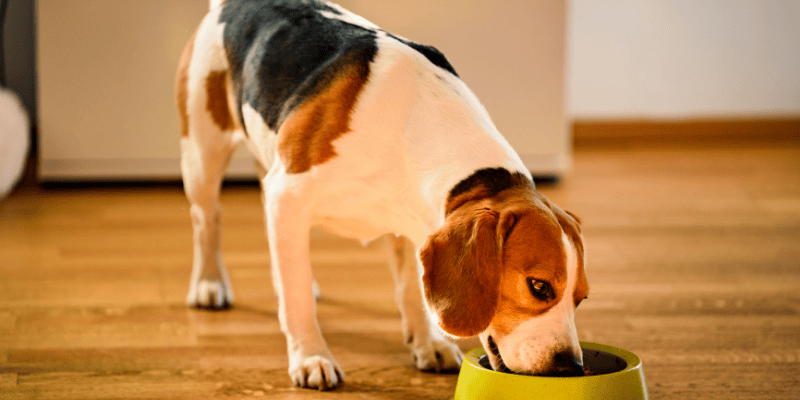
Feeding dogs table scraps is a common mistake owners make with good intentions. However, leftovers from your meals are often full of salt, sugar, spices, and seasonings that are inappropriate and harmful for their sensitive systems.
How to Prepare a Healthy Meal for Your Dog
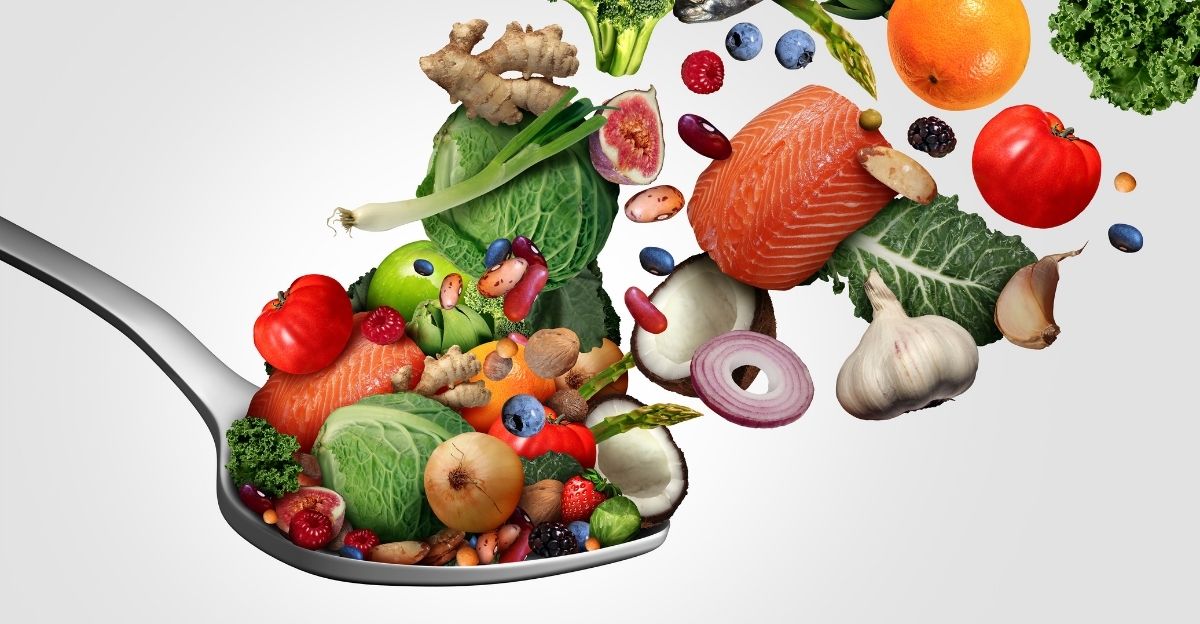
The point is not to forbid giving food to your dog, but to prepare a separate meal using the same basic ingredients you use for yourself. Instead of feeding dogs table scraps, prepare food from fresh vegetables and fruits that are part of your own cooking process.
This does not mean the dog eats your leftovers. It means that from the same fresh and healthy ingredients, a meal is intentionally prepared for the dog—without the harmful additives of a finished human dish.
[Image showing fresh vegetables being prepared separately for a dog]
The „Human Grade“ Standard
A simple rule to follow: if you do not eat kale or beets yourself, do not buy them specifically for your dog either. A dog should not eat what you would not eat yourself. By following this standard, you ensure the quality of their nutrition matches your own.
Why This Matters for Long-Term Health
Proper feeding protects your dog’s health and gut microbiome, prevents digestive issues, and helps the dog develop a healthy relationship with food. Avoiding the habit of feeding dogs table scraps supports:
Proper dog nutrition is the key to health and energy.
Conclusion: Love Shown Through Nutrition
Do not engage in feeding dogs table scraps. Prepare meals for them from the same high-quality ingredients you use, but adapted to their specific needs. This is how love is shown in the right way, ensuring your dog’s health is preserved through every bite.
At Sasha Riess, we believe that nutrition is the foundation of balance. By moving away from feeding dogs table scraps and toward intentional, fresh meals, you are nurturing a state of pureloveandharmony. Discover more about our holistic approach: Linktree Sasha Riess
If your dog has diarrhea, a natural remedy can often be both gentle and effective. Sasha Riess shares a trusted traditional recipe — carrot soup (purée) and rice with lean white meat — that helps dogs recover quickly and naturally.
When Your Dog Has Diarrhea — What Owners Should Know
As someone who has worked with dogs and their health for many years, I often receive worried messages: “What should I do if my dog has diarrhea?”
It’s a common issue — dogs have short digestive tracts and are very sensitive to dietary changes. But it’s important to understand that diarrhea in dogs doesn’t always require medication. In many cases, a natural approach is the best first aid.
A Traditional Recipe That Works
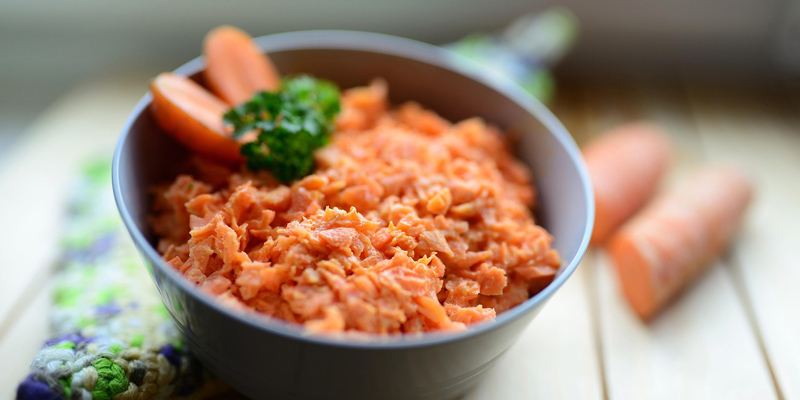
There’s one simple, time-tested home remedy I always recommend — carrot soup, or potage de carottes. This humble recipe doesn’t just stop diarrhea — it soothes the stomach, restores strength, and helps bring balance back to the digestive system.
Why Carrots Help
Carrots are rich in natural fibers, vitamins, and nutrients that calm and heal the stomach and intestines. That’s why this traditional recipe remains one of the most effective and gentle natural remedy for dog diarrhea options available today.
How to Prepare Carrot Soup for Dogs
Ingredients and Preparation
500 g (about 1 lb) of carrots
Water (just enough to cover the carrots in a pot)
Cut the carrots into larger pieces and boil them until soft. Then blend them with the water they were cooked in until you get a smooth, creamy soup.
Tip: Don’t open the lid too often during cooking — it helps preserve vitamins and minerals in the water, keeping the soup as nutritious and effective as possible.
Supportive Diet for Dogs with Diarrhea
In addition to carrot soup, a second daily meal can include cooked white rice mixed with boiled chicken or turkey breast, with just a pinch of salt. This combination is gentle on the stomach and intestines, helping the dog regain energy while calming digestive discomfort.
Carrot soup, or potage de carottes, is a gentle and effective traditional home remedy for diarrhea in dogs.
How Fast Does It Work?
From my experience, results can be seen within a couple of days. The stool becomes firmer, the dog’s energy returns, and overall mood improves. Owners are often surprised at how quickly this simple homemade recipe helps.
The Simplest Solutions Are Often the Best
Over the years, I’ve learned that traditional recipes hold timeless wisdom. Carrot soup is a perfect example — natural, inexpensive, safe, and effective. If your dog develops diarrhea, try this gentle method before turning to medication. Sometimes, the simplest remedies bring the greatest relief.
At Sasha Riess Wellness, we believe in the power of nature to restore balance. When you choose a natural remedy for dog diarrhea, you are supporting your dog’s innate ability to heal. Explore more tips: Linktree Sasha Riess
How many meals per day does a six month old puppy or an adult dog need? Here are practical guidelines for proper feeding schedules and timing between meals.
How to Feed a Puppy and How to Feed an Adult Dog
When I first started living with a dog, one of the questions I asked myself the most was: how many meals does a dog actually need per day? With my four month old puppy, I experimented with different feeding routines, and today, after years of experience, I can share what I have learned about feeding a six month old puppy and feeding an adult dog.
How Many Meals Does a Six Month Old Puppy Need?
A six month old puppy is still growing and developing, so it needs more meals than an adult dog. Ideally, at this age, a puppy should eat two meals a day, although some owners feed three meals depending on activity level and the dog’s build.
For smaller breeds, it is especially important that they take in enough food proportionally. A general rule is that a puppy eats three to three and a half percent of its body weight per day. For example, a ten kilogram puppy should eat around three hundred grams of cooked food daily.
How Many Meals Does an Adult Dog Need?
Once a dog reaches adulthood, things change. My own dog, for example, has been eating just one meal a day since he was four months old, and this has proven to be an excellent routine.
For an adult dog, the most important factor is having a long break between meals, at least six to seven hours. This allows the digestive system to rest and gives the body enough time to absorb nutrients. If it is difficult for the dog to finish the entire meal at once, the portion can be divided into two smaller meals, but ideally, it is better when the dog eats everything at once. This supports more stable digestion and better absorption of energy and minerals.
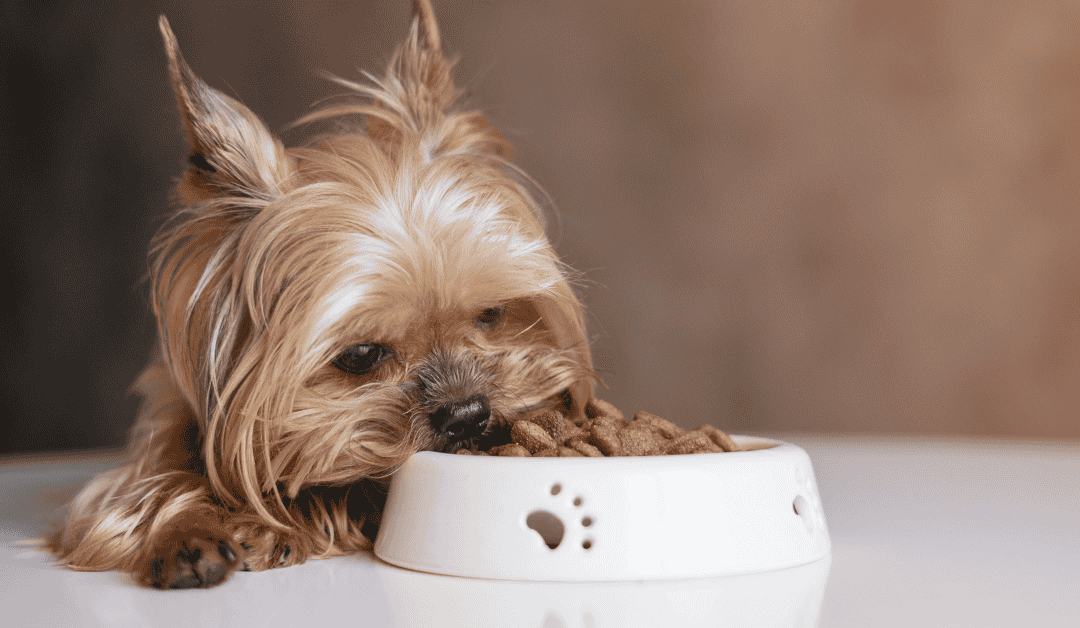
Adult dogs typically do well with one daily meal and long breaks.
Why Feeding Rhythm Matters More Than the Number of Meals
What I learned is that the number of meals is not what truly matters. A dog can consume the same amount of minerals and energy whether it eats once or three times a day. The difference is that the digestive process is restarted every time the dog eats. This is why fewer meals with longer breaks work better. The digestive system gets the chance to finish one full process before beginning another.
The Key Takeaway
For a six month old puppy, two meals per day are typically optimal, while adult dogs can thrive with just one meal a day. The key is that meals are nutritionally rich, properly portioned, and spaced out enough for the digestive system to rest. You can also make a natural probiotic to support digestion.
At Integrative and Holistic Grooming Education, we believe that true health starts with a balanced internal rhythm. Understanding your dog’s needs is the first step toward a long and harmonious life together. Explore our philosophy: Linktree Sasha Riess
Chronic gastritis in dogs is not only a digestive tract issue. It is often a signal that the dog is under stress or carrying an emotional burden that does not belong to him. When a dog enters a new environment or experiences a change in routine, the digestive system is usually the first to react. Stress and anxiety can significantly worsen gastritis.
Dogs with long term stomach problems often show additional signs such as pulling on the leash, excessive barking, jumping on people, or behaviors linked to anxiety. Chronic gastritis in dogs can weaken the immune system, leading the body to create inflammatory processes, bacterial and viral reactions, and increased histamine release.
How Chronic Gastritis in Dogs Reflects Stress and Anxiety
Stress does not affect only the stomach. In dogs with chronic gastritis, prolonged anxiety weakens immunity and triggers reactions the body would not normally produce. Observing behavior carefully and reducing stress are key steps in improving digestive health.
Proper routine and calm feeding help manage gastritis.
Support for a Dog With Chronic Gastritis
To improve the condition of a dog with gastritis:
Reduce stress by providing a stable routine, calm environment, and clear boundaries.
Observe behavior closely and recognize signs of anxiety or nervousness.
Support the immune system through walks, play, and mental stimulation.
Use veterinary guidance when needed. Supplements and therapy can help, but the first step is always reducing stress.
Why a Stable Environment Is Essential
Chronic gastritis in dogs shows how deeply a dog depends on a sense of safety. When we provide calmness, routine, and consistent guidance, the digestive system begins to settle, immunity strengthens, and anxiety responses decrease. Proper guidance does not only improve gastritis. It gives the dog a healthier and more balanced life.