by Sasha Riess | 15.05.26. | Coat Care
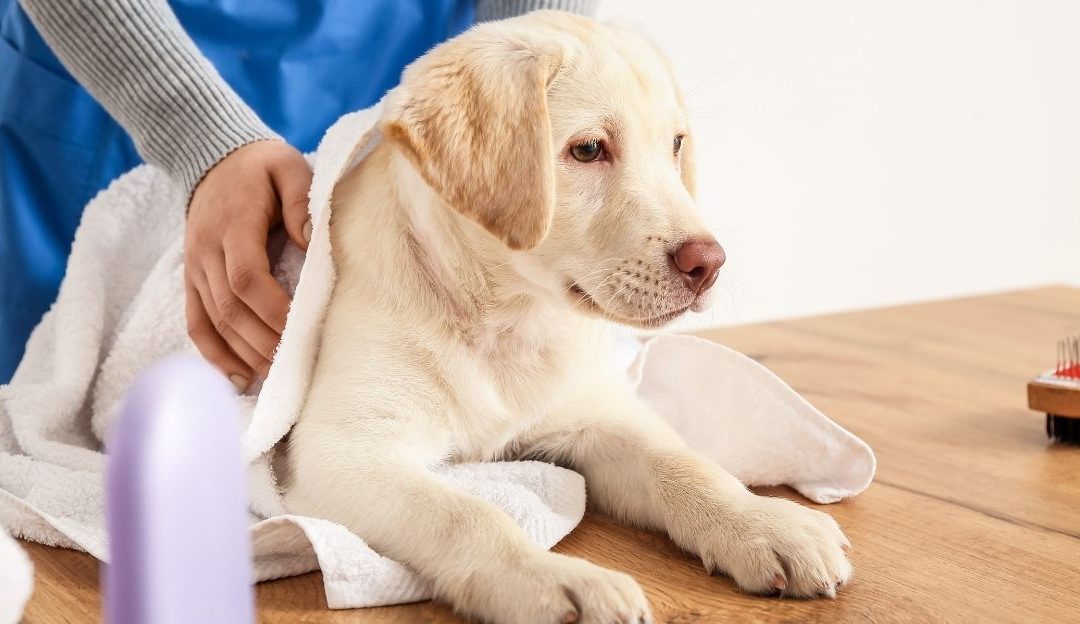
Wiping a dog with wet wipes is not forbidden, but only under certain conditions. The key question is not just can I wipe my dog with wet wipes, but what products are being used and how frequently the skin is being treated.
Which Wet Wipes Are Allowed for Dogs?
The most important thing is to check the ingredients. Wet wipes must never contain alcohol. Alcohol strongly dries out the skin and damages the natural protective barrier. This stimulates the skin to produce even more oil as a reaction, which can result in:
-
A greasier coat
-
Irritation and itching
-
An unpleasant odor
Better Alternatives for Daily Hygiene
In most cases, a simple damp cloth is completely sufficient. If you are wondering can I wipe my dog with wet wipes every day, consider these safer options:
If a dog gets dirty often, the solution is not constant wiping, but a properly adjusted hygiene routine.
The Role of High-Quality Conditioner
Using a premium dog conditioner helps the coat retain less grease and attract less dirt from the environment. When the coat is healthy, it is often enough to gently wipe the dog with a damp cloth without aggressive cleaning agents.
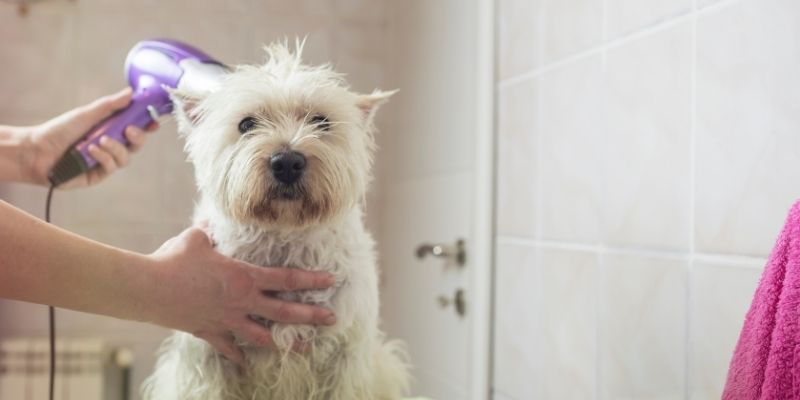
Alcohol in wipes can cause dry skin.
Why Constant Wiping Can Become a Problem
Wet wipes, even those without alcohol, should not be used constantly. Over-reliance on them can remove natural oils and disrupt the skin’s microbalance. When asking can I wipe my dog with wet wipes, remember that less is more. Over-drying the skin leads to faster soiling, creating a vicious circle.
The Essence: Preserving Natural Balance
The goal is to preserve natural balance, not sterile cleanliness. For those seeking the best for their dog’s skin, Sasha Riess Pure Love & Harmony uses 100% natural active ingredients like aloe, jojoba, lavender, and mineral-rich spring water to nourish without stripping away protection.
At Sasha Riess, we believe that true beauty comes from health. Understanding can I wipe my dog with wet wipes responsibly is part of maintaining the pureloveandharmony of your dog’s skin and coat. Discover our natural solutions: Linktree Sasha Riess
by Sasha Riess | 26.04.26. | Behaviour
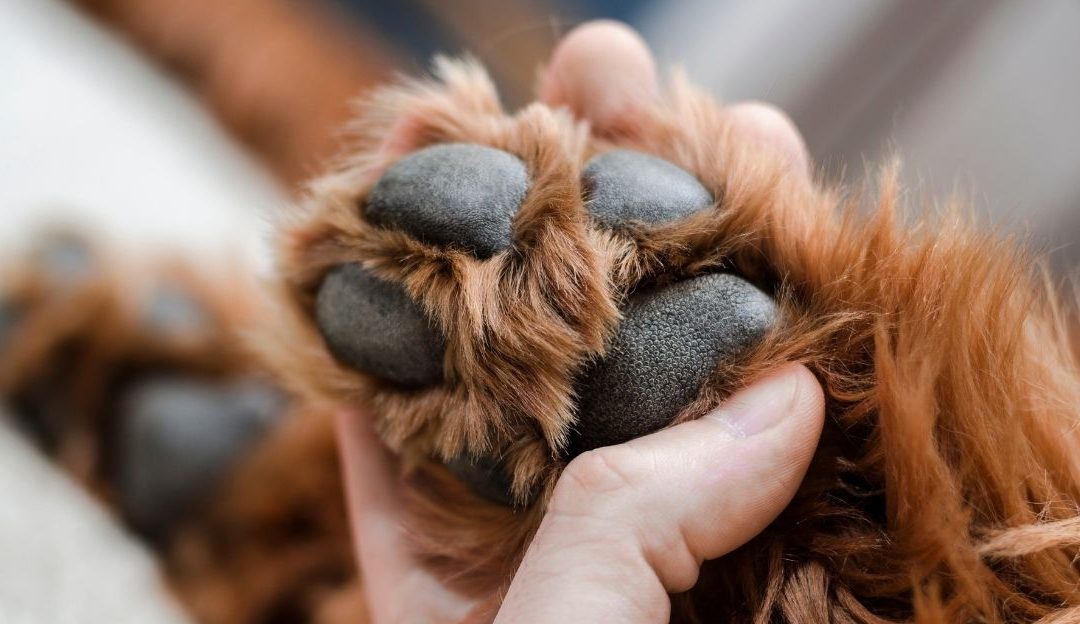
Many owners notice that their dog does not like having its front paws touched. The dog pulls them away, growls, or becomes uneasy. However, this is not a sign of disobedience but a natural reaction to sensitivity. A dog’s front paws have an extremely developed network of nerves, which is why they require special care and understanding.
The Biological Function: Why Are the Front Paws So Sensitive?
The front legs in dogs actually have a role similar to human hands. They are not only used for walking but also for exploring, holding, pushing, and carrying the weight of the body. They contain far more nerve endings than the back legs, which makes them more sensitive to touch, pain, and changes in the environment.
Because of this, many dogs do not like when someone touches their front paws, especially if they were not accustomed to touch from an early age. This sensitivity is not a sign of being spoiled; it is a biological reaction. Understanding why are dogs sensitive in their front paws helps us approach them with the respect they deserve.
How to Properly Handle a Dog’s Front Paws
To help your dog overcome this sensitivity, you must build a bridge of trust:
-
Get the dog used to touch: Start slowly, gently petting the front paws while the dog is relaxed.
-
Use praise: Each time the dog allows the touch, reward him with a gentle word or a treat.
-
Practice trust: Touch the paws without immediately trimming the nails. The dog needs to learn that touch does not mean pain.
-
Be careful during grooming: Approach the front legs with patience and care.
Why Some Dogs Refuse to Have Their Paws Touched
If you wonder why are dogs sensitive in their front paws to the point of refusal, it could be the result of:
-
A negative experience (previous pain or rough handling)
-
Naturally increased nerve sensitivity
-
Emotional tension or lack of trust toward the person
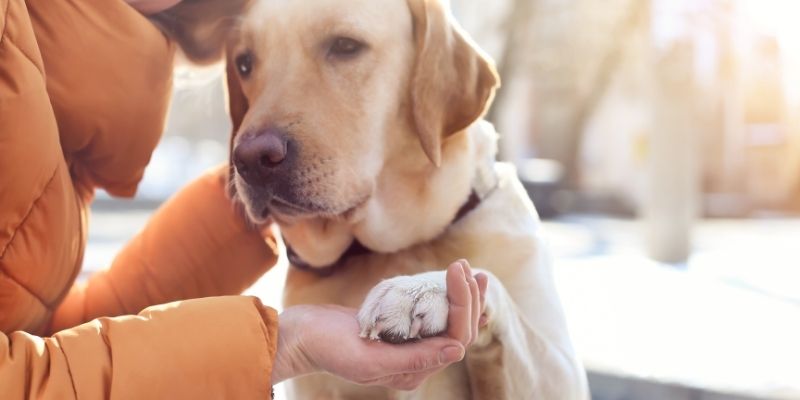
Acclimatizing your dog to having its front paws touched reduces fear and increases trust.
When a dog learns that touch is not a threat but a sign of care and affection, the reaction changes. The key is consistency, gentleness, and patience.
In the End
A dog’s front paws are what hands are for humans—a source of sensation, movement, and expression. Build contact with your dog through touch and reward, and over time the resistance will fade. This is how you build trust, which is the foundation of every healthy relationship between a dog and a human.
At Sasha Riess, we view grooming as a meditative touch. When you acknowledge why are dogs sensitive in their front paws, you move from maintenance to connection, achieving true pureloveandharmony. Discover more:Linktree Sasha Riess
by Sasha Riess | 20.03.26. | Behaviour
Building trust with a dog does not always mean petting or playing. True trust is revealed in moments when a dog has to experience something it does not enjoy: nail trimming, paw washing, or body care. In those moments, the way we behave determines whether we strengthen the relationship or create resistance and stress.
How to Build Trust With a Dog When Something Feels Unpleasant
When you need to do something your dog does not enjoy, it is important that you approach the dog, rather than calling the dog to you. Calling a dog to come and then exposing it to an unpleasant experience can seriously damage trust and later weaken the dog’s response to recall.
-
Prepare everything in advance: scissors, towel, reward.
-
Approach the dog calmly, without announcing what will happen and without talking.
-
Take the dog gently, but decisively.
This way, the dog does not enter a state of anticipation and fear, because there is no verbal buildup signaling that something unpleasant is coming.
Why Silence Builds Trust With a Dog
Many owners make the same mistake: they talk to the dog during an unpleasant procedure. “Good boy,” “Sweetheart,” “It will be okay.” Although it sounds gentle, this actually increases tension. Silence sends a clear message to the dog: this is normal, nothing dramatic is happening. Calmness and a short duration of the procedure help prevent the development of negative emotional reactions.
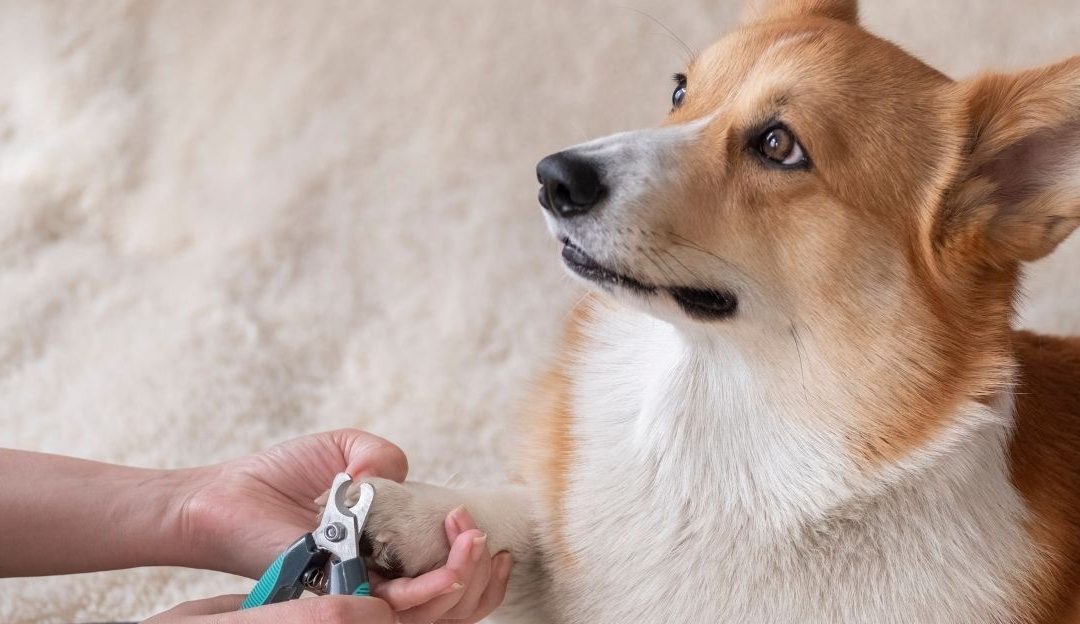
Nail Trimming and Trust With a Dog
Nail trimming is one of the most common reasons trust is lost. Instead of cutting all nails at once, it is much healthier to work gradually:
-
One nail
-
Short pause
-
Reward
-
Finish
The next day, another nail. There is no rush. The dog has lived with those nails for months or even years, a few more days will not cause harm. This approach builds trust without creating trauma.
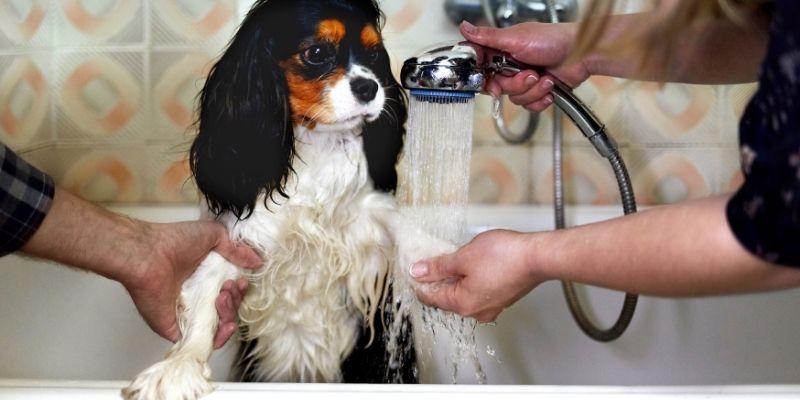
Silence and consistency help a dog accept unpleasant procedures.
How to Build Trust With a Dog During Paw Washing
The same rule applies to paw washing. Do not call the dog to come so you can wash its paws. You approach the dog. Without words. Without explanations. Quick, gentle, and clear. This is especially important with puppies, whose brains are highly plastic. How they experience care now can shape their relationship with these situations for life.
Reward Comes After, Not During
The reward should come after the procedure is finished, not during it. This helps the dog associate calm acceptance with a positive outcome, rather than constant emotional stimulation. Trust with a dog is not built through words, but through consistent, calm behavior.
At Integrative and Holistic Grooming Education, we believe that true connection is built in silence. When you approach a dog with calm intent, you become their source of safety. Explore our philosophy: Linktree Sasha Riess