by Sasha Riess | 28.05.26. | Wellbeing
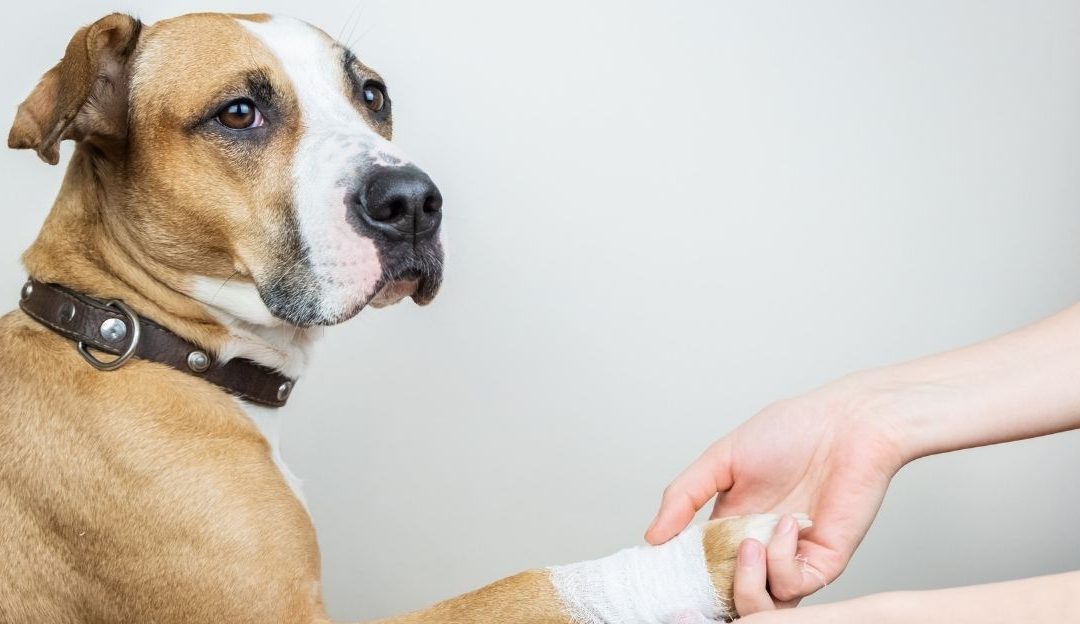
A cut paw in dogs, especially on the pads, often worries owners because it may seem like the wound is not healing. Although it can appear that the skin is not regenerating, in most cases, it is a slow but natural healing process.
Why a Cut Paw in Dogs Heals Slowly
The skin on paw pads is unique. It has no fur and regenerates layer by layer from within. That is why a cut paw in dogs may look open or uneven even while regeneration is already taking place beneath the surface.
Can the Skin on the Paw Pad Grow Back?
The pad does not heal by closing from the top, but by rebuilding from the inside. During this process:
-
The old layer gradually sheds.
-
New layers of skin form underneath.
-
The surface evens out over time.
What to Do if a Piece of Skin Is Hanging
If a piece of skin hangs or catches on surfaces, the goal is to achieve a flat and stable surface. It is vital to protect the paw from pressure and prevent additional tearing, but never cut randomly without professional advice.
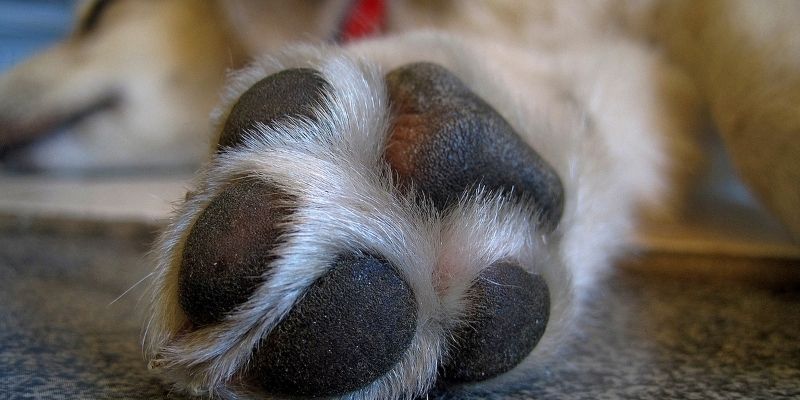
The unique, layered structure of the paw pad is built for natural strength and regeneration.
Bandaging and Protection
A cut paw in dogs can be temporarily protected with a bandage to reduce mechanical strain, especially if the dog is calm or the paw constantly contacts the ground. The purpose is to allow the skin to regenerate naturally.
When to Consult a Veterinarian
Consult a professional if the wound is bleeding, if there is swelling or infection, if the dog is limping, or if there is no progress for an extended period.
Patience Is Key
A cut paw in dogs must heal at its own pace. Providing rest and protection is the most important thing you can do to support this gradual process.
At Sasha Riess, we respect the biological rhythm of healing. Supporting a cut paw in dogs with patience and protection is a path to pureloveandharmony. Trust the process:Linktree Sasha Riess
Awakening With Dogs : Exploring the Profound Connection Between Dogs and Humans: Love, Resonance, and Healing
by Sasha Riess | 26.04.26. | Behaviour
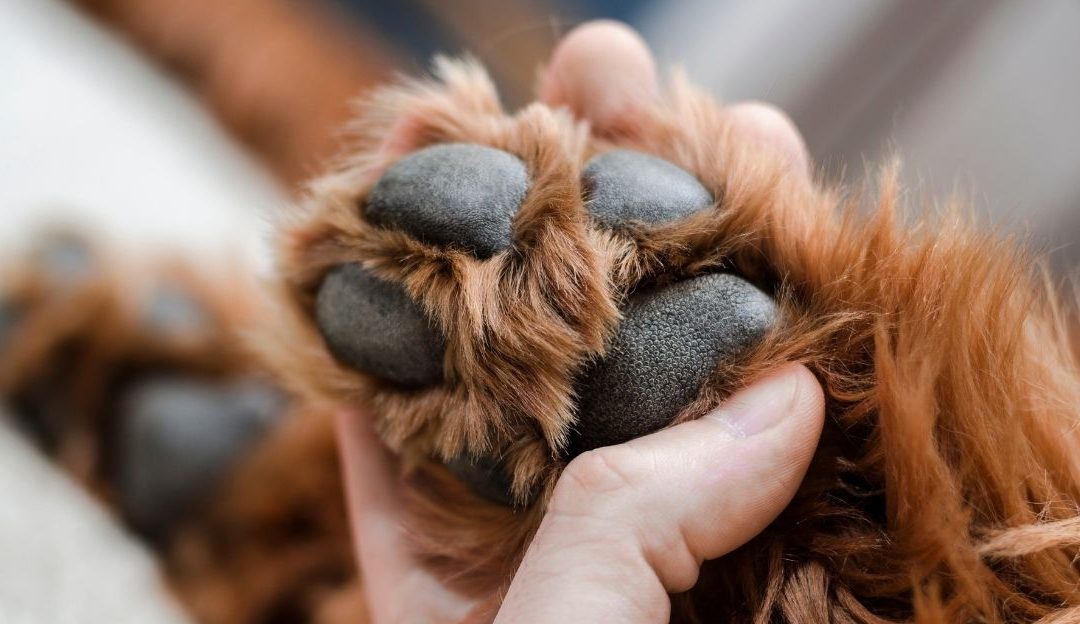
Many owners notice that their dog does not like having its front paws touched. The dog pulls them away, growls, or becomes uneasy. However, this is not a sign of disobedience but a natural reaction to sensitivity. A dog’s front paws have an extremely developed network of nerves, which is why they require special care and understanding.
The Biological Function: Why Are the Front Paws So Sensitive?
The front legs in dogs actually have a role similar to human hands. They are not only used for walking but also for exploring, holding, pushing, and carrying the weight of the body. They contain far more nerve endings than the back legs, which makes them more sensitive to touch, pain, and changes in the environment.
Because of this, many dogs do not like when someone touches their front paws, especially if they were not accustomed to touch from an early age. This sensitivity is not a sign of being spoiled; it is a biological reaction. Understanding why are dogs sensitive in their front paws helps us approach them with the respect they deserve.
How to Properly Handle a Dog’s Front Paws
To help your dog overcome this sensitivity, you must build a bridge of trust:
-
Get the dog used to touch: Start slowly, gently petting the front paws while the dog is relaxed.
-
Use praise: Each time the dog allows the touch, reward him with a gentle word or a treat.
-
Practice trust: Touch the paws without immediately trimming the nails. The dog needs to learn that touch does not mean pain.
-
Be careful during grooming: Approach the front legs with patience and care.
Why Some Dogs Refuse to Have Their Paws Touched
If you wonder why are dogs sensitive in their front paws to the point of refusal, it could be the result of:
-
A negative experience (previous pain or rough handling)
-
Naturally increased nerve sensitivity
-
Emotional tension or lack of trust toward the person
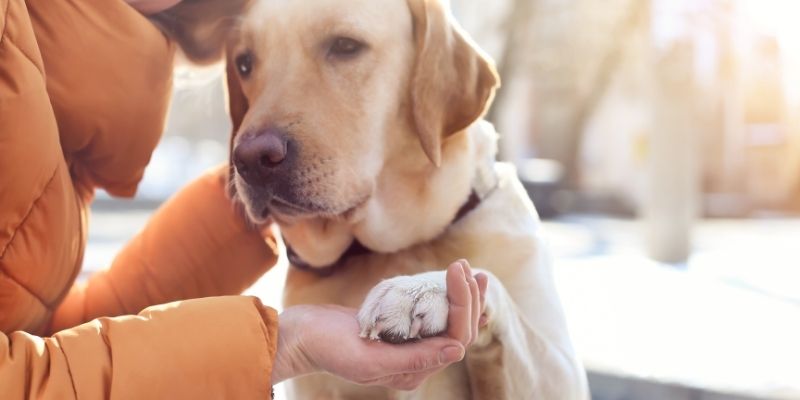
Acclimatizing your dog to having its front paws touched reduces fear and increases trust.
When a dog learns that touch is not a threat but a sign of care and affection, the reaction changes. The key is consistency, gentleness, and patience.
In the End
A dog’s front paws are what hands are for humans—a source of sensation, movement, and expression. Build contact with your dog through touch and reward, and over time the resistance will fade. This is how you build trust, which is the foundation of every healthy relationship between a dog and a human.
At Sasha Riess, we view grooming as a meditative touch. When you acknowledge why are dogs sensitive in their front paws, you move from maintenance to connection, achieving true pureloveandharmony. Discover more:Linktree Sasha Riess