by Sasha Riess | 21.05.26. | Nutrition
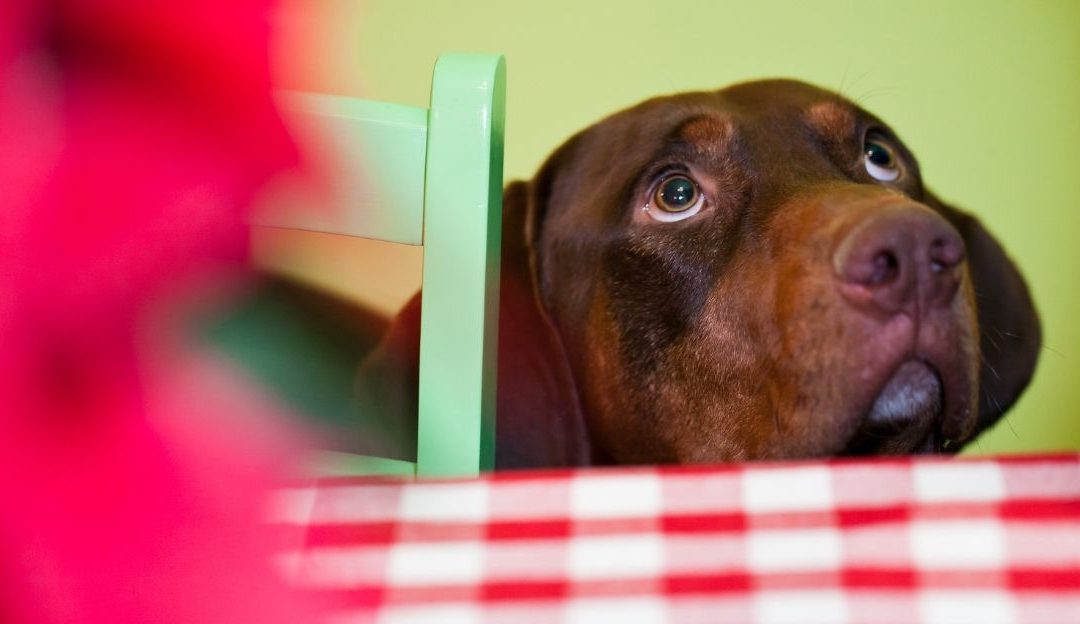
“My dog keeps begging while I am eating at the table.” “He looks at me with those eyes, I feel sorry for him.” “I gave him just a little.”
And that is exactly where the problem begins. Not in the dog, but in us. Feeding a dog out of pity is one of the most common ways we unintentionally damage our relationship with our pets.
How Feeding Out of Pity Creates a Problem
When feeding a dog regularly while you are eating, the dog does not learn to eat at its own time. Instead, the dog:
-
Learns that your presence is a condition for food.
-
Connects safety with you being there.
-
Loses structure in one of the most basic needs—nutrition.
The result is often not just a bad habit, but severe separation anxiety and the dog refusing meals when alone.
The Dog Does Not Understand Your Intention, Only the Context
You might think you are showing love, but the dog understands structure, rules, and consistency. When feeding a dog from the table or outside a routine, the dog interprets this as instability and an absence of leadership.
Urination is often a message of insecurity, not a health problem.
Why the Dog Refuses to Eat Its Own Meal
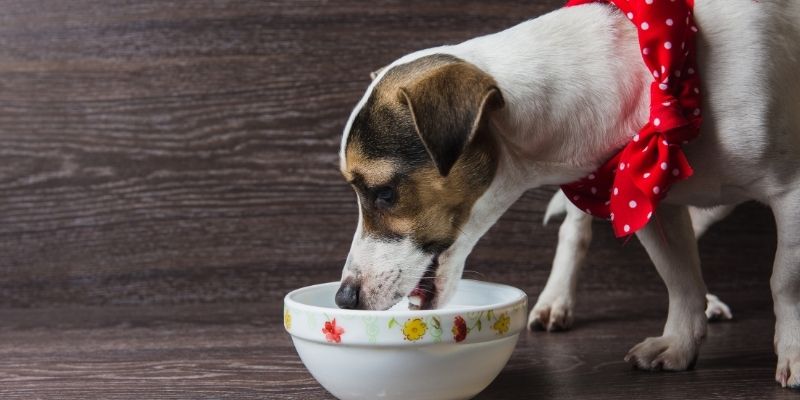
When it’s time for the dog’s actual meal, they are often already waiting for a “better option” because they know someone will give in. We often blame the dog for being “stubborn,” but in reality, we were the ones who said yes out of weakness.
Structure Is Not Coldness, Structure Is Safety
Structure means:
-
The dog eats at its own time.
-
The dog does not eat from the table.
-
The dog does not receive food just because it asks.
A dog that has structure feels safer and can stay alone more easily. They don’t constantly seek validation because they trust your leadership.
Why Feeding Out of Pity Can Be Fatal
Over time, inconsistent habits in feeding a dog lead to anxiety and a loss of trust. A dog you constantly give in to does not trust that you are capable of leading. And a dog without trust is a dog that suffers.
At Sasha Riess, we believe that true love is expressed through clear boundaries. Proper habits in feeding a dog are the foundation of pureloveandharmony. Establish your leadership and structure today: Linktree Sasha Riess
Sasha Riess Pure Love & Harmony Duo Pack The Complete Dog Coat Care System
The Dog Groomer’s Dilemma: Journey Trough Burnout, Belonging and Becoming
by Sasha Riess | 04.05.26. | Behaviour
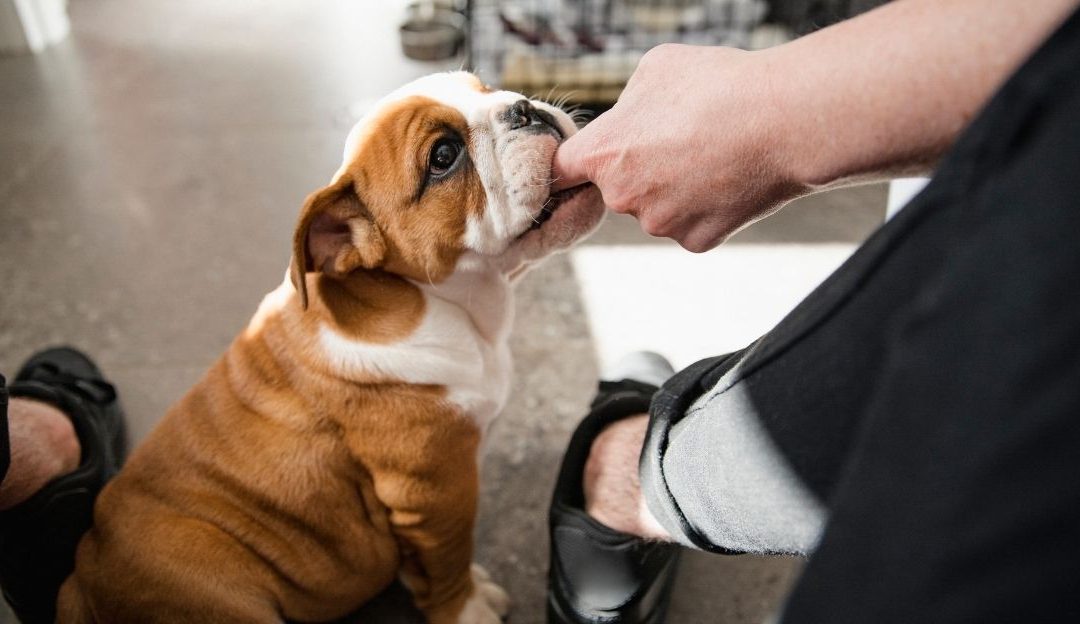
Nibbling hands, clothes, or skin often confuses dog owners, but it is important to understand that a dog who nibbles is not showing aggression. The dog is trying to communicate. The real question is not whether the dog nibbles, but how and in what context it happens.
Is Nibbling Play or a Problem?
In dogs, especially young ones, nibbling is a natural part of play and stress regulation. The problem begins when a human unknowingly participates in that play and reinforces it. Behaviors such as pushing the dog away, laughing, pulling the hand back suddenly, or shouting phrases like “hey, stop” actually do the following:
-
Increase excitement
-
Raise stress levels
-
Prolong the behavior
In these moments, the dog does not receive the message “no.” Instead, the dog receives confirmation that play is still ongoing.
[Image showing a dog nibbling and the correct human response]
How to Respond Properly When a Dog Nibbles
When a dog starts nibbling, the response must be calm, clear, and consistent.
The First Step: Stop the Interaction Gently move your hand away and clearly say: “Ay” or “No.” There should be no shouting, no additional words, and no explanations. This gives the dog a clear signal that a boundary has been crossed.
The Five-Minute Rule If the dog continues despite the warning, the rule of separation applies:
-
Calmly lead the dog into another room.
-
No talking, no anger, no physical contact.
-
The dog stays alone for approximately five minutes.
For a dog, separation from the group is the strongest message possible. This is not punishment in the human sense, but clear information: “With this behavior, you do not belong in the group.”
Why Separation Works
Dogs are social beings. Belonging to the group is more important to them than any physical correction. When separation is done calmly and without drama:
-
The dog connects behavior with consequence.
-
Understanding comes quickly.
-
Boundaries are learned without fear.
A dog does not think like a human, but instinctively understands exclusion from the group. Separation is communication, not punishment.
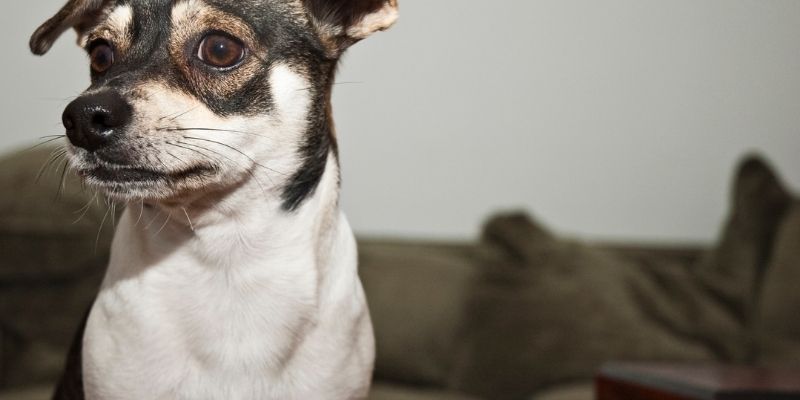
Isolation is a message, not a punishment.
What Should Never Be Done
To successfully address why dogs nibble, avoid these common mistakes:
-
Do not hit the dog.
-
Do not shout.
-
Do not explain.
-
Do not push your hand into the dog’s mouth.
-
Do not turn everything into play.
Dogs do not learn rules through noise and chaos, but through clear, consistent rituals.
Nibbling Is a Message, Not Disobedience
It is essential to understand this: a dog is not raised through punishment, but through rules of belonging. A dog that knows where it belongs has no need to test boundaries with its teeth.
At Sasha Riess, we believe that every interaction is an opportunity for clarity. Understanding why dogs nibble allows you to set boundaries that build trust rather than fear, leading to a state of pureloveandharmony. Discover more: Linktree Sasha Riess
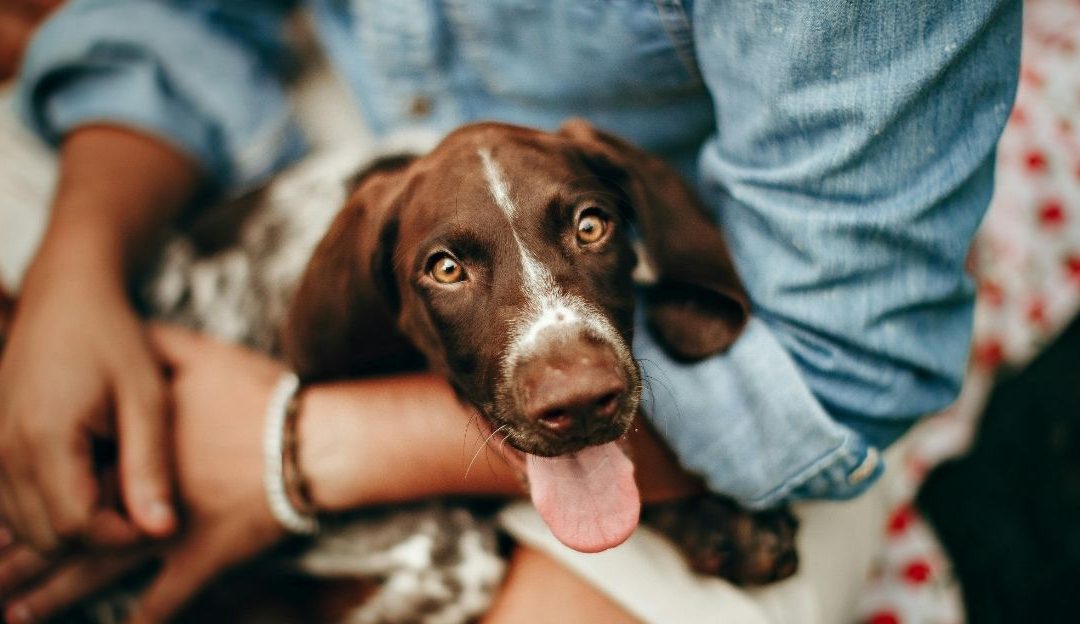
by Sasha Riess | 29.04.26. | Behaviour
If your dog constantly sticks to you, asks for cuddles, and never leaves your side, the reason is not only love. There is a deeper emotional mechanism that many owners do not see. Understanding why does my dog stick to me is the first step toward building a balanced relationship.
When Affection Becomes Control
It may seem sweet when a dog climbs into your lap and repeatedly asks to be petted. And it is sweet, but only as long as you are the one deciding when the cuddling happens. The moment the dog begins to set the pace, it becomes a small game of power. Dogs are masters at gently pulling us into their rituals, and we often unintentionally hand over authority.
How to Restore Balance and Leadership
The problem is not the need for closeness, but who initiates it. If you are wondering why does my dog stick to me in a way that feels demanding, try this:
-
Briefly ignore the request: When the dog comes for cuddles, remain calm and do not respond.
-
Wait for them to settle: Once the dog walks away and relaxes, wait a minute or two.
-
Initiate the contact: Call the dog to you. Now, the same cuddling happens, but on your initiative.
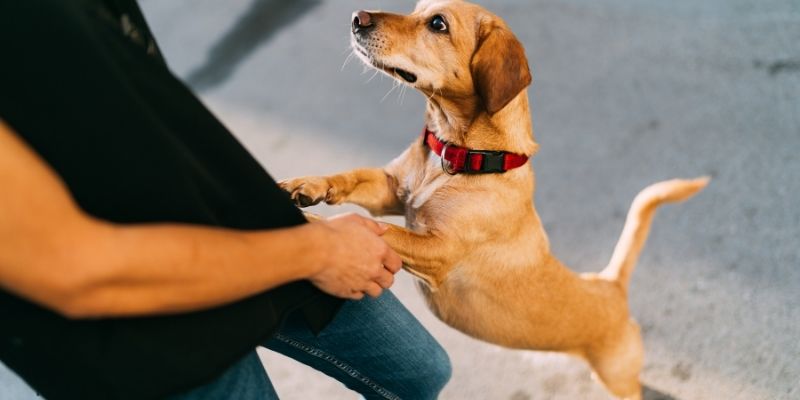
Affection is vital, but it should happen when you initiate it.
The Leader as a Provider of Safety
A dog does not need a boss; he needs a guide. Think of a wolf mother—she protects, gives boundaries, and offers love, but she also clearly shows what is allowed. This authority gives the pup a sense of safety. Without it, a dog feels lost, insecure, and constantly tense.
Our task is to give them a framework and the feeling that someone is steering the ship. That is what brings dogs peace.
At Sasha Riess, we know that true affection requires a foundation of structure. When you understand why does my dog stick to me, you can transition from being controlled to being a calm guide, restoring pureloveandharmony. Discover more: Linktree Sasha Riess
by Sasha Riess | 24.04.26. | Behaviour
When a dog refuses to come when called, especially outdoors, many owners immediately assume they are doing something wrong. However, the dog is rarely “disobedient.” Most of the time, the dog is making a decision based on the dynamics of the relationship with the owner and on past experiences. Understanding why a dog refuses to come is the first step toward building a reliable recall.
The Foundation: Why a Dog Refuses to Come at Home
For a dog to truly want to come when you call, the exercise must begin at home. A refusal to come is never accidental; it always has a reason rooted in structure—or the lack of it.
The first step is establishing a clear feeding ritual. After you take your bite and prepare the dog’s meal, take a few steps backward and call your dog to come to you. Even if the dog is already following you, it is important to say the command and then place the food down. When the dog finishes eating and moves away from the bowl, you lift it.
This creates structure and teaches the dog that your invitations have meaning, addressing the core issue of why a dog refuses to come by establishing you as the source of valuable resources.
The Sacred Channel of Communication
Rewards are a powerful tool, but only when used correctly. A “treat” should not be something that is constantly available. It should be a reward earned through a specific behavior. That is why it is ideal for the dog to receive a reward every time it comes when called, and never in any other situation.
Food is, for dogs, a sacred channel of communication, and it should be used with intention and clarity. Through this process, the dog learns that coming when called always brings something positive—a predictable and safe behavior.
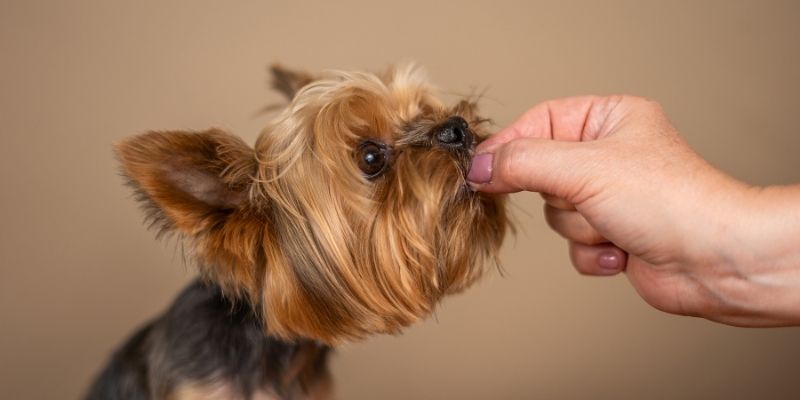
Training a reliable recall always begins at home, far before attempting the park.
Extending the Ritual Outdoors
Once you establish these rituals at home, they gradually extend to outdoor situations as well. Keep in mind that a dog does not ignore your call “on purpose.” The dog simply follows what its inner experience tells it is more important in that moment.
When you wonder why a dog refuses to come in the park, it is usually because the environment is more rewarding than the owner. Your task is to make your call the most valuable signal in your dog’s environment through consistent home-based rituals.
At Integrative and Holistic Grooming Education, we believe that every command is a conversation. When you understand why a dog refuses to come, you stop fighting and start connecting. Discover the path to pureloveandharmony: Linktree Sasha Riess
by Sasha Riess | 19.04.26. | Behaviour
When a dog is left alone at home and begins to cry, howl, scratch the door, or destroy items, many owners think it is simply “being spoiled.” However, in most cases, this behavior is separation anxiety, a deep fear that the owner will not return or that the dog has been abandoned.
This problem is common, but often misunderstood. Out of good intentions, owners start sacrificing their own life, staying home, avoiding plans, and adjusting everything to the dog, believing it will help. But this actually makes the problem worse.
Why Excessive Sacrifice Hurts the Dog
Dogs that suffer when left alone are not just “sad.” They are anxious, and the anxiety becomes stronger each time their fear “works.” When the owner avoids obligations or returns quickly because the dog cries, the dog receives the message: “You are right to be afraid. The world is dangerous without me.”
Dogs do not want us to sacrifice ourselves. They want a stable, calm, confident human who shows them that leaving is normal and returning is certain.
Secure Attachment vs. Separation Anxiety
Dogs with secure attachment can stay alone because they know the owner always returns and they feel they are in a predictable routine. On the other hand, a dog with separation anxiety experiences panic. To them, the owner has disappeared forever. This results in:
-
Urinating or defecating indoors
-
Chewing furniture or belongings
-
Scratching doors until injuring paws
-
Trembling, whining, or circling endlessly
These are not “bad habits”; this is a physiological response to fear.
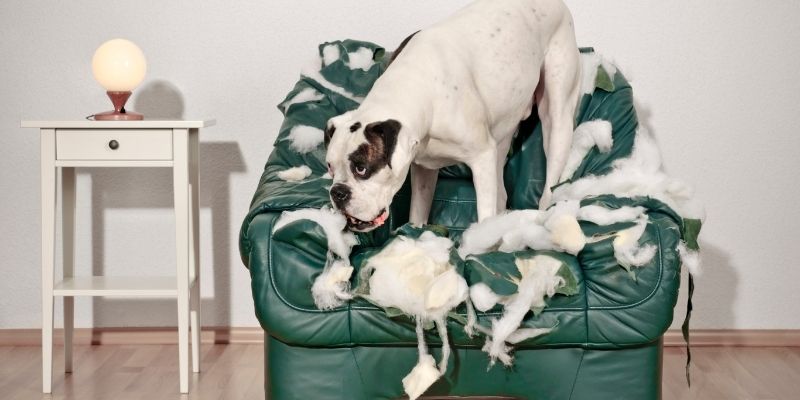
Destroying objects is one of the common signs of separation anxiety.
How to Help a Dog Stay Alone Without Stress
The good news is that most dogs can be rehabilitated. Here are the most important steps:
-
Introduce short departures without drama: No long goodbyes. Simply leave and return after a minute or two.
-
Ignore exaggerated emotional reactions: Attention strengthens panic.
-
Teach independence while you are at home: Practice short “stay” exercises in different rooms.
-
Do not return because the dog is crying: This reinforces fear. Return only when the dog is calm.
One Important Truth Every Owner Should Know
A dog who cries when left alone is not spoiled; the dog is scared. But a dog who cannot stay alone is not happy; the dog is dependent. And dependence is never love. Love is safety, trust, and the freedom for a dog to stay calm even when you are not there.
At Integrative and Holistic Grooming Education, we teach that a balanced dog starts with a balanced owner. Separation anxiety is an energetic knot that can be untied with the right approach. Restore the pureloveandharmony in your home:Linktree Sasha Riess