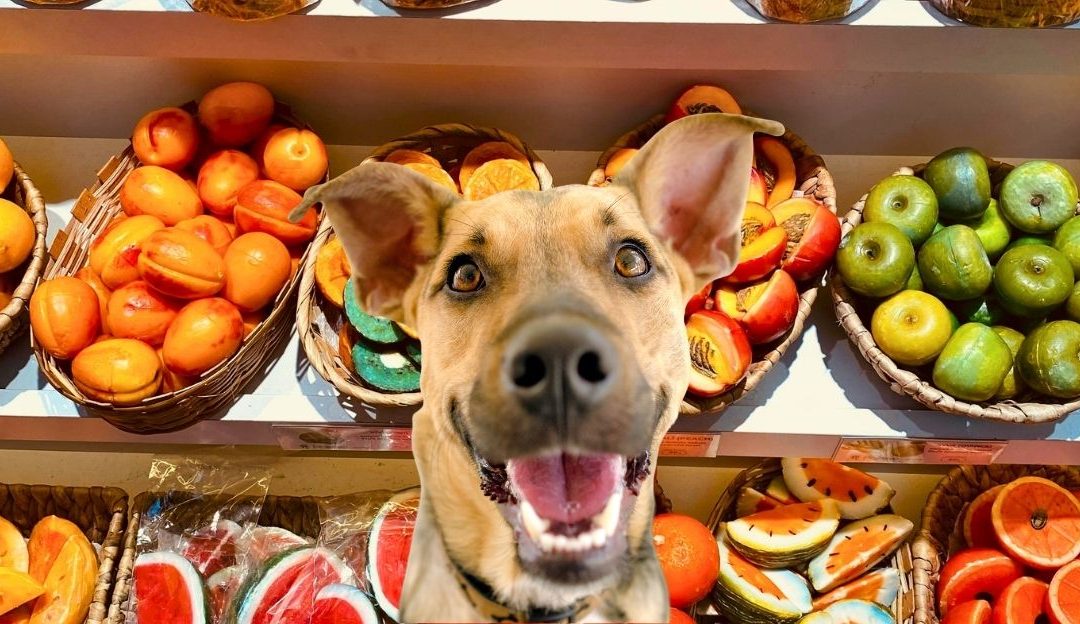
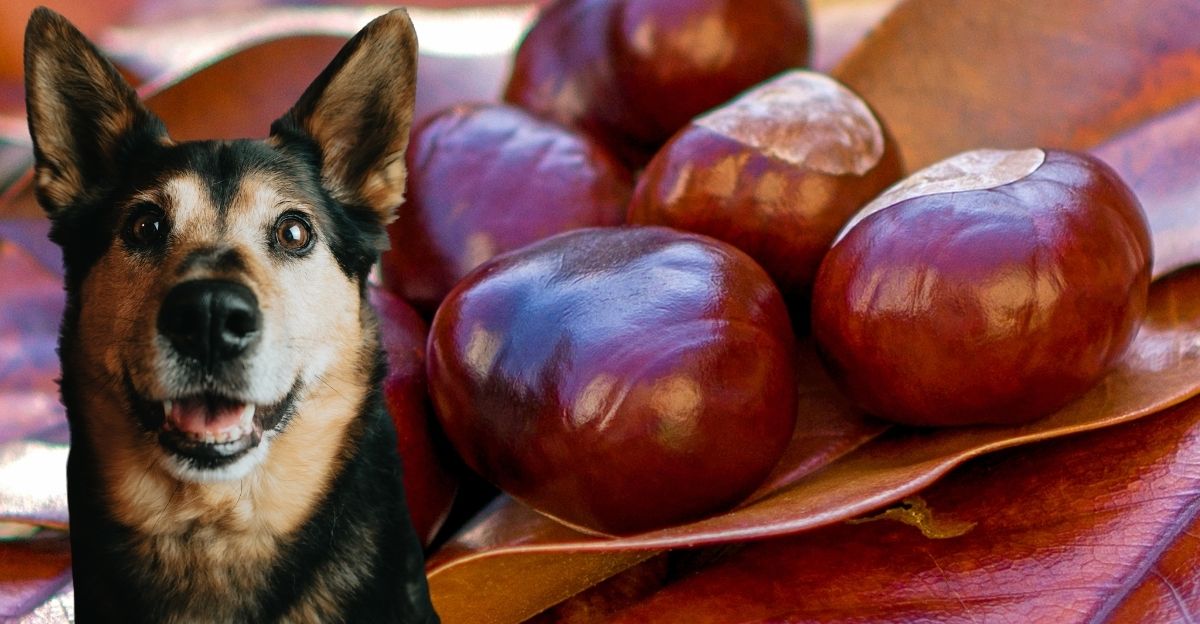
When it comes to canine nutrition, owners often have doubts about foods that we use in our daily diet. The short and simple answer to the question of whether can dogs eat oranges, mandarins, kiwi, grapefruit, lemon, and chestnuts is yes. However, this answer comes with an important “but,” which relates to moderation and the individual needs of your dog.
Everything Depends on Quantity and Frequency
Although these foods are generally safe, they should not be a daily part of the diet. It is recommended to give them once or twice a week, or even every other week, depending on how your dog is normally fed.
The most important thing is to observe your dog. For some dogs, these fruits may be an easy treat they tolerate without problems. For another dog, even a small piece may act like a “test pill” for the stomach.
Observe Your Dog’s Digestive System
The decision about whether something is good for your dog always depends on the condition of its body. Before offering kiwi or citrus fruits, ask yourself:
How stable is my dog’s digestive system?
Is the stomach sensitive or already irritated?
Is the stomach acidity too weak or too strong?
All these factors influence how a dog will react. Even a generally safe food can cause problems if the stomach is not ready to process it.
The safety of food is always relative to the individual health of the dog.
You Make the Final Decision
The safety of foods such as chestnuts or lemons is always relative to the individual health of the dog. Your role as an owner is to observe your dog’s reactions and make decisions accordingly. Dog nutrition is not a universal template, but a living process that you adapt to the individual being you know best.
At Sasha Riess, we believe nutrition is a conversation between the leader and the dog’s biology. When we listen to their digestive system, we create pureloveandharmony. Discover more insights: Linktree Sasha Riess
If you want your dog to eat healthy, natural food, try making homemade kibble. Here’s my recipe and personal experience — step by step.
Why I Started Making My Own Dog Kibble
For years, I searched for a way to provide my dog with healthy, nutritious food — especially when traveling. Commercial kibble is often full of additives and preservatives, so I decided to make it myself. The result amazed me — my dog eats with joy, and I know exactly what ingredients go into his bowl.
Preparing the Meat and Vegetables
2 kg (4.4 lb) organ meats 1 kg (2.2 lb) fruit 1 kg (2.2 lb) vegetables
I started with about two kilograms of organ meats, finely chopped and lightly sautéed. Then I added the rest of the meat and cooked everything together until tender. For vegetables and fruit, I used what I had on hand: apples (sweet and firm), zucchini, sweet potatoes, carrots, and regular potatoes. Once everything was cooked, I strained the broth and set it aside — that nutrient-rich soup can later be added to meals.
Blending and Shaping the Mixture
I placed the cooked meat and vegetables in a blender, added a little of the reserved broth, and two ice cubes. The ice helps create a smooth, creamy texture and makes blending easier — much like preparing hummus. I blended everything into a fine pâté. Next, I lined a baking tray with parchment paper, spread the mixture evenly, and smoothed it out with a spoon. I trimmed the excess paper to make it easier to remove the kibble later.
Drying in the Oven
This process is similar to industrial production — the kibble isn’t baked but dried. I set the oven to the lowest temperature and placed the tray inside. Drying takes about 3–4 hours (depending on the oven and whether you use a fan), but patience is key — slow drying removes moisture and gives the kibble the proper crunchy texture.
When the kibble was completely dry, I stored it in a glass jar with a lid. It can be kept in the refrigerator for up to one month, always ready to use — whether at home or on the road. My dog enjoys it just as much as freshly prepared meals.
Worth Every Minute
Making homemade dog kibble takes some time, but the result is worth every minute. I know exactly what my dog eats — only healthy, fresh ingredients with no chemicals or fillers. My advice to all dog owners: try it at least once. After that, it’s hard to go back to industrial food.
At Integrative and Holistic Grooming Education, we believe that food is medicine. By preparing your dog’s meals, you are not just feeding their body, but honoring their life. Explore our philosophy: Linktree Sasha Riess
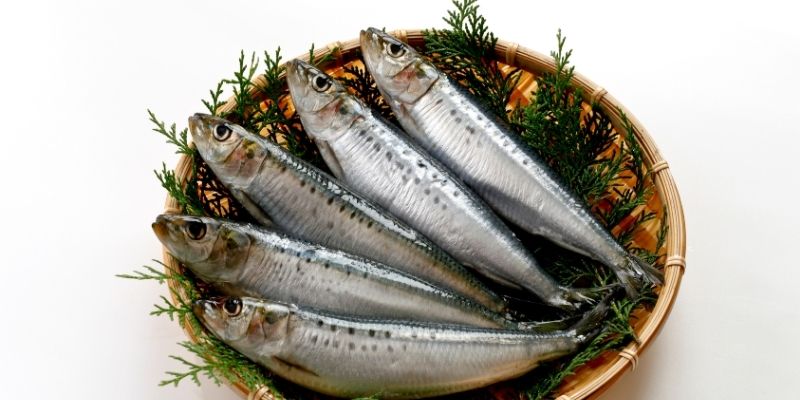
Sardines can be an excellent choice for dogs. They are easy to digest, rich in omega fatty acids, and full of nutrients that support skin, coat and the immune system. However, the key is that a dog should eat food that naturally exists in the diet of its owner. If sardines are part of your own table, then you can occasionally include them in your dog’s menu as well, but always in reasonable amounts and in a way that is safe for their digestive system.
Why Is Food We Eat Recommended for Dogs?
Dogs easily pick up the energy, rhythm and eating routine of their owner. The food you enjoy usually suits the dog too because it is part of the shared living environment. If your home often includes sardines, fruit or light meats, your dog will naturally gravitate toward those foods on an energetic level. The most important rule is simple: Do not buy anything for your dog that you would not eat yourself.
Can Dogs Eat Sardines Without Any Risk?
In most cases, yes. Can dogs eat sardines without harm? Generally, sardines are safe for dogs, especially when cleaned and free of salt and spices. Cooked or lightly prepared sardines are the best choice. There are very few foods that can harm dogs, and fish generally does not belong to that category. Still, it is important to avoid overly fatty or seasoned foods, as well as industrial fish products that contain too much salt.
Sardines can be a tasty and healthy addition to a dog’s diet.
How to Occasionally Add Sardines to a Dog’s Diet
Sardines can be added to the main meal, especially if the dog eats homemade food. You can chop them and mix them into the meal, combine them with vegetables or add them as an occasional protein source instead of meat. On days when you prepare fish for yourself, you can set aside a small portion for your dog so that their diet remains natural, balanced and energetically aligned with you. This answers the frequent question, „can dogs eat sardines as a regular treat?“ — yes, as long as it aligns with your shared rhythm.
Can a Dog Be Vegetarian or Vegan?
Theoretically yes. Practically, only if the owner knows exactly what they are doing. Dogs can live on a plant based diet, but only if the meals are prepared carefully and with proper fermentation of carbohydrates so that insulin does not rise. Unfermented rice, quinoa or other carbohydrates can cause long term problems with the pancreas, thyroid gland and insulin resistance. Therefore, if you are considering a plant based diet for your dog, you must be very responsible and well informed.
At Integrative and Holistic Grooming Education, we believe that every physical symptom is a message. Understanding these signals and addressing them through a holistic lens is at the heart of everything we teach to ensure the well-being of every dog in our care. Learn more about our Holistic Approach.