by Sasha Riess | 03.07.26. | Behaviour
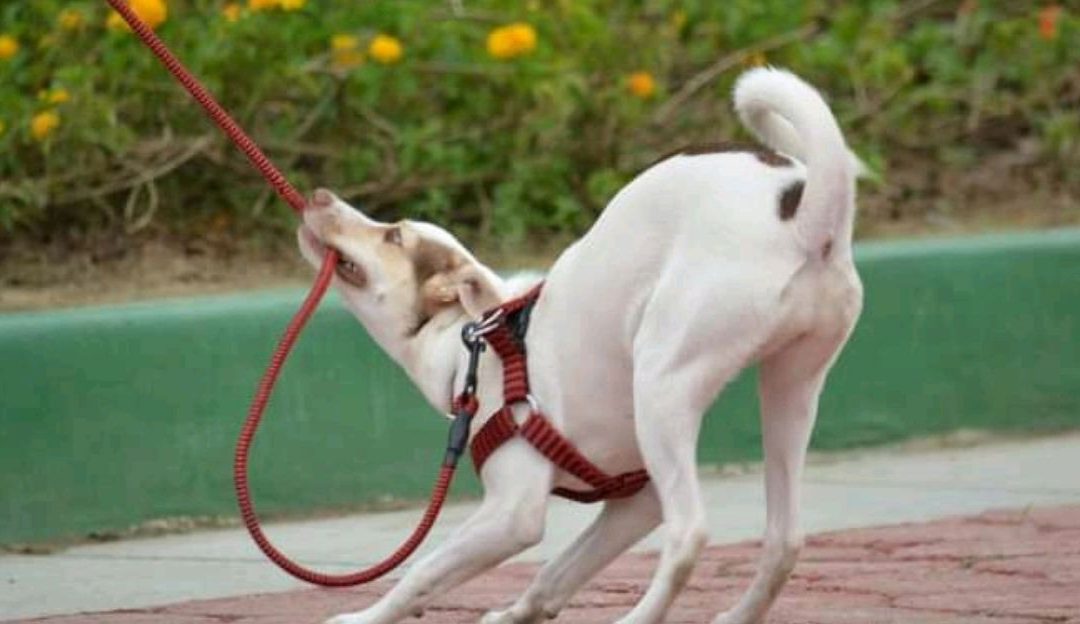
Stress cannot be separated from the context of health. Dogs that become ill are often the ones that have been warning us for a long time through their behavior. These warnings include pulling on the leash, excessive barking, or other similar issues.
Consequently, these behaviors are not just “bad manners.” They are clear results of a physiological collapse that has not yet escalated into a visible symptom. Therefore, understanding how stress triggers dog illness is essential because this silent killer changes the internal state long before a diagnosis.
The Trap of Symptom Masking
People often try to “smooth over” the problem or mask the symptom. However, this approach leads to losing the opportunity to resolve the issue at its core. A common example is self-deception around food allergies.
Many owners say that their dog is allergic to chicken, so they stop giving it. They believe the dog is now perfectly healthy. No, your dog is not healthy. He simply does not eat chicken. Give it to him, and you will see how ill he actually is. Ultimately, avoiding a trigger is not the same as healing the organism. This misunderstanding shows exactly how stress triggers dog illness by hiding systemic weakness.
Microbiome, Stress, and the Relationship With the Human
We return again to the processes within the microbiome. This internal system is inseparably connected to the level of stress. Furthermore, stress connects directly to the relationship between the human and the dog.
The Silence That Screams: Are We Leaving Our Unlived Wounds to Children and Dogs?
Bathing Dogs: Hygiene That Protects Internal Organs
Creative Flow in Grooming: The Moment When Technique Ends and Magic Begins
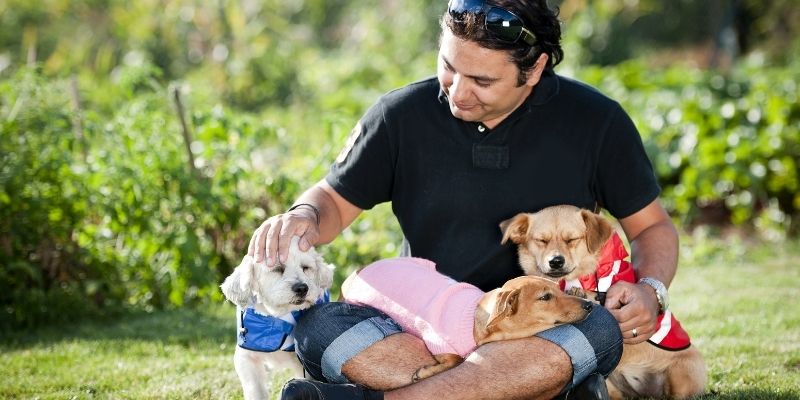
True healing begins with a deep change in communication and environment.
If you truly want to work on your dog’s health or behavior, you cannot skip the most important step. Whatever you plan to do, you must first remove stress.
Without eliminating stress, any therapy becomes only temporary masking. True healing begins with a deep change in communication and environment. This shift allows the microbiome and the nervous system to return to balance. To explore more about building a balanced connection with your companion, read our holistic behavior guidelines.
At Sasha Riess, we look past superficial symptoms to heal the deeper energetic and physiological imbalances. Eliminating stress from your dog’s environment is the first step toward true vitality and pureloveandharmony. Start your healing journey today:Linktree Sasha Riess
👉 Follow our Facebook page and never miss our latest articles, news, and updates.

by Sasha Riess | 01.07.26. | Behaviour
There are things we can hide from a partner, friends, and sometimes even from our own awareness. However, there is one being in front of whom every mask becomes useless. Your dog knows the truth.
I often receive complaints from owners about “strange” canine behaviors. These include persistent mounting of a leg or sudden possessiveness. What most people interpret as a behavioral problem is often a manifestation of something hidden. Indeed, a dog does not live what it sees. Instead, it lives what it feels in the air. Therefore, you must understand how your companion acts as an intuitive dog emotional mirror.
Energy You Cannot Hide From Your Dog
When a dog begins to display obsessive dominance or irritating behaviors, it creates immediate tension between partners. Consequently, the animal is revealing the hidden dynamics of the relationship. Dogs sense subtle shifts in energy, internal stress, and emotional distance. They perceive the presence of a “third person” in the emotional space, even if that person is not physically present.
The dog becomes a mirror of the relationship between partners. Because of this deep connection, it lives the secret that people try to suppress.
The “Secretary” Case: When Symptoms Disappear with the Truth
I once handled a case where a wife was desperate because the dog constantly mounted her husband’s leg. Naturally, this action irritated her enormously. Later, the truth came out. The dog had been reacting to a change in the husband’s energy. This shift was caused by a secret relationship with his secretary.
The moment the truth came out and the marriage ended, the dog spontaneously stopped the behavior. Therefore, the problem had never been the dog or its natural instincts. The problem was the energetic imbalance within the home.
Between Love and the System: The Paradox of Veterinary Ethics
Bathing Dogs: Hygiene That Protects Internal Organs
The Silence That Screams: Are We Leaving Our Unlived Wounds to Children and Dogs?
True behavioral balance returns naturally the moment we restore energetic harmony within the home.
You cannot hide anything from a dog. Your companion connects deeply to the emotional atmosphere of the home. Furthermore, the animal reacts to every single crack in human integrity.
If your dog suddenly behaves in a strange way, do not look for the solution only in training. Sometimes the answer lies in the truth of your relationships. To explore more about how animals process human energy and environment, read our holistic behavior guidelines.
At Sasha Riess, we teach that a dog’s behavior is the direct reflection of your inner world. True wellness means living in absolute authenticity to bring ultimate pureloveandharmony to your companion. Connect with your dog’s true nature today: Linktree Sasha Riess
👉 Follow our Facebook page and never miss our latest articles, news, and updates.
by Sasha Riess | 29.06.26. | Wellbeing
Natural protection against fleas and ticks in dogs is a topic of growing interest among owners who want gentler and safer alternatives to chemical treatments. Fleas and ticks pose a serious risk to a dog’s health, especially during warmer months.
Therefore, it is important to understand what natural products can and cannot provide. Learning how to properly prepare natural dog tick defense solutions can help you safeguard your pet’s well-being without relying solely on synthetic chemicals.
Homemade Spray for Natural Dog Tick Defense
This homemade spray can be used as supportive protection, especially before walks and time spent outdoors.
Ingredients for the natural spray:
-
500 ml of water
-
2 tablespoons of apple cider vinegar
-
1 drop of peppermint essential oil
-
1 drop of lavender essential oil
-
1 drop of grapefruit essential oil
-
1 drop of citronella essential oil
-
150 g of pure aloe vera gel
Combine all ingredients, mix thoroughly, and pour into a spray bottle.
How to Use Natural Protection Against Fleas and Ticks
Use the spray immediately before a walk. You can apply it safely in the following ways:
Do not apply the mixture to the muzzle, eyes, ears, open wounds, or irritated skin. This type of repellent formula is intended to make insects less attracted to the dog rather than to eliminate them completely. This preventative method is a core principle of natural dog tick defense routines.
Important Warning – Realistic Expectations Regarding Ticks
There is no natural product that can fully protect a dog from ticks. Natural alternatives do not replace veterinary protection, nor do they guarantee complete safety. Consequently, they require a regular inspection of the dog after every walk. Ticks can still attach despite all precautions, which is why checking the coat and skin remains an essential part of responsible care.
How to Get a Dog Used to a Cat: The Secret Is Not Training, but Your Authority
Grooming as a Space of Healing: How to Reclaim Inner Peace
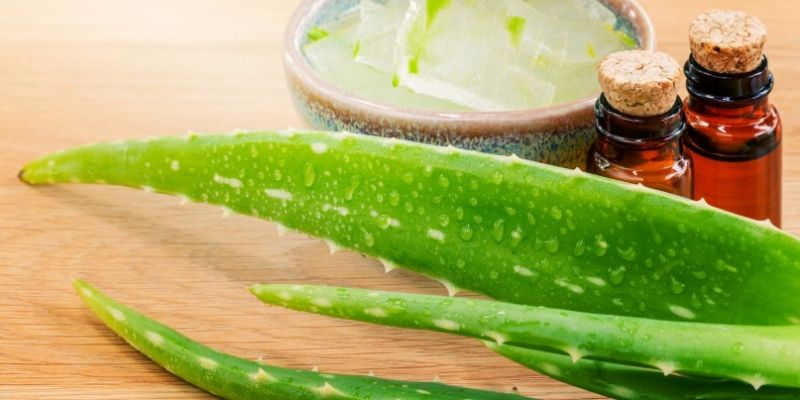
Pure aloe vera gel and specific essential oils form the powerful natural base for your dog’s preventative defense.
When Natural Protection Makes Sense
Natural protection against fleas and ticks can be useful under specific conditions:
-
As an additional measure alongside existing veterinary care
-
For dogs that show extreme sensitivity to chemical treatments
-
In urban environments with lower parasite risk
-
For shorter walks and time spent in familiar surroundings
This type of protection serves as helpful support but not as your only line of defense. Understanding its biological limitations and regularly checking your dog are key to preserving health and safety. To explore more about how general preventive care, alternative treatments, and positive daily routines support your companion’s long-term vitality, read our holistic wellbeing guidelines.
At Sasha Riess, we combine natural wisdom with conscious hygiene to shield your companion’s vitality. True health requires protecting the skin and coat from external threats while maintaining absolute pureloveandharmony. Discover our natural care principles today: Linktree Sasha Riess
👉 Follow our Facebook page and never miss our latest articles, news, and updates.
by Sasha Riess | 24.06.26. | Wellbeing
A dog’s skin health is not just a cosmetic issue. It is a direct reflection of internal balance, which is intrinsically linked to the function of the anal glands. When you face persistent itching, hair loss, or allergies, the solution does not lie in suppressing symptoms, but in strengthening the body at its root. Holistic dog care means supporting the microbiome, providing proper protection during walks, and using gentle yet powerful natural remedies to maintain internal equilibrium.
Microbiome: The Foundation of Immunity
Everything begins in the gut. Probiotic bacteria are the first line of defense in your dog’s body. If the microbiome is disrupted by poor nutrition, especially a diet based only on kibble, or by stress, the skin and the proper emptying of the anal glands are often the first to suffer. To understand how these bacteria support your dog’s health, you can explore more about probiotic function and its role in the body.
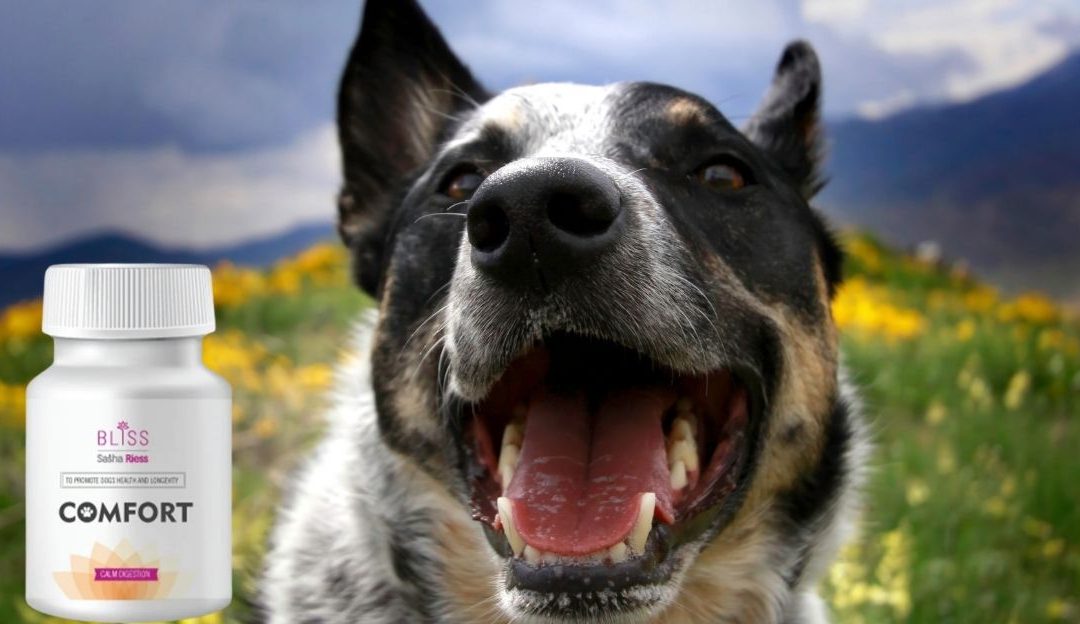
For those who want to take control themselves, natural probiotics can be prepared at home. If you are looking for a more structured solution, targeted probiotic support can help restore balance, alleviate pressure on the anal glands, and strengthen the entire system.
Homeopathic Protocol for Skin Conditions
Homeopathy offers a gentle path to healing without aggressive chemicals. For skin problems, histamine reactions, and inflammatory processes linked to internal blockages, the following remedies are commonly used:
-
Calcarea Carbonica
-
Hepar Sulphuris
-
Silicea
-
Causticum
Protocol of Use (total 10 days):
All remedies should be obtained from a local homeopathic association in potency 9C.
-
First 3 days: One pellet or one drop every 3 to 6 hours, depending on the severity of the condition.
-
Next 7 days: One pellet or one drop per day.
At Sasha Riess, we approach canine health as a unified ecosystem where gut immunity, glandular health, and skin vitality are deeply intertwined. Embracing a clean, natural lifestyle heals your companion from the inside out, establishing a foundation of pureloveandharmony. Restore your dog’s natural balance: Linktree Sasha Riess
by Sasha Riess | 05.06.26. | Coat Care
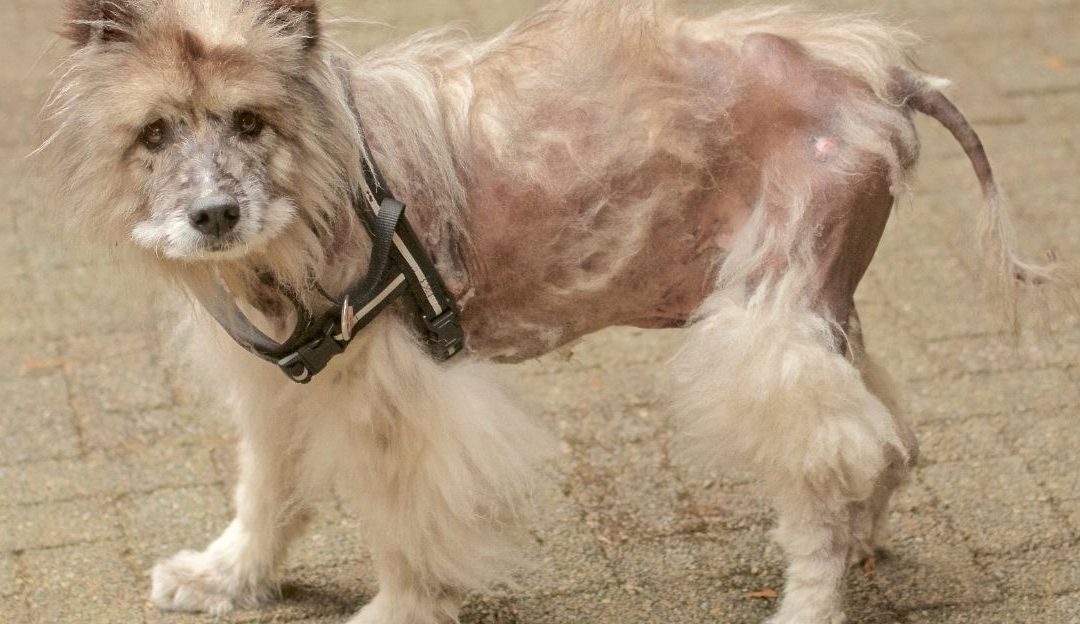
When we speak about alopecia in dogs, we usually think of hair loss. However, what we are discussing today is a systemic problem of the immune system, a conceptual disorder in which the skin becomes thickened and oily. This is not simply a matter of hair falling out. The real problem is that new hair cannot grow because it cannot break through the barrier of thickened skin.
A Systemic Problem, Not Just an Aesthetic One
Hair follicles stop functioning not because they are destroyed, but because they are waiting for the right conditions, for the skin to become soft and permeable again.
This is an immune response of the body that requires a deeper approach than ordinary anti-hair loss shampoos. Understanding this shift is essential for any dog owner dealing with chronic skin issues.
A Holistic Protocol: The Path to Recovery
For conditions like alopecia in dogs, there is a holistic protocol that addresses the cause, not only the symptom. Statistics show that 80 percent of people who consistently follow holistic protocols manage to restore the health of their pet’s skin. The remaining 20 percent often do not succeed because the process requires time, discipline, and an understanding of the systemic nature of the condition.
My protocol includes several key pillars:
-
Bathing protocol: Specific care that softens the skin.
-
Nutrition and probiotics: Strengthening the microbiome and immune system from within.
-
Homeopathy: Natural support that helps the body return to balance.
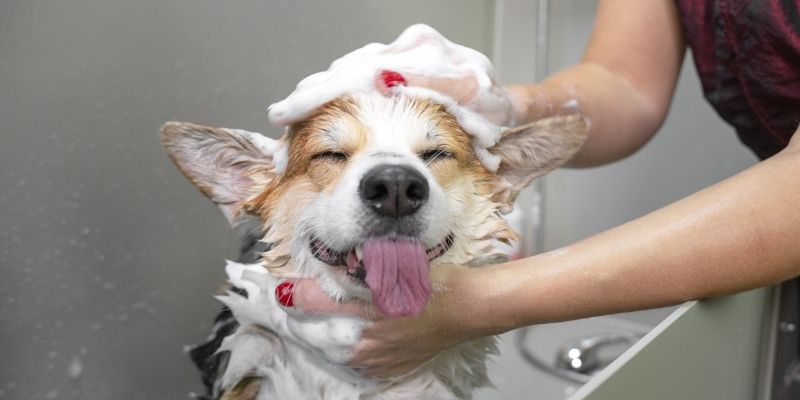
A specific bathing protocol is essential to soften the skin and allow growth.
Where to Find a Solution
If your dog is struggling with this problem, do not lose hope. On the website in the profile description you will find the PLH portal. There you can ask questions, and my team will send you a detailed protocol that includes care, nutrition, and natural therapy. It is time to restore softness to your dog’s skin so that the hair can grow again.
At Sasha Riess, we treat alopecia in dogs by restoring the skin’s natural permeability. When the barrier is softened, health returns through pureloveandharmony. Start the healing process: Linktree Sasha Riess