by Sasha Riess | 16.07.26. | Nutrition
When we talk about dog behavior, we almost always start from the assumption that behavior is the cause, not the consequence. A dog barks because it is disobedient. A dog pulls because it is not trained. A dog reacts because it is “like that.” Then, we look for solutions in correction, discipline, techniques, and methods.
But rarely does anyone ask the question that changes the direction of the entire story: Does behavior shape the body, or does the body shape behavior? In other words, which came first, the chicken or the egg? Does a dog react because it learned to react, or does it react because its biochemistry cannot function differently? Exploring how dog nutrition affects behavior changes this entire paradigm, proving that biological input dictates outward actions.
Biochemistry Before Psychology: Understanding How Dog Nutrition Affects Behavior
This is where what I call nutritional behaviorism begins. It is the idea that a dog’s behavior cannot be understood without understanding its nutrition, mineral balance, energetic capacity, and nervous system. A dog does not react only psychologically; instead, it reacts biochemically.
At the center of this biochemical space lies the relationship between sodium ($\text{Na}$) and potassium ($\text{K}$). These are two minerals that most owners associate with basic hydration, but rarely with the acute perception of reality. Sodium and potassium regulate the electrical charge of the cell. They determine how a nerve impulse is created, how it travels, and how it ends. Consequently, they determine how a dog experiences the world around it.
Perception of Reality Through the Sodium and Potassium Ratio
When their relationship is stable, the canine nervous system has clarity. The dog sees a stimulus, processes it, and reacts proportionally. It maintains the internal capacity to learn, to calm down, and to receive information without becoming overwhelmed. But when this relationship moves out of balance, perception changes entirely:
-
Low Sodium (Na): Often connected with adrenal fatigue and chronic stress, it creates the picture of a dog that lacks inner fuel to face the world. The dog appears insecure, withdrawn, and anxious. It is not that the dog does not want interaction, but that it lacks the biochemical platform for it.
-
High Potassium (K) Relative to Sodium: Increases reactivity, forcing the nervous system into a state of hypervigilance. Stimuli become louder than they really are. The dog reacts faster, more impulsively, and sometimes more aggressively.
This is not disobedience. It is an overstimulated nervous system. In both cases, we observe behavior, but the dog lives inside a mineral relationship. This direct correlation demonstrates how dog nutrition affects behavior before any psychological training even begins.
The Training Paradox: Why Commands Do Not Work Without Minerals
This is where nutritional behaviorism gains its deepest meaning because food shapes not only the body, but perception. Food influences the adrenal glands that regulate sodium. Food influences cellular energy that determines potassium balance. Furthermore, food influences the stress response, recovery, and overall nervous system stability.
A dog without a stable sodium and potassium relationship does not see the world the same way as a dog that has one. One sees a threat where there is none, while another does not see a signal where one exists. One reacts before processing, while another withdraws before trying.
This is where we reach the paradox of the modern dog world. We take the dog to a trainer, and we use methods, corrections, and punishments. We demand obedience from a nervous system that lacks the biochemical capacity for stability. It is like asking a person with severe fatigue to be spontaneous, social, and emotionally open. Nutritional behaviorism therefore establishes a different order:
-
First stability, then behavior.
-
First minerals, then commands.
-
First perception, then correction.
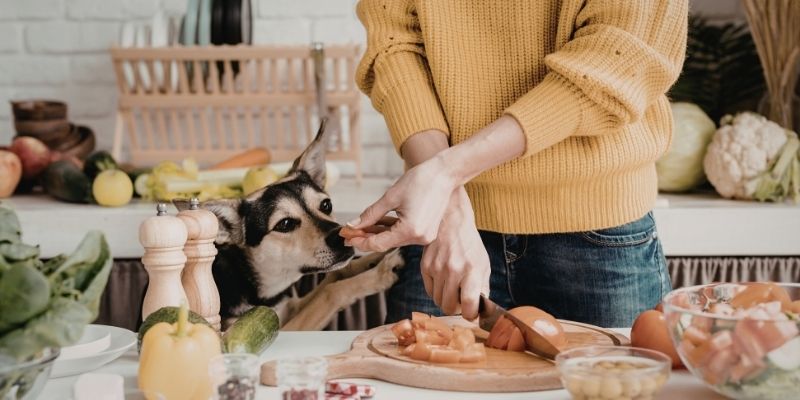
The ideal diet is not created from a formula, but from a dedicated relationship between owner and dog.
Why the Owner Holds the Key to the Ideal Diet
The key to this process is not held by the pet food industry, the trainer, or the veterinarian. It is held entirely by the owner because only the owner decides what enters the bowl. Only the owner can observe how food affects energy, sleep, reactions, and focus. Only the owner can connect daily meals directly with behavior.
The ideal diet is not created from a generic formula, but from a relationship. When the owner understands how sodium and potassium shape perception, how minerals shape the nervous system, and how food shapes behavior, the search for quick solutions ends and the building of stability begins.
Behavior and biochemistry feed one another, but the first move always comes from the bowl. A dog behaves only as far as its nervous system can support, and the nervous system can support only what it receives through mineral balance. That is why only the owner can turn food into a tool of harmony, not just satiety. To explore more about how freshly prepared, raw meals and natural enzymes restore internal balance, read our holistic nutrition guidelines.
Until next time.
At Sasha Riess, we look past commercial labels to honor the unique biological blueprint of your companion. True health requires addressing the subtle internal patterns that create lasting vitality and pureloveandharmony. Discover the customized path to your dog’s longevity: Linktree Sasha Riess
👉 Follow our Facebook page and never miss our latest articles, news, and updates.
by Sasha Riess | 22.06.26. | Wellbeing
Surviving parvovirus is a major victory, but it is only the first step. Statistics show that dogs who survive the first 48 to 72 hours have a 90% chance of recovery, but the impact the virus leaves on the body is significant. Effective post parvo care requires time, patience, and above all, a change in nutritional approach.
The greatest enemy in this phase is dehydration, which does not affect only the organs, but almost completely depletes the muscular system, since muscle cells are primarily composed of water. Proper hydration is the foundation of any successful recovery strategy.
Holistic Canine Recovery: Muscles and Immunity After Parvovirus
During recovery, the dog gradually returns to its feet, but the body remains weakened by aggressive therapies, antibiotics, and vitamin protocols. To “wake up” the organism from within, it is necessary to restore what has been lost. This is where dedicated post parvo care becomes essential.
A holistic approach focuses on rebuilding immunity and muscle mass through natural sources. The goal is to awaken the body from within and return it to a state of full vitality.
Essential Post Parvo Care: Eliminate Kibble to Prevent Further Dehydration
One of the most important messages for owners of dogs recovering from parvo is this: eliminate kibble.
Kibble is a major source of dehydration because it draws water from the body in order to be processed in the stomach. For a dog whose muscles have already been compromised by the virus, dehydrated food becomes an additional burden that slows recovery and complicates long-term post parvo care.
The body needs hydration through fresh, living food, not additional strain from processing dry, industrial products.
The goal is not only for the dog to survive, but to continue living fully. With proper restoration of the body, it is possible to return the dog to a state of vitality it had before the illness, and sometimes even beyond that.
At Sasha Riess, we understand that true healing begins from within, through uncompromised purity and dedication. Supporting your dog’s delicate system through recovery is an act of pureloveandharmony. Take complete charge of your pet’s path to true vitality: Linktree Sasha Riess

by Sasha Riess | 04.06.26. | Wellbeing
In the world of dogs, defecation is not just a physiological need; it is an act of marking territory. On the left and right sides of the anal opening are anal glands that secrete a specific fluid. When the stool has the proper firmness, it applies pressure as it passes, releasing this secretion and leaving a unique scent signature on the feces.
The problem arises when this natural mechanism fails.
How Food Solves the Problem of Blockage
The secretion inside the glands must remain fluid in order to be released easily.
However, if the dog does not have firm and compact stool, the necessary pressure on the anal glands is missing. The secretion stays inside, thickens, and leads to blockage.
The solution is not constant manual expression, but proper nutrition. One fresh, raw bone per week can be enough to improve stool firmness and allow the anal glands to empty naturally, on their own.
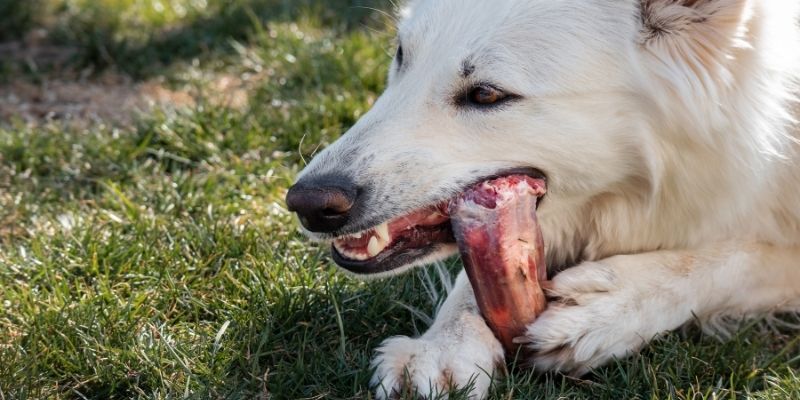
One raw bone per week supports the natural emptying of the glands.
Symptoms That “Shout”: The Glands Are Full
How can you recognize that your dog has a problem with its anal glands? Pay attention to these signs:
-
Scooting: The dog drags its rear on the ground to relieve pressure.
-
Hair loss: Intense scratching and hair loss around the base of the tail and lower back.
-
Physical changes: Swelling or redness around the sides of the anal opening, often accompanied by visible discomfort or agitation.
If you notice your dog constantly scratching the rear area or losing hair in that region, do not wait. The anal glands should first be manually expressed by a veterinarian or groomer, followed by an immediate adjustment in diet. Compact stool is the only way for this system to function as nature intended.
At Sasha Riess, we believe in addressing the cause, not just the symptom. Supporting the natural function of anal glands through proper biology is essential for pureloveandharmony. Keep the system moving: Linktree Sasha Riess

by Sasha Riess | 03.03.26. | Wellbeing
Spaying and neutering are topics that often spark controversy among dog owners and veterinarians. The question of do dogs develop tumors if not spayed or neutered comes up frequently, but the answer is not simple. It is essential to understand not only the medical aspects but also the hormonal, ecological, and biological factors that shape a dog’s life.
When to Spay or Neuter and Why This Question Exists
Sterilization is often viewed as a preventive measure against unwanted litters and certain diseases, such as tumors of the reproductive organs. However, the decision on when to spay or neuter depends on the physiological and mental maturity of the dog. Premature sterilization can disrupt normal hormonal and physical development.
Veterinary experts generally recommend spaying or neutering only after the dog has reached sexual maturity, usually between 18 and 24 months. Before this period, sex hormones such as estrogen and testosterone are not yet fully developed and cannot properly support other bodily and mental functions.
The Risk of Tumors in Intact Dogs
Many dogs who are not spayed or neutered and have never had offspring can develop certain types of tumors. The most common are mammary tumors in females and testicular and prostate tumors in males, as well as uterine infections such as pyometra.
The cause is not only genetic. The deeper issue is that the reproductive organs lose their natural function when the reproductive drive is present but never expressed. This can lead to systemic imbalance and increase the risk of cancer.
How Hormones Influence Tumor Risk
Hormones play a crucial role in maintaining balance within the body. In dogs that are sterilized too early or never have the opportunity to express their reproductive function, hormonal imbalance may occur.
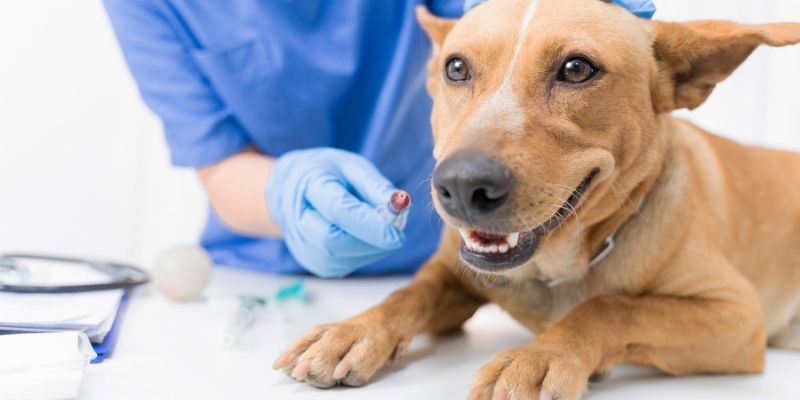
Properly timed sterilization reduces the risk of tumors and supports hormonal health.
Why Dogs Without Offspring May Face More Problems
Dogs who never use their reproductive organs may develop what can be described as an “energetic blockage.” When the body cannot properly utilize the natural function of these organs, it can increase the likelihood of tumors, especially in middle-aged and older dogs. Therefore, while sterilization reduces certain risks, its timing must be based on individual development.
The Mistake of Early Sterilization Policies
In the nineties, policies used for feral cats (Trap-Neuter-Return) were applied to dogs in the US to reduce stray populations. However, studies show that sterilization alone does not resolve overpopulation unless the population is first reduced to an ecological minimum. Nature does not tolerate a vacuum; removing dogs often just creates space for new animals from surrounding areas.
The Energetic Mechanism and Proper Timing
When a dog feels the need to reproduce but never has the opportunity, stress and hormonal imbalance can appear. Unexpressed reproductive energy can contribute to the development of cancer. This is why properly timed sterilization—after 18 to 24 months—is so critical. Sterilizing before full maturity can disrupt the development of bones, muscles, and hormonal balance.
Is It Better for a Female to Have a Litter?
Naturally, reproduction can reduce the risk of certain tumors in females as the organs fulfill their biological purpose. However, the decision to have offspring must be responsible. Every litter creates new lives that require care, time, and space.
The right decision about sterilization should be calm, thoughtful, and based on the dog’s physiological development, not merely on social or political pressure.
At Integrative and Holistic Grooming Education, we believe that every physical symptom is a message. Understanding these signals and addressing them through a holistic lens is at the heart of everything we teach to ensure the well-being of every dog in our care. Learn more and join our community: Linktree Sasha Riess