Janissary Dogs: The Betrayal of Instinct and the Price of Our Emptiness
The Janissary Dog: Sorrow and the Absence of Instinct in the Modern Human Dog Relationship
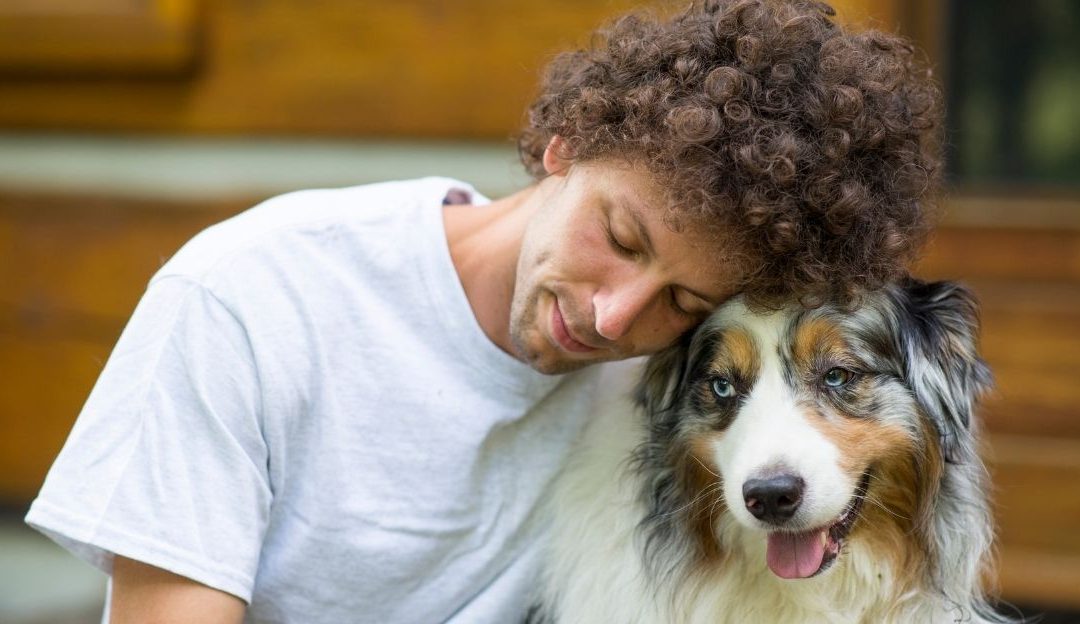
There is a phenomenon rarely spoken about, something we have done slowly, quietly, and almost imperceptibly across generations, as if it were a natural process. Dogs as a mirror of society. We speak about dogs, our most loyal companions, but not in the romantic sense we are used to. We speak about how we turned one of humanity’s oldest allies into our own janissaries. Not in the historical military sense, but in a symbolic, psychological, and systemic one.
Deformation of the Human Dog Relationship: The Loss of Role and Original Nature
We created beings separated from their origin, from their inner order, from their primal nature, and reshaped them to serve our needs, our projections, and our wounds. We did this under the disguise of care, safety, love, and modern civilization. The result was not harmony, but a deep deformation of the relationship between human and dog.
Loss of Role, Loss of Health
When I observe a dog in the modern urban environment, I often ask myself how much of it is still a dog, and how much has become a product of our neuroses, fears, inner emptiness, and unfulfilled needs. Historically, janissaries were children taken from their families, torn from their origin, religion, and culture, then reeducated to completely forget who they were before becoming instruments of another will. When applied to dogs, the same pattern emerges.
We took away their instinct. We took away their right to movement. We took away the role that defined them for millennia as beings maintaining balance in nature. Their original purpose was clear. To guard territory. To inform the pack. To maintain the rhythm of village life. To hunt. To herd. To accompany humans as partners in the real world, not in a simulation of life.
In the modern human dog relationship, the dog has lost its purpose. Not because nature demanded it, but because we assigned a new purpose that serves our emotional deficits. Today, the dog exists to fill what we fail to fill in human relationships. To be therapy. To be an emotional prosthesis. To be a living cushion for comfort, a living charger for belonging, a living neutralizer of loneliness, frustration, and inadequacy. In this process, the dog disappears and only a function remains. The original identity is lost, and what emerges is what we metaphorically call a janissary.
The Price Paid: The Janissary as a Psychological Pattern
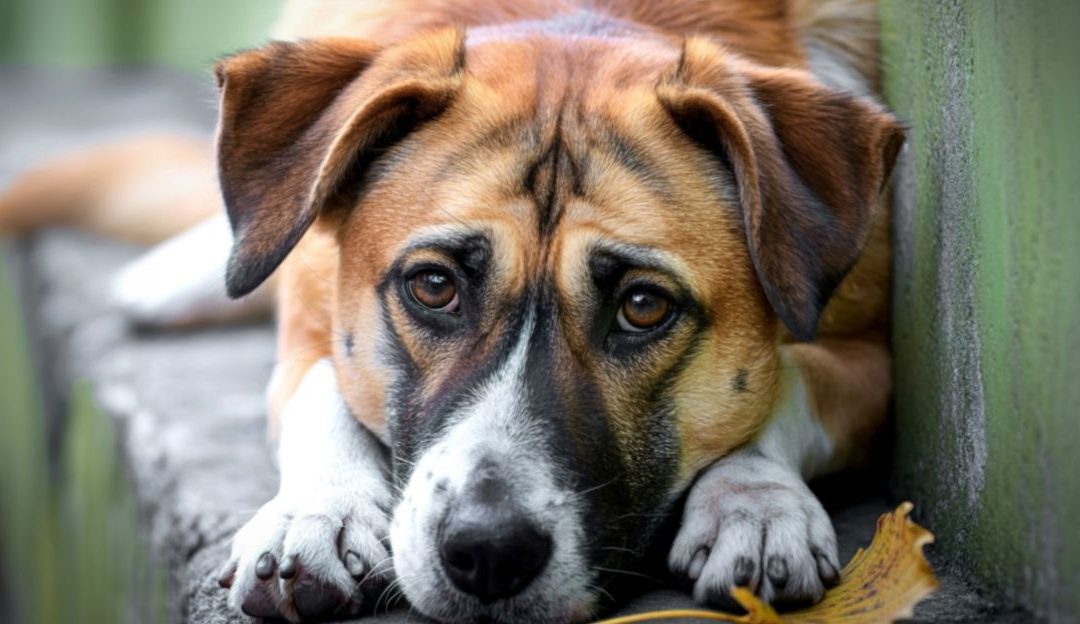
The most painful part is that most people believe they are helping the dog. The truth is far darker. A dog that is no longer allowed to move freely and be a dog will not develop emotional or physical stability. It becomes frustrated, tense, energetically overloaded, and neurologically imbalanced. This is a dog no longer living from the inner order of nature, but reacting impulsively to the environment imposed upon it.
It is a dog born and raised without understanding its own role. A dog that spends most of its life waiting for a human to explain what is allowed and what is forbidden. A dog that does not govern its body, but oscillates between shutdown and explosion. A dog that no longer knows how to be a dog, but knows how to react to human emotional disturbances. A dog that guards the human instead of guarding space. A dog that reacts to trauma instead of choosing function.
A Mirror of Human Nature
In Chinese medicine it is said that whoever loses their role loses their health. This applies to humans and animals alike. When we take away a dog’s role, we remove part of the inner order from which vitality flows. The result is a dog in constant energetic conflict. A dog that ignites easily, collapses easily, withdraws easily, and becomes reactive. A dog that is simultaneously too much and too little. Too much energy without structure and too little safety without stability. This is the psychological pattern of the janissary. A being removed from its source and placed into an unnatural relational matrix, where it learns to live for another’s will and stability.
How Much Food Should a Dog Eat Per Day – Formula and 5-Day Recipe
Homemade Dog Kibble: My Recipe and Experience
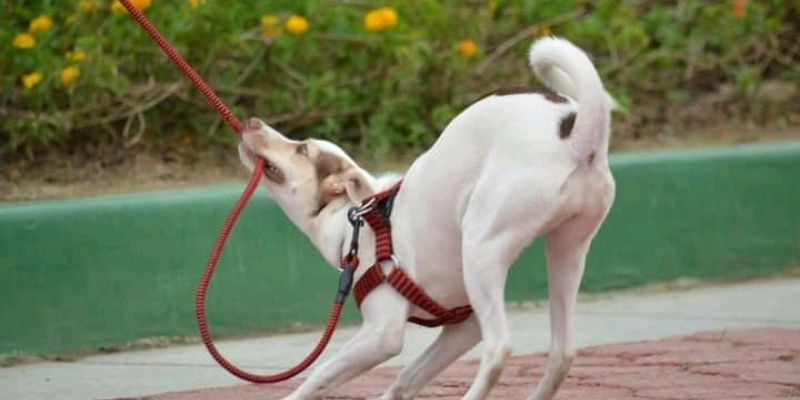
In trying to protect dogs from the world, we protect them from themselves. We have normalized extreme control.
Fear of Instinct: Sterilization as Systemic Control
As a society, we have normalized extreme control. Collars. Leashes. Restricted movement. Prohibited socialization. Banned instinctive behavior. Banned barking. Banned courting. Banned territorial marking. All justified as being for the dog’s own good. It seems we fear allowing the dog to be what it is. Like a parent too afraid to let a child fall, holding them so tightly they never learn to walk.
In trying to protect dogs from the world, we protect them from themselves. We create generations of dogs who never learn stability because they never experience their own motor intelligence, territoriality, and energetic boundaries.
These processes are not accidental. They reflect our relationship with our own instincts. As we treat dogs, so we treat our own nature. People afraid of their inner strength fear the dog’s strength. People afraid of emotional freedom fear canine freedom. Those who have not integrated their inner wolf cannot allow their dog to remain a descendant of wolves.
Such a human reshapes the dog into a pleasant, obedient, functional janissary who emits what the human cannot feel. The dog becomes an emotional filter and absorber, carrying tensions, sorrows, fears, and guilt that are not its own.
Another form of systemic manipulation appears in the idea of sterilization as a universal solution. Behind the mask of humane population control lies a deeper dynamic. When we say the only solution is removing a dog’s sexuality, we prefer a dog weakened along its vital axis. A dog without hormones is a dog without part of its life force. Like a janissary severed from origin, the dog is cut from biological wholeness. There are situations where sterilization is responsible, but what we live today is a mass practice driven by comfort rather than necessity. We prefer dogs without passion, without drive, without instinctual energy. Dogs that do not initiate, demand, or claim space. Dogs that fit our mold. That is the janissary. A living being whose strength is adjusted to the needs of its owner.
How Many Meals a Day Does a Dog Need: Puppy and Adult Dog
How Fear and Punishment Shape a Dog
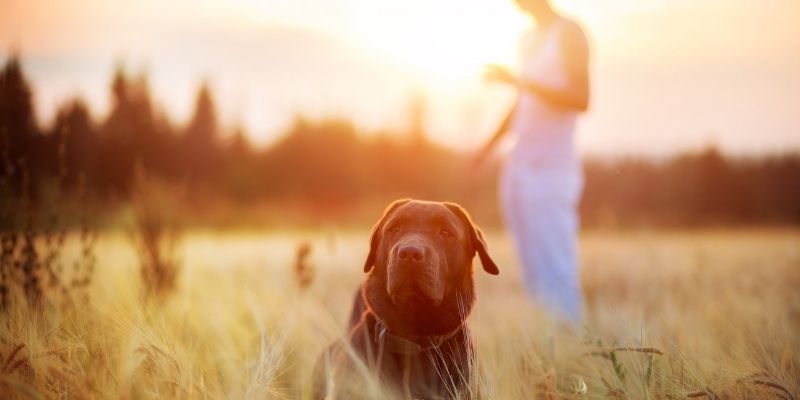
A dog returned to itself becomes stronger and more stable. Order comes before obedience.
Returning to Ourselves: How to Break the Janissary Cycle
The Return of Natural Order
As long as we believe harmony means the dog ceasing to be a dog, we live in an ideological relationship, not a natural one. We have placed dogs into a system that suits us, not them. We hold them hostage to our ideas of order, cleanliness, peace, and emotional relief. Then we are surprised by explosions of reactivity, fear, neurosis, aggression, excessive attachment, or total apathy. This is not canine pathology. It is the consequence of an imposed system.
A janissary was never aggressive by nature, but by growing within a distorted identity space. The same applies to dogs and humans who lose touch with their nature.
There is a way out. We do not return dogs to themselves through more control, but by allowing them to feel their place again. Not as humans define place, but as nature defines it. This is the return of order. Not the order of obedience, but the order that existed before human rules. An order where every being has a role. Where every being has the right to be what it is. Where humans are not masters of canine destiny, but partners in a shared field of life.
When a human truly sees the dog before seeing the role they need it to play, the transformation stops. The dog is no longer shaped into a janissary, but returned to itself. A dog returned to itself becomes stronger, calmer, more stable, more present, and more fulfilled. It is no longer an extension of human emotional deficiency, but an autonomous being choosing relationship rather than merely reacting to it. The human no longer gains an obedient subordinate, but a living partner.
If we want healthy dogs, we must become humans who live with healthy instincts. If we want free dogs, we must become humans capable of freedom without fear of our own strength. If we want to stop creating janissary dogs, we must stop living as people who turned their wounds into identity.
A dog living beside a stable human will never become a janissary. A dog living beside a wounded and lost human will always carry that burden. The question is not about dogs. It is about us. The dog is only the mirror. And in that mirror, we see everything we are running from. As long as we run from ourselves, we will create janissaries. When we stop running, we begin returning dogs what belongs to them. And in doing so, we return to ourselves what we lost long ago.
At Sasha Riess Wellness, we strive to restore the natural order of the human dog relationship. We move beyond emotional projections to find true partnership. Explore our philosophy: Linktree Sasha Riess