by Sasha Riess | 24.05.26. | Behaviour
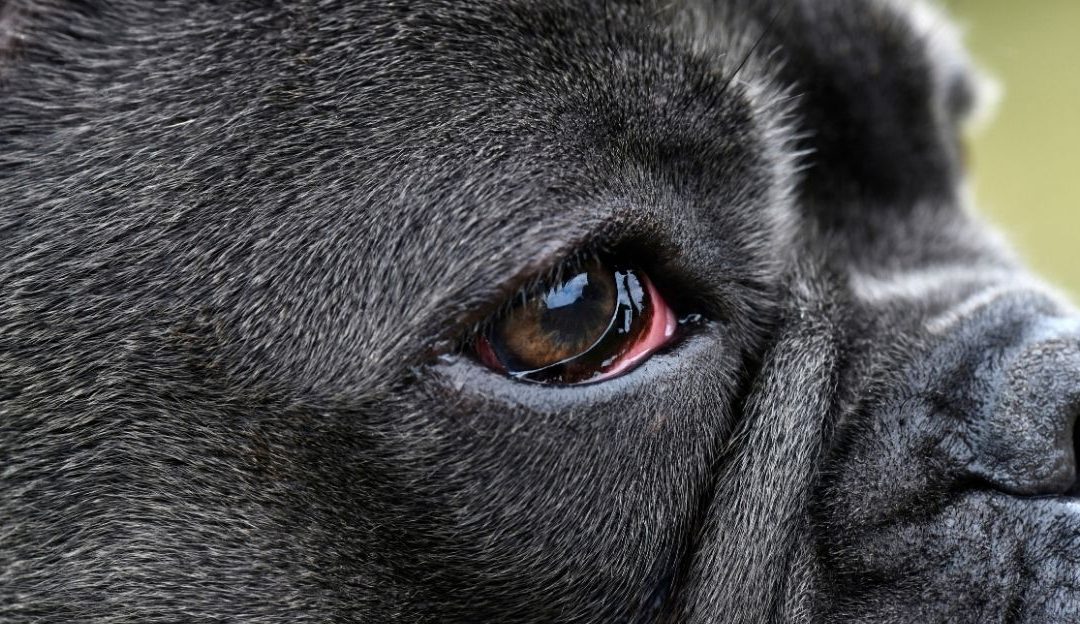
Watery eyes in dogs are often interpreted as an aesthetic issue or a local eye problem. However, in many cases, tearing has little to do with the eyes and far more to do with the environment in which the dog lives and the level of stress it experiences.
Why Dogs “Cry” in Stressful Environments
A dog that lives in constant tension does not breathe properly, cannot relax, and cannot release excess strain from the body. In such cases, watery eyes in dogs become a release valve. This is not emotional crying, but a physical response to prolonged stress.
The Biological Side of Watery Eyes
Of course, biological factors exist, such as red blood cell metabolism, liver function, and porphyrins—pigments that leave tear stains. But the question often overlooked is simple: Why did the organism reach a state of overload in the first place?
The Liver and Detoxification
In dogs with chronic tearing, the liver often functions under strain, and detoxification is incomplete. The body searches for an alternative outlet. Here, watery eyes in dogs are not the cause; they are the consequence of an internal system struggling to maintain balance.
Immunity as a Two-Sided System
Immunity never works in isolation. It has an internal side (nutrition, liver function) and an external side (stress, environment). If we focus only on teas or supplements without changing a stressful environment, the problem will inevitably return.

Guidance, structure, and a calm human are often the best remedies for tension.
Stress: A Factor Within Our Influence
A dog does not respond to our explanations or intentions; it responds to our tone, tension, and the stability we provide. When a dog’s eyes water, the message is often: „It is too much for me“ or „I have nowhere to release what I carry.“
Conclusion: Tears as a Signal
Watery eyes in dogs are not a defect that needs to be quickly removed. They are a signal from a system asking for relief. Before searching for a miracle solution, ask yourself: What kind of world does this dog live in every single day?
At Sasha Riess, we understand that true healing comes from harmony. Addressing watery eyes in dogs requires looking beyond the symptom to the environment, leading your pet back to pureloveandharmony. Find the path to a calmer home: Linktree Sasha Riess
The Dog Groomer’s Letter of the Month Club with Sasha Riess
by Sasha Riess | 24.05.26. | Wellbeing
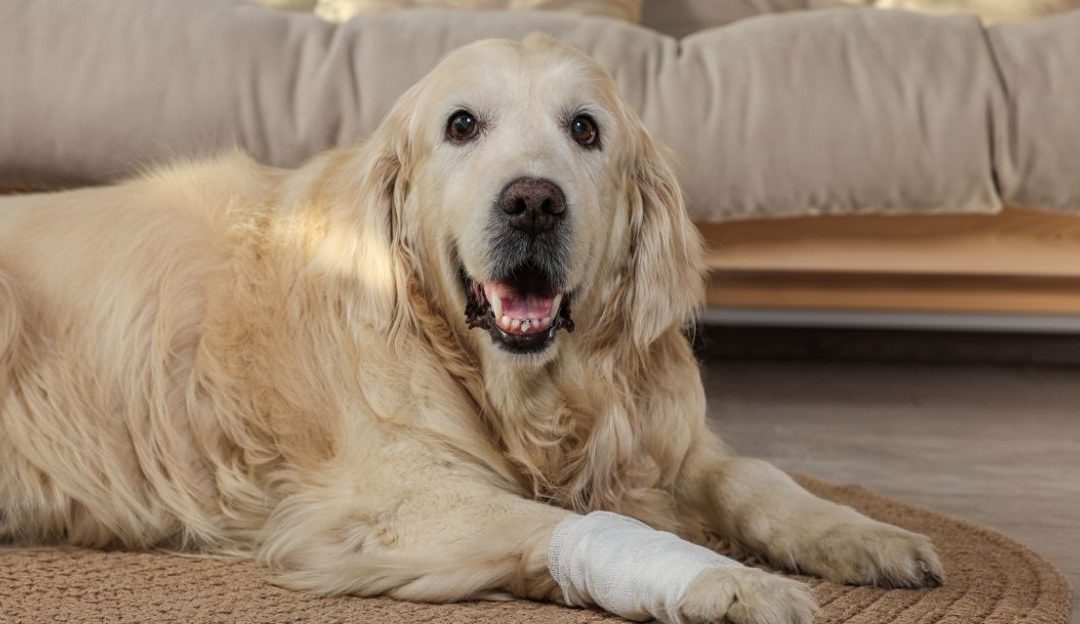
Homeopathy for bone and collagen problems in dogs is increasingly used as complementary support for joint pain, weak bones, injuries, and degenerative conditions. Properly selected homeopathic remedies can help cartilage regeneration, reduce inflammation, and improve collagen absorption, without the side effects often seen in long-term conventional therapies.
In dogs with osteoarthritis, hip dysplasia, slow bone healing, or reduced mobility, homeopathy is applied individually according to symptoms, age, and general condition of the body.
How Homeopathy Affects Bones, Joints, and Collagen
Homeopathic remedies do not act symptomatically in the classical sense. Instead, they stimulate the natural recovery processes of the body. The goal is:
-
Support of cartilage regeneration.
-
Reduction of inflammation and pain.
-
Strengthening of ligaments, tendons, and bones.
-
Slowing of degenerative processes.
Main Homeopathic Remedies for Bones and Collagen
Symphytum Officinale (30C or 200C)
Known as the „king of bone remedies,“ it supports fracture healing and cartilage regeneration. It is essential for osteoarthritis and hip dysplasia.
Calcarea Phosphorica (6X or 12X)
Supports growth and strengthening of the skeletal system. Suitable for young dogs with slow development or older dogs with bone degeneration.
Silicea (6X or 12X)
Strengthens connective tissue and supports slow recovery of ligaments, tendons, and bones.
Ruta Graveolens (30C or 200C)
Specifically for tendons, ligaments, and joints. Effective for sprains, stiffness, and strain.
Arnica Montana (30C or 200C)
First aid for pain and inflammation. Reduces swelling after injuries or surgery.
Remedies for Degenerative Conditions
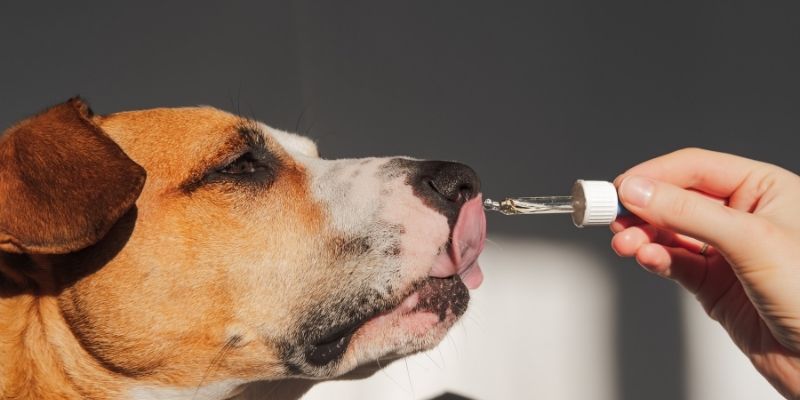
Dog bone health and mobility with natural support.
Remedy Selection According to Symptoms
| Symptom/Condition |
Recommended Remedy |
| Fractures & Osteoarthritis |
Symphytum Officinale |
| Weak or Brittle Bones |
Calcarea Phosphorica |
| Tendon & Ligament Inflammation |
Ruta Graveolens |
| Chronic Pain & Stiffness |
Arnica Montana |
| Bone Growths (Spurs) |
Hekla Lava |
| Weak Connective Tissue |
Silicea |
Method of Application and Important Rules
-
Do not touch globules with hands (use the cap or a plastic spoon).
-
Give directly into the mouth or dissolved in water.
-
Timing: 30 minutes before or after food.
-
Start with one remedy and observe the reaction for 7–14 days.
At Sasha Riess, we recognize that nature holds the keys to profound healing. Integrating homeopathy for bone and collagen problems in dogs into your routine is a step toward true pureloveandharmony. Restore your dog’s strength naturally: Linktree Sasha Riess
by Sasha Riess | 03.05.26. | Nutrition
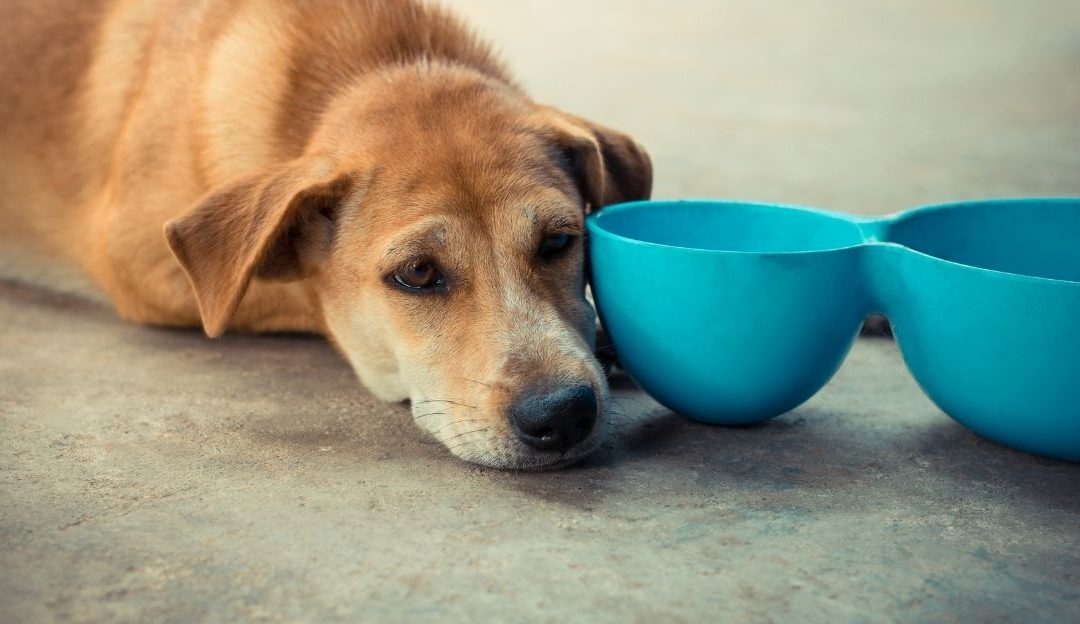
Many owners, with the best intentions, feed their dog at the same time every day. What looks like routine, however, can create a strong conditioned reflex that turns into a physical problem. To understand why dogs should not eat at the same time, we must look at how their digestive system reacts to the clock.
How Digestive Problems Are Created
If you feed your dog every day at 5 p.m., their body starts preparing at 4:30 p.m. Stomach acid begins to secrete, and the digestive system switches on. If the food doesn’t arrive because you are delayed, that acid remains without anything to digest. This often leads to:
At that point, a habit becomes a stressful physical reaction.
The Goal: A Dog That Doesn’t Live by the Clock
The goal is for the dog to know food will come, but not exactly when. In nature, dogs do not eat by the clock. A dog that is not tied to a fixed schedule:
-
Does not experience stress while waiting
-
Does not produce excessive stomach acid
-
Adapts easily to changes in your daily life
This is the primary reason why dogs should not eat at the same time—it builds resilience instead of dependency.
A dog that does not know the exact feeding time is more stable.
How to Change the Habit
The solution requires consistency. Vary the feeding times so the dog can’t predict them:
-
Feed before work one day, and after returning the next.
-
Change the person who feeds the dog.
-
Skip a meal occasionally or feed much later than usual.
Organize Life, Not the Clock
A dog should adapt to family life, not the other way around. When this balance is achieved, the dog is calmer and the digestive system is more stable. Routine is good, but fixed feeding times are not.
At Sasha Riess, we believe in harmony with nature, not the clock. Understanding why dogs should not eat at the same time allows your pet to live without the stress of expectation, leading them to a more grounded and peaceful state of pureloveandharmony. Discover more: Linktree Sasha Riess
by Sasha Riess | 27.04.26. | Behaviour
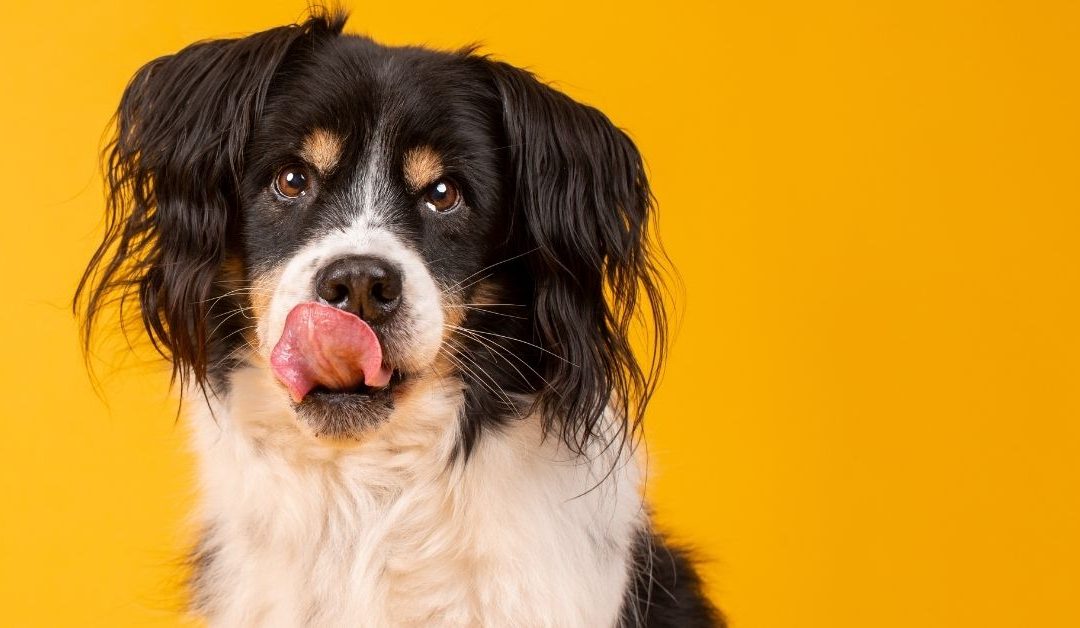
When dog owners notice their pet constantly licking its nose, they often ask me whether it’s normal behavior or a sign that something is wrong. My answer is—it depends on the bigger picture. Understanding why does a dog lick its nose so often is key, as it can be harmless, but it can also signal allergies, irritation, or even more serious health issues.
The Sensitivity of a Dog’s Nose
Dogs have an incredibly developed sense of smell—up to 200 times stronger than ours. That means everything we can barely detect, they experience much more intensely.
Scents at Home as a Possible Cause
If you use scented candles, air fresheners, or cleaning products with strong fragrances, it’s possible that these smells are bothering your dog. I’ve personally noticed that many dogs start licking their noses when exposed to such scents. That’s why I always advise owners to use mild, unscented products whenever possible.
Allergies in Dogs: A Common Trigger
Allergies are a common reason why does a dog lick its nose so often. If your dog also sneezes, scratches, chews its paws, or appears restless, it’s very likely an allergic reaction to:
Observing your dog reveals important signals about their overall health and comfort.
Parasites and Internal Growths
In addition to allergies, parasites can cause excessive licking. In some cases, larvae can settle in the nasal cavity. Growths or polyps can also irritate the area, leading the dog to lick or rub its nose frequently.
When to Visit the Veterinarian
If you notice your dog doing this daily, especially alongside other symptoms such as loss of appetite or sneezing, it’s best to visit your veterinarian. Only a proper examination can rule out underlying issues and identify the exact cause of why does a dog lick its nose so often.
Observe the Bigger Picture
If it happens constantly, it’s a signal that something needs attention. Dogs clearly show us that they’re feeling something. It’s up to us to understand them and respond in time.
At Sasha Riess, we believe that a healthy nose is a window to a healthy spirit. When you discover why does a dog lick its nose so often, you can restore their comfort and pureloveandharmony. Get your free guide to strengthen your bond here: Linktree Sasha Riess
Sasha Riess Pure Love & Harmony Duo Pack The Complete Dog Coat Care System
by Sasha Riess | 03.02.26. | Coat Care
Problems with dog cosmetics rarely come from bad intentions on the part of owners. Much more often, they come from a lack of knowledge and from the need to care for dogs in a way that suits humans more than dogs themselves. The industry understands this very well and profits from it.
The Myth of 2-in-1 Dog Cosmetics
If you are holding a dog shampoo that claims to be both shampoo and conditioner in one product, it is important to understand this: That product is not made for the dog’s needs, but for the owner’s convenience.
The idea of “everything done in one wash” does not exist in chemistry. Shampoo and conditioner cannot function properly within the same formula because they have different chemical roles.
Why do products claiming to be 2-in-1, 3-in-1, or even 10-in-1 exist?
The reason is simple. If people do not want to use shampoo and conditioner separately, the market will provide an „all-in-one“ solution. These products are not developed to improve the dog’s health, but to sell more easily. In other words, this is not dog cosmetics for dogs—it is cosmetics designed for people.
How to Recognize When Someone Is Simply Taking Your Money
If you come across a cosmetic line for dogs that includes nose balm, paw balm, and special creams for every possible body part, this is a clear sign that the focus is on your wallet.
A dog does not need a softer nose or silky paws. These are not canine needs; they are human projections. A dog is not a baby and not an aesthetic object.
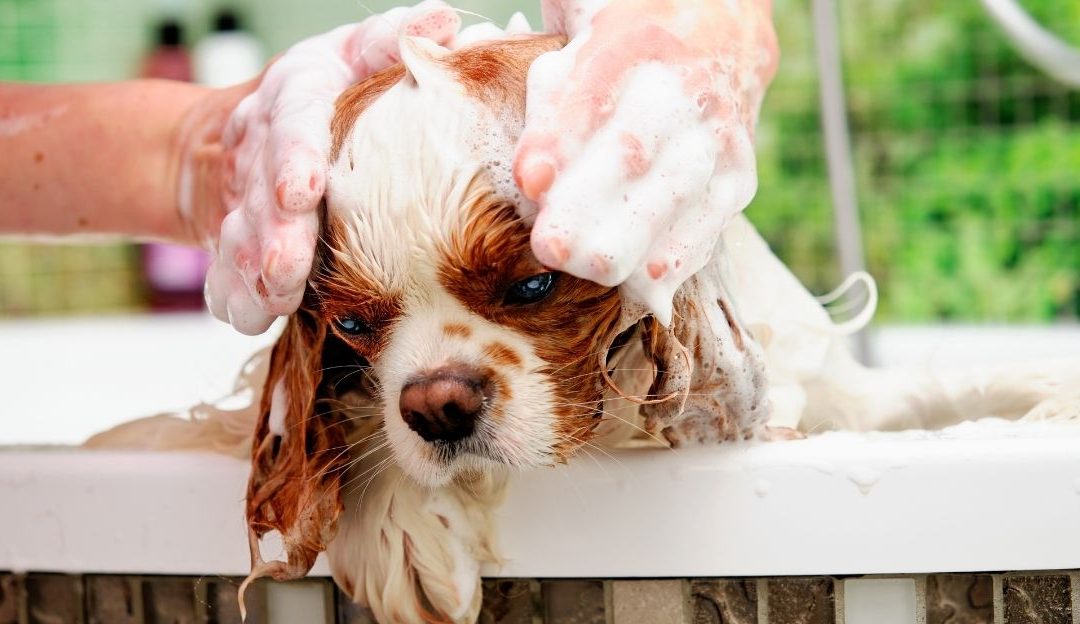
Shampoo and conditioner have different roles – that is why they are not used together.
What Does a Dog Truly Need?
A dog does need a hydrated nose, but that hydration comes from within, not from external products. It comes from:
-
High-quality and properly balanced nutrition.
-
Adequate water intake.
-
A healthy mineral balance, especially sodium and potassium.
When these basic conditions are met, the dog’s body regulates the condition of the skin, nose, and paws on its own.
The Importance of Separate Shampoo and Conditioner
Shampoo and conditioner have different purposes. That is why they should never be used as one product. Less dog cosmetics, less chemistry, and more understanding of canine biology lead to a healthier and more stable dog.
A dog does not ask for luxury. A dog asks for a solid foundation.
This understanding of a dog’s emotional and physical state is at the heart of everything we do. At Holistic Grooming Education, we teach people how to apply these principles of stability and care in their everyday lives with their dogs, helping create calm, healthy, and happy results.