Avoid the Chaos: Teach Your Dog Where to Pee Using Simple Rules and Discipline
Bringing a new dog into your home brings tremendous joy, but it also comes with challenges when it comes to establishing household rules. Many owners face messes and unpleasant surprises during the very first days. However, establishing proper hygiene habits does not have to be stressful or complicated.
If you apply the natural instincts that dogs already possess from day one, you will establish order very quickly. If you want to avoid chaos, teach your dog where to pee by setting clear boundaries, controlling the environment, and remaining consistent.
Use the Natural Den Instinct and Control the Space
When you bring a dog into your home, the most important step during the first few days involves limiting the amount of space available to them. By nature, dogs do not eliminate where they sleep and rest. Their den is a sacred place that they naturally try to keep clean.
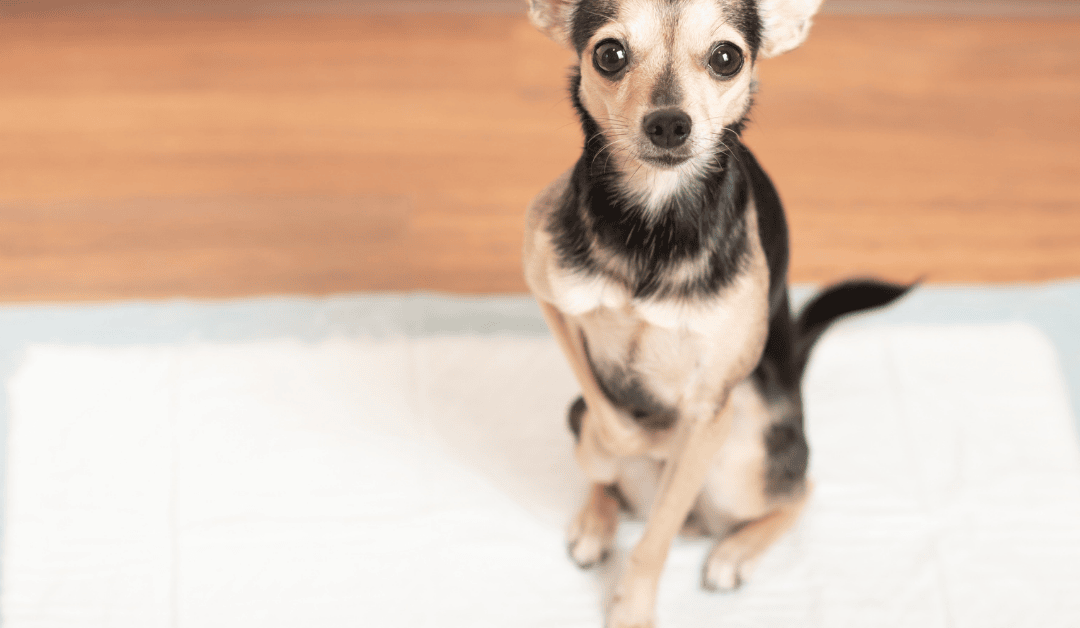
Place the dog’s bed on one side of a smaller area and a puppy pad or designated potty spot on the other. Consequently, your dog will quickly understand the difference between a sleeping area and a bathroom area. This simple process usually takes only two to three days when you apply proper structure to teach your dog where to pee.
Recognize the Pattern and Daily Rhythm After Meals and Water
Every dog follows a very clear and predictable daily pattern. The need to urinate or defecate usually appears shortly after eating or drinking water. Therefore, owners must observe their dogs carefully immediately after meals.
As soon as your dog finishes eating or drinking, guide them directly to the designated potty area. Simultaneously, once you recognize your dog’s natural rhythm, you will prevent mistakes and significantly speed up the learning process.
Hidden Triggers and the Microbiome: How Does Deadly Pancreatitis Develop in Dogs?
How Is a Natural Relationship With a Dog Built Through Freedom and Boundaries?
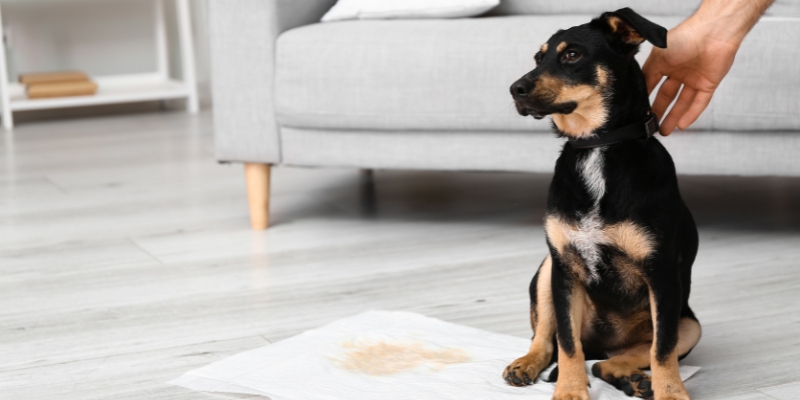
CONSISTENT SUPERVISION AND CLEAR BOUNDARIES MAKE HOUSEBREAKING STRESS-FREE FOR BOTH OWNER AND DOG.
The Owner’s Self-Discipline as the Key to Successful Training
If we want our dogs to learn the rules, we must first demonstrate maturity and responsibility ourselves. Many owners make mistakes because they approach training irresponsibly and behave like children.
Without self-discipline and constant supervision, you cannot expect your dog to understand household rules on their own. You must remain consistent, calm, and fully present while your dog is learning new habits.
Ultimately, once you take control and establish a stable routine, you can teach your dog where to pee without stress, frustration, or unnecessary chaos in your home.
Thank you for reading.
To discover more about how emotional alignment, balanced lifestyle, and authentic energy restore internal balance, read our canine wellbeing guidelines.
See you next time.
At Sasha Riess, we look past commercial labels to honor the unique biological blueprint of your companion. True health requires addressing the subtle internal patterns that create lasting vitality and pureloveandharmony. Discover the customized path to your dog’s longevity: Linktree Sasha Riess
👉 Follow our Facebook page and never miss our latest articles, news, and updates.
View this post on Instagram