
by Sasha Riess | 07.08.26. | Wellbeing
Responsible ownership and animal welfare awareness in Norway have reached the level of law, turning routine spaying and neutering of healthy dogs into a thing of the past. Yes, you read that correctly. According to Norway’s Animal Welfare Act, surgical procedures and the removal of healthy body parts remain illegal unless a owner proves a justifiable reason related to the health or welfare of the animal itself.
Consequently, the question Norwegians asked did not center on controlling dogs. Instead, they asked whether humans possess the right to remove a healthy organ from an animal without medical necessity. Their answer became national law. Simultaneously, Norway has virtually no problem with stray dogs, making street dogs an extremely rare occurrence. Most dogs carry identification, owners demonstrate high levels of responsibility, and authorities consistently enforce animal welfare laws.
How Responsible Ownership Replaces Routine Sterilization
This raises a very important question regarding animal welfare. For years, experts told us that routine spaying and neutering remained necessary to reduce the number of abandoned dogs. However, we now look at Norway.
Norway legally prohibits routine spaying and neutering of healthy dogs. Yet, abandoned dogs remain extremely rare across the country. Therefore, the nation addresses the problem not by removing reproductive organs, but through education, accountability, and responsible ownership.
Conscious Relationships and Responsible Ownership as the Alternative
The problem of abandoned dogs does not find its solution at the end of a scalpel. Instead, societies solve it through education, awareness, and a profound shift in social responsibility. Consequently, the most important question does not ask whether a dog should undergo surgery. The real question asks what kind of society we become when we attempt to solve human responsibility through surgery rather than through conscious behavior.
This is why the Pure Love & Harmony formula and the Sasha Riess approach focus on reconciliation between people and their dogs through knowledge, understanding, responsibility, and sustainable love. The emphasis on education and respect for the natural nature of the dog places responsible ownership at the center of any long-term solution.
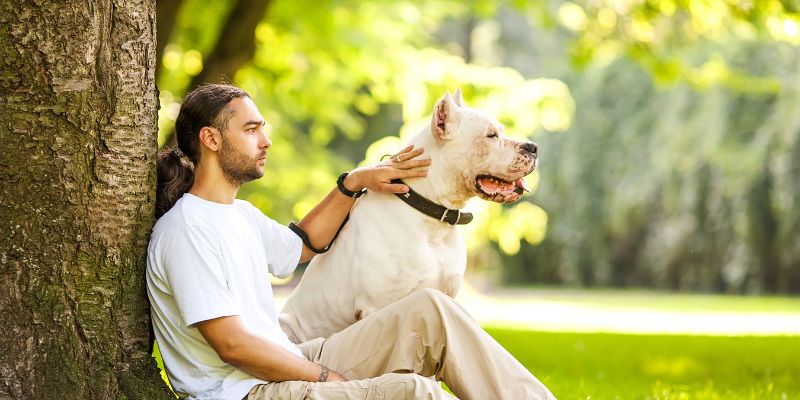
CONSCIOUS RELATIONSHIPS AND RESPONSIBLE OWNERSHIP AS THE ALTERNATIVE.
Norway’s Animal Welfare Act, Section 9
“Surgical procedures or removal of body parts must not be carried out unless there is a justifiable reason to do so out of consideration for the animal’s health.”
Now I feel genuinely interested in your opinion. Ultimately, if a society can address the problem of abandoned dogs without routine spaying and neutering of healthy animals, is it time to reopen this discussion?
To discover more about how emotional alignment, balanced lifestyle, and authentic energy restore internal balance, read our canine wellbeing guidelines.
At Sasha Riess, we look past commercial labels to honor the unique biological blueprint of your companion. True health requires addressing the subtle internal patterns that create lasting vitality and pureloveandharmony. Discover the customized path to your dog’s longevity:Linktree Sasha Riess
👉 Follow our Facebook page and never miss our latest articles, news, and updates.
by Sasha Riess | 06.04.26. | Wellbeing
Spaying and neutering dogs were considered for decades a routine and almost mandatory practice of responsible ownership. However, modern veterinary science and new research are now questioning this approach, pointing to serious long-term health consequences for dogs and cats.
How the Professional View on Spaying and Neutering Has Changed
For many years, it was believed that the ideal time to neuter a dog was around the second year of life, after growth and development were completed. Yet, long-term experience in working with dogs, monitoring behavior and health issues, and reviewing scientific studies have shown that routine spaying and neutering dogs is not a universal solution.
Today, there is a growing emphasis that these procedures should be viewed exclusively as a therapeutic model, not as a preventive measure applied without individual assessment.
WSAVA Changes Recommendations: Spaying Only When There Is a Medical Reason
The World Small Animal Veterinary Association (WSAVA) has officially changed its recommendations regarding spaying and neutering dogs. In an executive summary published in 2024, it states that due to increasing evidence of harmful health effects of traditional gonadectomy, responsible owners are encouraged to leave dogs and cats intact unless there is a clear medical reason.
Special attention is drawn to the increased risk of:
WSAVA emphasizes that spaying and neutering dogs younger than six months is not recommended, as it significantly increases the risk of long-term health consequences within the human dog relationship.
When Spaying and Neutering Dogs Is Justified
According to modern guidelines, these procedures have justification:
-
In cases of malignant diseases of the reproductive system.
-
When there is a clear therapeutic reason.
-
In special circumstances such as shelters, with the use of alternative methods that carry lower health risks.
WSAVA changes its position on routine gonadectomy.
WSAVA also points out that although population control is important, it is not clear whether mass low-cost sterilization programs have truly reduced the number of abandoned animals, nor whether TNR programs bring long-term results.
Responsible Ownership Means an Individual Decision
Spaying and neutering dogs are not a question of morality but of medicine. A modern approach requires individual assessment of each dog, its health, environment, and real risks. Routine decisions without analysis are no longer in line with current science.
At Integrative and Holistic Grooming Education, we advocate for decisions based on biology and individual needs. Respecting the dog’s hormonal integrity is a key part of the Order of Harmony. Explore our philosophy: Linktree Sasha Riess
by Sasha Riess | 15.03.26. | Behaviour
Dogs simply react to the environment we create for them. We assign them rules and behaviors we believe are correct. Every owner wants the best for their dog, just as we want the best for our children.
At the end of a dog’s life, we often see how successful we were in that intention, or how much we struggled. That final “reflection” of our love brings back everything the dog has lived through, and that is what frightens us and hurts us the most.
Lessons We Learn Through Caring for a Dog
The choices we make are rarely wrong because we wanted them to be. More often, we simply did not know better. However, the problems and challenges that arise become more intense over time, and the responsibility carried by the dog’s owner becomes greater.
How Supporting Dogs Can Transform Their Experience
Through attention, proper nutrition, and understanding their emotional needs, we can reduce a dog’s stress and offer them a healthier and calmer life. Supporting dogs through nutrition and daily care is not just an act of love. It is also a form of education for the owner, a chance to understand how our decisions affect them and how we can correct our mistakes.
-
Bone broth for dogs: A natural recipe to support joint health and immunity.
-
Separation anxiety: Understanding why a dog cries when left alone and how to build their confidence.
-
Modern challenges: A dog in an urban environment is a symbol of how city life affects canine wellbeing.
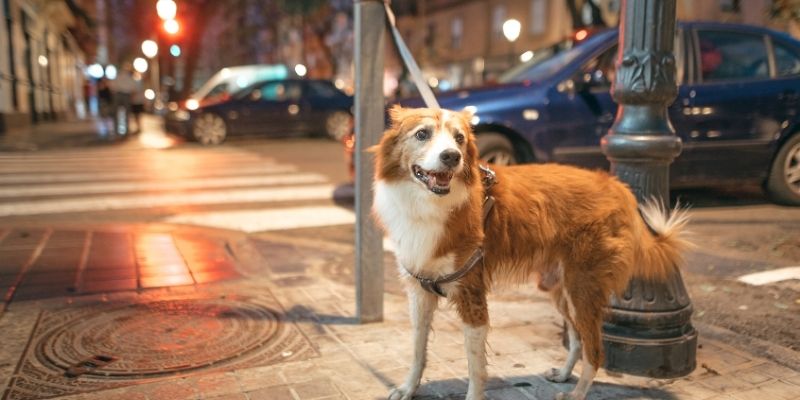
Dogs live through our choices and carry the weight of our environment.
Nutritional Support as the Foundation of a Healthy Life
When we understand that supporting dogs through nutrition directly affects their immunity, behavior, and resilience to stress, we realize that food is not a small detail. It is the foundation of their stability. If we want to truly be their sense of safety, it is essential that we show that care through the way we feed them, offering what their body and mind genuinely need.
At Integrative and Holistic Grooming Education, we believe that communication is felt, not forced. We teach you how to listen to your dog’s soul instead of just commanding their body. Explore our philosophy: Linktree Sasha Riess

by Sasha Riess | 05.02.26. | Behaviour
Many dog owners believe their dog can pull them out of emotional pain, fix their inner struggles, or carry their stress and anxiety. But dogs are not therapists, psychologists, or rescuers. They do not have the tools or understanding to emotionally repair us or solve our problems.
Imagine this situation: You feel anxious, worried, or overwhelmed by life challenges and you often seek comfort in your dog. Although your dog offers love and closeness, it cannot resolve your worries. Instead, the dog absorbs your stress, senses your inner unrest, and may begin to suffer emotionally and physically.
A dog cannot say „give me a break“ or „this is too much for me.“ The dog simply reacts to your behavior and your energy. When people expect dogs to be saviors of their emotions, they unknowingly place their burden onto a being that has no capacity to carry it.
How Projected Stress Affects Dogs
When we place our problems onto a dog, we risk its health and happiness through:
-
Physical health: Long-term stress in a dog can cause digestive issues, sleep disturbances, and lowered immunity.
-
Emotional state: The dog becomes nervous or anxious and may develop destructive behavior or withdrawal.
-
Bond with the owner: Constant exposure to negative emotions can weaken the sense of trust and safety in the home.
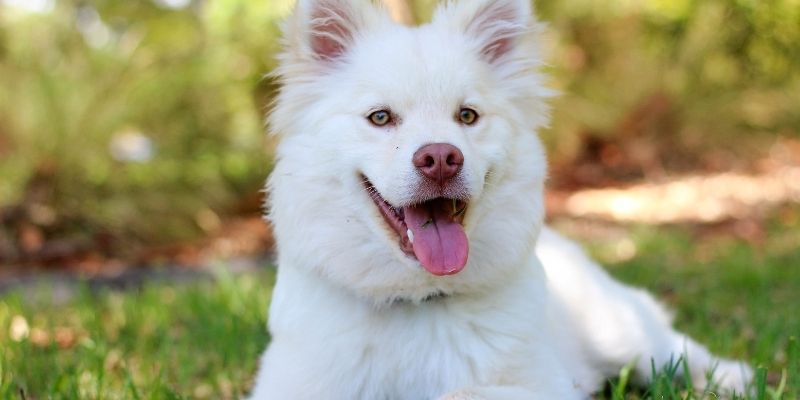
Separating human problems from the pet protects their happiness and health.
Owner and Dog: Establishing a Healthy Boundary
Separating human problems from the dog protects the dog’s happiness and health. Responsible ownership means protecting the dog’s peace, stability, and well-being, not loading it with a weight it was never meant to carry.
How to Properly Support Your Dog
-
Separate your problems: Recognize when you use your dog as an emotional outlet and seek human support from friends, family, or professionals.
-
Structured play and routine: Dogs function best in a stable environment. Consistent routine helps them remain calm.
-
Mental and physical activity: Walks and play help the dog release its own stress, not yours.
-
Emotional connection: Dogs offer comfort and love, but they cannot solve human problems. When this is understood, love becomes healthy for both sides.
A dog is not your savior. The dog loves and offers support, but cannot carry human emotional burdens.
This understanding of a dog’s emotional and physical state is at the heart of everything we do. At Integrative and Holistic Grooming Education, we teach people how to apply these principles of stability and care in their everyday lives with their dogs, helping create calm, healthy, and happy results.