by Sasha Riess | 04.03.26. | Wellbeing
“Dog Friendly” – The Hidden Cost of Emotional Marketing
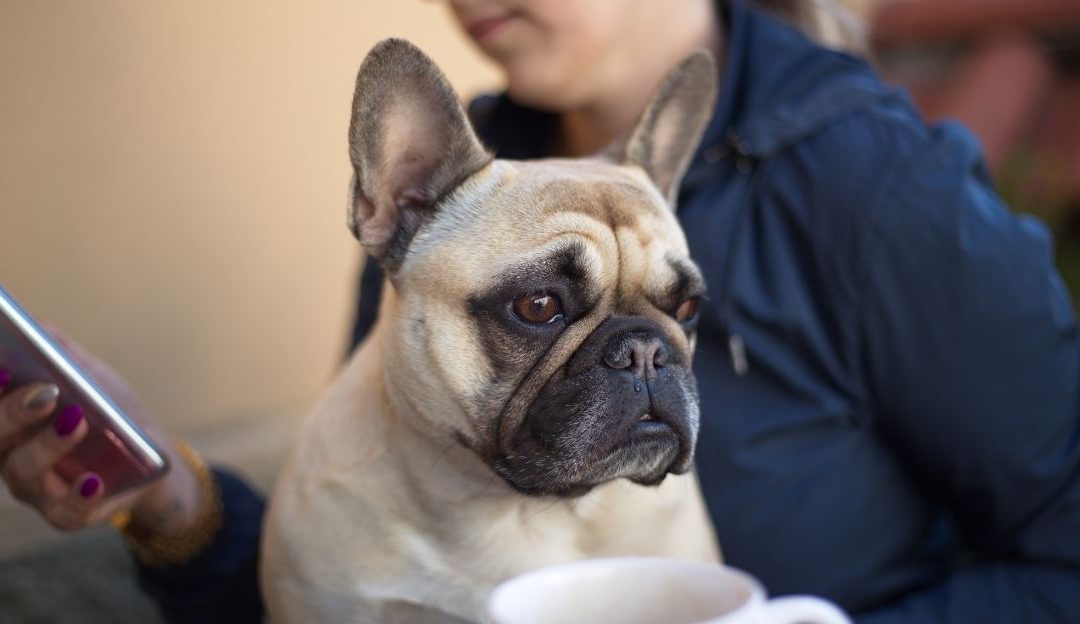
In recent years, around the world and in our region, we increasingly see signs and advertisements proudly stating “dog friendly.” Owners of shops, restaurants, cafes, and even certain Western churches open their doors to dogs, sincerely believing they are making a gesture of love and inclusion. At first glance, it appears to be a sign of progress and greater respect for animals.
However, when we look at this phenomenon through a deeper, systemic understanding of the human-dog relationship, beneath the sentimental facade lies a painful truth and a profound misunderstanding of a dog’s nature. What humans perceive as freedom and togetherness, dogs often experience as stress, confusion, and loss of safety.
At the same time, dog-themed cafes, birthday spaces, special menus, and emotional marketing concepts appear everywhere. It seems devoted to the love of dogs, but in reality, it is a sophisticated way to extract more money from owners who are emotionally attached to their pets. The dog, who should be honored for its nature and uniqueness, is increasingly reduced to a marketing prop and a tool for profit.
The “Dog Friendly” Chaos – The Stress of Dogs in Human Spaces
The inspiration for this column came a few days ago when I witnessed a scene inside a store. On the surface everything looked pleasant, people walked in with their dogs, smiling and enjoying the idea of being welcome. But the dogs quickly showed another picture.
A couple entered the space with two dogs, while another couple passed by the entrance with their own dog. That brief moment of encounter was enough for one of the smaller dogs to begin barking uncontrollably. The owners became nervous and embarrassed. They tried to calm him with words and petting, but every attempt only intensified the dog’s excitement. Their eyes looked at me as if asking, “What do we do now?”
Barking Is a Symptom – Not a Dog’s Problem, but a Family Imbalance
What seemed to people like a simple behavioral issue was, to me, an obvious sign of deeper imbalance. That dog had taken on the role of leader, decision-maker, and protector within its family. His barking was not “bad behavior” but the natural consequence of occupying a role that does not belong to him. When a dog feels responsible for making decisions and protecting the household, his nervous system stays on high alert.
I said aloud, “Poor dogs.” The woman replied, “But at home he is perfect. He never barks, he is calm and obedient.” I gently responded: if everything were truly in balance at home, the dog would carry that balance into the world. If problems appear outside, this is a sign of hidden imbalance inside the home, something people often overlook or consider normal.

Public barking is a symptom of taking on the leadership role, not just a bad habit.
The Illusion of “Rescued Dogs”
The man added that “nothing can be done” because both dogs were rescued, as if this were a permanent obstacle. I explained that rescued dogs are often the easiest to guide into a new, secure emotional structure. Dogs who lived on the street already understand the value of order and hierarchy. They know how to follow the one who shows stability and responsibility. Problems more often arise in dogs who have lived only in human households, where boundaries between human and canine worlds become blurred.
The Method of Love and Order – How to Be a True Leader, Not Only a Friend
I explained the principles from the Harmony Guide. Nothing I ask of people are tricks or obedience techniques. They are natural patterns dogs already understand. Kindness, calm presence, clarity in decisions—these create harmony. When the human becomes a leader through love and responsibility, the dog steps out of the role of protector and finally relaxes.
I suggested they avoid taking their dogs to cafes, churches, or busy places for the next two weeks. Instead, they should create a new structure at home. They were ready to learn, and that brought me joy. The problem is never the dog. The problem is the human misunderstanding of what “being welcome” means to a dog.
The Forgotten Truth – A Dog Does Not Understand the Concept of “Going Out”
One of the most important truths people forget is that dogs do not understand the human concept of leaving and returning. For a dog, every new place is a new world. When we take a dog into a church, café, or restaurant, he does not experience it as a short visit. He steps into a completely new environment with new scents, dogs, and people. He immediately has to determine where he belongs and what role he must take.
This is a huge task for an animal living entirely in the present moment. While we drink coffee imagining we are giving the dog joy, the dog is silently evaluating danger, boundaries, and responsibility.
Profit Over Wellbeing – When Love Becomes a Marketing Tool
Why then do shops, churches, and institutions promote themselves as “dog friendly”? The answer is simple: profit. People love their dogs, and where dogs are welcome, more customers come. Owners of these spaces rarely intend harm, but few truly understand what it means to bring an animal into a human-designed environment that is unnatural for them. Humans feel pleasure. Dogs feel subtle stress.
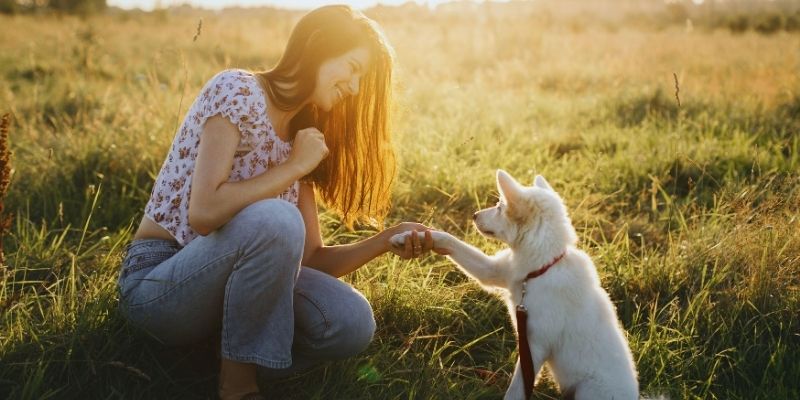
Calm presence, love, and order – this is what a dog truly needs, not an outing.
The Path to Harmony – Respecting the Dog for What It Truly Is
If we want a real relationship with dogs, we must respect who they are. This means stopping the projection of human roles onto them: child, angel, emotional companion for outings.
A dog is a dog. Its place is beside humans, but not inside human rituals that overwhelm its instincts.
-
Love is not taking the dog everywhere.
-
Love is providing structure, calm, and safety.
When we take responsibility for decisions, when we become leaders through love, the dog no longer needs to bark, control, or decide. He can finally be what he is meant to be.
“Dog Friendly” as a Mirror – A Call to Re-examine Ourselves
The “dog-friendly” trend is more than a cultural shift. It is a mirror showing how humans project their emotional needs onto animals. We call it love, but often it is the extension of our own ego. This pattern spreads into human relationships, shaping how we treat our children, partners, and friends. Perhaps the greatest proof of maturity is the ability to see another being as they truly are. Only then can harmony begin.
At Integrative and Holistic Grooming Education, we believe that every physical symptom is a message. Understanding these signals and addressing them through a holistic lens—understanding the true nature of the animal—is at the heart of everything we teach. Learn more and join our community: Linktree Sasha Riess
by Sasha Riess | 04.03.26. | Emotions
In family relationships, we often hear that forgiveness is the key to peace, but in reality, the role of forgiveness is far more complex. In the parent-child relationship, we should neither judge nor forgive, because both actions disrupt the natural order of love. Instead, the sentence “Yes, this is how it is” brings the deepest form of release without taking on burdens that do not belong to us.
Why We Should Not Judge or Forgive
When we say that forgiveness is not always the path to healing, it may sound contrary to everything we have been taught. But within the natural family order, the child must not rise above the parent. If the child says “I forgive you,” the child unconsciously takes the position of a judge, and this disrupts the order of love.
What It Means to Take On a Parent’s “Guilt”
Forgiving a parent places the child above the parent, as if the child is evaluating the parent’s actions and deciding what is good and what is not. This is a form of unconsciously taking on the parent’s burden.
How a Disrupted Order Affects Future Generations
When a child stands above the parent, the consequences can echo through generations. Feelings of guilt, fear, insecurity, destructive behavioral patterns, and even psychosomatic symptoms may emerge. To stop this burden from continuing, the answer is simple: do not judge and do not forgive.

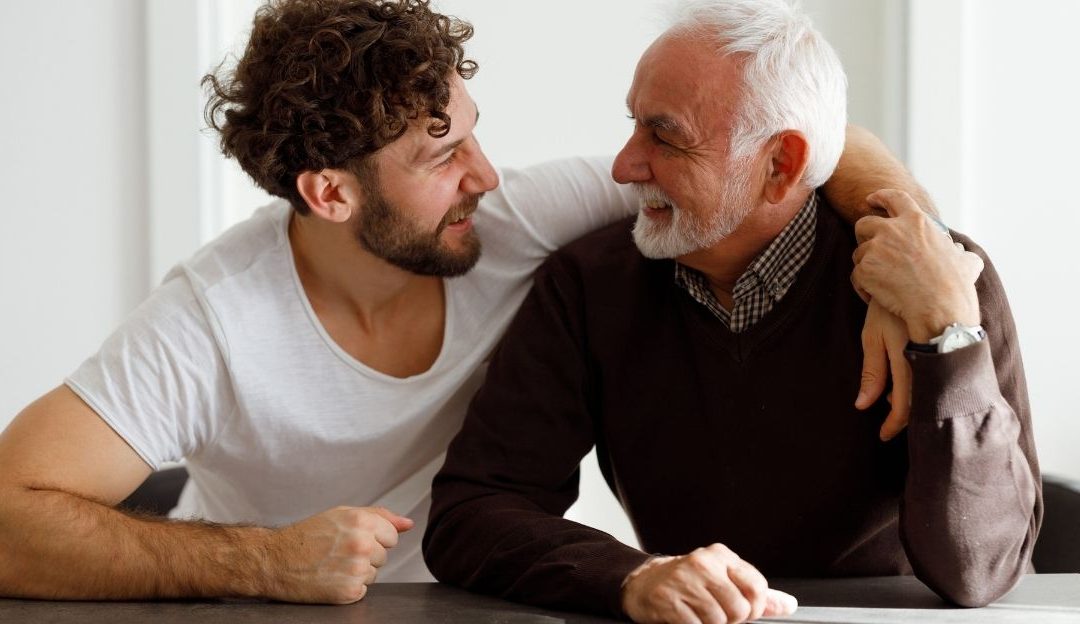
A moment showing the importance of maintaining the order in the parent-child relationship.
The Power of “Yes, this is how it is”
Acceptance does not mean justification. It means acknowledging that the parent gave what they could with what they had. This sentence restores order: the parent is the big one, the child is the small one.
-
The child keeps: Strength, discipline, and life energy.
-
The child releases: Wounds, violence, and disoriented emotional attachments.
“Yes, this is how it is” as the healthiest form of liberation does not try to change the past. Judgment belongs to a higher power; the burden stays where it belongs, and you are finally free to live your own life.
At Integrative and Holistic Grooming Education, we believe that understanding our roots and emotional order is essential for true health. Every physical symptom—in humans or dogs—is a message about balance. Learn more: Linktree Sasha Riess
by Sasha Riess | 04.03.26. | Nutrition
Dogs do not experience food and hunger the same way humans do. While owners often believe their dog is constantly hungry or enjoys food the way we enjoy our favorite meals, their relationship with food is entirely different. It is important to understand how dogs feel hunger and what food represents to them, because this changes how we feed them and how we interpret their signals.
How Dogs Actually Experience Hunger
For dogs, hunger has a completely different meaning than for humans. While humans associate hunger with taste, rituals, comfort, and emotions, dogs experience food functionally. Food is simply a source of energy that allows them to be capable, active, and ready for life.
In nature, dogs instinctively apply a natural rhythm similar to what we now call autophagy—a mild fasting period that helps the body regenerate. For wild dogs, hunger is not a tragedy; it is a vital part of their daily recovery cycle.
The „Manipulation“ of Love
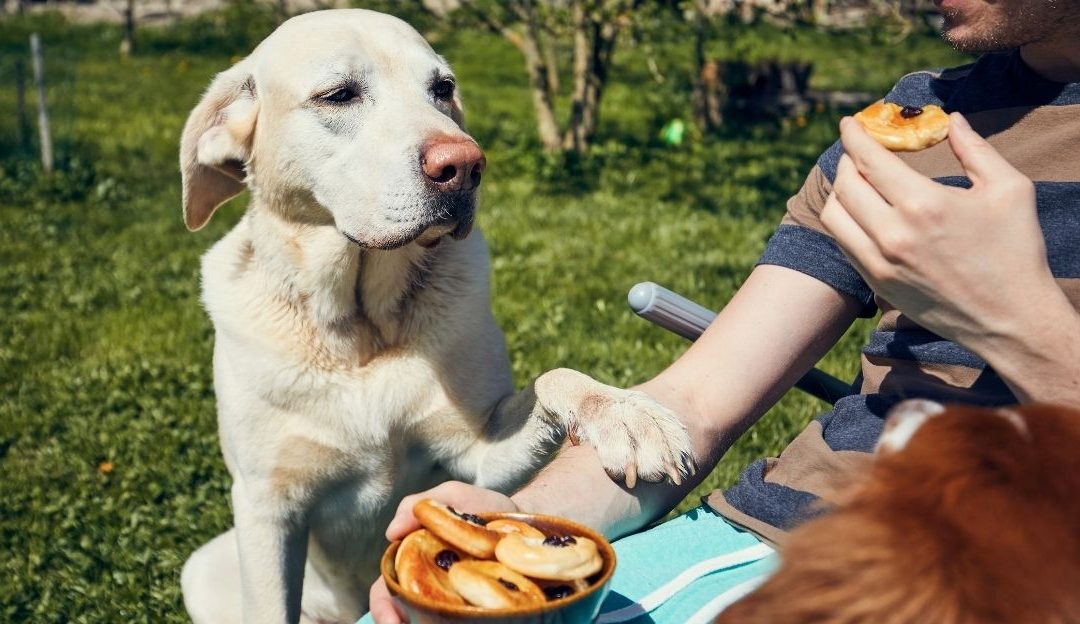
Dogs often use food to “manipulate” their owners, but not out of bad intent. They intuitively understand that food is the strongest emotional point in our relationship. Because we express care, love, and connection through feeding, they use food-seeking behavior as a way to engage with us.
Do Dogs Truly Enjoy Food Like Humans Do?
Dogs do not enjoy food emotionally. We eat when we are sad, lonely, or stressed, assigning emotional meaning to every bite. Dogs do not do this. They eat to:
While a dog eats with enthusiasm, it is a response to a natural need, not a search for emotional satisfaction or comfort.
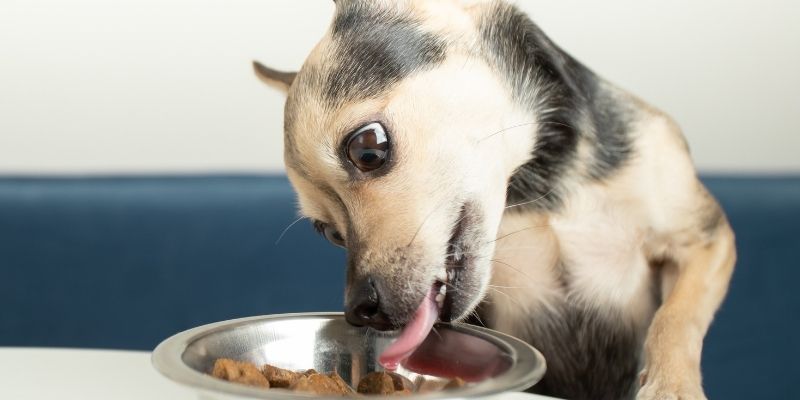
Dogs eat when biologically necessary, without emotional overeating.
When We Think the Dog Is Hungry, but It Isn’t
Owners often misinterpret „begging“ eyes or following them to the kitchen as starvation. In most cases, this is communication, habit, or a request for attention. This is why experienced handlers say: “A happy dog is a slightly hungry dog.” Mild hunger is natural, healthy, and part of their biological rhythm.
What Owners Should Know
Dogs feel hunger differently. For them, food is not an indulgence or an emotional outlet. It is energy, function, and a way to remain stable. By understanding this, we can avoid overfeeding and build a relationship based on true needs rather than misinterpreted emotions.
At Integrative and Holistic Grooming Education, we believe that every physical symptom is a message. Understanding these signals and addressing them through a holistic lens is at the heart of everything we teach. Learn more and join our community: Linktree Sasha Riess
by Sasha Riess | 03.03.26. | Behaviour
Most people believe that a dog reacts only to commands, tone of voice, or training. But the truth is much deeper. Both dogs and young children feel far more of who we are than what we do. This is why a dog sometimes does not listen, a child does not respond, and it seems to us that they “do not understand.”
In reality, they understand much more than we would like to admit. How dogs and children react is a direct reflection of our inner state.
What Does a Dog Actually Sense?
A dog does not respond to our words but to the atmosphere we create. If we are nervous, insecure, angry, or afraid, the dog will feel it long before we acknowledge it to ourselves.
The issue is not the leash, the collar, the command, or the technique. The issue is the energy we bring into the relationship. Just as we do not need to walk a dog with a choke chain or an electronic collar, we also do not need to “break him with discipline.” A dog reacts to the entire environment shaped by us—to the way we move, speak, breathe, and approach.
Why Is It the Same with Young Children?
It is similar with children. They rarely react to what we tell them; they react to what they feel coming from us. If we are confused, tense, angry at ourselves, or afraid of life, they interpret it as their own insecurity.
They do not respond to our story but to our inner reality. And here lies the essence of the problem. We are often afraid to be who we truly are, so we wear masks. We perform calmness, confidence, and authority. But the dog and the child see right through it.
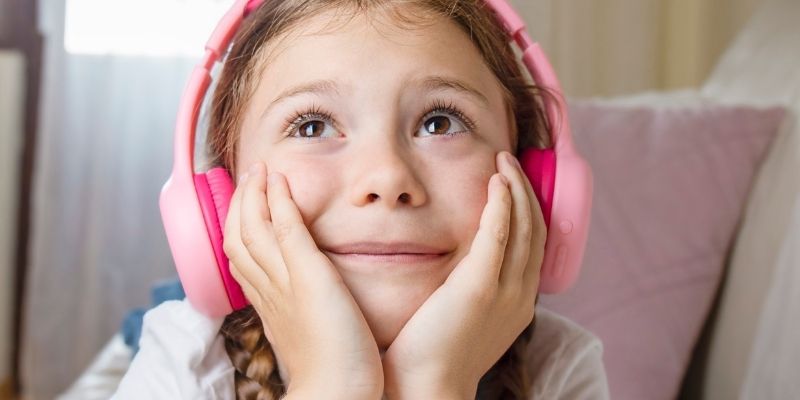
Children feel what we live, not what we say.
How One Sentence Can Change a Child’s Entire Life
A dog did not come to be your pet; he came to change your life. This applies to children as well. They do not learn from what we say; they learn from what we live. Understanding how dogs and children react to our lived truth can shift the entire family dynamic.
How to Change Their Response
There is only one way to change the behavior of a dog or a child: We must first change ourselves.
-
Slow down: Speed creates tension.
-
Release tension: Physical stiffness signals danger.
-
Become present: They feel when we are mentally elsewhere.
-
Stop hiding emotions: They sense the dissonance between our face and our heart.
-
Stop sending mixed signals: Consistency comes from inner peace.
They react to truth, not performance. When we change, their behavior naturally changes with us.
At Integrative and Holistic Grooming Education, we believe that every physical symptom is a message. Understanding these signals and addressing them through a holistic lens is at the heart of everything we teach to ensure the well-being of every dog in our care. Learn more and join our community: Linktree Sasha Riess

by Sasha Riess | 05.02.26. | Wellbeing
A dog’s first heat cycle often causes concern among owners, especially for those experiencing it for the first time. One of the most common questions is whether a dog feels pain during heat and whether pain medication is needed.
The answer is simple: No.
Is a Dog’s Heat the Same as Menstruation in Women?
Although both processes involve the release of unfertilized eggs prepared in the uterus, a dog’s heat cycle is not the same as human menstruation.
In dogs, this process is entirely instinctive and biologically guided. The dog’s body knows exactly what to do and moves through hormonal changes without inner resistance.
Why Dogs Do Not Experience Pain the Same Way Humans Do
In women, menstrual pain is often influenced not only by physiology but also by psychosomatic factors such as the relationship with femininity, emotions, life experiences, and the bond with the mother.
A dog does not carry such inner conflicts. A dog does not analyze, suppress emotions, or create mental stress around bodily processes. Because of this, a dog’s first heat is not a painful experience.
Behavioral Changes Are Normal
During heat, a dog may:
These changes are caused by hormonal fluctuations, not by pain or suffering.

Peace and routine are the best support for a dog
Are Pain Medications Necessary?
In most cases, no. Medication is not given preventively or “just in case.” If a dog shows strong pain, apathy, fever, or unusual symptoms, a veterinarian should be consulted, as this may indicate a health issue unrelated to the heat cycle itself.
What Owners Need to Understand Most
Heat is not an illness. It is a natural biological cycle that a dog experiences without emotional burden. The best thing an owner can do is provide calmness, routine, and a sense of safety, without unnecessary interventions.
This understanding of a dog’s emotional and physical state is at the heart of everything we do. At Integrative and Holistic Grooming Education, we teach people how to apply these principles of stability and care in their everyday lives with their dogs, helping create calm, healthy, and happy results.