by Sasha Riess | 06.06.26. | Coat Care
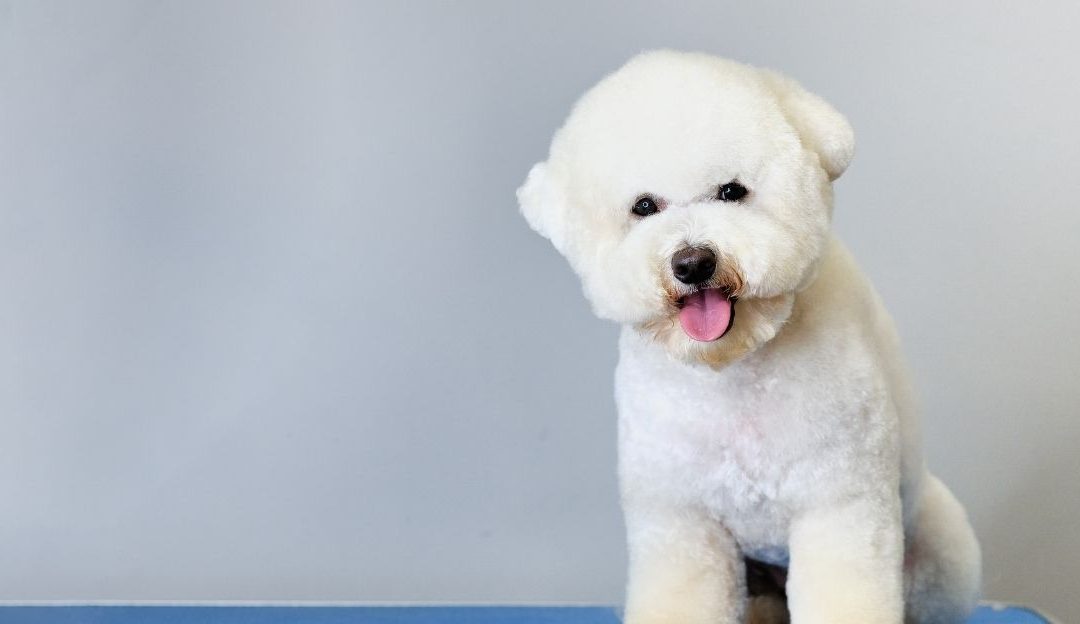
Dragana has a Bichon and wants to know what she should do to prevent matting. She has been warned that a Bichon must be brushed regularly or the coat will tangle, and she was even frightened with claims that wounds can develop beneath mats. These are common concerns among owners of this breed.
Proper Routine and the Bichon
A proper routine includes regular bathing and brushing exclusively during the drying and blow-drying process. Brushing is not dismissed as an idea, it is simply moved to another phase of the dog’s care. In this phase, you achieve a healthier, well-maintained coat, and your relationship with the dog improves significantly. What is the value of an unmatted coat if the dog is unhappy?
With an unhappy dog, it is impossible to build a good relationship if the dog approaches you out of fear or because it is being bribed with food. Only professional groomers can develop a comfortable dry-brushing technique in which both the person and the Bichon feel at ease. When the coat is dry and brushed incorrectly, the process is painful, and the hair tangles more than it is actually brushed out. Because the Bichon’s coat is very dense, with a thick undercoat and curls, maintaining it with dry brushing is extremely difficult.
The Importance of Blow-Drying and Equipment
Brushes used during blow-drying must be of precise quality, firmness, and pin shape so they can penetrate the coat correctly. That is why I repeatedly emphasize how important it is to bathe a Bichon regularly and, as part of that routine, brush only during blow-drying.
How often this should be done depends on age, nutrition, and lifestyle, but it can generally be carried out every 5, 7, or 10 days. An adult dog that is maintained regularly can be bathed every 10 to 15 days, with mandatory use of both shampoo and conditioner. Conditioner further supports proper coat growth and helps keep it clean. Remember, brushing only during blow-drying. This eliminates the fear of matting and provides the dog with a higher quality of life.
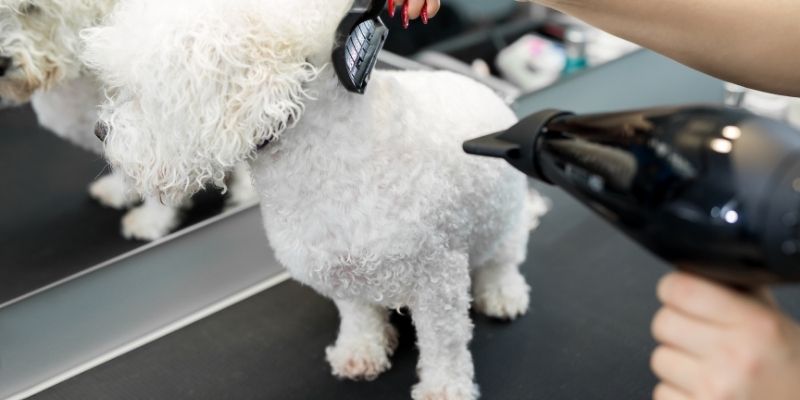
The key to success: Bichon brushing brings results only during the blow-drying process.
Why Do Wounds Develop in Bichons?
It is true that when the coat becomes matted, wounds can form beneath the mats. Because the Bichon has a dense undercoat, oxygen cannot reach the skin. Lack of oxygen, combined with moisture and a body temperature of about 38°C, creates ideal conditions for bacteria to develop, infect the skin, and cause painful sores. Proper hydration and correct drying technique are the best forms of prevention.
At Sasha Riess, we advocate for grooming methods that respect both canine anatomy and psychology. Shifting care to wet-brushing ensures your Bichon lives a life of comfort and pureloveandharmony. Protect their skin: Linktree Sasha Riess
by Sasha Riess | 06.06.26. | Nutrition
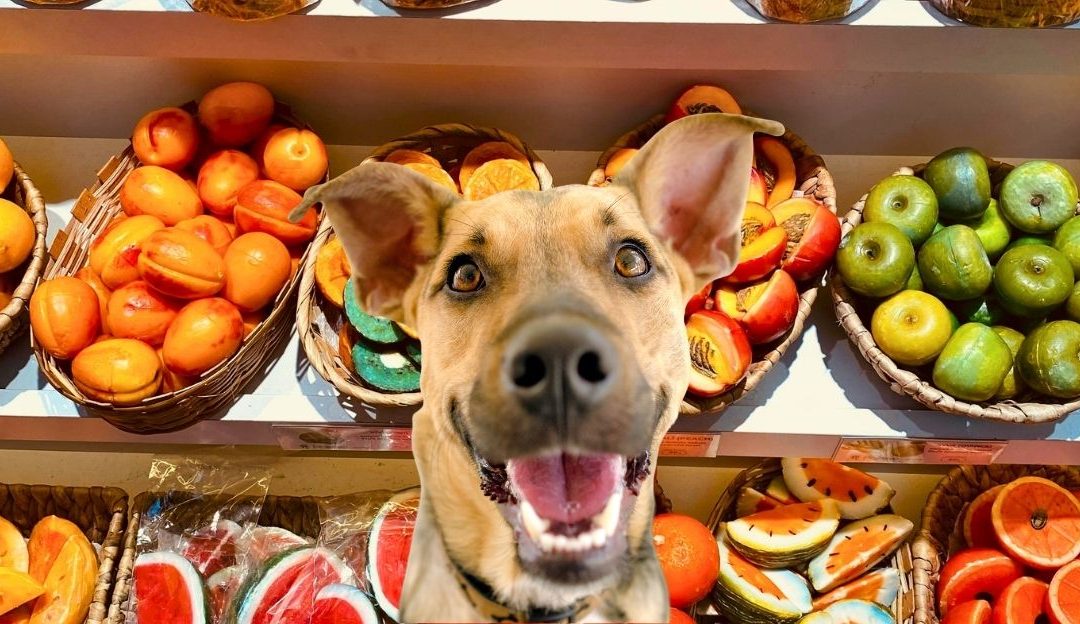
When it comes to canine nutrition, owners often have doubts about foods that we use in our daily diet. The short and simple answer to the question of whether can dogs eat oranges, mandarins, kiwi, grapefruit, lemon, and chestnuts is yes. However, this answer comes with an important “but,” which relates to moderation and the individual needs of your dog.
Everything Depends on Quantity and Frequency
Although these foods are generally safe, they should not be a daily part of the diet. It is recommended to give them once or twice a week, or even every other week, depending on how your dog is normally fed.
The most important thing is to observe your dog. For some dogs, these fruits may be an easy treat they tolerate without problems. For another dog, even a small piece may act like a “test pill” for the stomach.
Observe Your Dog’s Digestive System
The decision about whether something is good for your dog always depends on the condition of its body. Before offering kiwi or citrus fruits, ask yourself:
-
How stable is my dog’s digestive system?
-
Is the stomach sensitive or already irritated?
-
Is the stomach acidity too weak or too strong?
All these factors influence how a dog will react. Even a generally safe food can cause problems if the stomach is not ready to process it.
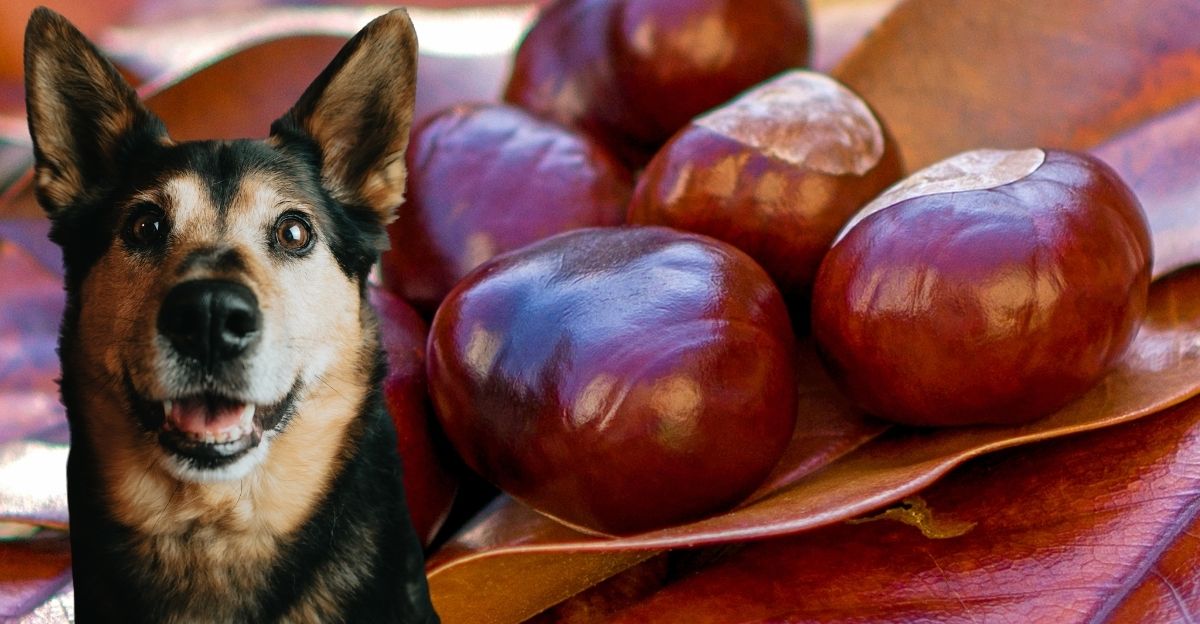
The safety of food is always relative to the individual health of the dog.
You Make the Final Decision
The safety of foods such as chestnuts or lemons is always relative to the individual health of the dog. Your role as an owner is to observe your dog’s reactions and make decisions accordingly. Dog nutrition is not a universal template, but a living process that you adapt to the individual being you know best.
At Sasha Riess, we believe nutrition is a conversation between the leader and the dog’s biology. When we listen to their digestive system, we create pureloveandharmony. Discover more insights: Linktree Sasha Riess
by Sasha Riess | 05.06.26. | Coat Care
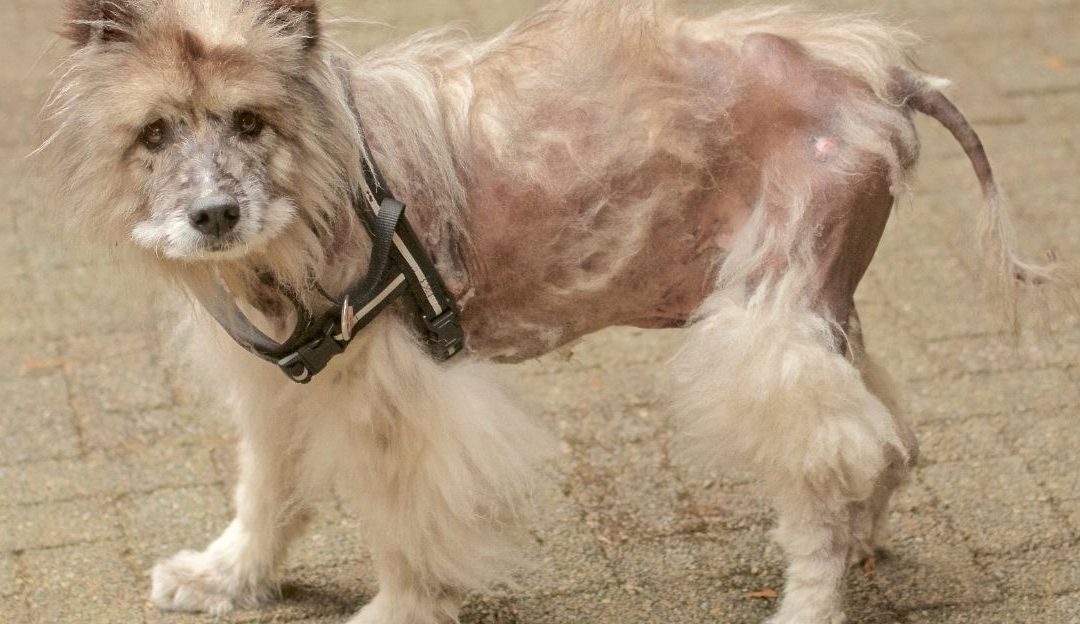
When we speak about alopecia in dogs, we usually think of hair loss. However, what we are discussing today is a systemic problem of the immune system, a conceptual disorder in which the skin becomes thickened and oily. This is not simply a matter of hair falling out. The real problem is that new hair cannot grow because it cannot break through the barrier of thickened skin.
A Systemic Problem, Not Just an Aesthetic One
Hair follicles stop functioning not because they are destroyed, but because they are waiting for the right conditions, for the skin to become soft and permeable again.
This is an immune response of the body that requires a deeper approach than ordinary anti-hair loss shampoos. Understanding this shift is essential for any dog owner dealing with chronic skin issues.
A Holistic Protocol: The Path to Recovery
For conditions like alopecia in dogs, there is a holistic protocol that addresses the cause, not only the symptom. Statistics show that 80 percent of people who consistently follow holistic protocols manage to restore the health of their pet’s skin. The remaining 20 percent often do not succeed because the process requires time, discipline, and an understanding of the systemic nature of the condition.
My protocol includes several key pillars:
-
Bathing protocol: Specific care that softens the skin.
-
Nutrition and probiotics: Strengthening the microbiome and immune system from within.
-
Homeopathy: Natural support that helps the body return to balance.
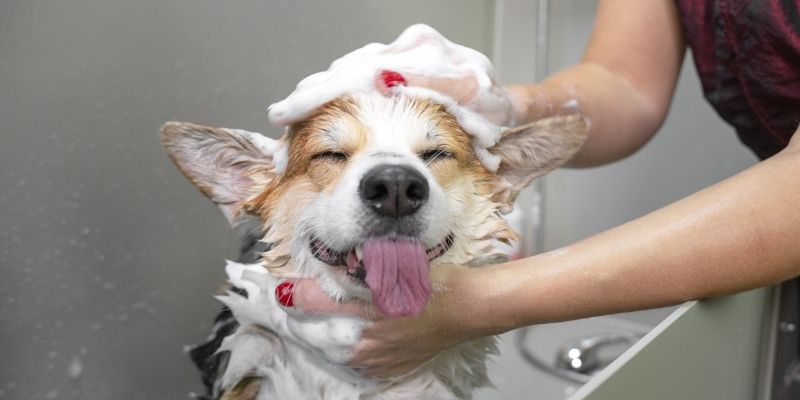
A specific bathing protocol is essential to soften the skin and allow growth.
Where to Find a Solution
If your dog is struggling with this problem, do not lose hope. On the website in the profile description you will find the PLH portal. There you can ask questions, and my team will send you a detailed protocol that includes care, nutrition, and natural therapy. It is time to restore softness to your dog’s skin so that the hair can grow again.
At Sasha Riess, we treat alopecia in dogs by restoring the skin’s natural permeability. When the barrier is softened, health returns through pureloveandharmony. Start the healing process: Linktree Sasha Riess

by Sasha Riess | 05.06.26. | Behaviour
In the modern world, we have become somewhat lost. We call dogs our babies, souls, and angels, yet we forget one essential fact: you are the dog owner. Between that role and a stable, happy companion, there is nothing except clear responsibility. For a dog to be balanced and able to follow your guidance, it must have a leader who understands not only its heart but also its biology.
The Right to Regulation and Perception
Being a conscious dog owner means giving yourself the right to self-regulation. You cannot guide a dog if you have not regulated your own energy and understanding of the world. This includes working with the physiology of the dog’s heart and respecting the way the dog perceives its surroundings. A dog does not experience the world through words, but through energy, minerals, and the biological processes taking place within its body.
The Price of Health and Mineral Balance
When we speak about health, people often question the cost of supplements and minerals. However, the real question for a responsible dog owner is: what is the cost if we do not provide them?
Mineral balance is not a luxury, but a biological foundation without which the organism cannot function properly. We cannot expect stable behavior from a dog whose physiology is out of balance. As a dog owner, it is your duty to understand that health cannot exist halfway. It is either present as a whole, or it is absent. That is the price we must be willing to pay for the true wellbeing of our dogs.
At Sasha Riess, we empower every dog owner to lead through biological understanding. True health is a whole, and it starts with pureloveandharmony. Take responsibility for their balance: Linktree Sasha Riess
by Sasha Riess | 04.06.26. | Wellbeing
The Paradox of Veterinary Ethics: Love vs. The System
It is not always a question of who a person is. Often, it is a question of the system they are forced to function within. You can sincerely love animals and still find yourself in a role that contradicts that love. This is the fate of many who study veterinary ethics or related sciences: to receive a diploma, they must learn systems of breeding where the focus is placed exclusively on public health rather than on the emotional world of animals.
The Animal as a Production Machine
In the modern context, veterinarians are often placed in service of designing systems in which animals are treated as objects.
The goal is to prevent disease transmission for human safety, while ignoring the subtle, familial, and emotional nature of beings.
This paradox creates a profound inner conflict in anyone who entered the profession out of love, highlighting a core struggle in veterinary ethics.
How to Maintain Empathy within Veterinary Ethics
It is easy to judge from the outside, but it is important to understand how difficult it is to protect yourself from a system while living inside it. Education often places biosecurity above empathy, challenging the very foundation of veterinary ethics.
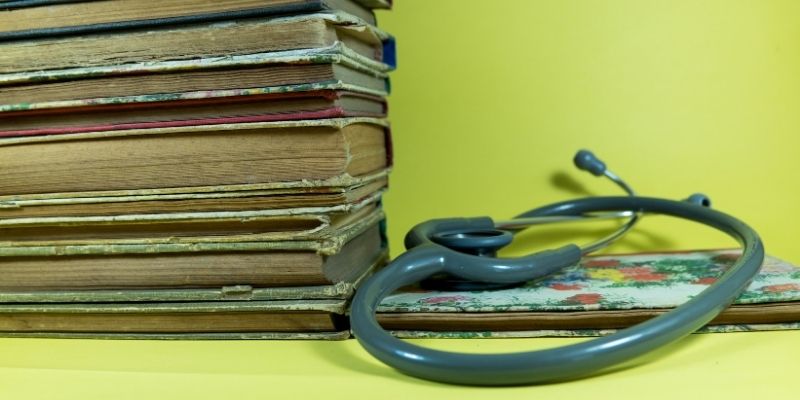
Preserving oneself lies in constant questioning of the system.
The key to preserving oneself lies in constant questioning. We must not allow the system to shape us so completely that we stop seeing the emotional world of animals behind protocols and signatures. Only through awareness can we remain a bridge toward what animals truly need: recognition of their existence beyond the function they serve.
The true measure of veterinary ethics is found in the moments when we choose to act from the heart, even when the system demands cold logic. By acknowledging that animals have a complex emotional life, we transform from mere technicians into true guardians of life. This shift is what allows us to bridge the gap between human safety and animal well-being, ensuring that empathy remains at the core of our professional path
At Sasha Riess, we believe that true veterinary ethics starts with seeing the animal behind the protocol. Our mission is to move beyond the machine and return to a state of pureloveandharmony. Stay connected to the truth: Linktree Sasha Riess