by Sasha Riess | 22.05.26. | Behaviour
Harmony between human and dog does not happen by chance. It is built every day through the way we communicate, how we feed them, and the boundaries we set. A dog does not live in the past and does not plan the future; it lives only in the present moment.
Building a Balanced Relationship
A home where harmony between human and dog exists is recognized by balance. It is not a space filled with discomfort, odor, or tension, but a place where order and calmness are felt.
A dog does not destroy the dignity of a home. A human does that through an incorrect relationship. When a dog has no clear structure or is emotionally overloaded, problems appear that are wrongly attributed to the animal.
Living in the Present Moment with Your Pet
For a dog, the present moment is everything. When communication is clear and care is consistent, the dog naturally takes its place in the system. This means:
-
The dog knows where it belongs.
-
The dog does not get lost in roles it cannot understand.
-
The dog does not carry the emotional burdens of the human.
Harmony between human and dog arises when the human joins the dog in the present moment.
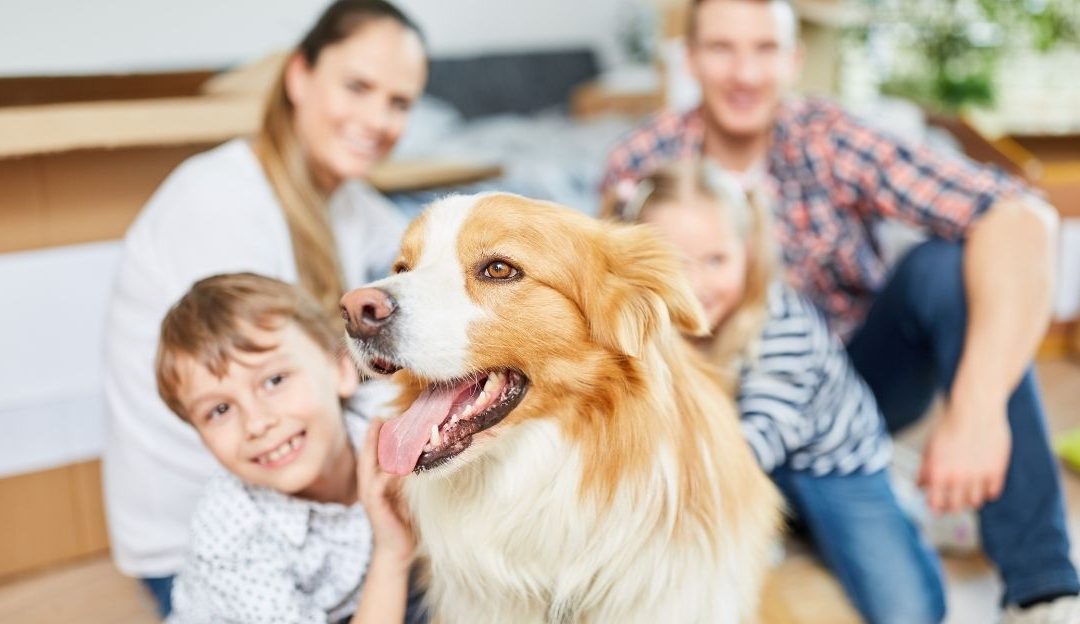
A dog lives in the present moment – harmony arises when the human joins them there.
Responsibility as the Key to Lasting Harmony
The deep connection we share is often misunderstood as sacrifice. However, true harmony does not mean giving up a dignified life. It means taking responsibility so we do not disturb our own nature or the nature of the dog.
When a human takes responsibility for the system, the dog becomes a stable, calm, and healthy member of the household. This is the essence of order, balance, and true harmony between human and dog.
At Sasha Riess, we believe that a healthy home starts with a balanced leader. Establishing harmony between human and dog is the ultimate path to pureloveandharmony. Create a space where both species can thrive: Linktree Sasha Riess
Sasha Riess Pure Love & Harmony Duo Pack The Complete Dog Coat Care System

The Dog Groomer’s Dilemma: Journey Trough Burnout, Belonging and Becoming
by Sasha Riess | 22.05.26. | Wellbeing
Vitamin C for dogs has a much more important role than most people realize. Although dogs can synthesize vitamin C on their own, there are situations in which this natural production is no longer sufficient. In those cases, supplementation becomes a powerful ally in preserving joint health, reducing inflammation, and easing chronic pain.
Why Is Vitamin C Important After Spaying or Neutering?
Spaying and neutering lead to a decrease in hormones like estrogen and testosterone, which are vital for protecting joints and supporting collagen production. This reduction can lead to increased inflammation and a higher risk of osteoarthritis.
Supplementing with vitamin C for dogs helps neutralize free radicals and protects the joints from accelerated degeneration caused by these hormonal shifts.
How Vitamin C Supports Joint Health
-
Collagen Production: Vitamin C is essential for synthesizing collagen, which builds ligaments, tendons, and cartilage. It stabilizes the joint structure, which is crucial for dogs with hip dysplasia or arthritis.
-
Reducing Inflammation and Pain: As a powerful antioxidant, it reduces swelling and stiffness, making it indispensable for senior dogs and those recovering from injuries.
Protocol for Using Vitamin C in Dogs With Joint Problems
Supplementation must be gradual to ensure optimal absorption and avoid digestive discomfort.
| Phase |
Duration |
Dosage (per kg of body weight) |
Purpose |
| Introductory |
7 Days |
20 mg daily |
Adaptation and preventing digestive upset. |
| Active |
15 Days |
Up to 100 mg daily |
Intensive support and regeneration. |
| Support |
7 Days |
20 mg daily |
Stabilizing results and transition. |
| Maintenance |
Long-term |
8 mg daily |
Long-term collagen and joint protection. |
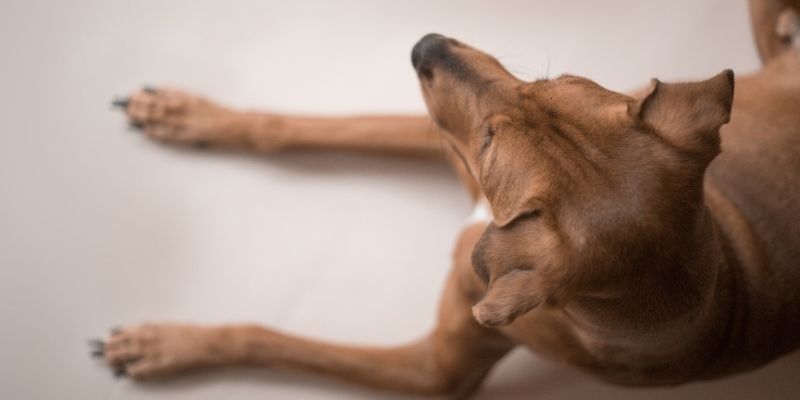
Vitamin C supports collagen production and connective tissue regeneration in dogs.
The Active Phase Detail
-
First 2 days: 50 mg per kg.
-
Gradual Increase: Add 10–15 mg per kg every two days until reaching the target dose of 100 mg per kg.
-
This phase provides the strongest anti-inflammatory effect.
Note: Dogs with gastritis must not receive vitamin C.
At Sasha Riess, we believe that proactive care is the foundation of longevity. Integrating vitamin C for dogs into a structured health plan is a strategic move toward pureloveandharmony. Ensure your dog moves with ease: Linktree Sasha Riess
The Dog Groomer’s Letter of the Month Club with Sasha Riess
by Sasha Riess | 21.05.26. | Behaviour
The human-dog relationship is often a mirror of our personal attitudes, fears, and cultural patterns. Differences in opinions, tastes, and values are not a problem in themselves; they become dangerous only when dogs suffer because of them.
Why People Disagree Even About Dogs
Differences in what we like are not random. When we choose a dog, we often do not choose a living being—we choose an image.
-
One person dislikes black dogs.
-
Another focuses on the fur.
-
A third sees only beauty.
There is no right or wrong here, only difference. People look at life through different filters, and different opinions are not an attack. The problem begins when these differences justify poor treatment.
A Paradigm That Brings Results
There is a way of thinking and working with dogs that, when applied consistently, brings real results to the human-dog relationship:
If a method produces these results, why should it be dismissed just because it challenges the dominant belief that a dog is „problematic“?
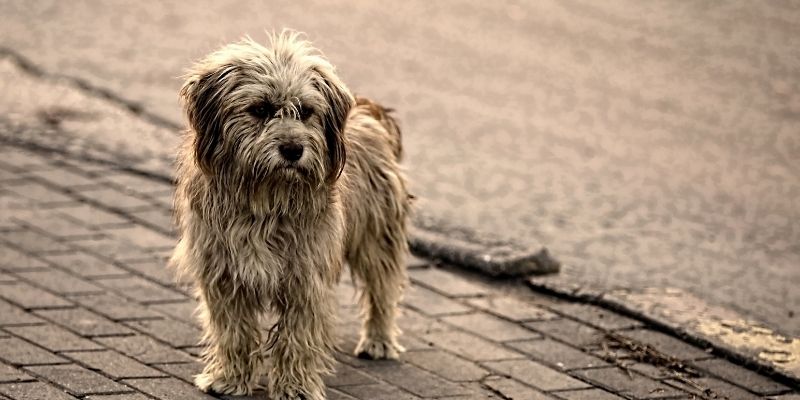
The dog is the animal that suffers most because of humans.
Who Truly Suffers in the Human-Dog Relationship?
There is no animal beside which humans suffer more than a dog, but there is also no animal that suffers more because of humans. The dog is the only animal completely bound to human decisions, fears, and projections.
Because of this, the responsibility always lies with us.
Changing Our Perspective
Differences in opinion are not the issue. The issue is when a dog pays the price for our aesthetic criteria or our fears. If we change how we perceive them, we change their fate.
At Sasha Riess, we believe that the human-dog relationship should be based on understanding the dog’s true nature, not our own projections. Only then can we achieve pureloveandharmony. Learn how to look past the „image“ and see the soul: Linktree Sasha Riess
The Dog Groomer’s Letter of the Month Club with Sasha Riess
by Sasha Riess | 21.05.26. | Nutrition
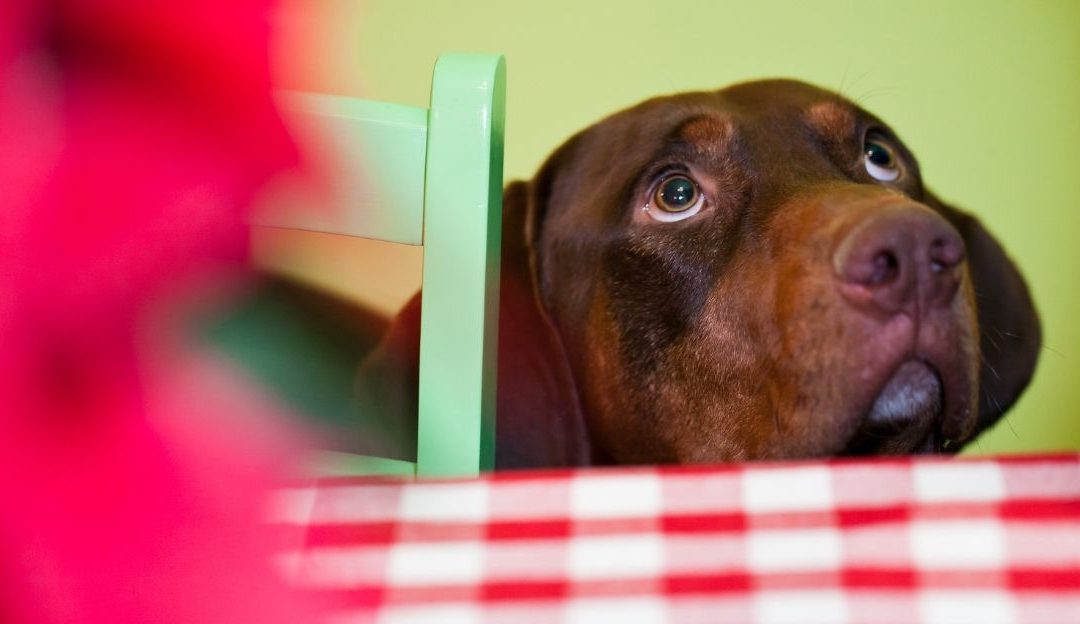
“My dog keeps begging while I am eating at the table.” “He looks at me with those eyes, I feel sorry for him.” “I gave him just a little.”
And that is exactly where the problem begins. Not in the dog, but in us. Feeding a dog out of pity is one of the most common ways we unintentionally damage our relationship with our pets.
How Feeding Out of Pity Creates a Problem
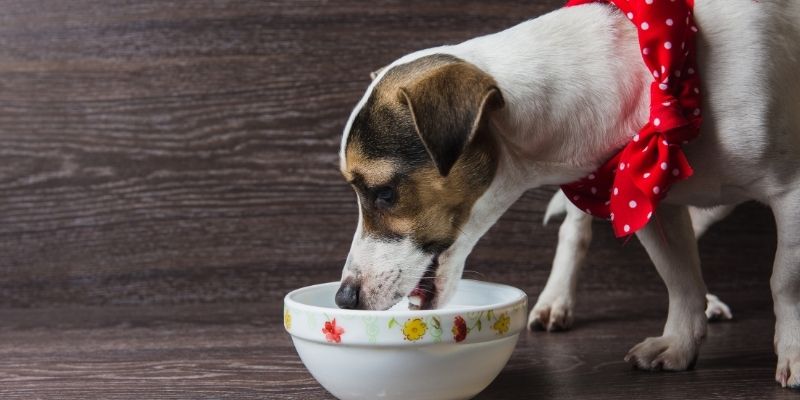
When feeding a dog regularly while you are eating, the dog does not learn to eat at its own time. Instead, the dog:
-
Learns that your presence is a condition for food.
-
Connects safety with you being there.
-
Loses structure in one of the most basic needs—nutrition.
The result is often not just a bad habit, but severe separation anxiety and the dog refusing meals when alone.
The Dog Does Not Understand Your Intention, Only the Context
You might think you are showing love, but the dog understands structure, rules, and consistency. When feeding a dog from the table or outside a routine, the dog interprets this as instability and an absence of leadership.
Urination is often a message of insecurity, not a health problem.
Why the Dog Refuses to Eat Its Own Meal
When it’s time for the dog’s actual meal, they are often already waiting for a “better option” because they know someone will give in. We often blame the dog for being “stubborn,” but in reality, we were the ones who said yes out of weakness.
Structure Is Not Coldness, Structure Is Safety
Structure means:
-
The dog eats at its own time.
-
The dog does not eat from the table.
-
The dog does not receive food just because it asks.
A dog that has structure feels safer and can stay alone more easily. They don’t constantly seek validation because they trust your leadership.
Why Feeding Out of Pity Can Be Fatal
Over time, inconsistent habits in feeding a dog lead to anxiety and a loss of trust. A dog you constantly give in to does not trust that you are capable of leading. And a dog without trust is a dog that suffers.
At Sasha Riess, we believe that true love is expressed through clear boundaries. Proper habits in feeding a dog are the foundation of pureloveandharmony. Establish your leadership and structure today: Linktree Sasha Riess
Sasha Riess Pure Love & Harmony Duo Pack The Complete Dog Coat Care System
The Dog Groomer’s Dilemma: Journey Trough Burnout, Belonging and Becoming
by Sasha Riess | 20.05.26. | Wellbeing
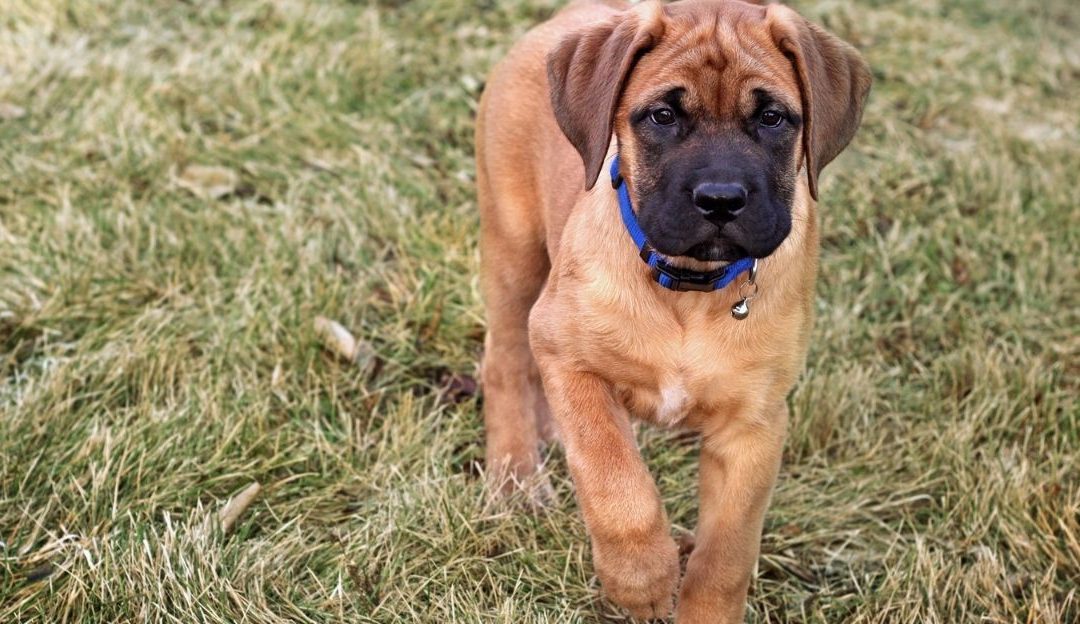
Dog owners often become alarmed when they see changes on an X-ray that resemble hip dysplasia, especially if the dog is only 7 to 8 months old. Although the image may look like dysplasia, at this age, it is not possible to speak with certainty about a final diagnosis.
Development, Not Disease
An 8-month-old dog is still in an intensive phase of growth and development. Bones, joints, ligaments, and muscles do not develop at the same pace, which can create a temporary appearance of instability.
During this period:
On an X-ray, these developmental shifts can resemble hip dysplasia, but without considering the dog’s age, the image can be easily misinterpreted.
What Is the Real Issue at 8 Months?
Instead of labeling it as hip dysplasia, it is more important to consider:
-
Growth Rate & Nutrition: How fast is the skeleton maturing?
-
Joint Load: Are stairs, slippery floors, or jumping putting too much pressure on a developing system?
-
Hormonal Status: Puberty affects ligament laxity.
Very often, this is simply a growth imbalance where the body seems to “fall apart” only to later reorganize into a stable structure.
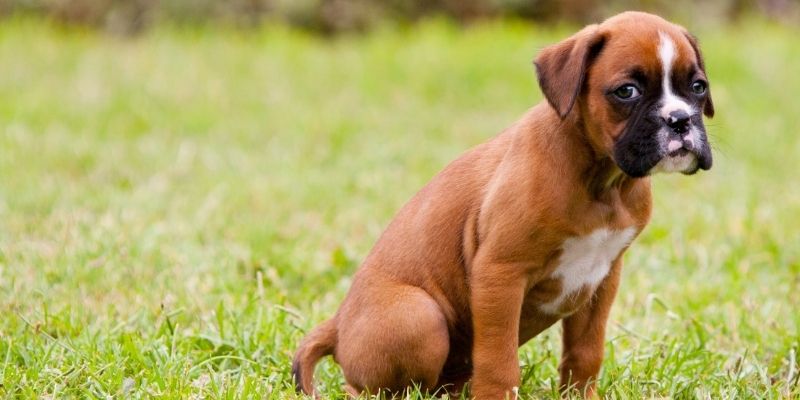
A dog’s development is not linear and goes through phases of growth imbalance.
Why It Is Important to Look at the Bigger Picture
A dog’s development is never linear. A permanent diagnosis of hip dysplasia is confirmed only after growth is completed, most often around 18 to 24 months of age. If we ignore the developmental phase, we arrive at incorrect diagnoses and unnecessary fear.
An 8-month-old dog requires monitoring, not labeling. Always observe the whole dog, not just the X-ray image.
At Sasha Riess, we believe in patience and understanding the biological clock of development. Rushing a diagnosis of hip dysplasia before the body is fully formed can disrupt the path to pureloveandharmony. Learn more about supporting your dog’s growth: Linktree Sasha Riess
The Dog Groomer’s Dilemma: Journey Trough Burnout, Belonging and Becoming