
by Sasha Riess | 16.08.26. | Nutrition
Many people want someone else to carry out what ultimately represents their primary responsibility. They want someone else to cook, someone else to think, and someone else to care. However, true relationships cannot be delegated. When we launched our educational program on preparing natural nutrition for dogs, some individuals joined with the idea of quickly starting their own pet food businesses.
Consequently, once they saw how vast, demanding, and unpredictable that responsibility truly is, they stepped back immediately. They realized the true weight of what they were taking on.
The Trap of Paid Presence
The fact that we can pay someone to do something for us does not justify completely disconnecting from the process. Therefore, that convenience-driven path often leads directly toward comfort seeking and consumerism. You can pay for a service, but you cannot pay for genuine presence.
No one can replace an owner, just as no one can replace a parent. Simultaneously, when you consciously set aside time to prepare meals and question what your dog is eating, you do not simply feed its body. You also strengthen and deepen the emotional relationship you share.
Be Involved, Not Just a Consumer
The high price we pay through disconnection and the loss of connection with our companions far exceeds the time we would spend standing beside the kitchen stove. That is precisely why we always return to the same core principle. The goal does not demand that everything remain perfect and factory packaged.

BE INVOLVED, NOT JUST A CONSUMER.
Instead, the goal requires active involvement in your dog’s daily life. Natural canine nutrition begins directly in your own kitchen because nothing and no one can replace the authenticity, care, and conscious energy you bring into the food you prepare for your dog.
To discover more about how emotional alignment, balanced lifestyle, and authentic energy restore internal balance, read our canine nutrition guidelines.
At Sasha Riess, we look past commercial labels to honor the unique biological blueprint of your companion. True health requires addressing the subtle internal patterns that create lasting vitality and pureloveandharmony. Discover the customized path to your dog’s longevity:Linktree Sasha Riess
👉 Follow our Facebook page and never miss our latest articles, news, and updates.

by Sasha Riess | 16.08.26. | Wellbeing
As modern scientific understanding of how organisms interact with their environment continues to evolve, perhaps cynology—the study of dogs—must reconsider one of its oldest assumptions. The concept of breed has proven highly effective in describing how a dog looks. However, it has been far less successful in explaining how a dog behaves. By turning breeds into psychological categories, we have created generations of owners who see labels instead of living systems. When it comes to canine behavior and biology, the time has come to stop explaining behavior through pedigrees and start understanding it through the science of life itself.
Before we continue our exploration of how the senses shape a dog’s relationship with the world, we must first establish an important foundation. Originally, the plan aimed to begin with vision and then move through hearing, smell, taste, touch, and emotions. However, before taking that journey, we must pause and examine a question that sits at the very center of modern canine behavior science: What is behavior?
What Is Behavior?
At first glance, the answer appears simple. Yet the deeper we explore the subject, the clearer it becomes that misunderstanding behavior lies at the heart of many misconceptions in the dog world. For decades, experts attempted to explain behavior through breed, genetics, training, or temperament while often overlooking a much more important question: Is behavior a trait of the dog, or does it simply represent the way the nervous system attempts to maintain balance within its environment? This question sits at the center of the relationship connecting breed and dog behavior to biology.
When most people talk about canine behavior, they usually discuss expectations. A dog that comes when called displays “good behavior.” A dog that barks has a “behavior problem.” A dog that sits quietly acts “obedient.” A dog that pulls on the leash acts “disobedient.” Consequently, over time, we have developed entire systems of labels without asking what actually happens inside the organism we observe.
Biology offers a completely different perspective. From a scientific standpoint, behavior is not a personality trait. It does not represent a moral category, nor does it prove that a dog is good or bad. Behavior represents a collection of responses through which an organism reacts to internal and external changes to increase its chances of survival and maintain homeostasis. In other words, behavior functions as a tool. It is the exact way the nervous system attempts to solve a problem.
Homeostasis: The Driving Force Behind Behavior
In the previous article, we discussed homeostasis as one of the fundamental principles of life. Homeostasis represents the organism’s ability to maintain internal stability despite constant changes in the outside world. Body temperature, hormones, blood pressure, breathing, and energy regulation continuously adapt to keep the organism balanced. However, homeostasis does not act merely as a physiological process. It serves as one of the primary goals of the nervous system.
The organism is not simply trying to survive; it tries to survive efficiently, with as little unnecessary energy expenditure and uncertainty as possible. This is why we cannot separate behavior from homeostasis. Behavior functions as one of the key mechanisms through which the organism attempts to maintain equilibrium. Once we understand that, we begin to recognize one of the greatest misconceptions in modern dog culture: the belief that breed and dog behavior share an inseparable, rigid bond.
Breed Differences and Biological Reality
Of course, breeds differ from one another. It would be absurd to claim otherwise. Selective breeding has created enormous differences in body size, coat type, structure, movement, and certain functional predispositions. Consequently, some breeds show stronger tendencies toward tracking. Others excel at retrieving. Some display greater interest in herding livestock. However, several hundred years of selective breeding represent only a tiny moment compared to the thousands of years during which canine biology evolved.
No breed has altered the fundamental principles governing the canine nervous system. No breed has removed the dog’s need for safety. No breed has changed the need for predictability. Furthermore, no breed has changed the organism’s drive to maintain homeostasis. A dog is still a dog. Whether we observe a Chihuahua, a Great Dane, a Maltese, or a Belgian Shepherd, the nervous system attempts to solve the exact same challenge: understanding the world and maintaining balance within it. Therefore, assuming that breed and dog behavior are identical misses the underlying biological reality.
Neuroplasticity: How Environment Changes Everything
Perhaps one of the most remarkable characteristics shaped through thousands of years of coexistence with humans is neuroplasticity. Neuroplasticity represents the ability of the nervous system to adapt through experience. The greater the neuroplasticity, the greater the capacity to learn, adapt, and develop new behavioral patterns. Modern neuroscience demonstrates that mammalian brains continuously change in response to their environment.
Over thousands of years living alongside humans, dogs did not evolve simply to live near us. They evolved to adapt to us. Consequently, the same dog can appear completely different under different life circumstances. The same genetics, the same breed, and the same organism can display completely different behavior.
The World of Human Beliefs
Perhaps the most fascinating part of this discussion lies in the fact that dogs do not live primarily in an objective world. They live in a world shaped by humans. More specifically, they live in a world shaped by human beliefs. One owner believes dogs belong on the bed. Another believes dogs should never enter the house. One believes social interaction with other dogs remains essential. Another avoids it completely. One uses food as a primary communication tool. Another rejects food rewards entirely.
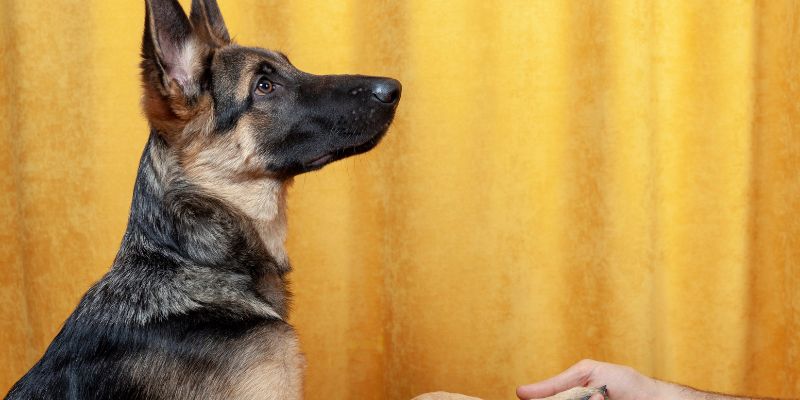
THE DOG AS A REFLECTION OF ITS WORLD.
The dog adapts to whichever reality it inhabits. Its environment is shaped not only by physical space but also by the ideas, routines, expectations, and assumptions of the people around it. This is why we cannot fully understand breed and dog behavior without understanding the humans who share the dog’s life. Studying behavior without examining the environment is like trying to understand a fish while ignoring the water in which it swims.
The Dog as a Reflection of Its World
Perhaps this explains why we so often misunderstand dogs. We search for answers in breed when we should be looking at relationships. We search in genetics when we should be looking at experience. Consequently, we search inside the dog when we should be examining the world we have created around it.
Behavior is not primarily a story about what breed a dog belongs to. It is a story about how the dog’s nervous system experiences the world in which it lives. Ultimately, sometimes the greatest changes in behavior occur not when we change the dog, but when we change ourselves.
Thank you for reading.
To discover more about how emotional alignment, balanced lifestyle, and authentic energy restore internal balance, read our canine wellbeing guidelines.
See you next time.
At Sasha Riess, we look past commercial labels to honor the unique biological blueprint of your companion. True health requires addressing the subtle internal patterns that create lasting vitality and pureloveandharmony. Discover the customized path to your dog’s longevity: Linktree Sasha Riess
by Sasha Riess | 14.08.26. | Nutrition
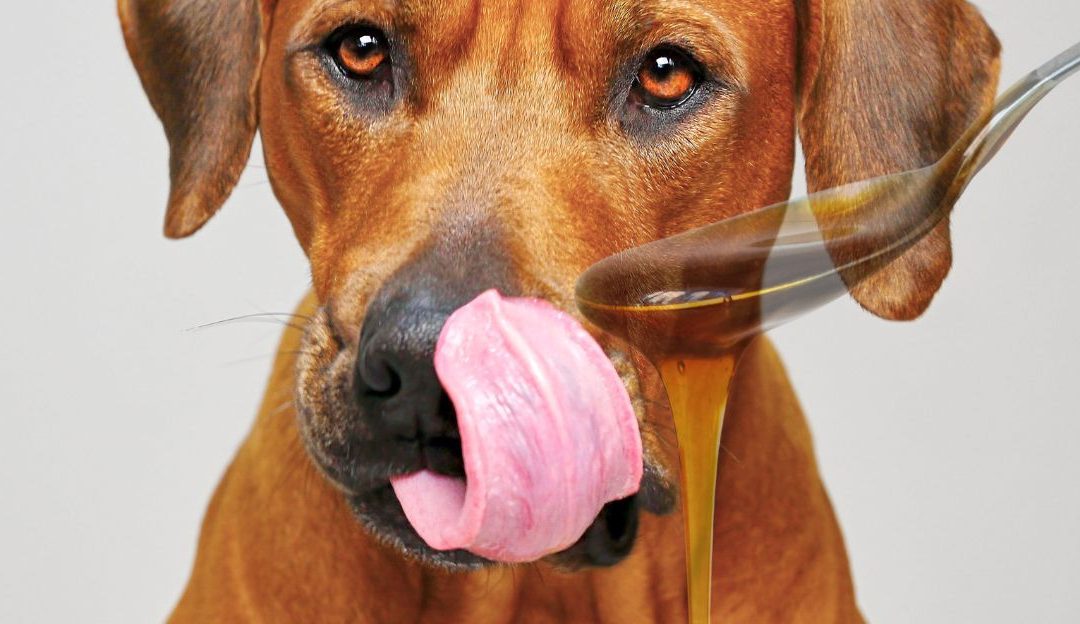
Many dog owners wonder whether bee products can be a healthy addition to their pet’s diet. Natural honey for dogs can serve as a valuable nutritional supplement and has existed traditionally for generations because of its rich composition and natural properties. However, one important principle requires our consideration. Whenever possible, choose high-quality local honey that bees produce from your immediate area.
Why Local Honey May Be Beneficial
Local honey comes directly from the pollen and plants naturally present in the environment where both you and your dog live. Consequently, many owners prefer local products as part of a varied and natural diet. In addition to providing natural sugars, honey contains trace amounts of enzymes, antioxidants, and other naturally occurring compounds. Therefore, for many dogs, small amounts can serve as an enjoyable occasional addition to daily meals.
Proper Serving Size
As with any food, moderation remains essential. A commonly used guideline suggests approximately one-quarter teaspoon of honey per 5 kilograms (11 pounds) of body weight per day. However, the ideal amount may vary depending on the individual dog, age, activity level, health condition, and overall diet.
Owners should always introduce honey for dogs gradually and use it as part of a balanced nutritional plan. Simultaneously, dogs with diabetes, obesity, or other metabolic conditions should only receive honey under direct veterinary guidance.
Glucose and Energy for the Body
The brain relies heavily on glucose as a primary energy source. In healthy dogs, metabolic processes continuously produce glucose from multiple dietary sources. A balanced diet that includes appropriate amounts of proteins, fats, vegetables, and other nutrient-rich foods actively supports overall health and energy production. Consequently, when used thoughtfully and in moderation, honey for dogs can represent one of many natural foods that contribute variety and enjoyment to a daily diet.
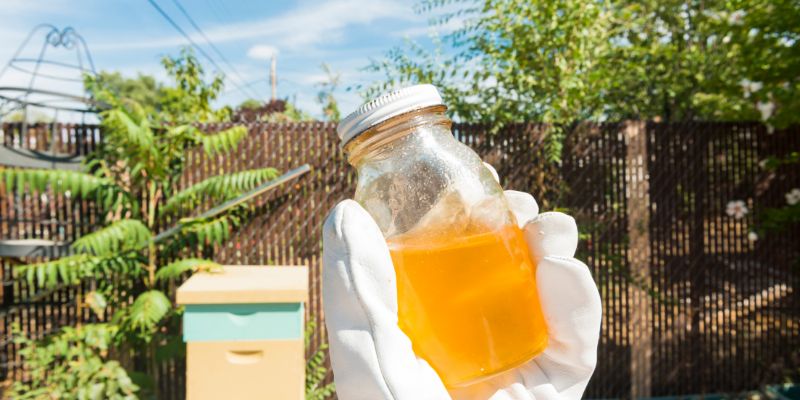
Whenever possible, choose high-quality local honey produced by bees from your immediate area.
A Balanced Approach
No single food creates complete health on its own. True wellbeing flourishes through the combination of quality nutrition, adequate hydration, physical activity, emotional balance, restorative sleep, and a healthy environment. Ultimately, honey does not represent a miracle cure, but when chosen carefully and offered appropriately, it serves as a simple and natural addition to a conscious nutritional approach.
Thank you for reading.
To discover more about how emotional alignment, balanced lifestyle, and authentic energy restore internal balance, read our canine nutrition guidelines.
At Sasha Riess, we look past commercial labels to honor the unique biological blueprint of your companion. True health requires addressing the subtle internal patterns that create lasting vitality and pureloveandharmony. Discover the customized path to your dog’s longevity: Linktree Sasha Riess
👉 Follow ourFacebook page and never miss our latest articles, news, and updates.

by Sasha Riess | 14.08.26. | Behaviour
How Exploring Nature and Biology Brings Us Closer to Understanding Our Dogs
When we observe nature, it is difficult not to notice one fascinating fact. Whether we are talking about a wolf in the forest, an eagle on a mountain peak, a dolphin in the ocean, or an ant beneath the soil, every living being appears to know exactly where it belongs. Its body, nervous system, behavior, and way of life have evolved over millions of years in harmony with the environment in which it lives. Nature did not create perfect beings; it created beings capable of adaptation.
On the other hand, there is the human being: the only species that did not merely adapt to the world around it, but developed the ability to reshape the world according to its own needs. Humans can build cities in deserts, illuminate the night as if it were day, redirect rivers, control indoor temperatures, and produce food thousands of miles away from where it originated. No other species on Earth possesses such power.
Yet this is precisely where one of nature’s greatest paradoxes begins. The more humans mastered their environment, the less they seemed able to master themselves. Never in history have we had more comfort, choices, or opportunities to decide where we live, what we eat, whom we build relationships with, and how we organize our lives. At the same time, there has never been more anxiety, chronic fatigue, sleep disturbances, emotional exhaustion, and feelings of inner instability. Consequently, it seems as though we conquered the external world while losing connection with our internal one.
This may sound provocative, but sometimes it seems that humans are the only species that systematically creates conditions that reduce the quality of its own life. I am not speaking only about wars, pollution, or social conflict. I am speaking about everyday decisions: the way we eat, sleep, work, build relationships, and shape our environment. We have the freedom to choose, yet very often we choose what moves us further away from balance. Therefore, in this downward spiral, humans bring with them all those they love: their families, their children, and the animals with whom they share their lives. That is why this is not only a story about humans; it is also a story about dogs.
The Impact of the Environment on the Dog’s Nervous System
Many of the problems we attribute to dogs may actually be consequences of the environment we have created.
For most of their evolutionary history, dogs lived in a world that was relatively predictable. The cycles of day and night were clear. Scents came directly from nature. Sounds generally carried meaning related to survival. Their biological systems evolved within an environment that was far simpler than the world we inhabit today.
The modern dog, however, no longer lives in nature. As we have discussed before, mineral balance within the body is deeply connected to nature, yet today’s dog spends most of its life within human civilization. Dogs live surrounded by traffic, screens, artificial lighting, noise, chemicals, constantly changing schedules, and an enormous amount of stimulation that the nervous system of dogs must process every single day.
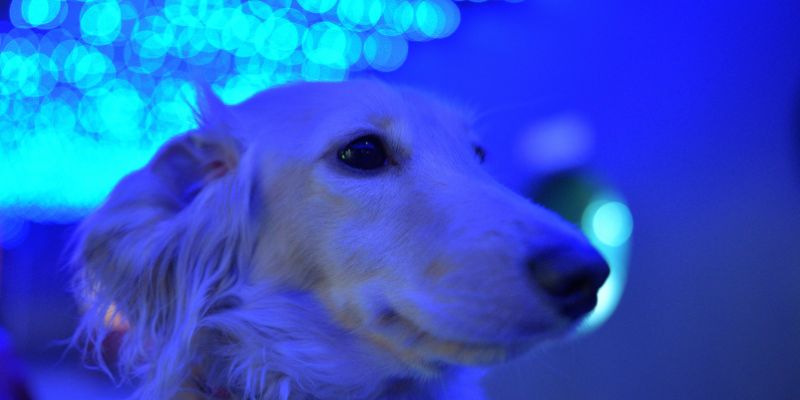
MODERN STIMULATION AND THE CHALLENGE OF MAINTAINING HOMEOSTASIS.
Ironically, many of the behavioral problems we now attribute to dogs may not have originated in dogs at all. Perhaps they originated in the artificial environment we created around them. We frequently talk about anxious dogs, reactive dogs, and overly sensitive dogs. However, far less often do we ask whether the nervous system of dogs is simply trying to adapt to living conditions that no generation before it ever experienced.
To understand why this matters, we must return to one of the most important principles in biology: homeostasis. Simultaneously, we must recognize that when it comes to the nervous system of dogs, homeostasis serves as the foundation of survival, balance, and inner peace in an increasingly chaotic world.
Ultimately, that balance will be the subject of the next column.
Thank you for reading.
To discover more about how emotional alignment, balanced lifestyle, and authentic energy restore internal balance, read our canine communication and behavior guidelines.
See you next time.
At Sasha Riess, we look past commercial labels to honor the unique biological blueprint of your companion. True health requires addressing the subtle internal patterns that create lasting vitality and pureloveandharmony. Discover the customized path to your dog’s longevity: Linktree Sasha Riess
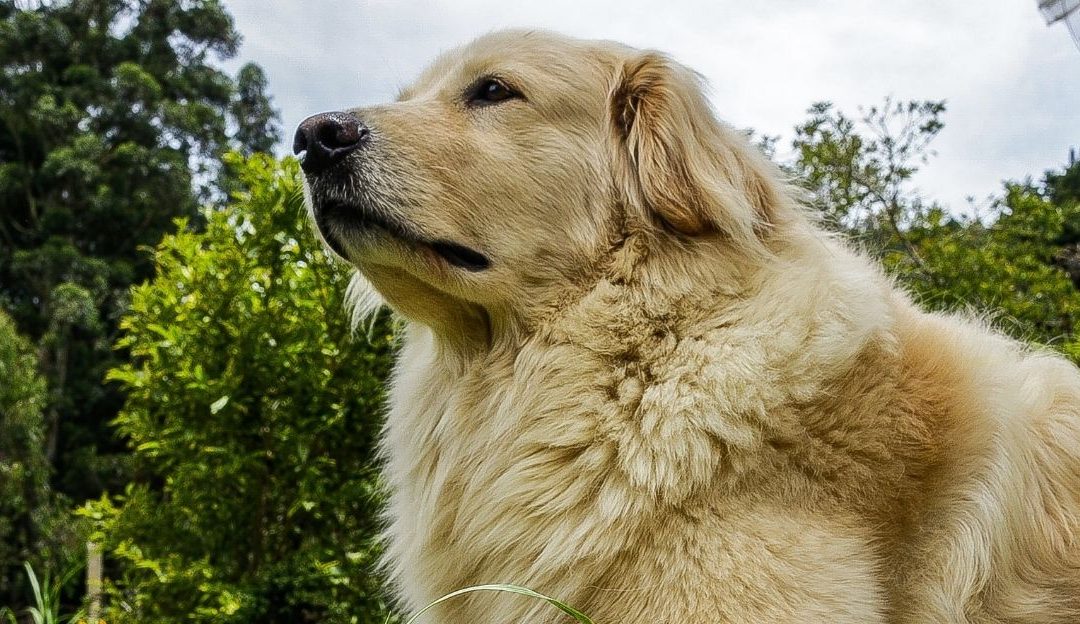
by Sasha Riess | 13.08.26. | Wellbeing
Why Late Spaying or Neutering in Large Breed Dogs May Affect Thyroid Function
The decision to remove a dog’s reproductive organs is often viewed as a routine surgical procedure. However, spaying and neutering dogs, even in mature or senior individuals, may have significant effects on the body’s hormonal balance.
Integrative veterinarian Dr. Judy Morgan has spoken about a concern observed in some adult dogs following sterilization procedures. According to this perspective, thyroid function may decline after the removal of reproductive organs, sometimes becoming noticeable within six to twelve months after surgery.
The resulting changes may not be immediately obvious. Symptoms can appear gradually and may include shifts in behavior, energy levels, skin condition, or overall wellbeing. Consequently, understanding the underlying physiological changes requires looking beyond the symptoms themselves and examining how the endocrine system functions as an interconnected network.
The Chain Reaction Within the Endocrine System
The endocrine system operates as a complex web of glands that communicate through hormones. When owners choose spaying or neutering dogs, other glands within the endocrine network must adapt to the new hormonal environment.
The adrenal glands, in particular, continue producing small amounts of sex hormones such as estrogen, progesterone, and testosterone. As a result, they may be required to compensate for some of the hormonal functions previously supported by the ovaries or testicles. Supporters of this theory suggest that this additional workload may place greater demands on the adrenal system over time.
Why Are Cushing’s Disease and Addison’s Disease Often Discussed?
Within holistic and integrative veterinary circles, discussions frequently focus on the relationship between adrenal health and endocrine disorders. Two conditions often mentioned are:
-
Cushing’s disease, associated with excessive cortisol production.
-
Addison’s disease, associated with insufficient adrenal hormone production.
Some practitioners believe that long-term endocrine stress following procedures like neutering dogs may contribute to the development of these conditions in susceptible individuals. However, many factors, including genetics and overall health, also play important roles.
When One Hormonal Source Is Removed
The body constantly works to maintain balance. When one source of hormones disappears, the endocrine system adapts by redistributing responsibilities among its remaining glands. Consequently, from a holistic perspective, this adaptation may influence thyroid activity, metabolism, energy regulation, and overall hormonal harmony.
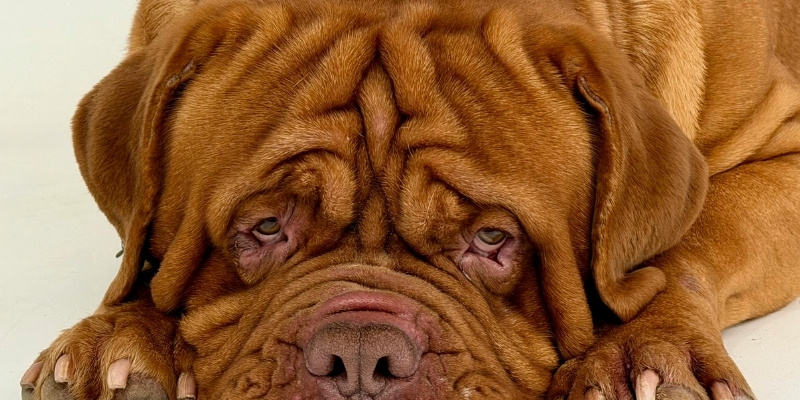
UNDERSTANDING THE SYSTEMIC IMPACT BEYOND INITIAL SYMPTOMS.
For this reason, many integrative practitioners encourage owners to carefully evaluate all potential benefits and risks before making decisions regarding elective sterilization procedures. Simultaneously, understanding these shifts allows guardians to offer better proactive support to their companions.
A Holistic Approach to Decision-Making
Every dog is unique. Age, breed, lifestyle, health history, genetics, and environmental factors should all guide decisions before choosing any major medical intervention. Therefore, a truly holistic approach involves gathering information, consulting trusted professionals, and making decisions based on the individual needs of the dog rather than following a one-size-fits-all recommendation.
Ultimately, the goal is not simply to prevent problems, but to support long-term health, balance, and quality of life for every animal.
Thank you for reading.
To discover more about how emotional alignment, balanced lifestyle, and authentic energy restore internal balance, read our canine wellbeing guidelines.
See you next time.
At Sasha Riess, we look past commercial labels to honor the unique biological blueprint of your companion. True health requires addressing the subtle internal patterns that create lasting vitality and pureloveandharmony. Discover the customized path to your dog’s longevity: Linktree Sasha Riess
👉 Follow our Facebook page and never miss our latest articles, news, and updates.