by Sasha Riess | 20.03.26. | Behaviour
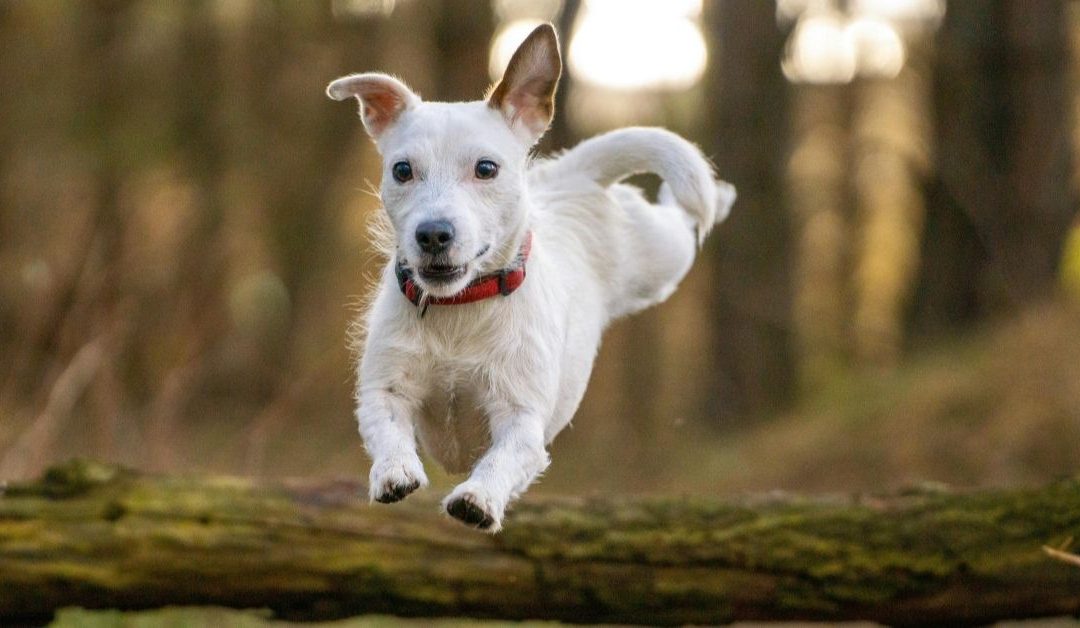
A hyperactive dog can be a real challenge for any owner. Their endless energy, jumping, and impulsive reactions often create stress and make daily life difficult. But there is a solution — with the right techniques, patience, and understanding, it’s possible to teach your dog calmness and build a stronger relationship.
Why Does a Dog Become Hyperactive?
A dog that seems hyperactive is usually reacting to external stimuli rather than learning how to respond to them. When a dog is in a reactive state, his brain is fully occupied with outside impressions — he jumps, pulls the leash, barks at other dogs or people, all depending on his perception of the world. In other words, the dog isn’t thinking — he’s reacting.
Our task as owners is to help him move from reaction to response, from impulse to awareness.
How to Teach Calmness
1. Don’t Reward Hyperactivity The most common mistake owners make is reacting right away when the dog gets too excited. For example, the dog jumps up when he sees the leash, overjoyed because he’s going for a walk. If you head out immediately, you’re actually rewarding his hyperactivity.
2. Leash Exercises One of the most effective techniques is to use the leash as a training tool, not just a signal for a walk.
-
Take the leash and move it from one hand to the other.
-
Clip it onto your dog, then remove it.
-
Repeat this several times.
That way, the dog can’t predict what will happen next and learns that being calm is the only way to actually get what he wants — to go outside.
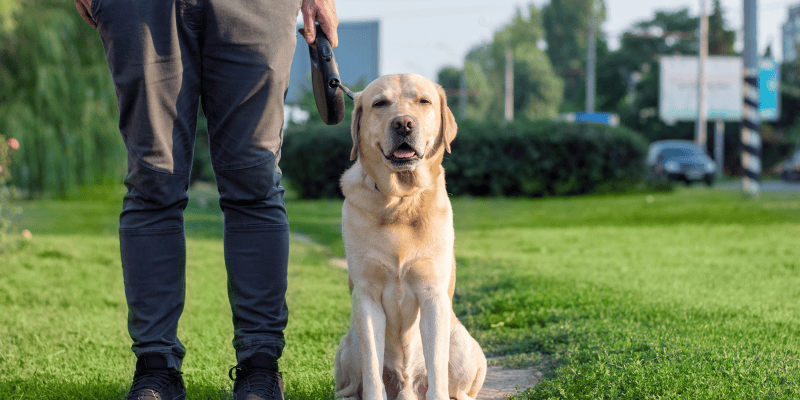
The leash is a training tool, not just a signal for a walk.
3. Teach Your Dog to Think, Not React The goal of this approach is to develop the dog’s ability to think instead of acting on instinct. When a dog learns not to anticipate your moves, he enters a state of learning. This is a physiological process — a dialogue between neurons — where every impulse can become action, but doesn’t have to. Through these small exercises, the dog becomes more stable, less reactive, and more willing to cooperate with his owner.
The Key: Patience and Consistency
Calming a hyperactive dog doesn’t happen overnight. It takes repetition, patience, and consistency. Over time, the dog learns that only calm behavior leads to reward — whether it’s a walk, playtime, or your attention. Through this process, the dog starts to rely on you, seeing you as the leader of the pack — and that gives him both security and peace.
At Integrative and Holistic Grooming Education, we teach that a calm mind leads to a calm body. Training is not about control, but about creating a shared language of peace. Explore our philosophy: Linktree Sasha Riess
by Sasha Riess | 20.03.26. | Behaviour
Building trust with a dog does not always mean petting or playing. True trust is revealed in moments when a dog has to experience something it does not enjoy: nail trimming, paw washing, or body care. In those moments, the way we behave determines whether we strengthen the relationship or create resistance and stress.
How to Build Trust With a Dog When Something Feels Unpleasant
When you need to do something your dog does not enjoy, it is important that you approach the dog, rather than calling the dog to you. Calling a dog to come and then exposing it to an unpleasant experience can seriously damage trust and later weaken the dog’s response to recall.
-
Prepare everything in advance: scissors, towel, reward.
-
Approach the dog calmly, without announcing what will happen and without talking.
-
Take the dog gently, but decisively.
This way, the dog does not enter a state of anticipation and fear, because there is no verbal buildup signaling that something unpleasant is coming.
Why Silence Builds Trust With a Dog
Many owners make the same mistake: they talk to the dog during an unpleasant procedure. “Good boy,” “Sweetheart,” “It will be okay.” Although it sounds gentle, this actually increases tension. Silence sends a clear message to the dog: this is normal, nothing dramatic is happening. Calmness and a short duration of the procedure help prevent the development of negative emotional reactions.
Nail Trimming and Trust With a Dog
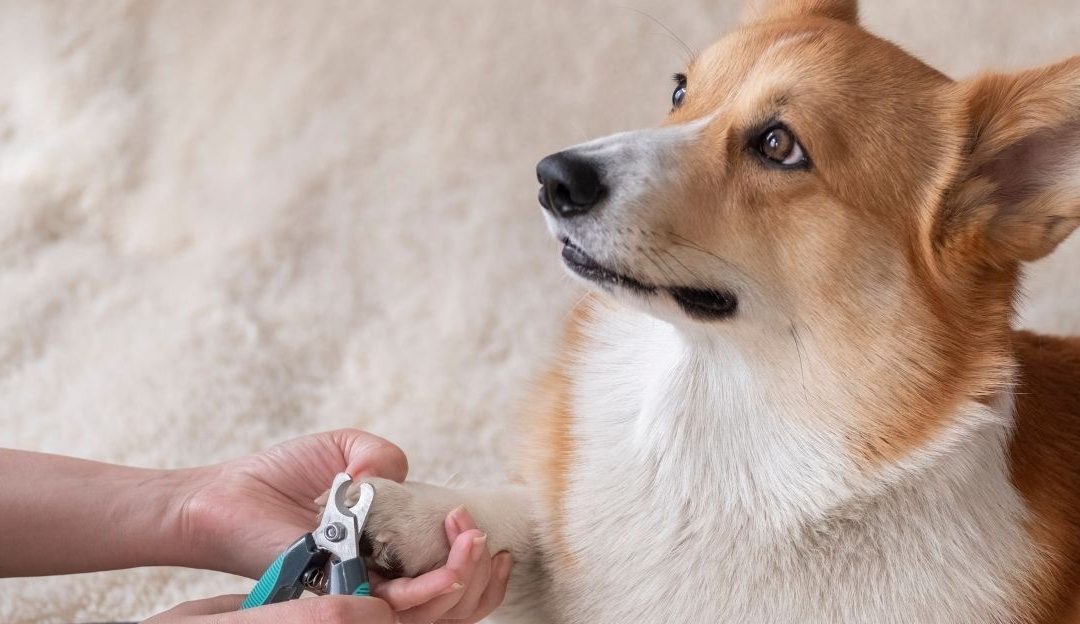
Nail trimming is one of the most common reasons trust is lost. Instead of cutting all nails at once, it is much healthier to work gradually:
-
One nail
-
Short pause
-
Reward
-
Finish
The next day, another nail. There is no rush. The dog has lived with those nails for months or even years, a few more days will not cause harm. This approach builds trust without creating trauma.

Silence and consistency help a dog accept unpleasant procedures.
How to Build Trust With a Dog During Paw Washing
The same rule applies to paw washing. Do not call the dog to come so you can wash its paws. You approach the dog. Without words. Without explanations. Quick, gentle, and clear. This is especially important with puppies, whose brains are highly plastic. How they experience care now can shape their relationship with these situations for life.
Reward Comes After, Not During
The reward should come after the procedure is finished, not during it. This helps the dog associate calm acceptance with a positive outcome, rather than constant emotional stimulation. Trust with a dog is not built through words, but through consistent, calm behavior.
At Integrative and Holistic Grooming Education, we believe that true connection is built in silence. When you approach a dog with calm intent, you become their source of safety. Explore our philosophy: Linktree Sasha Riess
by Sasha Riess | 19.03.26. | Emotions
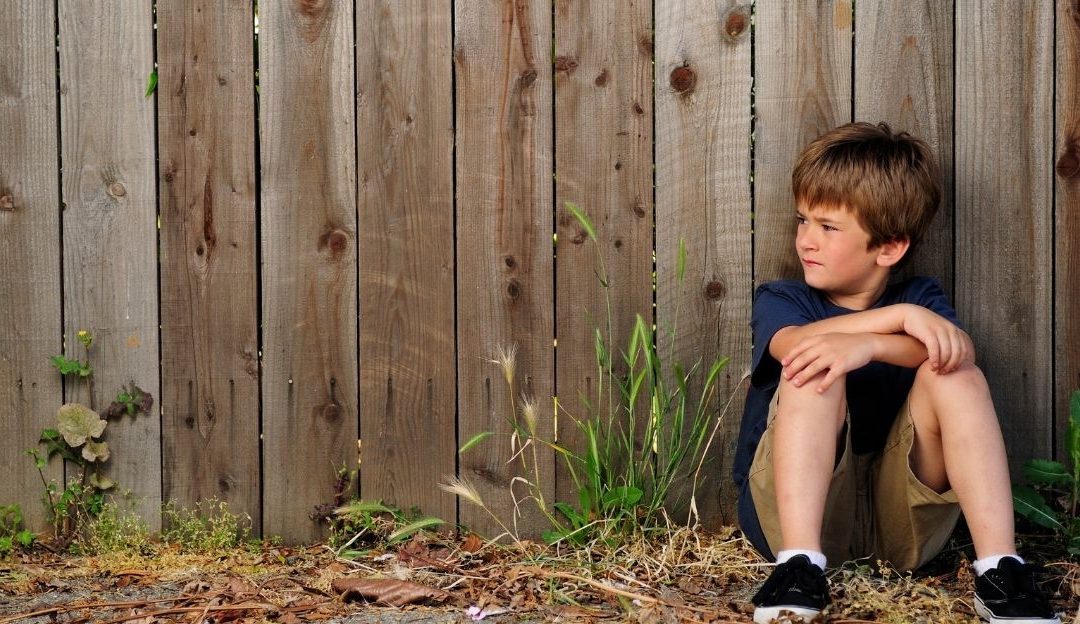
One wrong sentence, spoken without bad intention, can leave a mark that lasts a lifetime. This is the story of Luka, a boy who lost trust in school and in adults after a teacher publicly called him a falsifier.
How It All Began
Luka was in elementary school when a moment occurred that forever changed his view of school and authority. He brought a doctor’s note that said laryngitis, inflammation of the throat. When the teacher asked him in front of the entire class: “How are you now?” Luka answered: “Good, my stomach does not hurt anymore.”
The teacher laughed and said: “Then how does the note say throat inflammation if your stomach hurt. You are a little falsifier. But you did a good job, it looks like a real doctor’s handwriting.”
The Moment Everything Changed
Luka loved that teacher very much. Those words were a huge shock for him, a feeling of betrayal from a person he trusted deeply. He closed himself off. He became a child who no longer speaks up, who does not ask for attention, and who fears making mistakes.
One single sentence, spoken lightly, marked his childhood and shaped the way he experiences school, trust, and authority.
How Heavy Our Words Really Are
The words of adults have the power to lift a child up or to break him. One moment of carelessness can leave a trace deeper than any grade. The next time we want to correct a child with words, we should remember that he hears much more than we think.
Every child remembers tone, expression, and the sentence that was spoken. Sometimes a simple “I believe you” is enough to heal what someone once hurt without intention.
At Integrative and Holistic Grooming Education, we believe that every being—child or animal—reacts to the energy behind our words. True education starts with safety and trust. Explore our philosophy: Linktree Sasha Riess
by Sasha Riess | 19.03.26. | Wellbeing
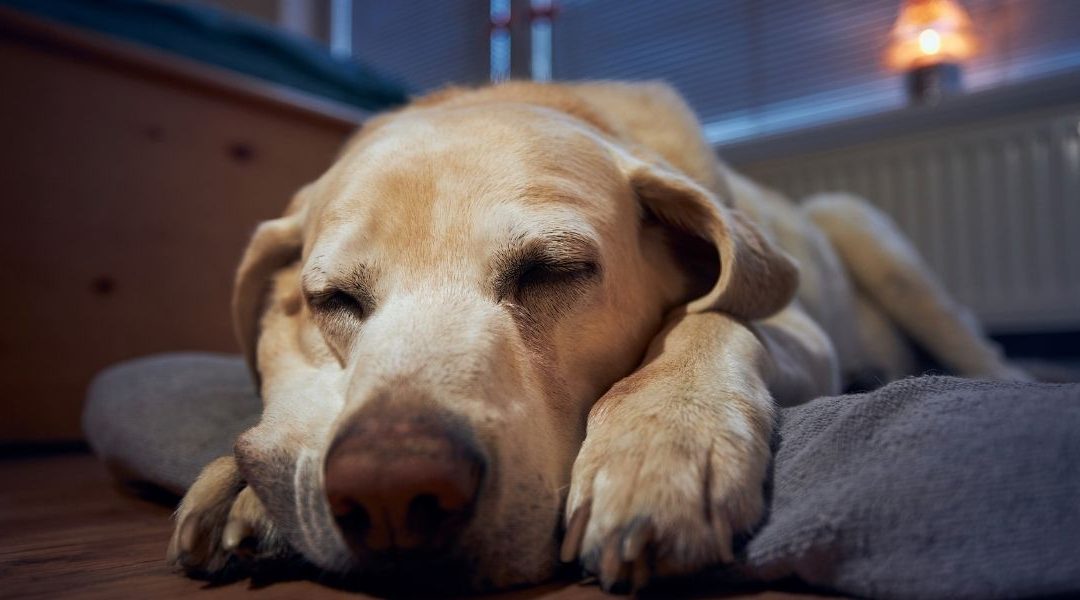
Have you ever wondered how much sleep your dog truly needs? Experts explain that the amount and quality of a dog’s sleep can be one of the clearest reflections of their overall health and emotional balance.
If your dog sleeps a lot, that doesn’t mean they’re lazy — quite the opposite. It often means that nothing is wrong — that they feel safe, content, and fully at ease.
How Many Hours of Sleep Do Dogs Need?
Dogs sleep much more than humans — on average between 12 and 16 hours per day. Puppies and senior dogs can sleep even longer, while active adults tend to rest in several shorter cycles throughout the day. Unlike people, dogs don’t have one long block of deep sleep. Their rest consists of many light naps and quick recovery phases — moments when their body restores energy, balance, and calm. When they’re not eating, walking, or playing — they sleep. It’s not laziness. It’s nature.
Sleep as a Sign of Safety and Happiness
A calm, well-balanced dog doesn’t feel the need to be constantly active. If your dog sleeps peacefully and takes frequent naps, it’s usually a beautiful sign that they feel safe and loved. Dogs with a consistent rhythm — regular meals, walks, and gentle human presence — rest deeply because their nervous system trusts the environment. Even stray dogs, who live in uncertainty, will nap as soon as they find a quiet and sunny spot. Sleep is their way to save energy and survive.
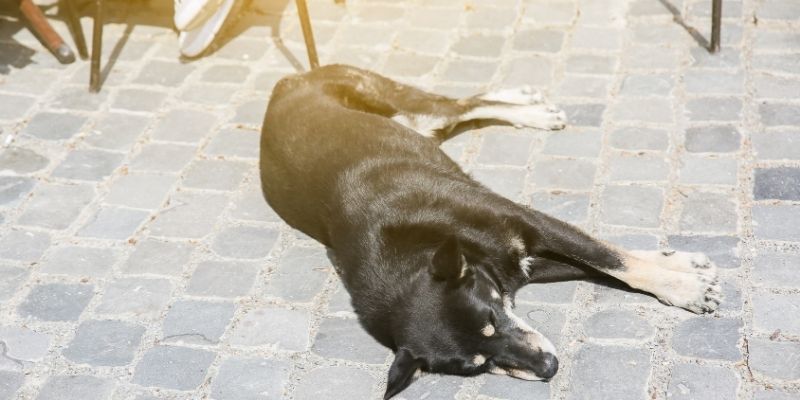
Even a stray dog knows peace — the strength of a simple life.
When Too Much Sleep Might Be a Warning
While sleep is a sign of security, excessive or unusual sleep can sometimes point to a problem. Pay attention if your dog:
These can indicate underlying issues such as joint pain, anemia, hormonal imbalance, or even depression. In such cases, a veterinary check-up is essential.
How to Help Your Dog Sleep Better
-
Provide a quiet, comfortable sleeping area away from noise, drafts, and constant movement.
-
Keep feeding and walking routines consistent — dogs find peace in predictability.
-
Avoid waking them suddenly — interrupted sleep affects their mood and immune system.
Sleep as the Mirror of Trust
If your dog sleeps a lot, it’s usually not a problem — it’s a compliment. A sleeping dog is a trusting dog. Their rest is proof that they feel protected, understood, and free from fear. A healthy, happy dog doesn’t need to stay alert — because they know one simple truth: you are there, watching over them.
At Integrative and Holistic Grooming Education, we believe that rest is a sacred state of recovery. When a dog sleeps in your presence, they are giving you their ultimate trust. Explore our philosophy: Linktree Sasha Riess
by Sasha Riess | 18.03.26. | Nutrition
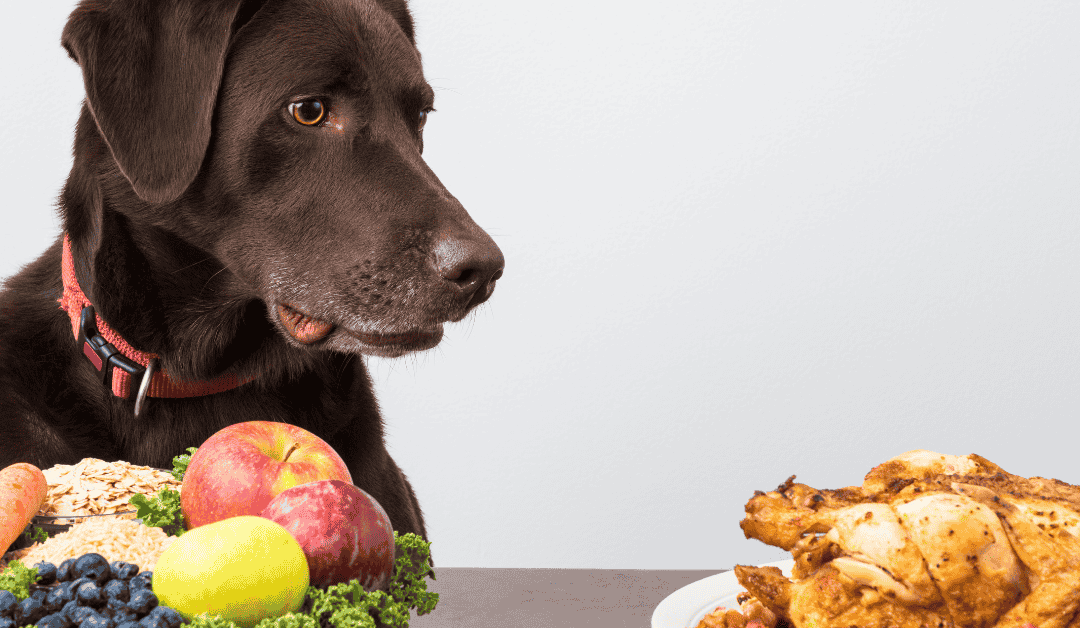
The formula for how much food a dog should eat per day will help you easily calculate portions and prepare meals for five days in advance.
It’s important to understand that the 3% of body weight rule isn’t universal. Active dogs — such as working breeds — burn more energy and need slightly larger portions. Older dogs or those with a calmer lifestyle may need less. Always observe your dog — his energy level, body condition, and overall health are the best indicators of whether you’ve found the right balance.
The Feeding Formula
Clients often ask me how much food their dog should eat each day, so here’s a simple example based on a 40 kg (88 lb) Rottweiler. The rule is: a dog should eat about 3% of its body weight per day in cooked food.
So, for a 40 kg dog: 3% × 40 kg = 1.2 kg of food per day.
If you’re cooking ahead for 5 days: 1.2 kg × 5 = 6 kg of food.
However, during cooking, food loses around 25% of its weight. That means you’ll need an extra 1.5 kg of ingredients — bringing the total to 7.5 kg before cooking.
Balanced Meal Composition
To keep the meal nutritionally balanced, the ideal ratio looks like this:
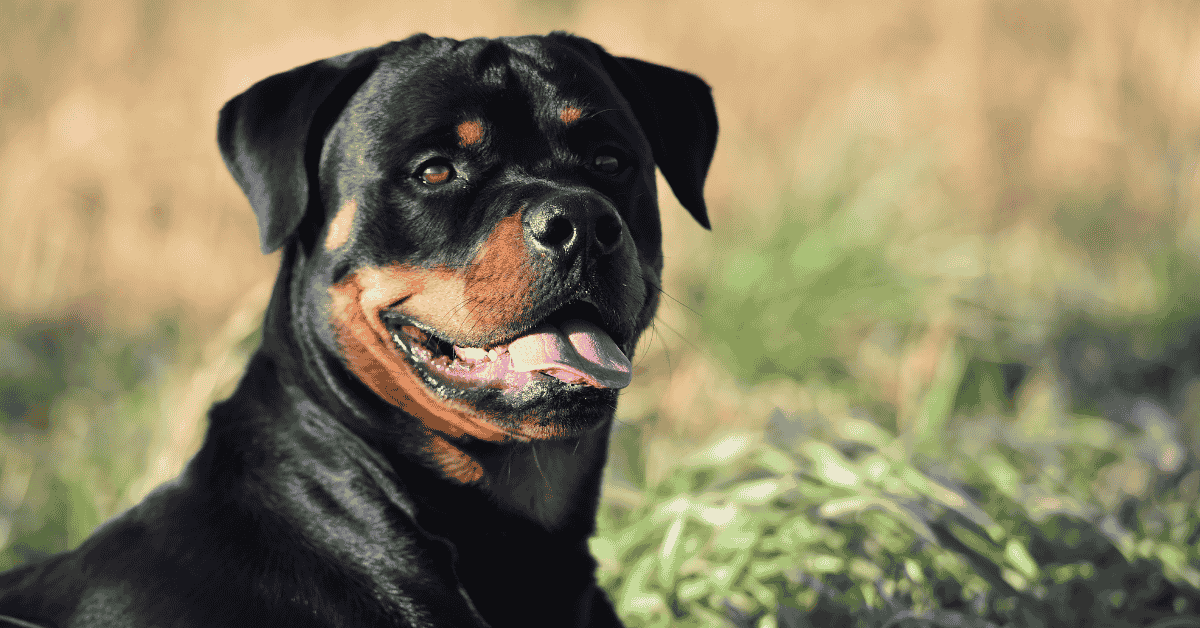
The formula for daily dog food intake illustrated with a Rottweiler example.
5-Day Homemade Recipe
-
Take 3.75 kg of fresh organ meats (liver, heart, stomach).
-
Add 1.85 kg of vegetables (carrot, zucchini, broccoli).
-
Include 1.85 kg of fruits (apple, pear, blueberries).
-
Cook everything, then puree or finely chop.
-
Divide into five daily portions of 1.2 kg each.
Balanced and Convenient
This way, you’ll have a balanced five-day supply of healthy, home-cooked meals — easy to prepare and convenient to store in the refrigerator or freezer.
At Integrative and Holistic Grooming Education, we believe that precision in nutrition is a reflection of our care. When we measure with love, we feed the soul. Explore our philosophy: Linktree Sasha Riess