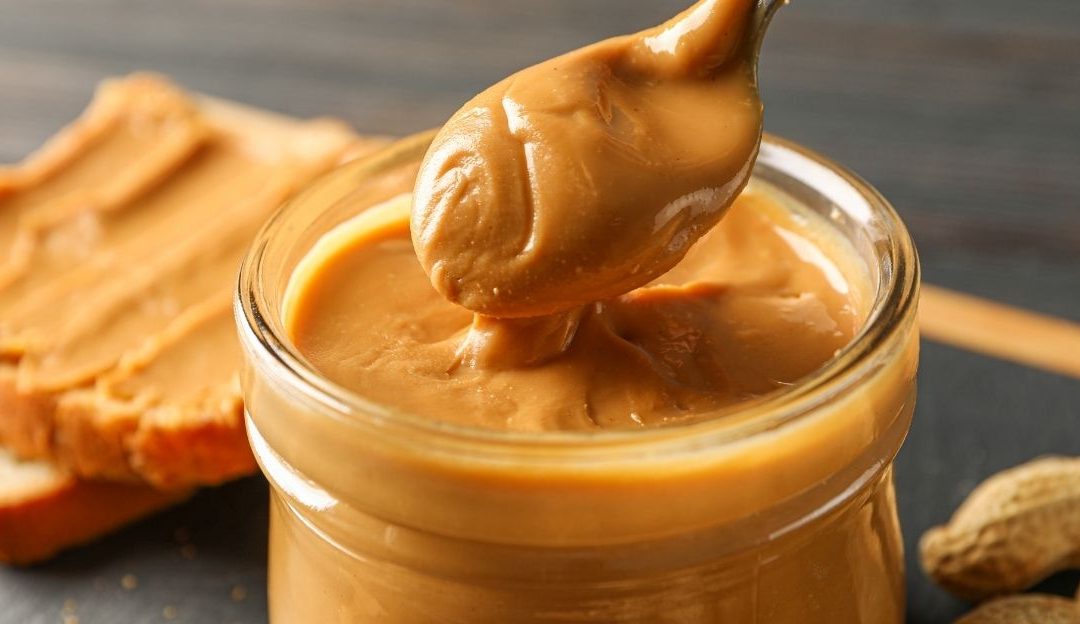
Peanut butter is often considered a healthy and convenient food, but the reality is very different. Although it appears nutritious, this product almost always contains something we cannot see with the naked eye: mold and toxins that develop during harvesting, processing, transportation, and storage. This is why many nutritionists and holistic practitioners increasingly warn: do not eat peanut butter unless you have made it yourself from completely safe, home-sourced peanuts.
Why You Should Not Eat Peanut Butter
Peanuts are one of the foods most susceptible to the development of mold. Even with the best quality control, there is no technological process that can completely prevent contamination during harvesting, drying, transportation, storage, or industrial processing.
Mold on peanuts often produces aflatoxins, substances that are among the most dangerous natural toxins. They can affect the liver, immunity, digestive system, and overall energy levels. In other words, even the so-called „best“ peanut butter cannot guarantee that it is truly safe.
What Actually Happens to Peanuts During Storage
Peanuts grow underground and are therefore exposed to a large number of fungi. During transport, bags or containers rarely maintain optimal humidity and temperature, allowing mold to develop very quickly.
This is why experts agree on one thing: Even when they appear clean, dried, or roasted, peanuts almost always contain mold that cannot be seen. For this reason, it is strongly recommended do not eat peanut butter unless you process your own peanuts from a trusted source.
Female Dog in Heat: Can Hormones Be Calmed?
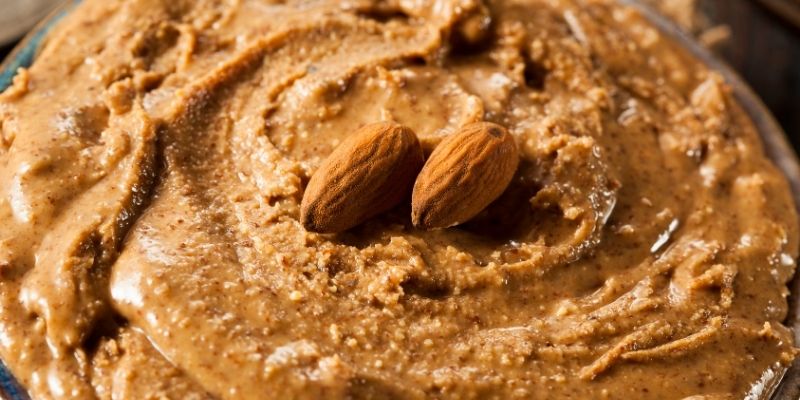
Almond butter contains fiber and has a lower risk of contamination during storage.
A Better Option: Almond Butter
If you enjoy spreads, there is a much safer and healthier alternative: almond butter.
Almonds are significantly more resistant to mold development, easier to store, and less likely to be contaminated during processing. In addition, almond butter is:
-
Rich in fiber.
-
Supportive of gut health.
-
More stable in digestion.
-
Nutritionally cleaner and gentler on the body.
For these reasons, it is an excellent substitute for peanut butter and can be used in exactly the same way.
Conclusion: Prioritize Your Health
No matter how tasty, affordable, or practical it is, peanut butter carries risks that you cannot see or detect. If you want to avoid ingesting mold and toxins, the best decision is simple: Do not eat peanut butter unless you make it yourself from completely safe, home-grown peanuts. For everyone else, almond butter remains the best, healthier, and cleaner alternative.
At Integrative and Holistic Grooming Education, we believe that every physical symptom is a message. Understanding these signals and addressing them through a holistic lens is at the heart of everything we teach to ensure the well-being of every dog in our care. Learn more and join our community: Linktree Sasha Riess