
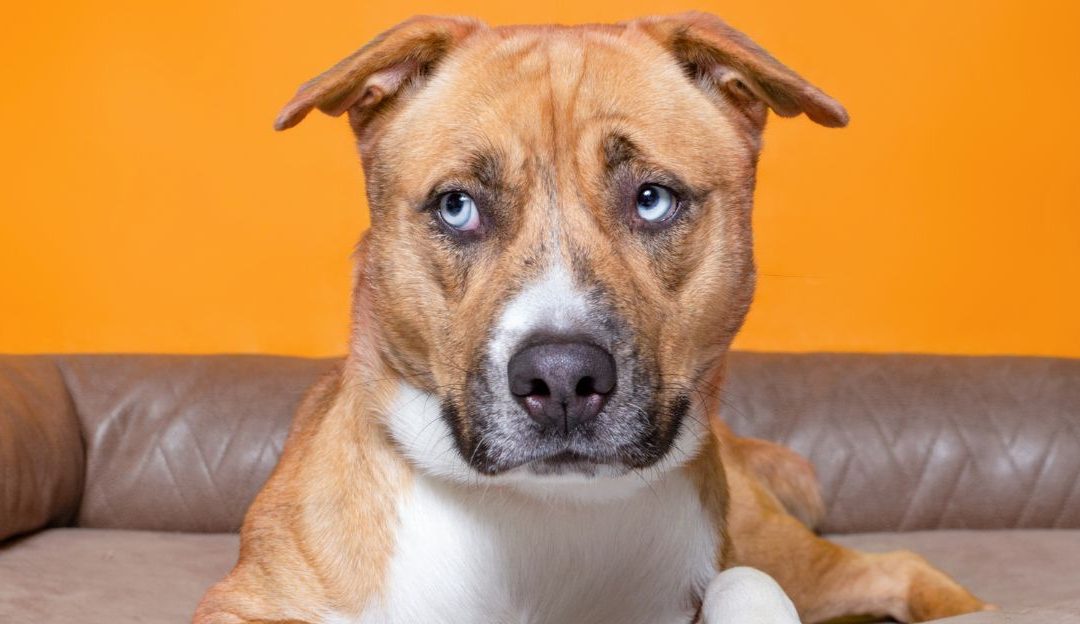
For years, the removal of reproductive organs in dogs has been promoted as a routine procedure with few significant consequences. However, an increasing number of owners are facing a very difficult and unpleasant problem after this surgery. Their dog suddenly begins leaving wet spots on its bed while sleeping or resting, completely unaware that it is happening.
This condition causes significant concern and stress in many households. To understand why urinary incontinence occurs after spaying or neutering, we must examine the profound influence hormones have on overall physiology and organ function.
How Does the Loss of Estrogen and Testosterone Weaken the Bladder?
Estrogen and testosterone are not important only for reproduction. They also play a crucial role in maintaining the health of the entire body. These vital hormones directly affect tissue strength, muscle tone, and the function of the bladder wall.

When surgeons remove the glands responsible for producing these hormones, the body experiences a sudden and permanent hormonal deficiency. Consequently, the bladder wall and the sphincter muscles gradually weaken and lose their elasticity. As a result, the dog loses control over urination during sleep and experiences involuntary urinary incontinence.
The Risks of Conventional Therapies and Their Impact on Health
When this problem occurs, conventional medicine often offers treatment with synthetic estrogen injections. The goal of this therapy is to artificially replace what was permanently removed from the body during surgery.
However, reintroducing synthetic hormones carries its own risks and potential side effects. In addition to urinary incontinence, the long-term deficiency of primary hormones increases the risk of various cancers and systemic diseases. Therefore, the dog’s body stays left without the natural protection these hormones provided throughout its life.
Hidden Pitfalls of Popular Trends: Why Choosing Fresh Food for Dogs Matters
Natural Solution: How to Support Anal Glands in Dogs Through Nutrition and Confidence
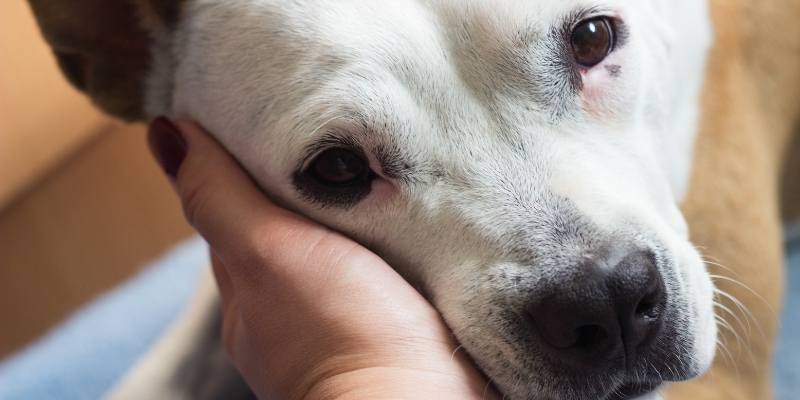
YOUR UNCONDITIONAL LOVE, SUPPORT, AND AN ADAPTED ENVIRONMENT ARE CRUCIAL FOR YOUR COMPANION’S EMOTIONAL WELLBEING.
Accepting the Condition and Supporting a Dog After Surgery
It is extremely important for owners to understand that the dog is not creating a mess out of stubbornness or disobedience. During these episodes, the dog remains completely unaware of its physiological response and has no control over it.
Scolding or punishing the dog only creates additional stress and worsens its emotional state. Instead, we should provide complete support and adapt the home environment by using protective pads and other practical solutions.
Ultimately, understanding these profound physiological changes represents the first step toward managing urinary incontinence and providing our dogs with the appropriate care, support, and love they deserve. Simultaneously, we protect their emotional stability through patient guidance.
Thank you for reading.
To discover more about how emotional alignment, balanced lifestyle, and authentic energy restore internal balance, read our canine wellbeing guidelines.
See you next time.
At Sasha Riess, we look past commercial labels to honor the unique biological blueprint of your companion. True health requires addressing the subtle internal patterns that create lasting vitality and pureloveandharmony. Discover the customized path to your dog’s longevity:Linktree Sasha Riess
👉 Follow our Facebook page and never miss our latest articles, news, and updates.
What If The Dog Was Never The Problem?
View this post on Instagram