The Dog as a Mirror of Its Owner: Why a Dog’s Behavior Reflects Us

The Dog as a Mirror of Its Owner: Why a Dog’s Behavior Reflects Us

Why is a dog a reflection of its owner? When a dog shows problematic behavior, it is never the dog’s problem. It is our reflection. The dog is not asking us to change him. He is asking us to change ourselves.

What Does It Mean That the Dog Mirrors the Owner

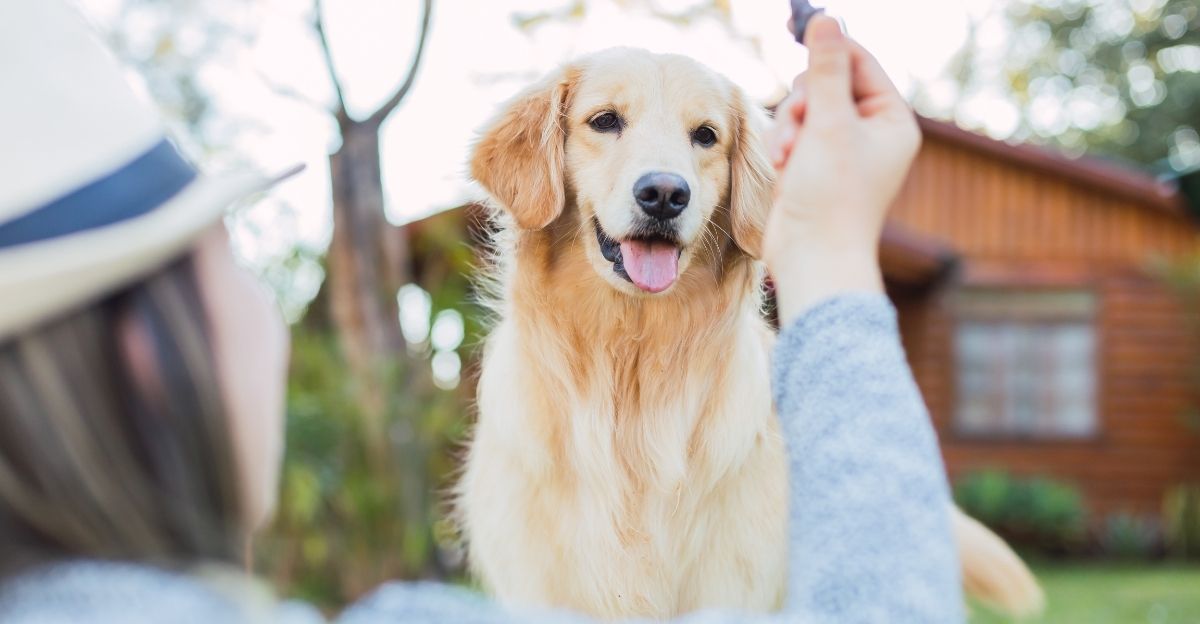
I often hear people say that they have a problematic dog. But the truth is that the dog is never the problem. The dog is our mirror. He senses our tension, our restlessness, and our insecurity. If a dog shows behavior we dislike, it is not a sign that the dog needs correction. It is a sign that we must first look within ourselves, because the dog mirrors the owner.

When I am not honest with myself, my dog cannot be calm. When I am tense, he becomes tight. When I am out of balance, he lives that imbalance with me.

Why We Try to Fix the Dog When the Dog Mirrors Us

People often turn to trainers, manuals, and new techniques, hoping to “fix the dog” without understanding that the dog is simply their mirror. The dog does not ask for correction. The dog asks for authenticity.

Just as a child is not responsible for how a parent feels, the dog is not the cause of the problem. The dog is the consequence. When we change ourselves, the dog changes with us. This is what I call a holistic approach.


Pay Attention When Giving Your Dog Raw Bones
Walnut Tincture for Dogs: A Natural Parasite Cleanse Protocol


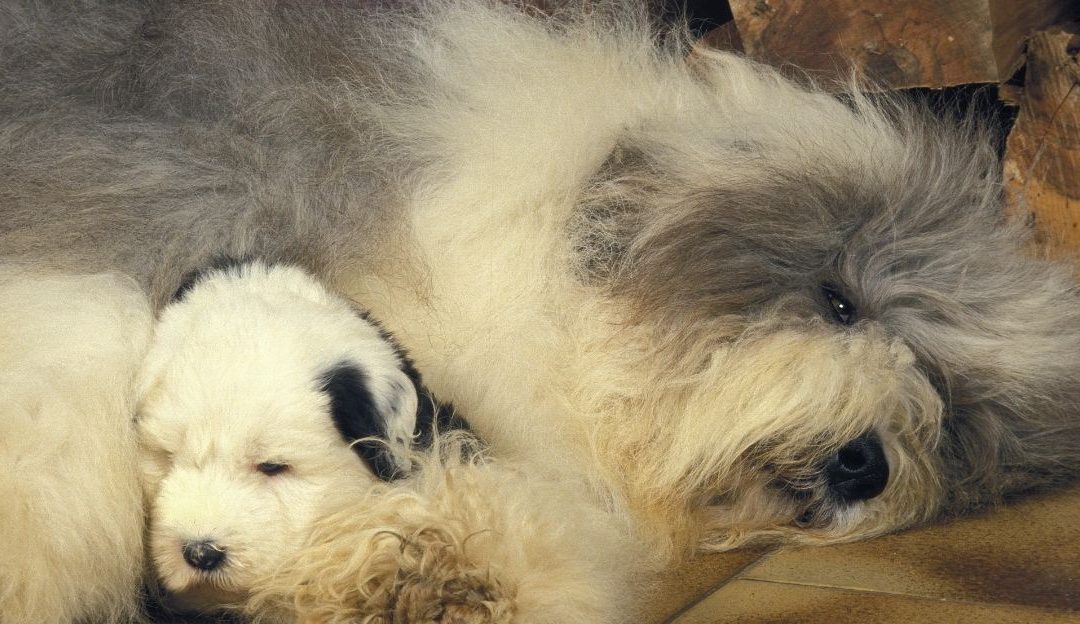
A small white dog lying relaxed on its back in a home, illustrating the dog as a mirror of its owner's inner calm and authenticity

The dog is not a correction, but a consequence—a reflection of your authenticity.


The Holistic Perspective We Often Miss

Medicine and veterinary science often look only at the symptom, without seeing the bigger picture. But life is not a sum of disconnected parts. The soul, emotions, and body are connected.

That is why solving only the consequence is not enough: barking, pulling on the leash, or digestive issues. If truth and inner change are missing, no trainer or expensive manual will help.

Truth and Authenticity as the Key to Change

We already have all the tools we need. What is often missing is truth. When we add truth to what we do, the dog responds and everything falls into place. Just like a child does not become happy when we try to “fix” it, but when the parent finds inner balance, the same is true for the dog. The dog is the result of our energy.

The Dog Is Not Your Problem. The Dog Is Your Indicator

If you want the dog to change, you must first change yourself. This is the hardest, yet the only path to true harmony with your dog. This is the ultimate truth of the human dog relationship.


At Integrative and Holistic Grooming Education, we believe that the leash works both ways. To lead your dog to peace, you must first find it within yourself. Discover the path to true authenticity: Linktree Sasha Riess


Sasha Riess Pure Love & Harmony Duo Pack The Complete Dog Coat Care System
The Dog Only Wants to Go Outside When Dressed: A Dog Who Refuses to Go Out Without Clothes

The Dog Only Wants to Go Outside When Dressed: A Dog Who Refuses to Go Out Without Clothes

The real issue isn’t temperature. Dogs have a completely different system of thermoregulation from humans — they don’t sweat like we do. Their fur creates a thin layer of air between the skin and the outer coat, forming a natural “insulating bubble.”

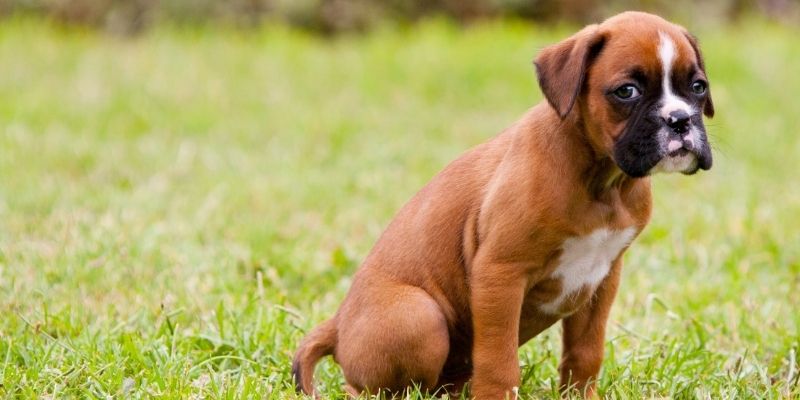
When you take a dog outside, that thin layer of air warms him in winter and cools him in summer. That’s why shaving dogs too short — especially in the summer — can cause major problems: it prevents them from maintaining that protective air layer. Even short-haired dogs, like Pinschers or Boxers, have this natural protection.

Shedding and the Protective Role of Hair

Short-haired dogs shed frequently. Their coat’s life cycle lasts about 21 days, while the undercoat renews every one to two weeks. Within three weeks, the entire coat regenerates. Even short hair lifts slightly — often invisible to the human eye — creating a thin air space that protects the dog from the cold in winter and from overheating in summer.

The Real Cause: Anxiety

The dog described in the question is not reacting to cold but to dog anxiety — deep-seated anxiety rooted in his relationship with the owner. When a dog obeys out of fear rather than trust, he feels responsible for protecting his owner in the car, on walks, or from other people. He lives in a constant state of alertness, trying to control a world that feels too big for him. Through this behavior, the dog is showing that he doesn’t believe his human can keep things safe.


Punishing a Dog Means Punishing Ourselves the Most
Pay Attention When Giving Your Dog Raw Bones


A dog showing dog anxiety while the owner is dressing it in a sweater for a walk

The dog only wants to go out when dressed; the problem is dog anxiety, not the cold.


Signs of Dog Anxiety

It wouldn’t be surprising if such a dog also:

  • Pulls on the leash,

  • Barks excessively at people or doorbells,

  • Refuses to stay home alone,

  • Loses appetite,

  • Shows constant stress-related behaviors.

Eventually, under the pressure of chronic stress, the dog’s body begins to break down.

Dressing Is Not the Solution

Dressing a dog has nothing to do with the cold. Think about what happens when we humans are nervous — our stomach tightens. This is because the vagus nerve connects the digestive organs with the heart and the parasympathetic nervous system.

Dogs have the same mechanism. When fear activates this nerve, it triggers physical symptoms — and in winter, these reactions become more visible. Winter awakens the ancient instinct for survival, where the body prepares for scarcity and danger.

How to Help Your Dog

Dogs that can’t handle the emotional tension of their environment often take on the family’s stress. Most emotional “breakdowns” in dogs happen in winter because we fail to prepare their nervous systems.

Support your dog through:

  • A proper diet,

  • The use of prebiotics and probiotics,

  • Regular parasite cleansing,

  • Following the Harmony Manual that helps establish healthy boundaries.

When this balance is restored, the dog can finally relax — living as a dog should: calm, trusting, and ready to follow you everywhere. This is the goal of a healthy human dog relationship.


At Integrative and Holistic Grooming Education, we look beyond the sweater to find the source of the shiver. True warmth comes from a balanced nervous system and a secure bond. Start your journey to harmony: Linktree Sasha Riess

Sasha Riess Harmony Conditioner for Dogs


The Genetics of Evil: A Myth That Destroys Both Humans and Dogs

The Genetics of Evil: A Myth That Destroys Both Humans and Dogs

The inspiration for this column came one afternoon while sitting in a café, witnessing a scene that exposed the cruelty and hypocrisy of our system. Rescuing dogs and understanding their nature often reveals how far we are from true empathy — and how deeply dogs and human childhood trauma can intertwine through shared, unhealed pain.

Invisible Discrimination Against Dogs

A young woman entered quietly with her dog—a strong, muscular breed, perhaps a Staffordshire Terrier or a Pit Bull. The dog made no noise, reacted to no one, and just rested his head on her leg. Despite this, a waiter asked them to leave because guests „didn’t feel safe.“ Meanwhile, a barking, lunging Pomeranian on the other side of the café was met with laughter and pictures.

So what was truly dangerous in that scene? The dog — or our perception of what danger looks like?

Is Your Dog Losing Vision? Nutrition That Supports Eye Health

A close-up portrait of a Staffordshire Terrier with a look that symbolizes injustice and prejudice against rescuing dogs of certain breeds

A look that shatters prejudices—a dog is not genetic evil, but a reflection of human misunderstanding.


The Myth of “Dangerous Breeds”

Dr. Karen Overall, a veterinary behaviorist, analyzed 15,000 cases of dog bites. The results were striking:

  • 84% of bites were caused by dogs that had never shown aggression before.

  • 67% of bites came from dogs under 20 kg.

  • Pit Bulls, Dobermans, and Rottweilers together accounted for less than 12% of all incidents.

Rescuing dogs unfairly labeled as “dangerous” is therefore not just an act of kindness — it’s a moral stance.

The Roots of Eugenics and the Idea of a “Pure Breed”

Banning specific breeds isn’t about safety — it’s an admission of ignorance. When we don’t know how to educate owners, we ban dogs. The list of “dangerous breeds” is a symptom of a society still echoing the ideology of eugenics. Rescuing dogs in this context is truly a fight for the freedom of all living beings.

Aggression Is Not Inborn — It’s a Consequence

Aggression is not a trait, nor a disorder — it’s a consequence. Dr. Jaak Panksepp discovered that aggression in mammals is triggered when there’s a perceived threat and no alternative escape. Dogs don’t fight because they’re “evil” — they fight because they see no other way out. In many cases, canine aggression mirrors unresolved trauma from the human owner.

The Emotional Field and Inner Healing

Our emotions create an energetic field that dogs can sense. Dr. Rollin McCraty proved that the heart emits a field 60 times stronger than the brain. That’s why true dog rescue doesn’t begin in shelters — it begins within us. When we heal our own pain, the dog no longer has to carry it.

The Dog as a Mirror of Society

Aggression is everywhere — in wars, on streets, in homes. But when it surfaces, we project it outward onto others, or onto dogs. A dog that growls is often not the problem — but the only one who can no longer stay silent.

The Path of Change — The Philosophy of Pure Love and Harmony

Rescuing dogs and rebuilding trust begins through four steps:

  1. Recognition – instead of labeling, ask: “What is the dog trying to tell me?”

  2. Responsibility – take ownership of your own energy.

  3. Transformation – by changing ourselves, we transform the dog’s space.

  4. Harmony – build relationships through understanding, not control.


Chronic Gastritis in Dogs – When the Problem Is Not Only in the Stomach


A human and a dog sharing a moment of mutual trust, representing the essence of understanding in rescuing dogs

Understanding instead of judgment – a shared path toward shattering the myth of genetic evil.


Saving Dogs as a Mirror of Human Awareness

If we want real change, we don’t need to change dogs — we need to change ourselves. Rescuing dogs is a symbol of rescuing empathy, awareness, and love in a world that fears difference. A dog is not a reflection of genetic evil — but of our collective pain and our capacity to heal. This is the foundation of the human dog relationship.


At Integrative and Holistic Grooming Education, we believe that no breed is born with a label. We look past the muzzle to find the soul. Join us in transforming the way the world sees dogs: Linktree Sasha Riess

Sasha Riess Pure Love & Harmony Duo Pack The Complete Dog Coat Care System


Telepathic Connection with Your Dog: Is It Possible and How to Recognize It?

Telepathic Connection with Your Dog: Is It Possible and How to Recognize It?

People often ask me how deeply dogs are connected to us. My experience shows that a telepathic connection with a dog is possible, and that our pets can sense much more than we can imagine.

Communication and Telepathic Bond with a Dog

One day, we were away from home for eight hours. Our dog didn’t urinate but did relieve himself on the mat. When we returned, he was peacefully sleeping in his playpen. That’s when I realized, I can’t blame him when he occasionally pees on the bed, because there’s always a reason behind it. I learned that when we know we’ll be gone for a long time or have guests over, it’s best to simply place a chair on the bed to block his access.

Telepathic Connection with a Dog and How to Recognize It

Once, we went out for a longer time, first to take a friend to the airport, then to the beach. Only later did I remember that I had forgotten to put the chair on the bed. At that moment, I decided to try something different, to communicate with my dog telepathically.

I told him silently in my mind that everything was fine, that our friend had left, and that there was no reason to worry. I didn’t feel fear or tension, only calm and trust. Interestingly, I was also aware that my only phone charger was still on the bed, and my dog had a habit of chewing cables when he was a puppy.

The Result of the Telepathic Experiment

I spoke to him in my thoughts: “Please, don’t touch the charger, and there’s no need to jump on the bed.” When we returned home four hours later, we were greeted by an incredible sight: the bed was untouched, the charger was exactly where I had left it, and the dog was peacefully sleeping in his bed.


Walnut Tincture for Dogs: A Natural Parasite Cleanse Protocol


A dog resting peacefully on its own bed, illustrating the telepathic connection with a dog and mutual trust

A dog in its own bed feels the trust and security of the owner.


From that day on, he never touched the charger again, nor did he jump on the bed to seek attention.

The Telepathic Bond – A Message for Dog Owners

This experience taught me that dogs don’t react only to commands, tone of voice, or gestures; they feel our energy and thoughts. When I communicated with my dog from a place of calm and trust, he understood me and responded accordingly.

For me, this was proof that a telepathic connection with a dog truly exists, and that it runs far deeper than most people believe. This is a vital part of the human dog relationship within the Order of Harmony.

How Often to Bathe and Brush Dogs
Natural Remedy for Giardia in Dogs: A Simple Home Recipe for Gut Health


A dog resting peacefully on its bed, demonstrating the telepathic connection with a dog and the power of energetic boundaries

A dog in its own bed feels the trust and security of the owner.


At Integrative and Holistic Grooming Education, we believe that silence is the most powerful language. When we align our thoughts with our heart, our dogs finally hear us. Explore the depth of connection: Linktree Sasha Riess

Magic Pins Combs: Precision, Durability, Excellence


The Dog and Childhood Trauma: When Love Hurts in Silence

The Dog and Childhood Trauma: When Love Hurts in Silence

The connection between a dog and a person’s childhood trauma runs deeper than most people think. A dog often becomes a silent witness to our pain, a guardian of memories, and a reflection of what we lived through as children. Their love is not only comforting. It is a mirror through which we can recognize and understand our own vulnerability.

How a Dog Reflects the Childhood Trauma of Its Owner

“What are you talking about? Of course a dog needs to be trained. Especially if it lives in an apartment and is a large breed. Just like children go to school.”

This is not the first time I have heard this comment. I receive it every time I say that dogs should not be trained. And each time it hurts, not because it is offensive, but because it is an authentic expression of pain. Our collective pain. The way we ourselves were trained. And the way we continue to train others because we believe that is what love looks like.

Love as a Justification for Abuse

Sometimes the only way to survive abuse, whether emotional, physical, or psychological, is to fall in love with our abusers. To justify their actions. To believe it is for our own good. And if we live long enough inside that belief, one day we will start to take pride in being “well raised.” Then we will begin doing the same to our dogs or even our children, because it is the only way we ever learned to love, the only way we were ever loved.

Research: How Owner Behavior Influences Canine Physiology

A year ago we started a study titled “The Influence of Changes in Owner Behavior on the Physiology of Their Dogs.” The goal was to determine whether changes in owner behavior could create long term biochemical changes in dogs. Instead of focusing only on behavior, we analyzed physiology using HTMA hair analysis, a method that measures mineral and toxic metal accumulation in the hair, revealing metabolic patterns during the period in which the hair grew.

The Mineral Shell: A Physical Indicator of Chronic Stress in Dogs

The results were striking, though not unexpected. Dogs living in environments with chronically elevated stress in their owners, and whose owners were unable to change their life circumstances, showed specific patterns of biochemical adaptation. One of the most notable findings was the “mineral shell” phenomenon, where certain minerals, most often calcium, and toxic metals accumulate excessively in tissues. This indicates suppressed adrenal function, long lasting stress, and a metabolic withdrawal from the environment. The body literally shuts down, creating a physiological shield against surroundings it perceives as unbearable.


“Dog Friendly” Is a Deception: Stress for the Dog, Empty Pockets for You


A woman sitting next to a dog in nature, both observing the horizon in silence, symbolizing the healing of dog childhood trauma

In the silence between human and dog, often lies what words cannot say.


Behavior as a Reflection of the Owner’s Inner State

In the behavior of these dogs, patterns of hyperactivity, compulsive barking, leash pulling, and signs of inhibition were observed. Emotional withdrawal, loss of interest, and profound fatigue were common. Neurochemically, their bodies operate in chronic survival mode: reduced regeneration, increased reactivity, and blocked adaptive functions.

Change Through the Owner’s Stability: Results of the Harmony Manual

In contrast, dogs whose owners applied principles from the Harmony Manual program showed entirely different patterns. In a more stable and predictable environment, these dogs demonstrated increased magnesium and potassium levels, essential for balancing the autonomic nervous system and supporting regeneration. Sodium levels decreased, indicating reduced systemic stress.

In the Silence Between Humans and Dogs, Much Is Said Without Words

The most important point is that the change did not come from external correction of behavior, but from internal reorganization. These dogs were not trained to stop barking or to obey commands. Through the emotional stability and safety created by their owners, they spontaneously began behaving differently. Their nervous systems left survival mode and activated the functions of exploration, learning, and rest.

Trauma Versus Learning: Why Force Cannot Change the Core

The only way to influence someone’s behavior from the outside is through trauma. External pressure, coercion, or intimidation does not change inner motivation. It only adjusts behavior to avoid pain or punishment. Such change is not the result of free will but a survival mechanism, a physiological adaptation to a threatening environment. Its effects remain deeply recorded in the nervous system and can lead to long term damage.

Learning as an Expression of Freedom: When a Dog Learns From Safety

Learning is the expression of free will. It requires safety, internal stability, and a physiological state capable of exploring and engaging with the world. Only then can the body develop the functions needed for active participation in life. True learning allows spontaneous regulation of behavior, integration of new experiences, and adaptation without harming the integrity of the body.

Pavlov, Watson, and the History of Conditioning

Many modern dog behaviorists still refer to Pavlov’s experiment as the basis for so called “positive conditioning.” Yet Pavlov himself emphasized that his method does not teach learning but reflex. Withholding food when a dog does not perform what is expected is a form of controlled deprivation. It is a manipulation that resembles emotional blackmail. It is trauma of low intensity, but chronic in nature. Training is trauma.

Watson on Learning: The Difference Between Conditioning and Real Development

Watson’s experiment with Little Albert reminds us that conditioning is not learning. The child, conditioned to fear all white and soft objects, later showed neurological problems and died at the age of nine. Many scientists linked the trauma of the experiment to the deterioration of his condition. Today, with knowledge from neuroplasticity, neuroscience, affective attachment theory, and the influence of environment on physiology, it is clear that the consequences of such conditioning align with the modern understanding of trauma.

When a dog releases tension, we learn how to live without fear.

Reexamining the Relationship: Are We Training or Traumatizing

As far back as 1907, Watson wrote in his dissertation “The Education of Animals” about the difference between conditioning and learning. Conditioning produces a mechanical response to external stimuli. Real learning involves the creation of new neural pathways in the cerebral cortex. It changes the gray structures of the brain and the physiology that underlies behavior. These changes occur only through free will, inner motivation, and safety. Inspired learning builds a physiological foundation for growth, understanding, and emotional connection. Forced learning creates only reflex, never development.


Copper Toxicity and the Magnesium Deficiency Epidemic in Dogs


A dog running freely in golden sunset light, a symbol of release and healing from dog childhood trauma

When a dog releases tension, we learn how to live without fear.


Reconsidering Our Relationship With Dogs

So I ask: are we doing the same to our dogs? We train them to sit, to stay quiet, to stop barking, to stop pulling, to stop existing. And when they stop “misbehaving,” when they become calm and obedient, we celebrate our success. But what we are celebrating is a frozen trauma. Chronic stress. Psychophysiological collapse that, just like in Little Albert, may not be visible immediately but will one day demand a price.

Pure Love and Harmony: A Call for True Change

Pure Love and Harmony is not a method. It is an invitation to reflect. To create an environment where a dog can breathe next to us, explore, feel, and develop.

Life Beyond Survival Mode: Returning to Warmth and Peace

As long as we replace love with control and obedience with fear, we will never know how light and peaceful life can be when it is not lived in survival mode. For us. And for them.

At Integrative and Holistic Grooming Education, we believe that healing the bond means healing ourselves. When we step out of the cycle of training and into the space of connection, we find true harmony. Learn more about our research and philosophy: Linktree Sasha Riess

Awakening With Dogs : Exploring the Profound Connection Between Dogs and Humans: Love, Resonance, and Healing Kindle Edition