by Sasha Riess | 27.08.26. | Behaviour
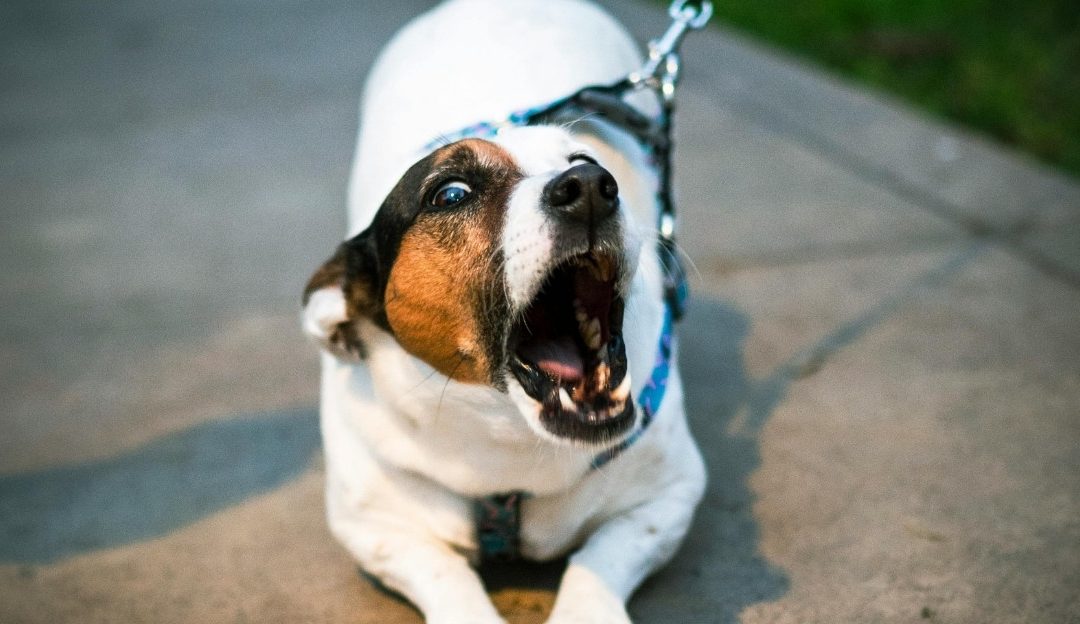
When behavioral problems arise in the home, owners often find themselves in serious conflict with their surroundings. Sudden aggression in dogs toward people or other animals can create enormous stress, confusion, and daily anxiety. However, the root of the problem often lies in one important dynamic: a dog may begin displaying defensive or aggressive behavior when it feels responsible for managing situations that it does not feel equipped to handle. In those overwhelming moments, the dog attempts to take control of circumstances because it does not perceive enough stability or guidance within its environment.
An Imaginary Scenario: The Flight Attendant in the Cockpit
To better understand this complex behavioral dynamic, Sasha often uses a powerful aviation metaphor.
Imagine you are on an airplane when suddenly the pilot loses consciousness. The co-pilot is also unable to fly the aircraft, so the plane switches to autopilot. Moments later, a flight attendant rushes into the cabin, walks directly to you, and informs you that you must now fly the airplane. Panic immediately takes over your mind. You have absolutely no knowledge of aviation, you do not know what the complex controls mean, and you do not know how to land the aircraft safely. And yet, suddenly, the ultimate responsibility falls entirely on you.
When Fear Becomes an Overwhelming Responsibility
At first, you fear for your own life. But very quickly, your attention shifts to the hundreds of passengers who now depend entirely on your choices. You know that you remain completely unprepared for the heavy responsibility placed upon your shoulders. Stress rises rapidly, anxiety intensifies, and every decision feels completely impossible.
According to this metaphor, many canine companions experience a similar emotional burden when dealing with aggression in dogs. They display intense reactive behavior simply because they feel responsible for handling situations they do not fully understand. Consequently, they carry immense environmental pressure they were never meant to carry in the first place.
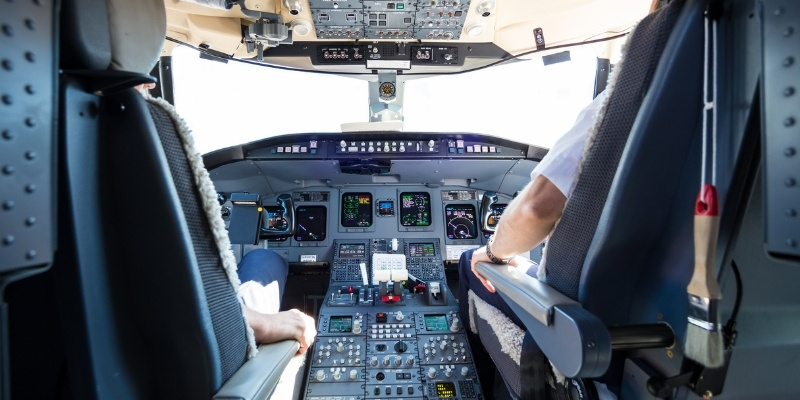
THE AIRPLANE METAPHOR: RETURNING STABILITY AND CONTROL TO THE COCKPIT.
Returning the Pilot to the Cockpit
From this holistic perspective, aggression in dogs does not stems from dominance or an inherent desire to harm. Instead, it emerges when the dog feels completely overwhelmed by responsibility, uncertainty, or a severe lack of clear guidance. The nervous system eventually reaches a critical breaking point, and defensive reactions begin to appear.
Therefore, the solution does not involve force, harsh punishment, or direct physical confrontation. The true goal requires creating an environment in which the dog no longer feels responsible for controlling every situation around them. When guardians restore stability, consistency, and trust, the dog can gradually release that heavy emotional burden. In other words, the pilot successfully returns to the cockpit.
Ultimately, the dog becomes free to be a calm, balanced dog again.
Thank you for reading.
To discover more about how emotional alignment, balanced lifestyle, and authentic energy restore internal balance, read ourcanine communication and behavior guidelines.
At Sasha Riess, we look past commercial labels to honor the unique biological blueprint of your companion. True health requires addressing the subtle internal patterns that create lasting vitality and pureloveandharmony. Discover the customized path to your dog’s longevity: Linktree Sasha Riess
👉 Follow our Facebook page and never miss our latest articles, news, and updates.
by Sasha Riess | 27.08.26. | Emotions
Losing a beloved dog is one of the most painful and emotionally overwhelming experiences any owner can endure. When the inevitable moment of goodbye arrives, we naturally feel a deep need to bring years of companionship to a meaningful close.
In those difficult moments, many people wonder how they can honor their faithful friend with dignity. Is burying a dog the right way to express gratitude for a lifetime of unconditional love?
Emotionally, most of us answer that question with an immediate „yes.“ We long for a place where we can return, leave a flower, and quietly remember the life we shared.
What Do the Law and Public Health Regulations Say About Burying a Dog?
While our hearts search for peace, the law often presents a different reality. In many places, public health regulations prohibit burying a dog in a private backyard or on public land. Many owners are unaware that doing so may violate local regulations designed to protect public health and environmental standards.
Each municipality has its own procedures and authorized veterinary services responsible for handling the remains of deceased animals. Consequently, many owners find themselves caught between their emotional needs and legal requirements regarding burying a dog.
Euthanasia: The Final Act of Love and Compassion
During this difficult journey of saying goodbye, many owners eventually face one of the hardest decisions of their lives. There comes a time when age or illness takes over, and we can no longer bear to watch our beloved companion suffer.
Choosing euthanasia in those moments does not represent an act of giving up. Instead, it often serves as the final act of compassion and unconditional love. We willingly carry the emotional pain ourselves so that our dogs no longer have to endure physical suffering. Therefore, this decision demands extraordinary courage, selflessness, and love.
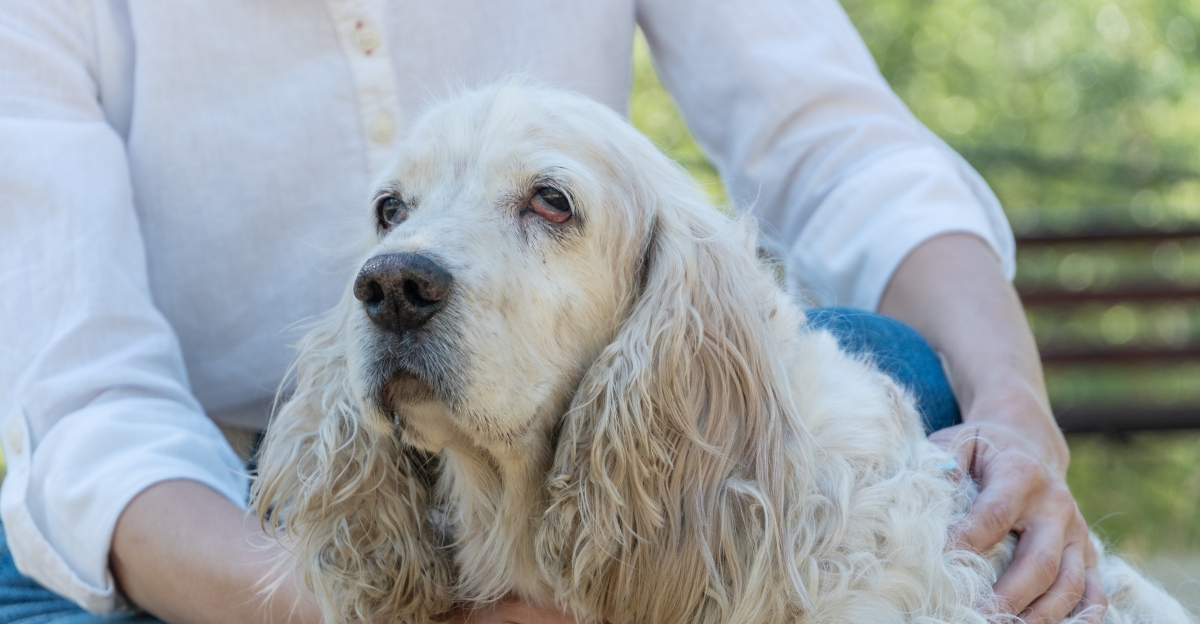
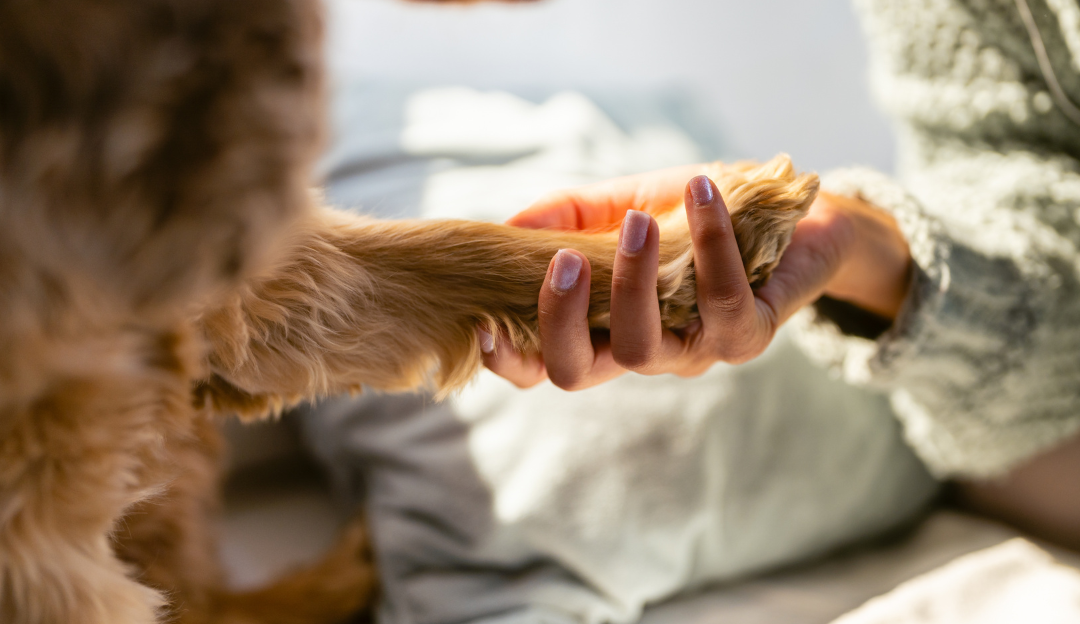
THE GREATEST MEMORIAL LIVES WITHIN OUR HEARTS AND IN THE GRATITUDE WE CARRY FORWARD.
A Meaningful Goodbye Helps the Healing Process
Honoring the life of a beloved dog represents an expression of love, but owners must also understand and respect the legal framework that exists within their communities. Fortunately, a meaningful farewell does not rely solely on a physical resting place.
A Lasting Tribute Lives in Gratitude
Whatever limitations the law may impose, the true meaning of this final farewell remains unchanged. Burying a dog is not the only way to honor a life so deeply loved. The greatest memorial does not rest beneath the earth or stand carved into stone; it lives within our hearts.
The moment we accept the natural cycle of life and death, we create space for lasting gratitude rather than endless sorrow. Ultimately, honor your faithful companion by carrying forward the love, kindness, and compassion they brought into your life. Simultaneously, continue sharing those precious gifts with the world around you.
Thank you for reading.
To discover more about how emotional alignment, balanced lifestyle, and authentic energy restore internal balance, read our canine emotions guidelines.
See you next time.
At Sasha Riess, we look past commercial labels to honor the unique biological blueprint of your companion. True health requires addressing the subtle internal patterns that create lasting vitality and pureloveandharmony. Discover the customized path to your dog’s longevity: Linktree Sasha Riess
👉 Follow our Facebook page and never miss our latest articles, news, and updates.
by Sasha Riess | 26.08.26. | Nutrition
Prejudice and the carefully crafted marketing of the pet food industry can sometimes reach truly bizarre proportions. A perfect example was a television program in which a guest veterinarian confidently claimed that industrial pet food was the perfect diet for dogs.
To prove his point on camera, he openly stated that he had personally tasted every type of dry dog kibble and that nothing had happened to him. When the profession reaches the point where someone feels the need to eat dehydrated dog kibble to justify its quality, it becomes clear that we are living in complete absurdity.
Drug-Like Addiction: Why Do Dogs Want to Eat Processed Food?
One of the most common misconceptions among dog owners is the belief that their dog simply loves dehydrated dog kibble and refuses to eat anything else. However, this reaction has nothing to do with the true nutritional value of the meal.
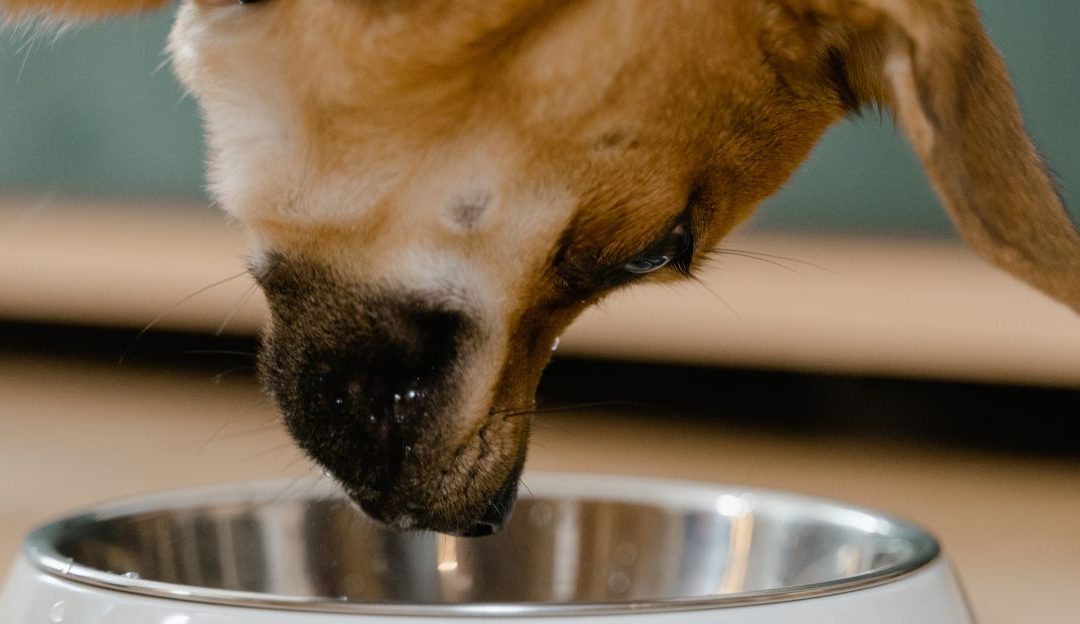
Dry commercial dog kibble contains artificial flavor enhancers, aggressive aromas, additives, and preservatives. Consequently, manufacturers apply the same psychological and chemical principles used to create dependence on highly processed foods and other addictive products. Commercial dog kibble provides no living energy. Instead, it creates a chemical dependency to which the dog’s body responds automatically.
The Problem Isn’t the Full Bowl, It’s a Broken Relationship
When a dog refuses a healthy, fresh meal and begins manipulating its owner by demanding only commercial treats or dog kibble, a great deal of drama often follows. Worried owners begin giving in, convinced that their dog has to eat something to avoid going hungry.
However, this is not a technical feeding problem. It represents a deeply damaged relationship and a loss of leadership. A dog is completely free to decide whether or not to eat at that particular moment, but the human must decide what goes into the bowl. Therefore, giving in to manipulation does not reflect an act of love; it represents an attempt to escape personal responsibility.
Take Back Control and Offer Your Dog Real, Living Food
It is time to take off the rose-colored glasses and accept full responsibility for our dogs’ health, metabolism, and longevity. Commercial, artificial dog kibble should give way to real, living, biologically appropriate food that protects the body from gradual internal decline.
Preparing fresh cooked meals, adding bone broth, and eliminating synthetic chemicals is the only path to natural vitality. Ultimately, do not allow chemical additives and industrial marketing to dictate your dog’s health. Simultaneously, set clear boundaries, offer your dog food that carries pure living energy, and replace processed dog kibble with fresh nutrition.
Thank you for reading.
To discover more about how emotional alignment, balanced lifestyle, and authentic energy restore internal balance, read our canine nutrition guidelines.
See you next time.
At Sasha Riess, we look past commercial labels to honor the unique biological blueprint of your companion. True health requires addressing the subtle internal patterns that create lasting vitality and pureloveandharmony. Discover the customized path to your dog’s longevity: Linktree Sasha Riess
👉 Follow our Facebook page and never miss our latest articles, news, and updates.
by Sasha Riess | 25.08.26. | Behaviour
When challenges arise in households where children and dogs grow up together, owners often unconsciously place too much responsibility on their dogs. However, we must clarify one thing immediately: a dog cannot and should not be a parent. A dog neither holds that role nor possesses the capacity to replace human authority. Nevertheless, what a dog actually does, and the unique way it connects with children, represents a natural phenomenon that many adults fail to fully understand.
How Children and Dogs Communicate Through the Laws of Nature
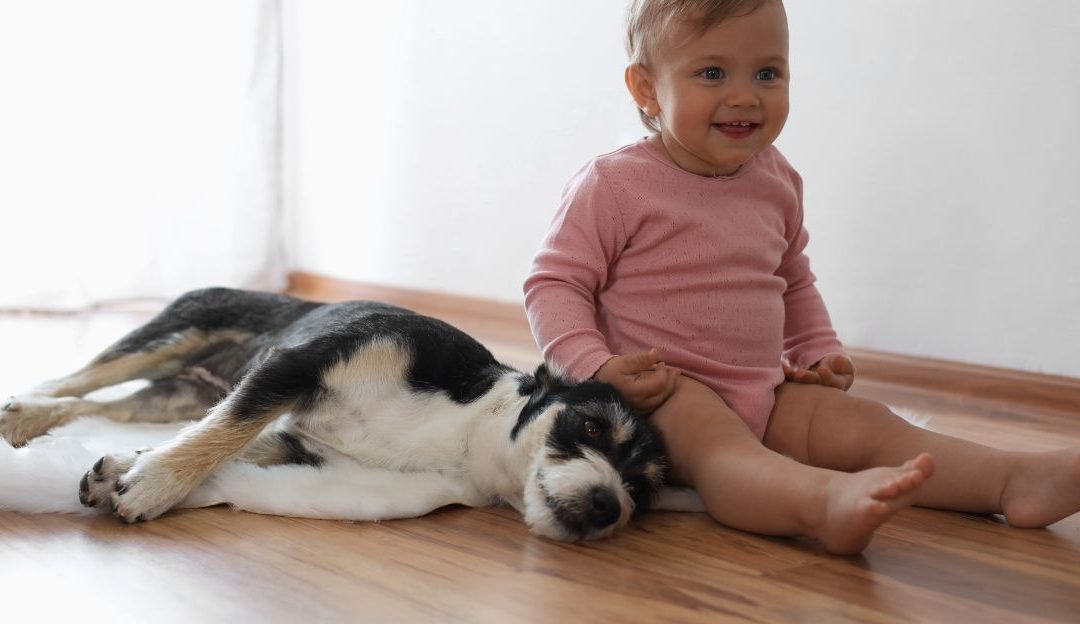
What children often recognize far more quickly than adults is the subtle dynamic of behavior. Intelligent children and dogs frequently find a common language without pressure, force, or manipulation.
A dog instinctively recognizes how a child approaches situations and adapts accordingly, often guiding interactions toward a positive outcome in a completely natural way. Consequently, this reflects a characteristic of wise beings: reaching the desired result while making it appear as though the other side arrived at the conclusion independently.
The Wisdom Hidden Within Natural Connection
This unique form of communication reflects principles that remain strongly present in young minds. Fortunately, young children have not yet become fully shaped by all the influences, pressures, and distractions of the modern world.
When it comes to children and dogs, childhood often preserves a certain original purity. A dog can help a child discover their own abilities and develop in harmony with themselves. Therefore, as conscious parents, our role does not involve interfering with that process unnecessarily; instead, we must support it. When we stop resisting natural principles, we create a far more harmonious environment for the entire family.
A Lesson About Achieving Results Without Conflict
Do you remember the scene from the film My Big Fat Greek Wedding in which the family encourages the young woman to move from working in the family restaurant to a new position involving computers? The strategy was not built on force, pressure, or direct conflict. Instead, the people around her carefully created circumstances that allowed the idea to emerge naturally.
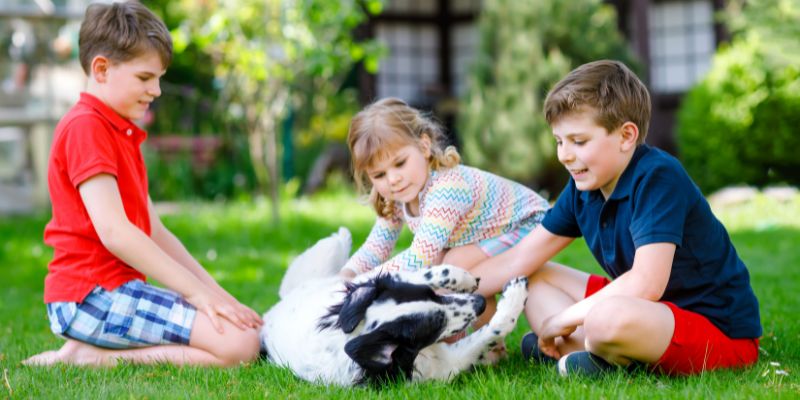
THE WISDOM HIDDEN WITHIN NATURAL CONNECTION.
In a similar way, children and dogs often learn how to navigate the world and achieve desired outcomes without direct confrontation, coercion, or the imposition of will. Ultimately, this may represent one of the healthiest foundations for developing emotional intelligence, understanding boundaries, and learning how wisdom and love can work together.
Thank you for reading.
To discover more about how emotional alignment, balanced lifestyle, and authentic energy restore internal balance, read our canine communication and behavior guidelines.
See you next time.
At Sasha Riess, we look past commercial labels to honor the unique biological blueprint of your companion. True health requires addressing the subtle internal patterns that create lasting vitality and pureloveandharmony. Discover the customized path to your dog’s longevity: Linktree Sasha Riess
by Sasha Riess | 24.08.26. | Wellbeing
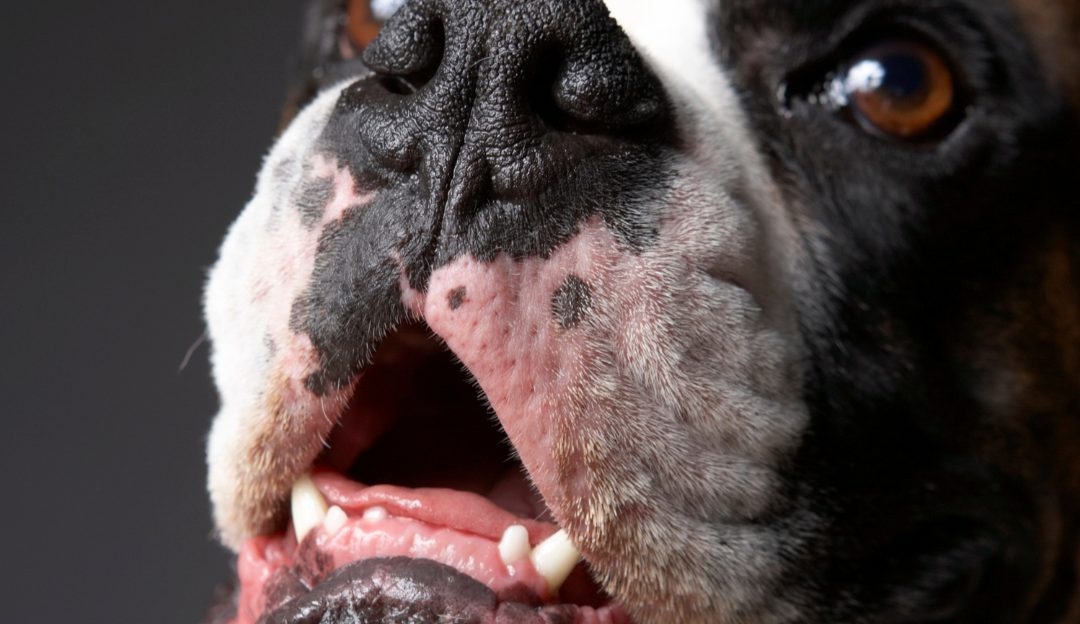
Sometimes an owner looks inside their dog’s mouth and notices something unusual. The teeth no longer look the way they used to. They seem smaller, almost as if they are slowly disappearing beneath the gums. In some dogs, this process develops gradually and almost unnoticed, while in others the gum tissue suddenly appears thickened, swollen, lumpy, or has grown so much that it partially covers the teeth.
This condition is called gingival hyperplasia, or excessive overgrowth of the gum tissue. Although it may appear to be only a local problem inside the mouth, it can have much broader consequences for a dog’s overall health.
What Is Gingival Hyperplasia?
Gingival hyperplasia occurs when the gum tissue begins to grow excessively. The gums become larger, thicker, firmer, sometimes red and inflamed, while in other cases they may initially appear relatively normal, there is simply too much tissue. As the tissue enlarges, it may partially or completely cover the teeth. Owners often feel as though the teeth are „shrinking,“ „receding,“ or „disappearing,“ when in reality the gums are growing over them.
The problem is not only cosmetic. Excess gum tissue creates pockets around the teeth where food particles, plaque, tartar, and bacteria accumulate. Over time, this can lead to severe dental disease, inflammation, pain, damage to the tissues supporting the teeth, and eventually tooth loss.
Why Isn’t This Just a Cosmetic Issue?
When the gums grow over the teeth, they create spaces that owners cannot properly clean at home. Even regular tooth brushing is often insufficient because the toothbrush cannot reach beneath the excess tissue. Inside these hidden pockets, bacteria multiply, food debris accumulates, and inflammation continues.
Dogs may develop bad breath, bleeding gums, pain while chewing, excessive drooling, or changes in their eating habits. Consequently, some begin chewing on only one side of the mouth. Others drop food while eating. Some refuse hard food altogether and seek softer meals. Others simply become quieter, more withdrawn, or irritable, leaving owners unaware that their dog is actually experiencing chronic oral pain.
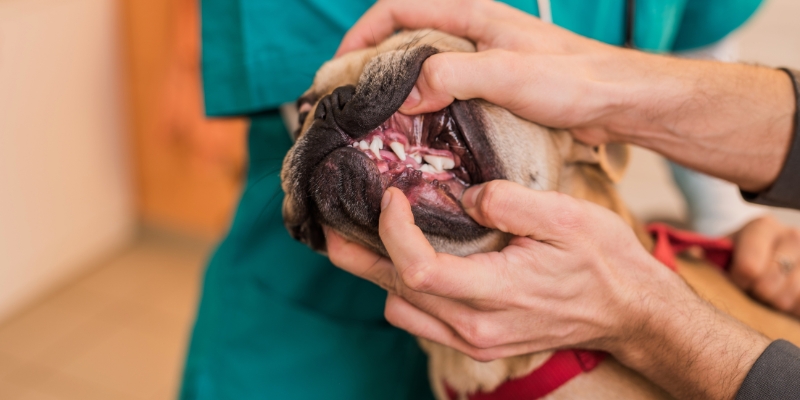
ROUTINE VETERINARY EXAMINATIONS HELP DETECT EXCESS GUM TISSUE BEFORE DEEP POCKETS FORM.
Which Dogs Are More Predisposed?
Gingival hyperplasia in dogs can occur in any breed, but certain dogs appear to have a higher predisposition. It is most commonly reported in Boxers, Bulldogs, brachycephalic breeds, and several others. This does not mean every dog of these breeds will develop the condition, nor does it mean that other breeds are immune. Genetics may play an important role, but it is certainly not the only factor involved.
Why Do the Gums Begin Growing Excessively?
The exact cause of gingival hyperplasia in dogs is not always completely understood. Some dogs have a genetic predisposition, meaning their bodies respond differently to gum inflammation than others.
In many dogs, periodontal disease causes the gums to recede. In dogs with gingival hyperplasia, however, the opposite occurs: instead of shrinking, the gums enlarge, thicken, and gradually cover the teeth.
Several factors may contribute, including plaque, tartar buildup, poor oral hygiene, chronic inflammation, gum trauma, abnormal bite alignment, foreign material lodged beneath the gums, chewing sticks or hard objects, and certain medications. Some medications, such as cyclosporine (commonly prescribed for allergies and autoimmune diseases) or certain cardiovascular drugs like amlodipine, have been associated with gum overgrowth in some dogs. For this reason, veterinarians should always be informed about the dog’s complete medical history, including every medication currently being used.
How Can Owners Recognize the Problem?
The most common sign of gingival hyperplasia in dogs is excessive tissue along the gumline. The gums may appear thickened, swollen, uneven, or may visibly extend over the teeth. In some dogs, the changes remain limited to one area of the mouth, while in others much larger portions of the jaw suffer.
Owners may also notice:
-
Bad breath
-
Red or inflamed gums
-
Bleeding after chewing or eating
-
Blood on chew toys
-
Excessive drooling
-
Frequent lip licking
-
Refusal to eat hard food
-
Dropping food from the mouth
-
Chewing only on one side
-
Pain when the muzzle is touched
-
Heavy tartar accumulation
It is important to understand that dogs do not always display every symptom. Many dogs tolerate significant dental pain for long periods without obvious signs, making regular oral examinations extremely important.
Can This Be Treated at Home?
This is one of the first questions many owners ask, and the answer must be honest: not completely. At home, we can help with prevention, oral hygiene maintenance, and reducing the risk of recurrence. We can support immunity, digestive health, nutrition, and the microbiome.
However, if the gum tissue has already grown over the teeth and formed deep periodontal pockets, this cannot be safely corrected with home remedies. There is no tea, supplement, powder, probiotic, or natural product capable of safely removing excessive gum tissue that has already covered the teeth.
Even more importantly, there is no home technique capable of thoroughly cleaning deep pockets already filled with bacteria, plaque, and tartar. For these reasons, managing gingival hyperplasia in dogs requires proper veterinary evaluation.
How Is the Diagnosis Made?
The veterinarian begins with a thorough examination of the dog’s mouth, teeth, gums, and surrounding oral structures. In some dogs, this can be performed during a routine examination, but if the dog is painful, fearful, reactive, or unwilling to allow oral handling, a complete examination is often performed under sedation or anesthesia.
It is essential to distinguish gingival hyperplasia in dogs from other oral conditions. Not every gum growth is the same. Some masses may represent tumors, epulis, advanced periodontal disease, or other pathological conditions. For this reason, a biopsy may sometimes be recommended, especially if the tissue appears unusual, grows rapidly, bleeds, or has an irregular appearance.
How Is Gingival Hyperplasia Treated?
Treatment depends on the severity of the condition, but most cases involve professional dental cleaning under anesthesia combined with removal of the excessive gum tissue. During the procedure, the veterinarian may obtain dental radiographs to evaluate the tooth roots, jaw bone, abscesses, fractures, bone loss, and the extent of periodontal disease.
Plaque, tartar, and debris are then carefully removed from around the teeth. If some teeth are severely damaged, loose, painful, or infected, extraction may be recommended.
When excessive gum tissue is present, a procedure known as a gingivectomy or gingivoplasty is performed. During this procedure, the excess gum tissue is removed and the gumline is reshaped. Ultimately, the goal goes beyond simple cosmetic improvement; it eliminates deep bacterial pockets and restores a healthy environment that allows the dog to eat comfortably and live free from chronic inflammation.
Recovery After Surgery
Following the procedure, dogs typically receive pain medication and, depending on the condition of the mouth and the veterinarian’s assessment, sometimes antibiotics. Soft food is often recommended during recovery, as hard food may irritate the healing tissues.
Hard bones, antlers, hard chew toys, sticks, and anything capable of traumatizing the gums should be avoided. Even tooth brushing is usually paused temporarily until the veterinarian confirms it is safe to resume.
This is a period during which the body needs rest, soft nutrition, adequate pain control, and careful monitoring. Therefore, if the dog refuses food, appears extremely painful, develops worsening swelling, persistent bleeding, foul odor, or any unusual symptoms, the veterinarian should be contacted immediately.
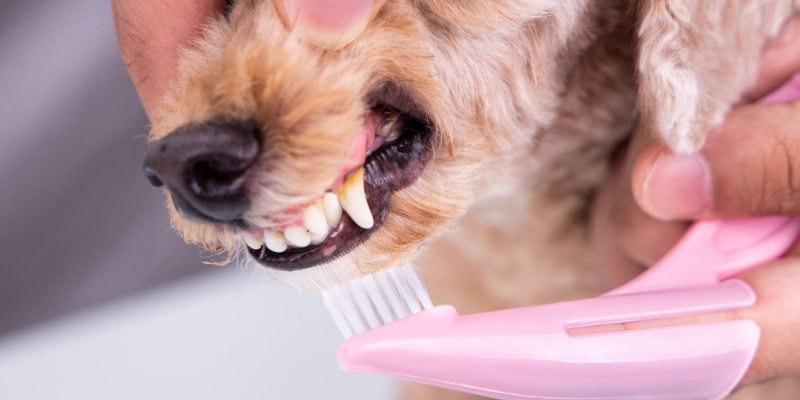
DAILY ORAL HYGIENE AND BRUSHING HELP REDUCE PLAQUE AND PREVENT GUM INFLAMMATION.
What Can Be Done at Home After Recovery?
Once healing is complete and your veterinarian confirms the gums have recovered, home care becomes essential. Regular tooth brushing with a toothpaste formulated specifically for dogs can significantly reduce plaque accumulation and inflammation. Human toothpaste should never be used.
Safe dental chews, carefully selected chew toys, and products designed to reduce plaque and tartar may also be beneficial. Simultaneously, sticks, excessively hard bones, antlers, and objects capable of damaging the gums or fracturing teeth should be avoided. Routine dental examinations are especially important in breeds predisposed to gingival hyperplasia in dogs. Addressing small problems early is far easier than waiting until the gums once again cover the teeth.
The Role of Nutrition, Gut Health, and the Microbiome
From a holistic perspective, the mouth is not separate from the rest of the body. The oral cavity is the beginning of the digestive tract. Everything occurring in the mouth influences the rest of the body, while the condition of the digestive and immune systems may also affect the skin, mucous membranes, and gums.
A dog living with chronic oral inflammation continuously swallows bacteria and inflammatory by-products, placing additional stress on digestion and immunity. Likewise, dogs with poor nutrition, an imbalanced microbiome, chronic inflammation, allergies, or digestive disorders may have a reduced ability to regulate inflammatory processes within the mouth.
Supporting the body through improved nutrition, reducing highly processed foods, limiting excessive starches and sugars, providing high-quality protein, using probiotics when appropriate, and feeding foods that do not continuously promote inflammation may all be beneficial. Bone broth, when well tolerated, may provide additional digestive support, but it is not a substitute for professional dental treatment.
It is important to remain realistic. Probiotics, dietary improvements, bone broth, and natural supportive care may help strengthen the body, but they cannot remove excessive gum tissue that has already grown over the teeth. Once the condition becomes advanced, it rarely resolves on its own. While owners experiment with various supplements, bacteria may continue accumulating beneath the gums, progressively damaging the teeth.
The best approach is a combined one: the veterinarian addresses what requires professional treatment using standard procedures, while the owner supports long-term oral health through healthier daily habits at home.
If you notice that your dog’s gums appear to be growing uncontrollably, there is no need to panic, but the problem should never be ignored. Gingival hyperplasia in dogs represents a treatable condition, and many dogs experience remarkable improvement after proper dental treatment. Only after treatment do many owners realize how long their dog had quietly been living with oral discomfort.
The mouth is far more than a collection of teeth. It marks the beginning of the digestive system, reflects immune health, and serves as an important mirror of the dog’s overall well-being. When we care for the gums, we are not simply protecting a smile; we are protecting our dog’s ability to eat, digest, rest, and live free from silent, chronic pain.
Thank you for reading.
To discover more about how emotional alignment, balanced lifestyle, and authentic energy restore internal balance, read our canine wellbeing guidelines.
See you next time.
At Sasha Riess, we look past commercial labels to honor the unique biological blueprint of your companion. True health requires addressing the subtle internal patterns that create lasting vitality and pureloveandharmony. Discover the customized path to your dog’s longevity: Linktree Sasha Riess
👉 Follow our Facebook page and never miss our latest articles, news, and updates.