by Sasha Riess | 23.08.26. | Nutrition
Why Carbohydrates in a Dog’s Diet Should Be Replaced With More Biologically Appropriate Foods
When we ask veterinarians whether dogs should ever eat chocolate, the answer is almost always a firm no. But do we truly understand why? Many people assume the answer is simple: chocolate causes diabetes. In reality, a dog will not develop diabetes immediately after eating chocolate, but repeated exposure to excessive sugars and certain carbohydrates may increase metabolic stress over time.
Consequently, understanding this fundamental principle helps us recognize that chocolate is not the only dietary factor worth considering when analyzing carbohydrates in a dog’s diet.
Rice and Potatoes: A Similar Metabolic Response
The same discussion often extends to foods that many guardians consider healthy for daily feeding.
Rice, potatoes, and other starch-rich ingredients break down rapidly into glucose, leading directly to sharp increases in blood sugar and insulin release. From a biological perspective, dogs evolved consuming diets much lower in starch than those found in many modern commercial kibbles.
For this reason, holistic practitioners strongly recommend reducing excessive carbohydrates in a dog’s diet and focusing instead on fresh, species-appropriate ingredients.
Where Does the Story of Healthy Nutrition End?
One of the central questions in holistic canine nutrition explores how repeated exposure to highly processed ingredients influences long-term metabolic health. Persistently elevated insulin levels place additional demands on the pancreas, ultimately contributing to metabolic imbalance in susceptible individuals.
Therefore, for many holistic nutrition advocates, supporting long-term health means minimizing unnecessary starches and choosing fresh, biologically appropriate whole foods whenever possible.

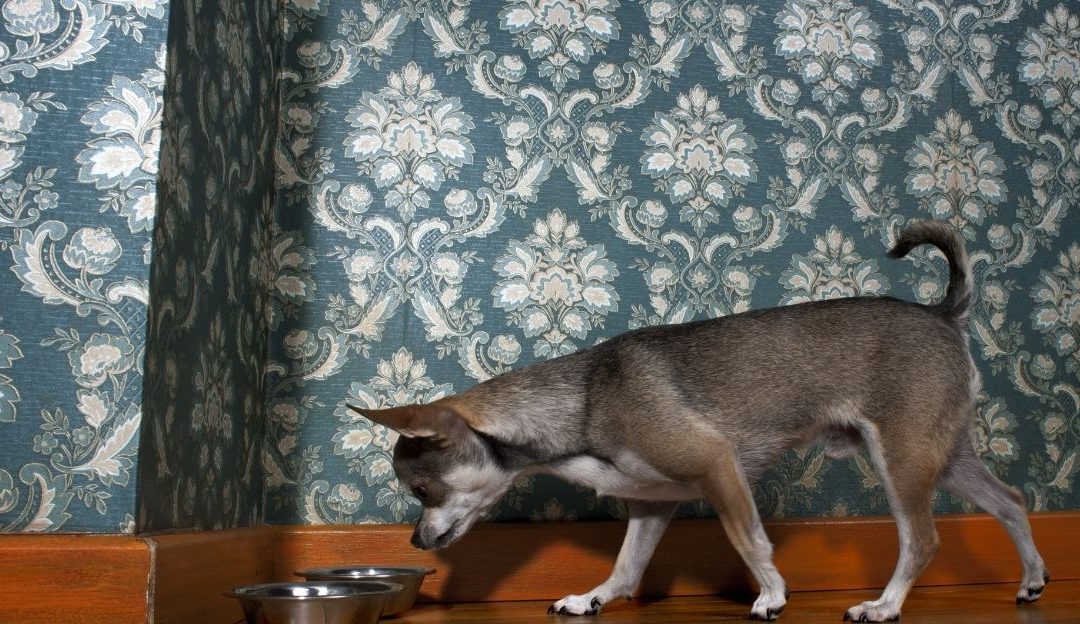
STARCH-RICH INGREDIENTS LIKE RICE CAN TRIGGER ELEVATED INSULIN LEVELS.
The primary goal does not involve simply feeding the dog to fill its stomach. Ultimately, the true goal requires nourishing the physical body while actively reducing unnecessary metabolic stress.
Thank you for reading.
To discover more about how whole food diets, species-appropriate ingredients, and natural nourishment restore internal vitality, read our canine nutrition guidelines.
At Sasha Riess, we look past commercial labels to honor the unique biological blueprint of your companion. True health requires addressing the subtle internal patterns that create lasting vitality and pureloveandharmony. Discover the customized path to your dog’s longevity: Linktree Sasha Riess

by Sasha Riess | 23.08.26. | Behaviour
Every owner dreams of calm and enjoyable walks with their dog. Yet for many people, daily walks bring frustration simply because the dog constantly pulls on the leash, barks at passersby, or reacts intensely to everything happening around them. A similar challenge often appears when introducing a dog to a cat or helping it remain calm around other animals. According to this perspective, dogs often behave this way because they feel responsible for managing what is happening around them. For that reason, solving the problem requires a very different approach from the one most people expect.
Stop the Walks Until You Become the Center of Your Dog’s World
To create lasting change, guardians must return to the very beginning. Therefore, avoid repeatedly placing the dog into overwhelming situations where it continually loses self-control.
Instead, spend quality time working in a completely calm and controlled environment until new habits begin to develop naturally. The ultimate goal involves becoming the primary point of focus for your companion. When the relationship grows stronger, your presence becomes far more valuable than everything happening around you.
You Are the Reward, Not the Cheese or the Toy
When building authentic communication, guardians should not always focus on external rewards. The objective does not rely on treats, toys, or temporary physical distractions.
Instead, the deeper goal requires becoming the most meaningful source of guidance, safety, and connection in your dog’s daily life. Your dog should enjoy being with you not only because of what you provide, but because of the relationship itself. Consequently, when a dog pulls on the leash, addressing the core dynamic matters far more than managing symptoms, as relationships lie at the center of how dogs experience the world.
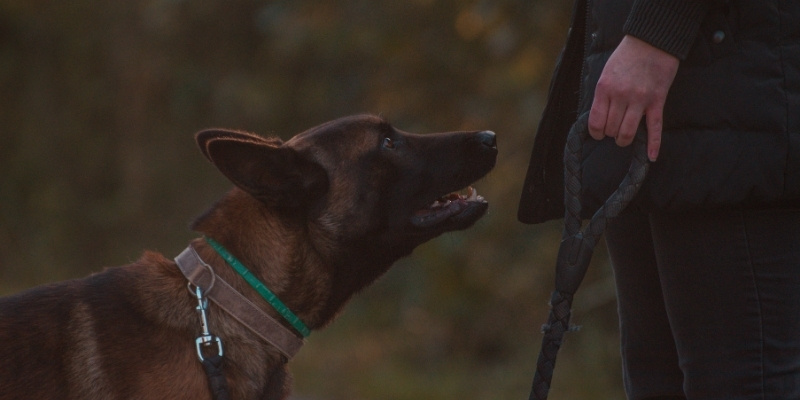
BECOMING THE CENTER OF YOUR DOG’S WORLD CREATES NATURAL HARMONY.
Leading Your Dog Begins With Leading Yourself
Dogs naturally seek internal stability and clear direction. They often thrive when they feel that someone else calmly guides the entire situation. However, that process requires us to become leaders of our own lives first.
For many people, this shift represents the most difficult part of the journey. It is often easier to focus on changing the dog than to look inward and examine our own habits, emotions, and consistency. Yet when we take full responsibility for our own calmness and stability, many behavioral challenges begin to transform naturally. Ultimately, the leash becomes lighter simply because the relationship has become stronger.
Thank you for reading.
To discover more about how emotional alignment, balanced lifestyle, and authentic energy restore internal balance, read our canine communication and behavior guidelines.
At Sasha Riess, we look past commercial labels to honor the unique biological blueprint of your companion. True health requires addressing the subtle internal patterns that create lasting vitality and pureloveandharmony. Discover the customized path to your dog’s longevity: Linktree Sasha Riess
👉 Follow our Facebook page and never miss our latest articles, news, and updates.

by Sasha Riess | 21.08.26. | Emotions
Facing the final chapter of a beloved companion’s life represents one of the most difficult experiences any owner can endure. During those heavy moments, the subject of euthanasia often arises, bringing painful decisions and profound emotions. Yet, choosing a conscious and dignified farewell carries a very different spiritual meaning.
My personal belief remains that, whenever possible, a dog should be allowed to complete its natural journey. No matter how difficult those final moments may prove for us, I believe our role requires us to stay with your dog until the end. We must find the inner strength to walk those last steps together.
Finding the Strength for a Final Goodbye
Our dogs deserve to feel our unwavering love and presence during their final moments. For that reason, we must remain strong enough to gently let them know that the time has come for their journey to continue. Consequently, they must feel completely free to follow their own path.
This decision may require us to accept one of the most painful goodbyes we will ever experience. Only those who fully embrace both love and loss manage to remain present without turning away. Therefore, true devotion means we do not run from grief. Instead, we honor this bond by sharing our companion’s final breath with courage and compassion.
Accepting Death as Part of Life
The essence of life includes not only learning how to live fully, but also learning how to accept its natural ending. This truth applies not only to our own mortality, but also to the people and animals we love most. Simultaneously, death touches every single living being.
Only when we begin to accept death as a natural part of life’s cycle can the passing of a beloved companion become more than a traumatic event. Ultimately, it transforms into an act of profound love, gratitude, and peaceful release.
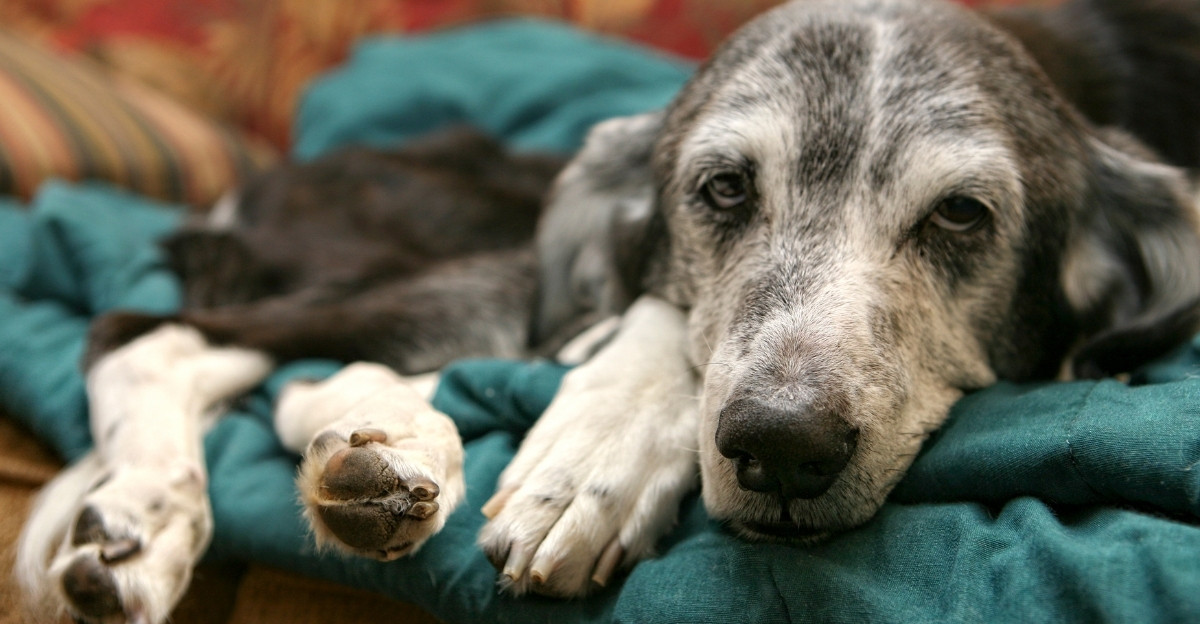
OFFERING YOUR CALM PRESENCE IS THE GREATEST FINAL GIFT OF UNCONDITIONAL LOVE.
The Final Gift You Can Give
Stepping away from death before its natural conclusion may sometimes reflect our own internal difficulty in facing loss. Throughout their lives, dogs teach us unconditional love without asking for anything in return. Perhaps the greatest gift we can offer in return involves our decision to stay with your dog until the end when they need us most.
Do not turn away when the moment becomes painful. Hold their paw. Stay close. Allow them to leave this world knowing they fulfilled their purpose and were deeply, completely loved.
Thank you for reading.
To discover more about how emotional alignment, balanced lifestyle, and authentic energy restore internal balance, read our canine emotions guidelines.
See you next time.
At Sasha Riess, we look past commercial labels to honor the unique biological blueprint of your companion. True health requires addressing the subtle internal patterns that create lasting vitality and pureloveandharmony. Discover the customized path to your dog’s longevity: Linktree Sasha Riess
👉 Follow our Facebook page and never miss our latest articles, news, and updates.

by Sasha Riess | 19.08.26. | Wellbeing
Why Cancer Is More Than a Local Disease
The appearance of malignant disease is one of the greatest fears shared by dog owners. For cancer to develop, many different biological and environmental factors may come together over time. One important perspective shows that cancer in dogs is a systemic disease rather than a simple problem of a single organ. Consequently, it affects the body as an interconnected system. Every day, the immune system continuously recognizes and eliminates abnormal cells before they have the opportunity to multiply.
When Changes in DNA Alter the Behavior of Cells
Cells with genetic alterations are continuously formed throughout life. Fortunately, the body’s natural defense mechanisms successfully repair or eliminate most of them. Cancer begins when certain cells acquire changes in their DNA that allow them to continue dividing instead of being removed.
As these altered cells multiply, they gradually replace healthy tissue and disrupt normal biological function. Although scientists understand many of the molecular mechanisms involved in this process, the exact combination of events that initiates cancer often differs from one individual to another.
The Mechanism Is Better Understood Than the Original Trigger
Modern medicine has made remarkable progress in understanding how tumors grow and spread. However, the precise causes that trigger cancer remain complex and, in many cases, multifactorial. Genetics, chronic inflammation, environmental exposures, nutrition, aging, and other biological influences may all contribute. Therefore, rather than stemming from a single cause, cancer in dogs is a systemic disease resulting from multiple interacting factors that gradually overwhelm the body’s normal protective mechanisms.

HOLISTIC CARE SUPPORTS THE BODY’S NATURAL RESILIENCE AND OVERALL BALANCE.
A Holistic Perspective on Supporting the Whole Body
Because cancer affects the organism as a whole, many holistic practitioners believe that supporting overall health should accompany any medical treatment. Simultaneously, nutrition, stress reduction, environmental quality, physical wellbeing, and appropriate veterinary care may all play important roles in maintaining the body’s natural resilience.
From this perspective, the goal goes beyond addressing the tumor itself to support the biological systems responsible for maintaining balance throughout the body. Ultimately, true prevention begins long before disease appears; it begins by creating the healthiest possible internal environment for the body to protect itself.
Thank you for reading.
To discover more about how emotional alignment, balanced lifestyle, and authentic energy restore internal balance, read our canine wellbeing guidelines.
See you next time.
At Sasha Riess, we look past commercial labels to honor the unique biological blueprint of your companion. True health requires addressing the subtle internal patterns that create lasting vitality and pureloveandharmony. Discover the customized path to your dog’s longevity: Linktree Sasha Riess
👉 Follow our Facebook page and never miss our latest articles, news, and updates.

by Sasha Riess | 19.08.26. | Behaviour
Why Your Dog Doesn’t Respond to What You Say and How Relationships Are Really Built
In previous columns, we explored vision and one fundamental principle: dogs do not react to the world they see, they react to the meaning their nervous system assigns to what they see. The eyes are simply gateways through which information reaches the brain. Only inside the brain does perception emerge, creating the internal reality that guides every decision an organism makes. Consequently, this explains why two dogs can witness the exact same event and respond in completely different ways. The scene itself has not changed. Only the meaning assigned to it by each dog’s nervous system has changed.
A World of Frequencies: How Dogs Hear Emotions Instead of Words
The next sense that shapes this internal reality is hearing. Just as with vision, however, hearing has surprisingly little to do with the ears themselves. The ears represent mechanical structures that collect sound waves from the environment. Only after those sound waves reach the brain does sound acquire true meaning. Perhaps the greatest misconception people have about dogs involves believing that dogs primarily listen to our spoken words.
In reality, dogs rarely respond to words themselves. Instead, they respond to the experiences their nervous system has associated with those specific sounds. From a physiological perspective, dogs live in an acoustic world that humans can barely imagine. While the average human hears frequencies up to approximately 20,000 Hz, dogs can detect sounds exceeding 60,000 Hz. Their highly mobile ears function like directional antennas, constantly locating the source of sound with remarkable precision.
Therefore, this means dogs do not simply hear more sounds than we do, they also perceive far more subtle variations within every sound. While people often hear only the spoken voice, dogs simultaneously detect changes in tone, rhythm, intensity, breathing patterns, muscle tension around the neck, and even subtle changes in vocal resonance that reflect a person’s emotional state.
This remarkable ability evolved over thousands of years. In nature, sound often served as the earliest warning that something important was happening. The rustling of grass could signal approaching prey, or an approaching predator. A single snapping branch could mean the difference between survival and death. Evolution did not shape hearing so animals could enjoy music or conversation. It shaped hearing as an early warning system. Although dogs no longer live in the environment for which that nervous system evolved, they still carry the very same biological machinery today.
Lost in the Noise of the Modern World
Modern civilization has completely transformed the acoustic environment in which dogs live. For most of the shared history between humans and dogs, the soundscape was relatively simple. Wind, rain, birds, other dogs, people, flowing water, thunderstorms, and occasional wildlife made up nearly the entire acoustic world.
Today, dogs live surrounded by televisions, mobile phones, alarms, microwave ovens, air conditioners, vacuum cleaners, traffic, sirens, elevators, electronic devices, and the constant noise of modern cities. Their nervous systems never evolved to process such an enormous volume of sound. Yet every single day, they attempt to interpret it all. This brings us directly to one of the brain’s most important biological characteristics.
The brain cannot afford the enormous energy cost of treating every sound as entirely new information. Instead, it constantly searches for recognizable patterns. Every new sound compares automatically with previous experiences. In other words, the brain does not simply hear sound. The brain hears memory.
Associative learning represents one of the most important survival mechanisms in neurobiology. When a particular sound repeatedly occurs alongside a particular experience, neural connections gradually form between them. Consequently, the sound is no longer just a sound. It becomes a direct prediction. A bell may predict food. The sound of a leash may predict a walk. The sound of a car may predict the owner’s arrival.
The very same mechanism also works in the opposite direction. A sound can become associated with punishment, discomfort, fear, or frustration. The nervous system does not distinguish between positive and negative experiences. It simply learns the connections between them.
When a Dog’s Name Becomes a Source of Emotional Conflict
This realization completely changed the way I began thinking about why dogs stop trusting their own name over time. For humans, a name represents identity. For dogs, a name is simply a sound. Yet it may also be the single most frequently repeated sound they hear throughout their entire lives. An owner may say their dog’s name thousands of times each year—and tens of thousands of times over an entire lifetime.
The problem begins when the very same sound carries completely different, and often contradictory, emotional meanings. We use the dog’s name to wake them. We use it during play. We use it to scold them. We use it to invite affection. We use it to warn them. We use it to praise them.
Humans naturally understand context. We know that the same word can carry different meanings depending on the situation. However, dogs do not process language in this way. Their nervous system primarily registers the emotional value attached to the sound. When the same sound repeatedly pairs with conflicting emotional experiences, it gradually becomes less predictable, and therefore less useful as a reliable signal. Consequently, this explains why dogs stop trusting their own name when mixed signals create chronic internal confusion.
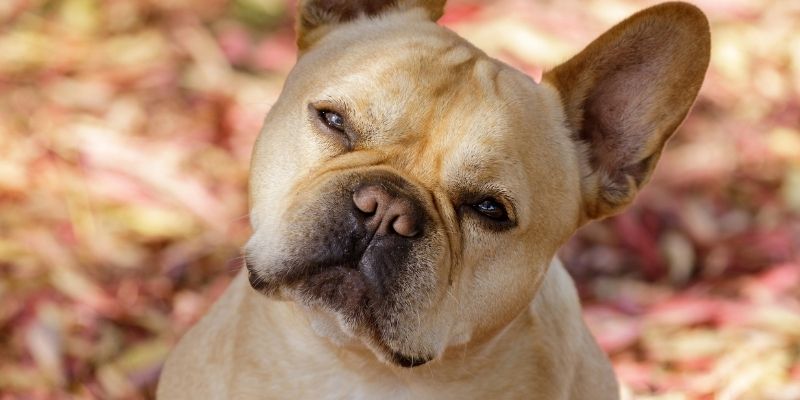
DOGS LISTEN TO THE EMOTIONAL HISTORY ATTACHED TO EVERY SOUND WE MAKE.
When Confusion Replaces Connection
When a dog’s name becomes a source of emotional conflict, the relationship itself often begins to weaken. Over the years, I noticed a pattern that at first seemed like pure coincidence. In dogs that had developed severely disorganized emotional relationships with their owners, changing the dog’s name often marked the beginning of surprisingly rapid behavioral improvement.
The new name was not magical. It did not change the dog’s personality. It did not alter genetics. It simply interrupted the history attached to one particular sound. The new sound carried none of the thousands of previous frustrations, contradictions, disappointments, or emotional conflicts. For the first time, the nervous system had the opportunity to build a completely new association between one sound and one consistent meaning.
The new name became predictable. It predicted safety. Connection. Cooperation. Positive interaction. Within that predictability, many dogs appeared to discover an emotional stability they had previously lacked.
Perhaps our greatest mistake is not that we fail to teach dogs enough. Perhaps it is that we rarely consider what their nervous systems are learning from us every single day. Every word we speak. Every tone of voice. Every shift in intonation. Every emotion carried within our voice leaves a trace inside the brain. For humans, speech is a way of expressing thoughts.
For dogs, sound is a way of predicting the future. When a sound becomes consistent and predictable, the nervous system finds safety. When the same sound repeatedly carries contradictory meanings, the organism loses its ability to predict what comes next. That is when confusion emerges. And confusion represents one of the greatest enemies of homeostasis.
Perhaps the next time you say your dog’s name, the most important question is not whether your dog heard you. The more important question is: What has your dog’s nervous system learned that this sound means? Dogs do not simply listen to the words we speak. They listen to the history attached to every sound we have built together over the years.
Within that history grow trust, security, and connection. But within that same history can also grow fear, uncertainty, and emotional disorganization. Ultimately, once we understand that sound is never just sound, but an experience remembered by the brain, understanding why dogs stop trusting their own name becomes much clearer, showing how changing a single word can sometimes transform an entire world for a dog.
Thank you for reading.
To discover more about how emotional alignment, balanced lifestyle, and authentic energy restore internal balance, read our canine communication and behavior guidelines.
See you next time.
At Sasha Riess, we look past commercial labels to honor the unique biological blueprint of your companion. True health requires addressing the subtle internal patterns that create lasting vitality and pureloveandharmony. Discover the customized path to your dog’s longevity: Linktree Sasha Riess
👉 Follow our Facebook page and never miss our latest articles, news, and updates.