
by Sasha Riess | 05.06.26. | Behaviour
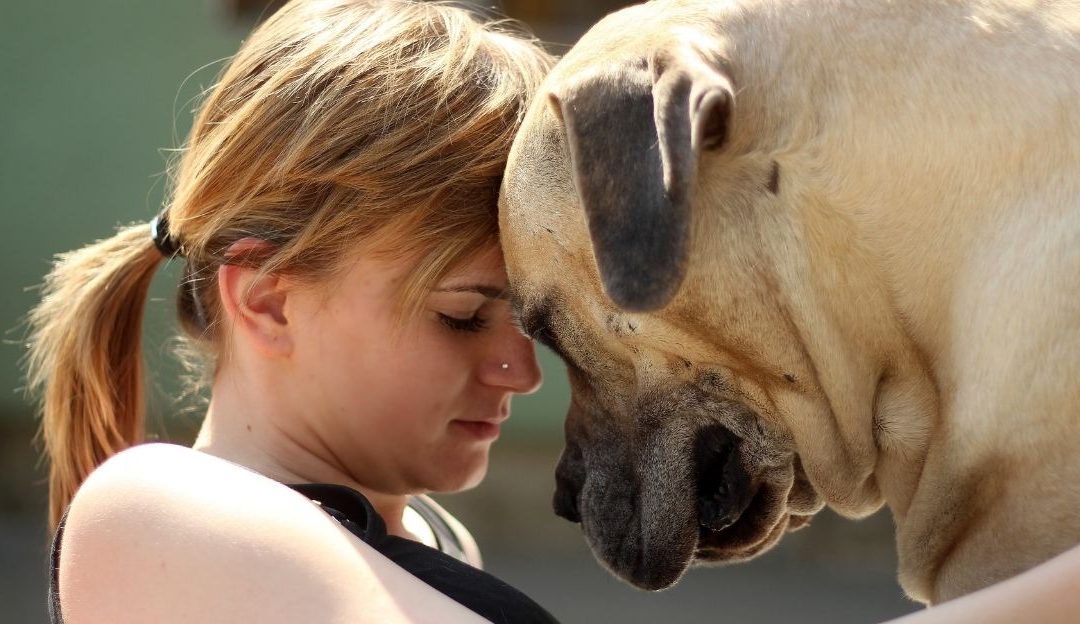
In the modern world, we have become somewhat lost. We call dogs our babies, souls, and angels, yet we forget one essential fact: you are the dog owner. Between that role and a stable, happy companion, there is nothing except clear responsibility. For a dog to be balanced and able to follow your guidance, it must have a leader who understands not only its heart but also its biology.
The Right to Regulation and Perception
Being a conscious dog owner means giving yourself the right to self-regulation. You cannot guide a dog if you have not regulated your own energy and understanding of the world. This includes working with the physiology of the dog’s heart and respecting the way the dog perceives its surroundings. A dog does not experience the world through words, but through energy, minerals, and the biological processes taking place within its body.
The Price of Health and Mineral Balance
When we speak about health, people often question the cost of supplements and minerals. However, the real question for a responsible dog owner is: what is the cost if we do not provide them?
Mineral balance is not a luxury, but a biological foundation without which the organism cannot function properly. We cannot expect stable behavior from a dog whose physiology is out of balance. As a dog owner, it is your duty to understand that health cannot exist halfway. It is either present as a whole, or it is absent. That is the price we must be willing to pay for the true wellbeing of our dogs.
At Sasha Riess, we empower every dog owner to lead through biological understanding. True health is a whole, and it starts with pureloveandharmony. Take responsibility for their balance: Linktree Sasha Riess
by Sasha Riess | 03.06.26. | Behaviour
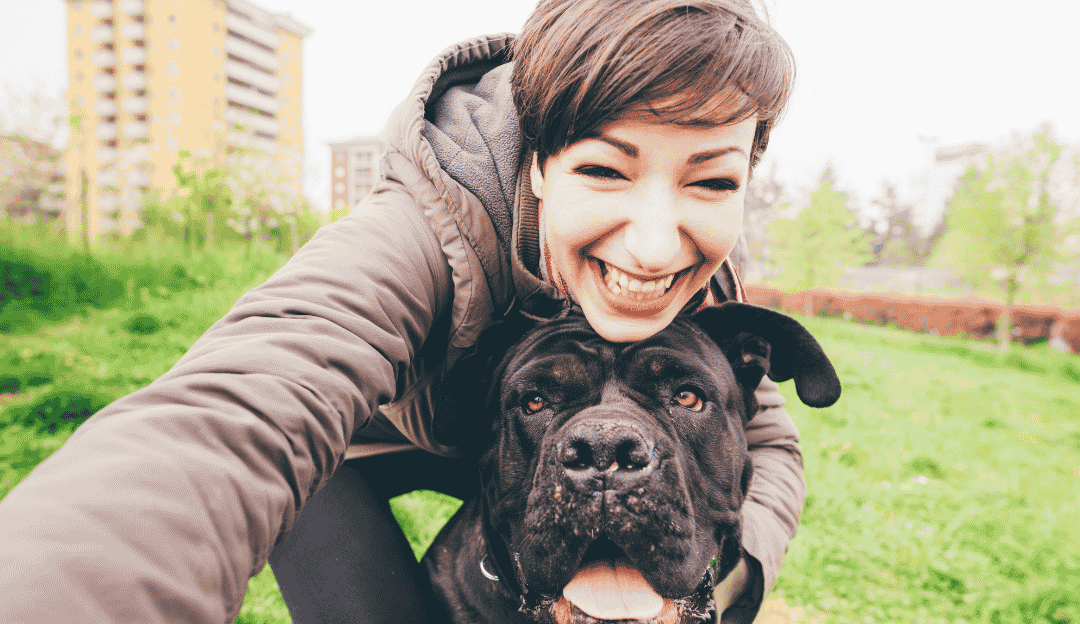
In recent years, one topic has been increasingly emerging in the world of human-dog relationships: the rise of anxiety in dogs. What was once considered an isolated issue is now becoming a pattern seen in almost every society where dogs live closely with humans.
This phenomenon is now discussed in scientific research, veterinary practice, and even in major media outlets. Recently, The New York Times dedicated an extensive report to this very issue, trying to understand why more and more dogs show signs of stress, fear, or separation anxiety in dogs.
Changed Living Conditions and Rising Stress
The modern dog often lives in an environment shaped by the human pace of life. Apartments, confined spaces, and the emotional pressure people carry from daily life all create a reality very different from the one in which the human-dog relationship developed over thousands of years. In such an environment, the dog is part of the system.
In my book About Dogs and Awakening (2018), I wrote that we would see more behavioral issues if we did not begin to understand the deeper connections between humans and animals. Today, we are living in that world.
Dogs as Carriers of Emotional Patterns
Dogs live within a relational field. Biologist Rupert Sheldrake described the concept of morphic fields—informational fields that connect living beings. In this context, anxiety in dogs may not always originate within the dog itself. Dogs respond to tension and insecurity in the human nervous system long before we become aware of them.

The dog is a mirror of the system in which it lives.
Symptoms That Require Understanding the System
When the dog’s nervous system becomes oversensitive, symptoms of anxiety in dogs appear: fear of sounds, distress when left alone, or constant tension. If the dog is part of a broader emotional system, then behavior is not just a matter of discipline. It is a signal that the relationship is seeking balance.
Perhaps the dog is the first to show that the system we live in is not in balance. If we see this as part of the relationship, it becomes valuable information.
Conclusion: A Shared Connection
Dogs have developed an extraordinary ability to read our emotions over thousands of years. The relationship between a human and a dog is not just a shared living space. It is a shared nervous system.
At Sasha Riess, we look beyond the symptoms to find the source of the imbalance. Addressing anxiety in dogs requires a holistic approach to the shared nervous system, leading back to pureloveandharmony. Find balance together:Linktree Sasha Riess
by Sasha Riess | 02.06.26. | Behaviour
You can change your hairstyle, makeup, car, high heels, or botox, but none of it can replace the inner happy woman who is at one with herself. An authentic woman is one a husband cherishes for her femininity, a woman who does not have to carry everything on her own shoulders.
She carries her parents within her, not searching for a substitute for her father in a partner, nor running away from herself.
Your Dog Sees What Botox Tries to Hide
Our dogs see exactly that woman within us, the one we often fail to see or feel ashamed of. Your makeup is irrelevant to them; they sense inner harmony or its absence. When an authentic woman lives her essence through her wrinkles and gray hair, embracing both mother and father within herself, her dog finally relaxes.
The dog no longer has to carry the burden of her need for validation from the outside world. Dogs seek authenticity, not perfection. They love a woman who does not run from her femininity and who does not project her unfulfilled needs onto them. An authentic woman does not seek validation from the outside; her peace becomes an anchor for herself and for the dog who follows her without hesitation.
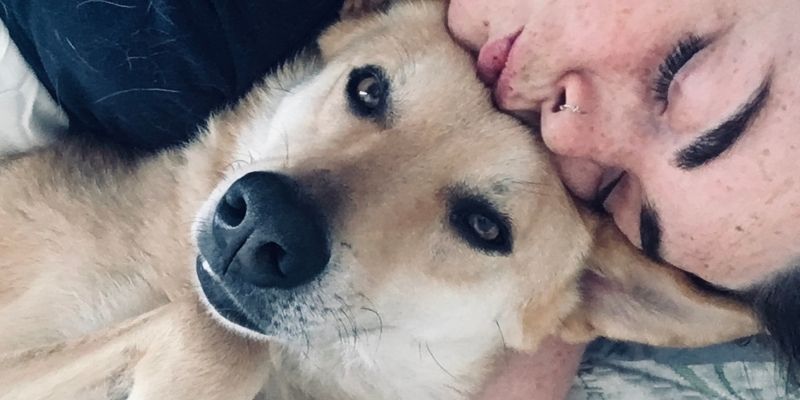
Your peace becomes an anchor for yourself and your dog.
An Authentic Woman Does Not Project Restlessness Onto Her Dog
When a woman embraces her essence, she stops searching for external substitutes for inner emptiness. A healthy relationship with a dog can help you discover a unique strength and embrace your femininity.
If we learn to see a dog for what it truly is, perhaps we will gather the courage to look in the mirror and love what we see. Only then do you become an authentic woman whose peace the dog follows effortlessly. It is time to break the masks.
At Sasha Riess, we believe that being an authentic woman is the foundation of a healthy bond with your dog. When you embrace your true self, you create a space of pureloveandharmony where masks are no longer needed. Discover your inner strength: Linktree Sasha Riess
by Sasha Riess | 01.06.26. | Behaviour
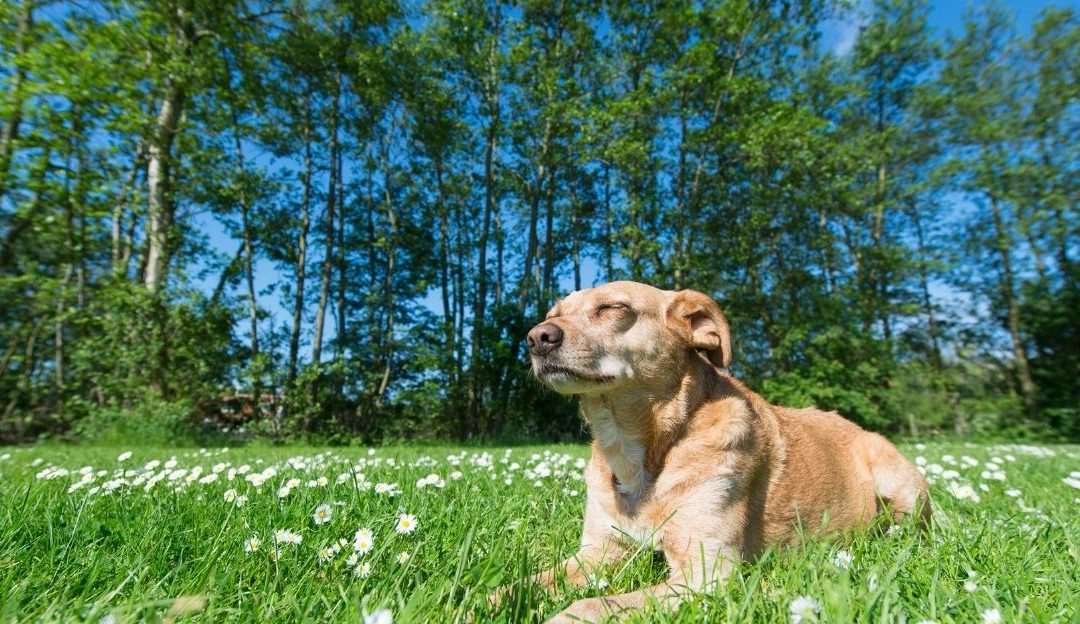
Unlike humans, dogs do not have the ability to live in the future. They do not make plans, set goals, or fear what tomorrow may bring. A dog lives in the moment, fully present here and now, exactly as they are. This is a lesson in presence we must learn.
A Dog Does Not Imagine the World, It Feels It
While we analyze the past or worry about the future, the dog is there, in its body. It does not search for answers and is not confused, even though it asks no questions. Because a dog lives in the moment, it is content; in that instance, nothing is missing. This calm presence is what makes dogs the most stable members of our environment.
The Power of the Present Over the Past
Many owners worry about their dog’s past, especially with adopted pets. However, canine psychology tells us that what is new can always overcome what once was. Because a dog lives in the moment, they have an incredible physiological capacity to adapt. In every moment, they seek:
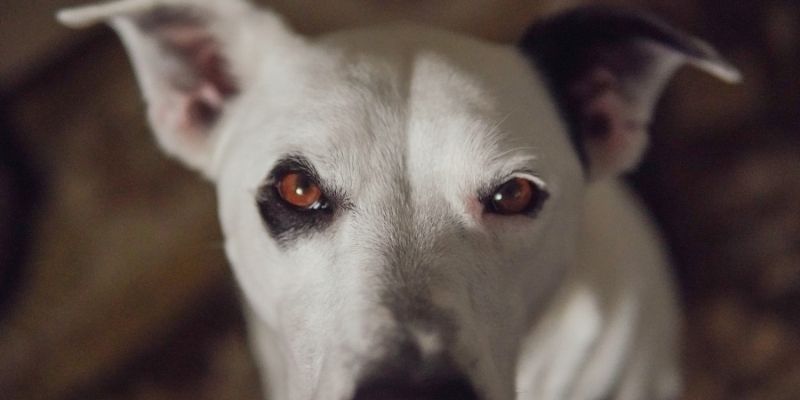
Your strength in the present moment directly shapes how your dog feels.
Why Your Stability Is Essential for Your Dog
A dog senses destiny through you. Since a dog lives in the moment, it expects calmness and serenity from its leader. If you are distracted, the dog suffers because it cannot find the peace it expects. To be a leader means staying „here and now,“ allowing your dog to feel safe even when life is challenging.
At Sasha Riess, we recognize that a dog lives in the moment to teach us about our own presence. Our goal is to provide the stability they need to maintain pureloveandharmony. Focus on the now:Linktree Sasha Riess
by Sasha Riess | 31.05.26. | Behaviour
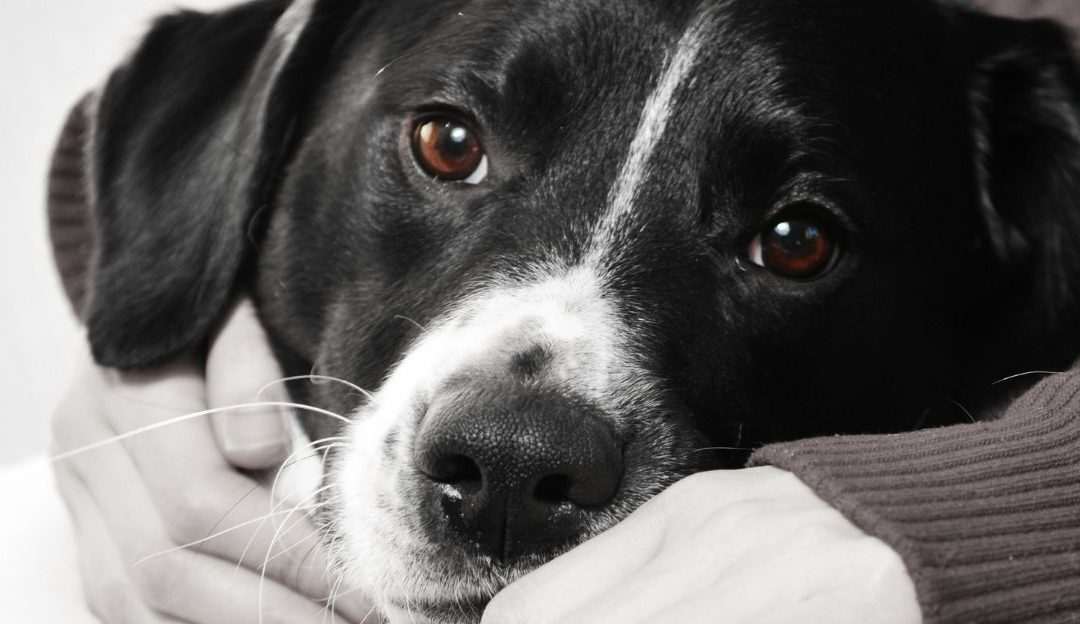
The dog and the present moment show us how life truly unfolds here and now. A dog is not here to be “fixed,” nor to correct our behavior. It connects us with ourselves and with the world around us. Within that lies its strength and its role in our lives.
A Connection That Cannot Be Pretended
When you work with a dog, you are not learning what you should do, but what you are doing right now that leads the dog to behave exactly as it does. A dog responds to your presence, tension, absence, focus, or distraction. It does not read your promises, plans, or intentions. It reads you. Now.
The Dog and the Present Moment: The Body as the Only Voice
A dog does not think about how it looks or what others might say. It lives in the dog and the present moment, within a body that feels pain, discomfort, tension, or relief. Topics such as ear cropping are questions of projection—moments when a human stops listening to the dog and instead listens to their own need for control.
On the other hand, when we speak about health, the dog shows the way. Its body clearly signals when support is needed, especially in states of stress or joint strain. This is why the role of vitamin C in dogs is vital for maintaining connective tissue and immunity.
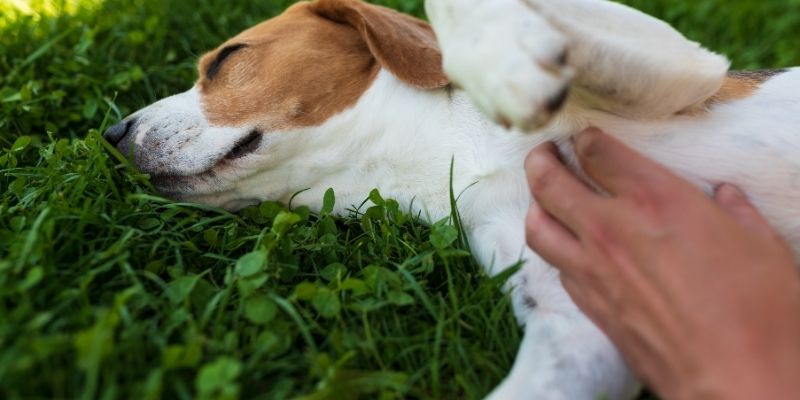
A dog brings us back to where life truly exists – the present moment.
Self-Discipline Through the Dog and the Present Moment
Through simple actions like walking or guiding on a leash, self-discipline develops. The dog and the present moment bring you back to your body, your breath, and your step. If you are absent, the dog shows it; if you are present, the dog settles. This is not training—it is a mirror.
Why Our Dogs Teach Us to Live in the Now
A dog does not try to change the world. It simply is. Through the dog, we learn to stop projecting fear and begin living where life truly happens: Here. Now.
At Sasha Riess, we honor the natural state of being. Embracing the dog and the present moment allows us to move away from control and toward pureloveandharmony. Connect with your dog’s true nature: Linktree Sasha Riess
by Sasha Riess | 29.05.26. | Behaviour
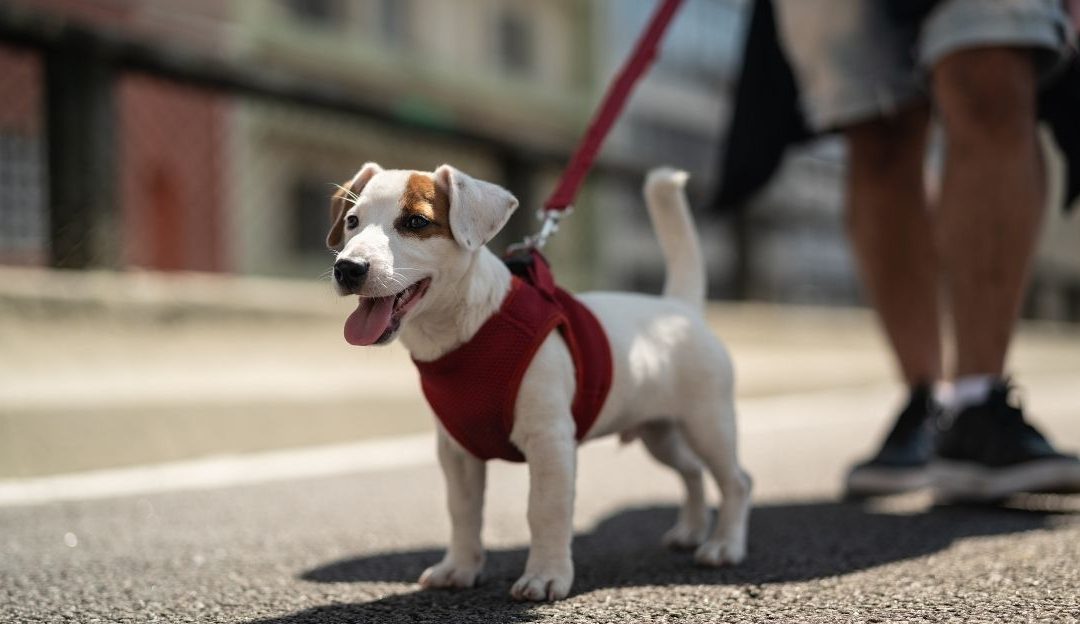
Many owners believe that an hour-long walk or a game of fetch is enough to “tire out” a dog. However, after 25 years of experience, I have come to understand that what we call recreation is often, for the dog, a high-stress mission.
A Walk Is Not Leisure, but Survival
How can you physically exhaust a being biologically designed to run up to 40 kilometers a day? One hour of walking means little physically. Yet, when the dog returns home and collapses, the reason is not physical fatigue, but mental overload.
When a dog steps outside, its biology dictates three essential things:
-
Territory Defense. Every scent or passerby can be a potential challenge.
-
Food Search. An instinct that never sleeps.
-
Marking. Leaving traces in a world that may feel like a minefield.

Recovery from a high-stress mission requires deep, undisturbed rest.
The Mental Effort That Breaks a Dog
Why does a dog collapse after a walk? It is from the constant analysis of its environment. The dog scans for threats and evaluates every scent. It doesn’t just return from a stroll; it returns from an environment it may perceive as life-threatening, where it felt responsible for helping its owner secure the ground.
Are You Giving Too Much or Too Little?
Perhaps we make the world too complex for them. Forced socialization and crowded environments can overwhelm the nervous system. Instead of pushing a dog to survive our idea of fun, consider its true biological needs: calm, clear boundaries, and an understanding of its instincts.
At Sasha Riess, we believe that true well-being comes from reducing mental strain. Understanding why does a dog collapse after a walk is the first step toward creating an environment of pureloveandharmony. Help your dog find true peace: Linktree Sasha Riess