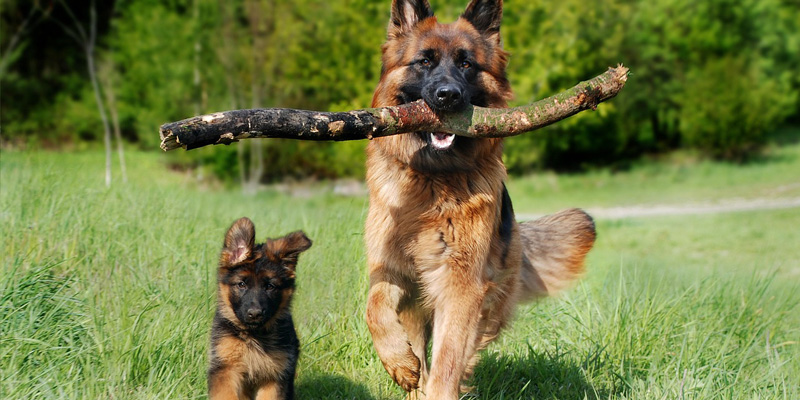
Caring for a dog is not the same as buying a toy. Dogs are living beings with emotions, needs, and awareness. If you want to know how to properly care for a dog, you must first be fulfilled and present in its life.
A Happy Owner Equals a Happy Dog
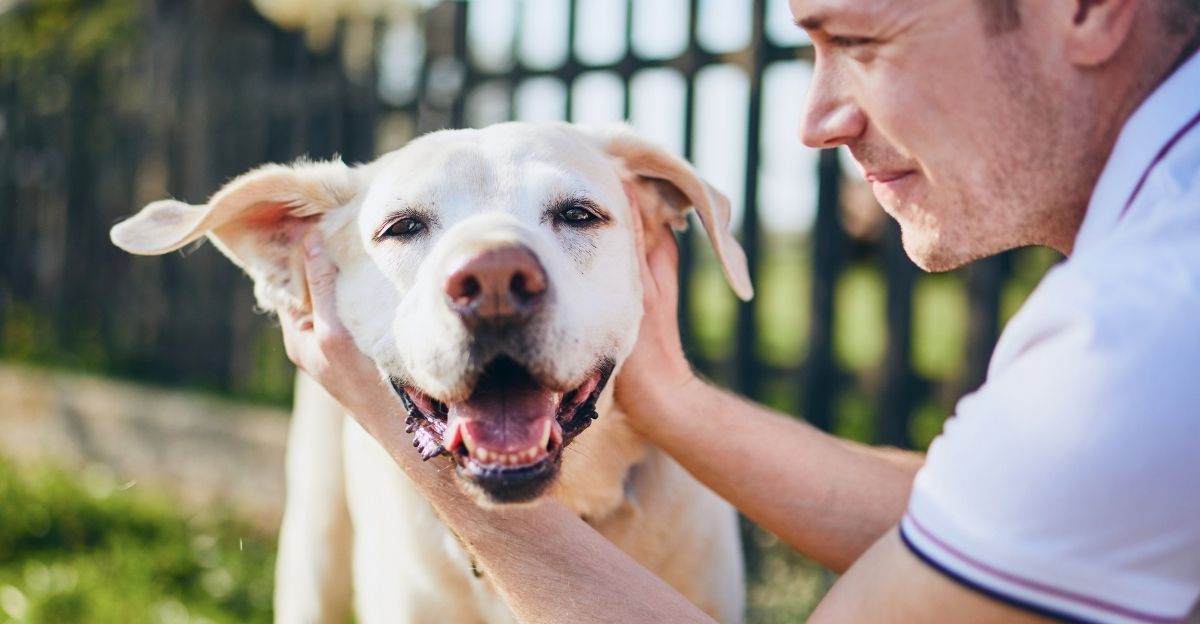
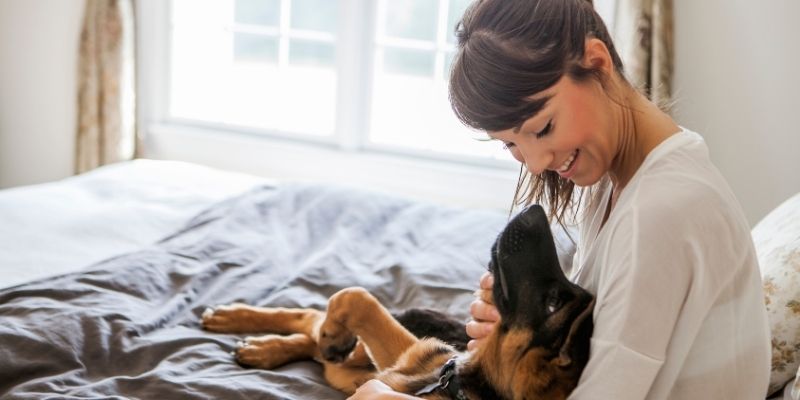
You cannot care for a dog properly if you neglect yourself. Just as a parent does not need to be a perfect mother, but a happy one, a dog owner must be balanced and at peace in order to guide the dog through life. Your emotional state is the foundation of your dog’s stability.
The Relationship Between Dogs and Children
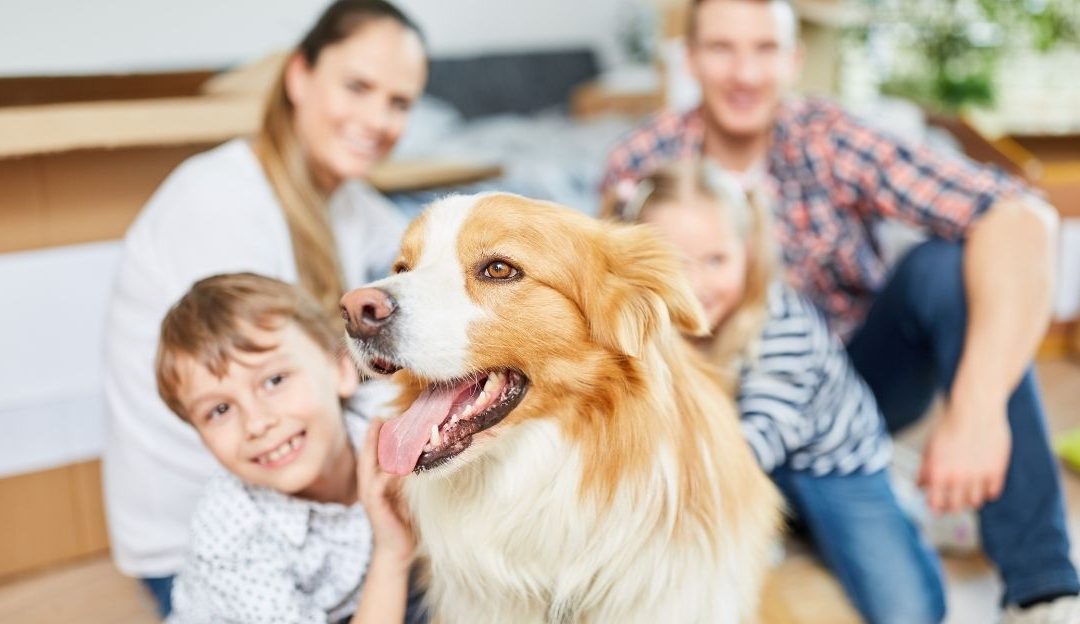
Dogs and children share an exceptionally strong bond, influencing each other’s emotional state. Healthy communication and attentive presence are essential for building trust and a sense of security. Part of knowing how to properly care for a dog in a family setting is ensuring that these interactions are guided by respect and presence.
Caring for a dog requires responsibility and dedication.
Dedication to One Dog
It is more difficult to provide the same level of attention and love to two or more dogs than to just one. Having a dog requires deep commitment, time, and energy. A dog is not a toy, but a living being that deserves your full attention and a consistent place in your life.
At Sasha Riess, we believe that leadership begins with self-care. Learning how to properly care for a dog starts with finding your own balance so you can lead with pureloveandharmony. Discover the path to a deeper connection: Linktree Sasha Riess
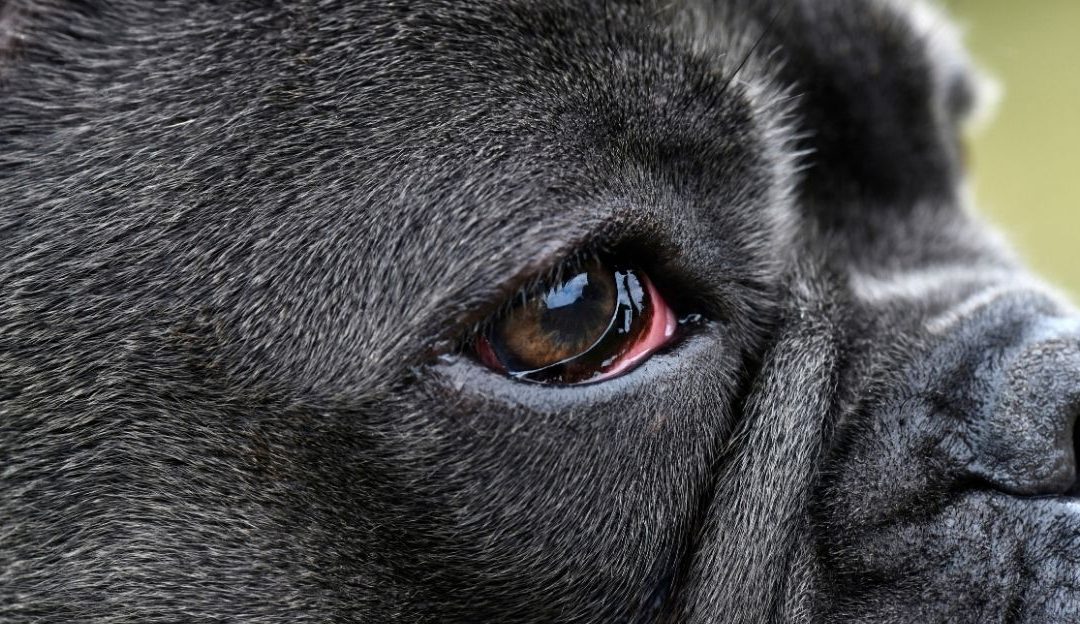
Watery eyes in dogs are often interpreted as an aesthetic issue or a local eye problem. However, in many cases, tearing has little to do with the eyes and far more to do with the environment in which the dog lives and the level of stress it experiences.
Why Dogs “Cry” in Stressful Environments
A dog that lives in constant tension does not breathe properly, cannot relax, and cannot release excess strain from the body. In such cases, watery eyes in dogs become a release valve. This is not emotional crying, but a physical response to prolonged stress.
The Biological Side of Watery Eyes
Of course, biological factors exist, such as red blood cell metabolism, liver function, and porphyrins—pigments that leave tear stains. But the question often overlooked is simple: Why did the organism reach a state of overload in the first place?
The Liver and Detoxification
In dogs with chronic tearing, the liver often functions under strain, and detoxification is incomplete. The body searches for an alternative outlet. Here, watery eyes in dogs are not the cause; they are the consequence of an internal system struggling to maintain balance.
Immunity as a Two-Sided System
Immunity never works in isolation. It has an internal side (nutrition, liver function) and an external side (stress, environment). If we focus only on teas or supplements without changing a stressful environment, the problem will inevitably return.
Guidance, structure, and a calm human are often the best remedies for tension.
Stress: A Factor Within Our Influence
A dog does not respond to our explanations or intentions; it responds to our tone, tension, and the stability we provide. When a dog’s eyes water, the message is often: „It is too much for me“ or „I have nowhere to release what I carry.“
Conclusion: Tears as a Signal
Watery eyes in dogs are not a defect that needs to be quickly removed. They are a signal from a system asking for relief. Before searching for a miracle solution, ask yourself: What kind of world does this dog live in every single day?
At Sasha Riess, we understand that true healing comes from harmony. Addressing watery eyes in dogs requires looking beyond the symptom to the environment, leading your pet back to pureloveandharmony. Find the path to a calmer home: Linktree Sasha Riess
Harmony between human and dog does not happen by chance. It is built every day through the way we communicate, how we feed them, and the boundaries we set. A dog does not live in the past and does not plan the future; it lives only in the present moment.
Building a Balanced Relationship
A home where harmony between human and dog exists is recognized by balance. It is not a space filled with discomfort, odor, or tension, but a place where order and calmness are felt.
A dog does not destroy the dignity of a home. A human does that through an incorrect relationship. When a dog has no clear structure or is emotionally overloaded, problems appear that are wrongly attributed to the animal.
Living in the Present Moment with Your Pet
For a dog, the present moment is everything. When communication is clear and care is consistent, the dog naturally takes its place in the system. This means:
The dog knows where it belongs.
The dog does not get lost in roles it cannot understand.
The dog does not carry the emotional burdens of the human.
Harmony between human and dog arises when the human joins the dog in the present moment.
A dog lives in the present moment – harmony arises when the human joins them there.
Responsibility as the Key to Lasting Harmony
The deep connection we share is often misunderstood as sacrifice. However, true harmony does not mean giving up a dignified life. It means taking responsibility so we do not disturb our own nature or the nature of the dog.
When a human takes responsibility for the system, the dog becomes a stable, calm, and healthy member of the household. This is the essence of order, balance, and true harmony between human and dog.
At Sasha Riess, we believe that a healthy home starts with a balanced leader. Establishing harmony between human and dog is the ultimate path to pureloveandharmony. Create a space where both species can thrive: Linktree Sasha Riess
The human-dog relationship is often a mirror of our personal attitudes, fears, and cultural patterns. Differences in opinions, tastes, and values are not a problem in themselves; they become dangerous only when dogs suffer because of them.
Why People Disagree Even About Dogs
Differences in what we like are not random. When we choose a dog, we often do not choose a living being—we choose an image.
One person dislikes black dogs.
Another focuses on the fur.
A third sees only beauty.
There is no right or wrong here, only difference. People look at life through different filters, and different opinions are not an attack. The problem begins when these differences justify poor treatment.
A Paradigm That Brings Results
There is a way of thinking and working with dogs that, when applied consistently, brings real results to the human-dog relationship:
Dogs do not stop eating.
Dogs do not end up on the street.
Dogs are not abandoned.
Humans and dogs live stable, peaceful lives together.
If a method produces these results, why should it be dismissed just because it challenges the dominant belief that a dog is „problematic“?
The dog is the animal that suffers most because of humans.
Who Truly Suffers in the Human-Dog Relationship?
There is no animal beside which humans suffer more than a dog, but there is also no animal that suffers more because of humans. The dog is the only animal completely bound to human decisions, fears, and projections.
Because of this, the responsibility always lies with us.
Changing Our Perspective
Differences in opinion are not the issue. The issue is when a dog pays the price for our aesthetic criteria or our fears. If we change how we perceive them, we change their fate.
At Sasha Riess, we believe that the human-dog relationship should be based on understanding the dog’s true nature, not our own projections. Only then can we achieve pureloveandharmony. Learn how to look past the „image“ and see the soul: Linktree Sasha Riess
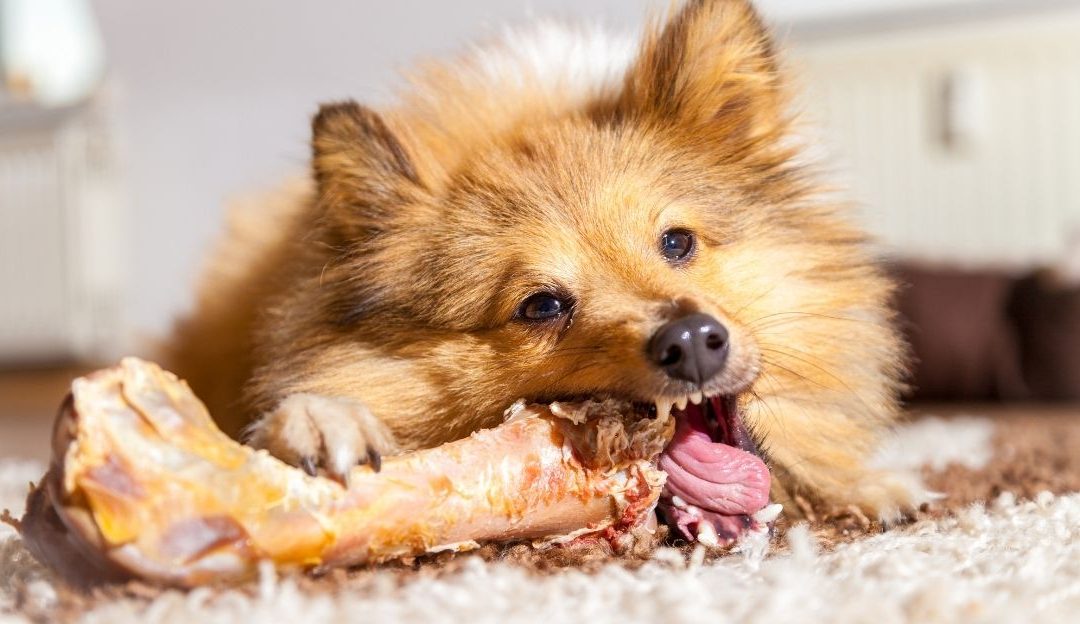
Taking a bone or food from a dog often seems like a small matter, but the way we do it can have a long-term impact on the dog’s trust and sense of safety. Knowing how to take a bone from a dog without creating stress or fear is essential for every owner.
Why Direct Removal Triggers Resource Guarding
In principle, a bone or food should not be snatched from a dog while he is eating or playing, unless there is a real danger—such as the bone becoming too small. Directly grabbing an object:
Activates the instinct to protect valuable items.
Disrupts the dog’s sense of safety.
Can create conditions for future aggression.
The dog does not understand that you are protecting him; he only understands that something important was taken away.
Recognizing Situations Where Safety Is Priority
Safety sometimes overrides the rule. You must act if:
The object is a choking risk.
You are leaving the house.
The dog carries it to an unsafe place.
The Proper Method for Safe Retrieval
The most important rule is: You do not take the bone from the dog. You take the bone that the dog has already left.
Step-by-Step Procedure:
The dog is chewing the bone.
Redirect the dog’s attention from a distance.
The dog leaves the bone on his own to come to you.
Remove the bone while the dog is focused on something else.
In this way, your pet does not experience loss or feel the need to defend a resource. This is the secret of how to take a bone from a dog correctly.
Redirecting and Rewarding Without Confusion
The dog should be rewarded for moving to another place, not for „giving up the prize.“ This distinction is crucial. If a dog thinks coming to you means losing his treasure, he will stop coming. Always reward the recall, and remove the object quietly when it is no longer on his mind.
A bone is not taken – it is removed once the dog has left it.
Behaviors to Avoid During the Process
To maintain trust, avoid these common mistakes:
Do not „test“ the dog while he is chewing.
Do not say „give it“ while snatching the object.
Do not force the dog to choose between you and the bone.
Trust Is Built in Small Moments
The way you handle these items today determines how your dog responds tomorrow. When you understand the right approach, you teach him that a human does not threaten his resources but brings safety.
At Sasha Riess, we believe that leadership is built on trust, not force. Understanding how to take a bone from a dog by respecting their instincts is a key step toward achieving pureloveandharmony. Discover more: Linktree Sasha Riess
Dogs easily awaken the “Mom” and “Dad” in us. Understanding why we see them as our children is the first step toward avoiding the parenting trap and recognizing their true nature.
Neoteny and the Evolution of Dogs
When dogs began evolving from wolves and coming closer to humans, they had to find a way not to fear humans, and not to scare them either. This process is key to understanding why we see our dogs as our children. Throughout evolution, dogs retained neotenous characteristics—round eyes, small noses, and soft body lines—that trigger our parental instincts.
Baby-Like Features and the Parental Instinct
Humans are naturally drawn to beings with childlike features. Not only do dogs look like babies, but their behavior also reminds us of young offspring: they seek attention, depend on us, and remain emotionally attached.
[Image depicting the visual similarities between neotenous dog features and human infants]
Why This Becomes a Trap
A young wolf pup needs its parents to survive. An adult wolf can form a pack with others, but a pup cannot. The same applies to dogs: we’re naturally drawn to them and feel responsible for their well-being. That’s why we so easily fall into the parenting trap, seeing them as our children instead of recognizing them as independent beings.
Dogs are not our children, even though they awaken those instincts within us.
Baby-like features in dogs awaken our parental instincts, which is why we often see them as children.
Community and Love
Understanding the evolutionary background and neotenous traits of dogs helps us separate instinctive attachment from parental emotion. Dogs remind us of wolf pups, but their role in our lives is different. They are not our children; they are our partners in community, trust, and love. Recognizing this allows them to thrive as the animals they truly are.
At Sasha Riess, we respect the dog’s true nature. While we understand why we see our dogs as our children, we strive to move past the „parenting trap“ toward a partnership based on leadership and respect. This clarity brings us to a state of pureloveandharmony, where the dog is free to be a dog. Discover more: Linktree Sasha Riess