by Sasha Riess | 11.05.26. | Behaviour, Nutrition
Many dog owners get confused when their dog suddenly refuses to eat from the bowl. They often assume their dog isn’t hungry or that something’s wrong, but in my experience, the reason is usually much simpler. To understand why your dog won’t eat from their bowl, we must look at both the physical environment and the emotional ritual.
Fear of Sound and Material
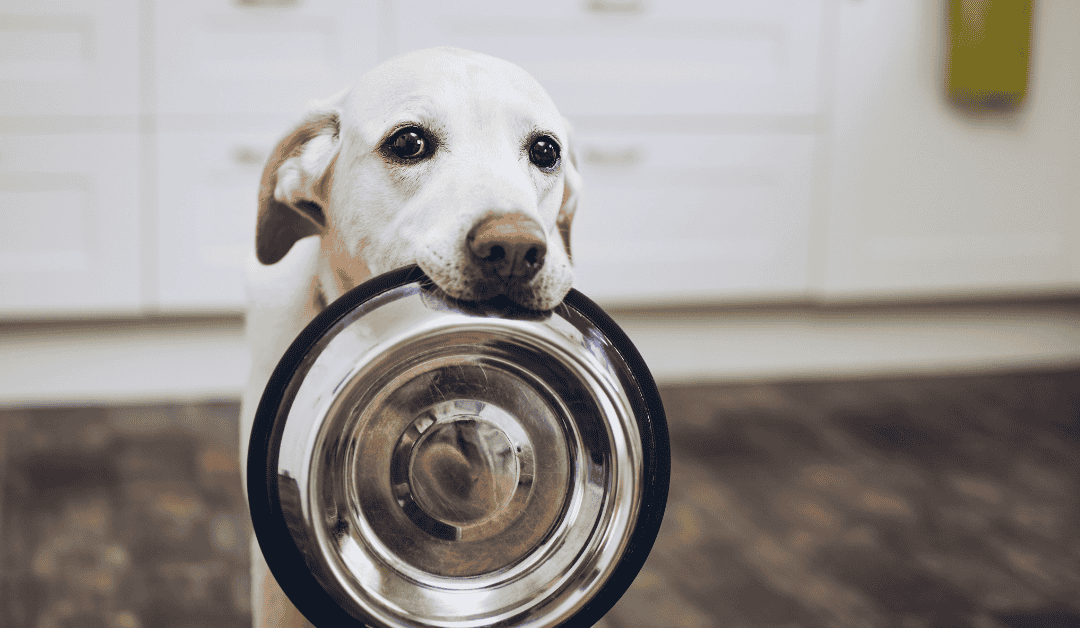
I’ve seen dogs refuse to even approach their bowl. The most common reason is fear of sound—especially if the bowl is metal and rattles when moved. The first thing to try is switching to a different type of bowl. Plastic or ceramic ones are quieter and feel safer to most dogs.
Note: Always use plain white ceramic bowls without colors or patterns.
The Feeding Ritual Is Key
What completely changed my approach to feeding was the ritual itself. A dog must understand that food comes from you—the natural leader of the pack.
I would prepare something simple for myself: a slice of apple, a piece of bread, or a small bite of chocolate (for me, of course—never for the dog). When I take the first bite, the dog senses the smell, sees the start of the meal, and instinctively understands that it’s feeding time. After that, I place the dog’s food down. The dog perceives it as me offering what’s left of my own meal—a natural process in the canine world.
Consistency Builds Confidence
If a dog refuses food, I remove the bowl immediately. There’s no pleading, no “just one more bite,” and no offering something else instead. I decide when, what, and how much my dog eats. Dogs learn this quickly because they recognize feeding rhythm as part of the pack hierarchy. Patience before feeding is part of the ritual through which the dog accepts the owner’s authority.
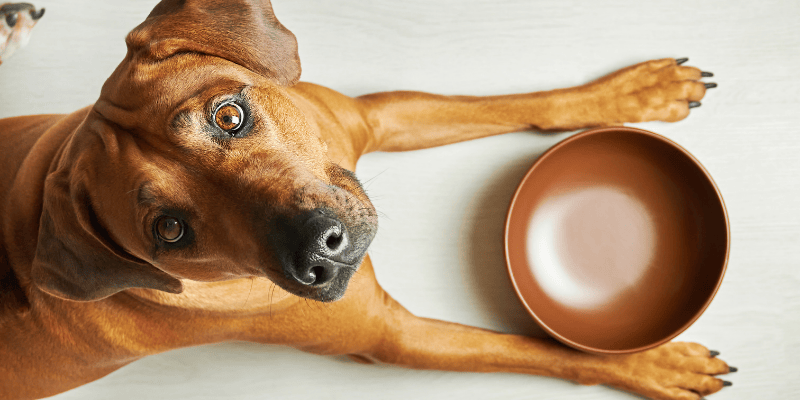
Patience before feeding is part of the ritual through which the dog accepts the owner’s authority.
My Message to Dog Owners
If you are wondering why your dog won’t eat from their bowl, don’t worry right away—the reason is often simple and easy to fix.
-
Change the bowl to plain white ceramic.
-
Create a calm feeding ritual where you eat first.
-
Stay consistent with the timing and removal of food.
Dogs love structure and routine. When they feel that you’re the one leading the process, they’ll soon eat confidently and peacefully from their bowl.
At Sasha Riess, we believe that every detail, from the color of the bowl to the ritual of the first bite, communicates safety and leadership. Understanding why your dog won’t eat from their bowl allows you to restore order and trust, bringing your relationship into a state of pureloveandharmony. Discover more: Linktree Sasha Riess
by Sasha Riess | 11.05.26. | Behaviour
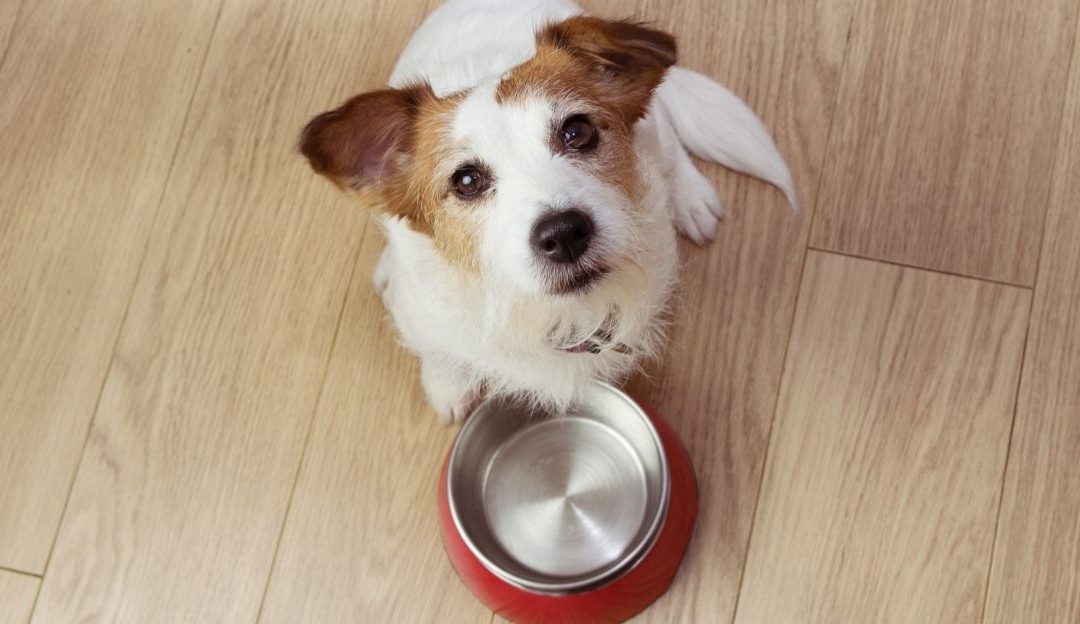
A dog sitting beside an empty bowl after a meal represents peace and routine in daily feeding. Dogs love routine, but they do not need constant access to food. If your dog finishes eating and the bowl stays on the floor, you may think it means nothing. However, that empty bowl can actually create stress and a sense of responsibility in the dog.
Through working with many dogs and owners, it has been shown that a bowl left on the floor after a meal creates subtle tension. To understand why you should not leave the dog bowl out, we must look at the dog’s instincts.
The Burden of an Empty Bowl
The dog instinctively feels that it is his duty to refill the bowl, as if he is responsible for the next meal. This is not a rational thought, but an emotional reflex, especially in sensitive dogs or those with a heightened sense of responsibility toward their owner.
Control of Resources and Leadership
When food remains in the bowl, the dog can decide when and how much to eat. In the canine world, the one who controls resources such as food also holds the role of the leader. If the dog always has access to food, we are unconsciously sending the message that he is the one making the decisions. For some dogs, this can create pressure, insecurity, and even behavioral problems.
Why It Is Important to Remove the Bowl After Eating
By picking up the bowl after eating, you show the dog he is safe because you are the one responsible for the rhythm of meals. When the dog finishes his meal, the bowl should be removed calmly and consistently. That simple act clearly says: “I take care of the resources and you are safe.”
This provides the dog with:
-
A sense of order and security.
-
Predictability in their daily life.
-
The knowledge that the next meal comes from you, not by chance.
Owners who establish this routine often notice that their dogs become calmer, more focused, and more relaxed.
A Small Step, a Big Change
If you want to see positive changes in your dog’s behavior, start right here. After the meal, wait for the dog to finish, praise him, and simply remove the bowl. This strengthens the bond of trust between you and your dog. Knowing why you should not leave the dog bowl out helps you create a safe and reliable rhythm for your pet.
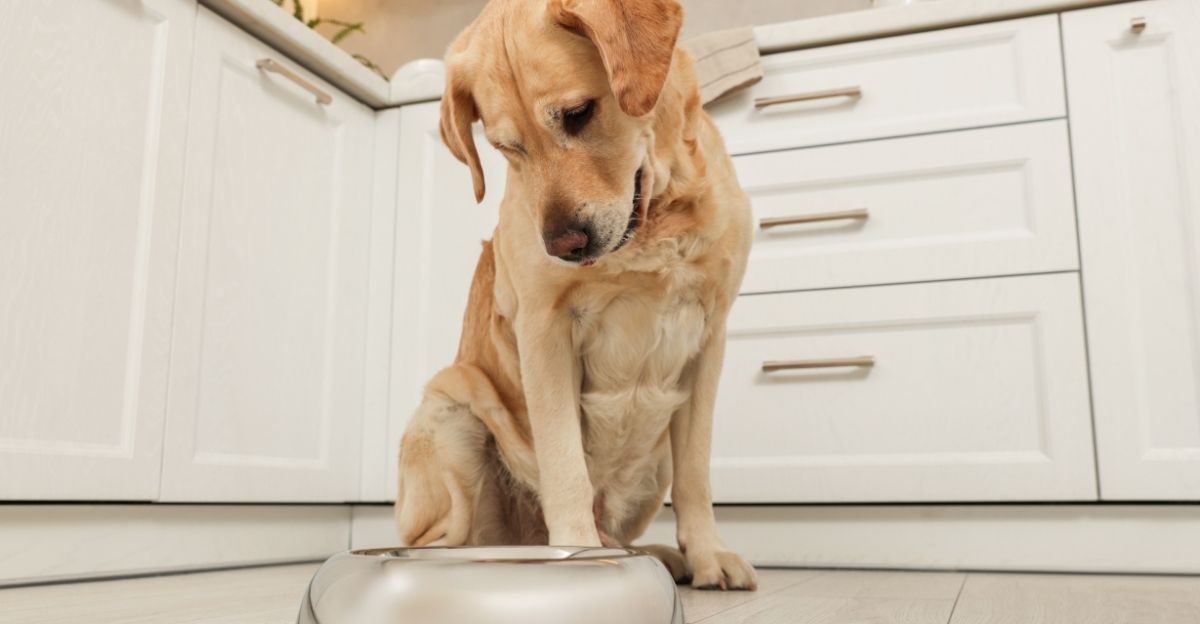
By picking up the bowl after eating, you show the dog he is safe – you take care of the order and the food.
Conclusion: Love, Order, and Trust
Removing the bowl after a meal is not about control; it is an expression of respect and care. Dogs relax when they feel someone else is responsible for order, food, and safety. Next time your dog finishes his meal, simply thank him, give him a gentle touch, and remove the bowl. In that small gesture lies a powerful message of love and leadership.
At Sasha Riess, we understand that leadership is a form of protection. Understanding why you should not leave the dog bowl out is a simple but profound way to relieve your dog of unnecessary stress, bringing your home into a state of pureloveandharmony. Discover more: Linktree Sasha Riess
by Sasha Riess | 04.05.26. | Behaviour
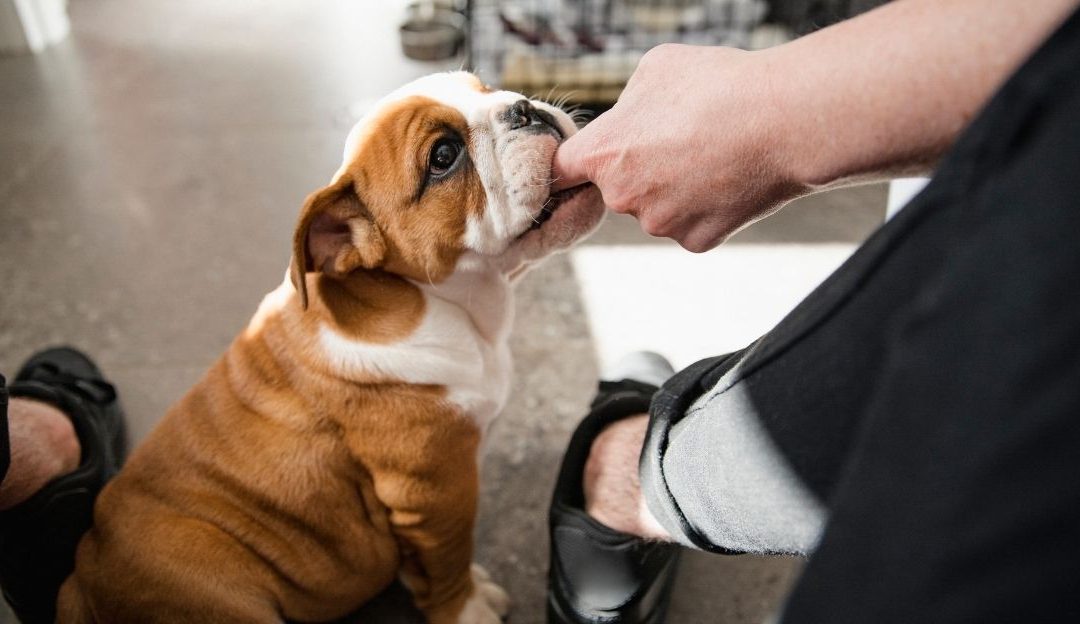
Nibbling hands, clothes, or skin often confuses dog owners, but it is important to understand that a dog who nibbles is not showing aggression. The dog is trying to communicate. The real question is not whether the dog nibbles, but how and in what context it happens.
Is Nibbling Play or a Problem?
In dogs, especially young ones, nibbling is a natural part of play and stress regulation. The problem begins when a human unknowingly participates in that play and reinforces it. Behaviors such as pushing the dog away, laughing, pulling the hand back suddenly, or shouting phrases like “hey, stop” actually do the following:
-
Increase excitement
-
Raise stress levels
-
Prolong the behavior
In these moments, the dog does not receive the message “no.” Instead, the dog receives confirmation that play is still ongoing.
[Image showing a dog nibbling and the correct human response]
How to Respond Properly When a Dog Nibbles
When a dog starts nibbling, the response must be calm, clear, and consistent.
The First Step: Stop the Interaction Gently move your hand away and clearly say: “Ay” or “No.” There should be no shouting, no additional words, and no explanations. This gives the dog a clear signal that a boundary has been crossed.
The Five-Minute Rule If the dog continues despite the warning, the rule of separation applies:
-
Calmly lead the dog into another room.
-
No talking, no anger, no physical contact.
-
The dog stays alone for approximately five minutes.
For a dog, separation from the group is the strongest message possible. This is not punishment in the human sense, but clear information: “With this behavior, you do not belong in the group.”
Why Separation Works
Dogs are social beings. Belonging to the group is more important to them than any physical correction. When separation is done calmly and without drama:
-
The dog connects behavior with consequence.
-
Understanding comes quickly.
-
Boundaries are learned without fear.
A dog does not think like a human, but instinctively understands exclusion from the group. Separation is communication, not punishment.
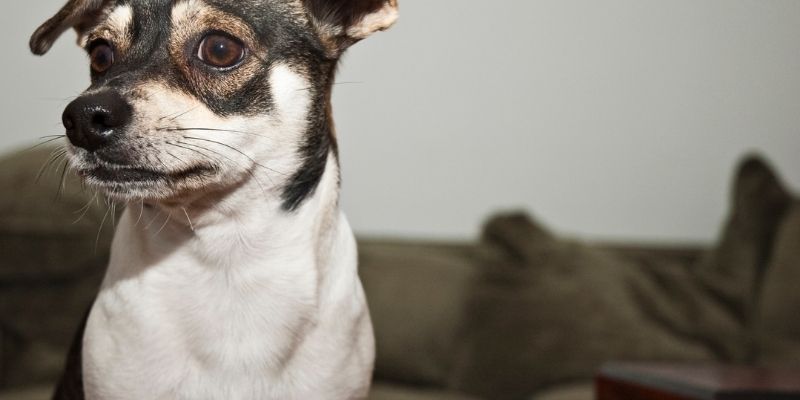
Isolation is a message, not a punishment.
What Should Never Be Done
To successfully address why dogs nibble, avoid these common mistakes:
-
Do not hit the dog.
-
Do not shout.
-
Do not explain.
-
Do not push your hand into the dog’s mouth.
-
Do not turn everything into play.
Dogs do not learn rules through noise and chaos, but through clear, consistent rituals.
Nibbling Is a Message, Not Disobedience
It is essential to understand this: a dog is not raised through punishment, but through rules of belonging. A dog that knows where it belongs has no need to test boundaries with its teeth.
At Sasha Riess, we believe that every interaction is an opportunity for clarity. Understanding why dogs nibble allows you to set boundaries that build trust rather than fear, leading to a state of pureloveandharmony. Discover more: Linktree Sasha Riess
by Sasha Riess | 01.05.26. | Behaviour
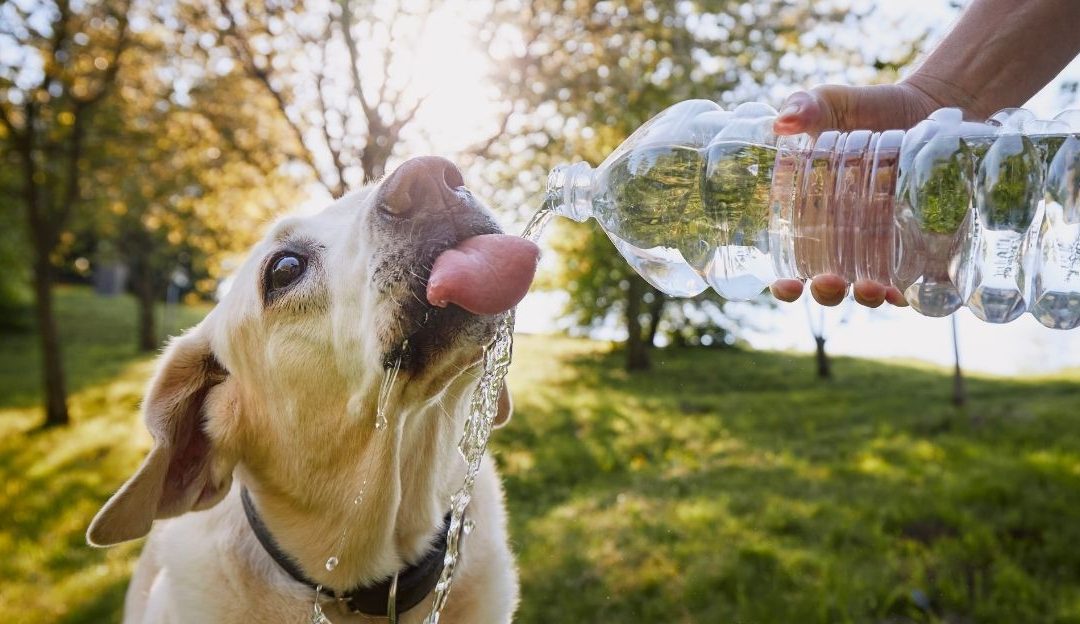
During the show “1000 Whys and 4 Hows,” a viewer asked why her dog seems dehydrated even though he always has fresh water available. This is a common concern. Here is the truth about why dogs that eat dry food are often dehydrated—and why water alone isn’t enough.
Water Alone Isn’t Enough
Many dogs that eat exclusively dry food are chronically dehydrated because they cannot drink enough water to properly digest that type of food. When a dog drinks only after feeling thirsty, it is already too late—thirst is a sign that dehydration has begun.
For the body to stay truly hydrated, electrolytes are essential. These are minerals that help water actually reach and enter the cells. Without them, water simply “passes through” the body without being absorbed.
How Dry Food Causes Dehydration
When a dog eats a dry meal, the body must pull water from its own cells and tissues to help with digestion. This leaves the internal environment „dry.“ Over time, this chronic state leads to serious consequences, such as:
These are typical signs of chronic dehydration in dogs that are fed a strictly dry diet.
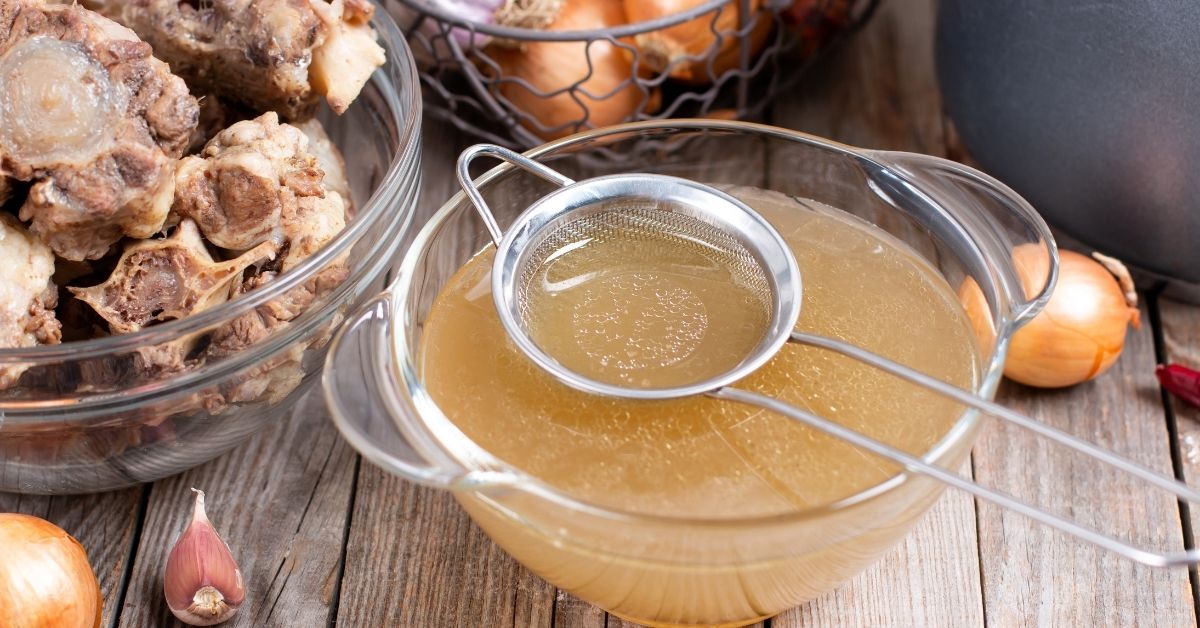
Bone broth for your pet’s health: a natural source of minerals and electrolytes.
How to Prevent Dehydration Naturally
The best way to keep your dog hydrated is to move away from a „dry-only“ approach:
-
Home-Cooked Meals: These naturally contain the moisture and nutrients the body needs.
-
Add Bone Broth: This is a miracle addition. Bone broth provides natural electrolytes and minerals that help the cells retain fluid.
-
Hydrated Digestion: A well-hydrated dog has better kidney function and overall health.
At Sasha Riess, we believe that hydration is the flow of life. When you understand why dogs that eat dry food are often dehydrated, you can take the necessary steps to restore their internal balance. By adding moisture and minerals, you move your pet from survival mode to a state of pureloveandharmony. Discover more: Linktree Sasha Riess
by Sasha Riess | 01.05.26. | Behaviour
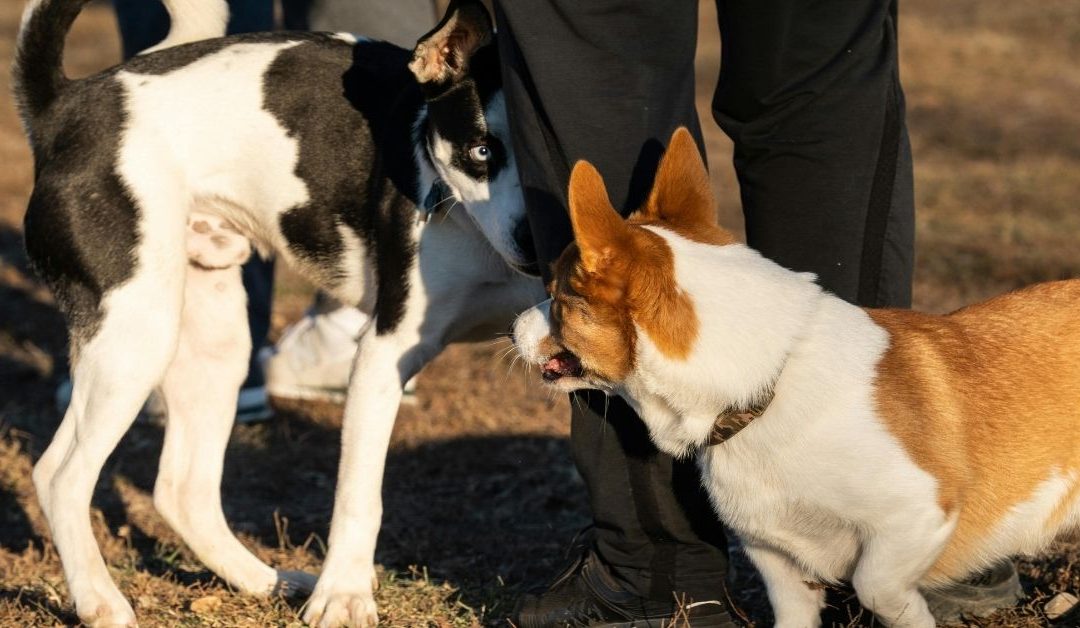
Many owners wonder why dogs lick everything and attack, jump on people, or show aggression toward other dogs. The answer often lies in the absence of a stable, trusting bond. When a dog lacks emotional security, it feels responsible for defending both itself and its human. That burden leads to overreactions, stress, and behavioral issues.
Licking and Aggression as Communication
When a dog constantly licks, jumps, or clings, it’s not just a habit—it’s communication. It can be a way of seeking reassurance or relief from anxiety. If this is paired with aggression, the root is usually insecurity. The dog believes it must take control because it doesn’t trust that the human is calm and in charge.
The Three Fear Responses: Flight, Freeze, Fight
Just like humans, dogs respond to fear in three main ways:
-
Flight: Trying to escape.
-
Freeze: Becoming stiff and motionless.
-
Fight: Aggression as a last resort. Growling or barking are not signs of dominance—they are expressions of fear and confusion.
How to Correct Behavioral Problems
A dog’s reactions depend on the quality of the bond. To address why dogs lick everything and attack, you must build a secure emotional attachment based on trust:
-
Consistency: The owner must be calm and predictable.
-
Rituals: Regular hours for feeding and walking create security.
-
Gradual Socialization: Introduce new environments in a controlled, low-stress way.
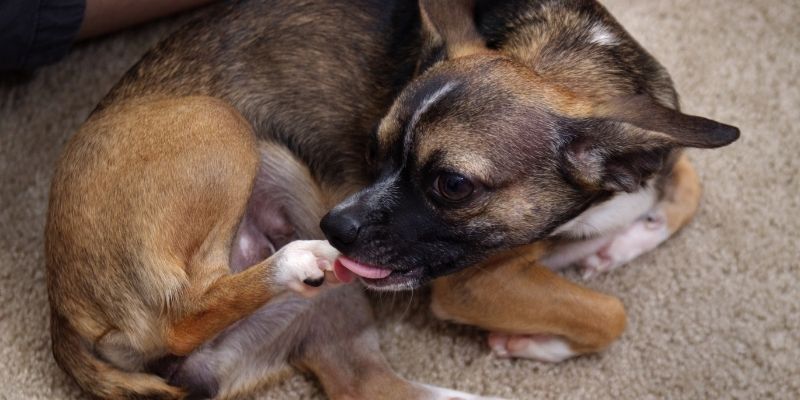
Paw licking is often a sign of insecurity and anxiety in dogs.
Trust: The Foundation of Balance
Excessive licking or barking are signals that the dog is seeking safety. When you become the calm center your dog can rely on, they no longer need aggression to feel safe. They become peaceful, not because they are trained to obey, but because they finally feel safe to simply be.
At Sasha Riess, we know that behavior is a mirror of the soul. When you understand why dogs lick everything and attack, you can stop managing symptoms and start building the trust that leads to pureloveandharmony. Discover more: Linktree Sasha Riess
by Sasha Riess | 30.04.26. | Behaviour
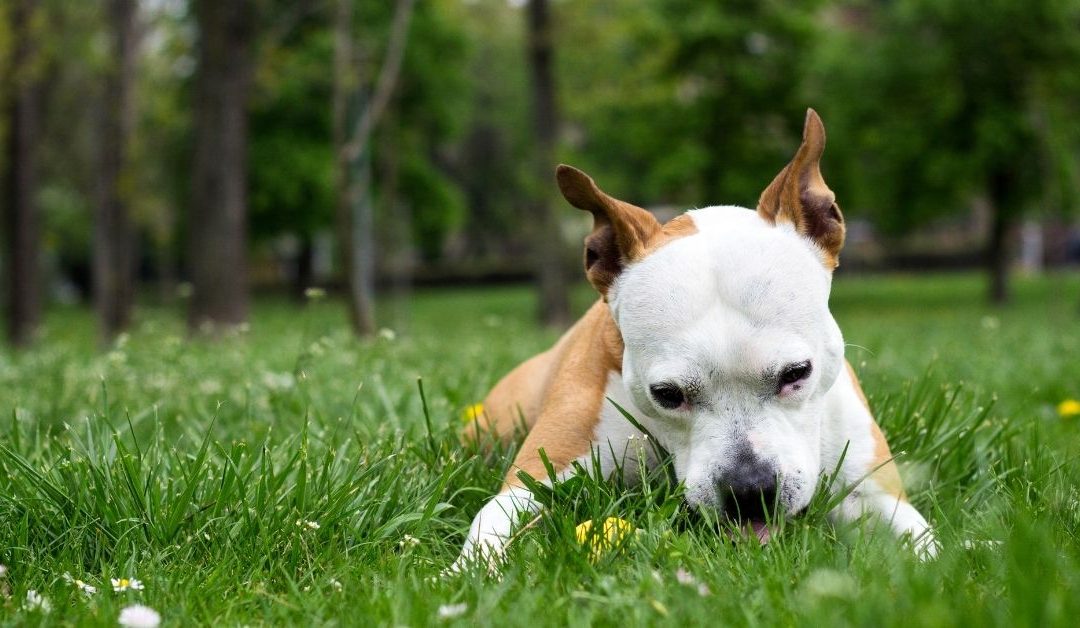
Many dog owners become confused and worried when they notice their dog eating feces from other animals or even other dogs. This behavior, known as coprophagia, may seem strange, but it actually has deeper roots. To understand why do dogs eat feces, we must look at their evolutionary history, their gut health, and their relationship with us.
Instinctive Habits and Maternal Care
In nature, mother dogs have a biological instinct to keep the nest clean. They may consume the feces of their puppies to maintain hygiene and hide their scent from predators. While this behavior naturally fades as puppies grow, the instinctual blueprint remains.
Nutritional Deficiencies and the Role of Probiotics
One of the primary reasons why do dogs eat feces is a search for missing nutrients.
-
Dietary Gaps: A diet too high in carbohydrates or low-quality proteins can leave a dog seeking digestive enzymes or bacteria elsewhere.
-
The Probiotic Solution: Adding probiotics, fermented vegetables, or natural supplements can balance the gut flora and significantly reduce the urge to seek out waste.
-
Natural Minerals: Offering a raw or dried bone once a week provides essential minerals and supports dental health, fulfilling a natural craving for raw nutrients.
Boredom and the Attention Trap
Sometimes, the answer to why do dogs eat feces is simply a cry for attention. If a dog is bored and notices that eating feces triggers a loud, high-energy reaction from the owner, they may repeat it just to get your focus.
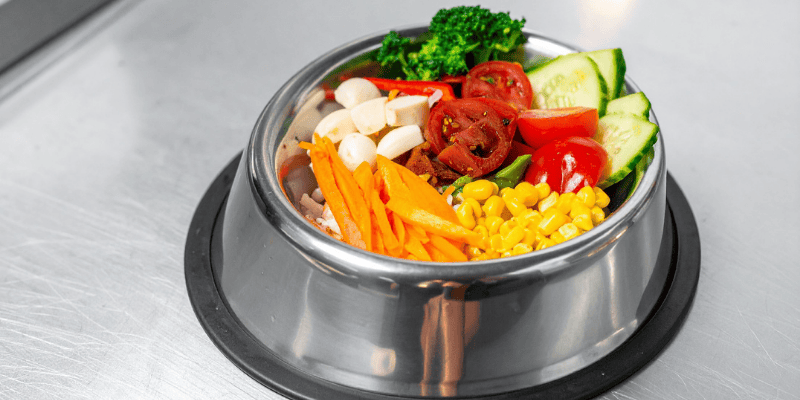
Nutrition plays a key role in dog behavior and habits.
How to Address the Behavior
-
Improve Food Quality: Reduce fillers and increase bioavailable nutrients.
-
Calm Communication: If you catch them in the act, respond calmly. Do not shout; simply redirect and lead them away.
-
Mental Stimulation: Ensure your dog has enough play and training to prevent boredom-based habits.
At Sasha Riess, we view every „bad“ habit as a message. When you understand why do dogs eat feces, you stop reacting with disgust and start responding with care, providing the enzymes and leadership your dog needs for pureloveandharmony. Discover more:Linktree Sasha Riess