Anxiety in dogs is not random and it does not appear by accident. It is built through daily dynamics, tone of voice, and the emotions we express—or even more, the emotions we suppress. Many owners believe they have done everything “by the book,” yet they wonder why dogs become anxious. The answer almost never lies in the dog itself, but in what the dog feels from us.
The Dog Listens to the Heart, Not the Words
Imagine a young wolf in nature. If his mother panics, he concludes the world is dangerous. Your dog does the same. When an owner is emotionally unstable or insecure, the dog doesn’t listen to words—the dog listens to the heart, the breathing, and the body language. If the human feels unsafe, the dog forms an anxious pattern.
Common Mistakes That Lead to Anxiety
To understand why dogs become anxious, we must look at how we treat them:
Treating the Dog Like a Child: Phrases like „You are my everything“ place an emotional burden on the dog. They feel responsible for your state, a weight no dog can carry.
Suppressed Anxiety: You might say you aren’t anxious, but the dog feels what you hide. Suppressed fear transfers directly to them.
Overprotection: Constant „careful“ warnings signal that the world is a dangerous place where even you cannot protect them.
Inconsistent Boundaries: When rules change daily, the dog loses the structure they need for peace.
When we impose our emotions on a dog, we create a burden they don’t know how to carry.
How to Help a Dog Live a Stable Life
A dog does not need emotional worship; they need a stable owner. To resolve why dogs become anxious, provide:
Calm energy and routine
Clear rules and boundaries
Space for the dog to simply be a dog
The feeling that someone else is responsible for safety
When the owner is centered, the dog no longer feels the need to take over that role, and anxiety disappears as a natural consequence.
At Sasha Riess, we believe that a stable dog starts with a centered owner. By understanding why dogs become anxious, you can stop being an emotional burden and start being a calm guide, leading your pet back to pureloveandharmony. Discover more:Linktree Sasha Riess
If your dog constantly sticks to you, asks for cuddles, and never leaves your side, the reason is not only love. There is a deeper emotional mechanism that many owners do not see. Understanding why does my dog stick to me is the first step toward building a balanced relationship.
When Affection Becomes Control
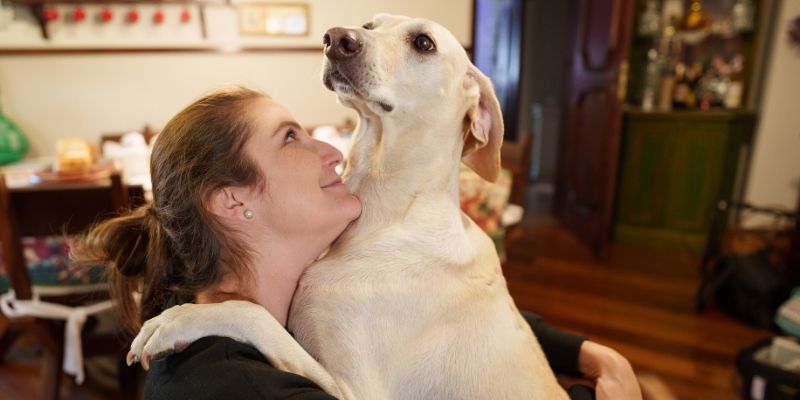
It may seem sweet when a dog climbs into your lap and repeatedly asks to be petted. And it is sweet, but only as long as you are the one deciding when the cuddling happens. The moment the dog begins to set the pace, it becomes a small game of power. Dogs are masters at gently pulling us into their rituals, and we often unintentionally hand over authority.
How to Restore Balance and Leadership
The problem is not the need for closeness, but who initiates it. If you are wondering why does my dog stick to me in a way that feels demanding, try this:
Briefly ignore the request: When the dog comes for cuddles, remain calm and do not respond.
Wait for them to settle: Once the dog walks away and relaxes, wait a minute or two.
Initiate the contact: Call the dog to you. Now, the same cuddling happens, but on your initiative.
Affection is vital, but it should happen when you initiate it.
The Leader as a Provider of Safety
A dog does not need a boss; he needs a guide. Think of a wolf mother—she protects, gives boundaries, and offers love, but she also clearly shows what is allowed. This authority gives the pup a sense of safety. Without it, a dog feels lost, insecure, and constantly tense.
Our task is to give them a framework and the feeling that someone is steering the ship. That is what brings dogs peace.
At Sasha Riess, we know that true affection requires a foundation of structure. When you understand why does my dog stick to me, you can transition from being controlled to being a calm guide, restoring pureloveandharmony. Discover more: Linktree Sasha Riess
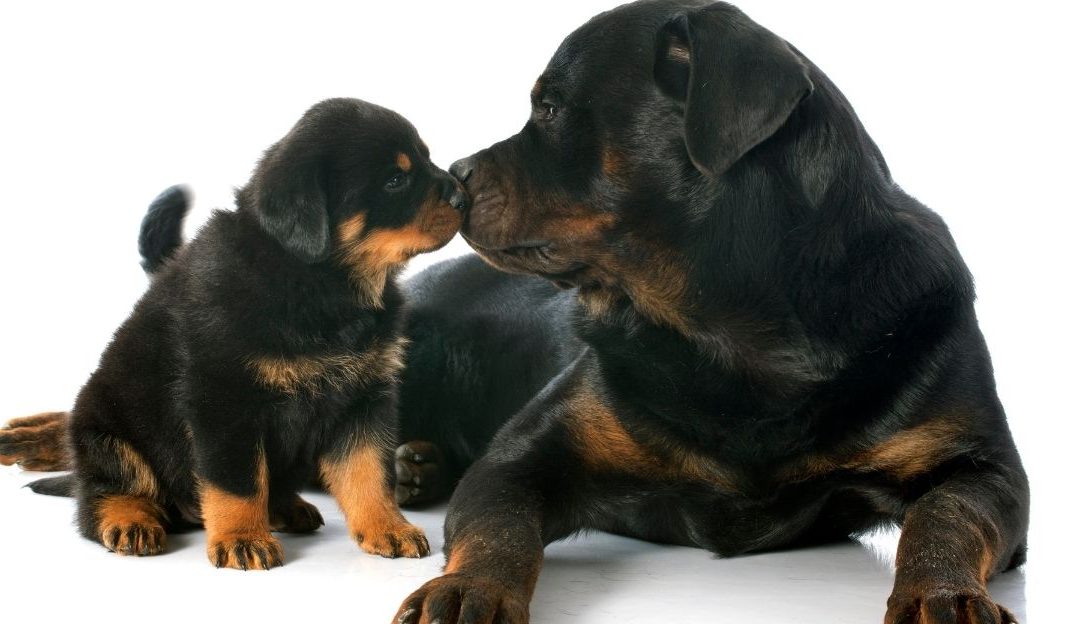
Nothing in nature happens by accident, including maternal instinct in dogs. A mother dog has a very specific and time-limited internal biological mechanism that allows her to hear the high-frequency cry of her puppies, but only during a precisely defined period. Understanding why a mother dog stops hearing her puppies after approximately thirteen days is key to understanding canine physiology.
A Special Frequency Activated by Birth
Immediately after giving birth, a specific auditory mechanism is activated in the mother dog. It can be described as a biological filter that allows her to register only one very specific frequency: the distress call of her puppies.
This sound triggers an immediate response, activating carrying, licking, warming, and protective behaviors. If a puppy falls out of the nest, the mother reacts exclusively to this sound. If she sees the puppy but does not hear that specific cry, she is physiologically unable to respond.
The 13-Day Shift: Why the Ability Disappears
Between approximately the tenth and thirteenth day of life, puppies begin to open their eyes and start to hear. At this point, their survival no longer depends solely on the mother’s immediate reaction to sound. Consequently:
The specific frequency of the cry disappears.
The mother’s auditory filter shuts down.
Protective instinct transitions into other forms of behavior.
This is a biological limitation, not neglect. Nature transitions the mother’s role because the puppies are no longer perceived as helpless infants.
Opening their eyes and hearing changes the biological bond between mother and pups.
Nature Changes Roles, Not Hearts
From that moment onward, the mother is no longer an extension of the puppies’ nervous system. She becomes a guide who gradually prepares them for independence. This shift is not rejection; it is precisely timed evolution. Understanding why a mother dog stops hearing her puppies helps us respect the natural boundaries of canine development.
At Sasha Riess, we honor the biological laws of nature. When you understand why a mother dog stops hearing her puppies, you gain a deeper appreciation for the transition from infancy to independence and pureloveandharmony. Discover more: Linktree Sasha Riess
One of the most common ideas among dog owners is taking their dog to dog parks — a place where they can run, play, and “socialize.” However, after years of observing dogs in these spaces, I realized that dog parks aren’t always what they seem. Instead of joy, they often bring quiet stress, tension, and even danger.
Dog Parks Are Not Playgrounds
When we take a dog to a park, it’s easy to think we’re giving them a chance to be part of a “pack” and socialize. But dogs are not children — and dog parks are not playgrounds.
These are spaces full of mixed energies — other dogs, different temperaments, fear, and sometimes aggression. While owners stand aside, dogs are left to navigate a chaotic environment. For many dogs, being in a park isn’t fun — it’s overwhelming. They try to cope with the noise, often feeling uncertain and unsafe.
Who Do Dog Parks Really Serve?
Honestly, dog parks often serve us, not the dogs. We feel good thinking we’ve “done something” for our pet. But for many, the park is a ticket to silent suffering. The insecurity of that environment can cause anxiety or even physical altercations — and we might end up blaming the dog for behavior that’s really a reaction to chaos.
How to Care for Dogs in a Healthier Way
Instead of relying on dog parks, there are better, calmer ways to help dogs stay balanced:
Controlled playdates: Organize meetups with one or two familiar dogs in a quiet setting.
Individual attention: Spend time playing or training — it strengthens your bond.
Observe signals: Watch your dog’s body language — if they seem tense, it’s time to leave.
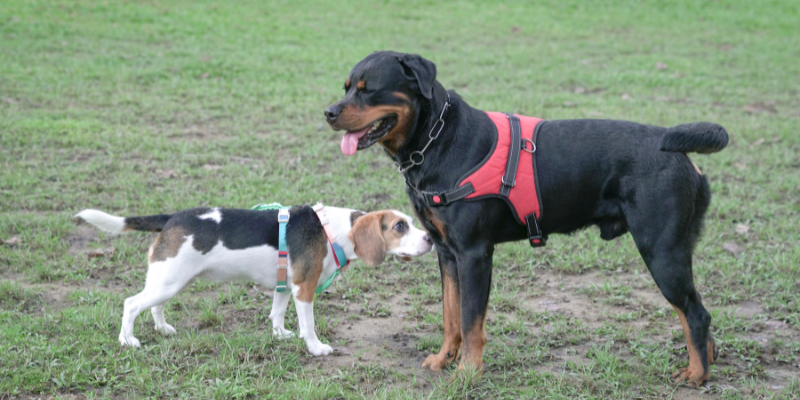
Mixed energies in dog parks can cause unspoken stress for many dogs.
For Happier, Healthier Dogs
Caring for dogs starts with understanding their emotional needs. Dog parks may look like the perfect solution, but they often do more harm than good. Instead, focus on creating safe, peaceful experiences that nurture trust.
Next time you think about going to a dog park, ask yourself: Is it truly what my dog needs — or just what looks fun to me?
At Sasha Riess, we believe that true socialization happens through trust and calm energy, not chaos. When you reconsider the role of dog parks, you prioritize your dog’s mental health and pureloveandharmony. Discover more: Linktree Sasha Riess
When dog owners notice their pet constantly licking its nose, they often ask me whether it’s normal behavior or a sign that something is wrong. My answer is—it depends on the bigger picture. Understanding why does a dog lick its nose so often is key, as it can be harmless, but it can also signal allergies, irritation, or even more serious health issues.
The Sensitivity of a Dog’s Nose
Dogs have an incredibly developed sense of smell—up to 200 times stronger than ours. That means everything we can barely detect, they experience much more intensely.
Scents at Home as a Possible Cause
If you use scented candles, air fresheners, or cleaning products with strong fragrances, it’s possible that these smells are bothering your dog. I’ve personally noticed that many dogs start licking their noses when exposed to such scents. That’s why I always advise owners to use mild, unscented products whenever possible.
Allergies in Dogs: A Common Trigger
Allergies are a common reason why does a dog lick its nose so often. If your dog also sneezes, scratches, chews its paws, or appears restless, it’s very likely an allergic reaction to:
Observing your dog reveals important signals about their overall health and comfort.
Parasites and Internal Growths
In addition to allergies, parasites can cause excessive licking. In some cases, larvae can settle in the nasal cavity. Growths or polyps can also irritate the area, leading the dog to lick or rub its nose frequently.
When to Visit the Veterinarian
If you notice your dog doing this daily, especially alongside other symptoms such as loss of appetite or sneezing, it’s best to visit your veterinarian. Only a proper examination can rule out underlying issues and identify the exact cause of why does a dog lick its nose so often.
Observe the Bigger Picture
If it happens constantly, it’s a signal that something needs attention. Dogs clearly show us that they’re feeling something. It’s up to us to understand them and respond in time.
At Sasha Riess, we believe that a healthy nose is a window to a healthy spirit. When you discover why does a dog lick its nose so often, you can restore their comfort and pureloveandharmony. Get your free guide to strengthen your bond here: Linktree Sasha Riess
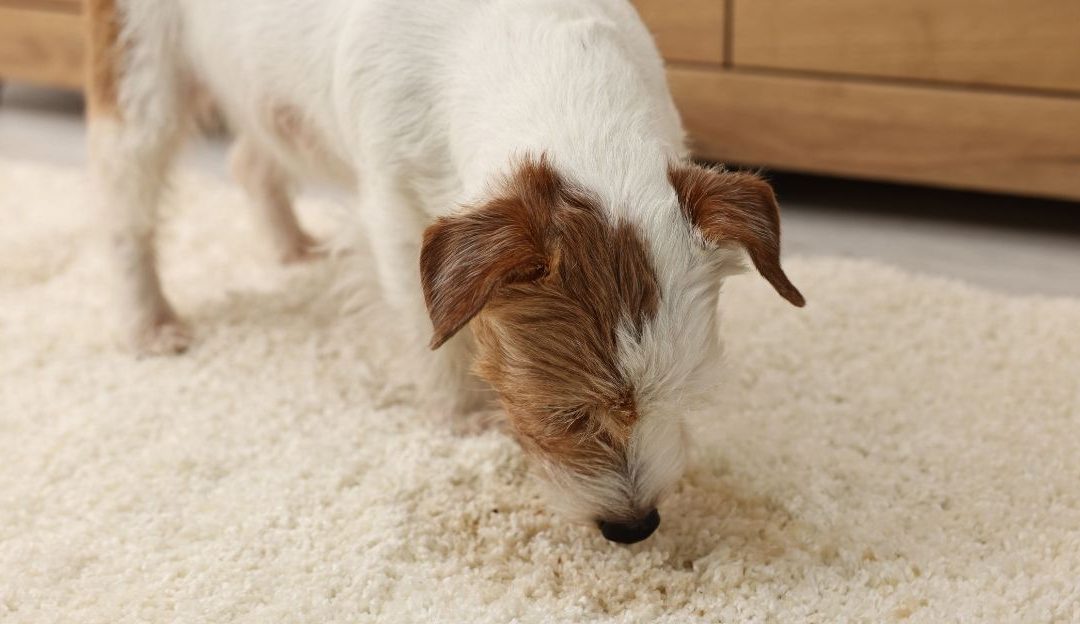
A sudden change in urination habits in a dog who previously had perfect house manners often confuses owners. When a dog begins urinating indoors, the reason may be medical, hormonal, emotional, or behavioral. Understanding why a dog starts urinating indoors is essential to solving the problem without causing further stress to the animal.
Medical Reasons to Rule Out First
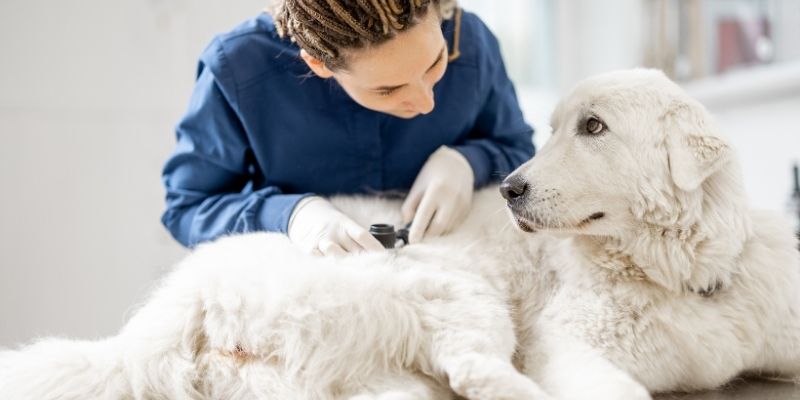
Before assuming disobedience, it is important to check for medical causes. Urinary tract infections, kidney problems, diabetes, or inflammation can lead to sudden, frequent urination. A urine or blood test gives a clear picture of whether the dog is experiencing a physical problem that makes holding the bladder difficult. If a medical issue is present, the problem is not behavioral but real physical discomfort.
A medical exam helps rule out urinary tract infections as the cause of indoor accidents.
Behavioral Triggers: Marking and Attention Seeking
In sexually mature dogs, urination may serve as territorial marking. This is especially common in intact males. However, there are other behavioral reasons why a dog starts urinating indoors:
Anxiety or insecurity
Jealousy (e.g., a new pet or baby)
Seeking attention
Testing boundaries in the relationship
If the dog realizes that urinating elicits a reaction—even a negative one—it may continue using this behavior as a tool to attract attention.
Why Punishment Never Works
Punishment makes the problem worse. The dog begins to associate urination with fear and tension. Instead of understanding that the behavior is unwanted, the dog learns that urinating is a way to trigger interaction. Ignoring the behavior is far more effective. Quietly clean the area without contact, and positively reward the dog every time it urinates outside.
Adult males often mark their space when they feel insecure or are testing boundaries.
How to Restore Good Habits
To address why a dog starts urinating indoors and return to a clean home:
Rule out medical problems with a vet.
Establish a clear routine for walks and breaks.
Use enzymatic cleaners to remove the scent completely.
Reward success instead of punishing failure.
At Sasha Riess, we believe that every „accident“ is a cry for more structure or health support. When you understand why a dog starts urinating indoors, you can address the root cause and restore pureloveandharmony. Discover more:Linktree Sasha Riess