by Sasha Riess | 08.06.26. | Emotions
Many of us believe we are stable because we have maintained our daily habits, but very often that routine is nothing more than the pain trap we fall into in order to hide our unprocessed wounds. In my previous column, I spoke about how, in an attempt to protect ourselves from overwhelming pain, we allowed dogs to be the first to show the consequences of our silence.
Denial: How the Pain Trap Is Formed Through Unprocessed Wounds
A recent comment stated: “There was no panic or chaos. The dog had its routine.” This sentence is a perfect example of the very truth I was writing about. It is born when the memory of pain is too heavy to open. When social trauma strikes so deeply that the easiest way to survive is to say that nothing happened.
But this kind of denial is not proof of stability. It is proof of a wound. The pain trap is a survival mechanism where we minimize trauma because we cannot yet bear to confront it.
The Most Dangerous Pattern of Collective Psychology
The normalization of suppression is dangerous—not just for adults, but for children and dogs. They do not have mechanisms to lock everything away in inner drawers. They will live what we do not dare to admit. Dogs are already living the symptoms of silence; children will inherit them if we continue on this path.
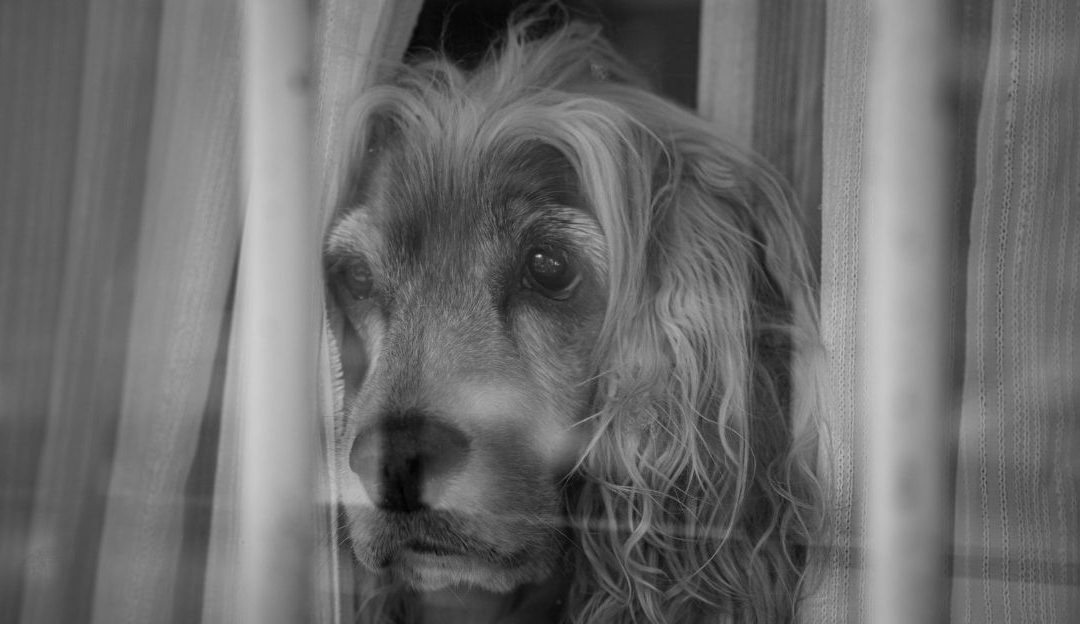
[Image representing the contrast between outward routine and inner emotional weight]
Symptoms of Silence: What Dogs Tell Us About Our Pain
When we say „the dog had its routine,“ we are often speaking about our own need to maintain the illusion of normality. But dogs have already shown us what happens when emotions remain without a voice. We see it in:
These are not „problem dogs.“ These are emotional imprints of human pain that was never fully processed within the pain trap.
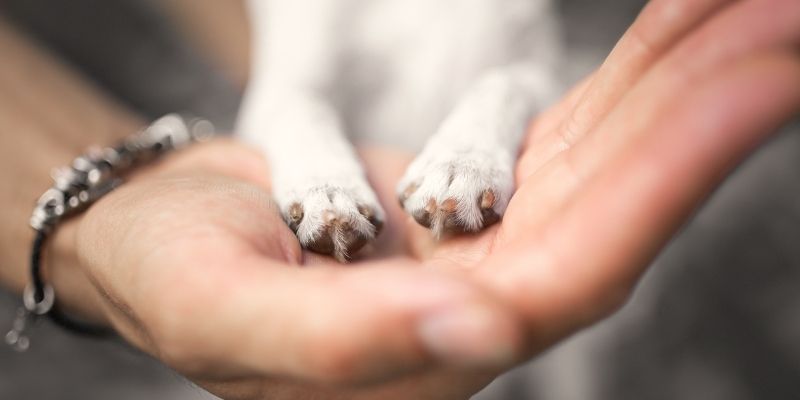
Our children and pets do not know how to hide what we are silent about.
Acknowledgment as the Path to Healing
If we do not speak about what happened, those who should not will speak instead: our children and our dogs. They speak through behavior, through the body, and through restlessness. We must not leave them an inheritance of a burden that belongs to us.
Acknowledging that it was hard and painful is not weakness. It is the only way to ensure we do not pass our own trauma on as an invisible inheritance. The pain trap only loses its power when we find the courage to speak the truth.
At Sasha Riess, we understand that a dog’s behavior is often a reflection of the human’s inner state. Breaking free from the pain trap is essential to achieving true pureloveandharmony. Start your journey of acknowledgment here: Linktree Sasha Riess

by Sasha Riess | 27.05.26. | Emotions
The loss of a pet is not just the loss of an animal. It is the loss of a family member who looks to us for guidance until the very end. We often hear the phrase: „You cannot help your dog if you cannot help yourself.“ This carries the essence of knowing how to say goodbye to a dog in moments of illness or old age.
A Dog Feels Your Inner Struggle
Dogs are incredibly intuitive. They do not understand the concept of death as we do, but they sense emotional instability. If you are breaking under the weight of grief, your dog struggles more because it cannot find the peace it needs from you. Your companion seeks:
-
Stability, knowing that you understand what you are doing.
-
Calm, the absence of panic in your voice and movements.
-
Serenity, the acceptance of what cannot be changed.
Leadership in Grief: Being Strong While You Suffer
Being a leader does not mean hiding emotions, but not allowing them to block the right decisions. Learning how to say goodbye to a dog means being:
-
Sad, yet strong. Tears are natural, but trembling hands that delay the inevitable only prolong suffering.
-
Focused, even while you hurt. Your role is to make the decision that serves the best interest of your dog, not your fear of loneliness.
Look fate in the eyes and say: „Your time has come. You are leaving now. Ours has not. We will meet again when the moment arrives.“
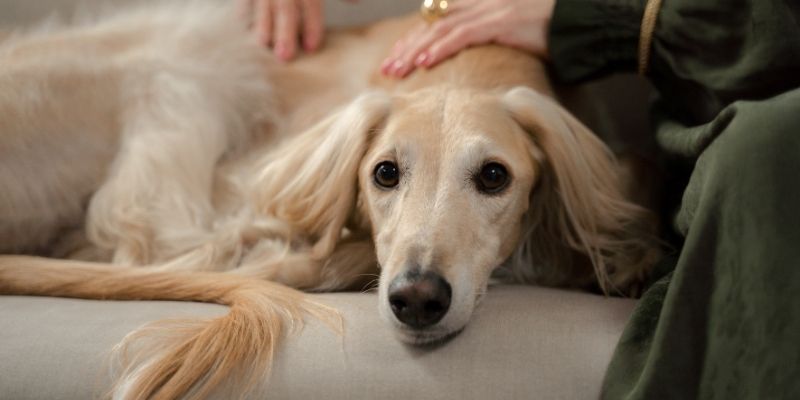
Be the lighthouse that shows it is safe to go.
Letting Your Companion Continue Their Journey
Letting a dog go means allowing a dignified transition. When you accept the parting, you release your dog from the weight of your sorrow. You become the lighthouse that shows it is safe to go. Suffering will not prevent the right decision if you remain focused on the wellbeing of the one who depends on you.
At Sasha Riess, we believe that the ultimate act of love is providing a peaceful transition. Understanding how to say goodbye to a dog with dignity is the final gift of pureloveandharmony. Trust in the strength of your bond: Linktree Sasha Riess
Sasha Riess Pure Love & Harmony Duo Pack The Complete Dog Coat Care System

by Sasha Riess | 14.05.26. | Emotions
There is a moment in the life of every dog owner that is never forgotten. It is the moment when we realize that the dog never asked anything from us except for our presence. Not perfection, but simply to be there. This is when we understand that adult love toward a dog takes the form of responsibility, not just affection.
Rexi in the Family Mirror: A Crack That Tenderness Could Not Hide
Rexi came into a family that truly wanted him. At first, everything looked ideal. However, within that love, there was no space for boundaries. When Rexi showed fear, he received even more comfort. Love turned into something that strengthened neither the dog nor the human.
Adult love toward a dog means saying no out of care, providing a sense of safety that tenderness without direction can never replace.
The Invisible Trap: When Attachment Becomes Emotional Captivity
Instead of stability, dependency developed. A love without a future was born—one that asks the dog to adapt to our weaknesses. This is a relationship where the dog serves as an emotional shield against loneliness. In such a bond, the human believes they are giving everything, while in reality, they are asking the dog to become what is missing in their human relationships.
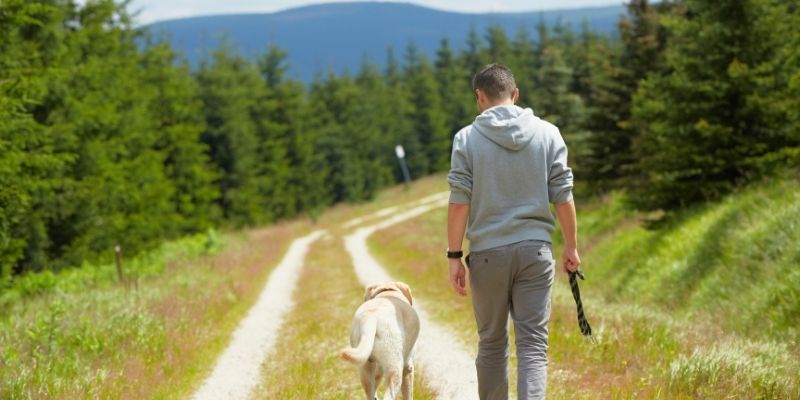
Adult love toward a dog means saying „no“ out of care, providing a sense of safety that tenderness without direction cannot replace.
Why Tenderness Without Boundaries Becomes Violence
When every separation became unbearable, it was clear: Rexi didn’t have a problem with love; he had a problem with the absence of leadership. He was seeking an adult who could say no out of care, not out of fear of rejection. Understanding adult love toward a dog requires us to give them space to be dogs, without the task of healing human wounds.

Only when we restore their place in the natural order can dogs truly breathe with full lungs.
The Dog as a Teacher: Responsibility That Restores Inner Peace
A dog does not teach us how to pet him; he teaches us how to love in a way that allows the other to be what they truly are. Rexi’s story is a call to examine what we truly give our dogs: comfort that soothes us, or security that empowers them.
Only when adult love toward a dog is established can we say that we have not lost the dog, but have found ourselves. Then that love is no longer an escape, but a path we can walk together.
At Sasha Riess, we advocate for a relationship built on mature leadership. Moving beyond emotional dependency toward adult love toward a dog is the only way to achieve a state of pureloveandharmony. Discover more: Linktree Sasha Riess
Awakening With Dogs : Exploring the Profound Connection Between Dogs and Humans: Love, Resonance, and Healing Kindle Edition

by Sasha Riess | 08.05.26. | Emotions
People are often confused by the same phenomenon. Why do relationships that end in violence almost always begin as perfect, intense, passionate, and filled with extreme love? The answer lies deep in our psychology, in the wounds we carry and the patterns we learned in childhood, often unconsciously.
Rose-Colored Glasses as a Reaction to Pain
Many people enter a new relationship not from inner peace, but from escape. They are running from previous pain and moving toward something that looks better. However, when the lesson from the previous relationship has not been integrated, the new relationship often becomes even more difficult.
This is not visible at first. In the early days or months, everything feels like rescue. This honeymoon phase of extreme love is actually an emotional lure that hides future patterns of violence. To understand why relationships that end in violence begin with extreme love, we must look at how we interpret intensity as intimacy.
Why Violence Is Experienced as Love
If a person grew up in an environment where violence—physical, emotional, psychological, or sexual—was normalized, the nervous system learns to connect excitement, fear, and unpredictability with love.
In other words: What feels familiar feels close. And what feels close is interpreted as love. That is why a person may repeatedly choose destructive partners, even though they consciously do not want to.
[Image depicting the contrast between extreme idealization and the reality of control]
How Extreme Love Is Created at the Beginning
A partner who later becomes violent often shows the following at the beginning:
-
Excessive attention
-
Very rapid emotional bonding
-
A strong need for control presented as care
-
Euphoria and idealization
This ideal partner later becomes someone who humiliates, manipulates, controls, or directly causes physical harm. The victim often remains trapped because of one thought: “But he or she used to be so good.” This is the most dangerous part of the cycle.

A silhouette of a couple showing the contrast between initial idealization and later violence.
The Role of Old Wounds
When we carry a learned belief from childhood that love is connected to fear, tension, or threat, we unconsciously choose relationships that repeat this pattern. The nervous system searches for what is familiar, even when it is harmful.
That is why why relationships that end in violence begin with extreme love is a cycle rooted in the search for the familiar. The intensity at the start is often the mirror image of the destruction at the end.
At Sasha Riess, we believe that true connection starts with healing the self. Recognizing why relationships that end in violence begin with extreme love is the first step toward breaking ancestral patterns and finding a path to pureloveandharmony, where love is synonymous with peace, not intensity and fear. Discover more: Linktree Sasha Riess
by Sasha Riess | 03.05.26. | Emotions
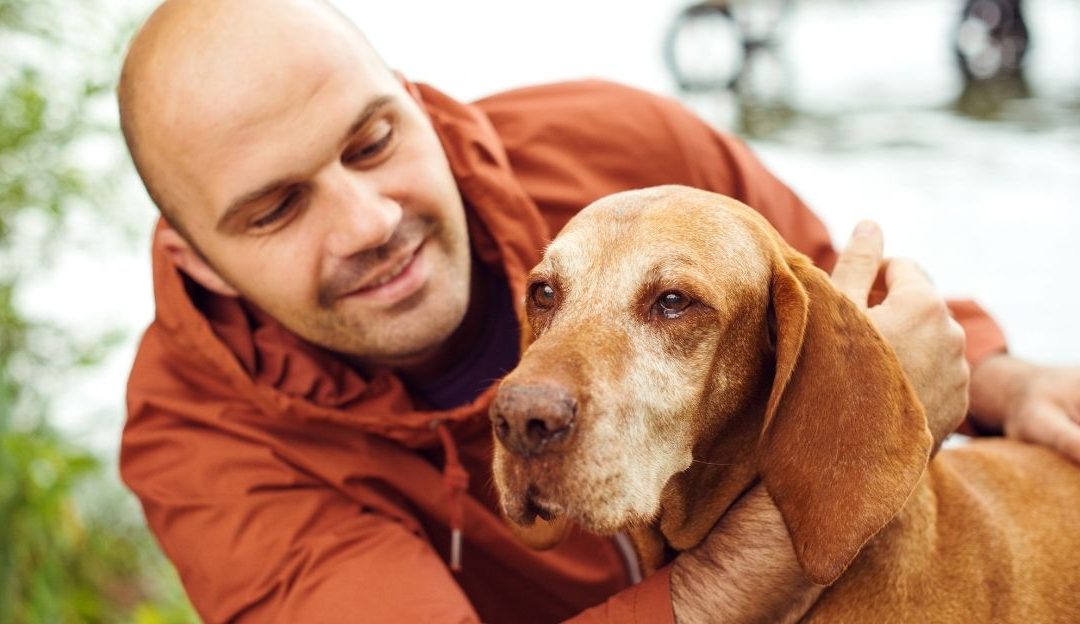
Affective connection with a dog in a quiet and gentle moment
Today I want to look beneath the surface and explore how our deepest emotional bonds, especially those with our mothers, shape the way we connect with our dogs. These loyal companions often become mirrors of our inner struggles, touching the places we try the hardest to hide.
I know that discussing family relationships and emotional wounds can be difficult, so take your time with this reading. If you feel the need to pause, please do. I wrote this text with understanding for everyone who carries their own silent burdens. Let us gently explore how our early emotional environment, especially the relationship with our mother, shapes how we love and care for our dogs.
The Affective Bond with a Dog: What They Touch in Us Without Words
Dogs are often the first witnesses to our quietest moments. They are there when we laugh, when we cry, and when we struggle with silence inside ourselves. Their gaze, a warm wag of the tail, or quiet presence beside us can bring comfort we cannot find anywhere else.
This bond is not accidental. It is deeply rooted in our human need for connection. If you have ever felt that your dog understands you without a single word, you know exactly what I mean. They become part of our family, part of our emotional life, and through that connection we do not only give, we also receive something precious, the feeling of belonging.
In earlier writings we explored how our approach to dogs, whether through punishment or harmony, shapes their behavior and inner state. Today I want us to go one step further, gently and honestly, and explore how these relationships reflect our own emotional patterns. How the world shaped us, and how that shaping flows into our relationship with our dogs. This is not a story about guilt or blame, but about understanding, toward ourselves and toward those who share life with us.

Dogs often recognize our silent emotions better than people do.
A dog sensing the emotion of its owner and reacting to the affective bond
Dogs often recognize our silent emotions better than people do. Affective bonds are emotional attachments that give us security, comfort and the sense that we are not alone. They begin in early childhood, through relationships with parents or caregivers, and shape how we later love, trust and seek closeness. If it has ever been hard for you to open up to others or if you worry excessively about those you love, this may be a reflection of those early attachments. And that is alright. We all carry our stories, and every one of them matters.
How Early Maternal Fields Shape Our Relationship with Dogs
When it comes to dogs, they often become our safe base. Their unconditional love, the way they greet us without judgment and without expectations, can feel like healing for wounds we carry. They do not demand explanations and do not ask questions. They simply stay. But we also project onto them our needs, our fears and the way we learned to love.
If we grew up in an environment where love was conditional, we may expect perfect obedience from our dog. If we learned to fear loss, we might overprotect our dog even when it is unnecessary. This is not something to feel guilty about. It is the echo of what lives inside us.
The relationship with our mother, the first and most intimate bond, is not always ideal even though society insists it should be. The concept I call the Broken Mother Field refers to the emotional wounds many of us carry from this relationship, whether due to absence, overcontrol, emotional distance or trauma. This is not an accusation toward mothers. They too are often victims of their own circumstances and histories. But this bond shapes us in ways we cannot ignore, and it inevitably spills into all our relationships, including the one with our dog.
Broken Mother Field: When the Mother’s Shadow Influences the Bond with the Dog
If the maternal relationship was colored by fear of abandonment, we may cling too tightly to our dog, using control instead of trust. If maternal love was conditional, we may expect our dog to earn affection through perfect behavior, creating a dynamic of punishment rather than understanding. This is difficult to acknowledge and may be painful for some, but facing these wounds, even privately, can be the first step toward liberation, not only for us but also for our dogs, who often carry the weight of our unspoken emotions.
How Culture Shapes Our Bond with Dogs
The way we bond with dogs is not only personal. It is shaped by the society around us. In some cultures, dogs are viewed as tools, guardians or workers, beings that must be controlled. In such environments punishment becomes a common method of shaping the dog, reflecting a broader cultural attitude based on control rather than understanding. In other cultures, dogs are seen as equal members of the family and the relationship is built on empathy and companionship. This is not a matter of right or wrong. It is a matter of what we learned and what shaped us.
Science also shows how these bonds influence us biologically. When we pet or play with a dog, both our bodies and theirs release oxytocin, the hormone of bonding and reduced stress. This is not just emotion, this is physiology. Our relationship with dogs can heal us in ways we do not immediately notice. But if we bring fear or control into the relationship, we can create the opposite effect, stress and tension for both.
Dogs as Mirrors of Our Unspoken Feelings
Let me share a story that shows how the affective bond with a dog can be both healing and challenging. I will call her Ana, though that is not her real name. Ana grew up in a family where discipline was strict and emotions were suppressed. When she adopted a small mixed breed dog named Max, she unknowingly repeated the same pattern. Whenever Max barked or chewed on something, Ana reacted sharply by yelling or isolating him. She was not cruel. She simply repeated what she had learned in childhood.
But Max began to change. He became withdrawn, stopped wagging his tail, and hid under tables. Ana felt guilty but did not know what to do. Through conversations and inner work she realized Max was not a dog who refused to listen, he was a mirror of her inner world. Her fear of losing control, learned in childhood, had become his fear of existing freely.
When she changed her approach, using patience, rewards and gentle communication, Max slowly returned. He played, he ran to her, he showed joy. And Ana felt lighter, as if she let go of a burden she had carried for years.
This story is not unique. Many of us live out old patterns in our relationships with dogs. If you ever felt your dog was not listening or that you cannot create a bond, it may be worth asking what inside you is being reflected.
Control, Fear and Projection: How a Dog Feels What We Suppress
This is not a question of placing blame. It is about understanding. We all learn, grow and make mistakes on the way to finding a better path. Affective connection with dogs is a two way street. Dogs feel our emotions. When we are under stress, they sense it and often become anxious. When we are calm, they become our companions in peace.
When a Dog Actually Heals Us: The Biological and Emotional Truth
Dogs also teach us. Their unconditional love reminds us what it means to love without expectation, to exist in the present moment. If you have ever felt that your dog understands you better than people, perhaps it is because dogs do not judge or analyze. They simply are.
Do we shape their world through our behavior, or do they shape us by teaching empathy and unconditional love? I believe the answer is both. We bring our stories, fears and hopes into the relationship, and the dog reflects them back. But dogs also offer us the chance to change, to learn a new way of connecting, to free ourselves from old patterns. This is not easy, and for some it may be painful to face this inner mirror. Yet step by step, with gentleness toward ourselves, we can find the path to a deeper bond with our dogs and with ourselves.
Small Steps Toward a Healthier Affective Bond with Your Dog
If you want to nurture a healthy emotional bond with your dog, here are a few gentle suggestions:
-
Be patient with your dog and with yourself. If you feel frustration when your dog does not listen, take a breath and ask what is truly upsetting you. It may not be the dog, but something deeper within.
-
Use rewards and praise instead of punishment. Let your dog know it is loved even when it makes mistakes.
-
Spend quality time together through walks, play or quiet moments. These experiences build trust that heals both of you.
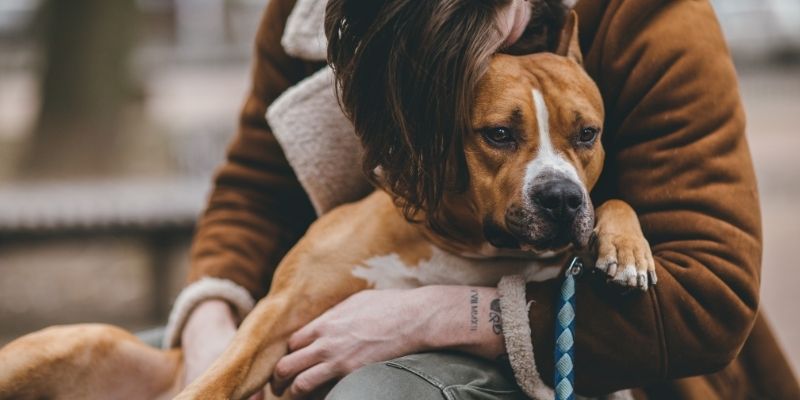
A hug that heals—the dog as a gentle witness to our deepest feelings.
If you struggle to connect with your dog or to face the emotions that the relationship awakens, know you are not alone. Seeking support through conversation, reflection or education can be a step toward peace. By nurturing harmony with our dogs, we nurture ourselves. We learn to love, to face our past and to be present.
As I write these final lines, I want to remind you that every relationship, including the one with your dog, is an opportunity for growth. If you ever felt guilt or confusion about how you relate to your dog, know that it is alright. We all carry our stories, and every one of them deserves understanding.
Dogs remind us of the strength of unconditional love, but they also teach us to offer that love to ourselves first. Let your next moment with your dog be a moment of presence. Look into your dog’s eyes, feel its warmth, and allow yourself to be vulnerable. You might discover that your dog is not only your companion but your mirror, showing not only your fears but your capacity to love, to change and to grow.
The world shapes us in many ways, and the relationship with the mother often leaves the deepest imprint. Yet through these gentle bonds with our dogs, we have the opportunity to reshape ourselves for the better, to heal the broken fields within and to find the peace we deserve.
Thank you for being here until the end of this text. May your path with your dog be filled with harmony, understanding and true love.
At Sasha Riess, we understand that our pets are the custodians of our unspoken truths. Exploring why dogs touch the places where it hurts is an act of courage that leads us to a state of pureloveandharmony. Discover more:Linktree Sasha Riess
by Sasha Riess | 22.04.26. | Emotions
When a dog refuses obedience, most people assume something is wrong with the dog. But the truth is much deeper. I first encountered the idea of a culture of conflict through the work of my mentor, systemic therapist Vlado Ilić, who taught me that conflict is not a mistake but a natural process of growth.
Every conflict, even the one that appears between a human and a dog, is actually an invitation to look deeper into ourselves and face what we suppress.
Why Disobedience Is Not a Problem with the Dog
The culture of conflict teaches that conflict is not a flaw in a relationship but a natural occurrence that carries within it the possibility of growth and development. Every conflict is an invitation to look deeper, to see what we suppress, and to grow into more complete human beings through that encounter.

The clash between human and dog is often a reflection of our internal emotional conflict.
What Happens When a Dog Refuses Obedience
In practice, this becomes very clear. We often see conflict when a dog refuses obedience or does not do what we expect. Instead of stopping and asking why, we rush into training, forcing the dog to adapt to our demands. In doing so, we repeat the same patterns of force and upbringing that we once promised ourselves we would never repeat.
Dogs as Mirrors of the Human Shadow
This is not a conflict with the dog; it is a conflict with ourselves. It is a struggle with the part of us we do not want to acknowledge, the part whose longing for freedom becomes visible through a “disobedient” dog.
Dogs help us because they demand presence. They do not know masks. Their reaction is always authentic. When we learn to remain present in conflict with a dog, not resorting to punishment or force, but asking what the dog’s behavior is showing us, we touch the essence of harmony.
The Order of Love and Systemic Balance
Family constellations work with systemic laws, described by Bert Hellinger as the Order of Love. The three principles are:
-
The right to belonging: The dog belongs in our life, but not as a projection.
-
Respect for order: The human carries responsibility through grounded leadership.
-
Balance of giving and receiving: The dog is not a toy; he must receive safety, clarity, and love.
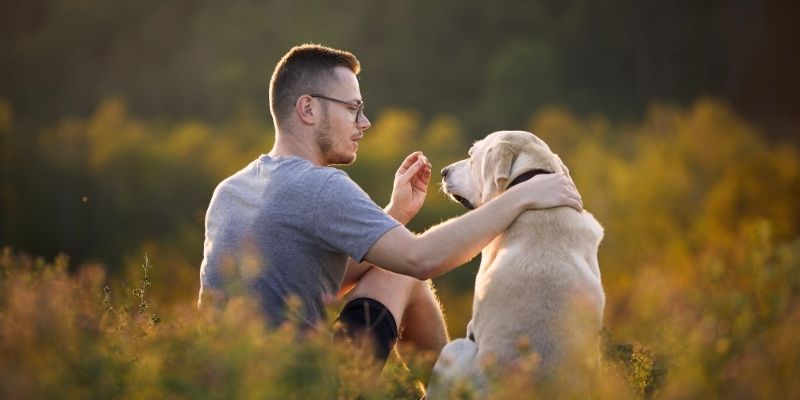
Silence and presence allow conflict to become a gift rather than an obstacle.
Presence and Silence: How to Respond
If I had to choose one practice for when a dog refuses obedience, it is to learn how to listen in silence. Not to listen through a mask or the ears of our parents, but through our own being. This means pausing before reacting, taking a breath inward, entering silence, and only then responding.
In my years of working with dogs, I have grown the most in conflict. Every crack in a relationship can become a place where light enters. If we dare to see conflict as a gift, it becomes a teacher rather than an enemy.
At Integrative and Holistic Grooming Education, we view every challenge as a path toward pureloveandharmony. When a dog refuses obedience, they are leading you toward your own shadow. Embrace the lesson:Linktree Sasha Riess