
by Sasha Riess | 21.07.26. | Emotions
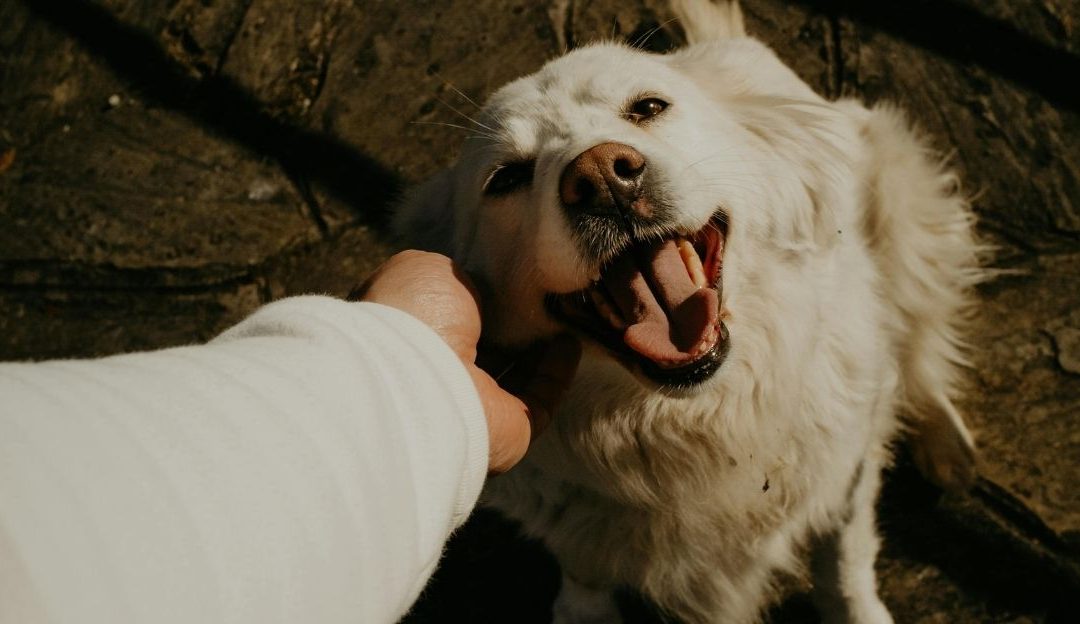
Trauma in dogs often has its roots in moments when we, as owners, go through the most difficult periods of our lives. The loss of a loved one leaves a deep mark on our soul, but if we suppress that grief and do not process it properly, it becomes compressed.
That compressed emotion turns into unconscious anger or tension that the dog inevitably feels.
Frozen in Grief: How Trauma in Dogs Develops
When we experience traumatic events without adequate support, we remain “frozen” in that moment. Our physiology stays trapped in the past, and the dog, living within our emotional field, takes on that burden. This trauma in dogs is not a result of their loss, but of their response to your emotional blockage and inability to release the pain.
From Pain to Inspiration: The Path to Healing
The stress we carry does not have to be a wall that limits us. It can become inspiration for a new step, but only if we allow it to flow.
To avoid long-term trauma in dogs, we must allow ourselves to experience loss in a safe environment. Only when we understand that pain is an experience of the past do we free both ourselves and our dog.
Your peace and emotional freedom are the only path for transforming trauma in dogs within your home into harmony once again.

Transforming pain into harmony through unconditional love and safe expression.
To discover more about how emotional alignment, balanced lifestyle, and authentic energy restore internal balance, read our canine emotions guidelines.
At Sasha Riess, we look past commercial labels to honor the unique biological blueprint of your companion. True health requires addressing the subtle internal patterns that create lasting vitality and pureloveandharmony. Discover the customized path to your dog’s longevity: Linktree Sasha Riess.
👉 Follow our Facebook page and never miss our latest articles, news, and updates.
by Sasha Riess | 17.07.26. | Emotions
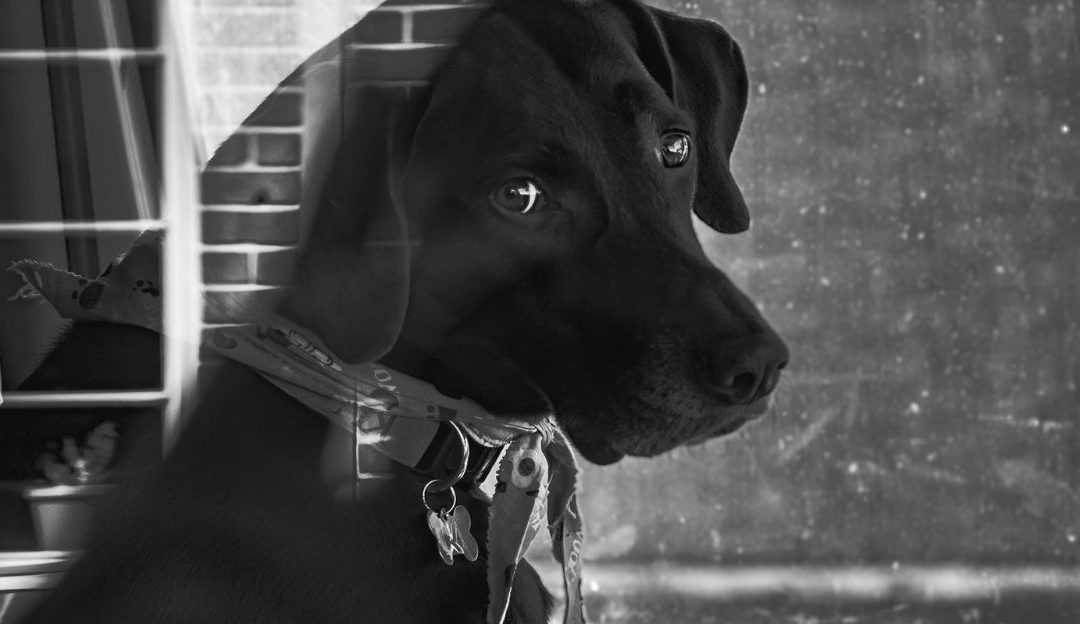
We are all programmed in one way or another. From the moment we begin learning about agriculture, animal hygiene, or general animal care, specific patterns of thinking subtly impose themselves on us. Often, through the false mask of love and care for animals, the system quietly shifts the entire focus toward humans and their personal interests.
Consequently, that is the exact moment when emotional manipulation occurs. Our purest feelings quickly become tools of a heavy system that shapes us completely without our conscious awareness.
The Power of a Programmed Mind
Our mind must be programmed in order for us to function properly in the world, but the critical question remains: who holds the remote control?
Therefore, if we do not remain aware of these hidden dynamics, someone else will constantly influence how we think and feel. We are often programmed to believe that we are doing the absolute best for our dog, while in reality, we are simply following strict instructions imposed on us for the sake of profit or conformity. This specific subtlety remains the most dangerous, because the illusion feels entirely natural until the moment we finally awaken.

Conscious reprogramming begins the moment you ask yourself where the system ends and your authentic love begins.
Pause and Ask Yourself
Is the way you care for your dog truly yours, or does it represent the result of a collective “program” you have absorbed through education and your environment?
Ultimately, it is highly important to recognize these subtle influences and ask yourself where the system ends and your authentic love begins. Conscious reprogramming of your programmed mind begins the exact moment you recognize that external forces have misused your emotions. Only then can you begin to see the world and your dog as they truly are, completely free from imposed patterns.
To discover more about how emotional alignment, balanced lifestyle, and authentic energy restore internal balance, read our canine emotions guidelines.
At Sasha Riess, we look past commercial labels to honor the unique biological blueprint of your companion. True health requires addressing the subtle internal patterns that create lasting vitality and pureloveandharmony. Discover the customized path to your dog’s longevity: Linktree Sasha Riess
👉 Follow our Facebook page and never miss our latest articles, news, and updates.
by Sasha Riess | 28.06.26. | Emotions
Calcium is probably the most misunderstood mineral in dog nutrition. We have learned to associate it with physical strength, bone density, and structural stability. When a dog is growing, we add calcium. When a dog weakens, we add calcium. Furthermore, when a problem with teeth or bones appears, our first impulse is almost always the same—the dog needs more minerals.
However, the body does not function according to the principle of quantity. Instead, it functions according to the principle of biological availability. There is a significant difference between calcium that exists statically in tissue and calcium that is alive, mobile, and active. An organism can easily have an excess of calcium and at the same time suffer from its functional deficiency. This exact imbalance triggers a defense mechanism that we call a calcium shell. Therefore, you must understand how a calcium shell affects dog behavior and health before blindly adding supplements.
A Defense Mechanism and an Inner Armor
The calcium shell is not an illness. Rather, it is a defensive survival mechanism of the organism. When a dog faces long-term physical, emotional, or metabolic stress, the body attempts to protect itself from an overload of the nervous system. One way it achieves this is by depositing calcium directly into tissues.
Consequently, calcium stops circulating freely and begins to accumulate. Tissues become more rigid, behavioral reactions slower, and the perception of the world more muted. The dog may not appear calmer. On the contrary, it may become extremely anxious, tense, or hypersensitive because the organism no longer functions in a flowing balance.
This protective mode manifests in two distinct behavioral directions. The dog may become withdrawn and energetically closed, but just as often it may suddenly become irritable, anxious, or even aggressive. The nervous system then no longer reacts proportionally to reality. Instead, it reacts through an internal sense of threat that arises when the body loses its ability for fine regulation. It is as if the body builds a rigid emotional armor.
Tartar Deposits and the Hidden Calcium Shell
One of the first visible signs of this process often appears on the teeth. Tartar deposits are not only a matter of daily hygiene or genetics. Instead, they can be an external trace of internal mineral accumulation. The organism releases excess unused calcium wherever it can because it no longer knows where to distribute it.
The paradox becomes obvious. The dog has visible deposits of calcium, while at the same time the cells cannot use calcium where it is actually needed. At that moment another often forgotten mineral enters the story: magnesium.
Calcium and magnesium never function separately. They are partners of opposites. Calcium tightens, while magnesium relaxes. Calcium activates contraction, whereas magnesium enables relaxation. Calcium stabilizes structure, but magnesium allows the flowing of energy. When their relationship breaks, the body loses its natural rhythm between tension and relaxation.
How Nutritional Imbalance Changes a Dog’s Behavior
In dogs exposed to chronic stress, magnesium is often lost rapidly. The nervous system consumes it faster than the body can replace it. As magnesium drops, calcium is left completely without its natural regulator. It begins to accumulate, fall out of balance, and create systemic rigidity instead of healthy stability.
Dog Nutrition: Allowed Fruits, Vegetables, and Mushrooms – A Complete Guide
Bathing Dogs: Hygiene That Protects Internal Organs
When a Dog Refuses Obedience, Our Real Conflict Begins

When mineral balance is present, the dog experiences true stability without physical rigidity.
The dog may then show seemingly contradictory symptoms. Its reactions become highly unpredictable, sometimes slow and withdrawn, sometimes sudden and excessive. Muscles remain in chronic tension while the organism’s real energy remains very low. The dog may flare up quickly or withdraw just as quickly because tolerance to stress becomes very small. The organism no longer manages energy through balance, but through protection. It tries to survive by limiting flow and adapting to internal pressure instead of regulating it.
In such a state, the biggest mistake we can make is adding more calcium. To explore more about how internal biochemical states impact canine conduct, read our holistic behavior guidelines.
Why Nutritional Behaviorism and the Calcium Shell Require Understanding
Sometimes an owner sees deterioration they cannot explain. The dog becomes more rigid, slower, digestion changes, or hidden inflammation appears. The food seems high quality and the supplements carefully chosen, yet the body reacts opposite to expectations. The reason is not bad intention. The reason is simply the wrong moment.
An organism under stress first seeks energetic balance and only then building material. When we skip that order, even the best intention becomes a heavy burden. In extreme cases, long-term disturbance of mineral balance can lead to serious metabolic disorders that become life-threatening for the dog.
That is why the relationship between calcium and magnesium is not a matter of quantity but of communication within the body. It is the relationship between protection and flexibility, between armor and life. When balance is present, the dog has stability without rigidity. Your task is not to break that shell by force with supplements, but to understand why it formed. The organism of a dog never makes mistakes. It always adapts to what it receives. True nutrition begins only when we learn to listen to that adaptation instead of drowning it out with another supplement.
See you next time.
At Sasha Riess, we look past commercial labels to honor the unique biological blueprint of your companion. True health requires addressing the subtle internal patterns that create lasting vitality and pureloveandharmony. Discover the customized path to your dog’s longevity:Linktree Sasha Riess
👉 Follow our Facebook page and never miss our latest articles, news, and updates.

by Sasha Riess | 24.06.26. | Emotions
Tell me which five people you spend your time with, and I will tell you where you will be in five years. This old wisdom carries a powerful truth about how much your environment shapes you.
The people we speak with, what we read, listen to, and watch—all of it slowly but inevitably becomes part of our thinking and our biology.
Your Brain Shapes Your Life
Physiology does not recognize stillness. Life is like a river. If you do not make an effort to move upstream, the current will inevitably carry you downstream. That is why it is not surprising when one day you realize that you no longer share common ground with the people you once spent your days with.
This is not a matter of location or moving abroad. It is a matter of direction. When you notice that conversations no longer “flow,” it is a clear sign that a shift has occurred. Either you have moved forward and realized how deeply your environment shapes you, or they have remained where they were five years ago, or even taken a few steps backward.
Be the Guardian of Your Mind
You must be extremely careful about who you allow into your mental space. What your mind absorbs through daily interactions, your brain will later materialize in your life through the way you look, the way you speak, the way you write, and ultimately the way you think.

Who you spend time with will be your future.
Choosing your circle is not just a social matter. Understanding how your environment shapes you is, in essence, a matter of your future.
At Sasha Riess, we know that true growth requires a conscious alignment of your surroundings, your energy, and your connections. Guarding your mind and choosing expansion allows you to vibrate at the frequency of true pureloveandharmony. Surround yourself with elevation: Linktree Sasha Riess
by Sasha Riess | 21.06.26. | Emotions
How often do we judging others in life? Parents, partners, friends… There is always someone who did not act the way we thought they should. But every time we judge, we are actually creating distance, from others, but also from ourselves.
A Movement of the Soul That Isolates
When we place judgment at the center of our attention, we give it a meaning that ultimately always leaves us alone. Every judgment, on any level, leads to deeper loneliness within ourselves.
It is that moment of envy and pride that arises when we believe someone else should have acted differently, especially when that situation involved us. By constantly judging others, we feed that internal separation.
The Trap of the Victim Role
Often, when we speak about others, we unconsciously make ourselves into a greater victim than we truly are. Why do we do this? Because in the role of the victim, a person often feels most comfortable.
It is easiest to label the other as the aggressor who attacks our moral or physical integrity. In that division, we are “right,” and they are “wrong.” But that need to be right is actually a mask for hurt and unfulfilled expectations.
The first step toward freedom is not to change others, but to see what is activated within us when we judge. A true Pure Love & Harmony connection with the world begins the moment we stop building walls out of judging others and start healing our own pride.
At Sasha Riess, we believe that true connection with our loved ones and our companions requires a heart free from barriers. Embracing a lifestyle of empathy and self-reflection allows us to live in pureloveandharmony. Discover more insights on deep harmony and growth here: Linktree Sasha Riess
by Sasha Riess | 12.06.26. | Emotions
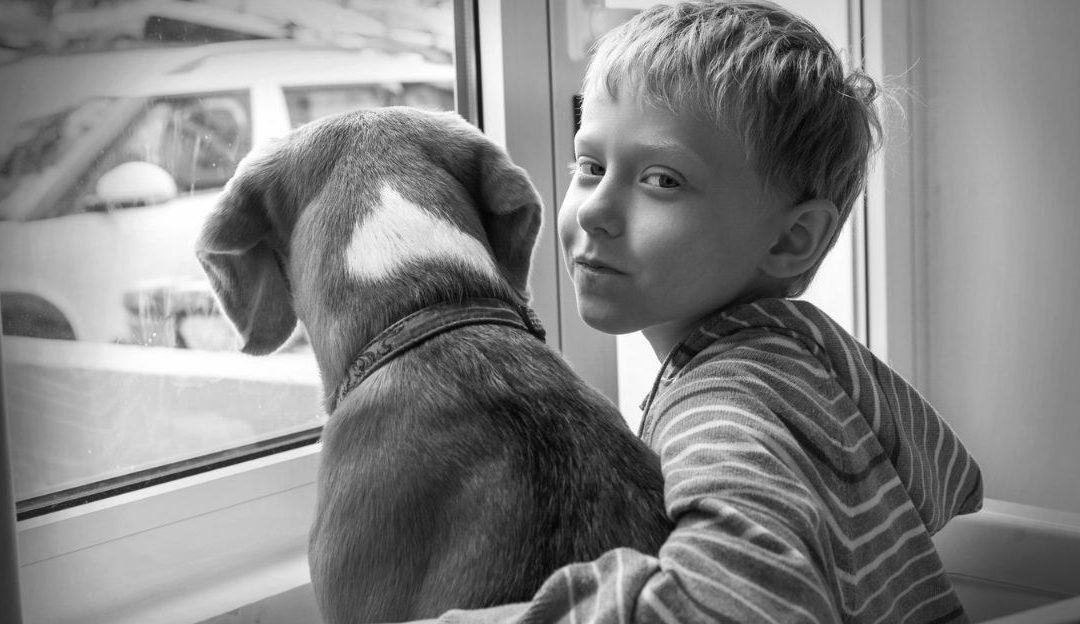
Unlived wounds that we keep silent about become quiet alarms in our homes, and this is why dogs are the first to recognize them. What we often mistake for calmness is, in reality, trauma that is afraid of itself. If we do nothing, we will leave our children to face the consequences of our silence and our pretense that everything was fine.
The Illusion of Stability and the Denial of Pain
In my previous column, I wrote about how, in our attempt to protect ourselves from overwhelming pain, we left dogs to be the first to show the consequences of our silence. A comment recently appeared: “There was no panic or chaos. The dog had its routine.”
This sentence is a perfect example of how unlived wounds are created through denial. When collective trauma strikes so deeply, the easiest way to survive is to say that nothing happened. But this denial is not proof of stability; it is a symptom of a wound. No one wants to admit the world stopped, because that would mean admitting what that stoppage did to our internal systems.
A Dangerous Inheritance for Children and Dogs
Adults find ways to survive even when life collapses, but children and dogs do not have the mechanisms to store trauma in internal drawers. They will live out what we do not dare to acknowledge.
The sentence “The dog had a routine” is actually a sentence of fear. It speaks about a person who needed that routine as an anchor to endure an unbearable period. If we continue to close our eyes to who we became during the pandemic, we only close another circle of silence. Silence creates generations that carry the weight of their parents without knowing why.
Emotional Imprints: When Dogs Speak for Us
Dogs are already showing us the results of these unlived wounds. We see it in:
-
Severe separation anxiety
-
Increased reactivity
-
Panic when humans return to work
-
Inability to be separated for even five minutes
These are not „problem dogs.“ These are emotional imprints of human pain that was never fully processed. They speak through their behavior because we chose to remain silent.
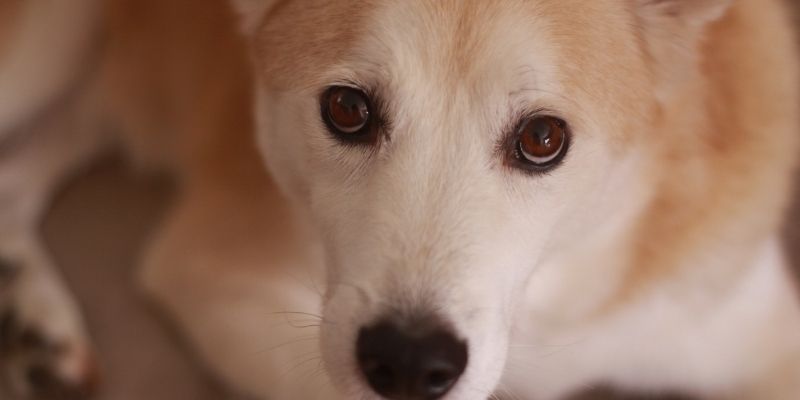
The sentence “The dog had a routine” is often not proof of stability, but the deepest scream of fear hidden behind an appearance of normalcy.
Acknowledgment as the Path to Healing
We must not leave our children and dogs an inheritance of silence. The price of silence always comes; it just needs time. It is time to stop defending ourselves with „there was no panic.“
Acknowledging that it was hard and painful is not weakness. Acknowledgment is the only way to ensure that we do not pass our unlived wounds to our children and our dogs as an invisible inheritance. Truth, not silence, is what leads to stability.
At Sasha Riess, we understand that a dog’s peace is tied to the human’s honesty. Facing our unlived wounds is the only way to protect our pets and children, leading us all toward pureloveandharmony. Discover more about our holistic approach: Linktree Sasha Riess

The Dog Groomer’s Dilemma: Journey Trough Burnout, Belonging and Becoming