by Sasha Riess | 22.04.26. | Emotions
In everyday life with dogs, play is often taken for granted as something always good, something that releases energy, brings joy, and strengthens the bond. But why is play not just play?
The Primal Nature of Play: The Endless Hunt
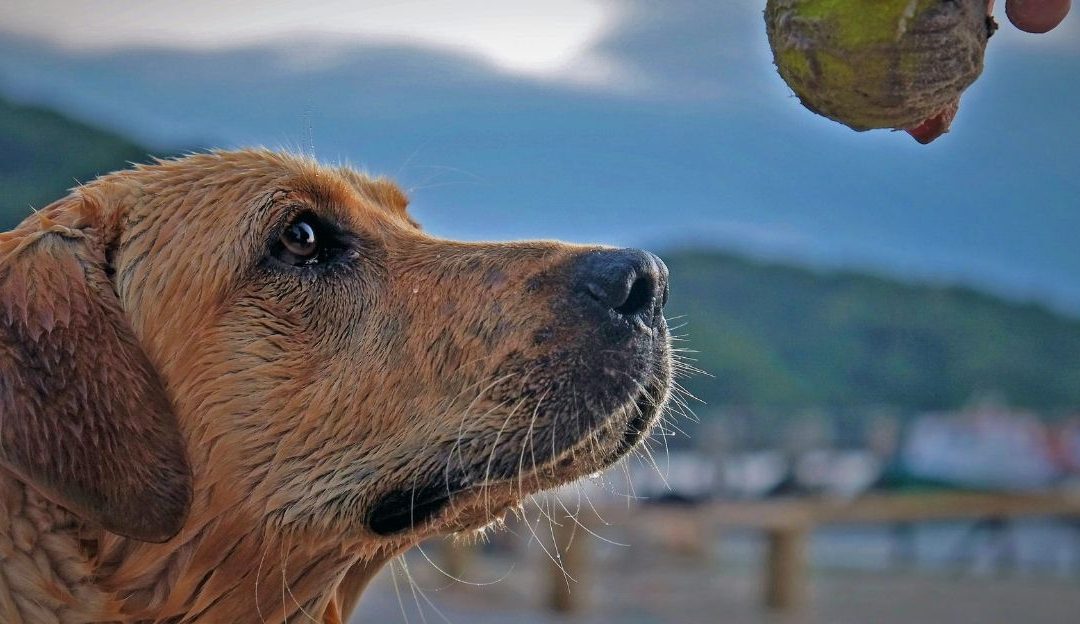
To understand the power of play, we must go back to its origin. The dog is a descendant of the wolf, a hunter whose survival depended on reenacting hunting behavior. For a dog, the motion of a thrown ball carries the same signal as prey.
In nature, this ritual always has a clear end. When the prey escapes or is caught, the cycle ends. In domestic life, when the prey keeps returning, the cycle never closes. The ball comes back again and again, and the instinct remains open. It is like a wound that never heals.
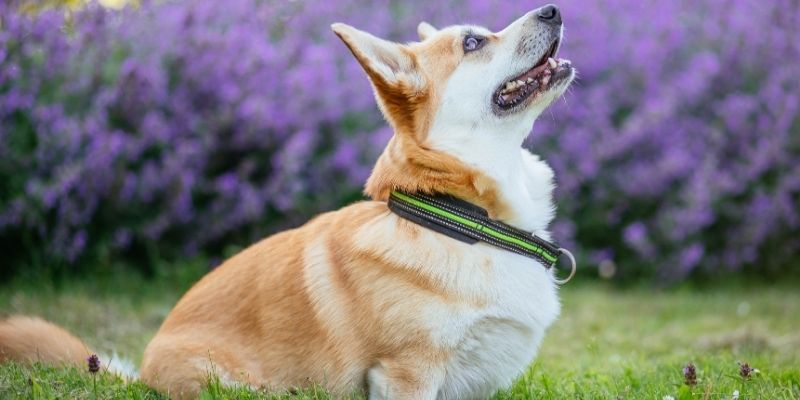
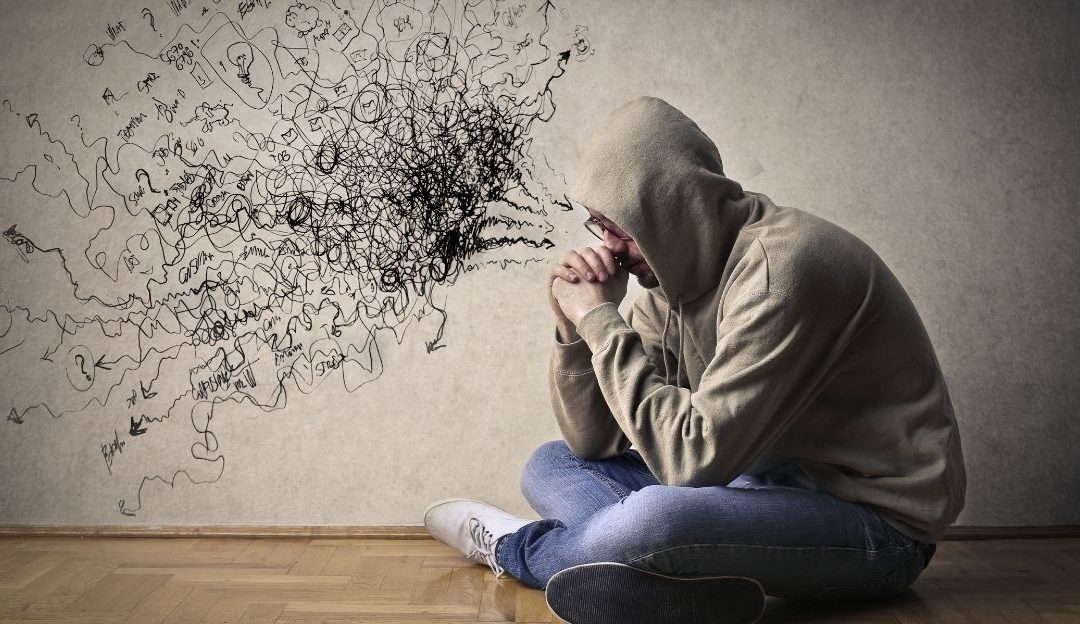
When constant stimulation floods the dog’s nervous system — instead of play, unrest arises.
Cortisol and the Cycle of Excitement
Modern science shows that excessive stimulation leads to chronic cortisol release—the stress hormone. A dog that chases balls every day falls into a loop:
-
The more we activate the hunting instinct, the stronger the excitement.
-
The harder it is to calm down, the more the dog seeks new stimulation.
-
This is not simple joy; it is a form of addiction similar to the human need for adrenaline.
Play as a Ritual, Not a Habit
In the Harmony Handbook, we teach that rituals create rhythm between tension and release. For play to serve as a true ritual, it must be controlled. A simple rule: any game that activates the hunting instinct (balls, frisbee, tugging) should be rare and structured—perhaps once a week, not daily.
Calm Play: The Power of Touch and Presence
If we reduce play solely to chasing, we miss its deeper meaning. Calm play—such as gentle touch, chest scratching, or soft brushing—is often what the dog values most. During these moments, cortisol decreases and oxytocin, the hormone of connection and safety, increases.
Consequences of Misguided Play
Many owners do not connect behavioral problems with the way they play. Pulling on the leash, barking, or even urinating in the house are often symptoms of an overwhelmed nervous system. When the body is stuck in „fight or flight,“ the dog cannot regulate basic needs.
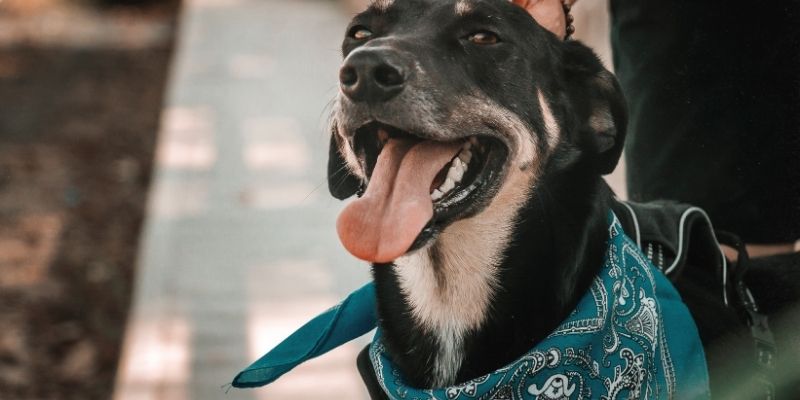
Calm rituals and touch — the most powerful way to reduce stress and strengthen the bond with your dog.
Practical Advice for Conscious Play
-
Structured hunting play once weekly: Keep it short (3-5 minutes).
-
Remove constant reminders of prey: Do not leave balls within the dog’s permanent reach.
-
Daily calm rituals: Prioritize touch, grooming, and quiet rest.
True harmony does not come from constant pursuit of excitement. It comes from balance, awareness, and the tenderness through which relationships are built.
At Integrative and Holistic Grooming Education, we teach that peace is the ultimate goal. If your dog is trapped in a cycle of high arousal, it’s time to return to the basics of presence. Explore the pureloveandharmony approach:Linktree Sasha Riess
by Sasha Riess | 21.04.26. | Emotions
A sold life begins the moment we hand our choices over to other people’s expectations, fear, or money. How many times have you told yourself: “I have to stay in a relationship I do not love, because of money” or “I have to work a job I hate”? These are all examples of how justifications lead to a sold life. What you truly have to do is face your own justifications. Because justifications are the currency we most often use to pay for a sold life.
How Justifications Lead to a Sold Life
Excuses are sophisticated. They sound reasonable, realistic, even noble. “I have to because of money,” “I have to because of the children,” “I have to endure it, that is how I was taught,” or “Better something than nothing.” But every one of these excuses has a price: your freedom. And so, little by little, life becomes a chalkboard that others write on instead of you.
Selling Ourselves for the Illusion of Security
Social media, movies, and other people’s lives all sell the same illusion—that happiness will come through money, stability, career, and a so-called proper life. But the truth is brutal and simple: that happiness never comes the way it was promised. You can have money, you can have status, you can have a perfect profile, but if the price was a sold life, everything remains hollow.
Pull the Handbrake and Stop Selling Your Life
What you do from the soul, from meaning, from integrity, that is what truly nourishes you. That is the only thing that brings peace. The strongest criticism, mockery, and resistance always appear when I am on the right path. Not because I am wrong, but because others feel their own stagnation. When I am criticized on both Serbian and English platforms, I know I am touching truth. And truth rarely leaves anyone indifferent.

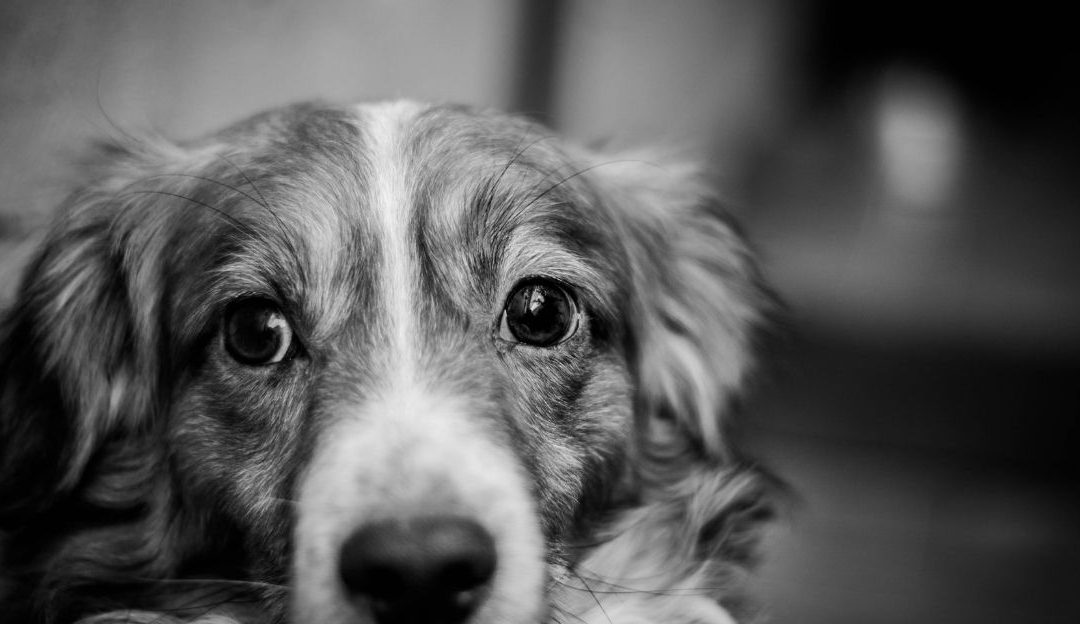
Every justification has a price—we most often pay it with our own destiny.
Why Do You Keep Braking When It Is Time to Accelerate
Most people pull the handbrake when fear appears—fear of change, fear of judgment, fear of failure, fear of other people’s opinions. But the truth is that you are most alive when you release the brake. When you stop trading yourself for expectations that were never truly yours.
Your Justification or Your Freedom
We all have justifications, but we do not have to live by them. We can recognize them, dismantle them, and decide to stop selling our time, our emotions, and our destiny for a fragment of false security. Freedom never comes through money, applause, or social norms. Freedom comes the moment you stop selling yourself.
So the question remains: What is your justification?
At Integrative and Holistic Grooming Education, we believe that authenticity is the highest form of energy. Whether in life or in your relationship with your dog, truth is the only path to harmony. Stop braking and start living:Linktree Sasha Riess
by Sasha Riess | 17.04.26. | Emotions
When a dog dies, time seems to stop. What remains is silence in the house, an empty spot on the couch, and an indescribable feeling that a part of you is gone. People often say “It’s just a dog.” But anyone who has ever loved a dog knows it’s much more than that. It’s a being that breathed with you every day, followed you with its eyes, slept by your feet, and quietly carried a piece of your soul.
The Day After – The Emptiness After a Dog’s Death
The first day without them is the hardest. You instinctively hear footsteps that no longer exist, you reach for a bowl that’s now empty. The house breathes differently. The body remembers the routine, but the heart refuses to accept the absence. Grief for a dog isn’t “just sadness”, it’s physical, real, and follows its own rhythm.
“It’s Just a Dog” – Why Society Doesn’t Understand Our Grief
Many people won’t understand why you cry “so much over a dog.” But your pain is real because the relationship was real. A dog never pretends to love. It loves you purely, without masks, and that’s why its absence hurts deeper than words can express.
When a Dog Dies, a Part of Us Goes With Them
Every dog carries a piece of our lives. The first apartment, heartbreak, joy, moving homes—they witness all our changes. When they go, it feels as though a part of our past disappears with them. That’s why grief feels endless, because we lose not only them, but the memories that breathed with them.
The Death of a Dog as a Trigger for Hidden Emotions
Sometimes a dog’s death opens the door to emotions we’ve long kept buried. We grieve for them, but also for everything we never had the courage to feel. Their departure forces us to face parts of ourselves we’ve been avoiding, and that’s part of healing.
The Body Knows Grief – The Physical Side of Losing a Dog
Grief doesn’t stay only in the mind; the body carries it. People often feel insomnia, chest pain, or heaviness in the stomach. It’s the body’s way of processing loss. Allow yourself to feel it all, because suppressed grief stays in the body as silence that never fades.
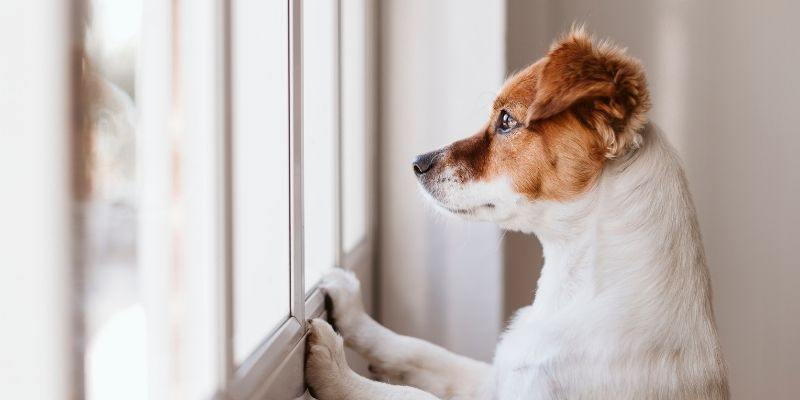
The memory of a dog remains in every glance, movement, and silence.
Family Dynamics – The Dog Who Carried Our Emotions
A dog is never just a pet. It carries the family’s energy, reflecting its rhythm and tensions. When they’re gone, we often realize how much their presence held balance in the home. Their absence exposes our inner imbalances, the ones we no longer have anyone to project onto.
A Dog as Our Last Honest Love
Dogs are often the only beings we love without fear of being hurt. They accept us completely, and their loss reveals how much we’ve missed that kind of unconditional love from humans. They are the mirror of our ability to love purely.
How to Grieve and Allow Yourself to Feel
Grief has no deadline and no right way to go through it. Some people make a photo album, some light a candle, some just sit in silence. What matters is to give yourself permission to feel. Don’t cut off your sadness with “I have to pull myself together.” Grief is proof that love existed.
The Order of Harmony – When It’s Time to Let Go
Letting your dog go doesn’t mean forgetting them. It means giving them freedom to leave, and giving yourself peace to continue. That’s when grief stops suffocating and starts healing. Love doesn’t disappear; it simply changes form.
The Day After Is Not the End – Love Remains
They may no longer be physically here, but their place in your life remains forever, in every walk and in every glance toward the sky. It’s not the end. It’s a new form of connection, quieter but no less real. Love for a dog never ends. You just learn to breathe with it.
At Integrative and Holistic Grooming Education, we believe that the bond between a human and a dog transcends the physical. When that bond changes form, we are here to help you find the path back to harmony. Love is eternal: Linktree Sasha Riess
by Sasha Riess | 16.04.26. | Emotions
Pretending that everything is fine has become one of the most expensive modern habits. When we enter this game of hiding the truth, from ourselves, from our partner, from our children, even from our dogs, our life slowly loses authenticity. Instead of living from our inner truth, we begin shaping situations out of fear.
Where will I live if I leave? How will I pay rent? What if I lose my job? What if everything falls apart? These questions seem rational, but they actually push us into emotional paralysis. Instead of choosing truth, we choose survival. And when we choose survival, the cost is always the same—health.
The Emotional Cost of Pretending
Every time we suppress what we feel, the body begins to react. Through stress, insomnia, fatigue, weakened immunity, tension, and even chronic illness. Our dogs and our children are the clearest witnesses of this. They intuitively feel everything we hide. A dog that is always restless, a child that does not listen, a home that constantly feels like a battlefield. All of it is a reflection of what we refuse to acknowledge.
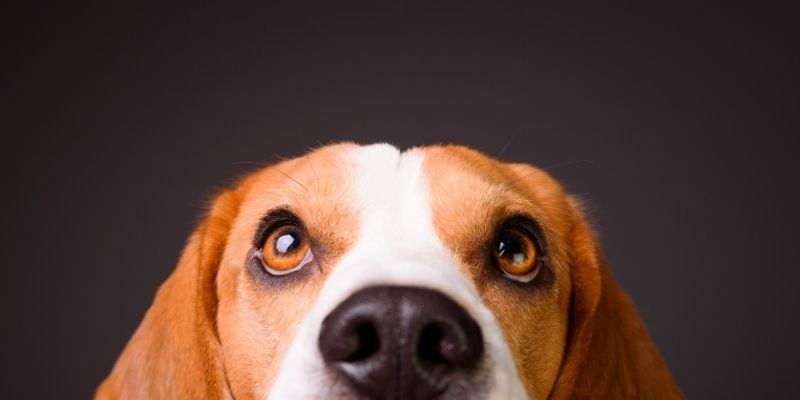
Dogs feel every unspoken emotion in the family.
Why Children and Dogs Are Mirrors of Our Truth
There is no child that becomes spoiled on its own. There is no dog that becomes demanding without a reason. They become who we are in the moment when we send them messages that are not aligned with our inner state.
If a mother takes what is not hers—for example, stays in a marriage that has long been over, stays out of fear, out of need, out of convenience—the child will seek the same, what does not belong to them. If we pretend everything is fine when it is not, the dog will live in the energy of tension and imbalance, and will behave “problematically”, even though it is only mirroring our state. Children and dogs are not spoiled; they are our mirror.
A Relationship That Has Ended, but Still Continues
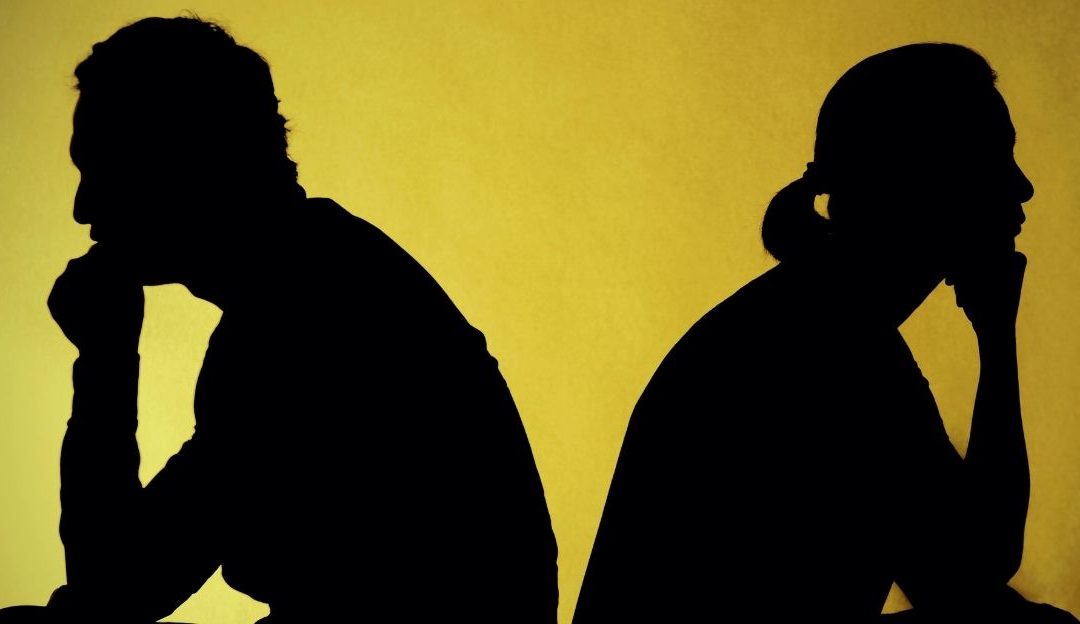
The greatest emotional cost of pretending comes from a relationship that ended long ago, yet still exists. A partnership reduced to logistics. Love that remains only in form, not in substance. A household that continues simply because no one has the courage to speak the truth.
This is where the most emotional resistance is born. And the dog feels every second of that tension. The child feels every unspoken sentence. Pretending costs us peace. Truth gives us life back.
At Integrative and Holistic Grooming Education, we know that energy never lies. Your dog doesn’t react to your words, but to your truth. To heal the bond, you must first heal the silence: Linktree Sasha Riess
by Sasha Riess | 14.04.26. | Emotions
Today we follow the third wave of dog evolution through dogs from the movie screen and the messages they bring us. Dear readers, last time I spoke about free will and the thin veil behind which the forces that guide us operate. These cinematic dogs are not just characters in stories, but archetypes of our era, reflections of our longings and fears. Each of them reveals a piece of our path toward harmony.
Movie Dogs as Teachers of Harmony
Every movie dog carries a lesson about connection, belonging, and harmony that goes beyond the story itself.
Rin Tin Tin and the Third Wave of Evolution
We remember Rin Tin Tin, the puppy found in the ruins of war. His story began at a time when the world was shattered and tired, when people wanted to believe that courage was still possible. Rin Tin Tin became a movie star and a symbol of loyalty. They say he saved an entire film studio from bankruptcy, but what he truly saved was people’s belief that there is someone who protects, someone who never gives up.
His character was not just a dog. He was the image of strength that people searched for within themselves but could not find. Did people choose Rin Tin Tin, or did the dog from the ruins choose them? Perhaps neither. Perhaps it was simply the moment when human fear and canine courage met in the same place. In that meeting, something called belonging was born. The feeling that we are not alone in our own despair. And there we find the first lesson of harmony: strength does not come from control, but from surrendering to the relationship.
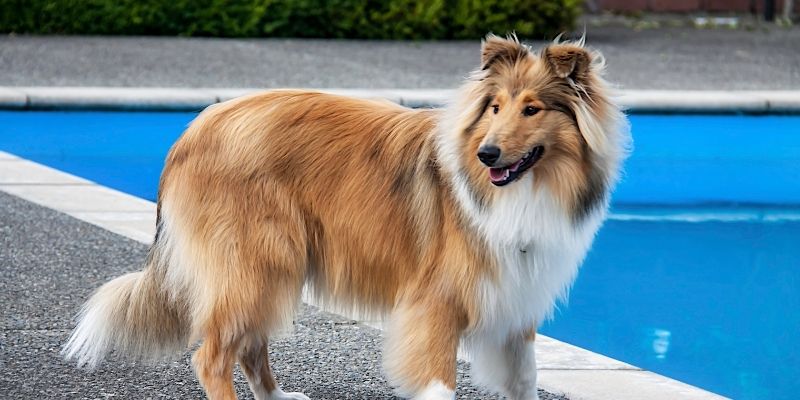
Lassie – a return to belonging.
Lassie and the Return to Belonging
Then comes Lassie. Her journey home was much more than a movie plot. It was a return to everything that waits for us, everything that does not forget us. Lassie was the dog who crossed hills and rivers to return to her boy. Her journey awakened in people the memory of their own longing: to be seen, to be awaited, to be wanted.
In her return we see the other side of the human dog relationship. Here, the dog is not a projection of our strength but of our belonging. She goes toward the human, and in that movement we feel that we too are found. That is the moment when the dog shows that the relationship is never one sided. And when we watch Lassie, we know that the same instinct lives in us too, the instinct to find our way back to the one we love.
Dalmatians and the Messages of the Third Wave
In the sixties, the world was captivated by the story of the dalmatians. Hundreds of puppies on screen brought joy and laughter, and people rushed to buy dogs of that breed. Statistics show that demand increased by more than four hundred percent. But soon it became clear that not everyone was ready to live with that image. Dogs are not plush toys. Dogs are active, demanding, and require time and structure. Many ended up in shelters, because people wanted the feeling but could not carry the responsibility. This is the moment when harmony breaks. When we try to take joy without giving anything in return. And then the relationship collapses. The dalmatians became a mirror of human impatience, the desire to have everything immediately, without offering what the relationship demands.
Beethoven and the Evolution of Dogs Through Film
In the nineties, Beethoven the Saint Bernard entered our homes. His chaos was refreshing. He brought warmth into a family that was cold and rigid. The parents wanted control, the children were afraid, and the dog broke down the walls. Only when Beethoven arrived did the family find warmth again. He was not obedient, but he was true. His “chaos” was therapy. Beethoven teaches us that dogs do not come to please us, but to awaken us. He shows us where love is not flowing. Only when the parents learn to lead from the heart does the dog find peace. His stubbornness was the path toward the opening of the heart.
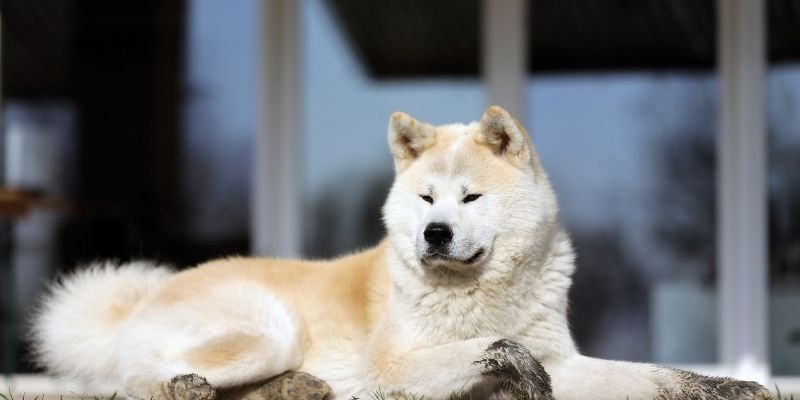
Hachiko – facing the pain.
Hachiko and Facing the Pain
And then Hachiko. His story is perhaps the deepest of all. The dog who, for years after his owner’s death, sat and waited at the train station. No adventure. No play. No chaos. Only waiting. People around the world cried at that image. But unlike all other movie dogs, no one rushed to buy a Japanese Akita afterward. Why? Because Hachiko does not give the illusion of happiness. He confronts us with pain. His image is not the image of joy, but of sorrow that goes beyond words. He reminds us that love includes parting. That a bond does not end with death, but continues even when there is no response. Hachiko showed a dimension people did not want to possess. Because it is not a story of ownership. It is a story of devotion.
Krypto and the Messages of the Third Wave of Dog Evolution
And today, Krypto. The dog of a superhero. His strength is not in his power, but in his gentleness. The film inspired thousands of people to adopt shelter dogs. Krypto did not awaken the desire for a breed, but for an act of love. He is not a symbol of heroism but a symbol of invitation. He reminds us that a community can be moved by a single dog. And there we see a clear sign that the third wave has arrived. The dog is no longer a hero we seek, nor a projection of fashion, nor the breaker of family coldness. He is the initiator of harmony. He is the connection between people. He is the one who unites.
The Third Wave of Dog Evolution
If we look at the entire journey, we see a line: from Rin Tin Tin to Krypto, from courage to belonging, from trend to chaos, from pain to unity. This is not just the history of film. It is the history of our relationship with dogs. But also the history of ourselves.
In the first wave, we wanted dogs to give us what we did not have: courage, safety, belonging. In the second wave, we projected our desires: play, joy, warmth. In the third wave, dogs are no longer projections. They are teachers. They come to connect us. And here the true strength of the Order of Harmony is revealed. Harmony does not mean only happiness. It also means pain, waiting, parting. It means that a dog can leave, that life can separate us, and that we do not control everything. When we accept this, the illusion of free will as the ability to avoid pain disappears. What remains is free will as the ability to say yes to what is.
Hachiko and Krypto together form the whole of the third wave. One leads us inward, toward silence and acceptance. The other leads us outward, toward community and giving. And both lead us toward harmony. Dogs never judge us. Their gaze, even when they leave, is not a gaze of judgment. They do not understand human concepts of betrayal. They simply exist, in the flow of life. And perhaps that gaze is what teaches us that love is not always pretty and easy, but often painful and paradoxical.
The third wave of dog evolution reminds us that relationships do not exist to fulfill our desires. They exist to teach us to accept life. Harmony is born not when we control, but when we say yes to what is, and to whatever comes. Perhaps that is why it is important to remember all the dogs from the movie screen. They are not just heroes of our childhoods. They are teachers of our lives.
Rin Tin Tin reminded us of courage in ruins. Lassie reminded us of the return to belonging. The dalmatians reminded us of the temptation of joy without responsibility. Beethoven reminded us of the need for warmth. Hachiko reminded us of pain and waiting. And Krypto reminded us of unity. Each of them is part of the same river of life. And each brings us back to the question: do we choose dogs, or do they choose us?
A Meeting in Harmony
Perhaps the answer is not important. In the third wave of evolution, in the Order of Harmony, the difference disappears. There is only the meeting. The meeting of a human and a dog. A meeting in which there is no longer a question of who leads and who follows. There is flow. There is harmony. And in that harmony the need to choose dissolves. What remains is simply to say yes to life. With all its joys and with all its pain. And then free will finds its true form, not as power, but as acceptance. And that is what dogs teach us, on the screen and in life. They bring us back to ourselves. They teach us how to live in the third wave, the wave of evolution in which there are no divisions, but only one great yes.
At Integrative and Holistic Grooming Education, we see the dog not as a character, but as a guide. From the screen to your home, find the path to true connection. Join the evolution: Linktree Sasha Riess
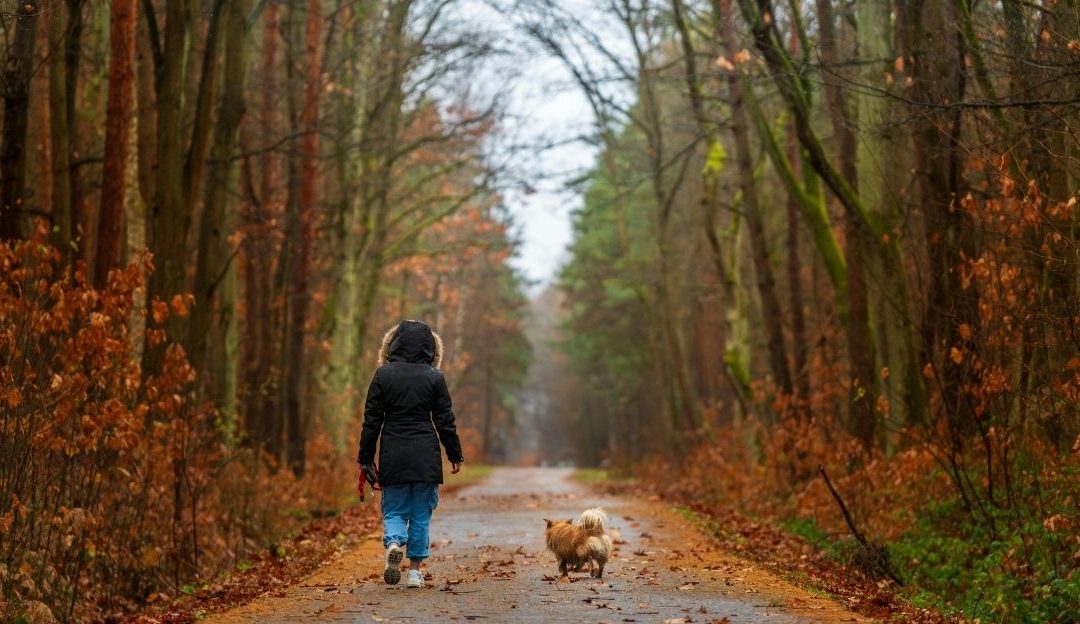
by Sasha Riess | 14.04.26. | Emotions
The Order of Harmony did not begin as a defined idea but as a journey into the unknown. At first, I only had a deep feeling that there was a strong emotional connection between dogs and their owners, one that went beyond the ordinary boundaries of behavior and training. Not as symbolism, not as obedience work, but as something essential and systemic, a bridge between two species that do not understand each other through words but feel the same.
The Order of Harmony: The Meeting with Ivana and Ela
Years ago, in New York, I met Ivana. She came to an individual workshop after hearing my television interview about the philosophy of living with dogs based on the deep interconnection between a human and a dog as one system. At that time, I still didn’t know how to explain it. I was only researching, noting behavioral patterns, and trying to understand what dogs were telling me through the behavior of their owners. Ivana didn’t come out of curiosity. She came out of pain.
The Unspoken Loss
The purest form of unconditional love exists between a mother and a child. Its strength fills the universe. To give life to another being is the most sacred task a human can experience. But what happens when that love is interrupted, frozen in time, without the possibility of expression? When pain overcomes hope, and fear silences truth? That is when those who do not speak but feel everything step in: the dogs.
The Workshop – The Last Stop
Ivana calmly told me that she had a problem with her Rottweiler, who had bitten her mother on the forehead. She was afraid the dog might become aggressive toward her children and was considering euthanasia, although she had already worked with trainers and tried various methods. The workshop was her last attempt before making that painful decision.
The Forgotten Truth
I listened carefully, letting her share everything that had happened. And then, a question arose within me that both frightened and confused me: “Are all our children alive?” As a father and as a therapist, I felt fear I did not yet know how to channel or accept as a guide. Instead, fear spoke through me as a question: “Were all your children born?”
Ivana replied, “No, I had two abortions.” I asked how many dogs she had. She said three. In that moment, it was clear, but I was too fragile to face it fully.

A dog as a silent witness to our tears – truth that sets free and connects.
The Order of Harmony and Dogs as Mirrors
The Order, however, was watching over me. We ended the workshop at a point where Ivana felt safe, and I told her that I believed we would see each other again soon. There was one more step for both of us to climb, but we would have to be ready.
A few minutes after she left, Ivana called me and said she had forgotten to share something she rarely talked about anymore. As a young woman, she had given birth to a child with developmental difficulties who, at her mother’s urging, was placed in an institution. The child had died. Although Ivana had worked on herself for years, she had never truly spoken about it. The memory faded over time, covered with layers of pain, anger, guilt, and shame. We agreed to meet again the next day.
Healing Through the Order of Harmony
When she returned, I asked her again, “Are all our children alive?” In that moment, everything became clear. And everything healed. Suddenly, everything was filled with light. Ivana began to cry. She spoke about the pain and anger she had suppressed for years. She realized that her anger toward her mother had never been truly resolved. Instead of releasing it, she had only pushed it deeper.
That was not the end of pain, but the beginning of new life. The moment that truth was spoken aloud, the dog Ela never again showed a trace of aggression. She was not at the workshop. I never saw her. Yet everything changed. The Order of Harmony is not a theory. It is an experience. Dogs do not carry our secrets; they reveal them.
Science Confirms the Order of Harmony
In psychoneuroimmunology research, such as the study published in Frontiers in Veterinary Science in 2023, it has been confirmed that stress in owners affects the behavior and health of dogs. Dogs that live with anxious or depressed people often develop behaviors that mirror human disorders: aggression, anxiety, hypervigilance.
Moreover, there is a documented link between chronic stress and cancer development in dogs, as shown in veterinary oncology studies (MACVETREV-2016-0088). Science confirms what the soul already knows: everything is connected.
The Gaze That Heals
But we don’t need scientific studies to recognize this truth. It is enough to look into a dog’s eyes. In a world where everyone is quick to suppress pain with a pill, dogs remain the only ones who do not run away. They sit beside us in silence and wait. For us to feel. To admit. To remember.
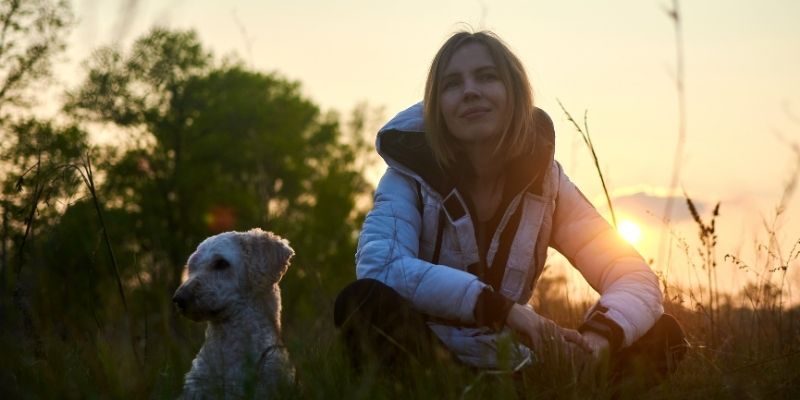
The Order of Harmony – a meeting between human and dog that reveals a deep connection of soul and love.
Pain as an Ally
Because pain does not have to hurt. We only believed it must. If we honor it and carry it with respect, it becomes a source of endless strength and creation. In the teaching of the Order of Love, which forms the foundation of the Order of Harmony, pain and anger are not symptoms to be removed. They are impulses pointing to disruption, exclusion, or forgetting. They live on through our children, our illnesses, and our dogs.
Dogs as Companions of the Soul
Dogs are part of our energetic field. When we acknowledge what belongs to us, we free them to be who they truly are: companions, not carriers of our burdens. A dog does not ask us to be perfect, only to be truthful.
The Legacy of a Bond: Ivana, Ela, and the Order of Harmony
Ivana and Ela shaped me as a therapist, as a father, as a man. Their story became part of the foundation of the Order of Harmony. Ela continued to live loved and at peace. She was never aggressive again. She died years later, peacefully. Ivana continued to grow, to feel, to live as a mother and a woman in wholeness.
The Light of the Order of Harmony in Life
Some pains stay with us forever. And they should. Not as wounds, but as light that reminds us of where we no longer need to go and of all the places we still can.
At Integrative and Holistic Grooming Education, we look for the truth behind the behavior. When the soul speaks, the dog finds peace. Discover the system that heals: Linktree Sasha Riess