by Sasha Riess | 21.06.26. | Nutrition
The first step toward healing a dog suffering from chronic allergies is the hardest for the owner, but the healthiest for the pet: eliminate kibble. Industrially processed food, regardless of the labels on the packaging, is often a reservoir of hidden additives and antibiotics that sabotage the immune system. If you are wondering how to overcome allergies in dogs, the solution is not in a new bag of kibble, but in returning to the roots and to your own kitchen.
The 70% Meat Rule and the Power of Clean Fat
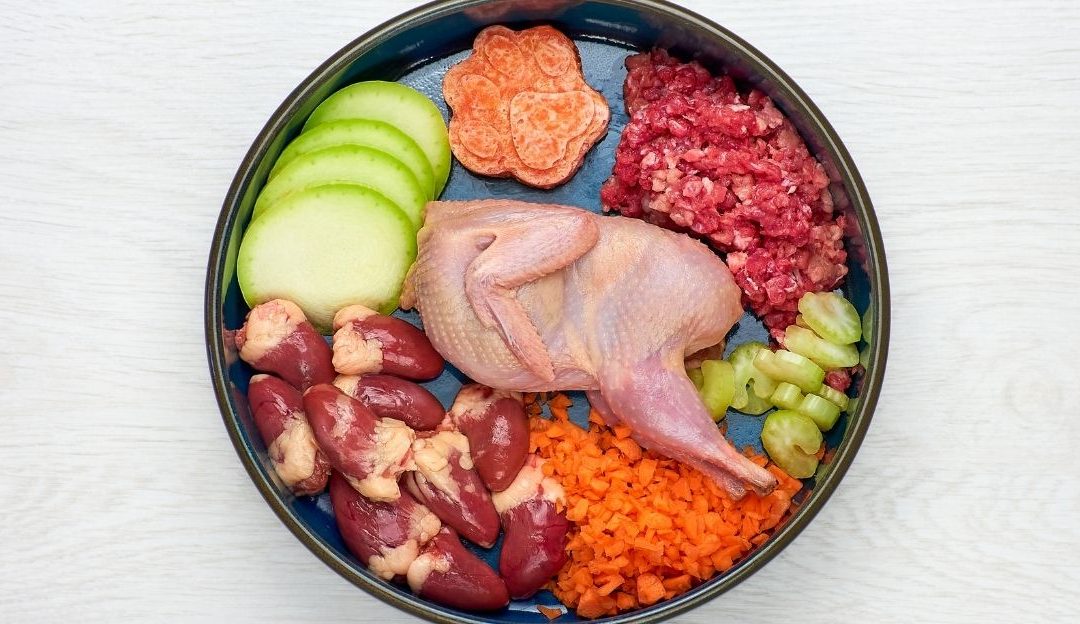
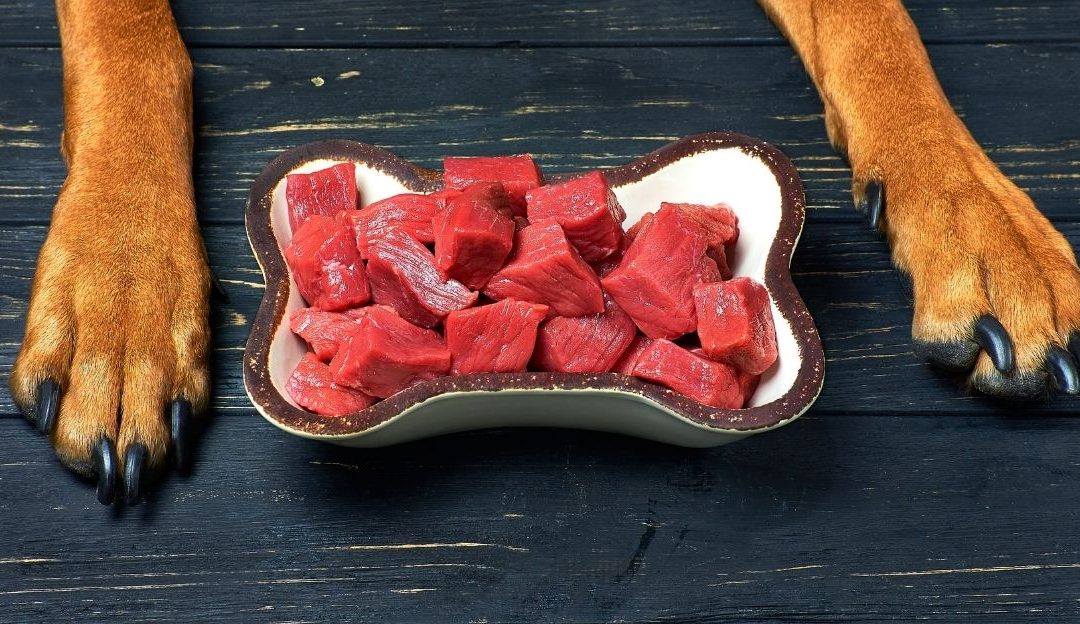
Proper nutrition for dogs struggling with itching and inflammation begins with selecting clean protein. The ideal starting ratio is 70% meat, whether it is chicken, pork, or beef. Fat is essential, do not avoid it, because quality fats are the fuel for skin recovery.
The goal is to create a meal that is so clear and pure that you would not hesitate to eat it yourself.
Village Raised Meat as a Natural Antidote
To eliminate the possibility that your dog is ingesting hormones and antibiotics through food, you do not need expensive “organic” labels from supermarkets. The solution lies in returning to the countryside. Meat from a chicken that has roamed freely, pecked at grass and corn in a village yard, carries a vitality that no laboratory can produce.
When you switch to home cooked food, you take full control of how to overcome allergies in dogs. There is no more guessing what caused the reaction. Natural dog nutrition reduces the possibility of allergies to a minimum, giving your dog a chance to heal from within, one meal at a time.
At Sasha Riess, we believe that true vitality comes from uncompromised purity. Healing your dog’s skin and coat from the inside out is the ultimate expression of pureloveandharmony. Take complete control of your dog’s health today: Linktree Sasha Riess
by Sasha Riess | 16.06.26. | Nutrition
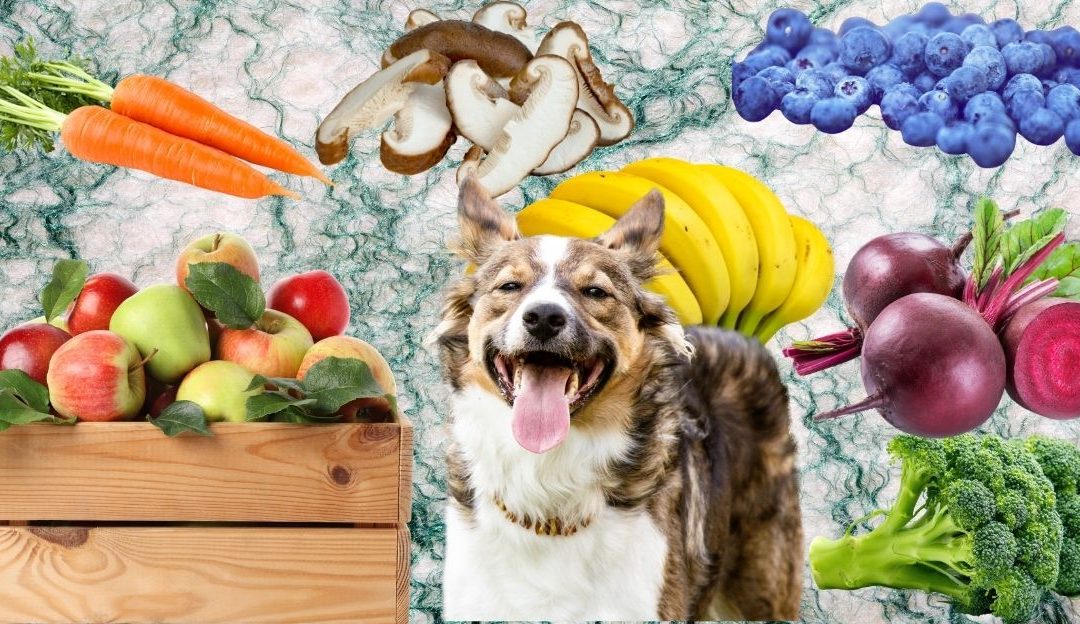
When it comes to proper dog nutrition, introducing fresh foods from nature is a key step toward a healthier microbiome and overall vitality. Every dog has specific needs, but the foundation of health always lies in the quality of ingredients. Within the Pure Love and Harmony concept, dog nutrition focuses on foods that reduce inflammation and strengthen the dog’s natural immunity.
Fruits in Dog Nutrition
-
Apples
-
Apricots
-
Avocado
-
Bananas
-
Blackberries
-
Blueberries
-
Melon
-
Coconut
-
Cranberries
-
Pitaya (dragon fruit)
-
Mango
-
Papaya
-
Peaches
-
Pears
-
Pineapple
-
Raspberries
-
Strawberries
-
Tomato
-
Watermelon
Vegetables as an Important Part of Dog Nutrition
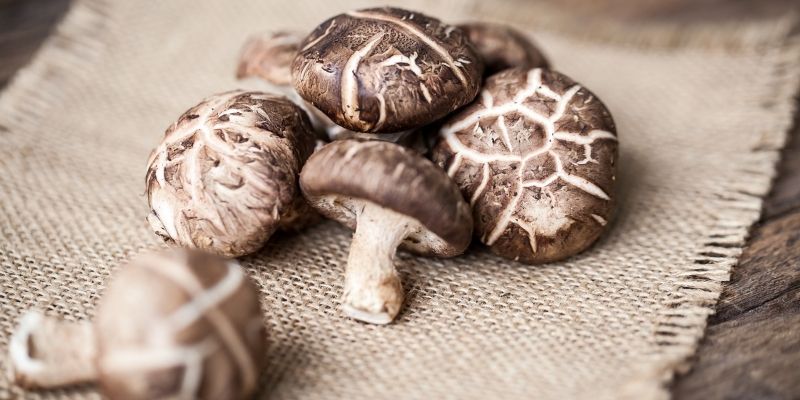
Mushrooms are powerful immunity allies, while spinach is added in small, controlled amounts.
Medicinal Mushrooms and Holistic Dog Nutrition
-
Lion’s Mane
-
Shiitake
-
Maitake
-
Turkey Tail
-
Cordyceps
-
Reishi
-
Chaga
The proper selection of these natural foods directly influences your dog’s vitality and longevity. By introducing fresh ingredients through the Pure Love and Harmony Kitchen concept, you provide your dog with strength that processed food cannot offer.
Conscious ownership begins in the bowl, and health is built with every carefully chosen bite.
At Sasha Riess, we view daily feeding as a profound opportunity to cultivate health. Elevating your approach to dog nutrition with whole, anti-inflammatory foods feeds the spirit and body, bringing pureloveandharmony. Balance their diet: Linktree Sasha Riess

by Sasha Riess | 11.06.26. | Nutrition
Most owners believe that problems with a dog’s teeth and gums can only be solved through brushing and expensive products. The truth, however, is far more natural. Dog care and jaw health rest on three pillars: mechanical cleaning, saliva chemistry, and stress control. If your dog does not chew, its teeth cannot be healthy, no matter how much you scrub them with artificial toothpaste.
A Bone as the Perfect Tool and “Toothbrush”
Every dog has an instinctive need to chew. Giving large, raw bones, such as shoulder bones, twice a week is one of the best ways for a dog to maintain its own dental hygiene. Chewing a firm bone mechanically removes buildup, but more importantly, it stimulates saliva production.
The Power of Saliva and pH Balance
Saliva is the most powerful natural protection. It contains enzymes essential for digestion and, most importantly, regulates the pH of the oral cavity. When a dog chews intensively, it produces rich saliva that washes away bacteria and prevents buildup.
Instead of commercial products filled with chemicals, the best “toothpaste” you can offer is coconut oil. It has natural antibacterial properties and dogs love it. Chewing bones twice a week is one of the best forms of prevention against tartar.
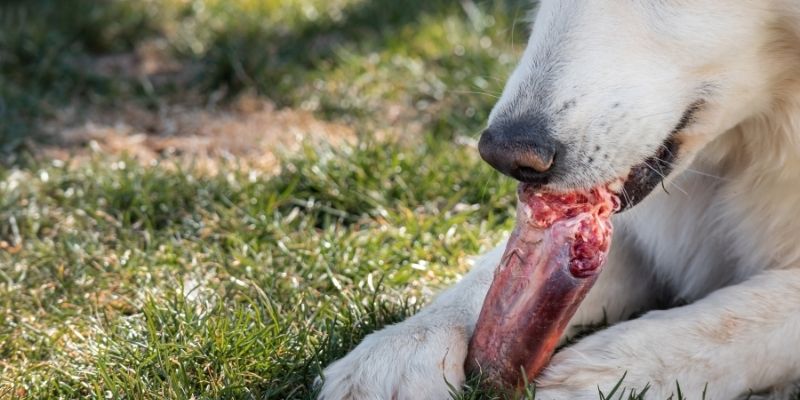
Chewing bones twice a week is the best stone prevention.
Tartar as a Sign of Stress
It is important to understand that plaque and tartar are not solved only through mechanics. Tartar is often an indicator of stress a dog is experiencing. In that sense, a bone is also a release valve, allowing the dog to discharge internal tension.
However, true care sometimes requires more than just offering a bone. In certain cases, applying coconut oil directly to the gums can provide additional support, especially in dogs under chronic stress that alters the composition of their saliva.
At Sasha Riess, we respect the canine anatomy by providing natural solutions for dog care and jaw health. Returning to instinctive chewing promotes oral hygiene and emotional pureloveandharmony. Restore their natural balance:Linktree Sasha Riess

The Dog Groomer’s Dilemma: Journey Trough Burnout, Belonging and Becoming

by Sasha Riess | 10.06.26. | Nutrition
In dog nutrition we often talk about proteins, fats, and calories. But deep within the body there is a relationship that determines far more profoundly how the organism uses food. That relationship is the balance between calcium and phosphorus.
How Dog Nutrition and Metabolism Depend on Minerals
This mineral pair is not important only for bones. It actually regulates the speed of metabolism, meaning the way the body burns energy. Calcium tends to slow metabolic processes and stabilize cellular activity, while phosphorus accelerates energy production and intensifies metabolic reactions. When their balance changes, the rhythm at which the body functions changes as well.
For this reason, physiology often speaks about so-called fast and slow oxidative metabolic types. These terms do not simply mean that metabolism is fast or slow in the usual sense. They describe the way cells burn fuel.
Different Metabolic Types and Dog Nutrition
A fast oxidative type is an organism that converts food into energy very quickly. Cells intensively use fuel, the nervous system reacts rapidly, and energy is consumed at a high pace. Such an organism has a powerful energetic rhythm, but often also a greater need to stabilize that rhythm.
A slow oxidative type releases energy more slowly and in a more controlled way. Fuel is burned steadily but at a slower rate. Such an organism often has a different relationship with proteins, fats, and minerals because energy does not leave the cells at the same speed as in fast types.
The difference between these two metabolic types has a direct influence on the way a dog uses proteins.
The Influence of Proteins on Oxidative Types
In the fast oxidative type, the body often uses proteins as fuel. When metabolism operates at a high tempo, amino acids are quickly broken down to produce energy. This means that too much protein can further accelerate a system that is already running fast.
In such cases, food with a lower share of protein, around forty percent in the overall structure of the meal, often helps stabilize the organism. Such a meal provides energy without placing additional pressure on the metabolic system.
In the slow oxidative type, the situation is different. The body does not burn fuel quickly enough and often struggles to produce energy from food. In those cases, the organism responds better to a higher share of protein, sometimes up to eighty percent in the structure of the meal, because proteins stimulate metabolic activity and help the body initiate energy production.

Each dog requires a unique ratio of nutrients.
The Trap of Universal Nutrition
This is where modern dog nutrition and metabolism science often makes a mistake. In recent years, raw and high-protein diets have become almost a universal recommendation for dogs. The idea that a dog should eat mostly meat or almost exclusively protein-rich food appears logical, since the dog is a carnivore. But physiology is not that simple.
If a dog belongs to the fast oxidative type, a diet composed almost entirely of protein can further accelerate a system that is already overloaded. The nervous system may become overstimulated, stress tolerance may decrease, and the body may begin to consume its own tissues to maintain the energetic rhythm. In such cases, what was intended as natural nutrition can actually worsen the dog’s condition.
On the other hand, a slower oxidative type may benefit from a higher protein intake because such food helps the body increase metabolic activity and energy production. The real question therefore is not whether raw or protein-rich food is good or bad. The question is for which dog.
Two dogs can eat the same meal and have completely different physiological reactions. One may become more stable and energetic. The other may become more tense, more fatigued, or metabolically burdened. The reason often lies precisely in the calcium and phosphorus balance that determines the tempo of metabolism.
When this balance is stable, the body can properly use proteins, fats, and energy from food. When it is not, even high-quality food can become a metabolic burden. That is why the most important step in feeding a dog is understanding its metabolic type. Only when we understand whether the body burns energy quickly or slowly can we begin to build a diet that truly supports its physiology.
Food then stops being a universal formula and becomes a tool that helps the body find its natural rhythm. Because a dog does not live from the percentage of protein written on the label. A dog lives from balance that allows its body to function.
At Sasha Riess, we look past the generic labels to discover the real needs of your pet. True health relies on a tailored understanding of dog nutrition and metabolism, allowing you to guide them toward lifelong pureloveandharmony. Learn your dog’s rhythm: Linktree Sasha Riess
Awakening With Dogs : Exploring the Profound Connection Between Dogs and Humans: Love, Resonance, and Healing Kindle Edition
by Sasha Riess | 08.06.26. | Nutrition
Many owners become worried when black stool in dogs appears, immediately suspecting internal parasites or bleeding. However, the truth is often much simpler. Just like in humans, stool color is a reflection of what your dog has eaten in the past hours.
When Is Dark Stool in Dogs Normal?
Dark stool is common in dogs that consume a lot of meat, especially organ meats, or eat cooked food. Certain foods can significantly change stool color. Just as beetroot can cause red shades in humans, specific ingredients can lead to black stool in dogs.
However, it is important to know that a black, tar-like stool can sometimes indicate internal bleeding in the upper parts of the digestive tract. That is why it is essential to observe behavior, not just color.
How to Recognize If Black Stool in Dogs Is Dangerous
Color alone is rarely the only symptom. If your dog has diarrhea but is still cheerful, active, and eating normally, it is most likely a temporary stomach irritation.
But if black stool in dogs appears along with the following symptoms, immediate attention is needed:
-
Loss of appetite and refusal to drink;
-
Vomiting or pronounced lethargy;
-
A drastic change in normal behavior.
First Aid for Digestive Disturbances
If you notice the problem without severe symptoms, the first step is to pause feeding for a short period. After that, for the next three days, offer a light diet: cooked rice and lean white meat with very little salt. This will help stabilize digestion, even if black stool in dogs was temporarily present.
At Sasha Riess, we look at the whole system to find balance. When dealing with issues like black stool in dogs, observing behavior alongside physiology brings pureloveandharmony. Keep track of their health: Linktree Sasha Riess
by Sasha Riess | 06.06.26. | Nutrition
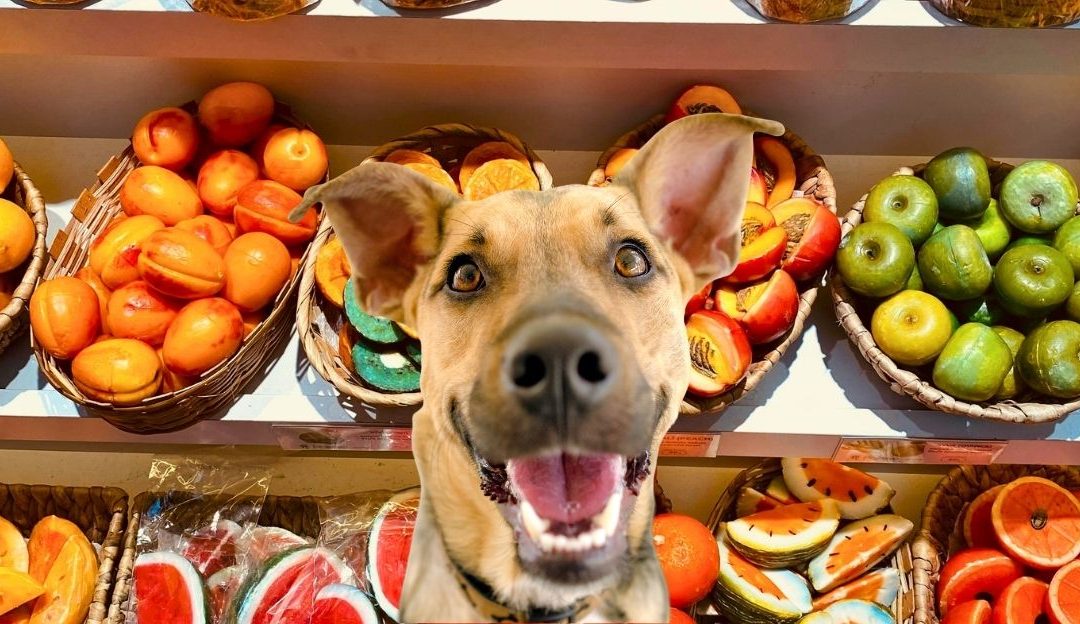
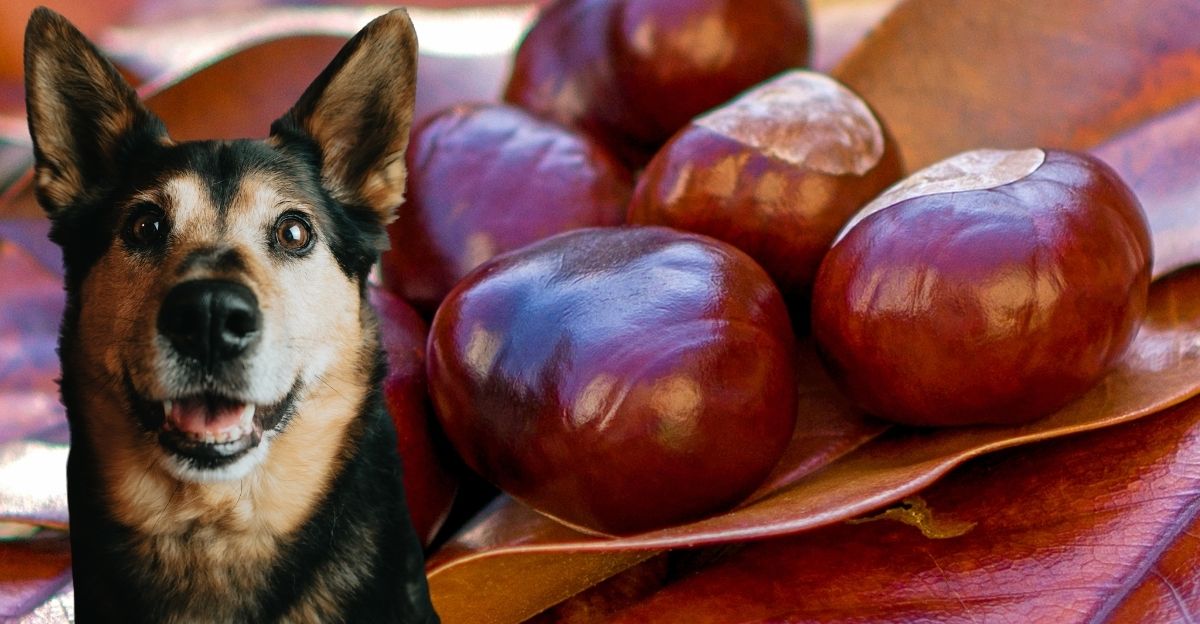
When it comes to canine nutrition, owners often have doubts about foods that we use in our daily diet. The short and simple answer to the question of whether can dogs eat oranges, mandarins, kiwi, grapefruit, lemon, and chestnuts is yes. However, this answer comes with an important “but,” which relates to moderation and the individual needs of your dog.
Everything Depends on Quantity and Frequency
Although these foods are generally safe, they should not be a daily part of the diet. It is recommended to give them once or twice a week, or even every other week, depending on how your dog is normally fed.
The most important thing is to observe your dog. For some dogs, these fruits may be an easy treat they tolerate without problems. For another dog, even a small piece may act like a “test pill” for the stomach.
Observe Your Dog’s Digestive System
The decision about whether something is good for your dog always depends on the condition of its body. Before offering kiwi or citrus fruits, ask yourself:
-
How stable is my dog’s digestive system?
-
Is the stomach sensitive or already irritated?
-
Is the stomach acidity too weak or too strong?
All these factors influence how a dog will react. Even a generally safe food can cause problems if the stomach is not ready to process it.
The safety of food is always relative to the individual health of the dog.
You Make the Final Decision
The safety of foods such as chestnuts or lemons is always relative to the individual health of the dog. Your role as an owner is to observe your dog’s reactions and make decisions accordingly. Dog nutrition is not a universal template, but a living process that you adapt to the individual being you know best.
At Sasha Riess, we believe nutrition is a conversation between the leader and the dog’s biology. When we listen to their digestive system, we create pureloveandharmony. Discover more insights: Linktree Sasha Riess