by Sasha Riess | 26.05.26. | Nutrition
There is a lie that quietly slips into a person’s life, almost unnoticed. The lie is that the dog food industry exists because someone truly cares about dogs. Owners invest enormous sums in food and supplements, ready to pay more than they would for themselves. In that emotion, the industry found the perfect gold mine. Where emotion exists, profit follows.
Modern Alchemy: How the Industry Is Created
The dog food industry is not a separate entity born out of care. To a large extent, it is a byproduct processing industry—managing what remains after the human food and fashion industries are finished. In the industrial chain, nothing is thrown away. Skin, cartilage, and tissues that humans won’t eat simply change their label.
This is where meat meal and bone meal are created. These powders are revived with artificial ingredients and sold as the pinnacle of health. The industry has built a system in which a byproduct is marketed as luxury.
Rawhide: Chemically Processed Surplus
If one product exposes the dog food industry brutally, it is the rawhide bone. Rawhide is not natural; it is a surplus of the fashion industry. What does not become a bag or a shoe is bleached, reshaped, and sold as a treat. Imagine giving chemically processed leather to a child—you wouldn’t. But to a dog? They have no choice. The choice belongs only to us.
Marketing Instead of Ingredients
Today’s industry doesn’t sell ingredients; it sells a story of the „primal wolf.“ Marketing sells the owner’s identity and plays on the guilt of not being „good enough.“ This is why dogs have never been more loved, yet never sicker, facing an explosion of allergies and digestive disorders.
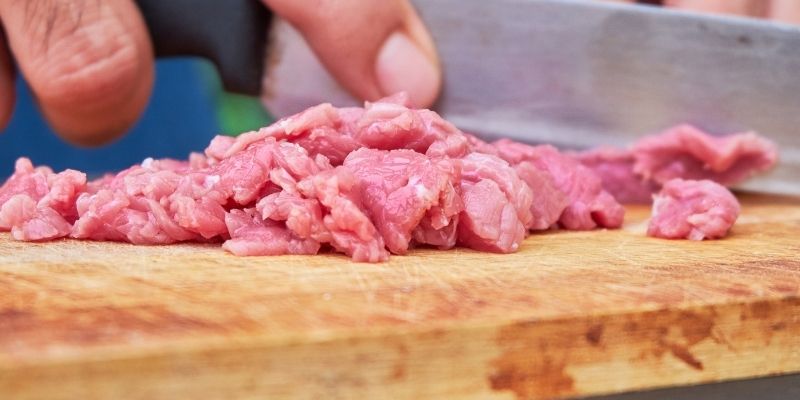
The only place where you control the nutritional chain is your kitchen.
Returning to the Kitchen: The Only True Responsibility
No matter how radical it sounds, the only place where the nutritional chain remains transparent is your kitchen. Cooking for your dog isn’t paranoia; it’s love that understands responsibility. When you cook, you become the filter and the protection that the dog food industry does not provide.
It is difficult for many to admit they were misled by a label. But next time, I will write about how to cook for your dog properly and professionally, so your dog can finally return to its true self.
At Sasha Riess, we believe that transparency is the first step toward health. Looking past the illusions of the dog food industry is essential for pureloveandharmony. Take control of what goes into your dog’s bowl: Linktree Sasha Riess
by Sasha Riess | 21.05.26. | Nutrition
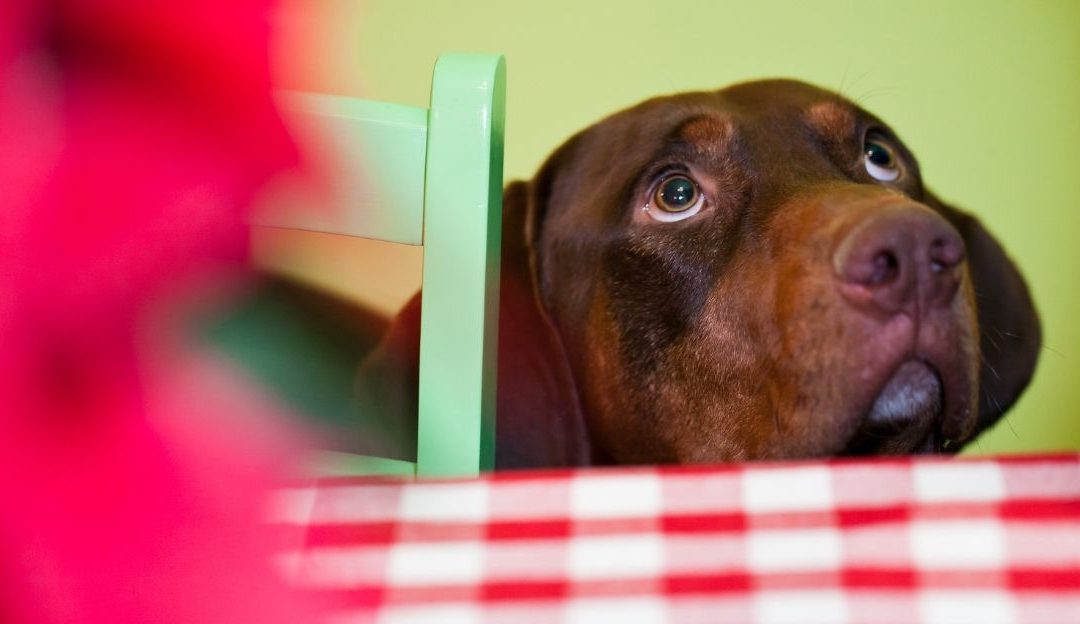
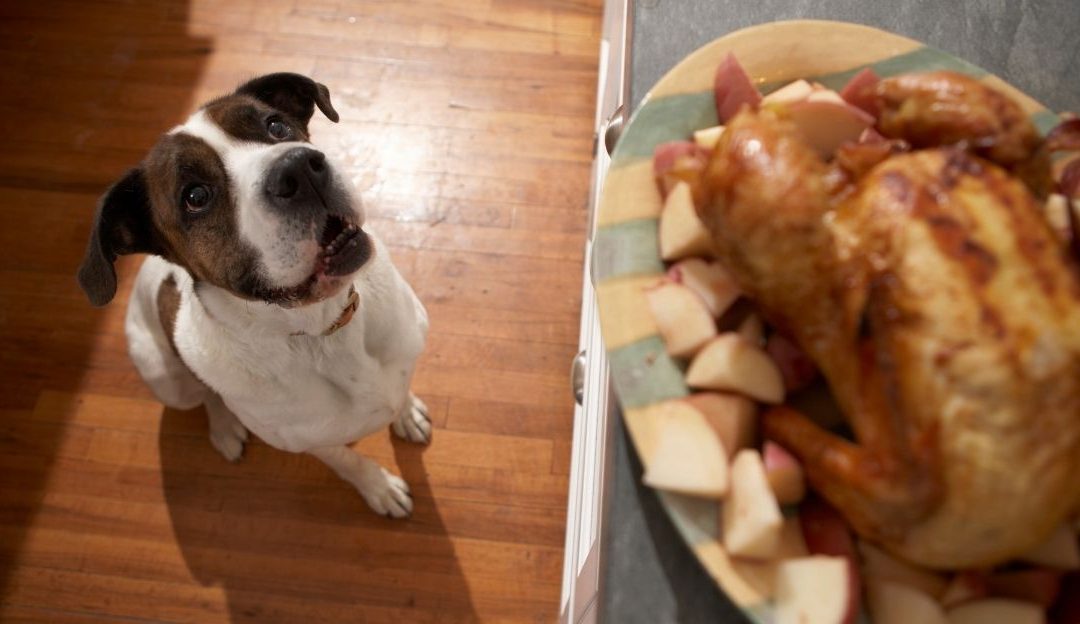
“My dog keeps begging while I am eating at the table.” “He looks at me with those eyes, I feel sorry for him.” “I gave him just a little.”
And that is exactly where the problem begins. Not in the dog, but in us. Feeding a dog out of pity is one of the most common ways we unintentionally damage our relationship with our pets.
How Feeding Out of Pity Creates a Problem
When feeding a dog regularly while you are eating, the dog does not learn to eat at its own time. Instead, the dog:
-
Learns that your presence is a condition for food.
-
Connects safety with you being there.
-
Loses structure in one of the most basic needs—nutrition.
The result is often not just a bad habit, but severe separation anxiety and the dog refusing meals when alone.
The Dog Does Not Understand Your Intention, Only the Context
You might think you are showing love, but the dog understands structure, rules, and consistency. When feeding a dog from the table or outside a routine, the dog interprets this as instability and an absence of leadership.
Urination is often a message of insecurity, not a health problem.
Why the Dog Refuses to Eat Its Own Meal
When it’s time for the dog’s actual meal, they are often already waiting for a “better option” because they know someone will give in. We often blame the dog for being “stubborn,” but in reality, we were the ones who said yes out of weakness.
Structure Is Not Coldness, Structure Is Safety
Structure means:
-
The dog eats at its own time.
-
The dog does not eat from the table.
-
The dog does not receive food just because it asks.
A dog that has structure feels safer and can stay alone more easily. They don’t constantly seek validation because they trust your leadership.
Why Feeding Out of Pity Can Be Fatal
Over time, inconsistent habits in feeding a dog lead to anxiety and a loss of trust. A dog you constantly give in to does not trust that you are capable of leading. And a dog without trust is a dog that suffers.
At Sasha Riess, we believe that true love is expressed through clear boundaries. Proper habits in feeding a dog are the foundation of pureloveandharmony. Establish your leadership and structure today: Linktree Sasha Riess
Sasha Riess Pure Love & Harmony Duo Pack The Complete Dog Coat Care System
The Dog Groomer’s Dilemma: Journey Trough Burnout, Belonging and Becoming
by Sasha Riess | 19.05.26. | Nutrition
Dog kibble has been presented for years as the safest and most practical form of nutrition. However, more owners are questioning what is really inside those pellets and the long-term impact on a dog’s health. Conflicting opinions—from it being a balanced diet to a dangerous industrial compromise—add to the confusion.
Dog Kibble: Industrial Food or a Compromise?
Modern lifestyles have pushed dog kibble to the forefront because it is easy to dose and has a long shelf life. Still, the real question is not whether a dog can survive on it, but whether a dog can truly be healthy on it.
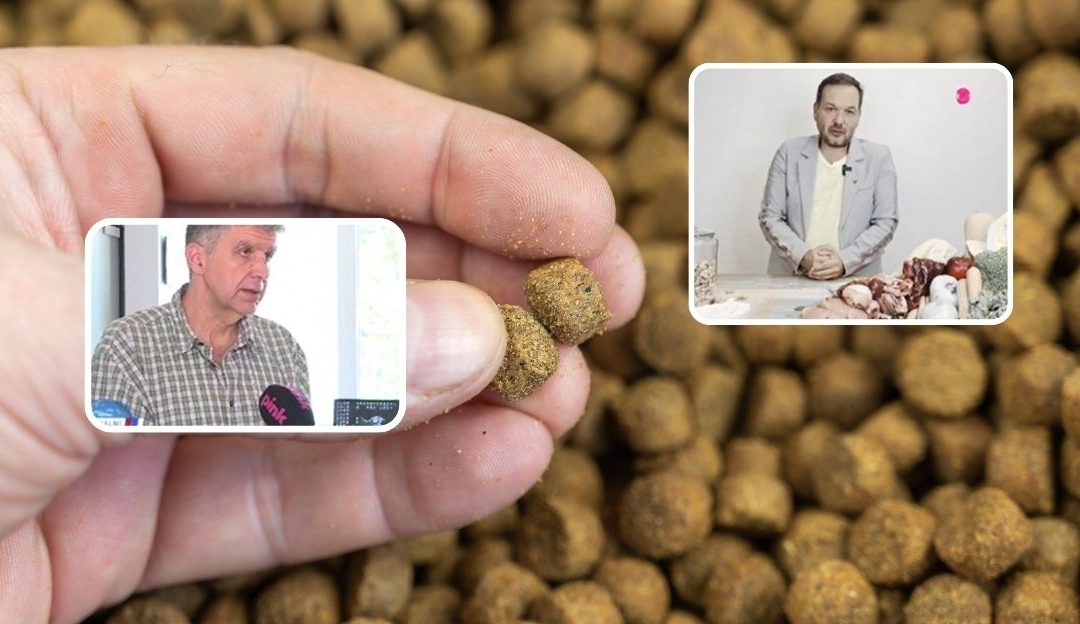
Sasha Riess: “Would You Eat a Pellet or a Drumstick?”
Sasha Riess openly speaks about the origin of industrial dog food, noting that over 22 million tons of animal by-products are processed annually.
-
Hidden Ingredients: Labels mention „animal by-products,“ which often include remains from farms, zoos, and the egg industry.
-
Additives: Sasha warns that dog kibble is full of preservatives, flavor enhancers, and artificial colors to make dehydrated food palatable.
-
Hydration Issues: These additives force dogs to drink excessive water, potentially burdening the digestive and urinary systems.
His conclusion is a simple analogy: “Ask yourself, would you eat a pellet or a drumstick?”
Veterinarian Vladimir Terzin: “Kibble Is a Balanced Diet”
On the other hand, veterinarian Vladimir Terzin believes dog kibble is a safe option.
-
Balance: He argues it contains necessary proteins, carbohydrates, fats, and trace elements.
-
Normalization: Terzin emphasizes that many ingredients are also present in human food and shouldn’t be demonized.
-
Practicality: For most owners, ready-made food remains an acceptable and convenient solution.
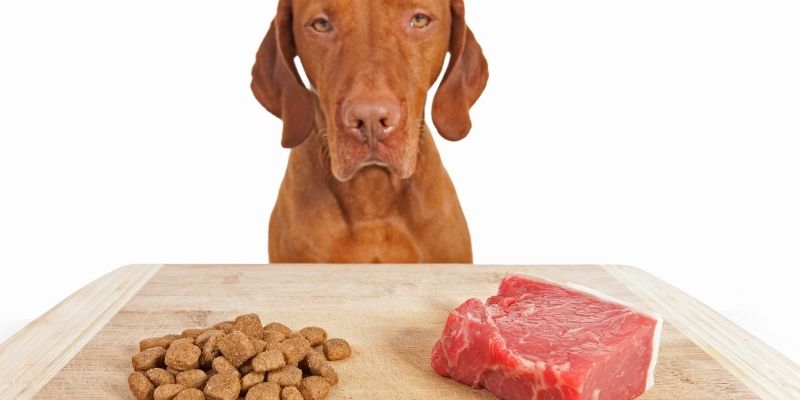
Dog kibble is the most common, yet most controversial, form of canine nutrition
Is Dog Kibble a Good Choice for Every Dog?
The truth is complex. While practical, dog kibble is not a universal solution. Some dogs develop allergies or chronic inflammation due to industrial ingredients. In such cases, nutrition must be individualized and adapted to the specific dog’s needs.
An Informed Decision Instead of Blind Trust
A dog cannot choose; the owner chooses on its behalf. Whether you decide on dog kibble, cooked food, or raw feeding, the key is to know what you are giving and how your dog responds. A dog’s health depends on the responsibility of the one who fills the bowl, not the marketing on the bag.
At Sasha Riess, we encourage owners to look beyond the label. Whether you use dog kibble or fresh food, the goal is always internal balance and pureloveandharmony. Discover more about our views on canine wellness: Linktree Sasha Riess
by Sasha Riess | 18.05.26. | Nutrition
Homemade dog treats can be the simplest and healthiest choice, but only if you know what you are doing. The real problem is often not the ingredients themselves, but the chemical processes and preservatives found in industrial products.
How to Make Homemade Dog Treats at Home
The process is simple and requires no special equipment. To ensure the highest quality:
-
Buy raw ingredients (like pig ears or chicken feet) from a trusted butcher.
-
Arrange them on a baking tray.
-
Dry them in an oven or dehydrator at 70°C overnight.
-
Let them cool and store them in glass jars.
Prepared this way, your homemade dog treats can last up to one month without any artificial preservatives.
Why Industrial Treats Are Not Harmless
There is very little discussion about what happens during the production of commercial treats. Nothing that lasts for years on a shelf is free of chemicals. Fatty raw materials naturally oxidize and become rancid, which is why industrial producers add strong preservatives to prevent spoilage. These additives can be far more harmful to your dog than not giving a treat at all.
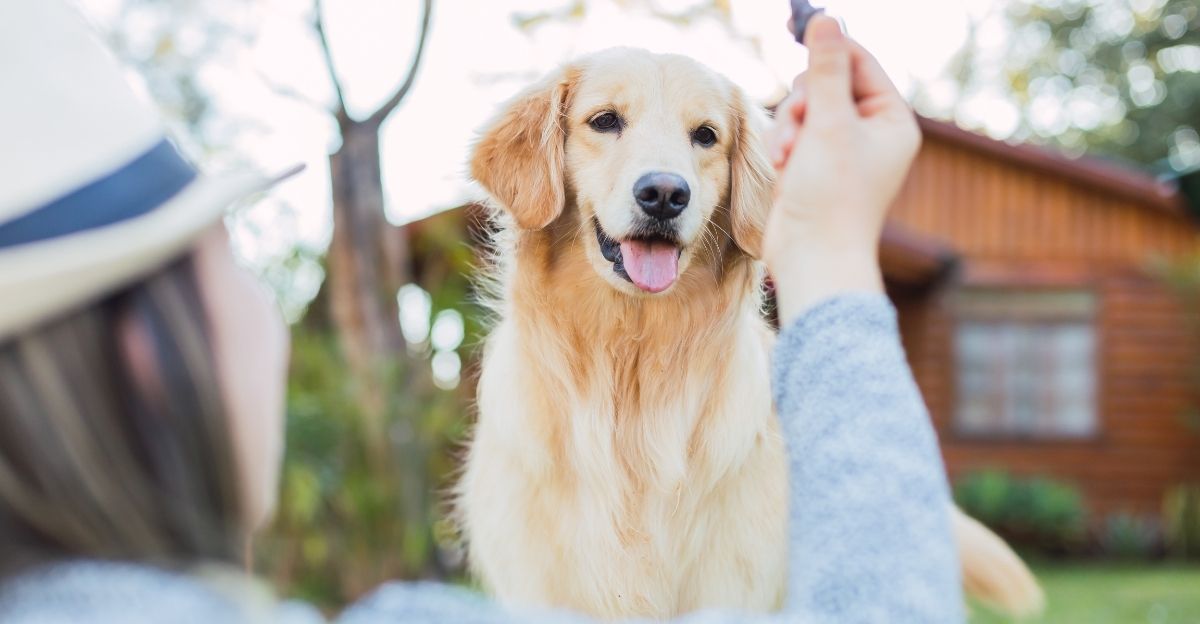
Homemade treats are dried without preservatives.
The „Do It Yourself“ Rule
Even labels like “organic” or “natural” don’t reveal the chemical processes a product has undergone. The rule is simple: If you cannot make it yourself, do not buy it. A dog will not suffer without treats, but they can suffer from what we give them out of ignorance.
Simple, Natural, and Without Compromise
Real homemade dog treats do not need to last forever. They need to be safe, fresh, and of clear origin. By choosing to make them yourself, you are controlling exactly what enters your dog’s system.
At Sasha Riess, we believe that purity is the highest form of care. Making homemade dog treats without chemicals is a vital part of maintaining your dog’s internal balance and achieving pureloveandharmony. Discover more about our natural approach:Linktree Sasha Riess
by Sasha Riess | 17.05.26. | Nutrition
Feeding dogs table scraps is a common mistake owners make with good intentions. However, leftovers from your meals are often full of salt, sugar, spices, and seasonings that are inappropriate and harmful for their sensitive systems.
How to Prepare a Healthy Meal for Your Dog
The point is not to forbid giving food to your dog, but to prepare a separate meal using the same basic ingredients you use for yourself. Instead of feeding dogs table scraps, prepare food from fresh vegetables and fruits that are part of your own cooking process.
This does not mean the dog eats your leftovers. It means that from the same fresh and healthy ingredients, a meal is intentionally prepared for the dog—without the harmful additives of a finished human dish.
[Image showing fresh vegetables being prepared separately for a dog]
The „Human Grade“ Standard
A simple rule to follow: if you do not eat kale or beets yourself, do not buy them specifically for your dog either. A dog should not eat what you would not eat yourself. By following this standard, you ensure the quality of their nutrition matches your own.
Why This Matters for Long-Term Health
Proper feeding protects your dog’s health and gut microbiome, prevents digestive issues, and helps the dog develop a healthy relationship with food. Avoiding the habit of feeding dogs table scraps supports:
-
Stable growth and energy levels.
-
A healthy digestive system.
-
Overall well-being and longevity.
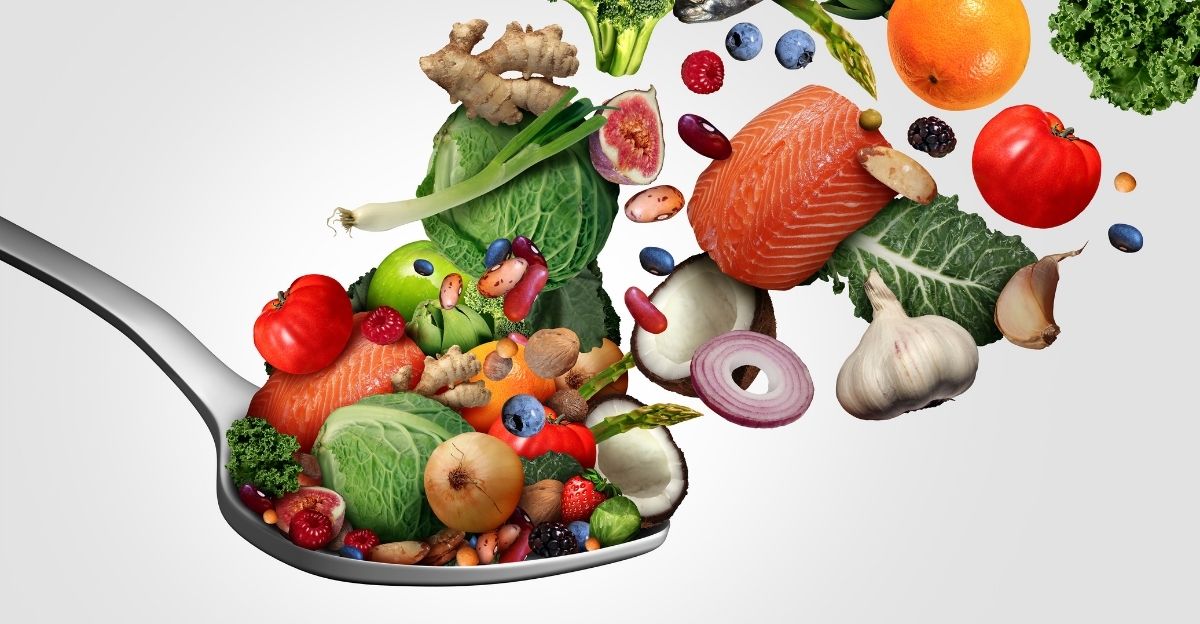
Proper dog nutrition is the key to health and energy.
Conclusion: Love Shown Through Nutrition
Do not engage in feeding dogs table scraps. Prepare meals for them from the same high-quality ingredients you use, but adapted to their specific needs. This is how love is shown in the right way, ensuring your dog’s health is preserved through every bite.
At Sasha Riess, we believe that nutrition is the foundation of balance. By moving away from feeding dogs table scraps and toward intentional, fresh meals, you are nurturing a state of pureloveandharmony. Discover more about our holistic approach: Linktree Sasha Riess
by Sasha Riess | 11.05.26. | Behaviour, Nutrition
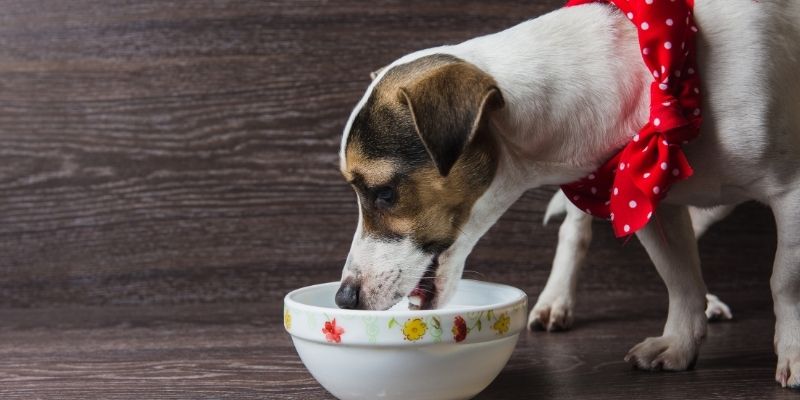
Many dog owners get confused when their dog suddenly refuses to eat from the bowl. They often assume their dog isn’t hungry or that something’s wrong, but in my experience, the reason is usually much simpler. To understand why your dog won’t eat from their bowl, we must look at both the physical environment and the emotional ritual.
Fear of Sound and Material
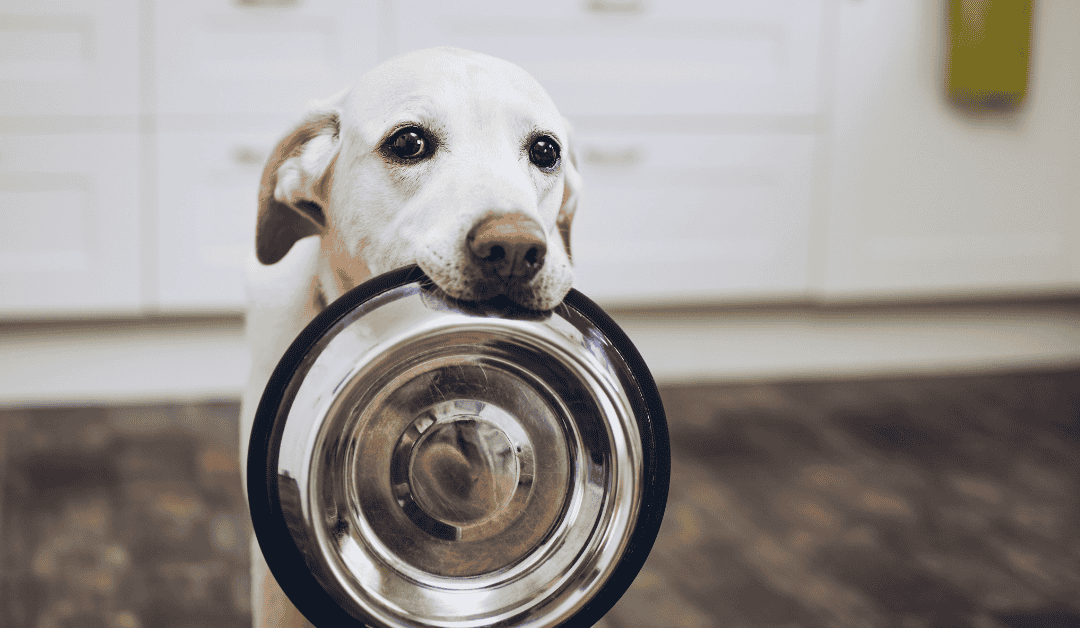
I’ve seen dogs refuse to even approach their bowl. The most common reason is fear of sound—especially if the bowl is metal and rattles when moved. The first thing to try is switching to a different type of bowl. Plastic or ceramic ones are quieter and feel safer to most dogs.
Note: Always use plain white ceramic bowls without colors or patterns.
The Feeding Ritual Is Key
What completely changed my approach to feeding was the ritual itself. A dog must understand that food comes from you—the natural leader of the pack.
I would prepare something simple for myself: a slice of apple, a piece of bread, or a small bite of chocolate (for me, of course—never for the dog). When I take the first bite, the dog senses the smell, sees the start of the meal, and instinctively understands that it’s feeding time. After that, I place the dog’s food down. The dog perceives it as me offering what’s left of my own meal—a natural process in the canine world.
Consistency Builds Confidence
If a dog refuses food, I remove the bowl immediately. There’s no pleading, no “just one more bite,” and no offering something else instead. I decide when, what, and how much my dog eats. Dogs learn this quickly because they recognize feeding rhythm as part of the pack hierarchy. Patience before feeding is part of the ritual through which the dog accepts the owner’s authority.
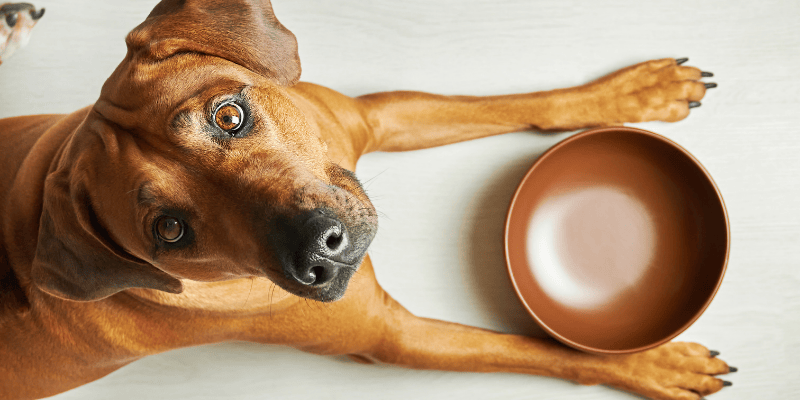
Patience before feeding is part of the ritual through which the dog accepts the owner’s authority.
My Message to Dog Owners
If you are wondering why your dog won’t eat from their bowl, don’t worry right away—the reason is often simple and easy to fix.
-
Change the bowl to plain white ceramic.
-
Create a calm feeding ritual where you eat first.
-
Stay consistent with the timing and removal of food.
Dogs love structure and routine. When they feel that you’re the one leading the process, they’ll soon eat confidently and peacefully from their bowl.
At Sasha Riess, we believe that every detail, from the color of the bowl to the ritual of the first bite, communicates safety and leadership. Understanding why your dog won’t eat from their bowl allows you to restore order and trust, bringing your relationship into a state of pureloveandharmony. Discover more: Linktree Sasha Riess