by Sasha Riess | 28.06.26. | Wellbeing
Dogs today are confined. Walls surround them on all four sides. These walls are five meters high instead of a horizon without limits. There is no longer open space, no breadth. There is only a tree by the fence. We clean that area and we leave them there. But that space is actually a wall.
The sensory intelligence of dogs once served to navigate through endless nature. Today, the box of modern life traps this brilliant system.
Hearing and Vision: Noise We Do Not Hear
A dog’s eyes once perceived the world far more sharply than human eyes. Almost nothing escaped their awareness. Today, modern life overloads these sensory systems. The sounds dogs hear are the same background noises that you notice only when you replay a recording. You did not perceive the subtle hum while recording, but it remained captured on the track. That hum constantly strikes your dog’s ears.
Their hearing is far more sophisticated than ours. What is silence to us is continuous noise to them. This constant stimulation heavily burdens their sensory intelligence.
Scented Candles: A Smell That Destroys the Microbiome
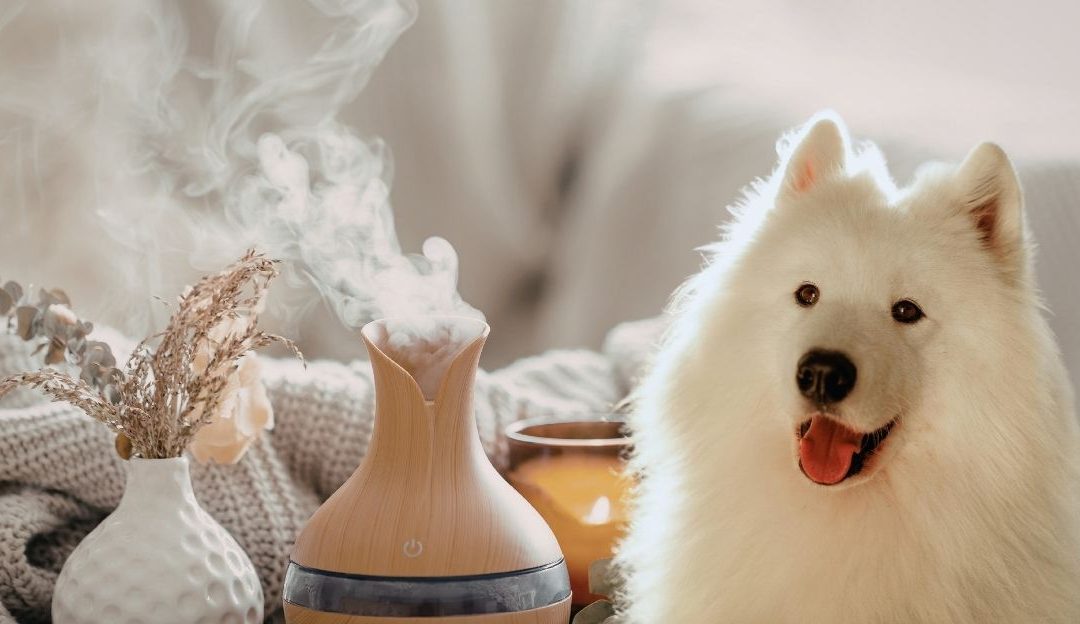
When you light a scented candle or use artificial air fresheners to make your home smell pleasant, you are actually doing something harmful. For a dog, the sense of smell forms the foundation of its being. Therefore, these artificial scents are toxic to them. With these smells, you are in effect placing the house into a state of decay. These scents actually destroy the dog’s microbiome.
The walls of the modern home are often a cage for the dog’s sensory intelligence.
Chemical perfumes and constant electronic noise run completely counter to the natural sensory intelligence of dogs. Every time you artificially modify the smell of your home, you directly affect your dog’s internal ecosystem. Understanding these invisible factors is essential for preserving the health and longevity of our four legged companions.
At Sasha Riess, we look beyond the visible symptoms to protect the delicate, natural filters of our animals. Shielding your home from chemical overload and acoustic stress allows their true nature to rest in pureloveandharmony. Create a true sensory sanctuary for your pack: Linktree Sasha Riess
👉 Follow our Facebook page and never miss our latest articles, news, and updates.
by Sasha Riess | 24.06.26. | Wellbeing
A dog’s skin health is not just a cosmetic issue. It is a direct reflection of internal balance, which is intrinsically linked to the function of the anal glands. When you face persistent itching, hair loss, or allergies, the solution does not lie in suppressing symptoms, but in strengthening the body at its root. Holistic dog care means supporting the microbiome, providing proper protection during walks, and using gentle yet powerful natural remedies to maintain internal equilibrium.
Microbiome: The Foundation of Immunity
Everything begins in the gut. Probiotic bacteria are the first line of defense in your dog’s body. If the microbiome is disrupted by poor nutrition, especially a diet based only on kibble, or by stress, the skin and the proper emptying of the anal glands are often the first to suffer. To understand how these bacteria support your dog’s health, you can explore more about probiotic function and its role in the body.
For those who want to take control themselves, natural probiotics can be prepared at home. If you are looking for a more structured solution, targeted probiotic support can help restore balance, alleviate pressure on the anal glands, and strengthen the entire system.
Homeopathic Protocol for Skin Conditions
Homeopathy offers a gentle path to healing without aggressive chemicals. For skin problems, histamine reactions, and inflammatory processes linked to internal blockages, the following remedies are commonly used:
-
Calcarea Carbonica
-
Hepar Sulphuris
-
Silicea
-
Causticum
Protocol of Use (total 10 days):
All remedies should be obtained from a local homeopathic association in potency 9C.
-
First 3 days: One pellet or one drop every 3 to 6 hours, depending on the severity of the condition.
-
Next 7 days: One pellet or one drop per day.
At Sasha Riess, we approach canine health as a unified ecosystem where gut immunity, glandular health, and skin vitality are deeply intertwined. Embracing a clean, natural lifestyle heals your companion from the inside out, establishing a foundation of pureloveandharmony. Restore your dog’s natural balance: Linktree Sasha Riess
by Sasha Riess | 23.06.26. | Wellbeing
Paw care is a holistic process that includes several key aspects, not just aesthetic cleaning. Paws are the foundation of movement, and improper care can have far reaching consequences for the overall health of the body. To preserve your dog’s functionality and strength, it is important to understand the biomechanical model that begins with contact with the ground.
Avoid Softening the Paw Pads
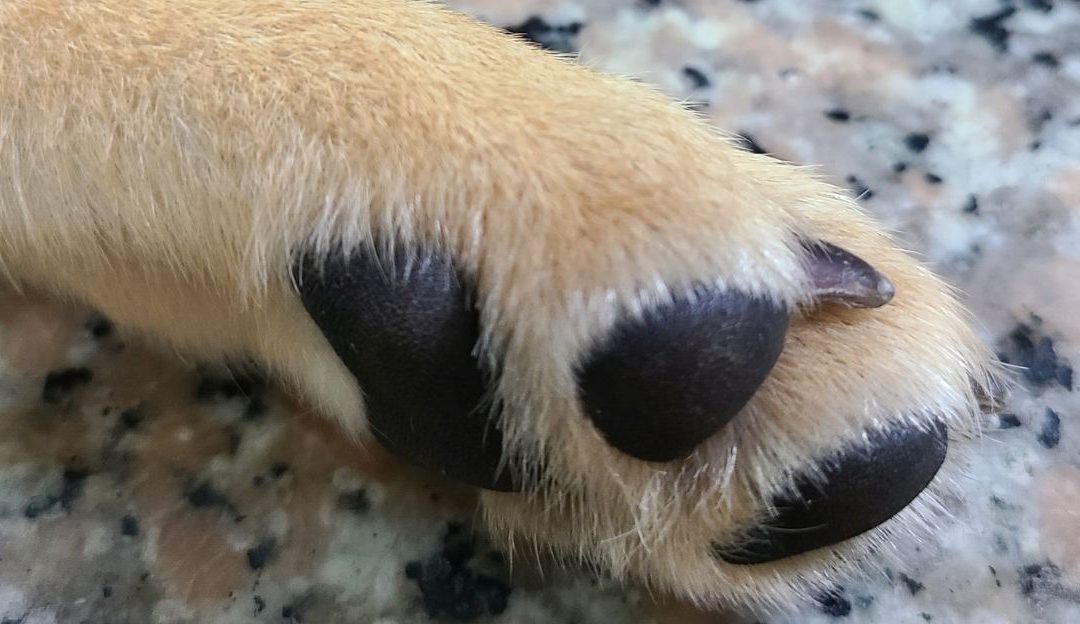
The first and most common mistake is excessive application of creams and ointments on the paw pads. It is best not to apply anything unless absolutely necessary. The goal is for the pads to remain firm and resilient.
If they become too soft, they also become significantly more sensitive, which makes the dog more prone to injuries and infections. Nature designed paw pads to be tough and durable. Our role is not to weaken that barrier; instead, proper paw care means respecting this natural protection.
Hygiene Between the Toes
What does require attention is the hair between the paw pads. This hair should be regularly brushed and trimmed to prevent matting and the formation of knots that can cause discomfort.
You can do this yourself or with a groomer, but consistency is key, especially in dogs and cats whose hair in this area grows and tangles quickly. For maintaining cleanliness, the healthiest option is a simple combination of water and a cloth.
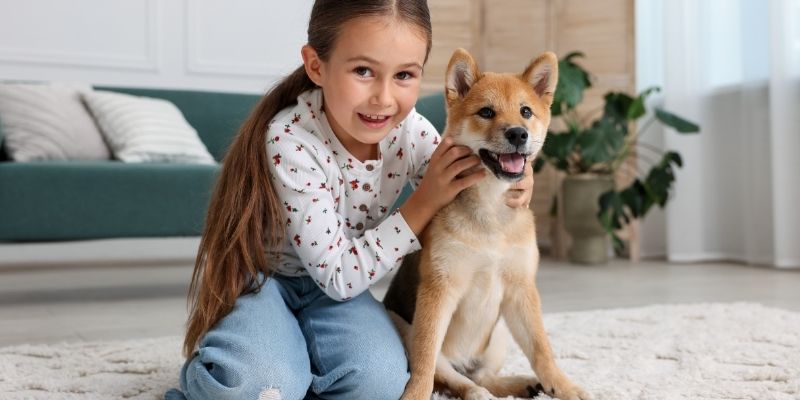
Short nails protect the joints and prevent false hip dysplasia.
The Danger of Long Nails: False Dysplasia
Regularly maintaining short nails is not just a cosmetic matter. Long nails directly disrupt the dog’s biomechanical model. They change the angle at which the paw contacts the ground, leading to improper weight distribution.
This puts strain on the joints and can lead to the development of so called “false dysplasia” and serious orthopedic problems. Holistic paw care, therefore, is direct prevention of injuries to the spine and hips.
At Sasha Riess, we view your dog’s paws as the ultimate foundation of their structural health. Protecting the natural firmness of their pads and keeping nails short is the first step toward long-term skeletal balance and pureloveandharmony. Keep your dog grounded in health: Linktree Sasha Riess
by Sasha Riess | 22.06.26. | Wellbeing
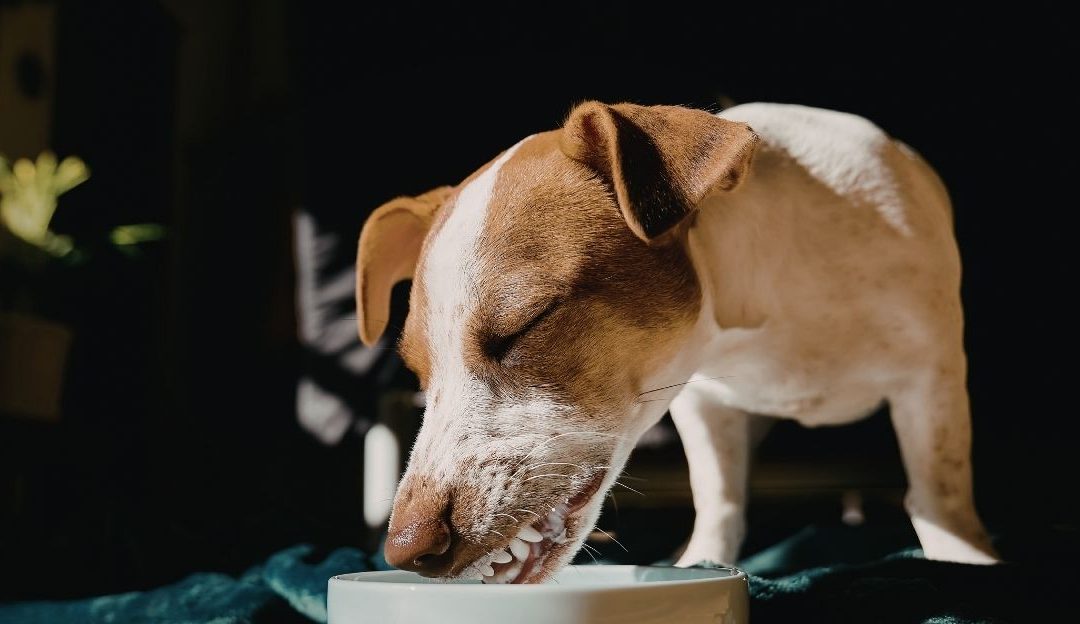
Surviving parvovirus is a major victory, but it is only the first step. Statistics show that dogs who survive the first 48 to 72 hours have a 90% chance of recovery, but the impact the virus leaves on the body is significant. Effective post parvo care requires time, patience, and above all, a change in nutritional approach.
The greatest enemy in this phase is dehydration, which does not affect only the organs, but almost completely depletes the muscular system, since muscle cells are primarily composed of water. Proper hydration is the foundation of any successful recovery strategy.
Holistic Canine Recovery: Muscles and Immunity After Parvovirus
During recovery, the dog gradually returns to its feet, but the body remains weakened by aggressive therapies, antibiotics, and vitamin protocols. To “wake up” the organism from within, it is necessary to restore what has been lost. This is where dedicated post parvo care becomes essential.
A holistic approach focuses on rebuilding immunity and muscle mass through natural sources. The goal is to awaken the body from within and return it to a state of full vitality.
Essential Post Parvo Care: Eliminate Kibble to Prevent Further Dehydration
One of the most important messages for owners of dogs recovering from parvo is this: eliminate kibble.
Kibble is a major source of dehydration because it draws water from the body in order to be processed in the stomach. For a dog whose muscles have already been compromised by the virus, dehydrated food becomes an additional burden that slows recovery and complicates long-term post parvo care.
The body needs hydration through fresh, living food, not additional strain from processing dry, industrial products.
The goal is not only for the dog to survive, but to continue living fully. With proper restoration of the body, it is possible to return the dog to a state of vitality it had before the illness, and sometimes even beyond that.
At Sasha Riess, we understand that true healing begins from within, through uncompromised purity and dedication. Supporting your dog’s delicate system through recovery is an act of pureloveandharmony. Take complete charge of your pet’s path to true vitality: Linktree Sasha Riess
by Sasha Riess | 19.06.26. | Wellbeing
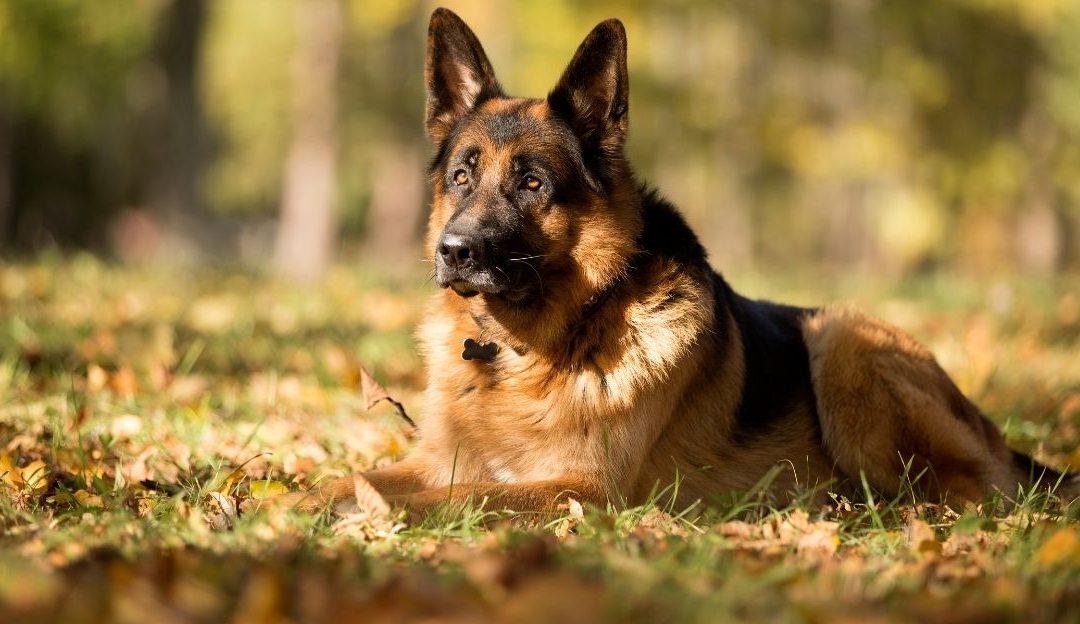
A man named Marko, who recently became the owner of a young German Shepherd, sent me a question about a health issue known as hip dysplasia, or simply HD. As he explained, he had read extensively about the breed in order to understand it better, and learned that this hip problem sometimes occurs in German Shepherds, as well as in large breeds in general. Although the issue is usually genetic, it can also be encouraged by inadequate living conditions and nutrition, so Marko wanted to know what deserves special attention.
The German Shepherd and the Dark Fate of Eugenics
When it comes to the German Shepherd, we clearly see the dark consequences of eugenics and human interference with nature. In the process of creating the “perfect breed,” humans confront natural laws so that the newly shaped body can perform a task flawlessly for human benefit, regardless of how much the dog may suffer or endure pain in the process.
Lowering the hindquarters or creating that pronounced arch in the spine increases the drive of the rear legs. This enhances the speed required of the German Shepherd as a working breed, enabling it to generate the force needed to subdue a person weighing, for example, 100 kilograms. As a result, the dog’s center of gravity shifts from the front limbs to the hind legs, placing excessive strain on the hips, which are not designed to bear such load. In this way, the process that leads to hip dysplasia begins through chronic overburdening of the hip joints. The entire biomechanical model of a dog assumes that its weight should primarily rest on the front paws, not on the pelvis.
Causes of Dysplasia and the Biomechanical Model
A disrupted center of balance can contribute to the development of what is sometimes called “functional” hip dysplasia. Another possible factor is overly long nails on the front paws, which push the paw backward. When nails grow too long, the paw rests on the rear pads, the toes lift, and the center of gravity shifts once again toward the hips. The socket and joint structures then suffer under a load they were never designed to carry.
What should be considered when purchasing a German Shepherd is choosing the most natural looking dog possible, ideally one with a straighter back, since a straight back is a reliable sign that the body’s weight is properly distributed toward the front limbs. When the fundamental biomechanical model is disrupted, contraindicated traits emerge, because nature always strives for balance. The collection of moderate features in each body part creates the conceptual beauty of the whole.
The Future of the Breed and Owner Responsibility
Anyone who chooses to own a German Shepherd today must be prepared for potential hip problems as the dog ages. The issue lies in the fact that the breed was shaped for specific performances that many dogs no longer carry out. The working value of the German Shepherd is steadily declining, yet we expect the physical form alone to remain sustainable, which is impossible.
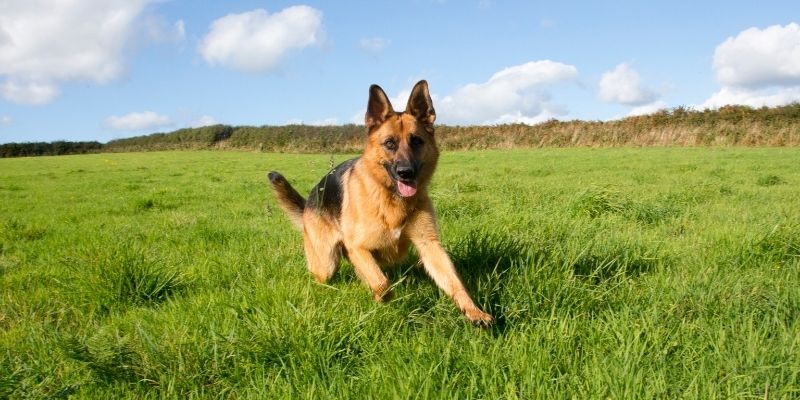
Back to nature: A straight back and correct center of gravity are the only way to a healthy and mobile dog.
A dog’s physical structure arises from the essence of its function. We should choose dogs of balanced build with straighter backs, although such dogs are becoming increasingly difficult to find. Everything else is the result of eugenics and the elevation of breed above species, a price that must eventually be paid. It is difficult to say how humanity will repay what it has done to the German Shepherd, and to many other breeds as well.
At Sasha Riess, we look beyond artificial breed standards to protect the natural biology of your dog. True canine wellness means restoring structural balance and a proper center of gravity, allowing your German Shepherd to live in movement, comfort, and pure biological pureloveandharmony. Support your dog’s ancestral health:Linktree Sasha Riess
by Sasha Riess | 17.06.26. | Wellbeing
Today, a dog owner wrote to me about a passive problem of uncontrolled “leakage” in dogs. Why does this happen? Is the cause the weakening of the bladder wall and glands due to a lack of estrogen? This is a serious condition in which a dog, while sleeping, is often not even aware of what is happening and urinates on itself because it cannot control it.
Hormonal Imbalance and the Bladder Wall
The problem often lies in the deficiency of vital hormones. Estrogen in dogs, just like testosterone and other related hormones, plays a crucial role in maintaining muscle tone and the strength of the bladder wall. When the levels of these hormones drop, the bladder walls weaken, which leads to passive incontinence.
Unfortunately, owners often encounter a lack of response or adequate therapy. There are also extreme approaches, such as estrogen injections, used in an attempt to compensate for what the body has lost. This is an effort to restore the vital balance that has been disrupted.
Risks and Consequences of Hormone Deficiency
Beyond incontinence itself, the lack of these important hormones can open the door to other health risks, including various cancers. Hormones such as estrogen in dogs and testosterone are not only “sex” hormones; they are vital regulators of the overall health of the body.
When these hormones are lacking, a dog becomes more vulnerable to diseases that arise from this fundamental imbalance. Understanding the connection between hormonal status and physiological functions such as bladder control is the first step in providing help to a pet suffering from this passive yet frustrating condition.
At Sasha Riess, we recognize that structural wellness and hormonal balance go hand in hand. Addressing a deficiency in estrogen in dogs requires a deep understanding of cellular health, guiding your pet back to a life of true pureloveandharmony. Restore their inner vitality: Linktree Sasha Riess