by Sasha Riess | 04.06.26. | Wellbeing
The Paradox of Veterinary Ethics: Love vs. The System
It is not always a question of who a person is. Often, it is a question of the system they are forced to function within. You can sincerely love animals and still find yourself in a role that contradicts that love. This is the fate of many who study veterinary ethics or related sciences: to receive a diploma, they must learn systems of breeding where the focus is placed exclusively on public health rather than on the emotional world of animals.
The Animal as a Production Machine
In the modern context, veterinarians are often placed in service of designing systems in which animals are treated as objects.
The goal is to prevent disease transmission for human safety, while ignoring the subtle, familial, and emotional nature of beings.
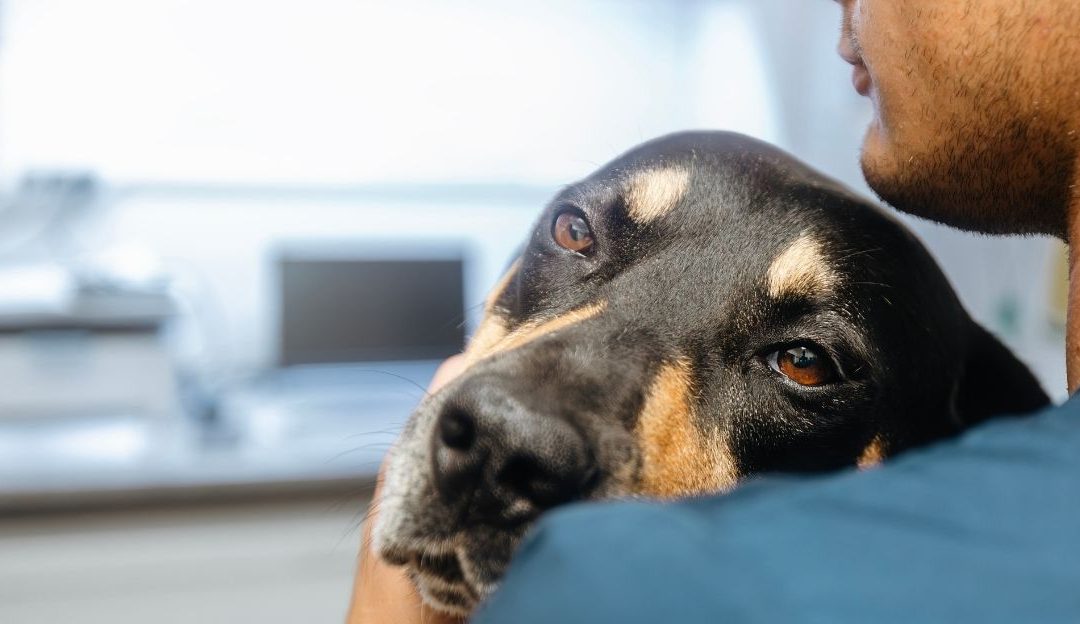
This paradox creates a profound inner conflict in anyone who entered the profession out of love, highlighting a core struggle in veterinary ethics.
How to Maintain Empathy within Veterinary Ethics
It is easy to judge from the outside, but it is important to understand how difficult it is to protect yourself from a system while living inside it. Education often places biosecurity above empathy, challenging the very foundation of veterinary ethics.
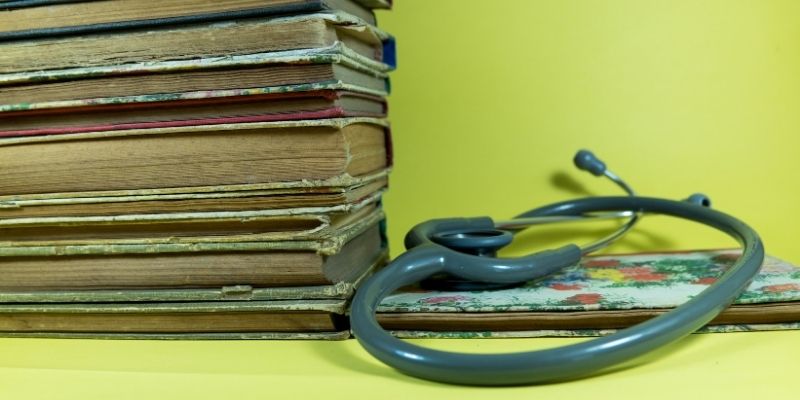
Preserving oneself lies in constant questioning of the system.
The key to preserving oneself lies in constant questioning. We must not allow the system to shape us so completely that we stop seeing the emotional world of animals behind protocols and signatures. Only through awareness can we remain a bridge toward what animals truly need: recognition of their existence beyond the function they serve.
The true measure of veterinary ethics is found in the moments when we choose to act from the heart, even when the system demands cold logic. By acknowledging that animals have a complex emotional life, we transform from mere technicians into true guardians of life. This shift is what allows us to bridge the gap between human safety and animal well-being, ensuring that empathy remains at the core of our professional path
At Sasha Riess, we believe that true veterinary ethics starts with seeing the animal behind the protocol. Our mission is to move beyond the machine and return to a state of pureloveandharmony. Stay connected to the truth: Linktree Sasha Riess
by Sasha Riess | 04.06.26. | Wellbeing
In the world of dogs, defecation is not just a physiological need; it is an act of marking territory. On the left and right sides of the anal opening are anal glands that secrete a specific fluid. When the stool has the proper firmness, it applies pressure as it passes, releasing this secretion and leaving a unique scent signature on the feces.
The problem arises when this natural mechanism fails.
How Food Solves the Problem of Blockage
The secretion inside the glands must remain fluid in order to be released easily.
However, if the dog does not have firm and compact stool, the necessary pressure on the anal glands is missing. The secretion stays inside, thickens, and leads to blockage.
The solution is not constant manual expression, but proper nutrition. One fresh, raw bone per week can be enough to improve stool firmness and allow the anal glands to empty naturally, on their own.
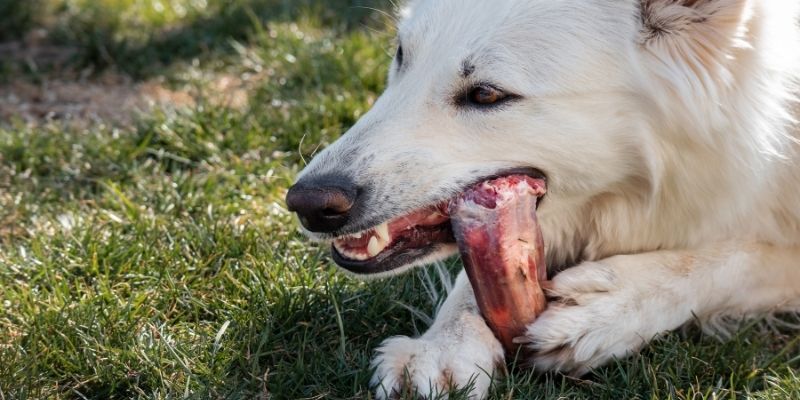
One raw bone per week supports the natural emptying of the glands.
Symptoms That “Shout”: The Glands Are Full
How can you recognize that your dog has a problem with its anal glands? Pay attention to these signs:
-
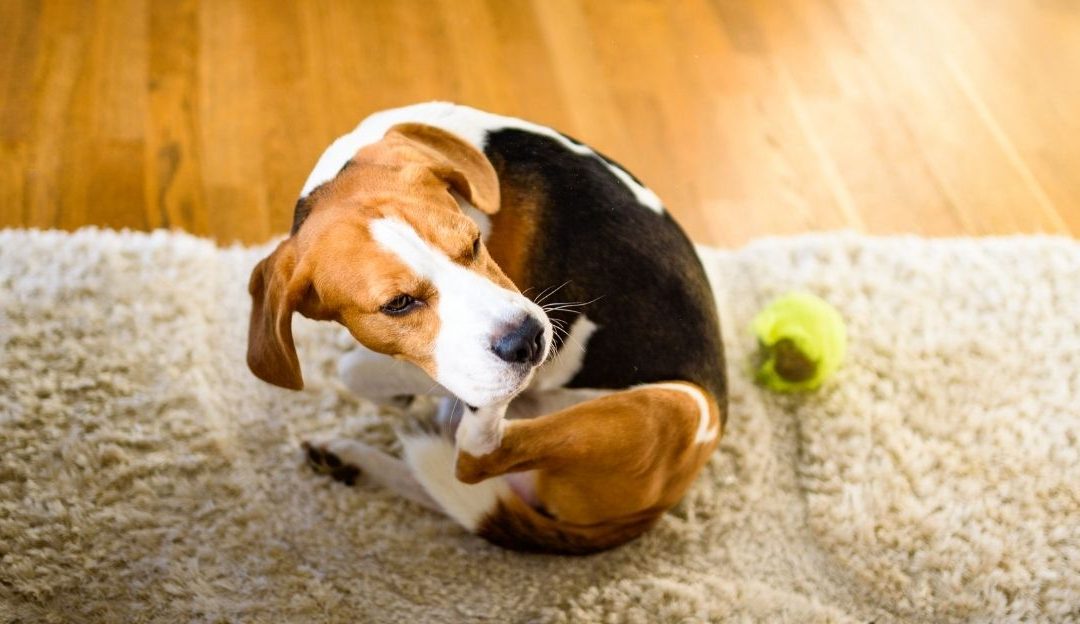
Scooting: The dog drags its rear on the ground to relieve pressure.
-
Hair loss: Intense scratching and hair loss around the base of the tail and lower back.
-
Physical changes: Swelling or redness around the sides of the anal opening, often accompanied by visible discomfort or agitation.
If you notice your dog constantly scratching the rear area or losing hair in that region, do not wait. The anal glands should first be manually expressed by a veterinarian or groomer, followed by an immediate adjustment in diet. Compact stool is the only way for this system to function as nature intended.
At Sasha Riess, we believe in addressing the cause, not just the symptom. Supporting the natural function of anal glands through proper biology is essential for pureloveandharmony. Keep the system moving: Linktree Sasha Riess
by Sasha Riess | 28.05.26. | Wellbeing
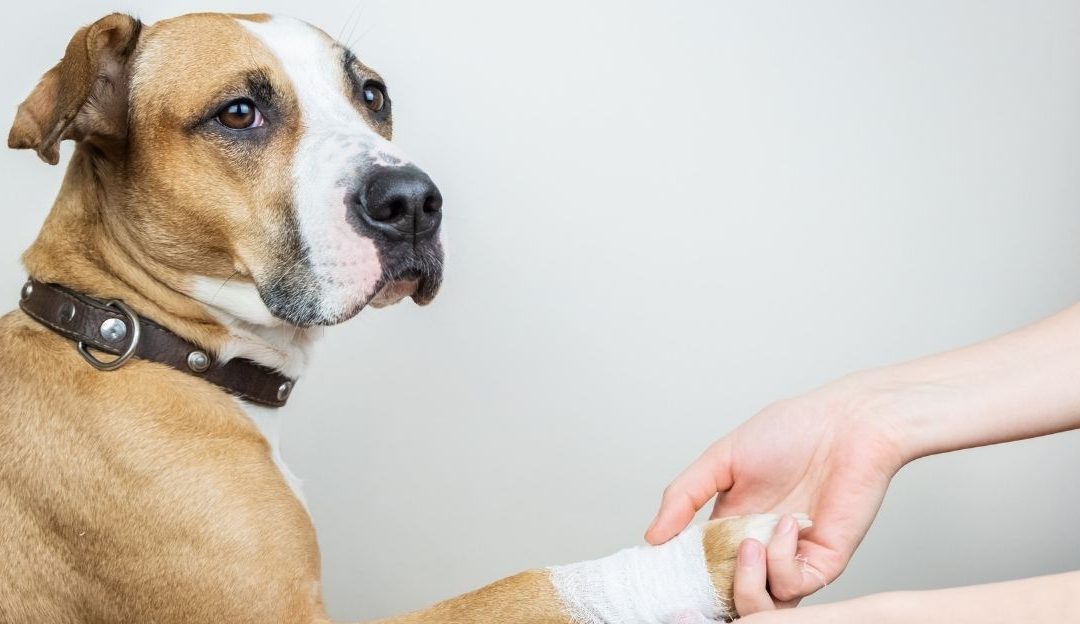
A cut paw in dogs, especially on the pads, often worries owners because it may seem like the wound is not healing. Although it can appear that the skin is not regenerating, in most cases, it is a slow but natural healing process.
Why a Cut Paw in Dogs Heals Slowly
The skin on paw pads is unique. It has no fur and regenerates layer by layer from within. That is why a cut paw in dogs may look open or uneven even while regeneration is already taking place beneath the surface.
Can the Skin on the Paw Pad Grow Back?
The pad does not heal by closing from the top, but by rebuilding from the inside. During this process:
-
The old layer gradually sheds.
-
New layers of skin form underneath.
-
The surface evens out over time.
What to Do if a Piece of Skin Is Hanging
If a piece of skin hangs or catches on surfaces, the goal is to achieve a flat and stable surface. It is vital to protect the paw from pressure and prevent additional tearing, but never cut randomly without professional advice.
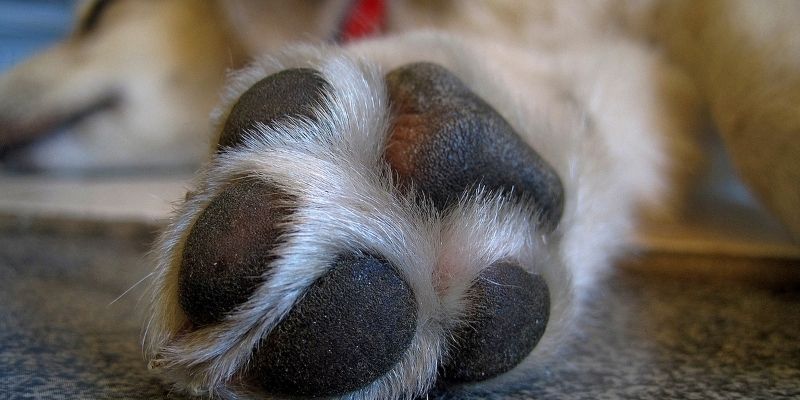
The unique, layered structure of the paw pad is built for natural strength and regeneration.
Bandaging and Protection
A cut paw in dogs can be temporarily protected with a bandage to reduce mechanical strain, especially if the dog is calm or the paw constantly contacts the ground. The purpose is to allow the skin to regenerate naturally.
When to Consult a Veterinarian
Consult a professional if the wound is bleeding, if there is swelling or infection, if the dog is limping, or if there is no progress for an extended period.
Patience Is Key
A cut paw in dogs must heal at its own pace. Providing rest and protection is the most important thing you can do to support this gradual process.
At Sasha Riess, we respect the biological rhythm of healing. Supporting a cut paw in dogs with patience and protection is a path to pureloveandharmony. Trust the process:Linktree Sasha Riess
Awakening With Dogs : Exploring the Profound Connection Between Dogs and Humans: Love, Resonance, and Healing
by Sasha Riess | 24.05.26. | Wellbeing
Homeopathy for bone and collagen problems in dogs is increasingly used as complementary support for joint pain, weak bones, injuries, and degenerative conditions. Properly selected homeopathic remedies can help cartilage regeneration, reduce inflammation, and improve collagen absorption, without the side effects often seen in long-term conventional therapies.
In dogs with osteoarthritis, hip dysplasia, slow bone healing, or reduced mobility, homeopathy is applied individually according to symptoms, age, and general condition of the body.
How Homeopathy Affects Bones, Joints, and Collagen
Homeopathic remedies do not act symptomatically in the classical sense. Instead, they stimulate the natural recovery processes of the body. The goal is:
-
Support of cartilage regeneration.
-
Reduction of inflammation and pain.
-
Strengthening of ligaments, tendons, and bones.
-
Slowing of degenerative processes.
Main Homeopathic Remedies for Bones and Collagen
Symphytum Officinale (30C or 200C)
Known as the „king of bone remedies,“ it supports fracture healing and cartilage regeneration. It is essential for osteoarthritis and hip dysplasia.
Calcarea Phosphorica (6X or 12X)
Supports growth and strengthening of the skeletal system. Suitable for young dogs with slow development or older dogs with bone degeneration.
Silicea (6X or 12X)
Strengthens connective tissue and supports slow recovery of ligaments, tendons, and bones.
Ruta Graveolens (30C or 200C)
Specifically for tendons, ligaments, and joints. Effective for sprains, stiffness, and strain.
Arnica Montana (30C or 200C)
First aid for pain and inflammation. Reduces swelling after injuries or surgery.
Remedies for Degenerative Conditions
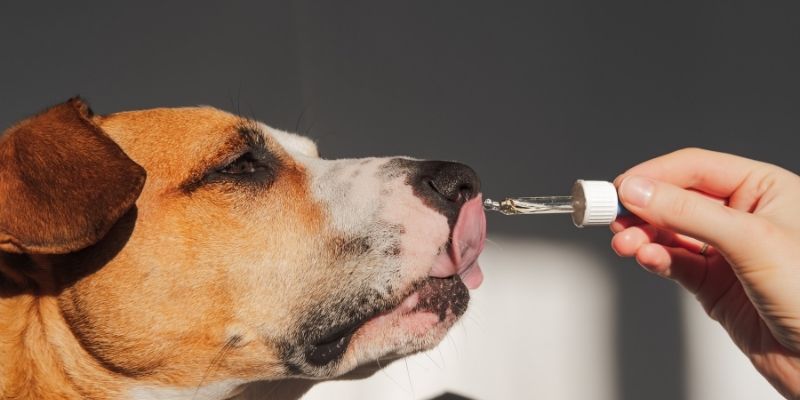
Dog bone health and mobility with natural support.
Remedy Selection According to Symptoms
| Symptom/Condition |
Recommended Remedy |
| Fractures & Osteoarthritis |
Symphytum Officinale |
| Weak or Brittle Bones |
Calcarea Phosphorica |
| Tendon & Ligament Inflammation |
Ruta Graveolens |
| Chronic Pain & Stiffness |
Arnica Montana |
| Bone Growths (Spurs) |
Hekla Lava |
| Weak Connective Tissue |
Silicea |
Method of Application and Important Rules
-
Do not touch globules with hands (use the cap or a plastic spoon).
-
Give directly into the mouth or dissolved in water.
-
Timing: 30 minutes before or after food.
-
Start with one remedy and observe the reaction for 7–14 days.
At Sasha Riess, we recognize that nature holds the keys to profound healing. Integrating homeopathy for bone and collagen problems in dogs into your routine is a step toward true pureloveandharmony. Restore your dog’s strength naturally: Linktree Sasha Riess
by Sasha Riess | 22.05.26. | Wellbeing
Vitamin C for dogs has a much more important role than most people realize. Although dogs can synthesize vitamin C on their own, there are situations in which this natural production is no longer sufficient. In those cases, supplementation becomes a powerful ally in preserving joint health, reducing inflammation, and easing chronic pain.
Why Is Vitamin C Important After Spaying or Neutering?
Spaying and neutering lead to a decrease in hormones like estrogen and testosterone, which are vital for protecting joints and supporting collagen production. This reduction can lead to increased inflammation and a higher risk of osteoarthritis.
Supplementing with vitamin C for dogs helps neutralize free radicals and protects the joints from accelerated degeneration caused by these hormonal shifts.
How Vitamin C Supports Joint Health
-
Collagen Production: Vitamin C is essential for synthesizing collagen, which builds ligaments, tendons, and cartilage. It stabilizes the joint structure, which is crucial for dogs with hip dysplasia or arthritis.
-
Reducing Inflammation and Pain: As a powerful antioxidant, it reduces swelling and stiffness, making it indispensable for senior dogs and those recovering from injuries.
Protocol for Using Vitamin C in Dogs With Joint Problems
Supplementation must be gradual to ensure optimal absorption and avoid digestive discomfort.
| Phase |
Duration |
Dosage (per kg of body weight) |
Purpose |
| Introductory |
7 Days |
20 mg daily |
Adaptation and preventing digestive upset. |
| Active |
15 Days |
Up to 100 mg daily |
Intensive support and regeneration. |
| Support |
7 Days |
20 mg daily |
Stabilizing results and transition. |
| Maintenance |
Long-term |
8 mg daily |
Long-term collagen and joint protection. |
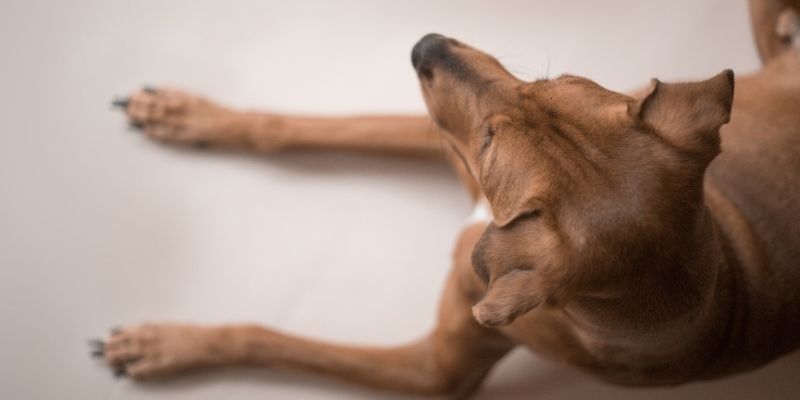
Vitamin C supports collagen production and connective tissue regeneration in dogs.
The Active Phase Detail
-
First 2 days: 50 mg per kg.
-
Gradual Increase: Add 10–15 mg per kg every two days until reaching the target dose of 100 mg per kg.
-
This phase provides the strongest anti-inflammatory effect.
Note: Dogs with gastritis must not receive vitamin C.
At Sasha Riess, we believe that proactive care is the foundation of longevity. Integrating vitamin C for dogs into a structured health plan is a strategic move toward pureloveandharmony. Ensure your dog moves with ease: Linktree Sasha Riess
The Dog Groomer’s Letter of the Month Club with Sasha Riess
by Sasha Riess | 20.05.26. | Wellbeing
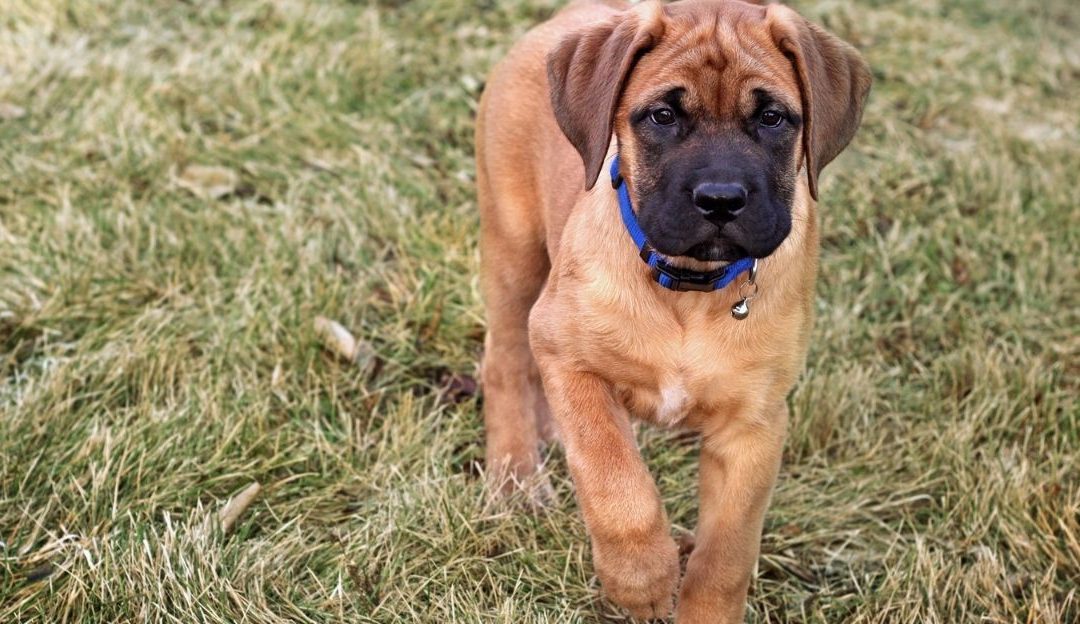
Dog owners often become alarmed when they see changes on an X-ray that resemble hip dysplasia, especially if the dog is only 7 to 8 months old. Although the image may look like dysplasia, at this age, it is not possible to speak with certainty about a final diagnosis.
Development, Not Disease
An 8-month-old dog is still in an intensive phase of growth and development. Bones, joints, ligaments, and muscles do not develop at the same pace, which can create a temporary appearance of instability.
During this period:
On an X-ray, these developmental shifts can resemble hip dysplasia, but without considering the dog’s age, the image can be easily misinterpreted.
What Is the Real Issue at 8 Months?
Instead of labeling it as hip dysplasia, it is more important to consider:
-
Growth Rate & Nutrition: How fast is the skeleton maturing?
-
Joint Load: Are stairs, slippery floors, or jumping putting too much pressure on a developing system?
-
Hormonal Status: Puberty affects ligament laxity.
Very often, this is simply a growth imbalance where the body seems to “fall apart” only to later reorganize into a stable structure.
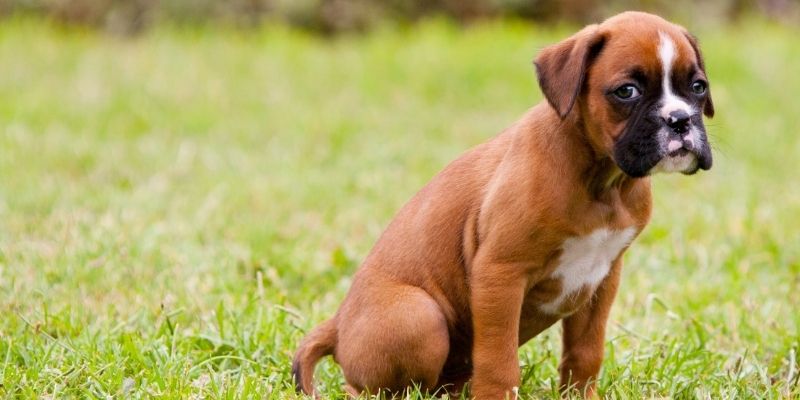
A dog’s development is not linear and goes through phases of growth imbalance.
Why It Is Important to Look at the Bigger Picture
A dog’s development is never linear. A permanent diagnosis of hip dysplasia is confirmed only after growth is completed, most often around 18 to 24 months of age. If we ignore the developmental phase, we arrive at incorrect diagnoses and unnecessary fear.
An 8-month-old dog requires monitoring, not labeling. Always observe the whole dog, not just the X-ray image.
At Sasha Riess, we believe in patience and understanding the biological clock of development. Rushing a diagnosis of hip dysplasia before the body is fully formed can disrupt the path to pureloveandharmony. Learn more about supporting your dog’s growth: Linktree Sasha Riess

The Dog Groomer’s Dilemma: Journey Trough Burnout, Belonging and Becoming