by Sasha Riess | 16.06.26. | Behaviour
Dog Parks: A Time Bomb of Anthropomorphism
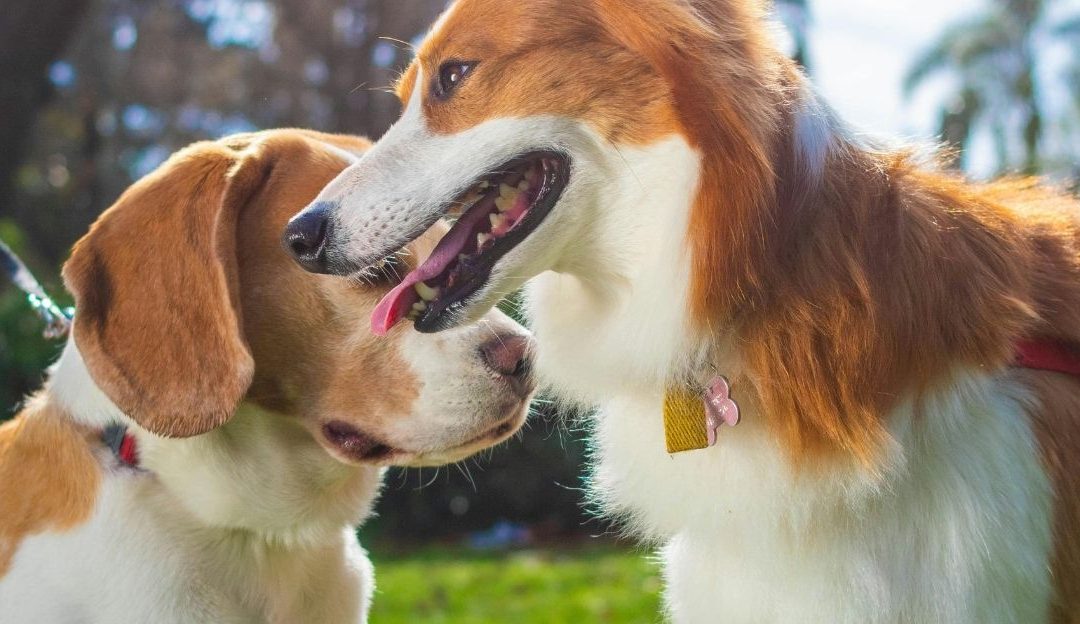
There is something deeply appealing in the image of a dog park. Open space, grass, freedom, play, encounters, “socialization.” People stand on the side, smiling, relaxed, convinced they are doing the best possible thing for their dog. The idea seems pure, humane, modern. And that is exactly why it is dangerous. Not because it is malicious, but because it is based on a misunderstanding of the dog’s nature.
The question is not whether a problem will occur. The question is when, and what the cost will be.
Over the past ten years, dog parks have become a standard of urban culture. In many cities, they are seen as a symbol of care for animals. However, alongside this growth, the number of incidents has also increased. Various studies and data from veterinary practice show that a significant percentage of owners report that their dog has experienced an attack in such environments. Estimates go as far as suggesting that approximately every seventh dog has had a negative experience in a dog park. Scientific research further confirms that conflicts between dogs in these settings are a real and frequent occurrence.
But what cannot be seen in statistics is far more important. It is the invisible cost paid by the dog’s nervous system. It is the micro-stresses that accumulate. It is the behavioral changes that appear later, when no one connects cause and effect anymore. And here we arrive at the key point: the dog park is not the problem. The problem is the idea we have placed into it.
Anthropomorphism and the Truth About Dog Parks
Anthropomorphism means attributing human characteristics to beings that are not human. When a dog owner observes a dog through a human lens, we do two things at once: we lose contact with its nature and project our own needs onto it. We believe it needs the company of other dogs because we need the company of other people. We believe that a large group equals joy. We believe that more contact means more “socialization.”
But a dog is not a human in a dog’s body.
A dog did not originate in a dog park. A dog comes from a structure that has deep roots, from relationships that carry order, boundaries, and meaning. The dog is a descendant of the wolf, and although it lives alongside us today, its instincts have not disappeared. They are still there, quiet, present, patient.
Whether it is a Chihuahua, a German Shepherd, or a mixed breed, in every dog there is a layer that does not belong to the modern world, but to the nature that shaped its nervous system over thousands of years. What we often do not know is what exactly is required to activate that layer. Which look, which movement, which scent, or which tension in the space can become a trigger.
And this is where the problem begins. Because when those primordial instincts awaken, the dog does not react as a pet. It reacts as a being guided by survival, hierarchy, protection, and defense. At that point, there is no longer “play” in the human sense. What begins is what people later describe with sentences like: “I don’t know what happened,” or “He has never behaved like that before.”
But it is not something new. It has always been there. And when it emerges, the consequences can be serious. A dog can injure another dog. It can injure a human. It can also be injured or even killed. At that moment, the cost of anthropomorphism becomes real.
Why Socialization and Dog Parks Do Not Go Together
One of the most common arguments in favor of dog parks is socialization. However, the way this concept is used is often completely misunderstood.
Socialization is not the amount of contact. It is not the number of dogs a dog has met. It is not the intensity of play. Socialization is the dog’s ability to remain regulated, stable, and functional in the presence of other beings.
This means that a dog can see another dog and remain within itself. It does not need to approach every dog. It does not need to react to every stimulus. It means the dog has an internal structure that allows it to exist in the world without the need to control it or escape from it.
In dog parks, this is exactly what is lost. The dog is taught the opposite: that every encounter requires a reaction, that intensity is normal, that boundaries are unclear, that excitement is desirable. This is not socialization. This is destabilization.
A large part of the problem lies in the fact that people do not recognize signs of stress in dogs. A dog that runs, jumps, and barks appears happy. But a highly activated nervous system is not the same as wellbeing. A dog can be in a state of overload while appearing to enjoy itself.
In dog parks, dogs are exposed to constant signals: looks, movements, approaches, scents, and the tension of other dogs. Their system must continuously evaluate and react. When that system can no longer process everything, an explosion occurs. People then say it happened out of nowhere. But it did not. It happened within a system that was overloaded.
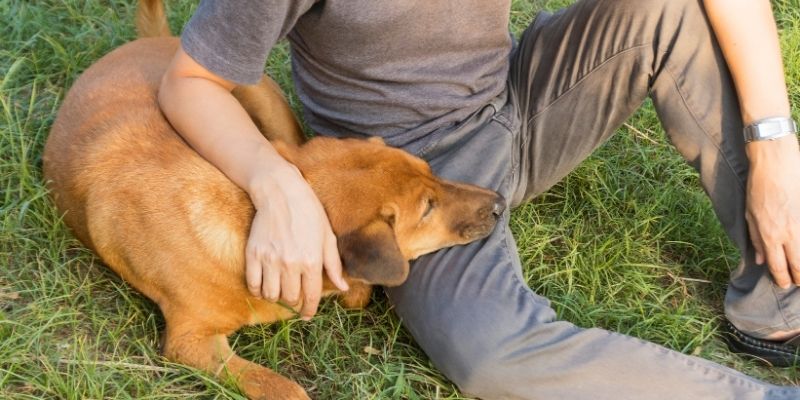
Clear structure and calm build a more stable dog than chaotic play.
Belonging to a Group, Not a Crowd
This is why it is important to understand another key point: a dog is not a being that seeks to be part of a crowd. A dog seeks belonging. And belonging does not exist in chaos.
A dog feels safest, most stable, and most relaxed within its small group. This can be a family, a household, or a small circle of known relationships where it understands its place and where boundaries are clear. This does not mean isolation. It means a clear and meaningful position within relationships.
When a dog has its place, it can move through the external world without needing to react to every stimulus. Encounters with other dogs then do not become a matter of survival, but simply part of the environment that it can register and let pass. Otherwise, every encounter becomes a potential trigger. And at that point, the dog park stops being a space of freedom. It becomes a space of uncertainty.
One of the biggest problems with dog parks is that the consequences often do not appear immediately. A dog may seem “social” for a long time, without visible issues. And then one day, something changes. The dog becomes reactive. It begins to avoid contact or enters a state of excessive tension. Every dog owner then looks for the cause in the last event. But the cause is often cumulative.
Every stress, every unclear interaction, every situation without structure leaves a trace. These traces accumulate until the system reaches a breaking point. And then we come to the question: what is the cost?
The cost can be injury. It can be behavioral change. It can be the loss of trust between the dog and the human. It can be a long recovery process that requires time, knowledge, and patience. And it all began with the idea that we were doing something good.
Why We Choose a Dog and Postpone Having a Child

The Dog Groomer’s Dilemma: Journey Trough Burnout, Belonging and Becoming
What Is the Alternative?
The answer is not isolation. A dog needs contact with the world. But that contact must be structured, gradual, and meaningful.
Instead of random encounters, we choose quality relationships. One or two stable dogs with whom our dog can develop a familiar and predictable connection. Instead of chaotic play, we introduce clear boundaries and rhythm. Instead of constant stimulation, we allow the dog to learn how to be calm in the presence of others.
Walks where the dog learns to observe the world without the need to react have greater value than an hour of chaotic play. Short, controlled encounters build security. Work on regulation becomes the foundation. In other words, we do not build a dog that is “social” in the human sense of the word. We build a dog that is stable.
In the end, the question of dog parks is not a question of space. It is a question of awareness. How willing is a dog owner to truly understand the dog, instead of adapting it to ourselves? How willing are we to admit that good intentions are not enough if they are not supported by knowledge?
A dog park may look like a place of freedom. But without understanding the nature of the dog, it becomes a space where freedom turns into chaos. That is why perhaps the most important question is not where we take the dog, but how we guide it through the world.
A dog does not ask for more freedom. It asks for more clarity. And clarity does not exist in chaos.
At Sasha Riess, we step away from the crowd to offer your dog the security of structure and leadership. True socialization means teaching your pet to remain calm and regulated, ensuring genuine pureloveandharmony. Discover your path to clarity: Linktree Sasha Riess
The Dog Groomer’s Letter of the Month Club with Sasha Riess
by Sasha Riess | 15.06.26. | Coat Care
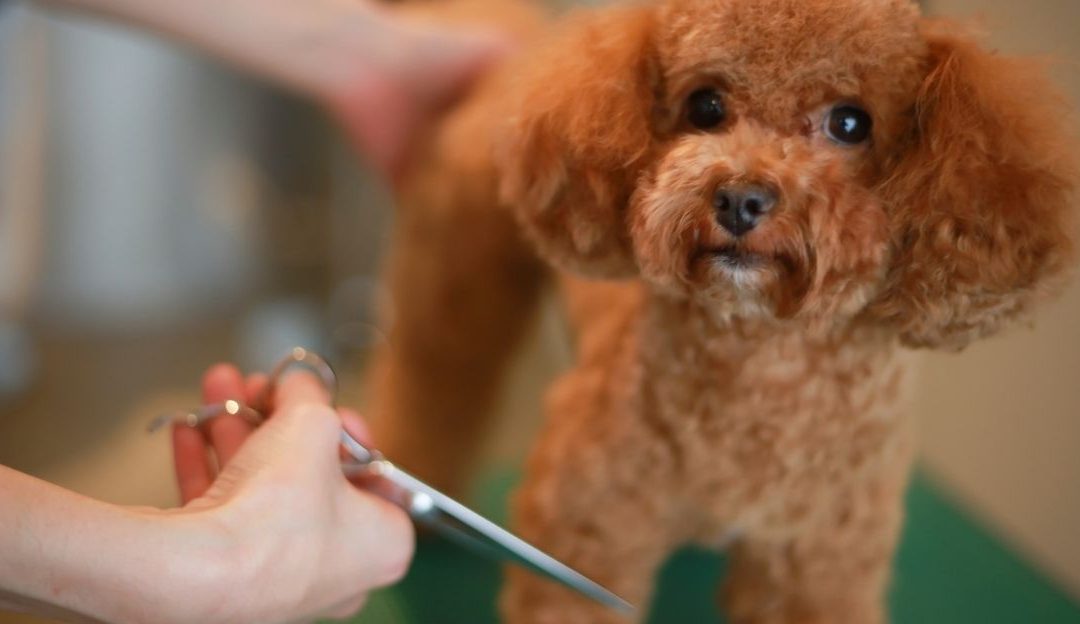
The hands are the same. The scissors are the same. The technique is the same. Even the dog is the same. But the result? Completely different. That is the moment every groomer seeks, not perfection, but alignment.
Creative flow in grooming happens the moment you let go of control, stop questioning every movement, and finally begin to trust yourself.
From Tears to Triumph: When Work Becomes Easy
We often struggle with lines, angles, and symmetry, forgetting that the dog feels our uncertainty.
When one student, after hours of drawing and learning, finally put down the need to control and began working “backwards,” row by row, without asking unnecessary questions, something shifted.
Forty minutes later, the dog was radiant, perfectly balanced and smooth. But the true beauty was not in the dog. It was in the tears of the groomer who said: “This dog has never looked this good… and I have never felt this good.”
„This dog has never looked this good.“
More Than a Groom: Finding Yourself
That “smooth finish” we see on the dog is actually a reflection of the inner calm the groomer has reached. When you are present, the work becomes effortless, and the result, as Sasha says, becomes an incredible outcome born from what appears to be nothing.
Creative flow in grooming is not a goal achieved by force. It is a space you enter when you allow yourself to be fully present. Do not search for perfection in every hair. Search for the feeling of alignment with yourself while you create.
At Sasha Riess, we teach that scissors only execute what the soul has already envisioned. Stepping into a state of creative flow in grooming transforms your work and fills the space with pureloveandharmony. Discover your creative alignment: Linktree Sasha Riess

The Dog Groomer’s Dilemma: Journey Trough Burnout, Belonging and Becoming
by Sasha Riess | 12.06.26. | Coat Care
Many owners still receive advice that a dog should be bathed only three times a year. While that may have been relevant in the past, life in urban environments today requires a completely different approach. Regular bathing dogs is no longer a matter of aesthetics, but of preventing the intake of heavy metals into your dog’s body.
The Hidden Danger From Asphalt and Air
Urban dogs walk on asphalt daily and inhale polluted air saturated with heavy metals. These toxins are large molecules that cannot pass through the skin on their own, but they bind to lanolin, the natural fat on the coat.
The problem occurs when the dog:
In this way, heavy metals from the street end up directly inside the dog’s body. Apple cider vinegar and a cloth are not enough to break down the fat to which these toxins are attached. Always use conditioner after shampoo to seal the coat and prevent flaking.
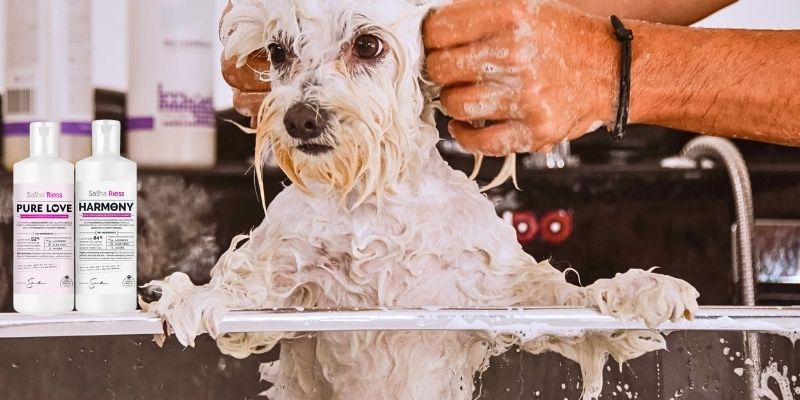
Shampoo cleans, but conditioner seals and protects.
Proper Care: Shampoo Is Not Enough
If a dog lives indoors and moves through the city, bathing dogs every 7 to 15 days is ideal. However, the key lies in the correct process:
-
Shampoo and conditioner: Never use shampoo alone, as it dries out both the skin and the coat. Conditioner is essential to seal the coat and maintain its elasticity.
-
Nutrition against dandruff: If you notice dandruff, a useful trick is adding a quarter teaspoon of butter to the dog’s food. These healthy fats nourish the skin from within.
Forget advice from the past; a clean dog in an urban environment is a healthy dog.
At Sasha Riess, we understand that bathing dogs is a shield against the modern world. Protecting their internal organs starts with external care and pureloveandharmony. Maintain their defense: Linktree Sasha Riess
The Dog Groomer’s Letter of the Month Club with Sasha Riess
by Sasha Riess | 12.06.26. | Emotions
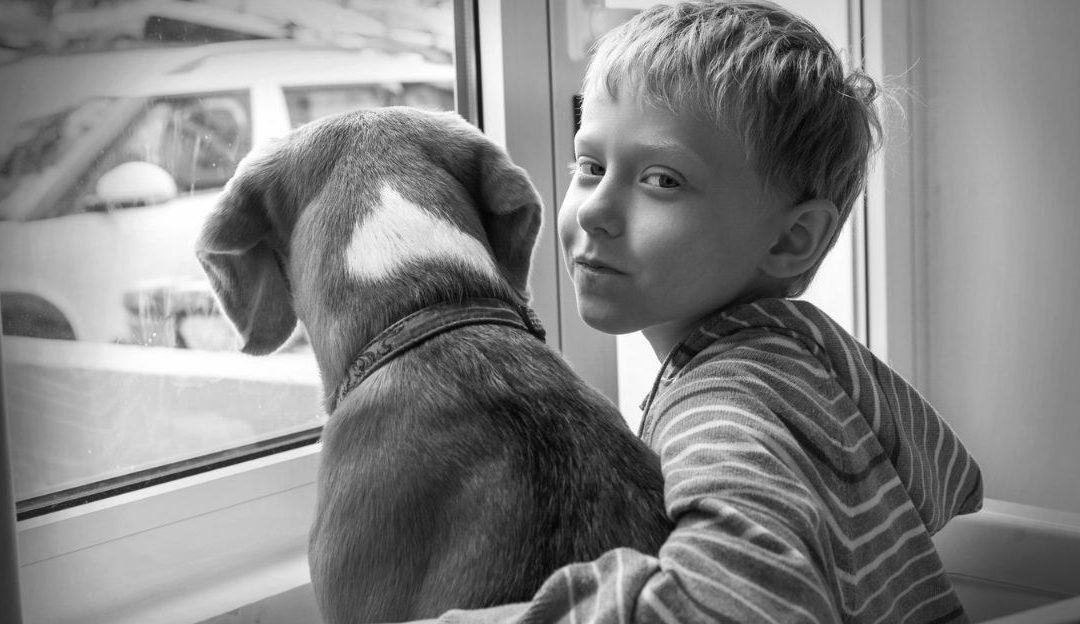
Unlived wounds that we keep silent about become quiet alarms in our homes, and this is why dogs are the first to recognize them. What we often mistake for calmness is, in reality, trauma that is afraid of itself. If we do nothing, we will leave our children to face the consequences of our silence and our pretense that everything was fine.
The Illusion of Stability and the Denial of Pain
In my previous column, I wrote about how, in our attempt to protect ourselves from overwhelming pain, we left dogs to be the first to show the consequences of our silence. A comment recently appeared: “There was no panic or chaos. The dog had its routine.”
This sentence is a perfect example of how unlived wounds are created through denial. When collective trauma strikes so deeply, the easiest way to survive is to say that nothing happened. But this denial is not proof of stability; it is a symptom of a wound. No one wants to admit the world stopped, because that would mean admitting what that stoppage did to our internal systems.
A Dangerous Inheritance for Children and Dogs
Adults find ways to survive even when life collapses, but children and dogs do not have the mechanisms to store trauma in internal drawers. They will live out what we do not dare to acknowledge.
The sentence “The dog had a routine” is actually a sentence of fear. It speaks about a person who needed that routine as an anchor to endure an unbearable period. If we continue to close our eyes to who we became during the pandemic, we only close another circle of silence. Silence creates generations that carry the weight of their parents without knowing why.
Emotional Imprints: When Dogs Speak for Us
Dogs are already showing us the results of these unlived wounds. We see it in:
-
Severe separation anxiety
-
Increased reactivity
-
Panic when humans return to work
-
Inability to be separated for even five minutes
These are not „problem dogs.“ These are emotional imprints of human pain that was never fully processed. They speak through their behavior because we chose to remain silent.
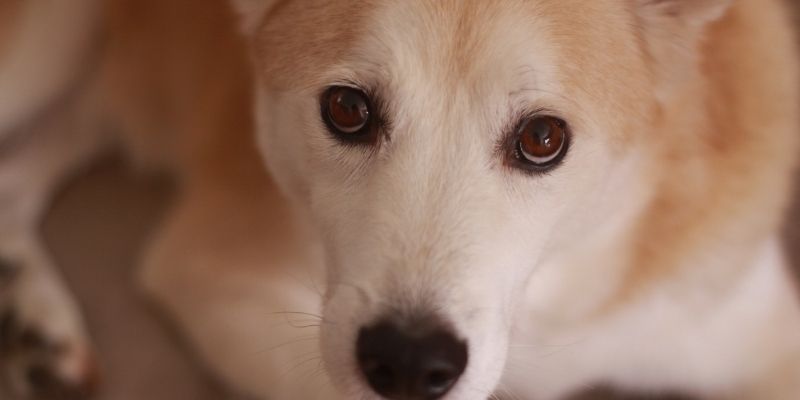
The sentence “The dog had a routine” is often not proof of stability, but the deepest scream of fear hidden behind an appearance of normalcy.
Acknowledgment as the Path to Healing
We must not leave our children and dogs an inheritance of silence. The price of silence always comes; it just needs time. It is time to stop defending ourselves with „there was no panic.“
Acknowledging that it was hard and painful is not weakness. Acknowledgment is the only way to ensure that we do not pass our unlived wounds to our children and our dogs as an invisible inheritance. Truth, not silence, is what leads to stability.
At Sasha Riess, we understand that a dog’s peace is tied to the human’s honesty. Facing our unlived wounds is the only way to protect our pets and children, leading us all toward pureloveandharmony. Discover more about our holistic approach: Linktree Sasha Riess
The Dog Groomer’s Dilemma: Journey Trough Burnout, Belonging and Becoming
by Sasha Riess | 11.06.26. | Nutrition
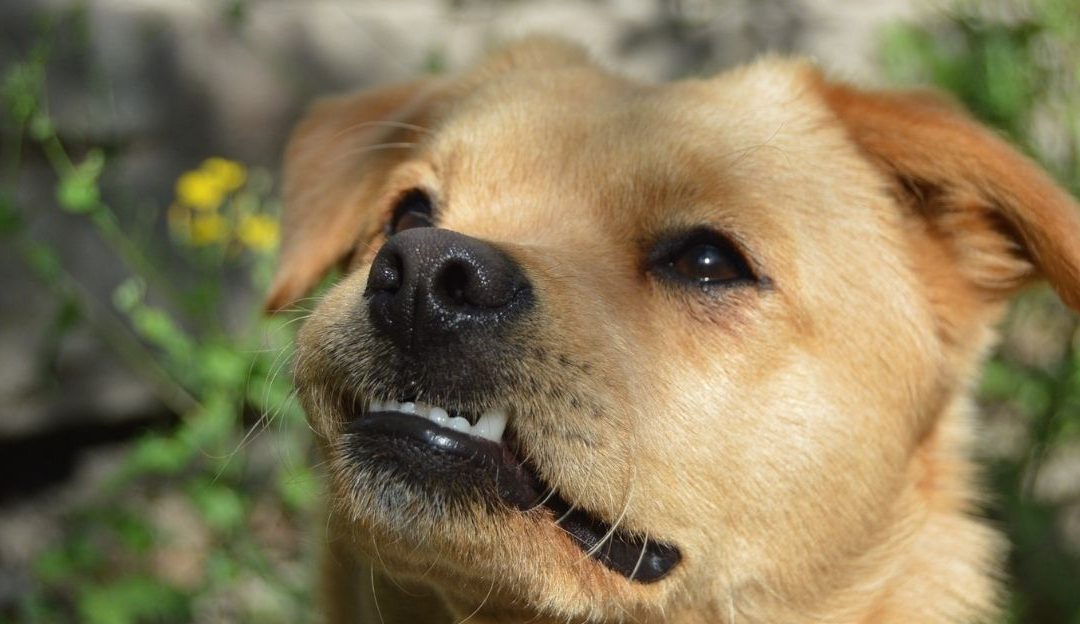
Most owners believe that problems with a dog’s teeth and gums can only be solved through brushing and expensive products. The truth, however, is far more natural. Dog care and jaw health rest on three pillars: mechanical cleaning, saliva chemistry, and stress control. If your dog does not chew, its teeth cannot be healthy, no matter how much you scrub them with artificial toothpaste.
A Bone as the Perfect Tool and “Toothbrush”
Every dog has an instinctive need to chew. Giving large, raw bones, such as shoulder bones, twice a week is one of the best ways for a dog to maintain its own dental hygiene. Chewing a firm bone mechanically removes buildup, but more importantly, it stimulates saliva production.
The Power of Saliva and pH Balance
Saliva is the most powerful natural protection. It contains enzymes essential for digestion and, most importantly, regulates the pH of the oral cavity. When a dog chews intensively, it produces rich saliva that washes away bacteria and prevents buildup.
Instead of commercial products filled with chemicals, the best “toothpaste” you can offer is coconut oil. It has natural antibacterial properties and dogs love it. Chewing bones twice a week is one of the best forms of prevention against tartar.
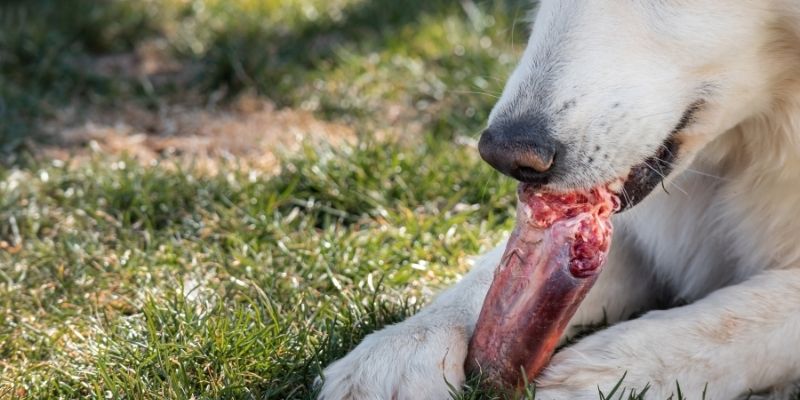
Chewing bones twice a week is the best stone prevention.
Tartar as a Sign of Stress
It is important to understand that plaque and tartar are not solved only through mechanics. Tartar is often an indicator of stress a dog is experiencing. In that sense, a bone is also a release valve, allowing the dog to discharge internal tension.
However, true care sometimes requires more than just offering a bone. In certain cases, applying coconut oil directly to the gums can provide additional support, especially in dogs under chronic stress that alters the composition of their saliva.
At Sasha Riess, we respect the canine anatomy by providing natural solutions for dog care and jaw health. Returning to instinctive chewing promotes oral hygiene and emotional pureloveandharmony. Restore their natural balance:Linktree Sasha Riess
The Dog Groomer’s Dilemma: Journey Trough Burnout, Belonging and Becoming
by Sasha Riess | 11.06.26. | Coat Care
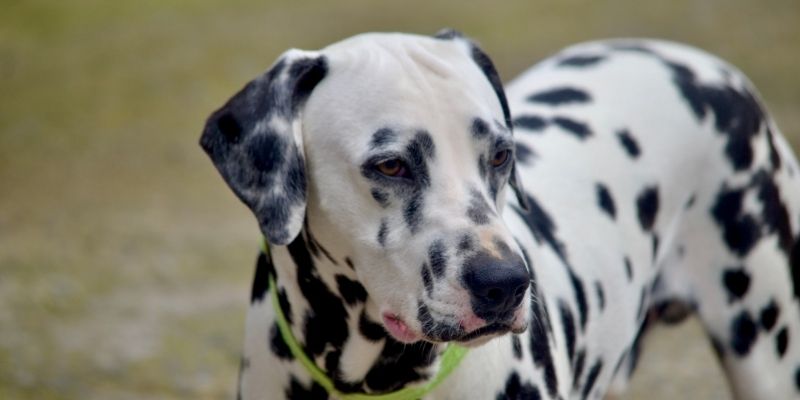
The Dalmatian is a dog Novak wants to get, but he is not sure whether to choose a short-haired or a long-haired one. He has heard from friends that long-haired Dalmatians shed less, but also that they are not “true” Dalmatians. So the question arises which one to choose.
Biological Difference: Why Do Long-Haired Dogs “Shed Less”?
Dalmatians are not unique in this. Similar variations exist in Vizslas, Collies, and pointers.
The question is only whether selective breeding will preserve or eliminate that trait. The more interesting question is why dogs with longer coats appear to shed less.
The answer lies in the hair growth cycle. If short hair needs around twenty-one days to grow and fall out, long hair has a significantly longer cycle, for example around forty-five days. In addition, long-haired dogs often have a wool-like undercoat that holds dead hair “attached,” so it does not fall off as visibly around the home. In simple terms, the cycle is longer, so shedding appears less frequent.
Coat as a Symptom of Deeper Changes
In the context of Dalmatian breed development, the appearance of a long-haired variety can be sporadic. It is important to understand that the activation of genes responsible for coat length may also signal the presence of other active or inactive genes that influence the development of certain conditions. Sometimes a physical trait is only a surface expression of deeper biological changes that affect the dog’s life.
If the breed standard disqualifies long-haired Dalmatians, it is often not only about aesthetics, but about underlying imbalances that may not be visible to the eye.

Sasha Riess Pure Love & Harmony Duo Pack The Complete Dog Coat Care System
The Real Solution to Shedding Regardless of Coat Type
Regardless of coat variation, the Dalmatian is a being that goes beyond spots and hair length. It is a being of connection that teaches us lessons far greater than appearance.
The only real solution to shedding, whether you choose a short-haired or long-haired dog, is regular bathing, especially during spring and autumn. With proper bathing every seven to ten days, using both shampoo and conditioner, dead hair is removed in the bath instead of ending up around your home. At the same time, the skin renews, and both you and your dog benefit from a cleaner, healthier environment.
At Sasha Riess, we look beyond surface aesthetics like spots or coat length to understand a dog’s underlying blueprint. Honoring the genetic and biological reality of your Dalmatian is the first step toward lifelong pureloveandharmony. Protect their health: Linktree Sasha Riess
Awakening With Dogs : Exploring the Profound Connection Between Dogs and Humans: Love, Resonance, and Healing Kindle Edition
by Sasha Riess | 10.06.26. | Behaviour
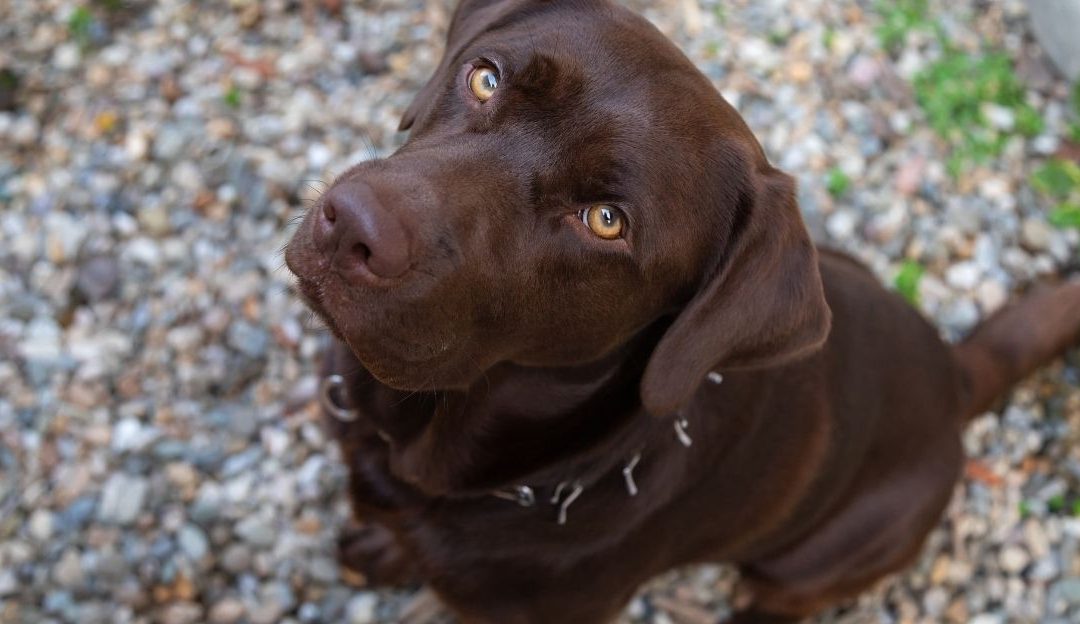
Trauma in dogs is often overlooked in modern training because we rely too heavily on treats. When a dog receives a reward for something it did “right,” we rarely notice the other side of that process: the moment when the reward is absent.
Although the reward system is considered “positive,” for a dog’s physiology it can be deeply counterproductive.
Trauma Hidden in Expectation
Many people ask: what kind of trauma can occur when I reward my dog for being good? The problem is not in the moment of the reward itself. The problem arises in the moment when the dog is not “good” and the reward is missing.
For the dog, there is no theory or training method in that moment. There is only the experience of absence. Learning through pure conditioning directly affects the dog’s physiology, but not in the way we think. Positive stimulation through food is only one side of the coin. The other side is the negative effect that appears in the dog’s body when it does something and the expected reward does not come.
Relationship Above Method: Preventing Trauma in Dogs
The question is not only how we teach a dog, but what kind of relationship we build while conditioning it. Are we building a partnership based on understanding, or a dependency that disturbs inner balance?
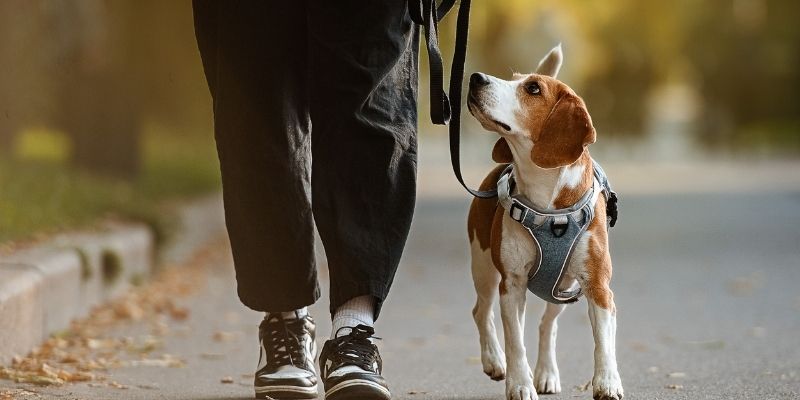
Build a relationship that doesn’t depend on a piece of food in your pocket.
True communication with a dog does not come through a piece of food in your hand. It comes through alignment that leaves no space for physiological stress that later develops into chronic conditions. Remember, every time you rely on conditioning, you risk creating trauma in dogs that is difficult to resolve later.
At Sasha Riess, we believe true communication bypasses the stress of bribery. Moving beyond food conditioning prevents underlying trauma in dogs, paving the way for authentic pureloveandharmony. Build a real partnership: Linktree Sasha Riess
by Sasha Riess | 10.06.26. | Nutrition
In dog nutrition we often talk about proteins, fats, and calories. But deep within the body there is a relationship that determines far more profoundly how the organism uses food. That relationship is the balance between calcium and phosphorus.
How Dog Nutrition and Metabolism Depend on Minerals
This mineral pair is not important only for bones. It actually regulates the speed of metabolism, meaning the way the body burns energy. Calcium tends to slow metabolic processes and stabilize cellular activity, while phosphorus accelerates energy production and intensifies metabolic reactions. When their balance changes, the rhythm at which the body functions changes as well.
For this reason, physiology often speaks about so-called fast and slow oxidative metabolic types. These terms do not simply mean that metabolism is fast or slow in the usual sense. They describe the way cells burn fuel.
Different Metabolic Types and Dog Nutrition
A fast oxidative type is an organism that converts food into energy very quickly. Cells intensively use fuel, the nervous system reacts rapidly, and energy is consumed at a high pace. Such an organism has a powerful energetic rhythm, but often also a greater need to stabilize that rhythm.
A slow oxidative type releases energy more slowly and in a more controlled way. Fuel is burned steadily but at a slower rate. Such an organism often has a different relationship with proteins, fats, and minerals because energy does not leave the cells at the same speed as in fast types.
The difference between these two metabolic types has a direct influence on the way a dog uses proteins.
The Influence of Proteins on Oxidative Types
In the fast oxidative type, the body often uses proteins as fuel. When metabolism operates at a high tempo, amino acids are quickly broken down to produce energy. This means that too much protein can further accelerate a system that is already running fast.
In such cases, food with a lower share of protein, around forty percent in the overall structure of the meal, often helps stabilize the organism. Such a meal provides energy without placing additional pressure on the metabolic system.
In the slow oxidative type, the situation is different. The body does not burn fuel quickly enough and often struggles to produce energy from food. In those cases, the organism responds better to a higher share of protein, sometimes up to eighty percent in the structure of the meal, because proteins stimulate metabolic activity and help the body initiate energy production.
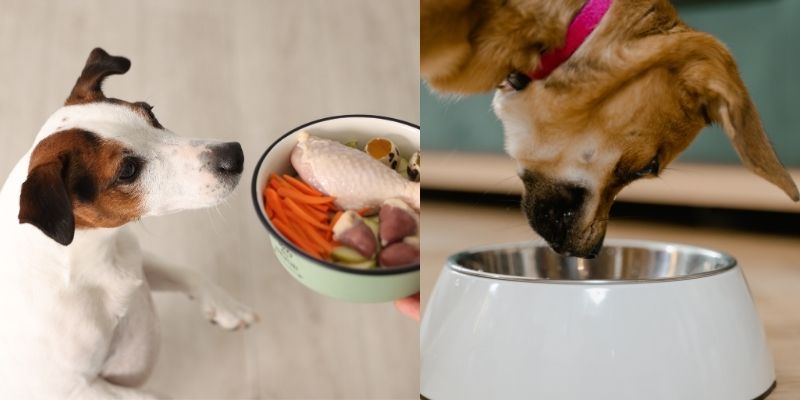
Each dog requires a unique ratio of nutrients.
The Trap of Universal Nutrition
This is where modern dog nutrition and metabolism science often makes a mistake. In recent years, raw and high-protein diets have become almost a universal recommendation for dogs. The idea that a dog should eat mostly meat or almost exclusively protein-rich food appears logical, since the dog is a carnivore. But physiology is not that simple.
If a dog belongs to the fast oxidative type, a diet composed almost entirely of protein can further accelerate a system that is already overloaded. The nervous system may become overstimulated, stress tolerance may decrease, and the body may begin to consume its own tissues to maintain the energetic rhythm. In such cases, what was intended as natural nutrition can actually worsen the dog’s condition.
On the other hand, a slower oxidative type may benefit from a higher protein intake because such food helps the body increase metabolic activity and energy production. The real question therefore is not whether raw or protein-rich food is good or bad. The question is for which dog.
Two dogs can eat the same meal and have completely different physiological reactions. One may become more stable and energetic. The other may become more tense, more fatigued, or metabolically burdened. The reason often lies precisely in the calcium and phosphorus balance that determines the tempo of metabolism.
When this balance is stable, the body can properly use proteins, fats, and energy from food. When it is not, even high-quality food can become a metabolic burden. That is why the most important step in feeding a dog is understanding its metabolic type. Only when we understand whether the body burns energy quickly or slowly can we begin to build a diet that truly supports its physiology.
Food then stops being a universal formula and becomes a tool that helps the body find its natural rhythm. Because a dog does not live from the percentage of protein written on the label. A dog lives from balance that allows its body to function.
At Sasha Riess, we look past the generic labels to discover the real needs of your pet. True health relies on a tailored understanding of dog nutrition and metabolism, allowing you to guide them toward lifelong pureloveandharmony. Learn your dog’s rhythm: Linktree Sasha Riess
Awakening With Dogs : Exploring the Profound Connection Between Dogs and Humans: Love, Resonance, and Healing Kindle Edition
by Sasha Riess | 09.06.26. | Coat Care
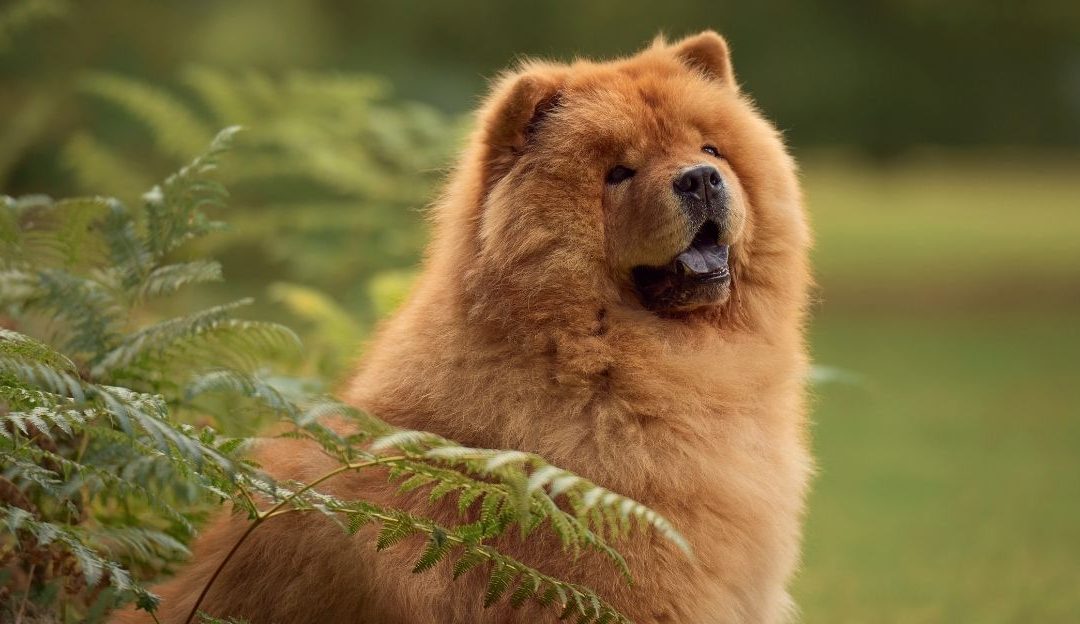
There is never enough discussion about hygiene. It is interesting how often happy owners tell me that the Chow Chow was their choice because it is “as clean as a cat.” They believe the claim that bathing this dog two or three times a year is sufficient, since it licks and cleans itself. Through conversations with people, I have gained the impression that the Chow Chow is perceived as one of the cleanest breeds, but this is a dangerous misconception.
Factors That Influence the Chow Chow’s Coat
What matters most is where and under what conditions the dog lives. Coat quality and the amount of lanolin are the result of multiple factors. External factors, what the dog eats, whether it sleeps in a bed or on a terrace, whether it lives in the city center or on the outskirts, directly affect hygiene. Internal factors such as genetics, hormones, age, and sex also determine the condition of a Chow Chow’s coat.
As a brand, we move away from the belief that a dog should be groomed solely according to coat type. A dog is groomed in relation to its proximity to humans. If your dog sleeps in your kitchen or your bed, it must adapt to your lifestyle, not the other way around.
Hygiene as the Foundation of the Human-Dog Relationship
People and dogs often separate because a person cannot tolerate a “smelly house.” And the house smells because the owner does not bathe the dog, trusting advice that one bath per year is enough. If you take your dog into the city three times a day, infrequent bathing is unrealistic. Lanolin is a sticky fat that attracts urban dirt. When the odor becomes unbearable, the dog often ends up on the street.
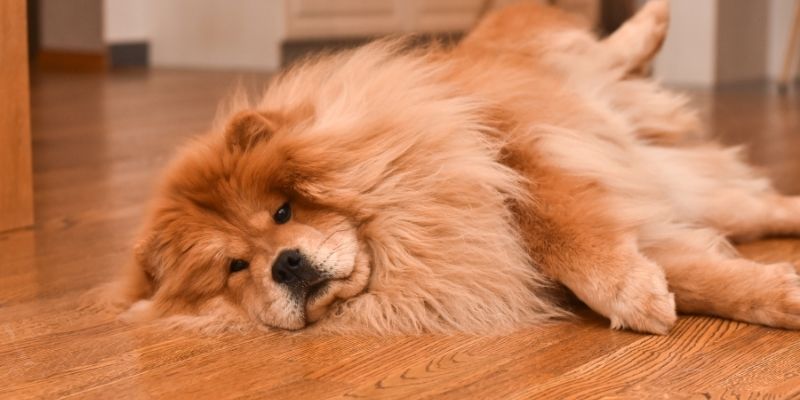
A dog living in the house must be adapted to the hygiene standards of the owner.
A person should not become a servant to the Chow Chow breed and its coat. In selective breeding, coat was always a secondary outcome, while character and working ability were the priorities. Today, when dogs are no longer needed for work, the focus has shifted to appearance, yet the relationship between humans and dogs is far deeper than that. A dog that lives in the home must be aligned with the owner’s hygiene standards.
Specific Challenges: The Chow Chow and Wrinkle Hygiene
The Chow Chow is an exceptionally sensitive breed. It has a long coat, abundant skin, and numerous wrinkles where hair grows in different directions. This creates an ideal environment for bacteria and fungi. Hygiene is essential here not because of “naturalness,” but because of health and coexistence with humans.
The myth that the Chow Chow cleans itself like a cat is actually a misinterpretation. What often appears as self-cleaning is the dog attempting to scratch because the wrinkles itch. Care for your dog in accordance with the standard of your own life. The breed is not what matters; what matters is the dog that sleeps beside your children. Everything else is the result of eugenics, similar to the idea once imposed on humans, a concept that places the breed above the living being.
At Sasha Riess, we break the myths that separate families. Grooming your Chow Chow according to human standards ensures a clean home and true pureloveandharmony. Align your hygiene: Linktree Sasha Riess
by Sasha Riess | 08.06.26. | Emotions
Many of us believe we are stable because we have maintained our daily habits, but very often that routine is nothing more than the pain trap we fall into in order to hide our unprocessed wounds. In my previous column, I spoke about how, in an attempt to protect ourselves from overwhelming pain, we allowed dogs to be the first to show the consequences of our silence.
Denial: How the Pain Trap Is Formed Through Unprocessed Wounds
A recent comment stated: “There was no panic or chaos. The dog had its routine.” This sentence is a perfect example of the very truth I was writing about. It is born when the memory of pain is too heavy to open. When social trauma strikes so deeply that the easiest way to survive is to say that nothing happened.
But this kind of denial is not proof of stability. It is proof of a wound. The pain trap is a survival mechanism where we minimize trauma because we cannot yet bear to confront it.
The Most Dangerous Pattern of Collective Psychology
The normalization of suppression is dangerous—not just for adults, but for children and dogs. They do not have mechanisms to lock everything away in inner drawers. They will live what we do not dare to admit. Dogs are already living the symptoms of silence; children will inherit them if we continue on this path.
[Image representing the contrast between outward routine and inner emotional weight]
Symptoms of Silence: What Dogs Tell Us About Our Pain
When we say „the dog had its routine,“ we are often speaking about our own need to maintain the illusion of normality. But dogs have already shown us what happens when emotions remain without a voice. We see it in:
These are not „problem dogs.“ These are emotional imprints of human pain that was never fully processed within the pain trap.
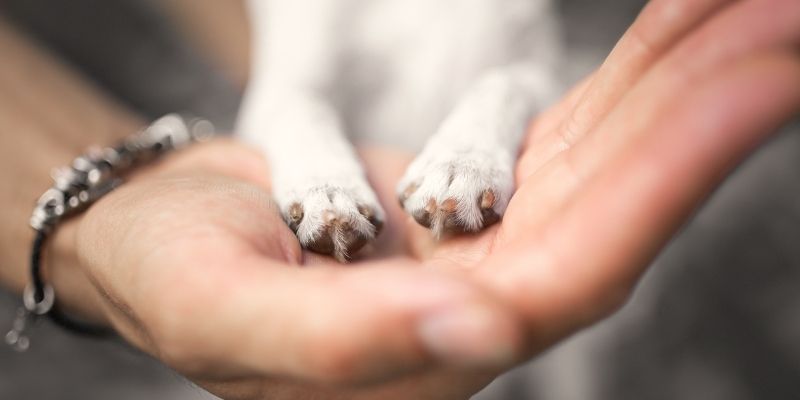
Our children and pets do not know how to hide what we are silent about.
Acknowledgment as the Path to Healing
If we do not speak about what happened, those who should not will speak instead: our children and our dogs. They speak through behavior, through the body, and through restlessness. We must not leave them an inheritance of a burden that belongs to us.
Acknowledging that it was hard and painful is not weakness. It is the only way to ensure we do not pass our own trauma on as an invisible inheritance. The pain trap only loses its power when we find the courage to speak the truth.
At Sasha Riess, we understand that a dog’s behavior is often a reflection of the human’s inner state. Breaking free from the pain trap is essential to achieving true pureloveandharmony. Start your journey of acknowledgment here: Linktree Sasha Riess